

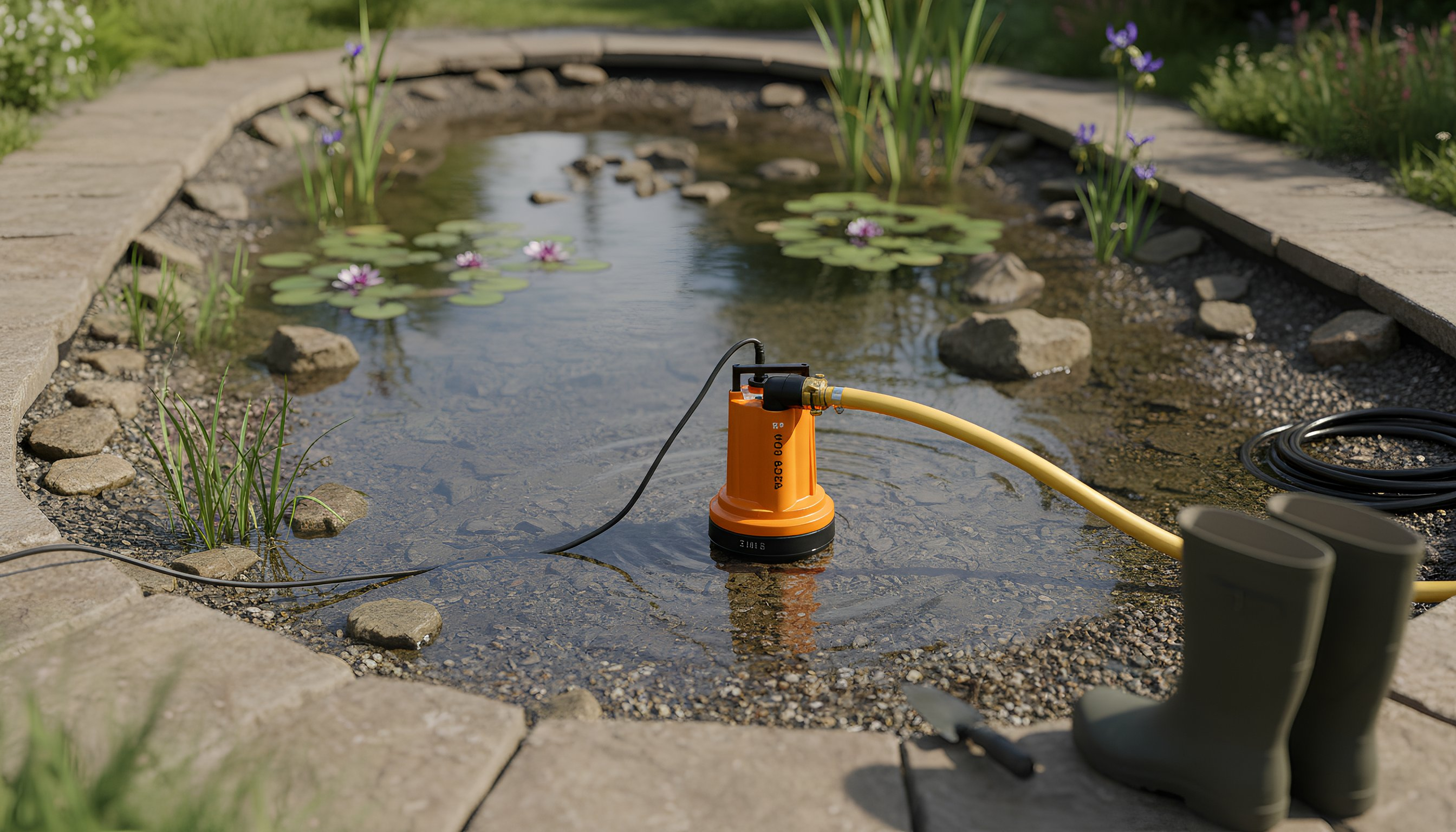
Are you looking for the perfect submersible pump, but can't see the forest for the trees? Flooding, a flooded basement, a flooded construction pit, or a swimming pool that needs emptying; the right submersible pump can make a world of difference. This comprehensive guide for 2026 takes you through the wonderful world of submersible pumps, from the basics to advanced applications, so you know exactly which submersible pump is best suited for your situation. We delve deeper into the different types, their unique features, and how to optimize your pump's lifespan.
What is a submersible pump and how does it work?
A submersible pump, as the name suggests, is a pump that is fully or partially submerged in the water to be pumped. The major advantage of this is that the pump does not require a suction hose that remains above the water surface, making the suction process more efficient and less prone to malfunctions. Submersible pumps are designed to pump water from a wide range of situations, from minor domestic flooding to heavy-duty industrial applications.
The Basics of a Submersible Pump
The operation of a submersible pump is relatively simple, yet effective. The pump is equipped with a watertight motor that drives an impeller. This impeller creates a pressure differential, drawing water into the pump and discharging it through an outlet hose to another location. The motor is cooled by the surrounding water, contributing to the pump's durability and efficiency. Many submersible pumps are equipped with a float switch that automatically switches the pump on and off at certain water levels, which is crucial for unattended operation.
Advantages of Submersible Pumps
- Efficiency: Because the pump is in the water, no air needs to be drawn in, which speeds up the starting process and makes it more efficient.
- Cooling: The motor is cooled by the surrounding water, which prevents overheating and extends its lifespan.
- Low noise: Under water the pump produces less noise.
- Compact and Mobile: Many submersible pumps are relatively small and easy to move.
- Automatic operation: Float switches allow automatic operation.
The Different Types of Submersible Pumps: Which One Is Right for You?
The world of submersible pumps is diverse, with specific models for every conceivable application. Choosing the right pump starts with understanding these differences. The key differentiating factors are the type of water to be pumped and the desired functionality.
Clean water submersible pumps
Clean water submersible pumps are designed for pumping water with minimal solids. This includes rainwater, pond water, or slightly polluted water. They are ideal for applications such as draining a swimming pool after the winter, removing excess rainwater from a garden, or pumping a flooded basement with relatively clean water. These pumps often have a fine filter to protect the impeller from small particles.
A common type of submersible clean water pump is the so-called flat suction pump. Want to learn more about this specific type and how it can help you get a space mop-dry? Then be sure to read The Ultimate Guide to Flat Suction Pumps: Everything You Need to Know About Mop-Dry Pumps .
Wastewater Submersible Pumps
Submersible wastewater pumps are the powerhouses among submersible pumps. They are specially designed to handle water containing larger solids, such as mud, sand, leaves, or even feces. These pumps are equipped with a more robust impeller and a larger passage to prevent clogging. They are indispensable for pumping out construction pits, ditches, ponds with heavy sludge, or basements flooded with heavily contaminated water.
For a deeper dive into this topic, we recommend reading The Ultimate Guide to the Submersible Wastewater Pump: Everything You Need to Know .
Submersible pumps for specific applications
- Basement pumps: These are often compact submersible pumps, available in both clean and dirty water versions, specifically designed for automatically pumping water from basements and crawl spaces. They often feature an internal float switch so they fit in tight spaces. For a dry basement, the right pump is essential. More information can be found in "All About Basement Pumps: The Ultimate Guide to a Dry Basement ."
- Drainage pumps: These pumps are ideal for removing excess water from gardens, construction sites, or agricultural areas. They can handle both clean and slightly contaminated water.
- Pond pumps: Although often submersible pumps, pond pumps are specifically designed for circulating and filtering pond water, not primarily for emptying it.
- Sewage pumps: A specialized form of sewage pump, equipped with a grinder to finely grind solids before discharge.

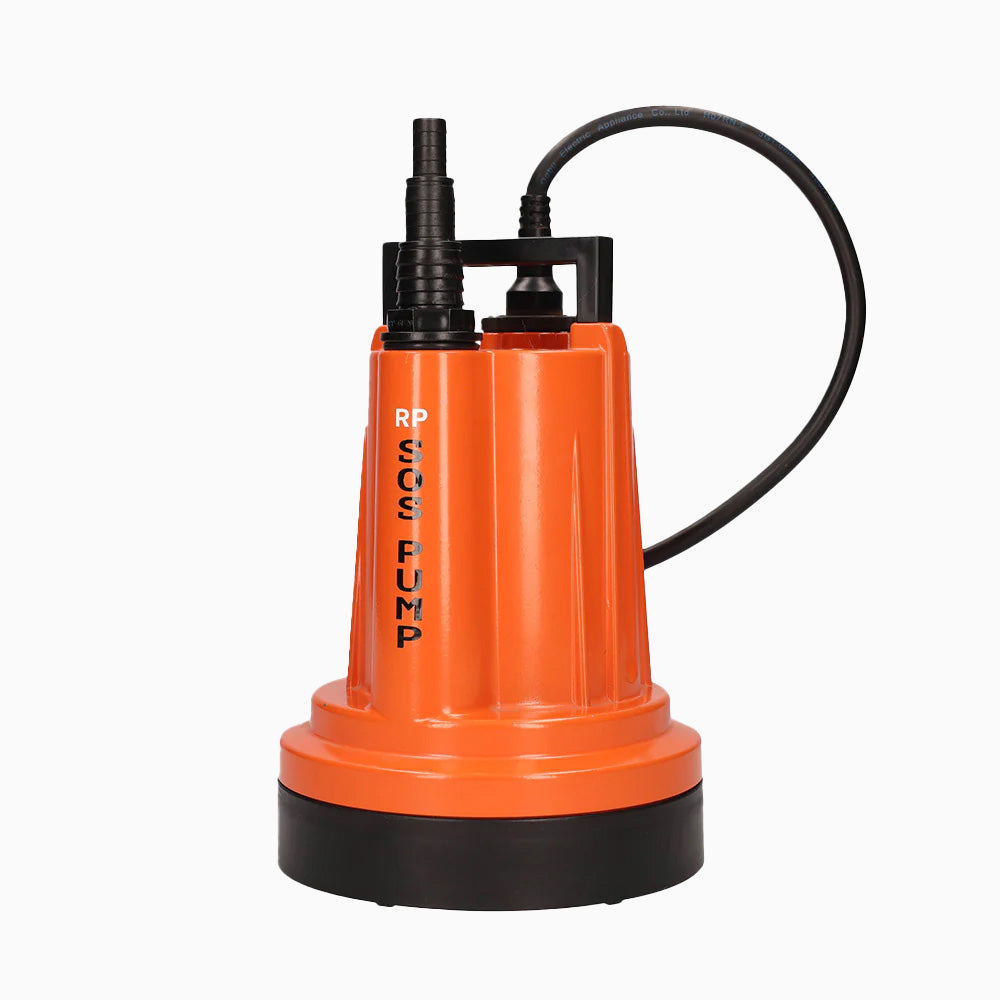
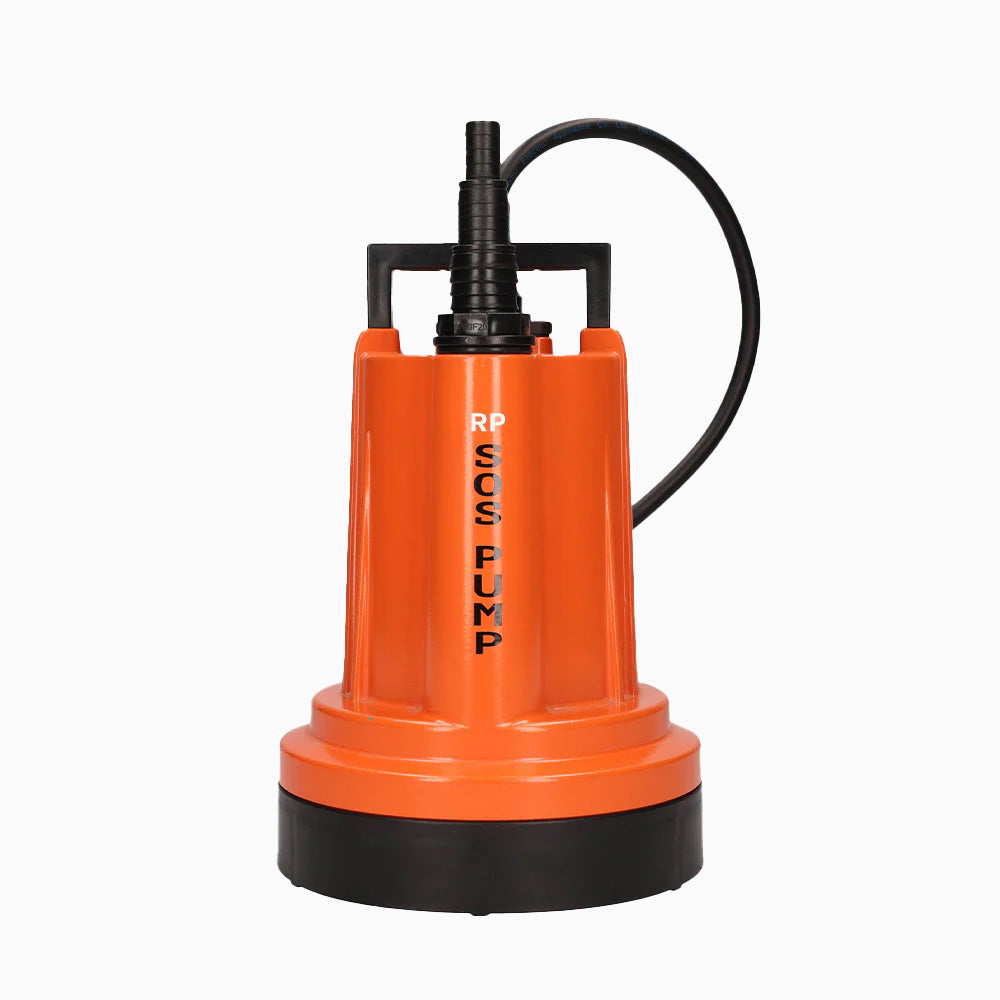
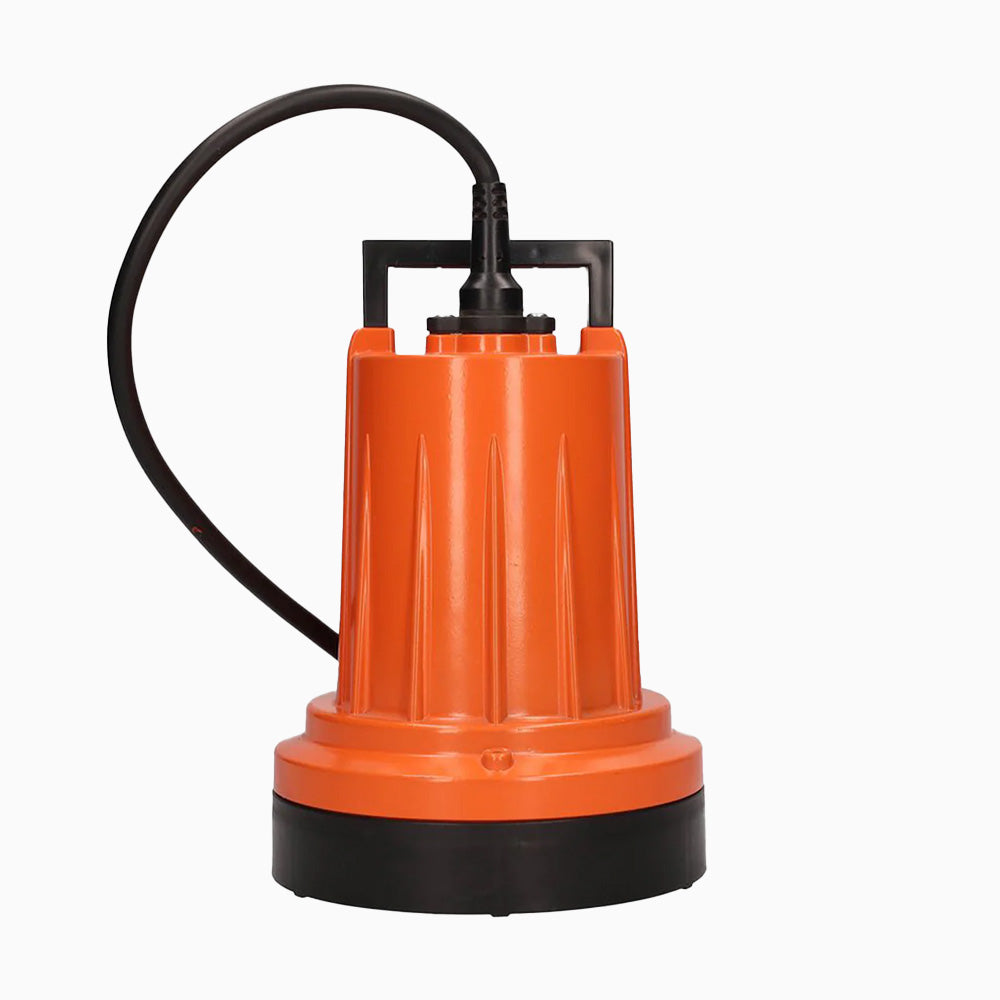
Flat suction submersible pump
What should you pay attention to when buying a submersible pump?
Buying a submersible pump is an investment that requires careful consideration. Several factors determine a pump's performance and suitability. By carefully considering these factors, you'll avoid disappointment and ensure you get the right pump for the right job.
Capacity and Head
- Capacity (liters/hour or m³/hour): This indicates how much water the pump can pump per unit of time. Determine the maximum amount of water you need to pump and choose a pump with sufficient capacity. Keep in mind that the capacity decreases as the head increases.
- Head (meters): This is the maximum height to which the pump can pump water. Measure the vertical difference between the lowest point where the pump is located and the highest point where the water needs to go. Add any resistance from the hose and bends to this.
Type of water and solid particles
As discussed earlier, it's crucial to know whether you want to pump clean or dirty water. Pay attention to the maximum particle size the pump can handle. This is often indicated in millimeters. A dirty water pump can usually also pump clean water, but a clean water pump quickly clogs with dirty water.
Float Switch: Automatic or Manual Operation
A float switch is an essential component for automatic operation. There are several types:
- External float: A classic float that floats on the water and switches the pump on and off. Requires sufficient space.
- Internal float: Compact and ideal for narrow spaces such as a cellar pit.
- Electronic float: Highly precise and adjustable, often with a very low activation level. Perfect for wiping surfaces dry.
Material and Sustainability
The housing of a submersible pump can be made of plastic, stainless steel, or cast iron. Stainless steel and cast iron are more durable and more resistant to aggressive fluids and wear, making them more suitable for intensive use or dirty water. Plastic pumps are lighter and often more affordable, ideal for occasional use with clean water.
Connections and Hoses
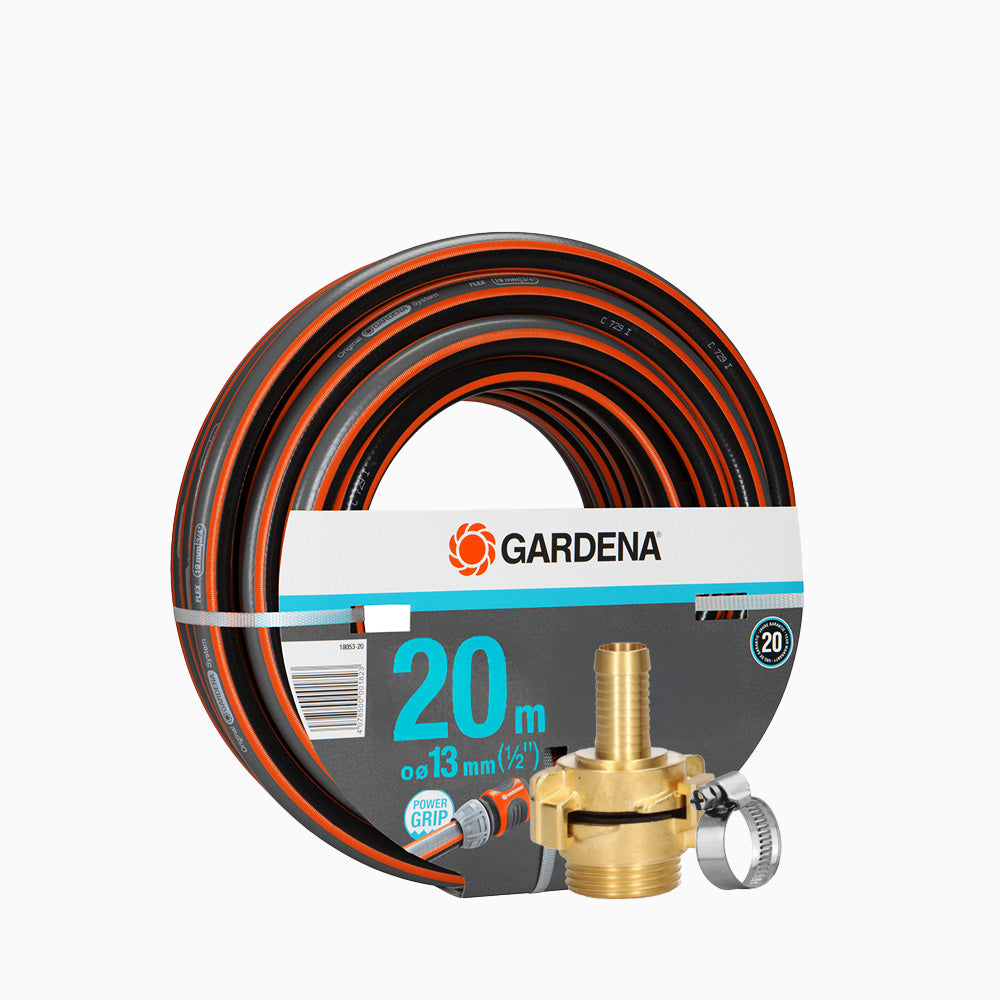
Check the diameter of the discharge connection and ensure you have a hose that fits. Adapters are often available. A larger hose diameter reduces resistance and increases the pump's effective capacity.
Practical Applications of Submersible Pumps
Submersible pumps are multifunctional tools that are useful in countless situations. From emergencies to routine maintenance, the right submersible pump makes life much easier.
Flooding in Home and Garden
The most common application is combating flooding. Think of a flooded basement due to heavy rainfall or a burst pipe. A submersible pump can quickly and efficiently remove the water. This also applies to "Flooding in the Crawlspace: The Complete Guide to Solutions and Prevention ," where a submersible pump is often the first line of defense.
Swimming Pool Drain
At the end of the season or for maintenance, it's often necessary to empty a swimming pool. A submersible pump is the ideal solution. Make sure you choose a pump that's suitable for the volume of water and any chlorine residue. For detailed instructions, see "Emptying a Pool: The Complete Guide to Safely Emptying Any Type of Pool ."
Draining Water on a Flat Roof
A flat roof can retain a lot of water during heavy rainfall, which can lead to leaks and damage to the structure. A small submersible pump can be used preventatively to drain excess water. You can read more about this topic in Water on a Flat Roof: The Complete Guide to Causes, Risks, and Solutions .
Construction and Industry
In construction, submersible pumps are frequently used to keep building pits, foundations, and trenches dry. High-capacity submersible wastewater pumps are essential for this. They are also used in industry for pumping various liquids.
Irrigation and sprinkling
Although less common than surface pumps, some submersible pumps can also be used to extract water from springs, wells, or rain barrels for garden or agricultural irrigation.

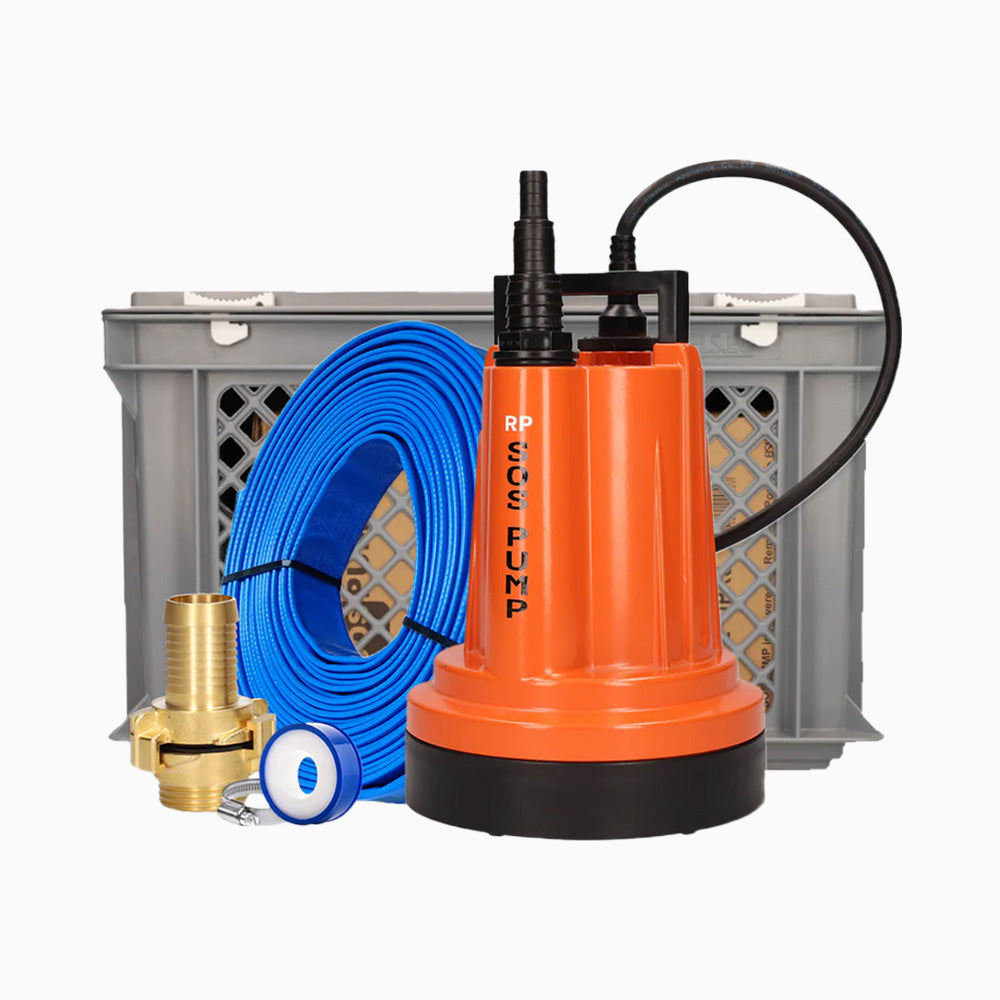
Plug & Play Submersible Pump Set
Installation and Maintenance of your Submersible Pump
Proper installation and regular maintenance are crucial for the longevity and optimal operation of your submersible pump. By following a few simple steps, you can ensure your pump lasts for years.
Correct Installation
- Placement: Always place the pump on a firm, level surface. Avoid placing the pump directly in mud or on sharp objects to prevent clogging and damage. If necessary, use a tile as a base.
- Hose Connection: Securely attach the discharge hose to the discharge connection. Make sure the hose is of sufficient diameter and that there are no kinks in the hose that could impede flow.
- Power supply: Connect the pump to a grounded outlet. If necessary, use an extension cord suitable for outdoor use and of sufficient strength to handle the pump's power.
- Float Adjustment: If your pump has an external float, make sure it moves freely and is set to switch the pump on and off at the desired water level.
Maintenance Tips for a Longer Life
- Regular Cleaning: Rinse the pump thoroughly with clean water after each use, especially if you have been pumping dirty water. Check the suction port and impeller for dirt, leaves, or other debris.
- Check the Cable: Inspect the power cord regularly for damage. A damaged cord can lead to a short circuit or electric shock.
- Frost protection: Do not leave the pump outside in freezing temperatures and ensure that no water remains in the pump, which could freeze and cause damage. Store the pump in a dry, frost-free place.
- Test the Float: Periodically test the operation of the float switch to ensure it is still functioning correctly.
- Storage: Store the pump in a dry, ventilated place when not in use.
Frequently Asked Questions about Submersible Pumps (FAQ)
What is the difference between a clean water and a dirty water submersible pump?
Clean water submersible pumps are designed for water with minimal solid particles (up to a few millimeters), such as rainwater or swimming pool water. Dirty water submersible pumps have a larger bore and a more robust impeller to pump water containing larger solids (up to 30-50 mm) such as mud, sand, and leaves.
How high can a submersible pump pump water?
The maximum height to which a submersible pump can pump water is called the delivery head. This varies considerably depending on the model, from a few meters for small pumps to tens of meters for professional models. Always check the pump's specifications and consider resistance in the hose.
Can a submersible pump run dry?
Most submersible pumps are not designed to run dry for extended periods. They are cooled by the surrounding water. Dry running can lead to overheating and irreparable damage to the motor. A float switch prevents this by shutting down the pump when the water level drops too low.
How often should I maintain my submersible pump?
It is recommended to clean the submersible pump after each use, especially when pumping dirty water. Rinse the pump with clean water and check for blockages. For long-term storage, ensure the pump is dry and frost-free. An annual thorough inspection is recommended.
Which submersible pump do I need for my basement?
For a basement, a compact basement pump with a low cut-in height and possibly an internal float switch is often ideal. Depending on the level of water contamination, choose a clean water or wastewater model. Consult our guide on All About Basement Pumps: The Ultimate Guide to a Dry Basement for more details.
Share:
Submersible pump not starting: Causes and solutions
Which submersible pump do I need? Selection guide and applications