

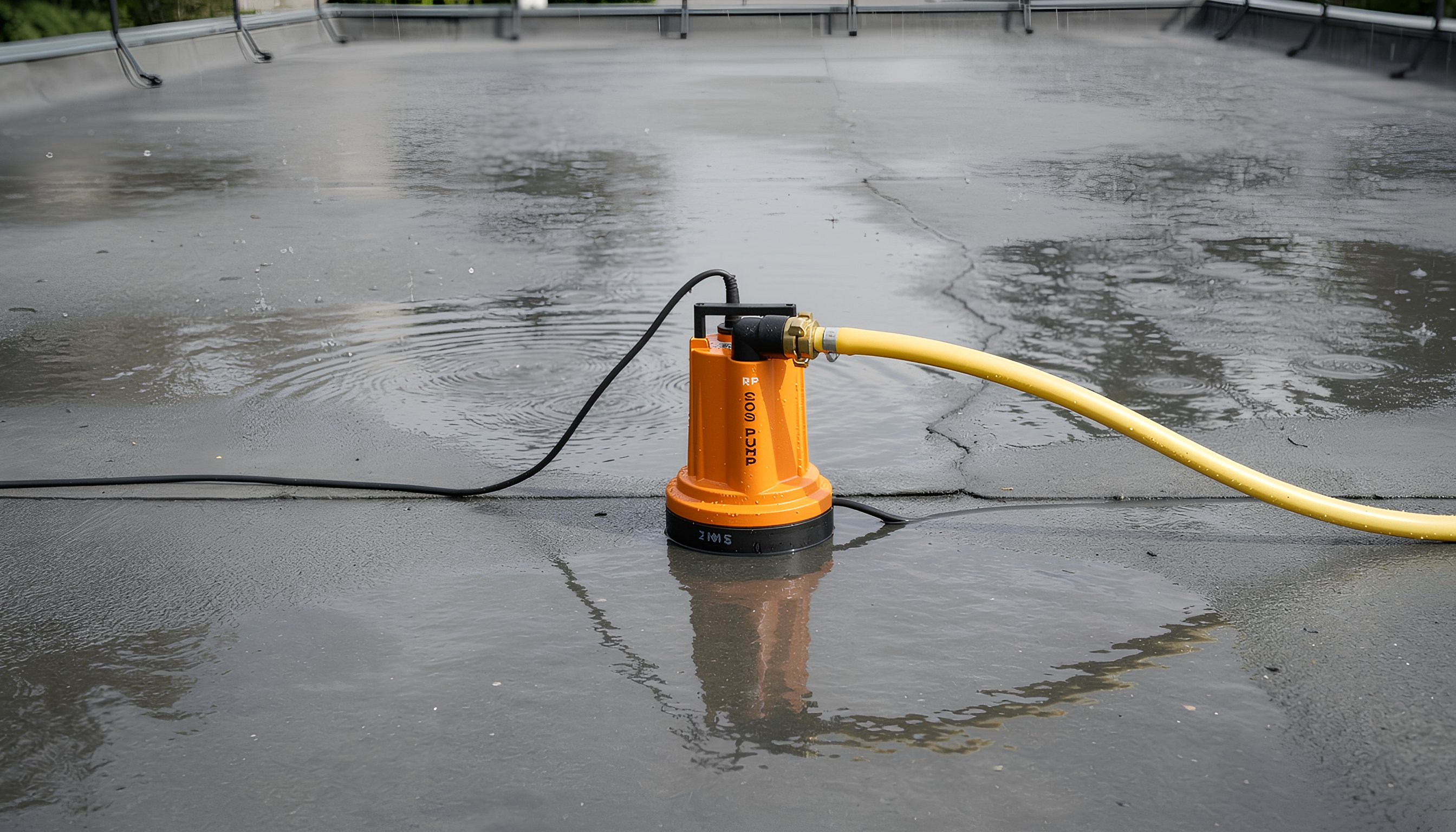
Is there a significant amount of water left on your flat roof after a rain shower, and are you wondering if it's harmful? This comprehensive guide will teach you everything about the causes of water accumulation, the risks to your home, and how to effectively address it.
Why does water remain on a flat roof?
It's a common sight in the Netherlands: puddles of water on a flat roof after a heavy rainstorm. Although a flat roof is never technically 100% horizontal, water can accumulate due to various factors. A flat roof is typically designed with a slight slope, also known as a pitch, to guide water toward the drains. When this process is disrupted, it's called water retention.
The causes range from natural pollution to structural defects. In many cases, drains are blocked by leaves, twigs, or moss. However, sagging roof structures due to age or excessive loads can also cause the lowest point of the roof to no longer be at the drain. You can read more about this in our article "Causes and Risks of Standing Water on a Flat Roof ."
How much water can remain on a flat roof?
A frequently asked question is whether a small puddle is immediately cause for alarm. The answer is nuanced. Building regulations allow for a small amount of water to remain on the roof after 24 hours, provided it falls within the roof load limits. We're often talking about puddles no deeper than 5 to 10 millimeters, which disappear through evaporation.
However, when puddles become larger or remain for days, it becomes risky. For a detailed explanation of the limits, we recommend consulting the article "How much water can remain on a flat roof?" Water weighs a significant amount: one centimeter of water per square meter easily weighs 10 kilos. On a large roof surface, this weight increases rapidly, which can lead to dangerous situations.
The risks of water accumulation
Water on a flat roof is more than just an aesthetic problem; it poses a serious threat to the integrity of your building. The risks can be divided into three categories: structural damage, roofing damage, and hygiene issues.
Structural damage and risk of collapse
The greatest danger is the so-called "pond effect." When water accumulates, the roof sags slightly. More water then collects in the resulting dip during the next rainstorm, causing the roof to sag even further. This process can lead to the collapse of the roof structure. In the "Consequences of Water Accumulation for Roofing," we delve deeper into how this process shortens the lifespan of your roof.
Leaks and frost damage
Standing water always seeks out the weakest spots. Seams in roofing (bitumen or EPDM) that are constantly submerged will degrade faster. Moreover, water can freeze in the winter. Because ice expands, small cracks in the roofing can widen, resulting in leaks once the ice melts.
Effective solutions for water on flat roofs
If you notice the water isn't draining, action is required. Depending on the cause, several solutions are possible. The most direct method to avoid immediate danger is to manually remove the water with a pump.
Use of a flat-suction submersible pump
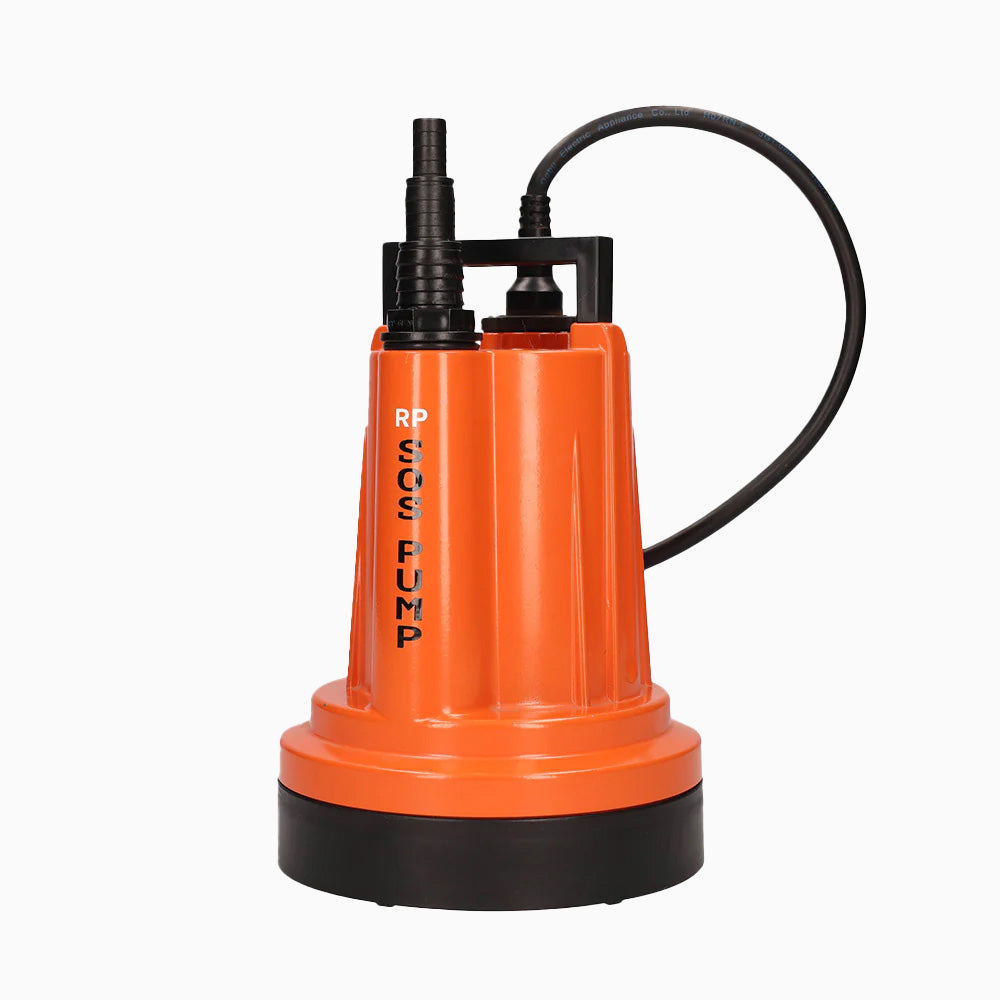
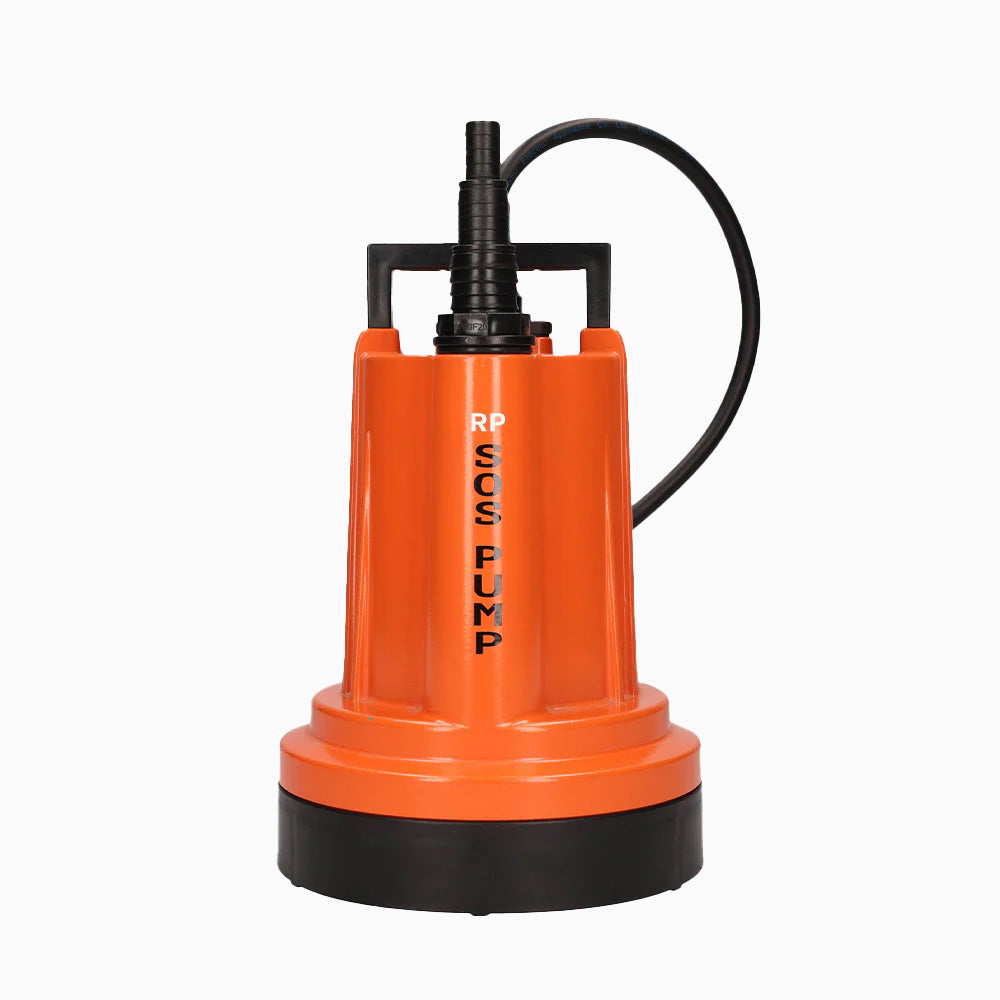
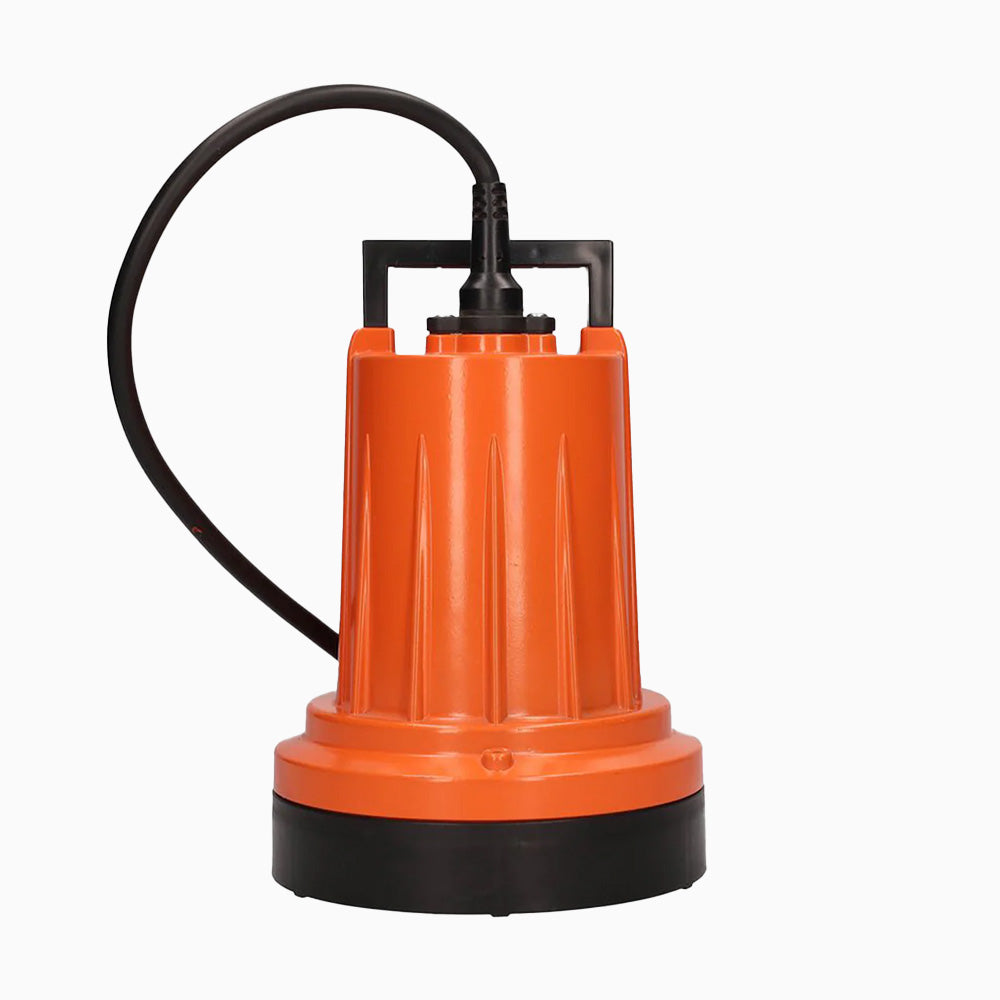
For roofs where water doesn't drain naturally, a flat-suction submersible pump is the best solution. Unlike regular pumps, these models can remove water down to a residual level of just a few millimeters. This is crucial because you want the roof to be virtually dry to prevent further damage.

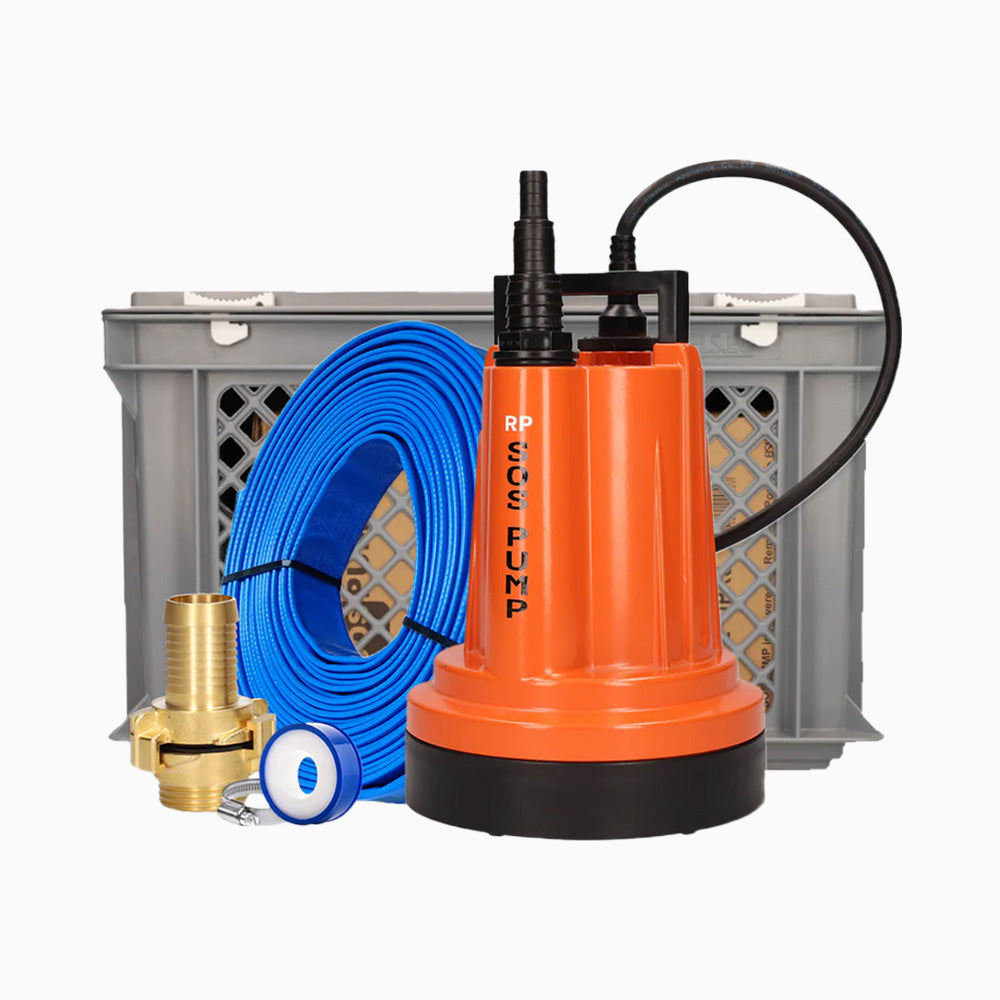
Plug & Play Submersible Pump Set
The above set is specifically designed for situations where speed and ease of use are essential. Thanks to the flat suction action, you don't have to fiddle with buckets; the pump takes care of the job automatically.
Improving drainage
In the long term, adjusting the drainage system is often necessary. This can be achieved by installing additional drains or emergency overflows. An emergency overflow acts as a safety valve: if the main drain becomes blocked, the water can drain through the overflow before it becomes too heavy. Read more about the role of emergency overflows during extreme rainfall to understand how they can save your roof.
Maintenance and prevention
Prevention is better than cure. A well-maintained roof significantly reduces the risk of flooding. This starts with regularly cleaning the drains and gutters. Leaves and sludge accumulate quickly, especially in the fall.
Do-it-Yourself Maintenance
You can do a lot yourself to keep your roof in top condition. Follow our step-by-step plan: Cleaning your gutters and drains yourself for a safe and effective approach. Don't forget to also check the edging and any leaf catchers. Sometimes choosing between different components can be difficult; therefore, see Choosing between a city drain or a leaf catcher for professional advice.
Automation of water drainage
For roofs that are consistently affected by water (for example, due to an incorrect slope that can't be repaired immediately), an automatic solution can offer a solution. By combining a submersible pump with an external sensor, the pump switches on automatically when a certain water level is reached.

Crab Float Water Sensor 3mm
With such a sensor, you avoid having to climb onto the roof every time it starts to rain. The sensor detects the water level and activates the pump, ensuring your roof always stays within safe limits.
When to call a professional?
Not every problem can be solved with a pump or a quick clean. If there are structural defects, such as sagging joists, an expert will be needed. In the article "Recognizing Structural Defects in a Sloping Flat Roof," you'll learn to recognize the signs that indicate deeper problems. Are you unsure about the condition of your roof? Then consult "When should you call a roofer for water on the roof?" to avoid unnecessary costs or even dangerous delays.
Frequently asked questions about water on a flat roof
Is a puddle of water on my flat roof always dangerous?
Not immediately. Small puddles that evaporate within 24 hours are usually harmless. However, if the water remains, the weight can damage the structure and increase the risk of leaks.
How can I remove water from my roof myself?
The most efficient method is to use a submersible pump with a flat suction. These pumps are designed to pump water down to a very low level (2 mm), which is ideal for flat surfaces.
What causes a puddle to keep coming back to the same spot?
This often indicates a slope problem or a slight sagging of the roof structure at that specific spot. Water collects at the lowest point, which isn't always where the drain is located.
Does a green roof help prevent flooding on a flat roof?
Yes, a green roof can absorb water and drain it away slowly. However, the structure must be designed to handle the extra weight of both the green roof and the water it retains. See "Installing a green roof to prevent flooding" for more information.
Share:
How much water can remain on a flat roof?
Causes and risks of stagnant water on a flat roof