

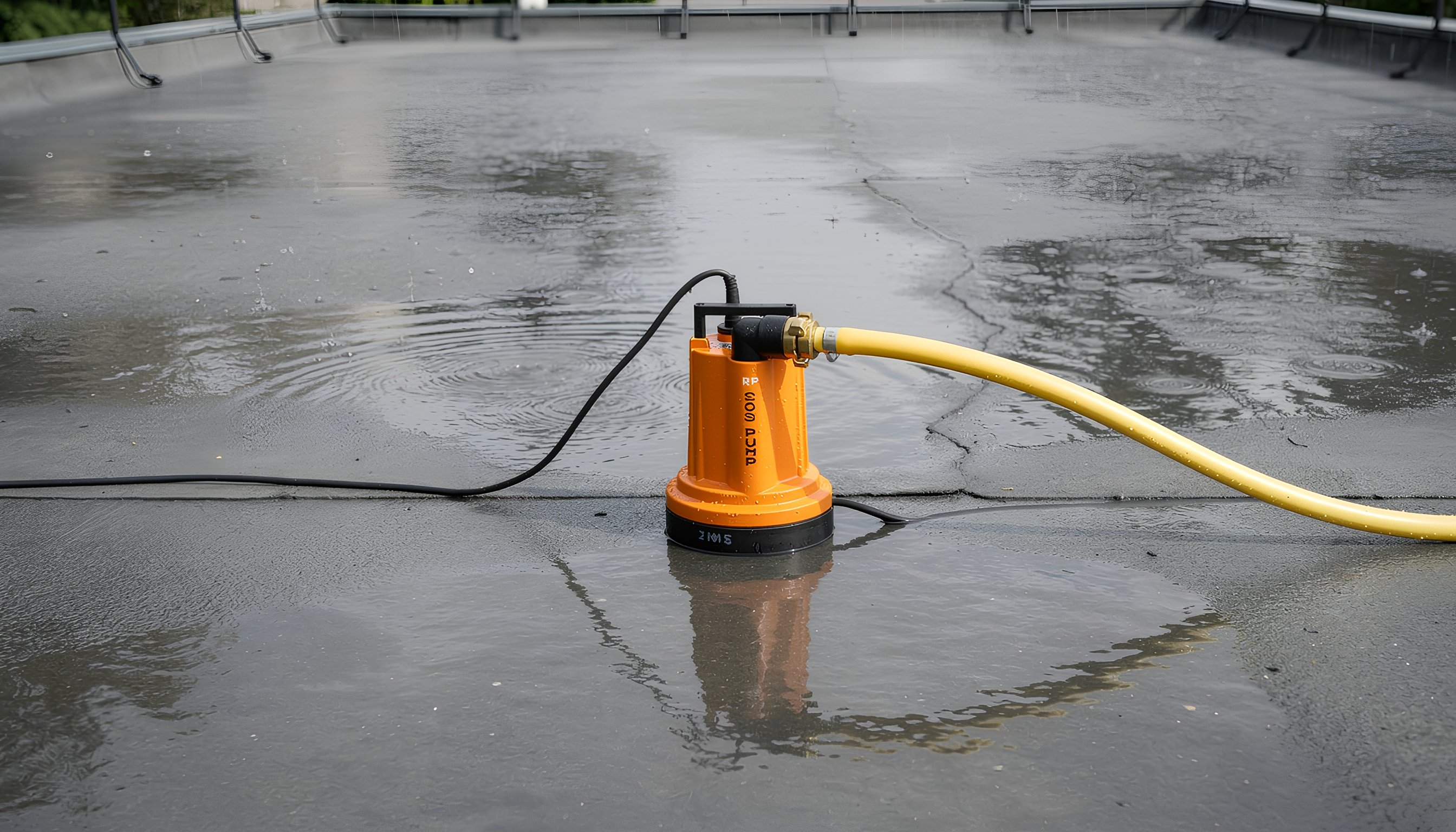
Is there a large puddle of water left on your flat roof after a rain shower? In this article, we explore the underlying causes of water accumulation and the serious risks it poses to your home.
Why does water remain on a flat roof?
It's a common sight: large puddles that remain on the roof for hours or even days after a rain shower. Although a flat roof is technically never 100% horizontal, in practice, something often goes wrong with the drainage. The most common cause of water on a flat roof is a clogged drain due to leaves, twigs, or moss. When the rainwater drain is blocked, the water has nowhere to go, and the roof forms a temporary pool.
Another structural cause is an insufficient slope. A properly constructed roof has a slight slope towards the drainage points. If this slope is no longer optimal due to subsidence or a construction error, "holes" develop where water collects. For more information about technical standards, see our article " How much water can remain on a flat roof? "
The risks of water accumulation
Standing water is more than just an unsightly sight; it poses a direct threat to the lifespan of your roofing and the stability of the entire structure. We distinguish three main categories of risks.
1. Mechanical load and risk of collapse
Water is heavy. One square meter of water, just 10 centimeters deep, weighs as much as 100 kilograms. During extreme rainfall, this weight can quickly escalate to thousands of kilos of additional load on the roof beams. This phenomenon is called water accumulation. If the structure isn't designed for this, the roof can sag, exacerbating the problem by allowing even more water to flow to the lowest point. In the worst-case scenario, this can lead to collapse.
2. Accelerated wear of the roof covering
Although materials like EPDM and bitumen are waterproof, prolonged standing water accelerates the aging process. UV radiation is reflected and concentrated by the water's surface, which can damage the plasticizers in the roofing. Furthermore, the alternating freezing and thawing in winter creates tension in the material, potentially causing cracks. More details about this process can be found in " Effects of Water Accumulation on Roofing ."
3. Leaks and mold formation
Where water stands, it seeks the path of least resistance. Small imperfections in roofing seams, normally unproblematic, become critical leak points under constant water pressure. Once inside, the moisture damages insulation, wooden structures, and ultimately your ceiling and walls, leading to mold growth.
Direct solutions for water on flat roofs
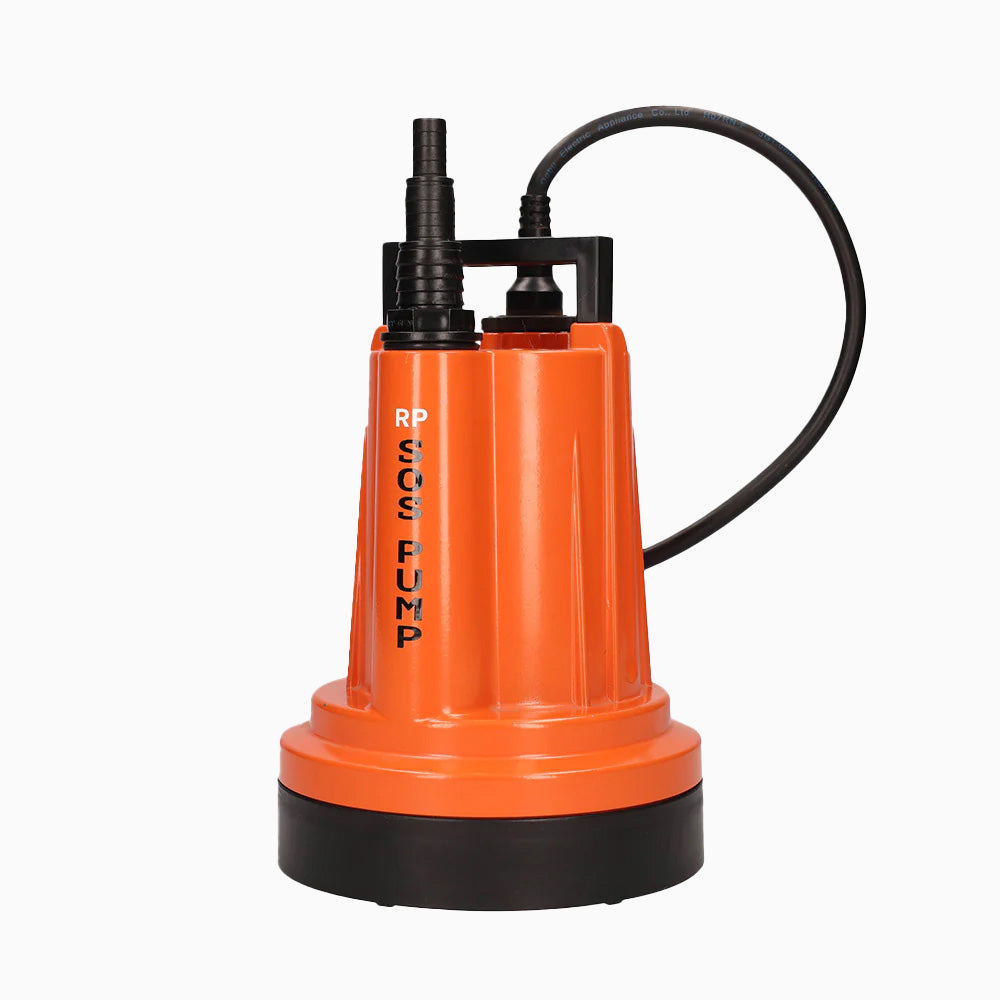
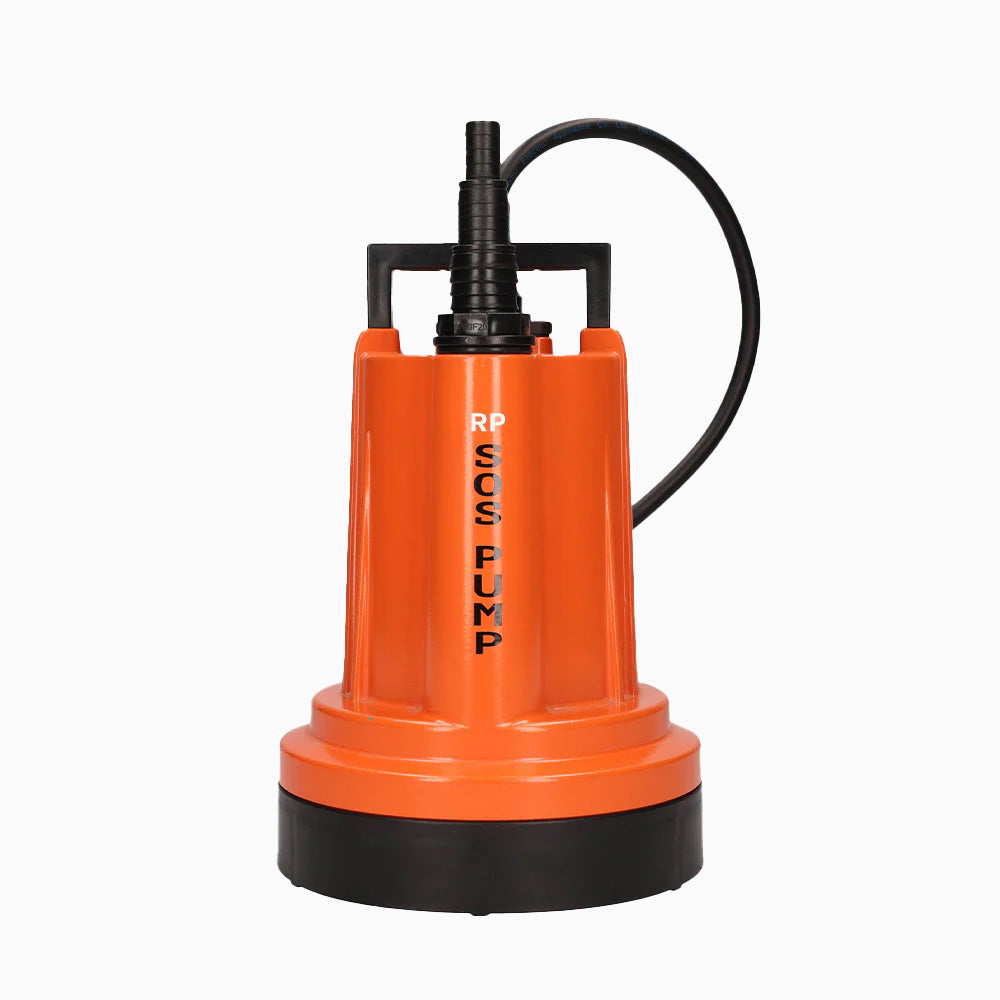
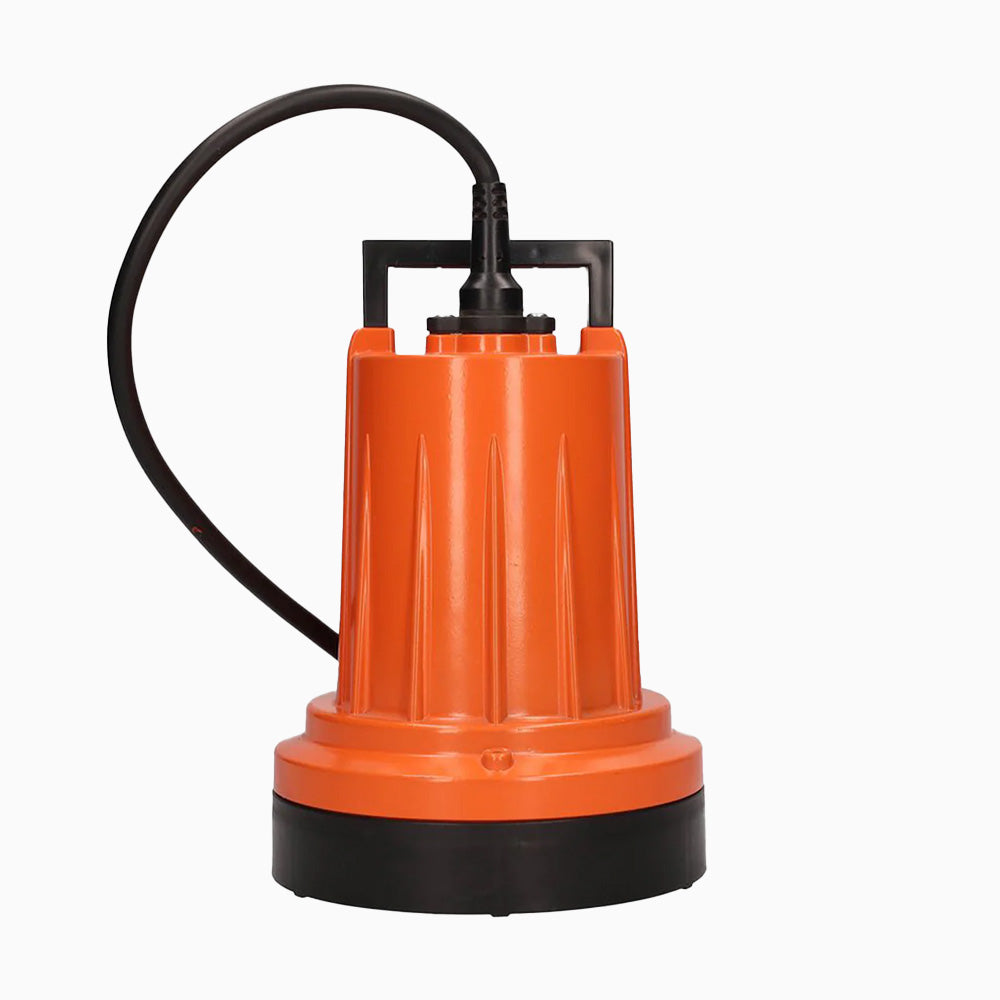
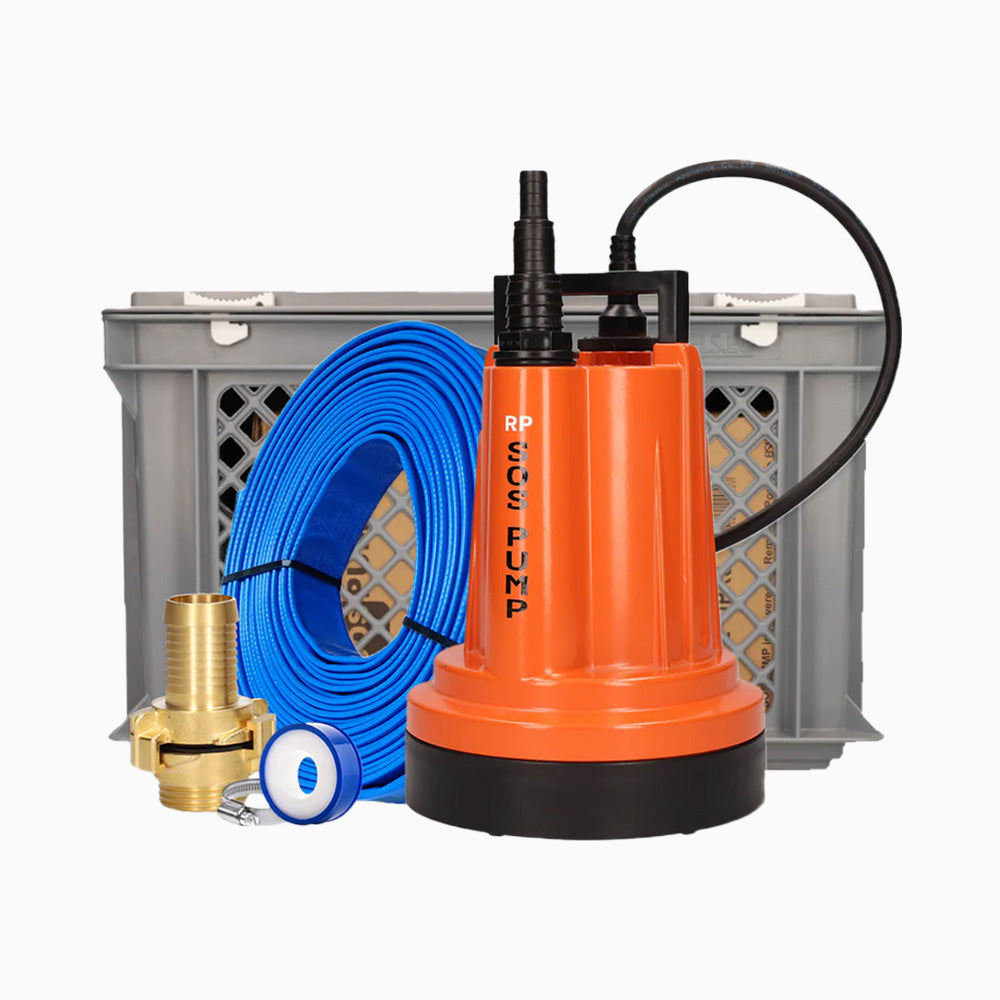
If you notice the water isn't draining and the drains are clear, it's necessary to remove it manually to prevent damage. A specialized submersible pump with a flat suction is the most effective tool for this. These pumps are designed to remove water down to a few millimeters, leaving the roof virtually dry.

Flat suction submersible pump
Prevention and structural improvements
To prevent future problems, regular maintenance is essential. Cleaning your gutters and checking your leaf traps should be done at least twice a year. For a step-by-step approach, see our " Step-by-Step Guide: Cleaning Your Gutters and Drains Yourself ."
Emergency overflows also play a crucial role. These are additional recesses in the roof edge, positioned slightly higher than the normal drain. Should the main drain become blocked, the water can drain through the emergency overflow before its weight becomes critical. Their operation is explained in detail in " The Role of Emergency Overflows in Extreme Rainfall ."
For situations where flooding occurs frequently, for example, due to a sagging roof section, an automatic pump solution can offer a solution. By combining a pump with a precise water sensor, the water is immediately drained once it reaches a certain level.

Crab Float Water Sensor 3mm
When to take action?
Not every puddle of water is an immediate cause for alarm. If the water evaporates or drains away within 24 hours after a rain shower, there's usually no structural problem. However, if the water remains in dry weather, or if you see the roof structure visibly buckling, immediate action is required. In some cases, a simple repair isn't enough, and you should consider having the drainage system technically modified. For more information, see " When should you call a roofer for water on the roof? "
Frequently asked questions about water on flat roofs
Is it bad if a small puddle of water remains on my flat roof?
A small puddle (less than 5 mm deep) that disappears within 24 hours is usually harmless. If the water remains for longer or is deeper, it can damage the roof covering and indicate poor drainage.
How can I remove water from my flat roof myself?
The safest and fastest way is to use a submersible pump with a flat suction. Never use a shovel or stiff broom, as this can damage the roof covering, especially in cold weather when bitumen is more fragile.
What is the maximum weight a flat roof can support?
This varies by construction, but on average, a roof is designed for a temporary load of 100 kg per m² (including snow). Because water weighs 1 kg per liter, this limit is quickly reached with a water layer of 10 cm.
Can a green roof help prevent flooding?
Yes, a green roof acts like a sponge and slows the flow of rainwater into the sewer. However, the underlying structure must be suitable for the extra weight of both the green roof and the retained water. See also " Installing a green roof to prevent flooding ."
Share:
How much water can remain on a flat roof?
Water on a flat roof: The complete guide to causes, risks and solutions