

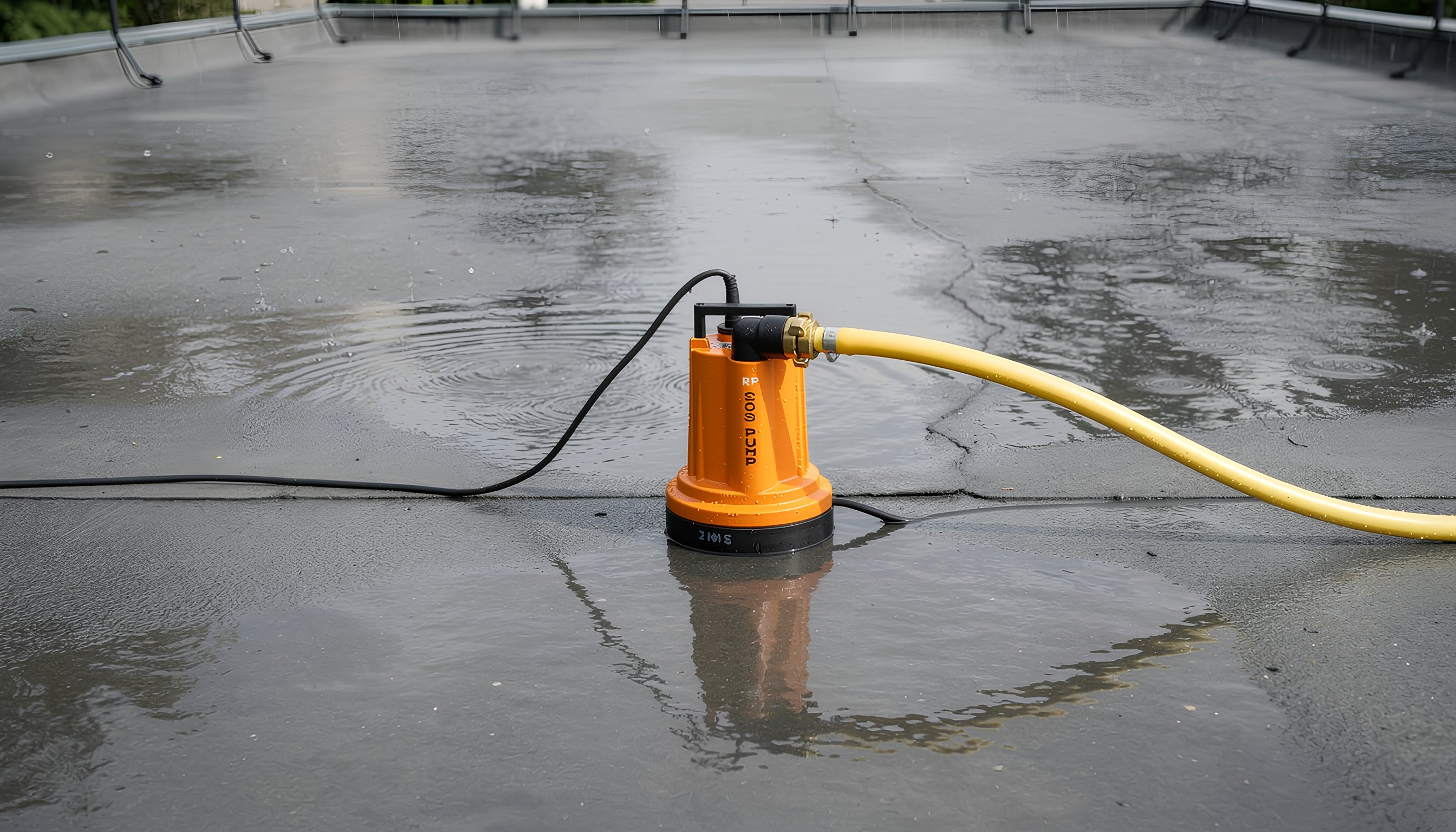
Nothing is more annoying than a heavy rainstorm causing overflowing gutters or standing water on a flat roof. By regularly cleaning your drains yourself, you prevent costly water damage and significantly extend the lifespan of your roofing.
Why regular maintenance is essential
Many homeowners don't think about cleaning their drainage systems until water overflows the gutter. When leaves, twigs, and moss accumulate, the natural drainage system is disrupted. This often leads to unwanted water on a flat roof , which can cause long-term sagging of the structure or leaks in the house.
In our article "Causes and Risks of Standing Water on a Flat Roof," we explain in detail why proper drainage is crucial. Preventing blockages is not only a matter of hygiene, but also of home preservation. A saturated gutter can even detach from the facade due to the weight of the water.
Step-by-step plan: How to safely clean your gutters
Cleaning your gutters is a job you can easily do yourself with the right preparation. Follow these steps for optimal results:
1. Safety first
Use a stable ladder and preferably work in pairs. Make sure the ladder is on a firm surface and never lean against the gutter itself to prevent bending.
2. Remove coarse dirt
Using a gloved hand or a small shovel, remove coarse debris such as leaves and branches. Start at the drainpipe and work your way outward. For more information on the consequences of neglected maintenance, see " The Effects of Water Accumulation on Roofing ."
3. Flush and check
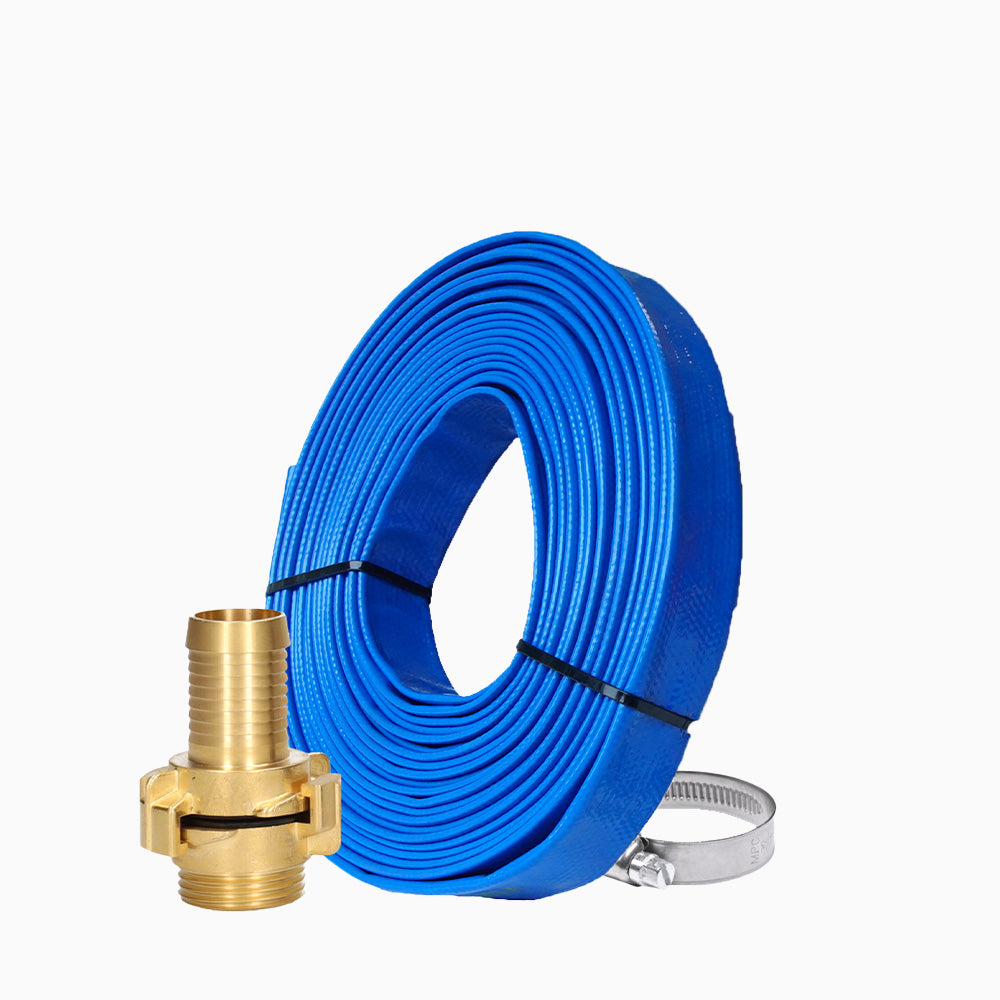
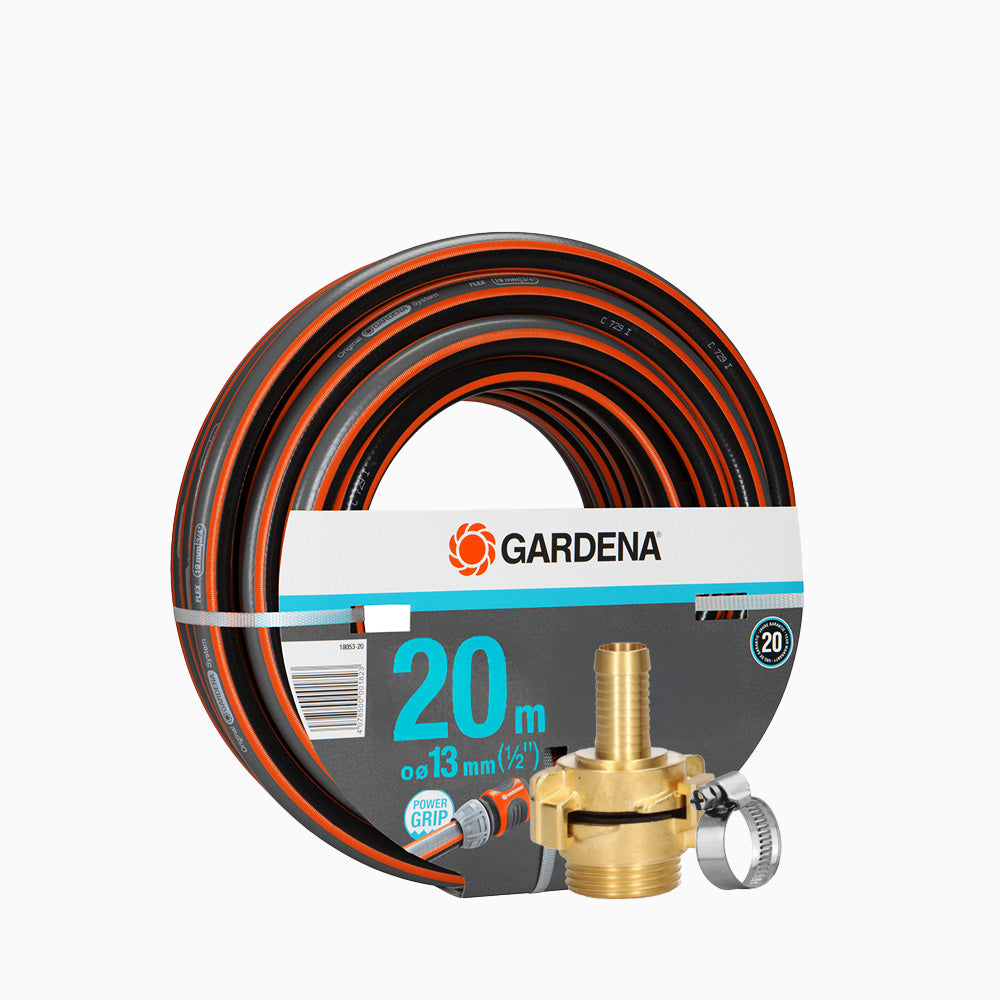
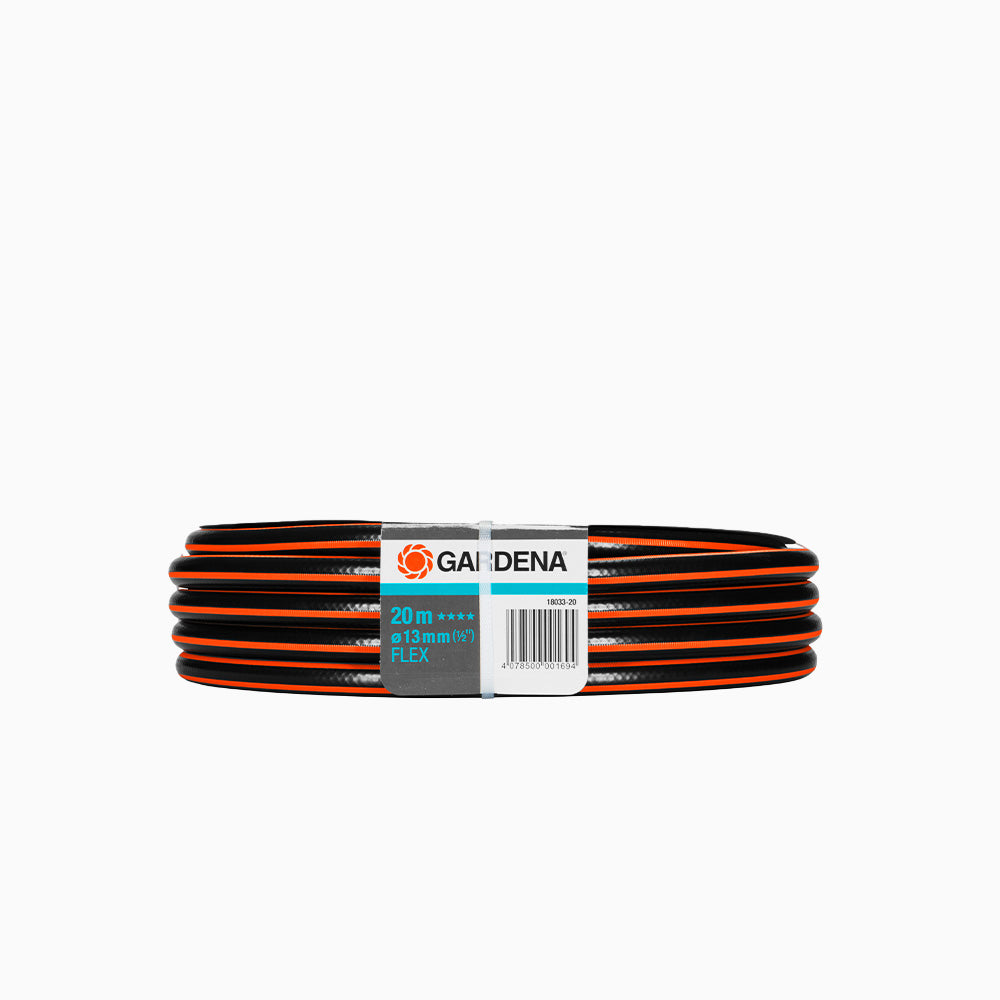
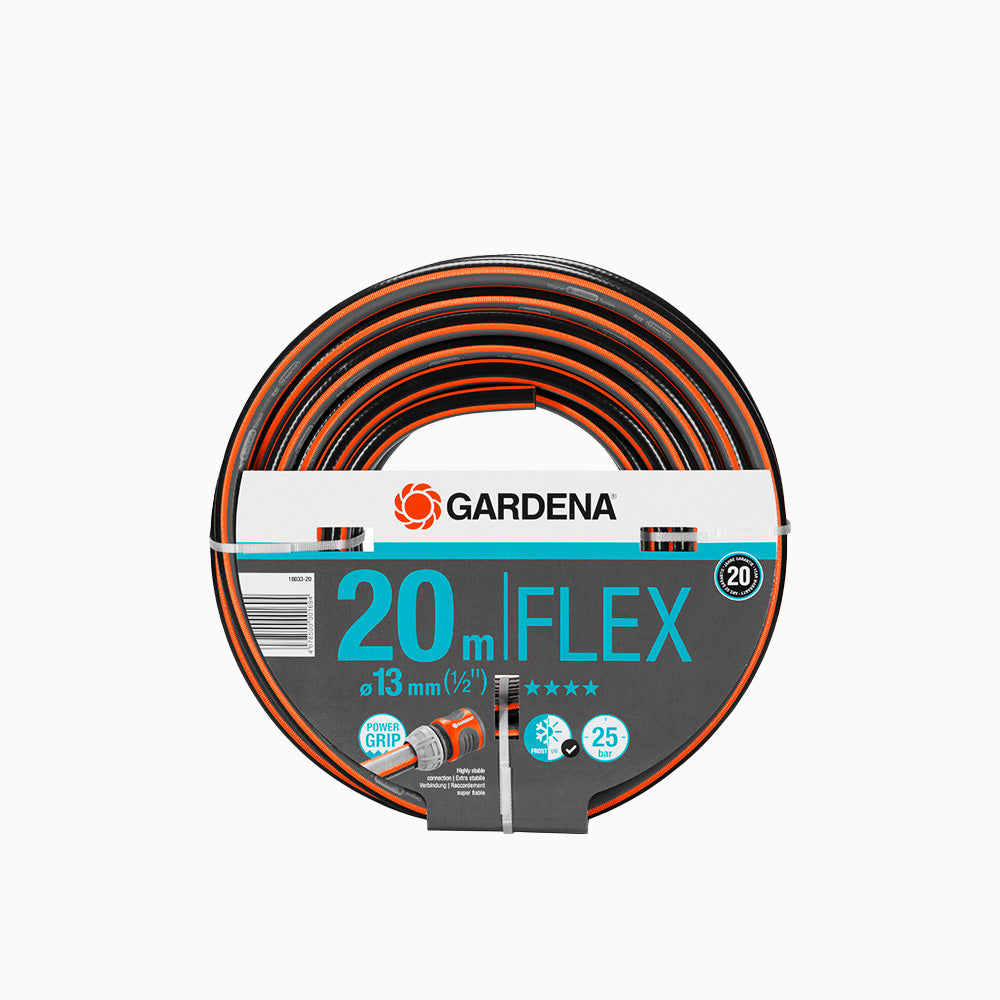
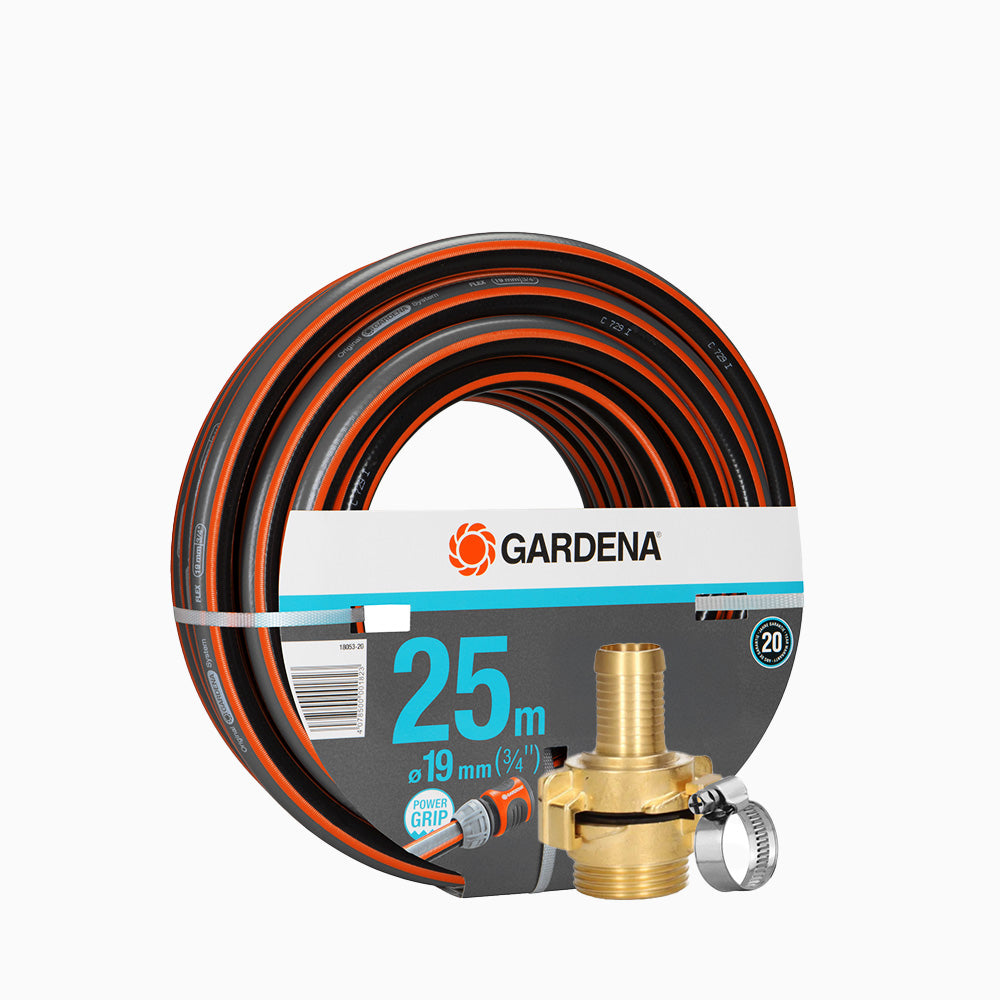
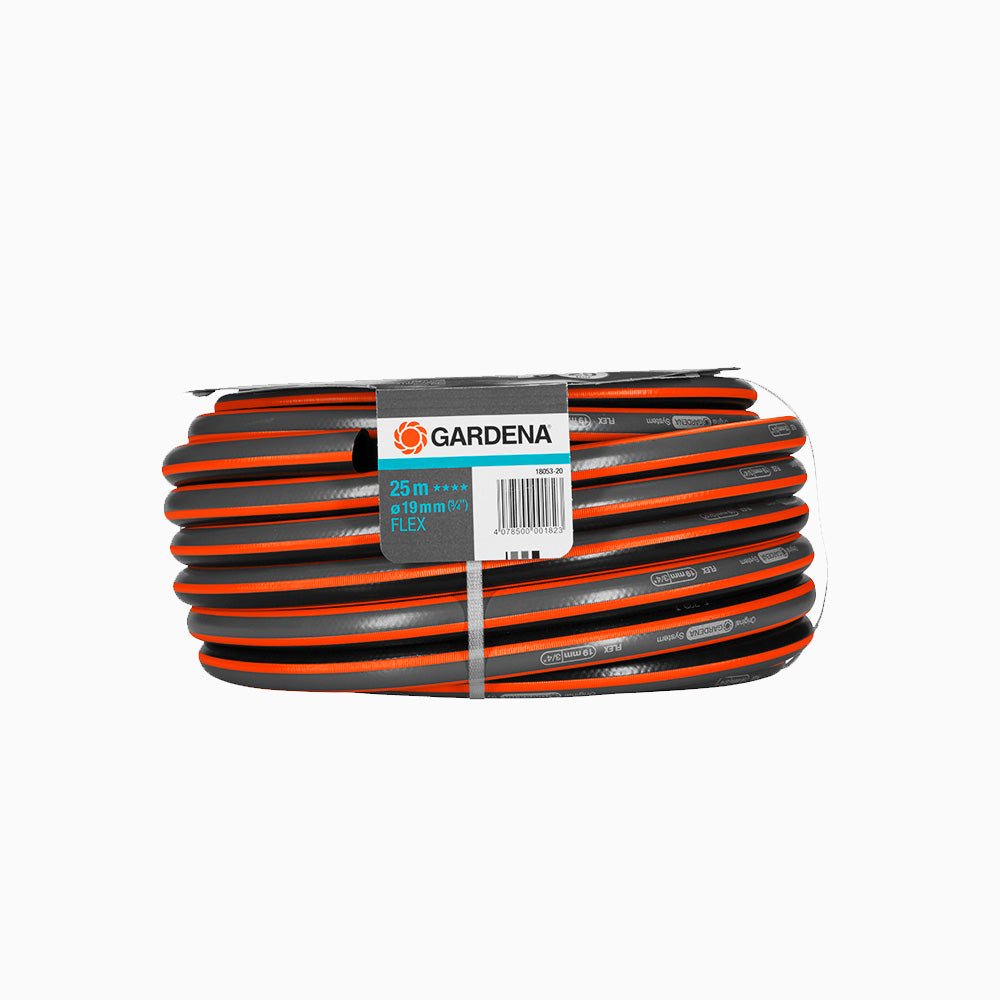
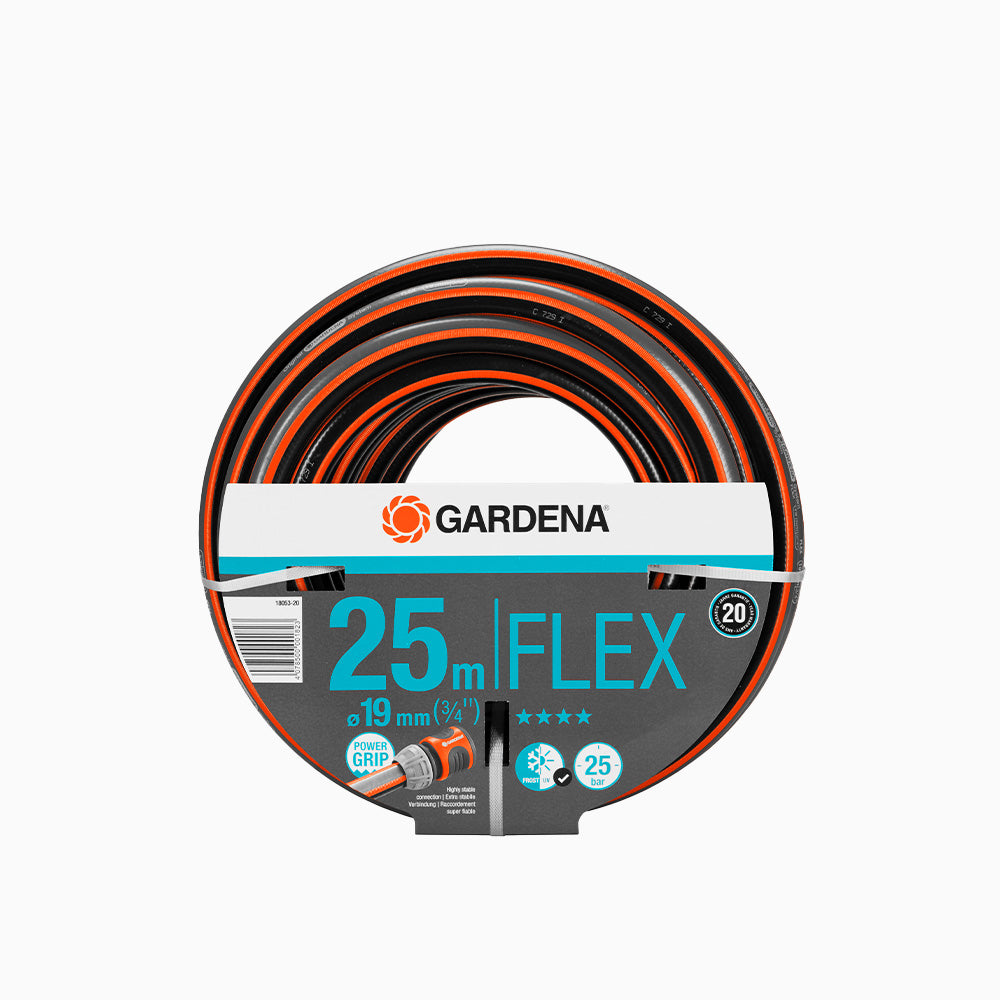
Use a garden hose to rinse the gutter. Pay close attention to whether the water drains smoothly through the downspout. If water remains, there's probably a blockage in the vertical downpipe.

Gardena Garden Hose 25m 19mm
Solutions for persistent water on flat roofs
Drainage on a flat roof is often more complex than on a sloped roof. Even small imperfections can cause puddles to form, even after a thorough cleaning. The guide " How much water can remain on a flat roof?" explains when action is required.
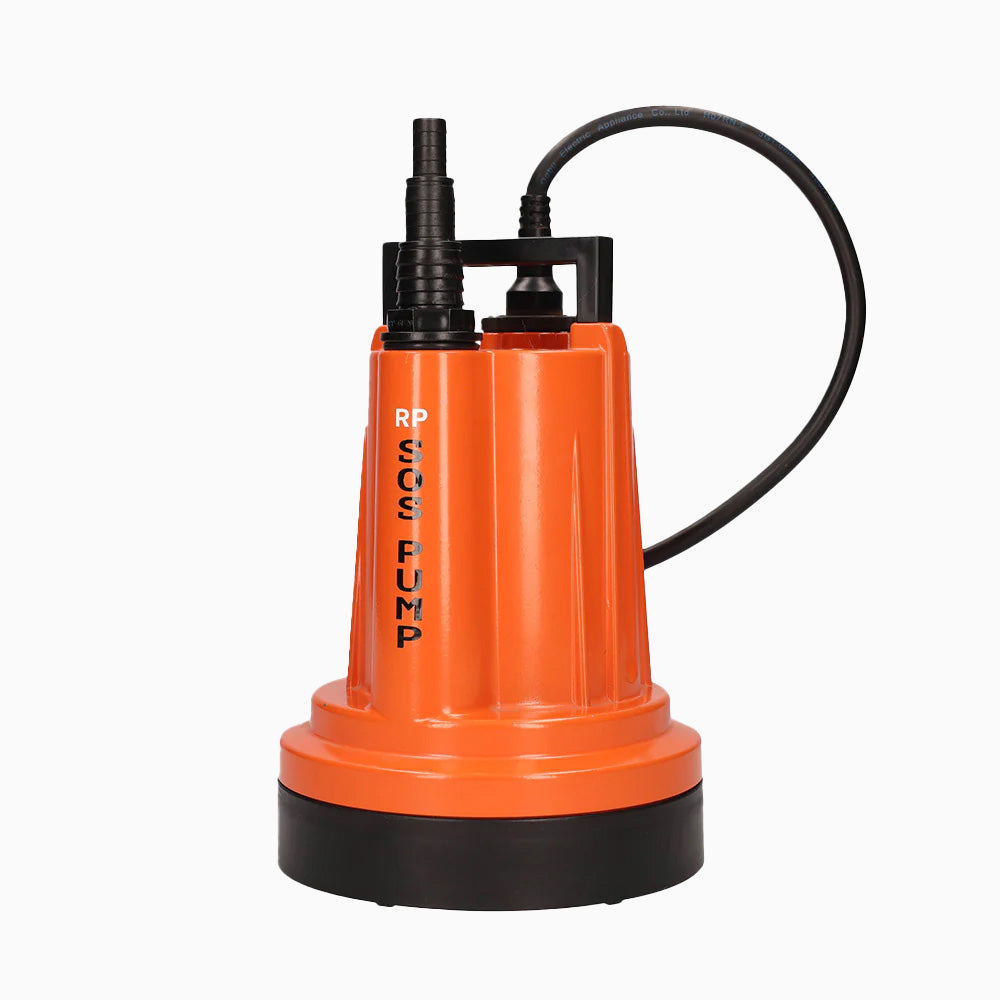
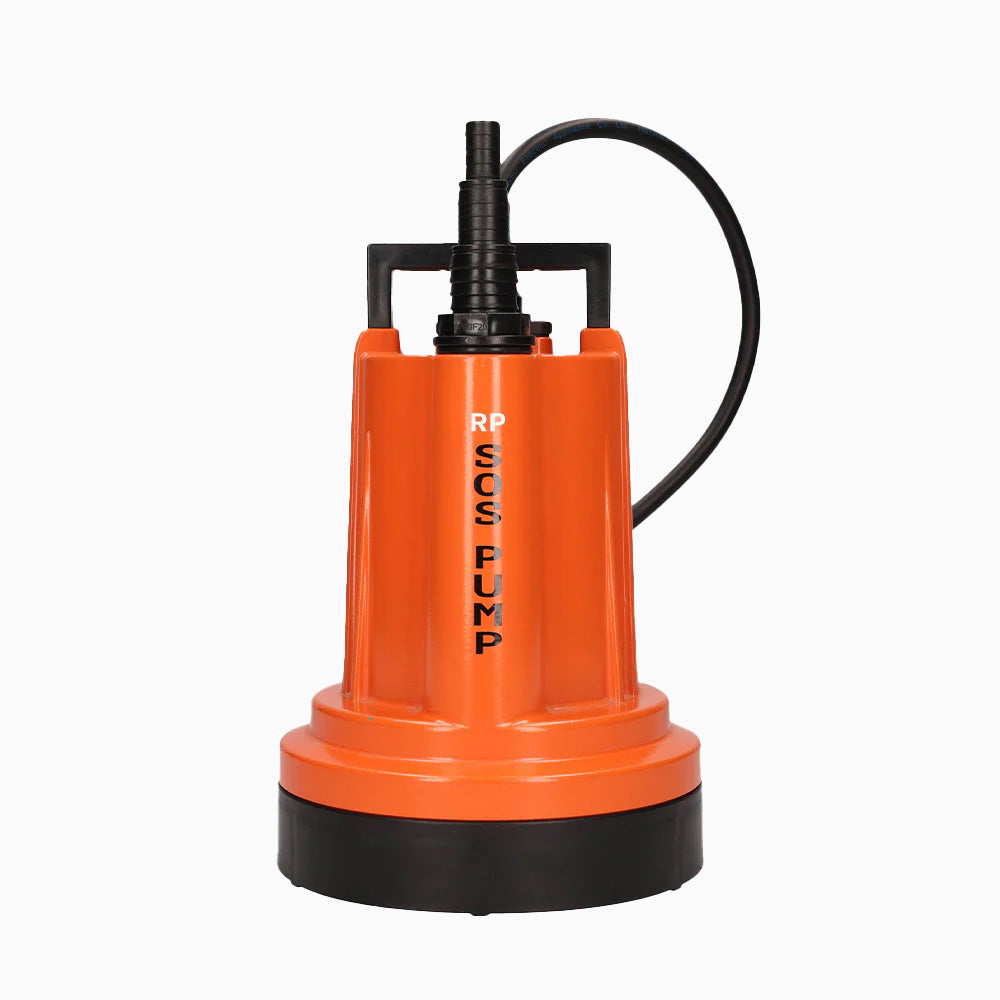
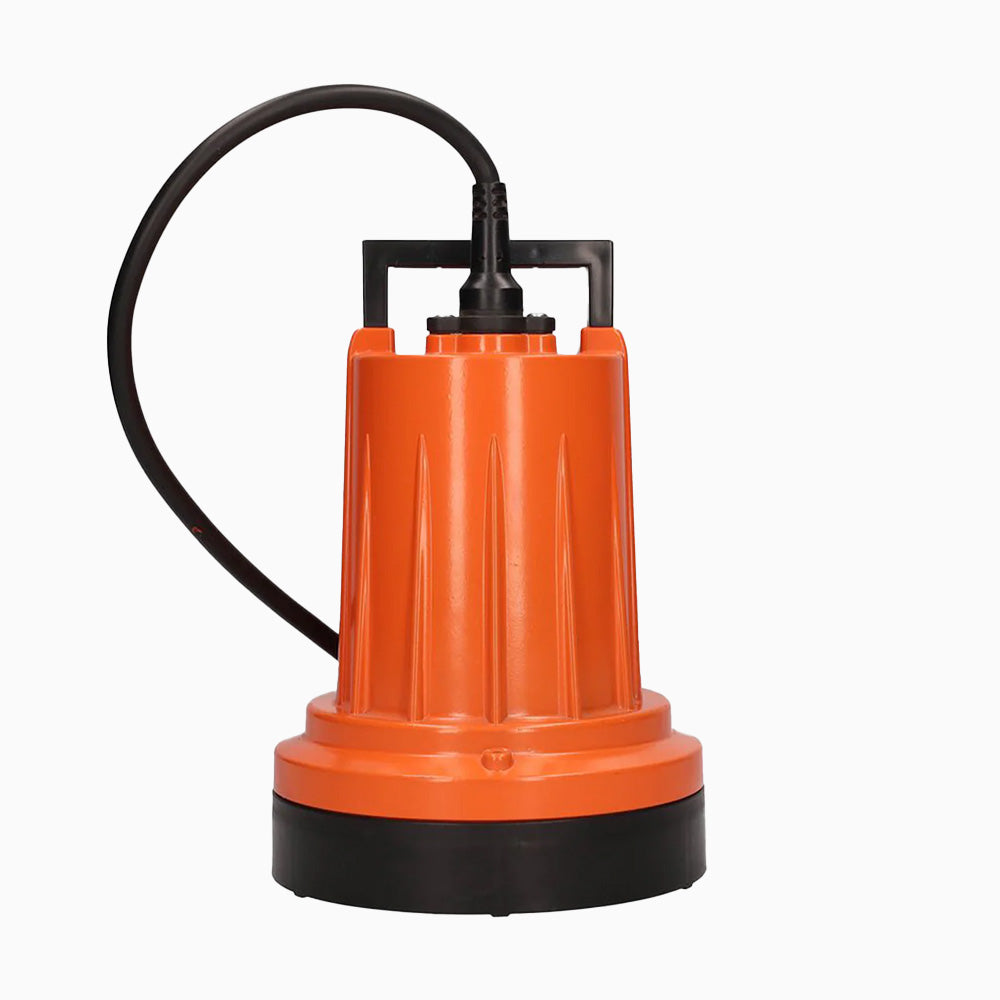
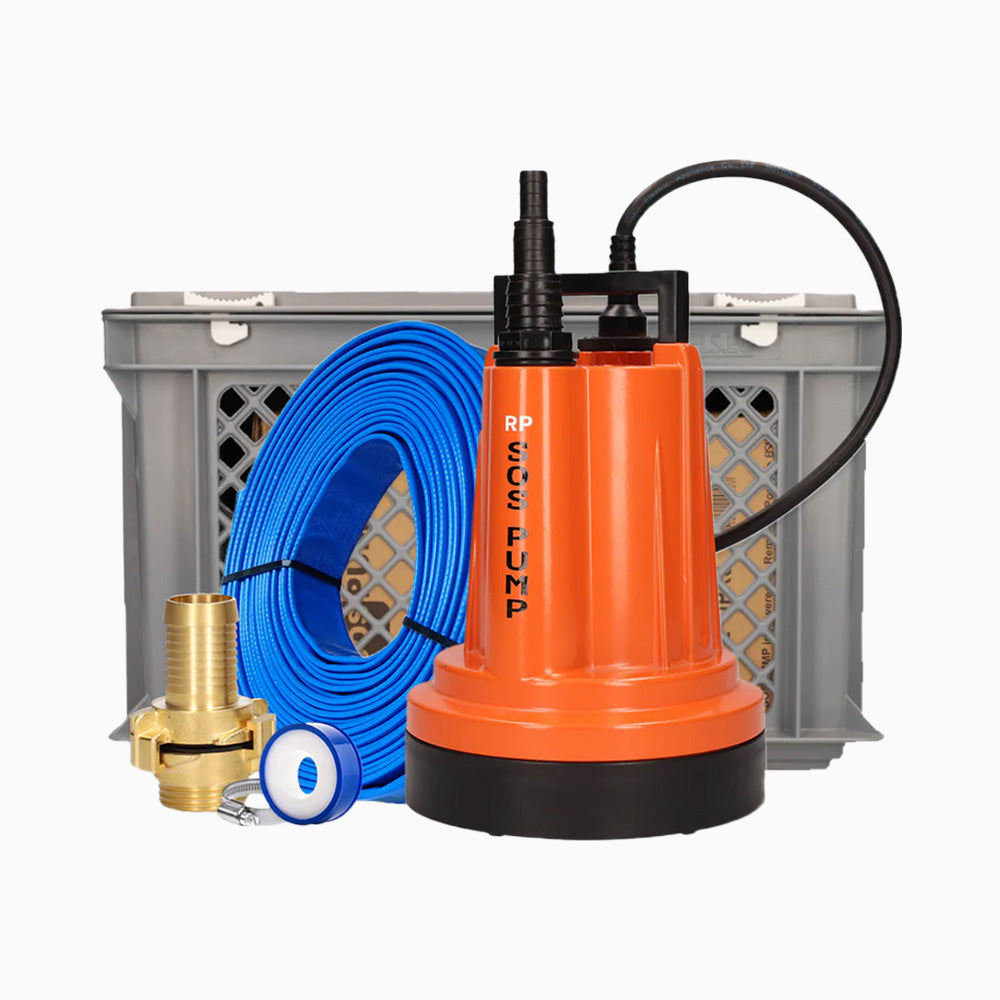
If, after cleaning, you notice a large amount of water remaining due to a construction defect or subsidence, a mechanical solution is often the only option. A submersible pump with a low-suction suction can quickly and effectively remove excess water down to a residual level of just a few millimeters.

Plug & Play Submersible Pump Set
When to call a professional?
Sometimes a simple cleaning isn't enough. If you notice damaged roofing or structural issues, it's wise to seek expert advice. Consult our article "When should you call a roofer for water on your roof?" for a handy checklist.
Frequently asked questions about roof maintenance
How often should I clean my gutters?
On average, once a year is sufficient, preferably in late autumn after all the leaves have fallen. If you live in a wooded area, then twice a year is recommended.
Is water on a flat roof always dangerous?
A small layer of water (up to 5 mm) is often not a problem and evaporates on its own. However, larger amounts can dangerously increase the weight on the structure. Check this regularly with our "Roof Inspection Checklist for Autumn."
What to do about a clogged drainpipe?
First, try flushing the blockage from above with a garden hose. If that doesn't work, use a drain snake or gently tap the pipe to loosen the debris.
Share:
Roof Inspection Checklist for Fall: Prevent Water on a Flat Roof
Consequences of water accumulation for the roof covering