

Are you unsure about the best way to arrange your flat roof's rainwater drainage? In this article, we compare city drains and leaf traps, so you'll know exactly which components are essential for a dry roof.
The basics of drainage on a flat roof
When it comes to water on a flat roof , an efficient drainage system is the difference between a safe construction and costly leaks. Two components that are often mentioned, but have completely different functions, are the city outlet and the leaf trap. Although they both contribute to drainage, they operate at different points in the system.
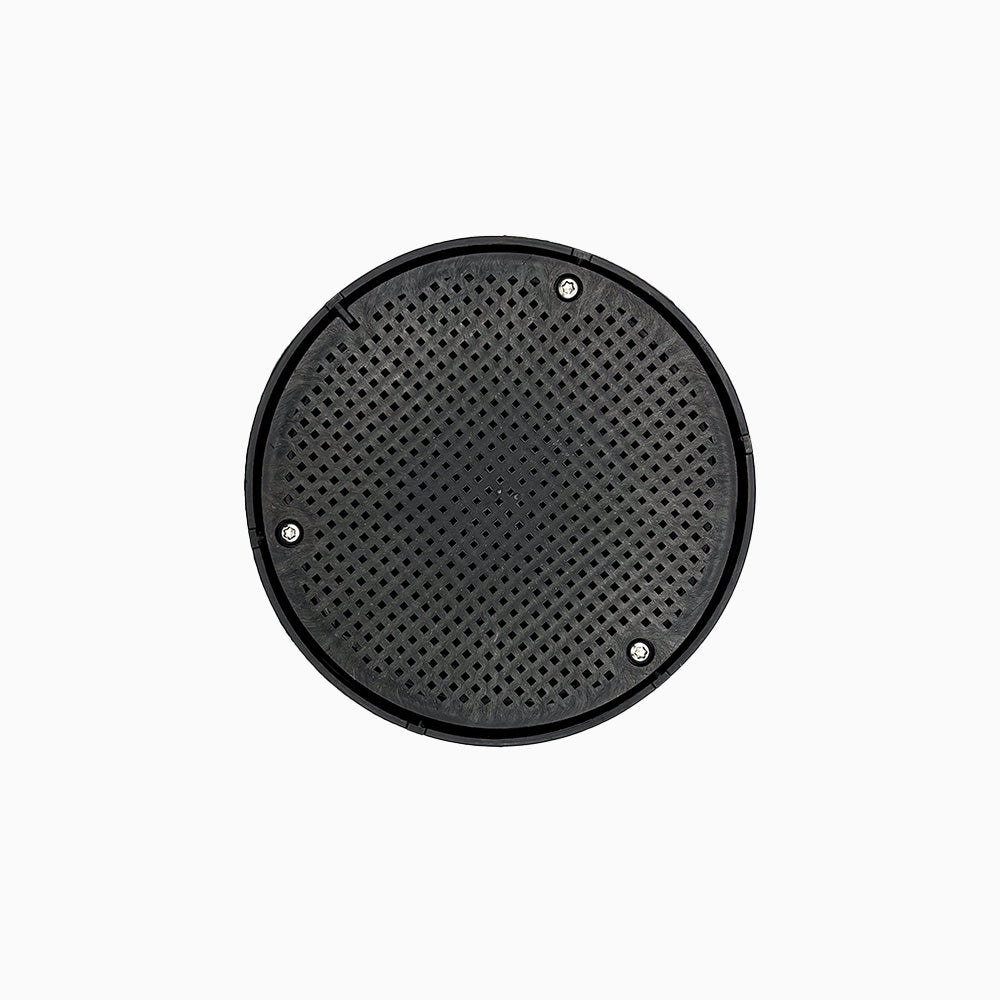
A city outlet connects the horizontal roof outlet to the vertical downspout. A leaf trap, on the other hand, acts as a filter that prevents debris from blocking the drain. For a complete overview of the risks of a poorly functioning system, please also read our article " Causes and Risks of Standing Water on a Flat Roof ."
What is a city run?
The city outlet is a specific connector used on roofs with a raised edge (roof trim). It directs water horizontally through the roof edge to the outside, where it then falls into the collection tank or directly into the downspout. It's a crucial part of the construction, as a poor connection here can immediately lead to leaks in the facade or under the roofing.
In situations where urban drainage cannot drain quickly enough, for example, during extreme downpours, dangerous water accumulation can occur. You can read more about this in " Consequences of water accumulation for roofing ."
The indispensable function of the leaf catcher
A leaf trap (also called a leaf screen or ball screen) is your first line of defense against blockages. Without one, leaves, twigs, and moss accumulate in the downpipe. This is often the main cause of " Water on a Flat Roof: The Complete Guide to Causes, Risks, and Solutions ."
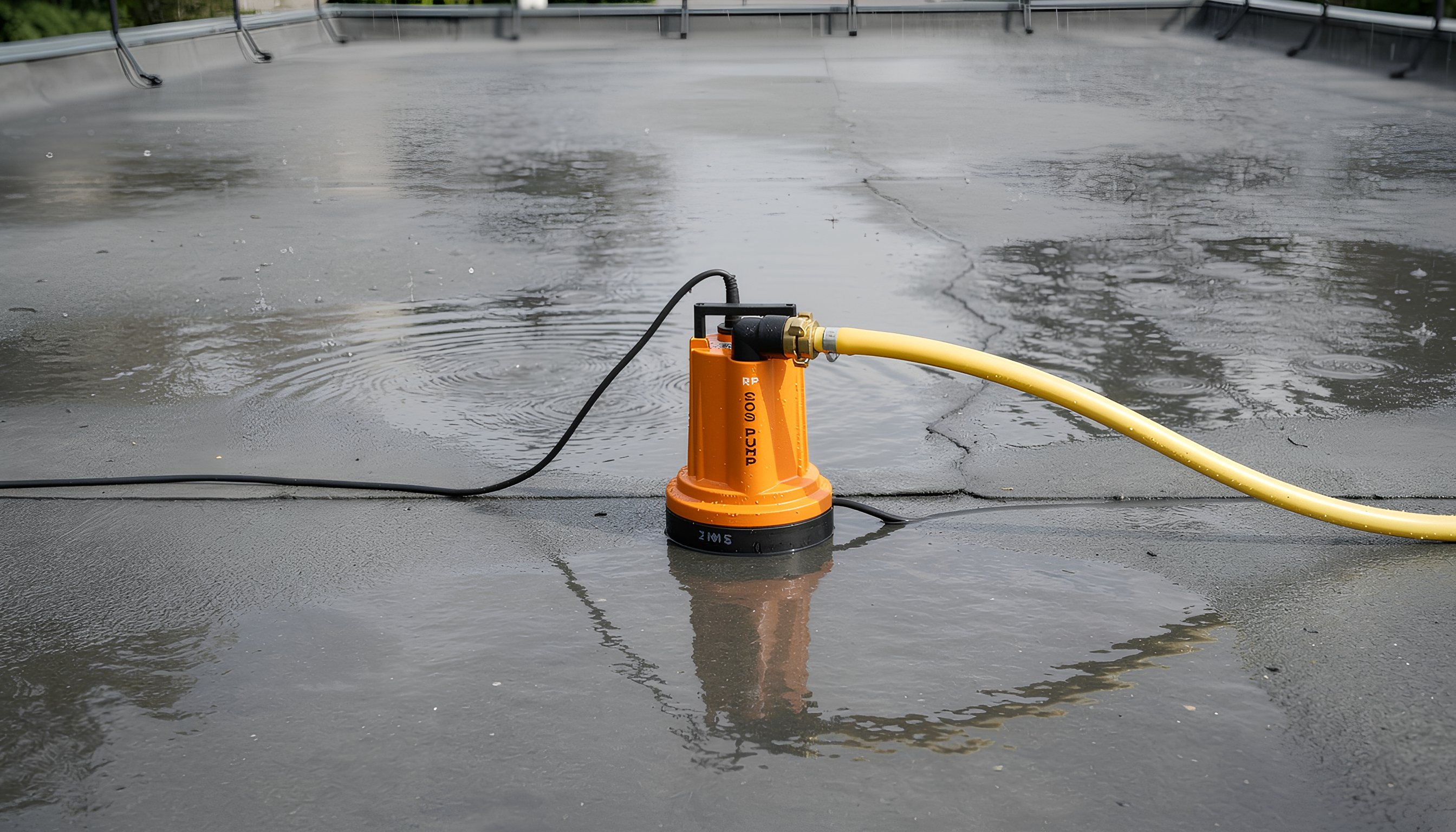
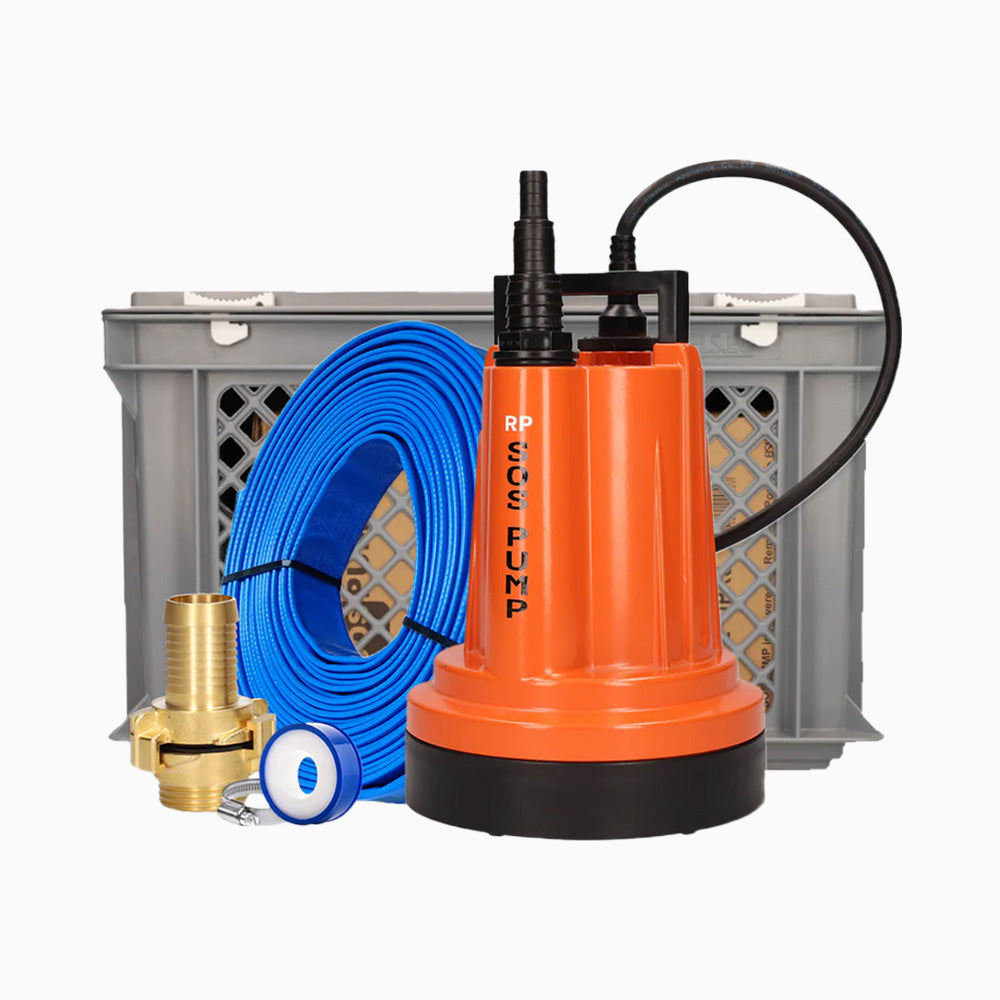
If you notice that despite a good leaf catcher, water still remains due to a construction error or subsidence, a mechanical solution may be necessary to get the roof completely dry.

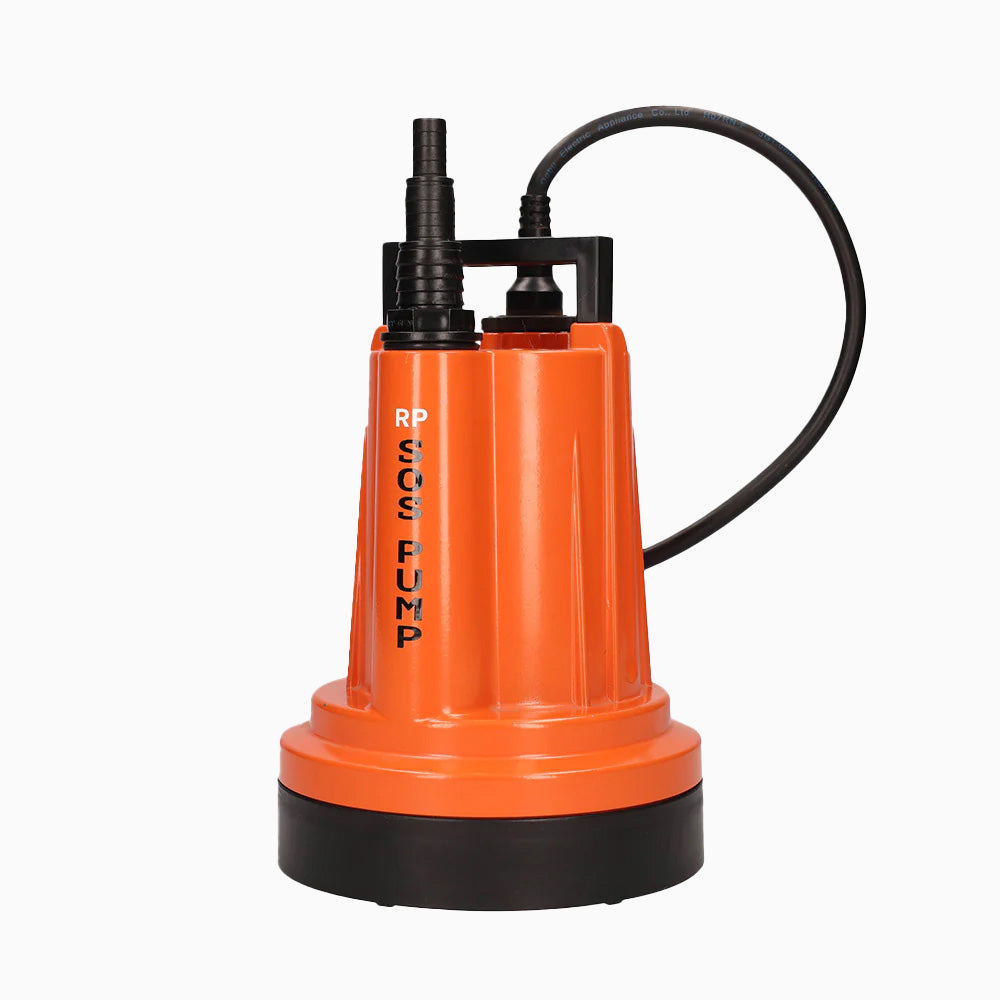
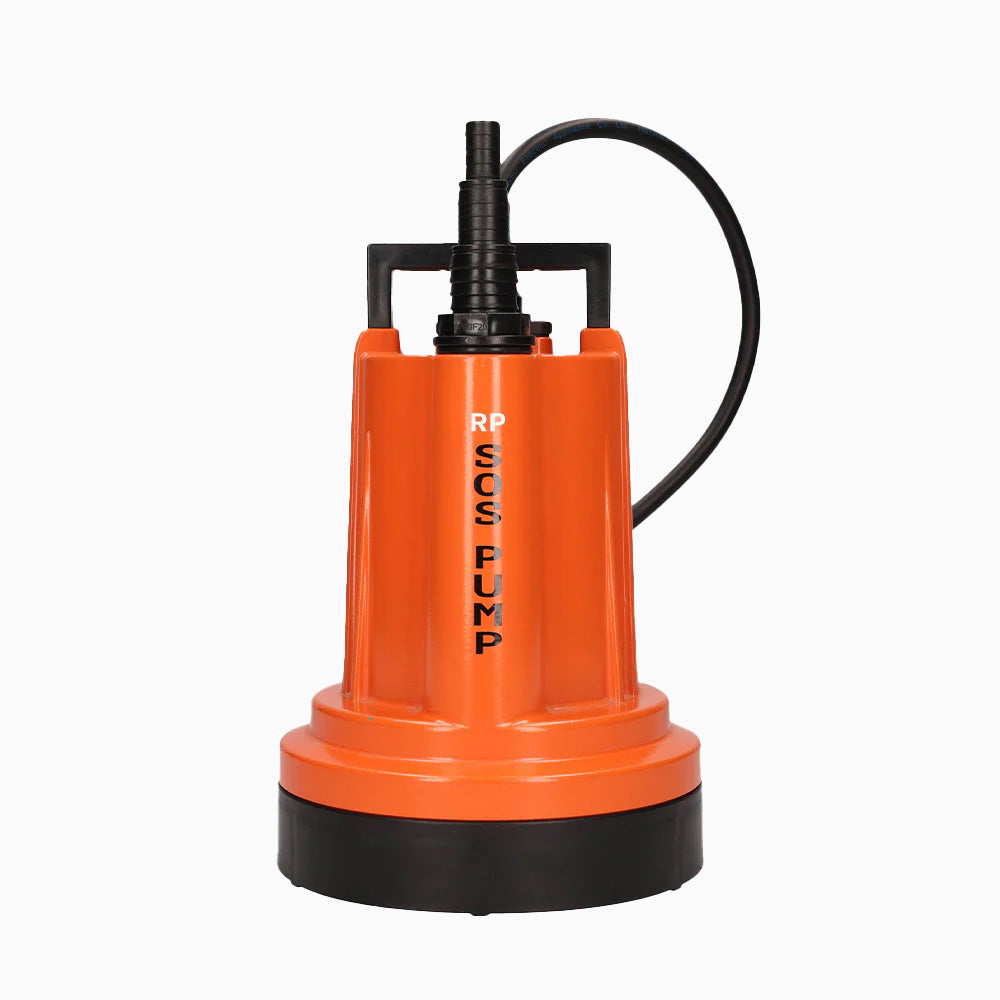
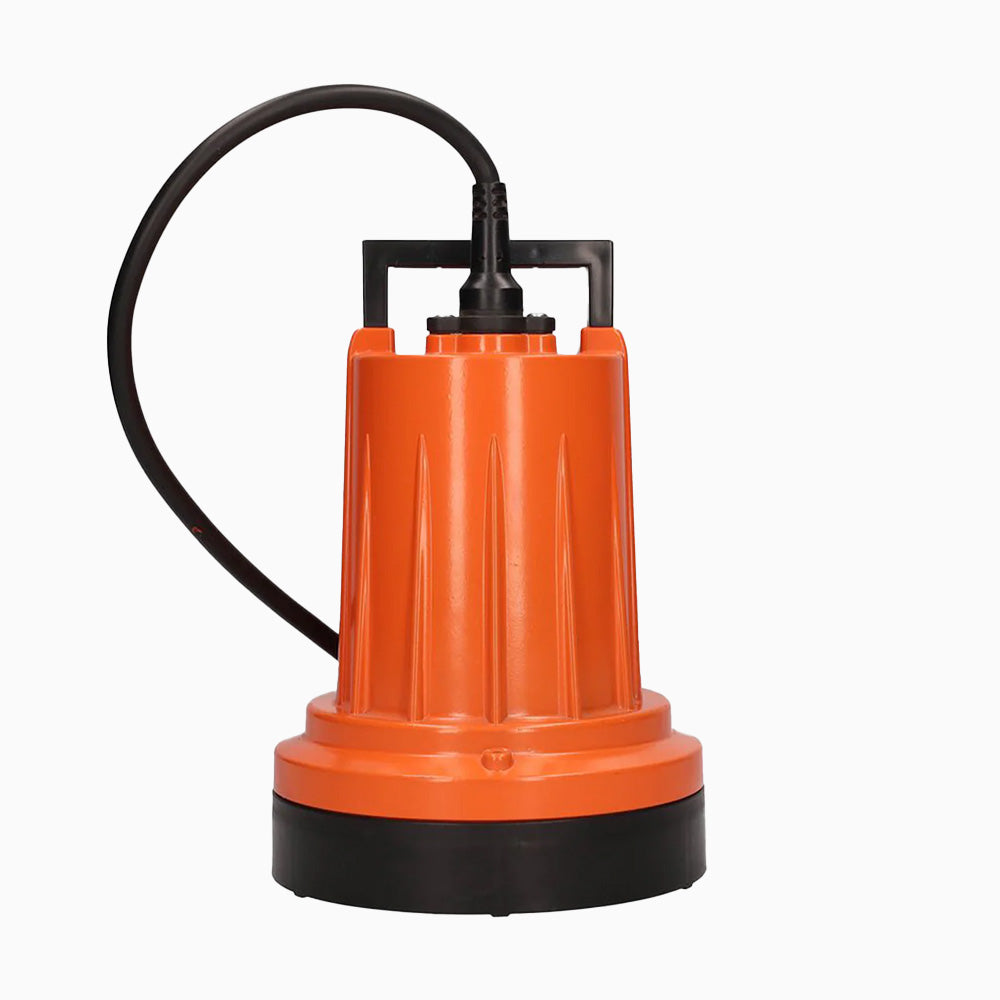
Flat suction submersible pump
When do you choose what?
The choice isn't really an "if," but a "how." You need a city outlet if you need to drain water from the side of the roof. You need a leaf trap on any type of drain to prevent blockages deep in the pipe. Are you currently experiencing a puddle of water that isn't draining into the drain? Then a submersible pump with a low-suction suction is the most effective temporary solution to prevent damage.

Submersible pump with water sensor 3mm
Frequently asked questions about roof drainage
Can I install a leaf catcher myself?
Yes, most leaf catchers are universal and clamp themselves into the drain opening. It's a simple job that prevents a lot of trouble.
How often should I check the city outlet?
We recommend an inspection at least twice a year, preferably in the fall and spring. Use our "Roof Inspection Checklist for Fall" for this.
What if water remains despite a clean drain?
This often indicates a subsidence in the roof or an incorrect slope. In that case, a submersible pump with a low activation can help remove the water manually or automatically.
Share:
Roof Inspection Checklist for Fall: Prevent Water on a Flat Roof
Consequences of water accumulation for the roof covering