

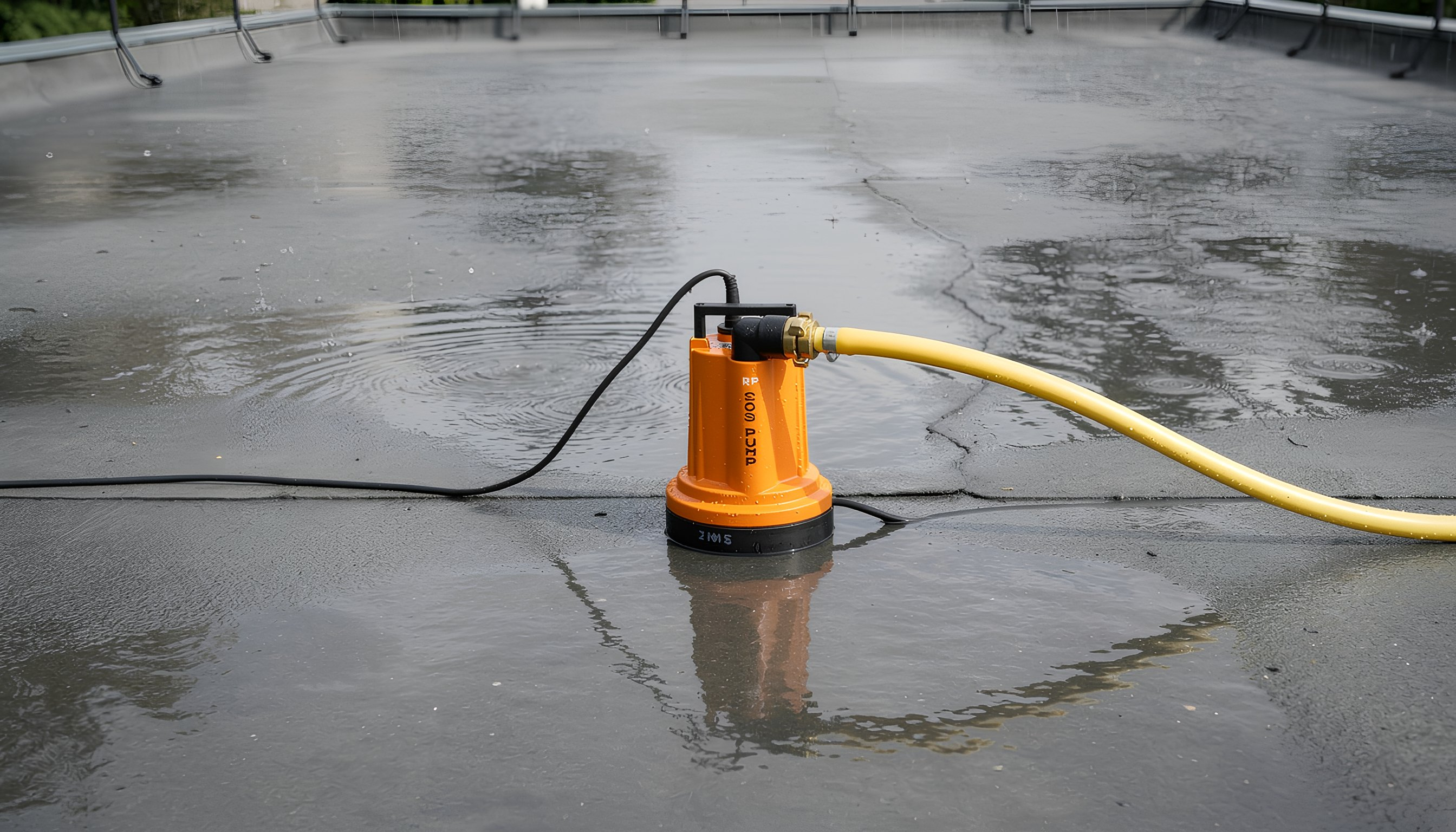
Is there an unusually high amount of standing water on your roof after a rain shower? Identifying structural flaws in a sloped flat roof is essential for preventing serious leaks and structural damage to your home.
Why water on a flat roof often indicates construction errors
In practice, a flat roof is never completely horizontal. To effectively drain rainwater to the downspout, a minimum slope of 1.6 centimeters per meter (1.6%) is required. If this slope is incorrectly calculated or implemented during construction, water will remain on the flat roof. This phenomenon is also known as water accumulation.
Early detection of these problems is crucial. In our " Water on a Flat Roof: The Complete Guide to Causes, Risks, and Solutions," we delve deeper into the general issues, but here we focus specifically on structural defects.
Insufficient culling: The silent culprit
The most common construction defect is a lack of slope. This is often recognizable by large puddles that remain in the center of the roof, far from the drainage points. If the water doesn't drain to the edges, the weight of the standing water will cause the roof covering to age more quickly. You can read more about the dangers of this in Causes and Risks of Standing Water on a Flat Roof .
For roofs where water remains permanently due to an incorrect slope, an automatic solution is often the only way to prevent damage without renovating the entire roof.

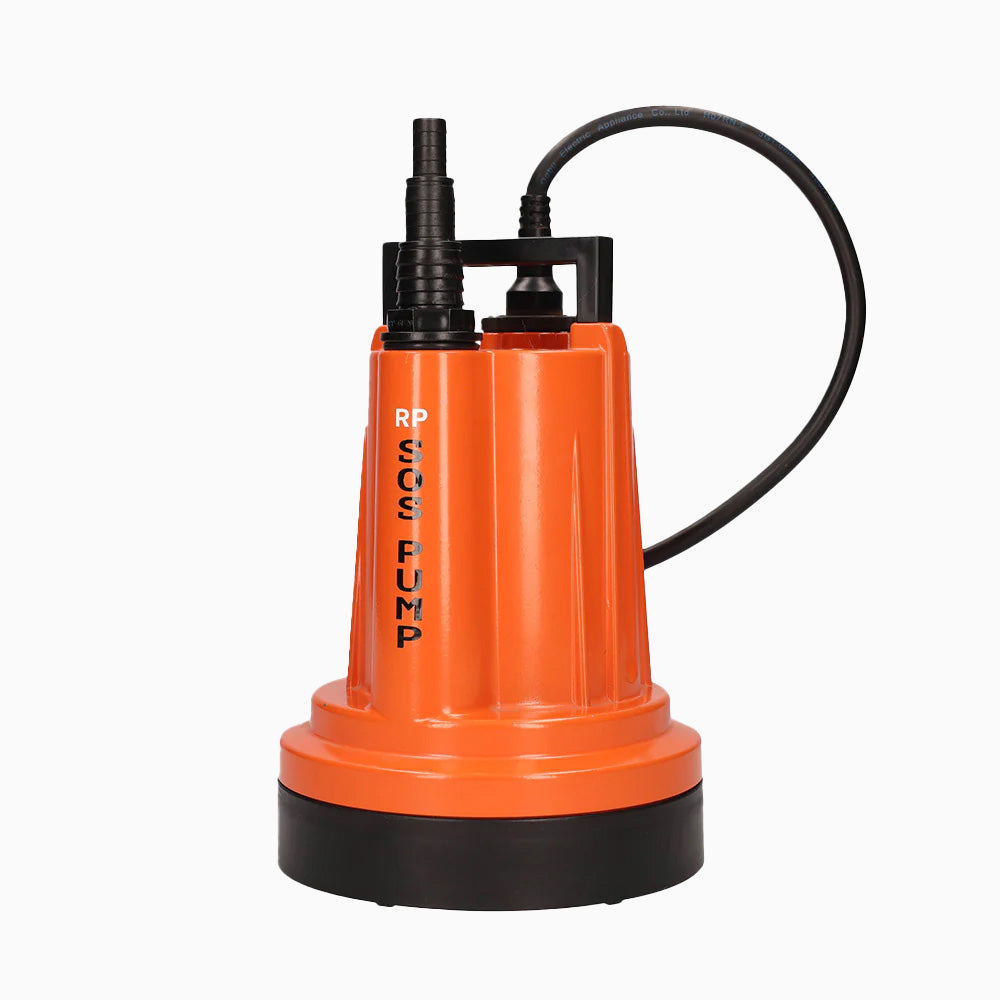
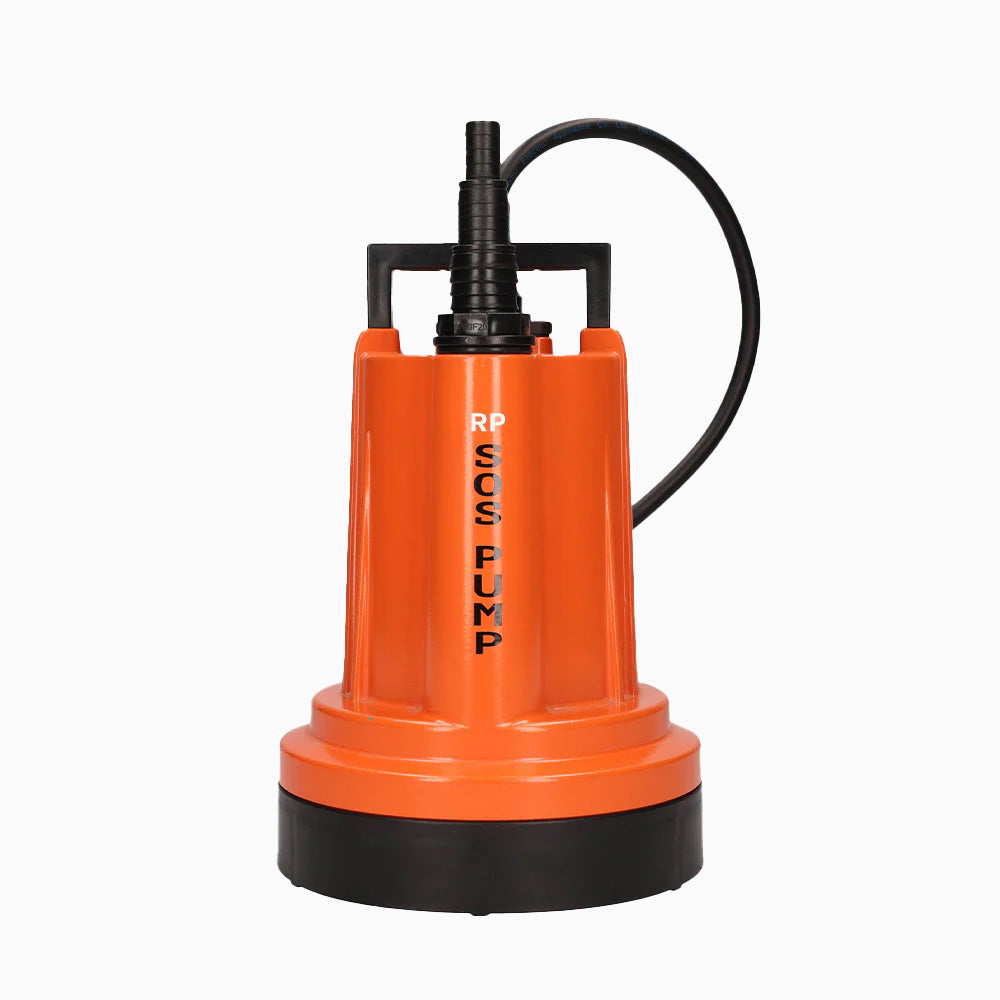
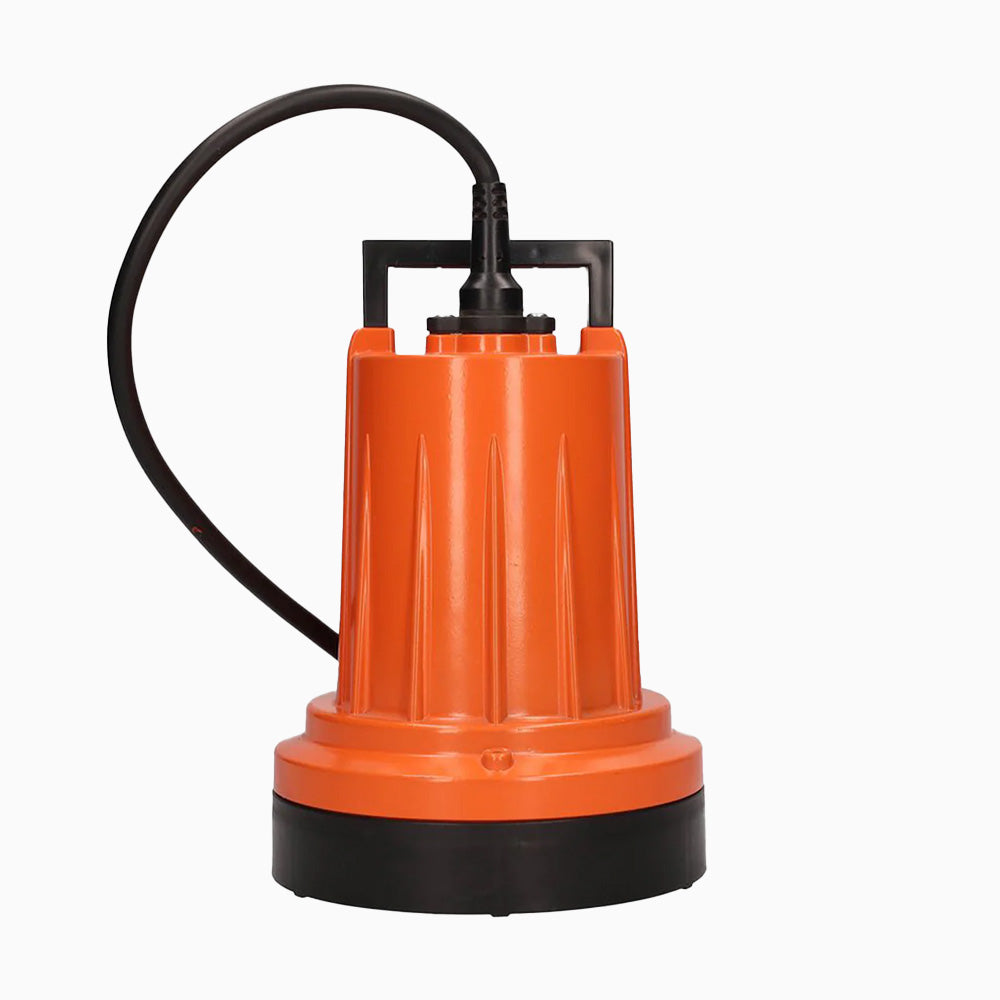
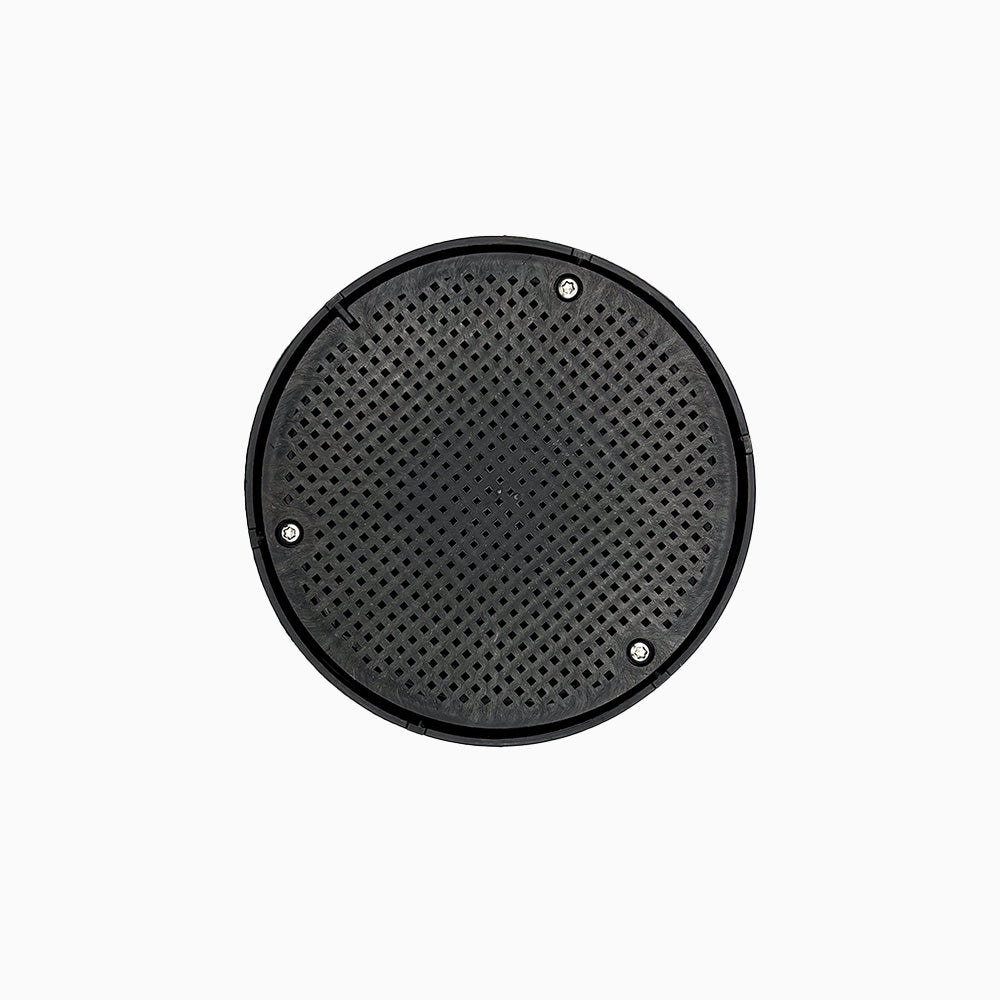
Flat suction submersible pump
Deflection of the roof structure
Another serious problem is sagging. This occurs when the roof joists aren't strong enough to support the weight of the roofing, insulation, and any rainwater. A bowl shape then forms in the center of the roof.
Symptoms of deflection:
- Puddles that always return to exactly the same spot.
- Visible curves in the ceiling indoors.
- Cracks in the roof covering around the deepest points.
When deflection occurs, the risk of collapse increases during extreme rainfall. In such cases , the role of emergency overflows during extreme rainfall is an important topic for understanding how excess water can be safely drained.
Technical solutions for flooding
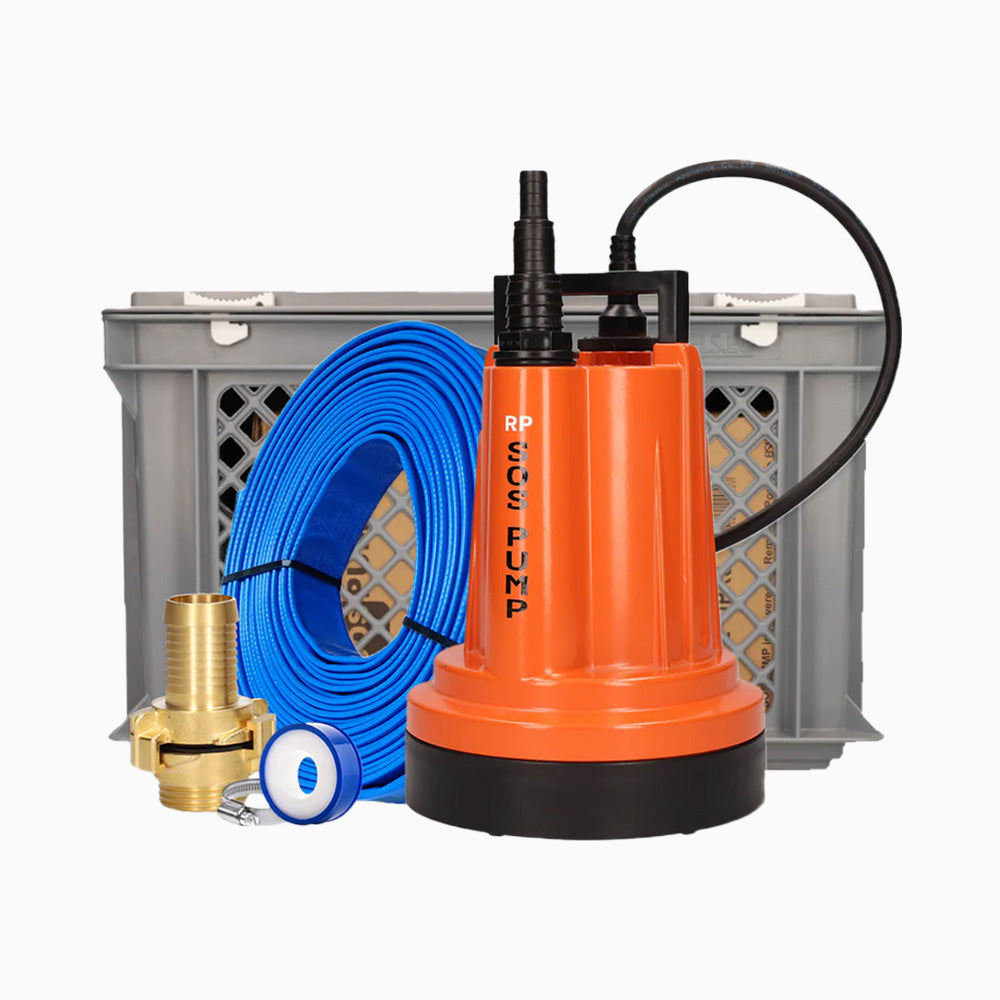
If structural adjustments (such as installing additional beams or sloped insulation) are currently not feasible, you can opt for technical aids. A submersible pump with a low-suction suction is specifically designed to make roofs virtually dry.

Submersible pump with water sensor 3mm
How much water can remain on a flat roof?
Small puddles up to 5 mm that evaporate after 24 hours are usually not a problem. However, if a layer several centimeters thick remains, there is likely a construction defect or a blockage. Read more in How much water can stand on a flat roof?
Can I repair a construction error myself?
Correcting a slope or deflection often requires structural modifications. You can, however, take preventative measures by manually or automatically pumping away the water to reduce the pressure on the structure.
What are the risks of water accumulation?
The biggest risks are leaks, accelerated wear of the roof covering and, in the worst case, the collapse of the roof structure due to the enormous weight of the water.
Share:
Roof Inspection Checklist for Fall: Prevent Water on a Flat Roof
Consequences of water accumulation for the roof covering