

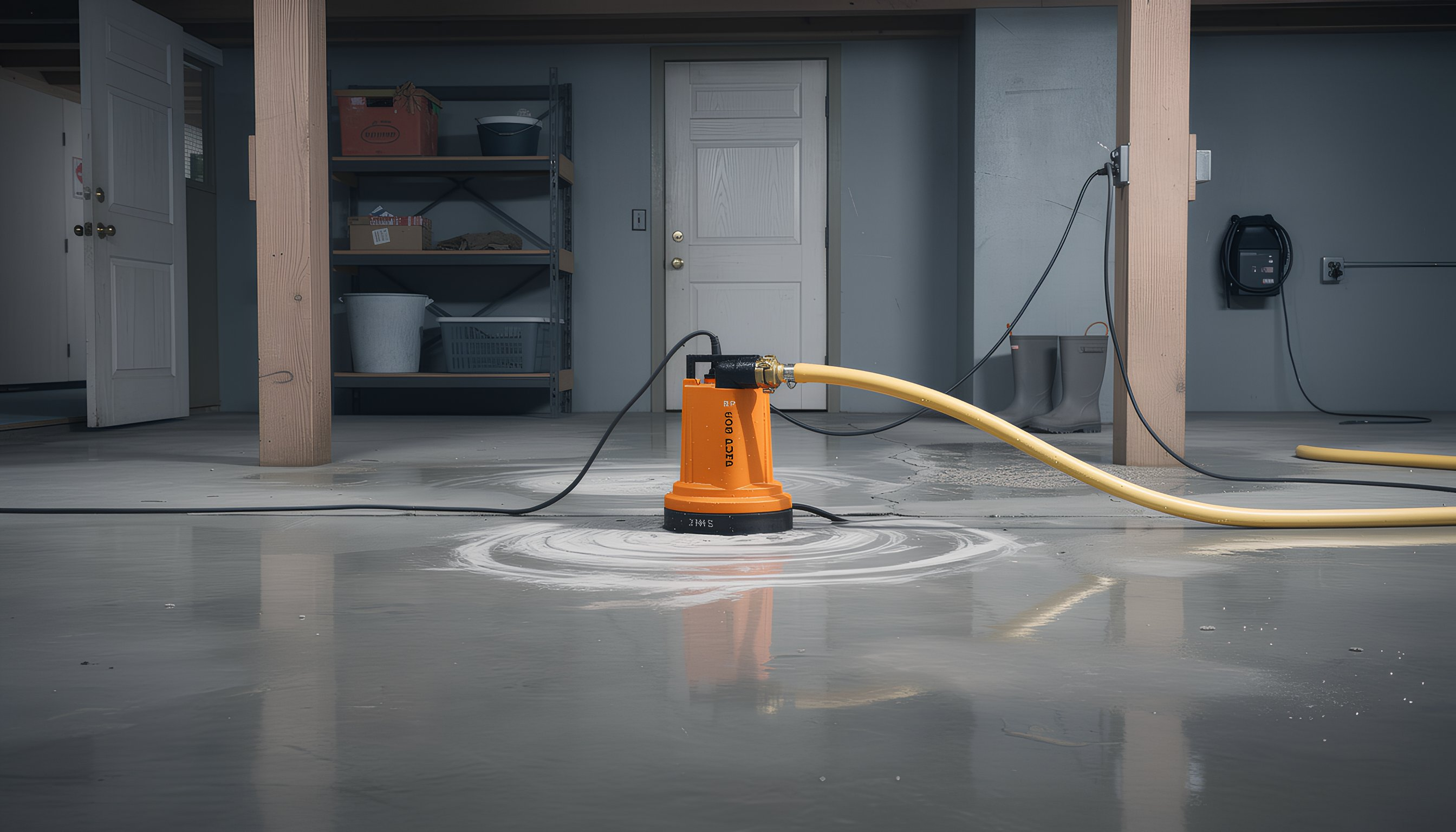
A flooded basement is every homeowner's worst nightmare, but with the right knowledge and equipment, flooding doesn't have to be a permanent problem. This ultimate guide will teach you everything you need to know about basement pumps to effectively protect your home from damp and water damage.
What is a basement pump and why is it essential?
A basement pump, often called a submersible pump, is a device specifically designed to remove water from basements, crawl spaces, or cellars. Because basements are below ground level, water cannot drain naturally. Whether it's groundwater intrusion, a burst pipe, or heavy rainfall, a reliable pump is the only barrier between a dry storage space and costly damage.
The importance of proper installation cannot be underestimated. Water in the basement not only damages personal belongings but also, in the long term, damages your home's foundation and promotes the growth of harmful mold. For more background information on the different types, you can also consult our article "Choosing the Right Basement Pump: Types and Applications ."
How exactly does a basement pump work?
A basement pump operates on a relatively simple but effective principle. The pump is installed at the lowest point in the basement, often in a specially dug sump pit. When the water level rises, the pump is activated by a float or sensor.
As soon as the pump starts, an impeller draws in the water and forces it out through a discharge hose, for example, into the sewer, a ditch, or a lower part of the garden. A crucial component is the check valve, which prevents the water in the hose from flowing back into the basement when the pump stops. In the article "Submersible pump with float switch vs. without float switch: What's the best choice?", we discuss the different activation methods in more detail.
Different types of basement pumps
Not every cellar is the same, and that also applies to pumps. The choice of a specific model depends on the cellar's depth, the amount of water, and the presence of dirt or sand.
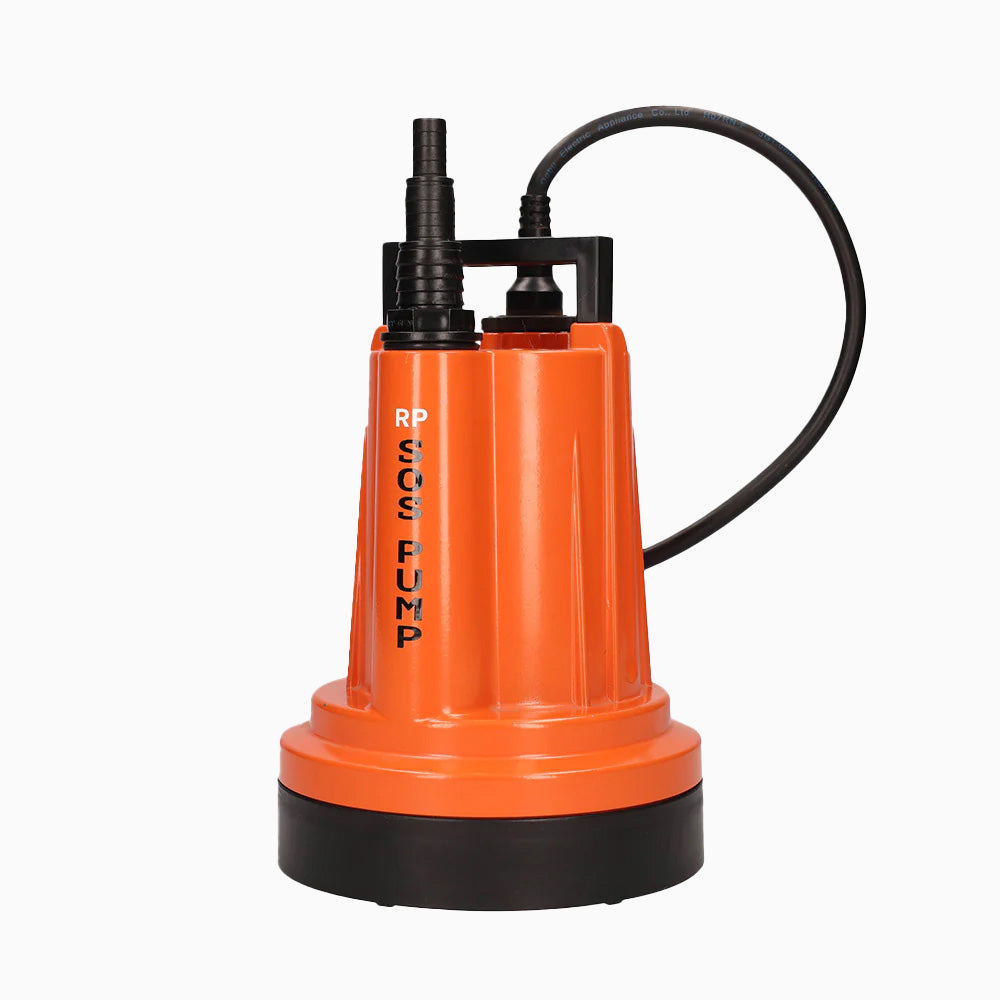
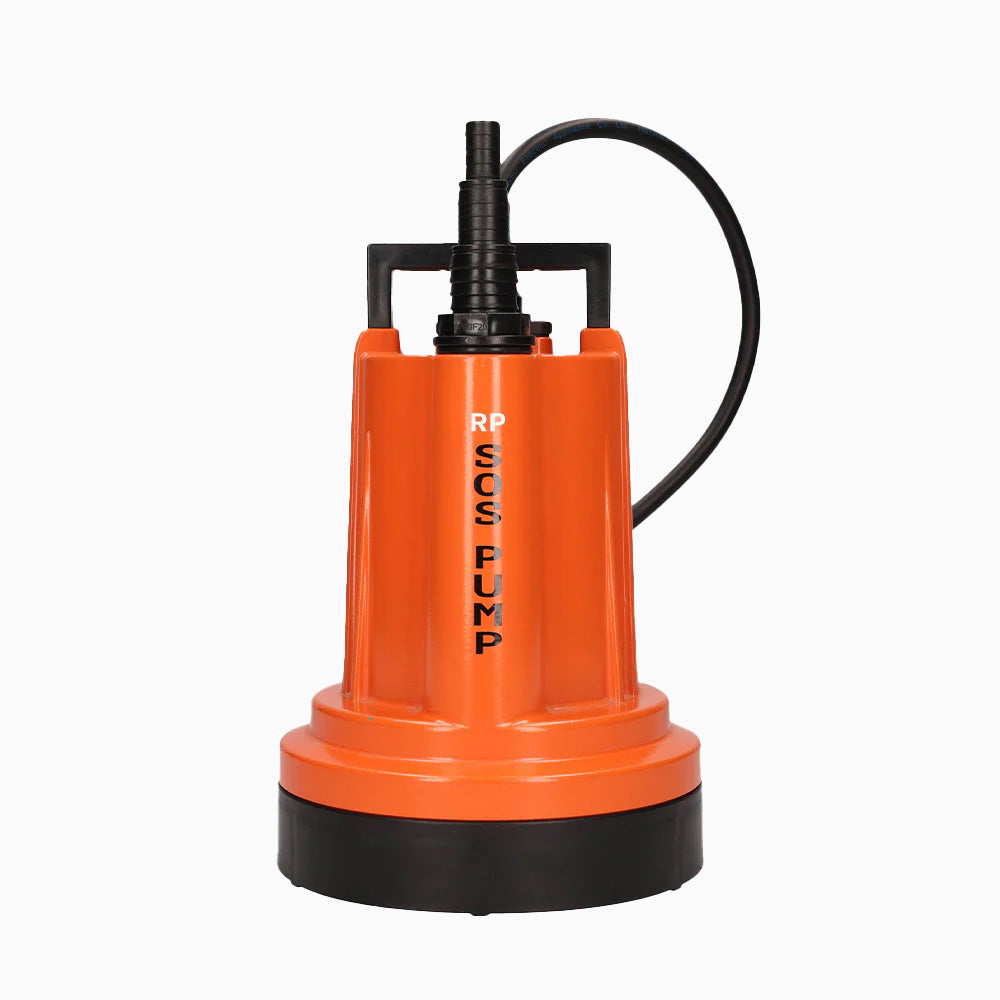
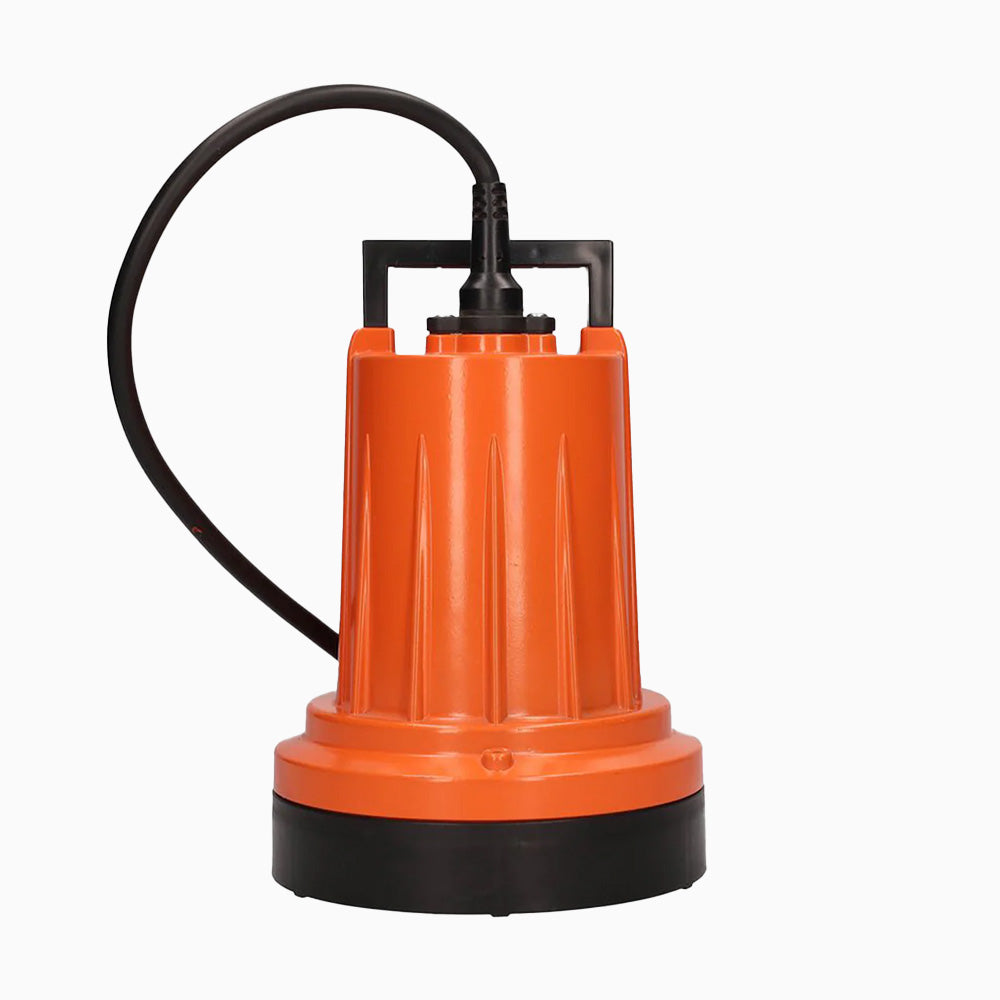
Flat suction submersible pumps
For basements where the water level is only a few centimeters, a flat vacuum is the best choice. These pumps can extract water down to a residual level of just 1 to 2 millimeters, leaving the floor virtually "mop dry." This is ideal for basements with a level floor and no drain.

Flat suction submersible pump
Wastewater pumps
If the water in your basement is mixed with mud, sand, or small stones, you need a more robust solution. A standard pump would clog immediately in this situation. Read more about this in "Basement Wastewater Pump: When Do You Need One?" . These pumps have larger passages, allowing solids to be handled without difficulty.
Pumps for narrow wells
In many older homes, the collection wells are very narrow. A traditional float arm doesn't have enough room to move freely, causing the pump to either not turn on or to continue running. For these situations, there are pumps with an internal float switch or electronic sensors. Also see "The best basement pumps for narrow wells and small spaces" for specific recommendations.
Installation: What should you pay attention to?
Installing a basement pump yourself is easy for most DIYers, provided you follow the correct steps. A stable base is essential; never place the pump directly on sandy ground, as this can clog the suction nozzle. Preferably, use a tile or a plastic container.
In addition, the drainage capacity is crucial. The diameter of the drain hose should match the pump's connection to minimize resistance. A hose that is too thin will cause the pump to work harder and move less water. For a detailed step-by-step guide, please refer to Step-by-step: Installing a submersible pump in the basement yourself .
The importance of automatic switching
A basement pump that you have to turn on and off manually is often inadequate in an emergency. Most modern systems use a float switch or an electronic water sensor. This ensures that the pump activates immediately when water is detected, even if you're not home.

Submersible pump with water sensor 3mm
For highly precise applications, where the pump must respond at a water level of just 1 millimeter, special electrode switches are available. This prevents moisture from seeping into the walls before the pump even starts.
Maintenance and extending lifespan
A basement pump is a mechanical device that operates in a damp, often dirty environment. Regular maintenance is therefore essential. We recommend checking the pump at least twice a year for dirt buildup around the suction strainer and testing the float for smooth movement. Our article, "Basement pump maintenance: 5 tips to extend its lifespan," explains exactly how to do this.
If the pump does unexpectedly malfunction, consult Common basement pump problems and how to solve them before purchasing a new model. Often, a minor blockage or limescale is the culprit.
What to do in case of acute flooding?
If your basement suddenly floods, the most important thing is to stay calm. First, turn off the electricity in the affected room if it's safe to do so. Use a powerful submersible pump to remove the water as quickly as possible. For a complete overview of the steps to take, please read our emergency plan: What to do in case of a flooded basement? An emergency plan .
Besides pumping away the water, it's essential to address the cause. Sometimes a pump alone isn't enough, and you need to consider structural solutions. You can read more about this in "Basement Waterproofing and Damp Control" and Edge Drainage vs. Floor Drainage: What Role Does the Pump Play?
Cost considerations
The price of a basement pump varies considerably based on capacity, material used (plastic vs. stainless steel or aluminum), and the sensor technology used. While a cheap pump can be tempting, it's often worth investing in a more reliable model, especially if the basement contains valuables. An overview of the current market can be found in "Cost of a basement pump including installation in 2026. "
Frequently asked questions about basement pumps
How long does a basement pump last on average?
With proper maintenance and normal use, a high-quality basement pump will last an average of 7 to 10 years. Factors such as water quality (high levels of sand or lime) and frequency of use influence this lifespan.
Can I connect a garden hose to my basement pump?
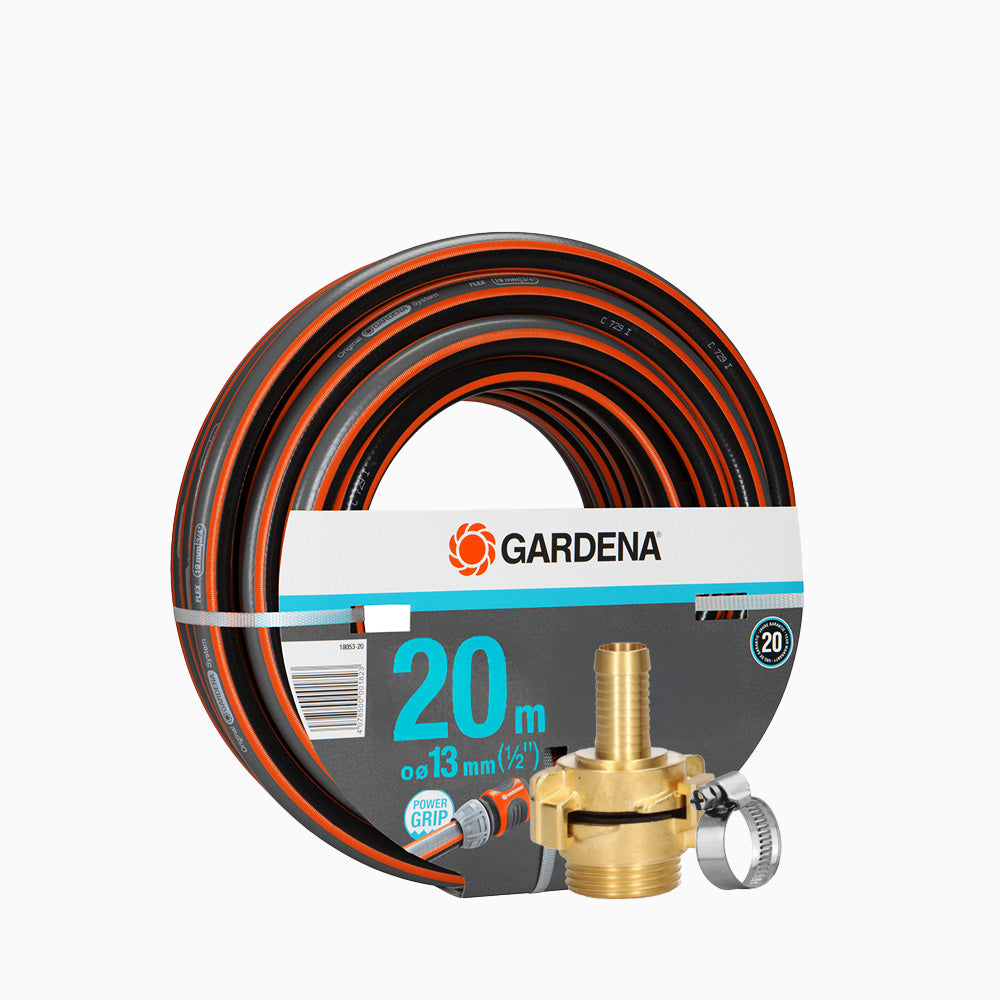
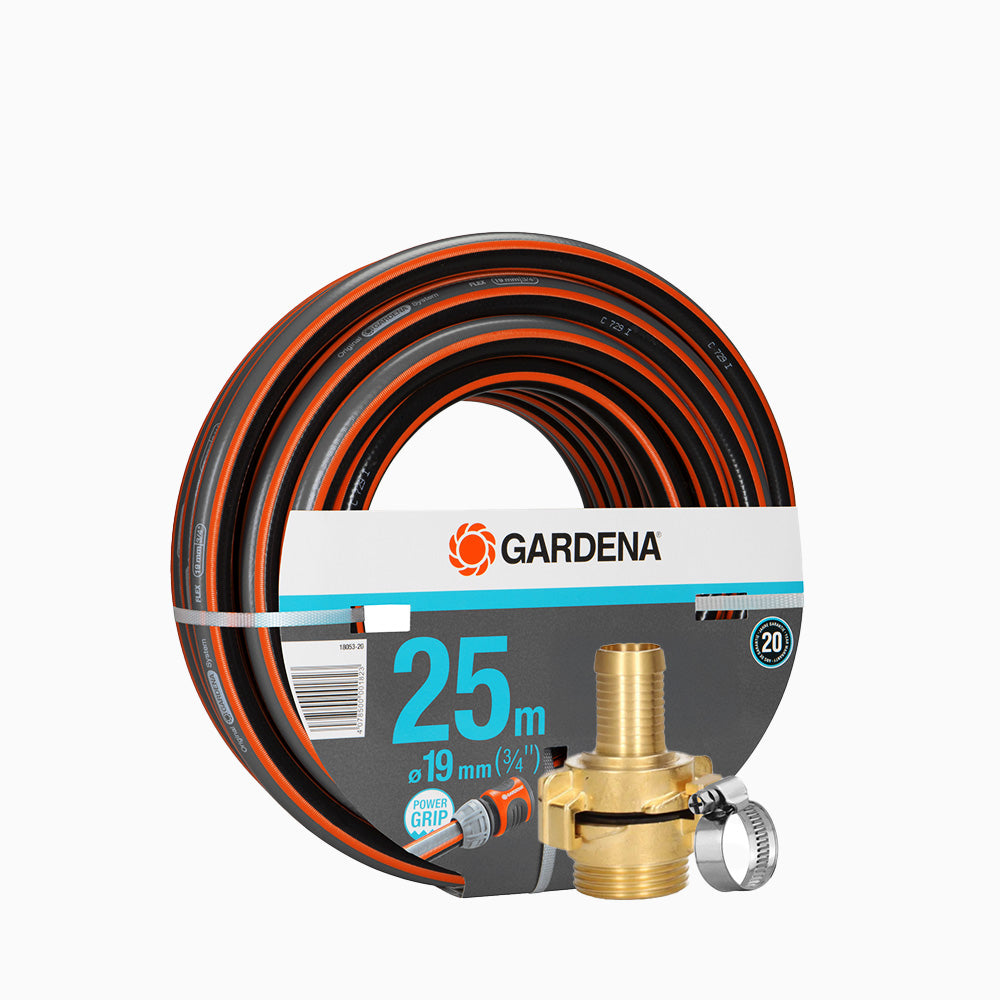
Yes, this is possible with the right fittings, but keep in mind that a standard garden hose has a small diameter. This significantly limits the drainage capacity. For quickly pumping out a basement, a wider drain hose (25mm or 32mm) is recommended.
Should the pump always remain in the water?
No, most modern submersible pumps are designed to operate both fully submerged and partially above water. However, the pump should never run dry (without water), as this will cause the motor to lose its cooling and may burn out.
What is the difference between a float and a water sensor?
A float is a mechanical device that must physically rise to activate the pump. A water sensor (or electrode) operates electronically and detects water as soon as it makes contact with the sensor, which is often more accurate in confined spaces.
Share:
Choosing the Right Basement Pump: Types and Applications
Choosing the Right Basement Pump: Types and Applications