

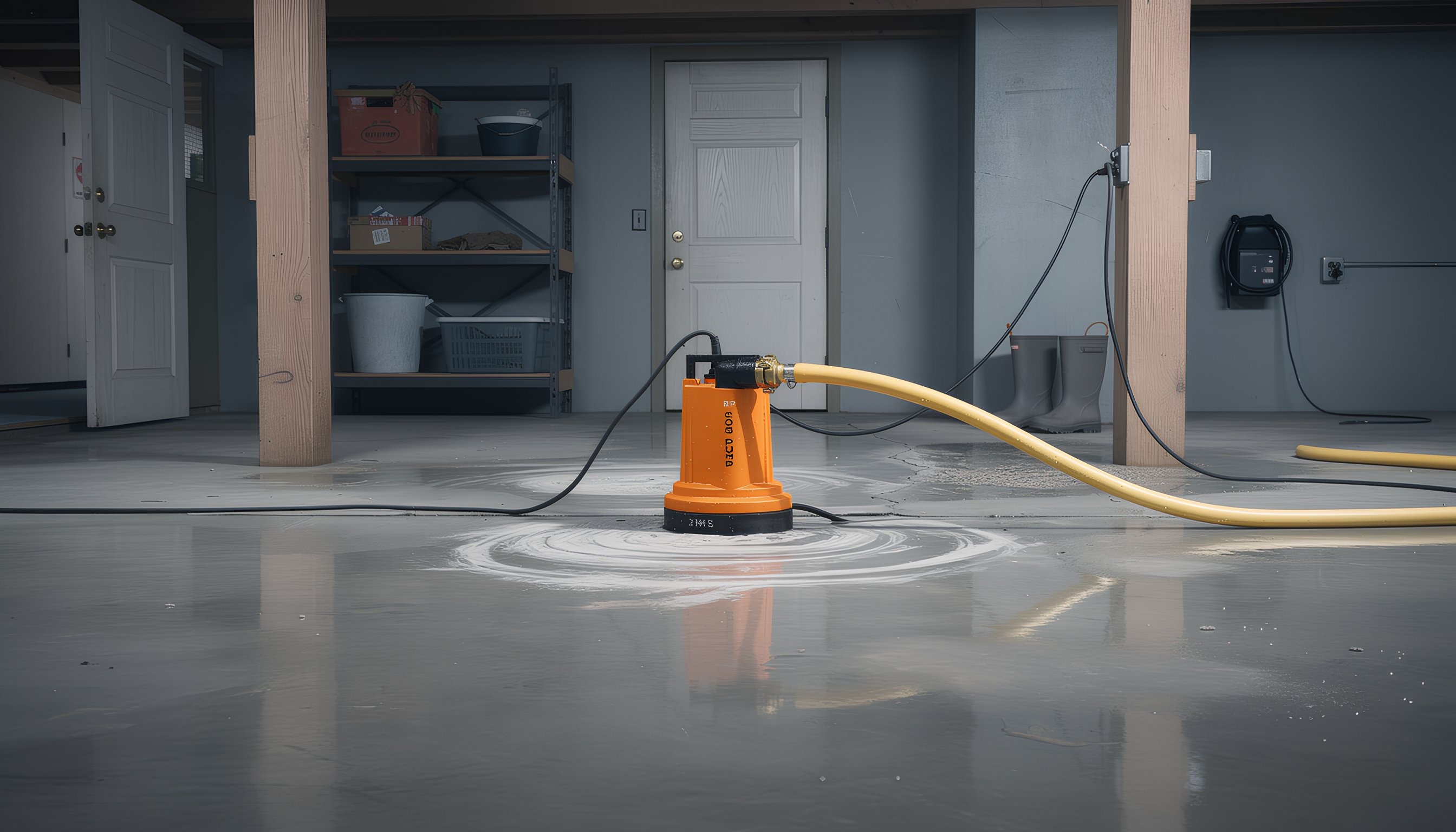
Are you experiencing a damp basement and unsure whether to choose perimeter drainage or underfloor drainage? This article explains the differences and explains why the right basement pump is the heart of any drainage system.
What is the difference between edge drainage and floor drainage?
When groundwater seeps through the walls or floor of your basement, drainage is often the only structural solution. With perimeter drainage , a gutter is installed at the junction (the connection between the floor and the wall). This is ideal when water primarily enters through the walls. Floor drainage goes a step further: the entire basement floor is covered with a dimpled membrane that directs the water to a central point.
Both systems, however, have one thing in common: the collected water has to go somewhere. Without a powerful basement pump, the water simply remains in the drainage channels, which still leads to high humidity and mold growth. You can read more about the basic principles in All About Basement Pumps: The Ultimate Guide to a Dry Basement .
The basement pump as the engine of your drainage system
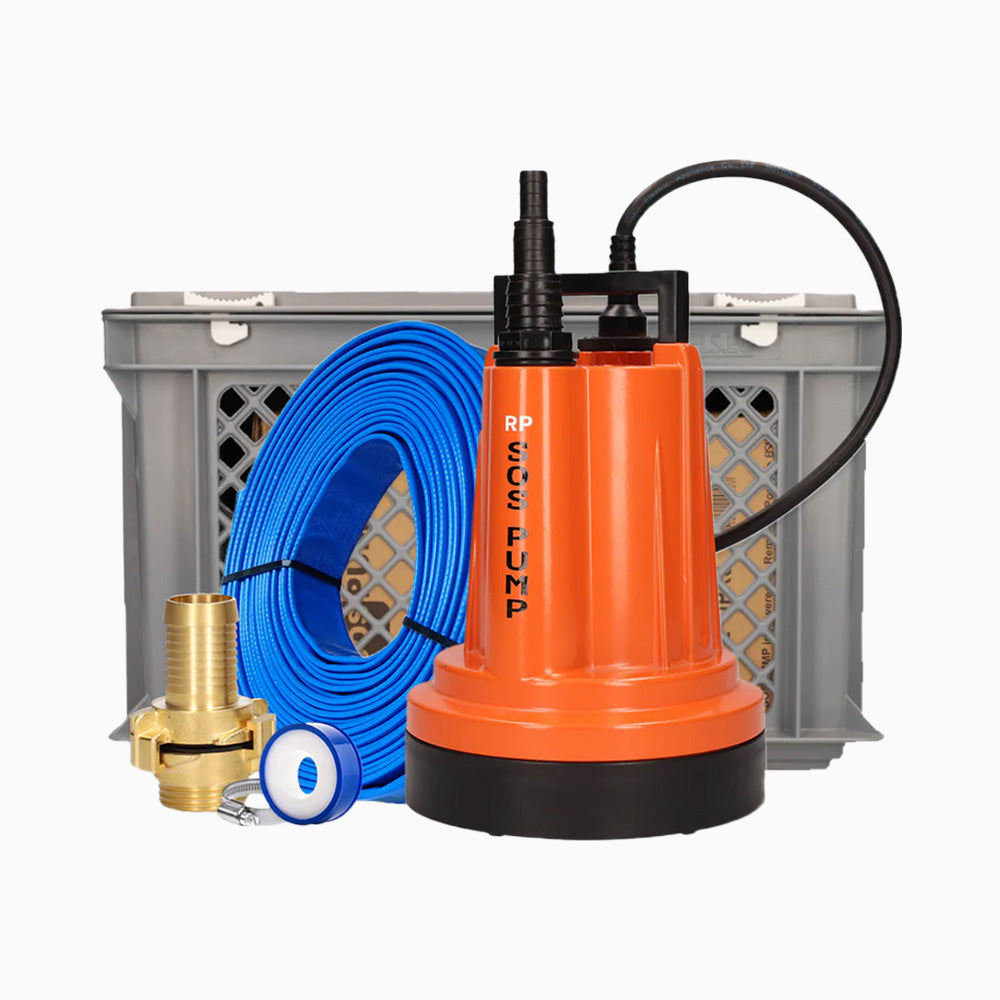
Whether you choose edge or floor drainage, the water is always directed to a collection pit (also called a sump). A submersible pump is installed in this pit, which automatically pumps the water to the sewer or a drainpipe. For effective operation, a surface-priming pump is often the best choice, as it can reduce the water level to a minimum.

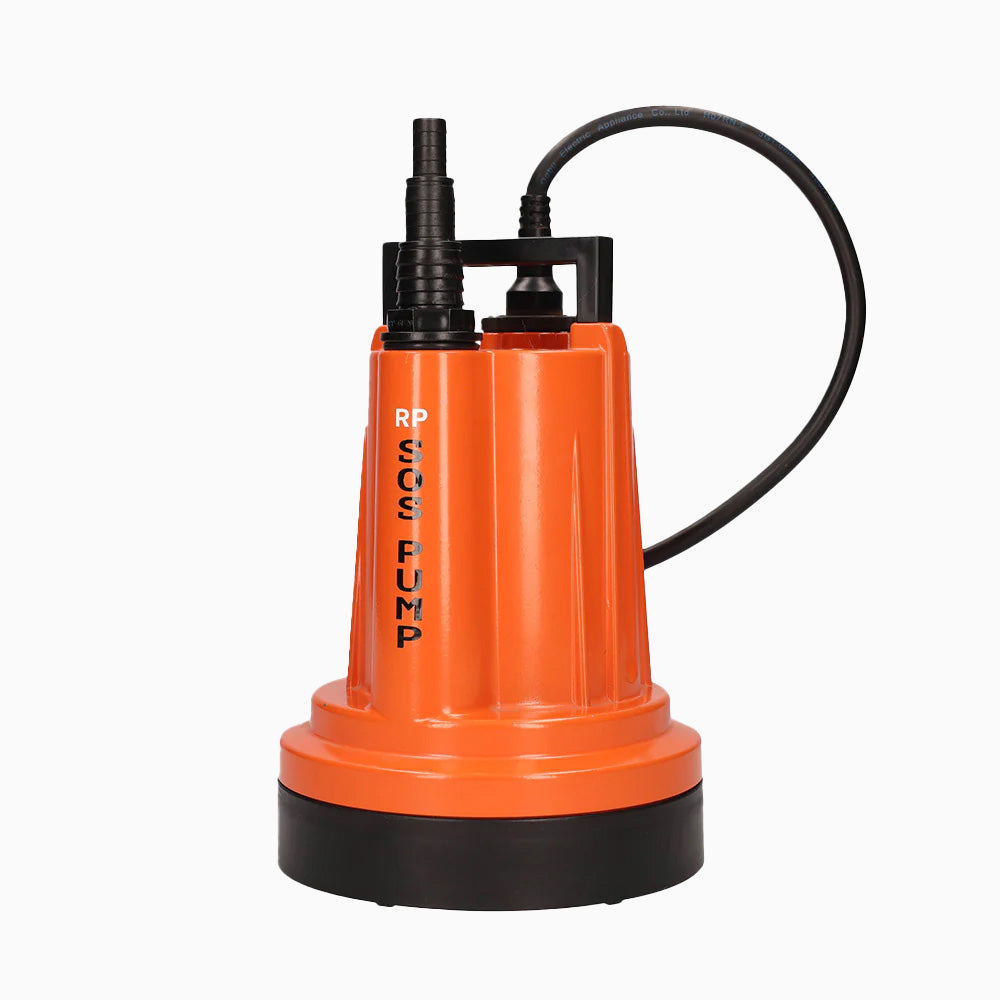
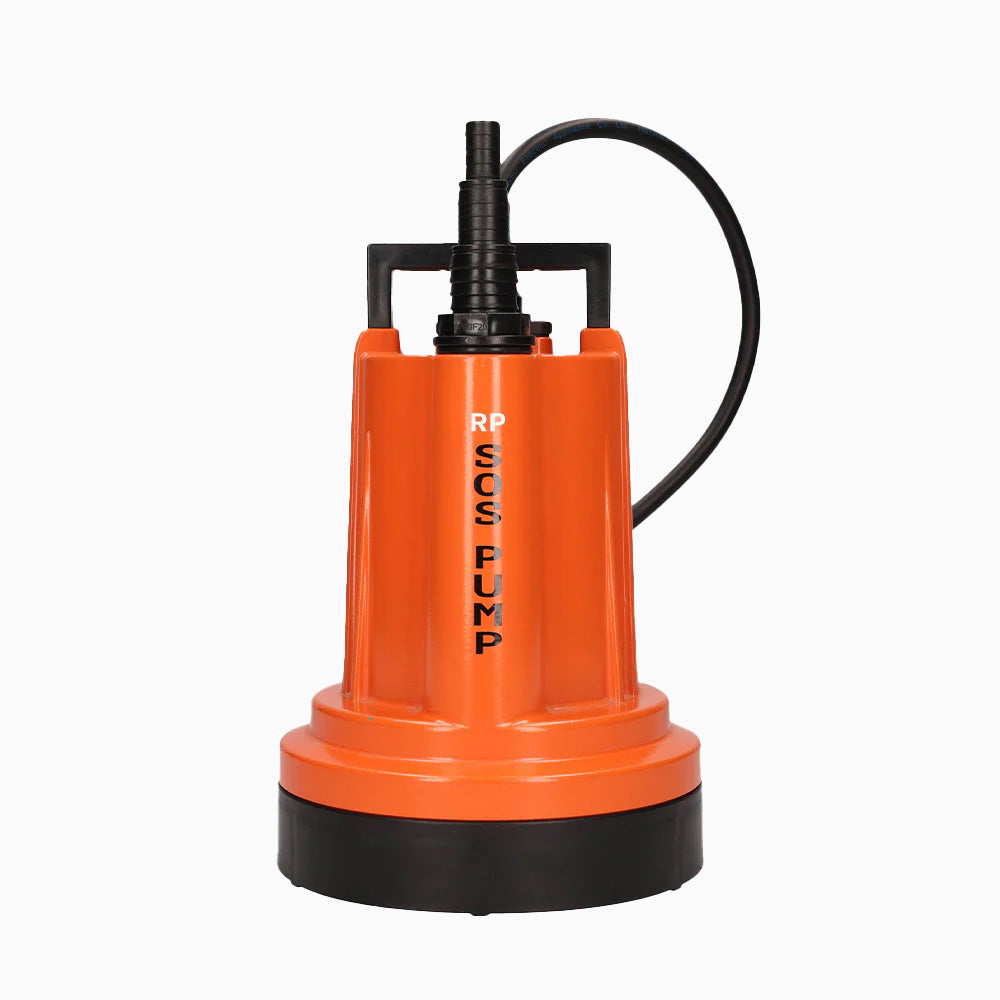
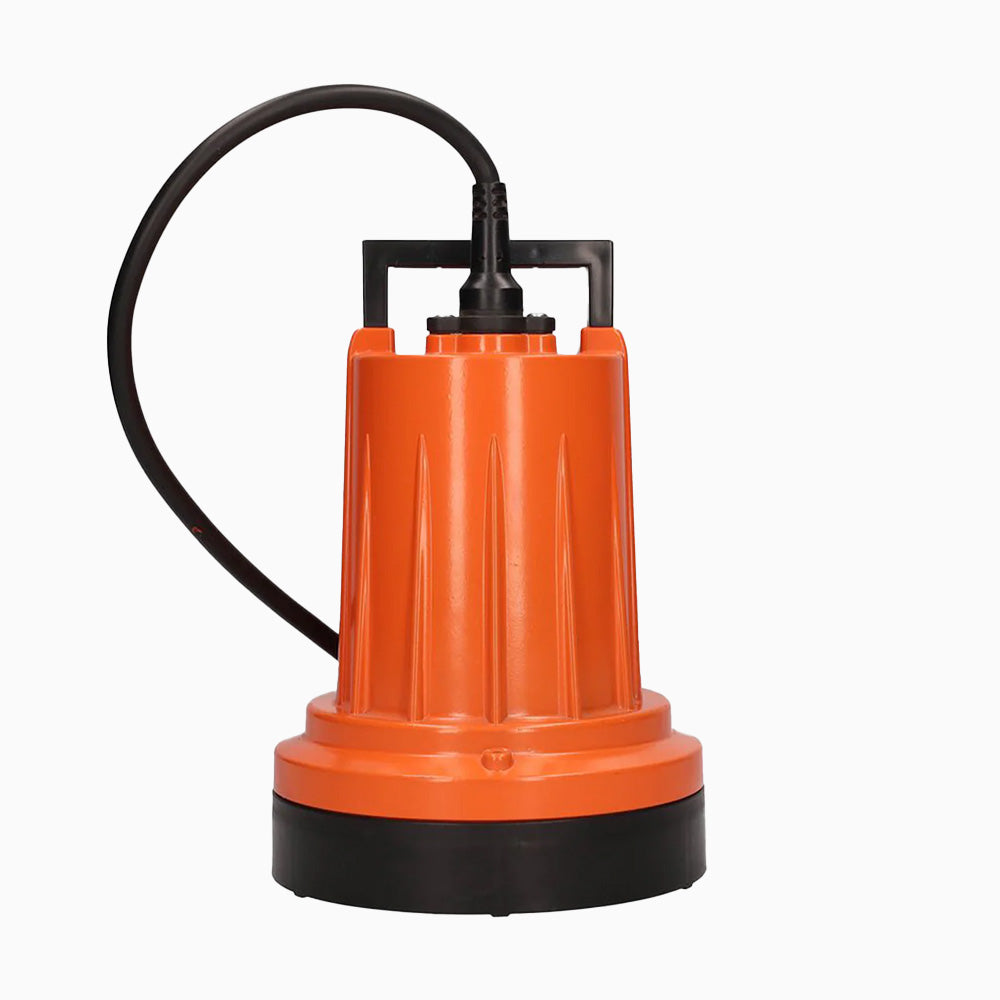
Flat suction submersible pump
During installation, it's essential that the pump is reliable. If the pump fails, the drainage layer will fill up, and your basement will be flooded again in no time. Therefore, experts often recommend looking at specific configurations, as described in The Best Basement Pumps for Narrow Wells and Small Spaces .
Automation: Why a water sensor is indispensable
In a drainage system, you don't want to have to manually turn on the pump. An automatic switch is crucial. However, traditional floats require space to move, which often causes problems in a narrow drainage pit. A modern solution is an electronic sensor or a compact level switch.

Crab Float Water Sensor 3mm
Maintenance and prevention
A drainage system not only removes water, but sometimes also small particles of sediment or limescale. This can accumulate in the pump. Regular maintenance is therefore essential for a watertight guarantee. For practical steps, please consult our article "Basement pump maintenance: 5 tips to extend its lifespan ." If something does go wrong, read " Common basement pump problems and how to solve them ."
Frequently asked questions about drainage and pumps
Can I install drainage without a pump?
Only if there's a natural slope to a lower point outside the home. However, in most Dutch basements, the floor is below the sewer level, making a basement pump necessary to pump the water upward.
Which pump is most suitable for floor drainage?
A flat-suction submersible pump is ideal because it can pump away water down to a few millimeters, keeping the well and drainage channels as dry as possible.
How deep should the drainage sump be?
The pit must be deep enough to allow the drainage supply pipes to enter at a slope; usually a depth of 40 to 60 cm is sufficient for a standard submersible pump.
Share:
Cost of a basement pump including installation in 2026
Installing and Maintaining Your Basement Pump: A Practical Guide