

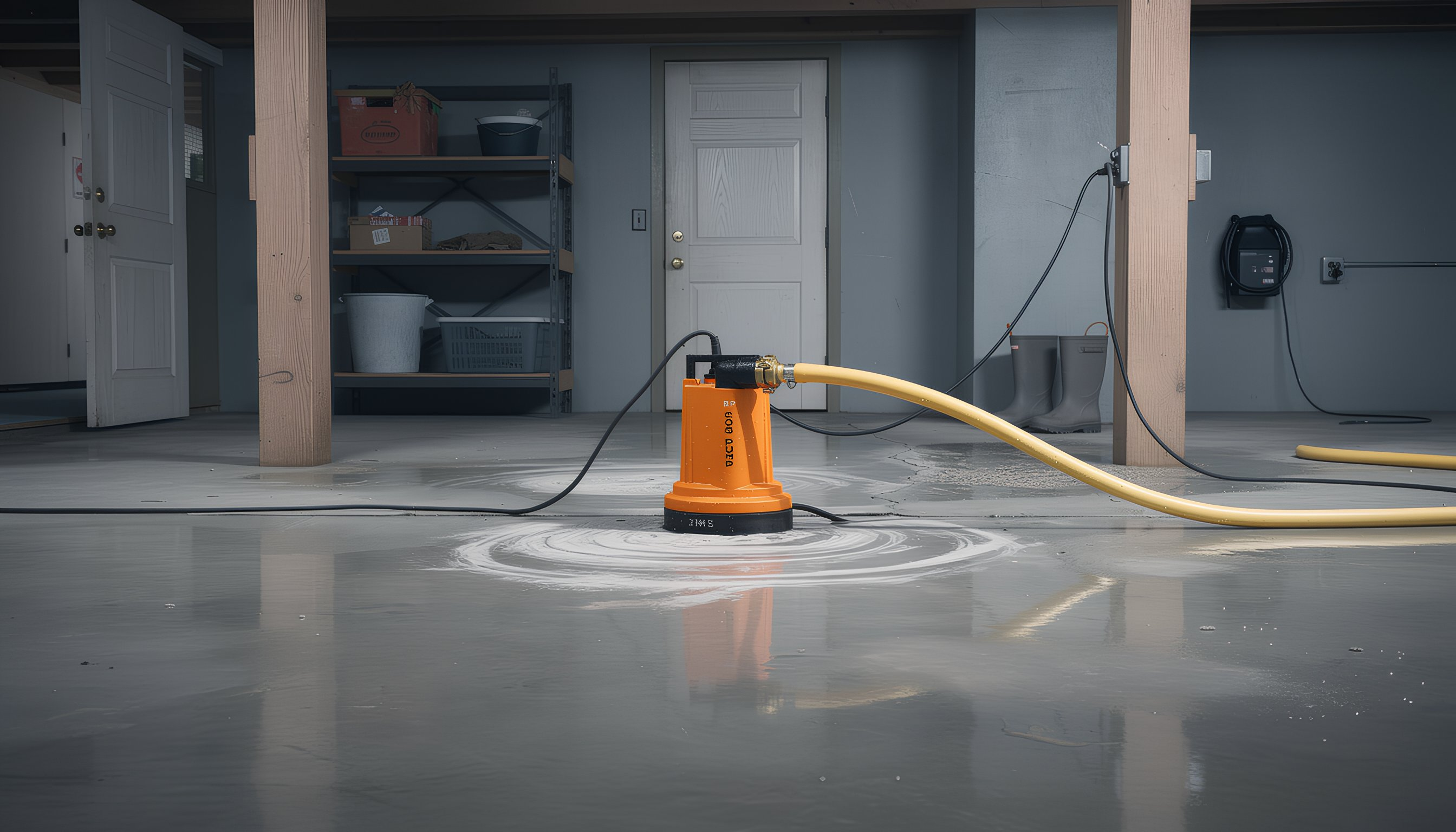
A properly functioning basement pump is the most important line of defense against flooding in your home. This guide explains step-by-step how to install it yourself and what maintenance is needed to ensure years of reliable operation.
Why a correct installation of your basement pump is essential
A basement pump, also known as a submersible pump, is designed to remove water from the lowest points in your home. Whether it's groundwater intrusion or a burst pipe, the pump must respond immediately. However, improper installation can lead to a short circuit, a blown motor, or, in the worst-case scenario, a basement that still floods even though the pump is running. For a more in-depth look at the different types, you can also consult "All About Basement Pumps: The Ultimate Guide to a Dry Basement ."
Step-by-step plan: Install your basement pump yourself
Installing a basement pump is a job that most DIYers can easily handle themselves. The most important thing is to use the right materials and create a stable foundation.
1. Determine the right location
Place the pump at the lowest point in the basement. This is often a specially dug sump or a collection tank. Make sure the bottom is free of large debris, stones, or silt that could block the suction. If you have a narrow well, it's wise to read about the best basement pumps for narrow wells and small spaces to prevent the float from getting stuck.
2. Preparing the pump
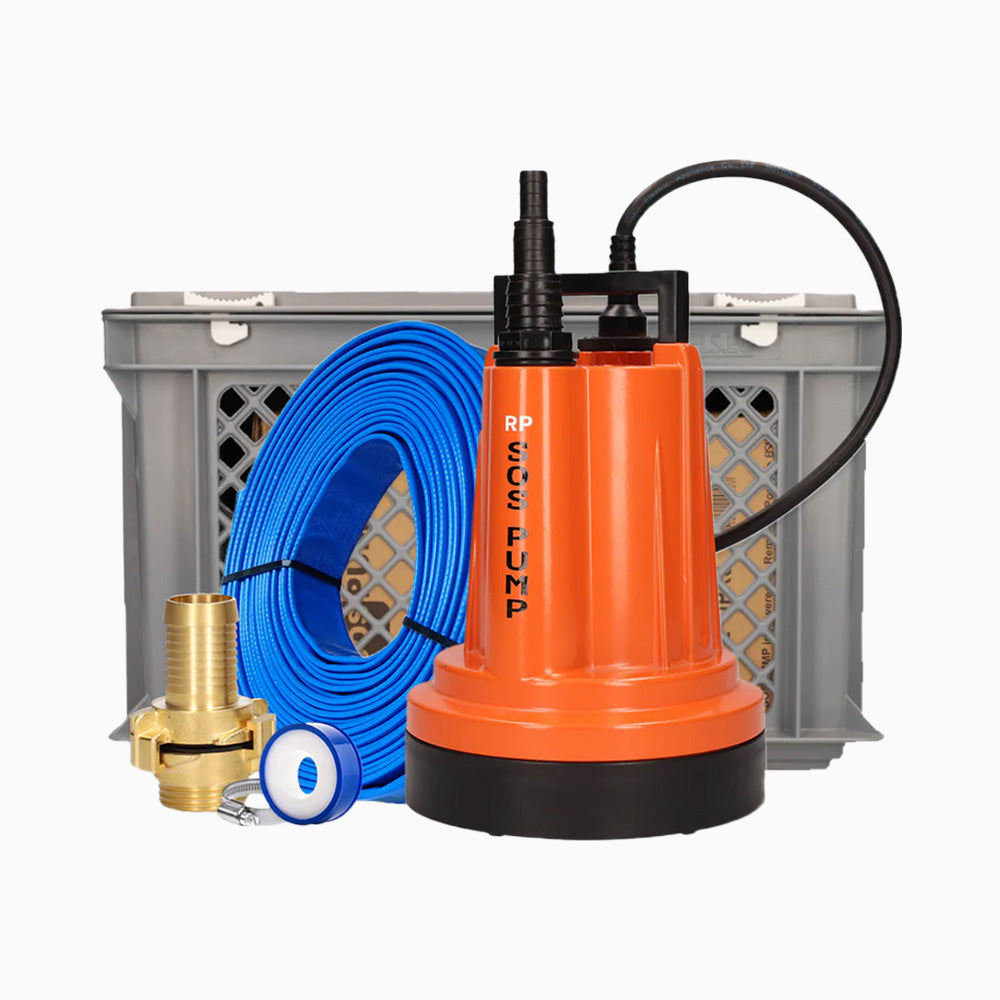
Before lowering the pump into the well, install the necessary fittings. Always use high-quality sealing materials to prevent pressure loss. For a leak-proof connection on the threads, Teflon tape is essential.

Teflon Tape
3. Connecting the drain
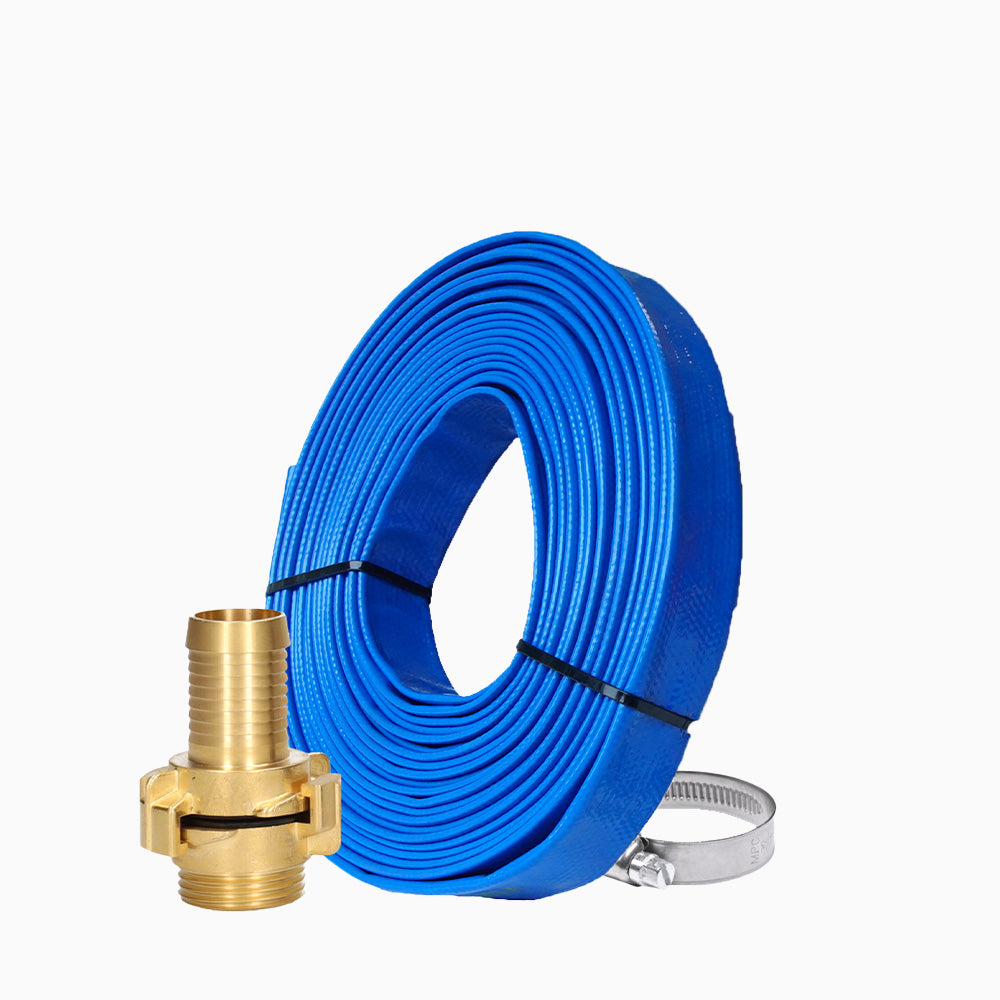
Connect the discharge hose to the pump's discharge outlet. Make sure the hose is large enough to handle the water flow. A hose that's too narrow will create extra resistance, forcing the pump to work harder and move less water. For more details on the installation process, see our article " Step-by-Step: Installing a Submersible Pump in Your Basement Yourself ."
Basement pump maintenance: 5 essential tips
A basement pump often sits idle for long periods, but must perform at 100% immediately in an emergency. Regular maintenance is therefore crucial. We delve into this in depth in "Basement Pump Maintenance: 5 Tips to Extend Its Lifespan ," but here are the most important basic steps:
- Clean the suction strainer: Remove any leaves, hair, or mud that may have collected at the bottom of the pump.
- Test the float: Pour a bucket of water into the well to see if the float moves up freely and activates the pump.
- Check the hoses: Check that there are no kinks or cracks in the drain hose.
- Flush the Well: Remove any accumulated sand or sediment from the bottom of the pump well.
- Check the power cord: Look for damage from vermin or wear and tear.
Troubleshooting common problems
Sometimes the pump doesn't do what it's supposed to. A common problem is that the pump runs but doesn't move any water. This is often caused by an air lock in the pump housing. You can prevent this by lowering the pump into the water at an angle. For other problems, please refer to Common basement pump problems and how to solve them .
If you notice your basement consistently remains damp, it might be time to consider drainage solutions. Read more about this in "Ridge Drainage vs. Floor Drainage: What Role Does the Pump Play?" or delve deeper into "Basement Waterproofing and Damp Control."

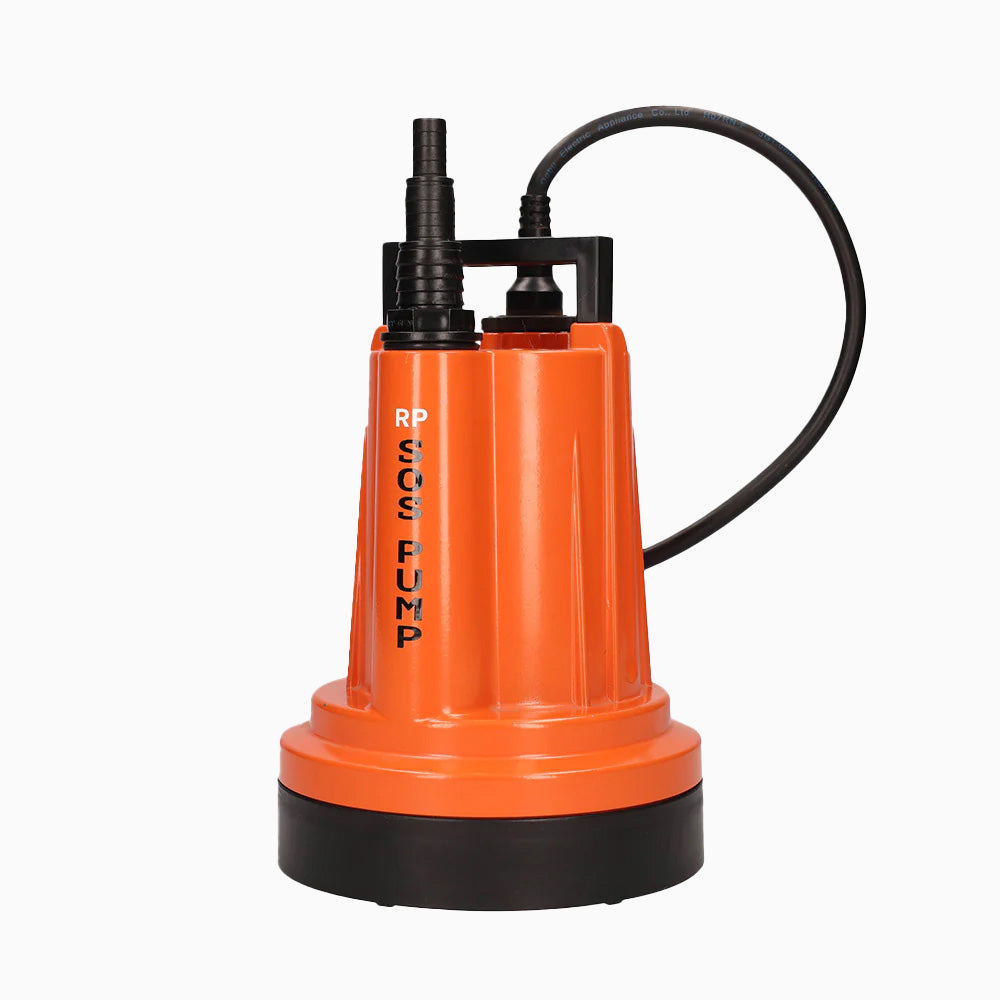
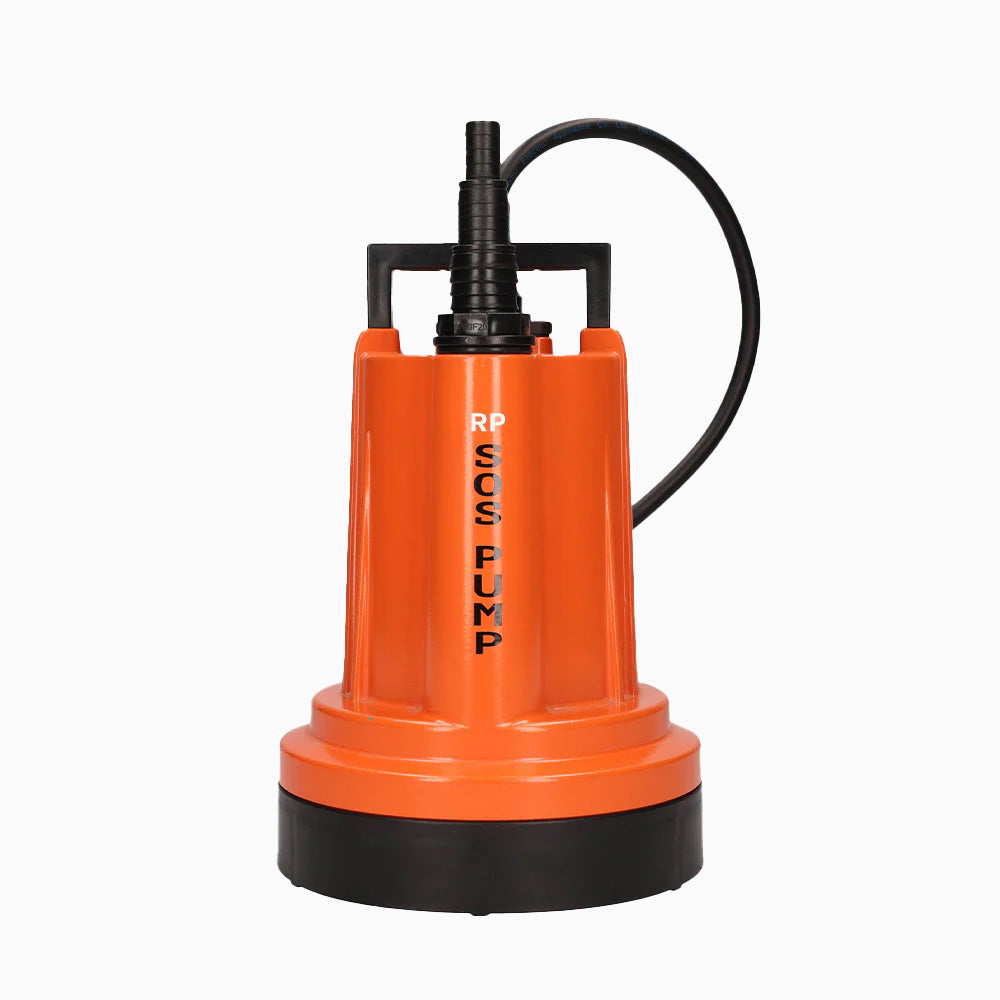
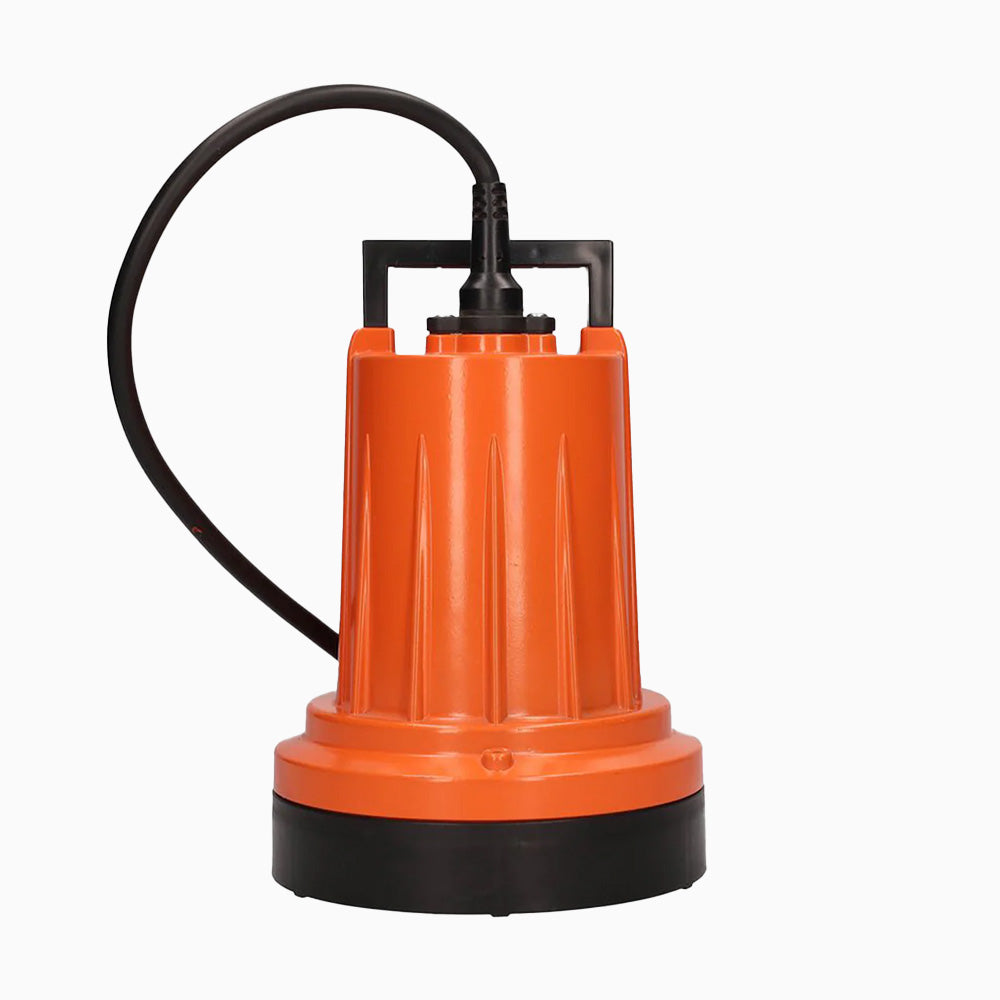
Submersible pump with switch 1mm
When to choose a flat vacuum cleaner?
In basements without a deep well, a standard submersible pump is often inadequate because it leaves a few centimeters of water. In that case, a flat-suction basement pump is the best choice. These pumps can extract water down to just a few millimeters, leaving the floor virtually mop-dry. More information can be found in Choosing the Right Basement Pump: Types and Applications .
Frequently asked questions about basement pumps
How often should I test my basement pump?
It's recommended to test the pump at least every three to six months by manually filling the well with water. This ensures the float and motor are still functioning properly before heavy rains arrive.
Can I use a garden hose as a drain for my basement pump?
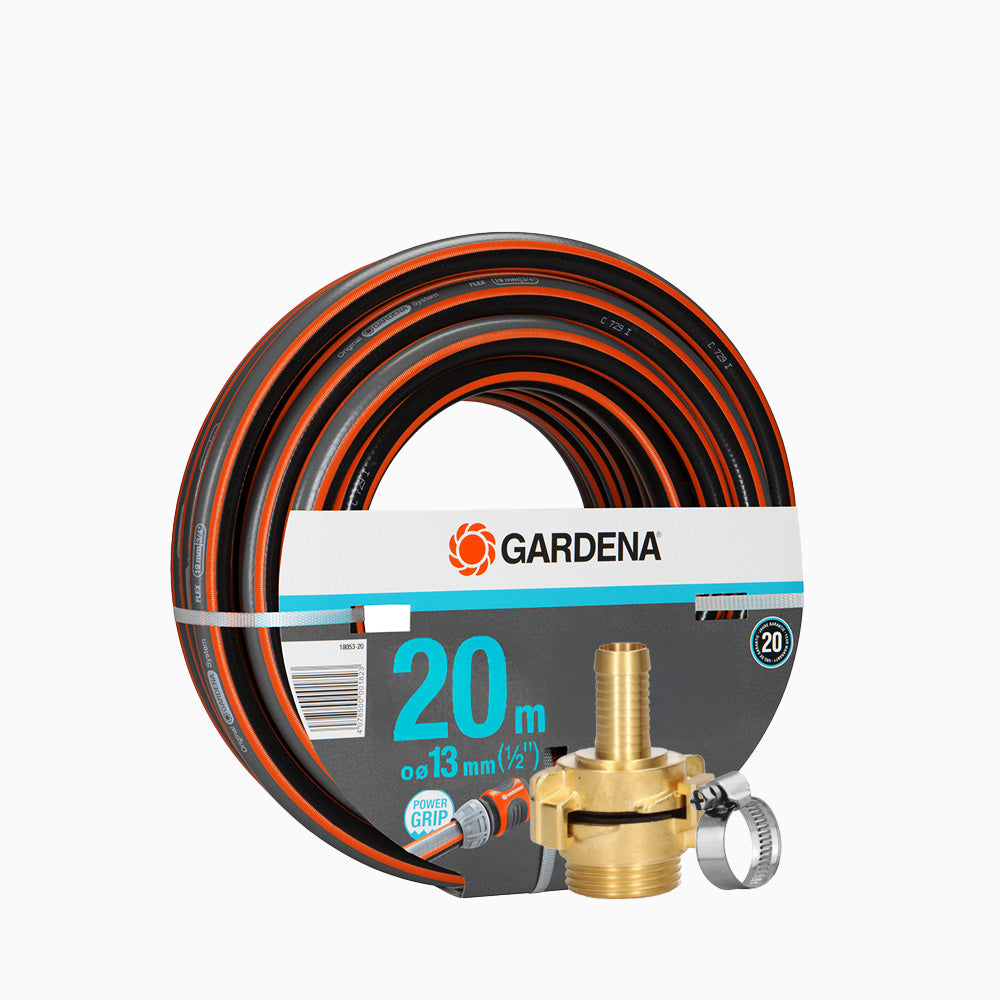
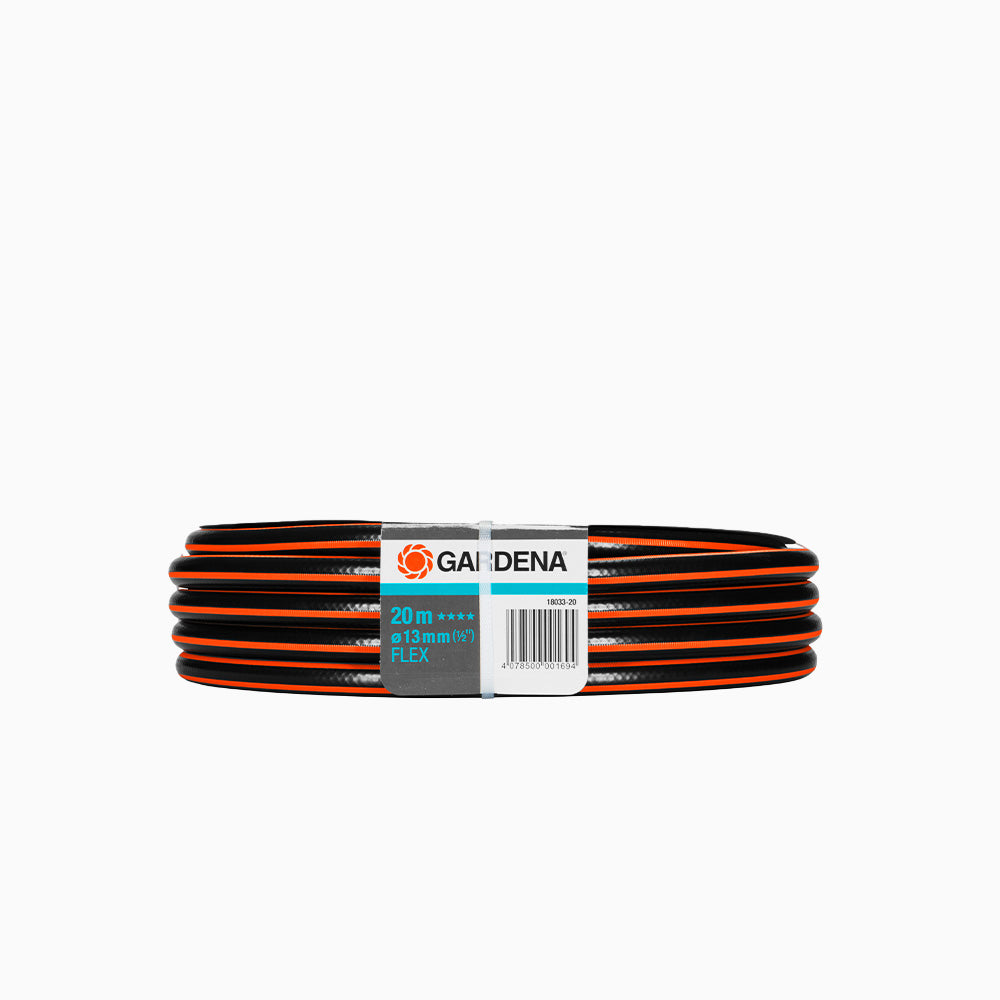
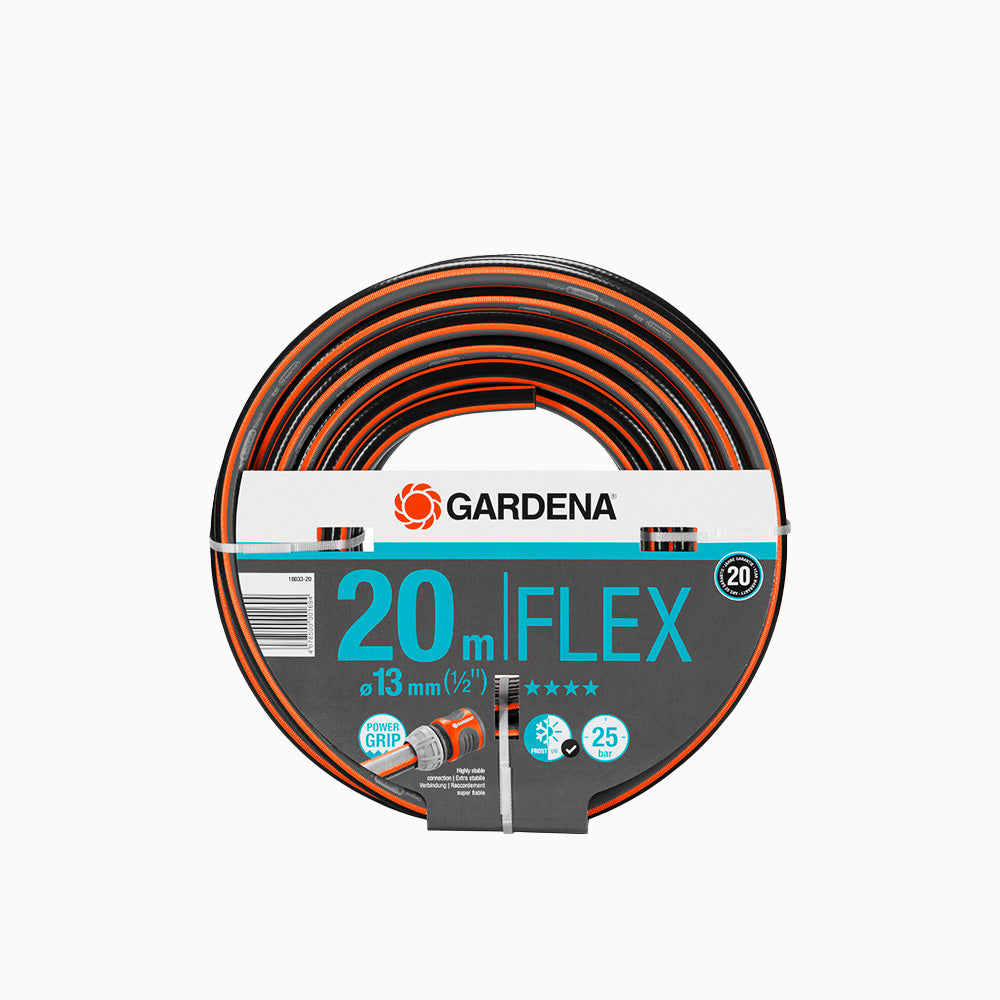
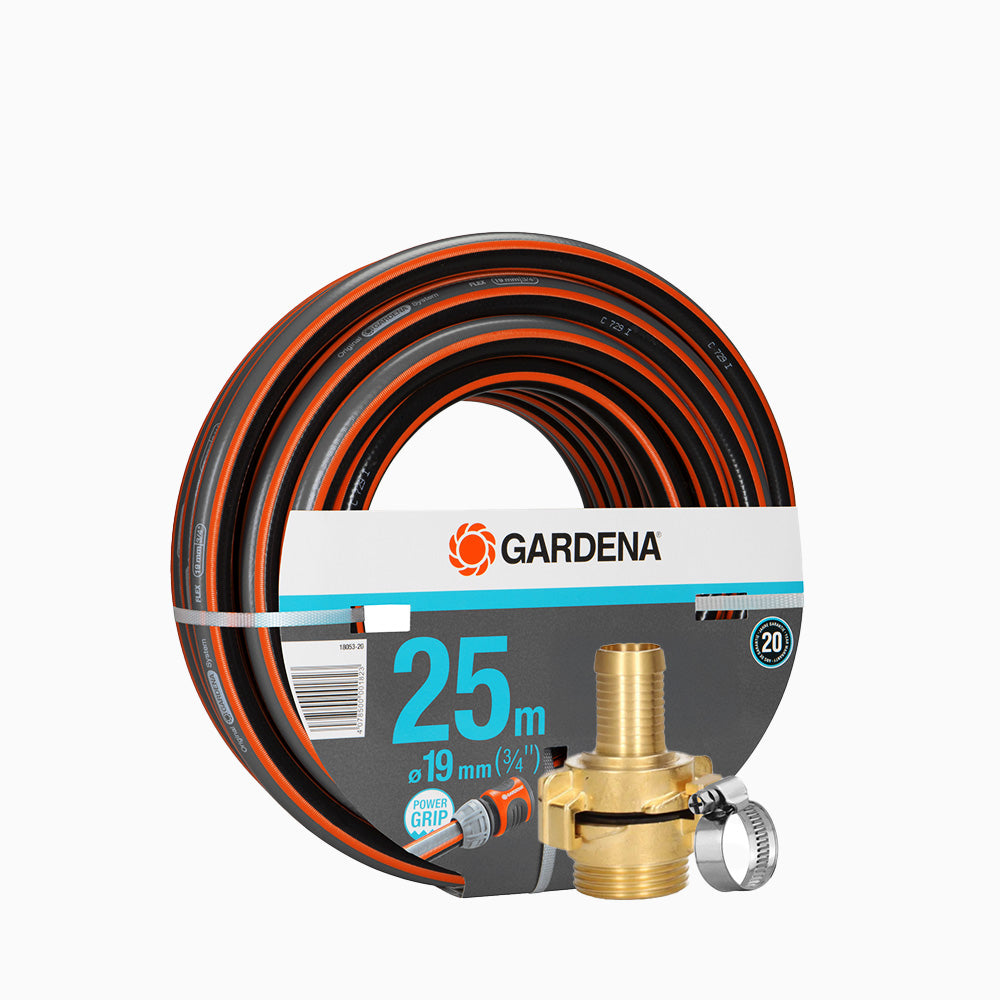
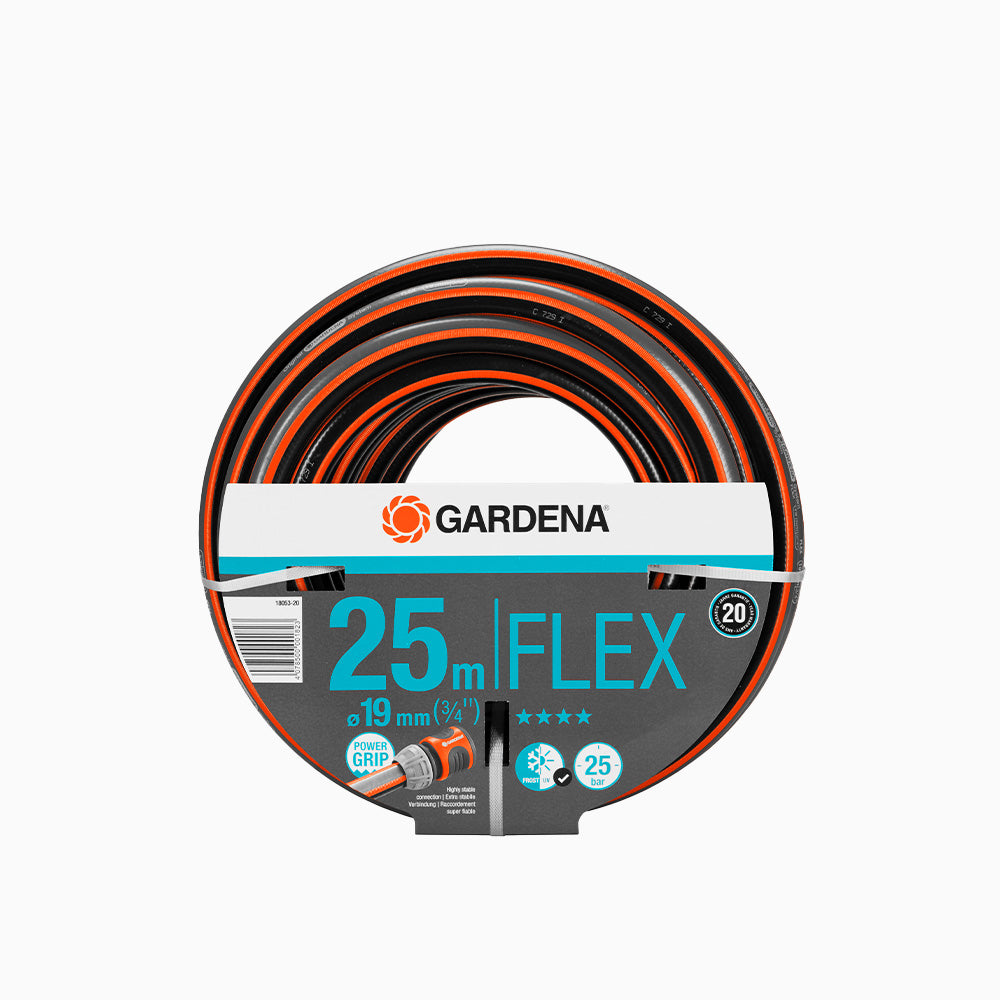
Yes, that's possible, but keep in mind that a standard garden hose (13mm) significantly limits the pump's capacity. For emergency situations or small amounts of water, it's sufficient, but for permanent installations or large volumes, a 25mm or 32mm hose is better.
What is the difference between a float and a water sensor?
A traditional float is a float that must physically rise to activate the pump. A water sensor (or electronic level switch) detects water via electrodes or sensors. Sensors are ideal for very small spaces where a float could get stuck. Read more in Submersible pump with float vs. without float: What's the best choice? .
Share:
Cost of a basement pump including installation in 2026
Basement Waterproofing and Damp Control: The Role of the Basement Pump