

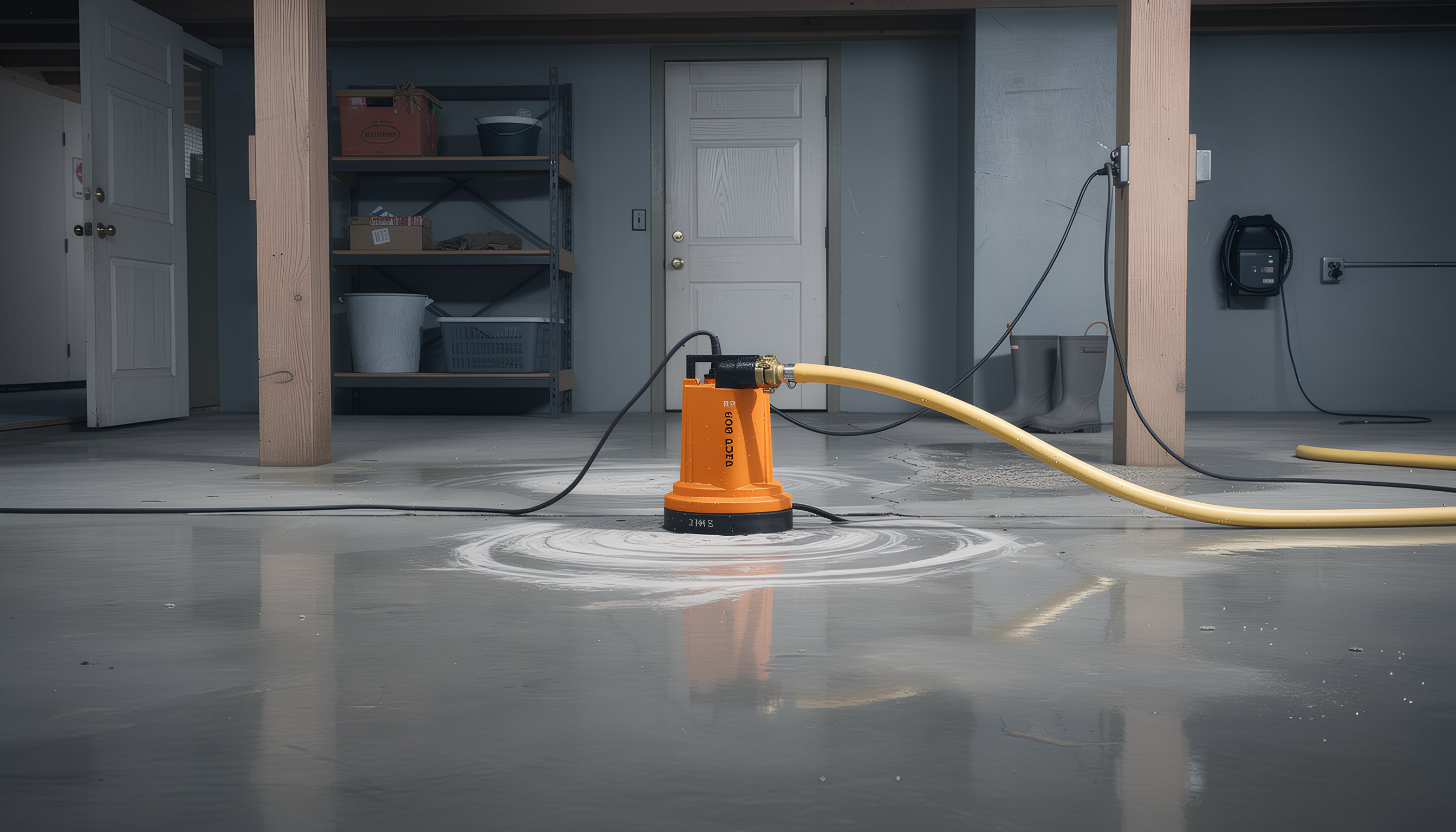
Nothing is more annoying than a basement pump that refuses to work when the water level rises. In this guide, we discuss the most common problems and offer immediately applicable solutions to keep your basement dry.
Why a basement pump is essential
A basement pump is often the only barrier between a dry storage space and costly water damage. Yet, maintenance is often overlooked until something goes wrong. Whether you're dealing with a pump that won't start or one that refuses to stop, most problems can be solved yourself with a little basic knowledge. For a more comprehensive overview of how it works, you can also consult our article "All About Basement Pumps: The Ultimate Guide to a Dry Basement ."
Problem 1: The pump does not start
If there's water in the basement but the pump doesn't work, there's usually a power problem or a faulty float switch. First, check if the fuse in the meter box is still working. Is the power supply working? Then there's a good chance the float switch is stuck against the wall of the sump or is simply faulty.
For situations where a traditional float has insufficient space, we recommend an external sensor that works more accurately.

Crab Float Water Sensor 3mm
In the article "Submersible pump with float switch vs. without float switch: What's the best choice?", we explain why choosing the right switching mechanism is crucial for reliability.
Problem 2: The pump keeps running constantly
A pump that won't stop running can overheat and eventually burn out. This often happens when the float gets stuck in the "on" position due to dirt or debris. Another cause can be a faulty check valve. This causes water from the discharge hose to flow back into the well as soon as the pump stops, causing the float to immediately rise again, starting the cycle over again.
Problem 3: The pump makes noise but does not move water
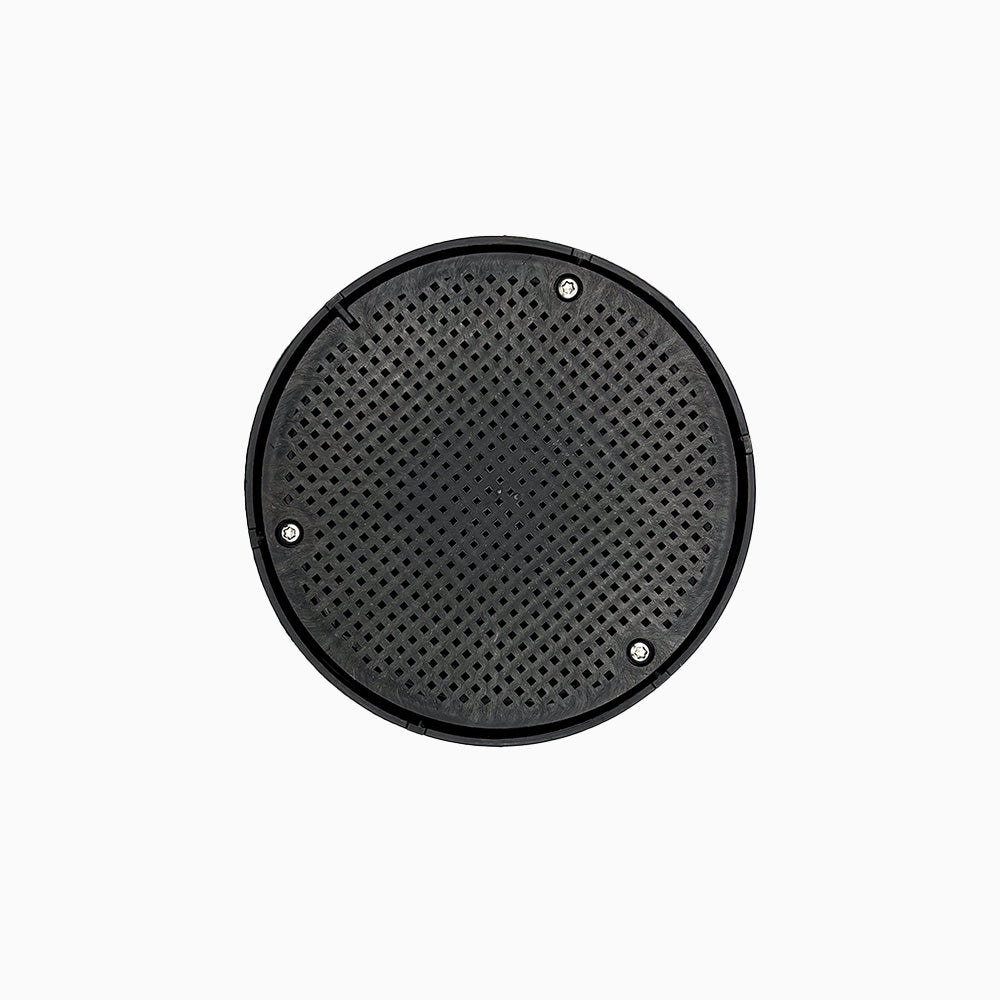
Do you hear the motor humming but the water level doesn't drop? Then there's probably a blockage or an airlock (an air bubble in the pump). Clean the suction strainer at the bottom of the pump. If it's worn, it can drastically reduce efficiency.

Submersible pump bottom
If the pump is clean but still not pumping, the discharge hose may be kinked or there may be a blockage in the line. For heavier contamination, it's sometimes necessary to upgrade to a specific model, as described in Basement Wastewater Pump: When Do You Need One?
Prevention is the best solution
Many problems can be prevented with proper installation. Ensure a stable foundation in the well and use high-quality fittings to prevent leaks. If you're doing it yourself, check out our Step-by-Step Guide: Installing a Submersible Pump in Your Own Basement .
Frequently asked questions about basement pump problems
How often should I test my basement pump?
It is recommended to test the pump at least every three to six months by pouring a bucket of water into the well until the pump starts.
My pump is vibrating very loudly, what could this be?
This often indicates a damaged impeller or an object lodged in the pump. Turn off the power immediately and inspect the bottom of the pump.
Why does the water flow back into the well?
This is usually due to a missing or defective check valve. A check valve ensures that water can only escape from the basement and cannot flow back up.
Share:
Cost of a basement pump including installation in 2026
Installing and Maintaining Your Basement Pump: A Practical Guide