

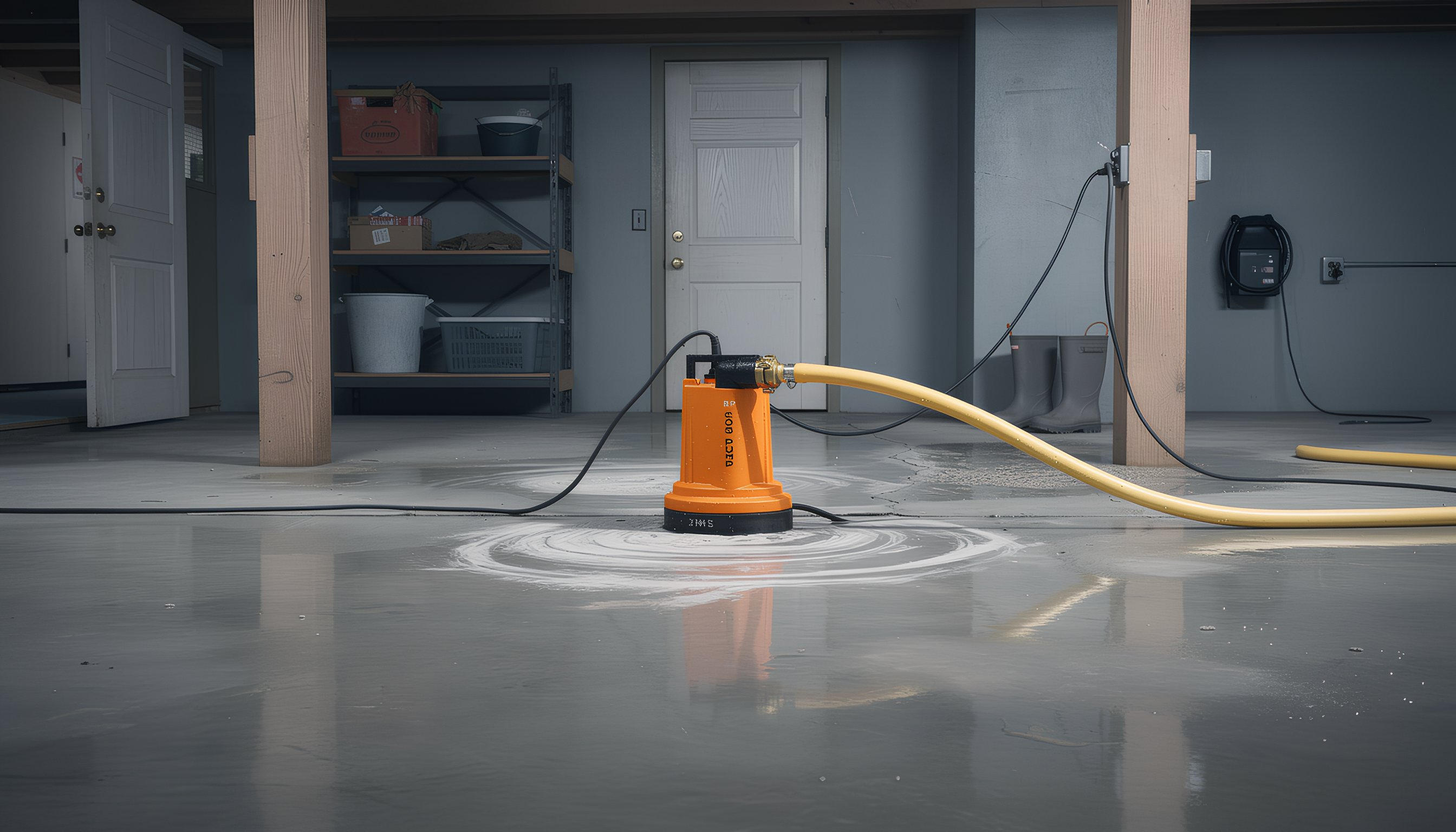
Are you experiencing flooding in your basement, where the water is no longer clear, but full of sand or sludge? In such situations, a standard pump is often insufficient, and a specialized solution offers the solution.
What is a sewage pump and why is it essential?
Basement pumps come in many shapes and sizes, but the distinction between clean water and dirty water models is crucial. A dirty water pump is specifically designed to move water contaminated with solids, such as sand, small stones, mud, or organic matter that has flowed into your basement after a heavy rainstorm or flood.
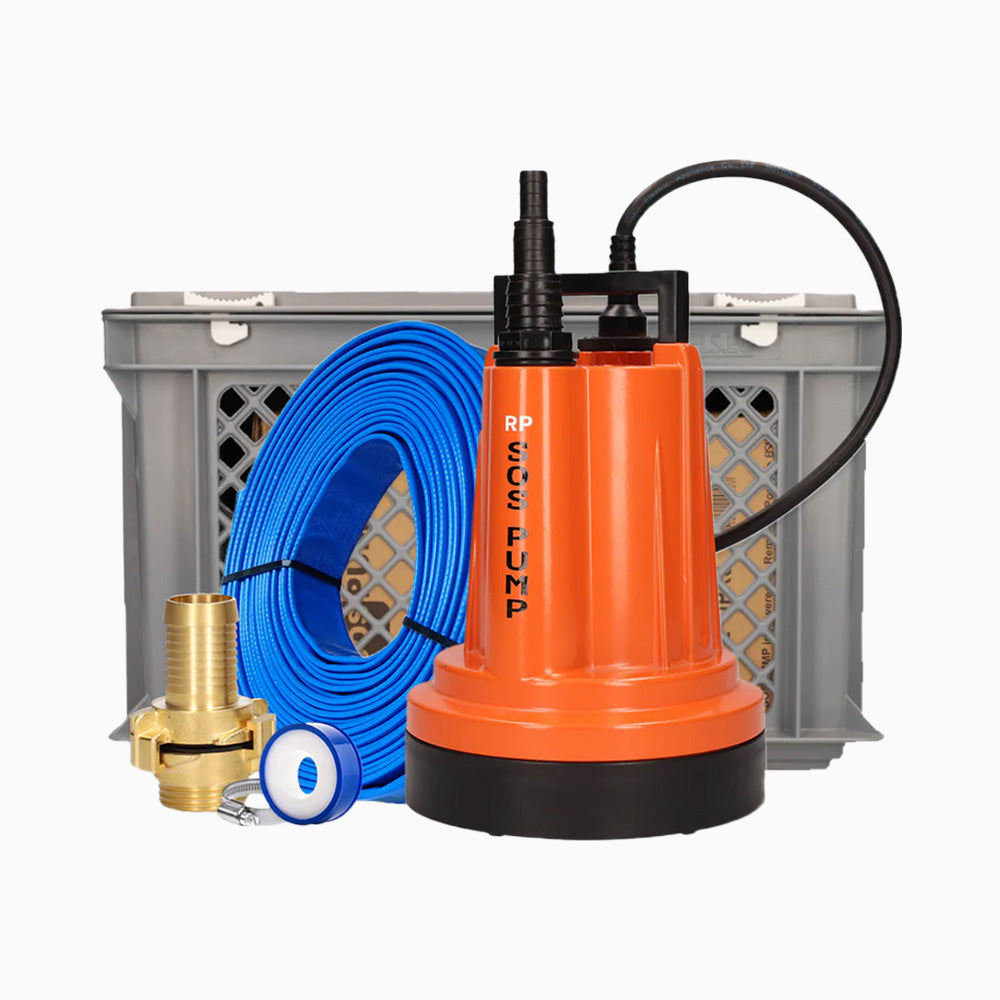
The biggest difference lies in the pump's passage. While a flat suction pump clogs with the smallest grain of sand, a wastewater pump can easily handle particles of considerable size without blocking the impeller. For an effective approach to a flooded area, we often recommend a complete set.

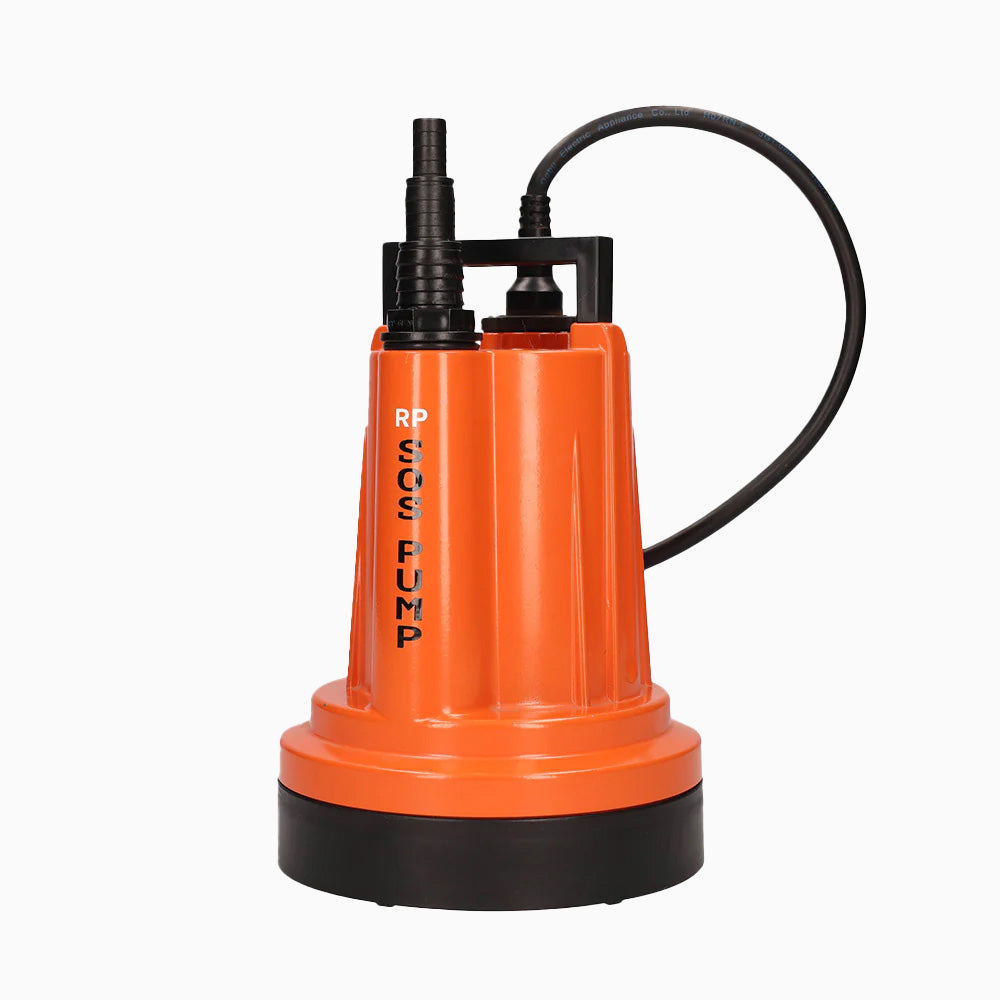
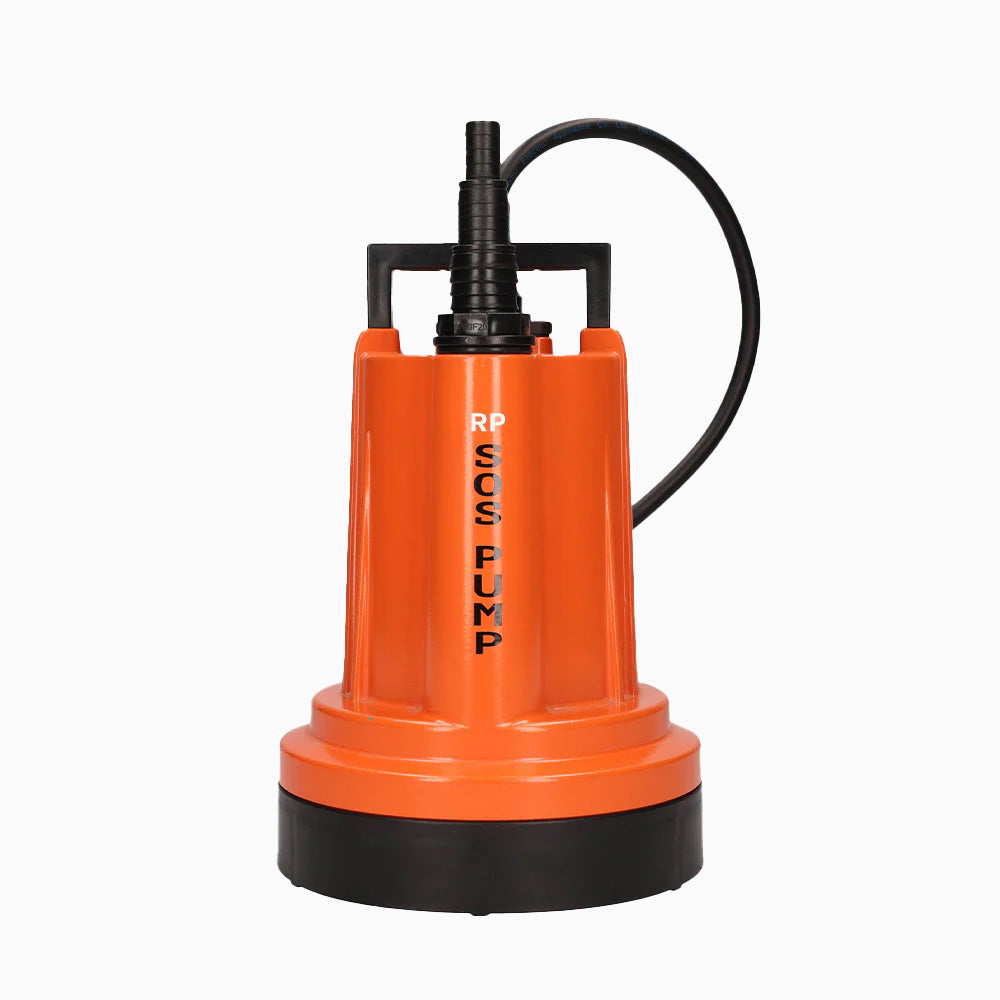
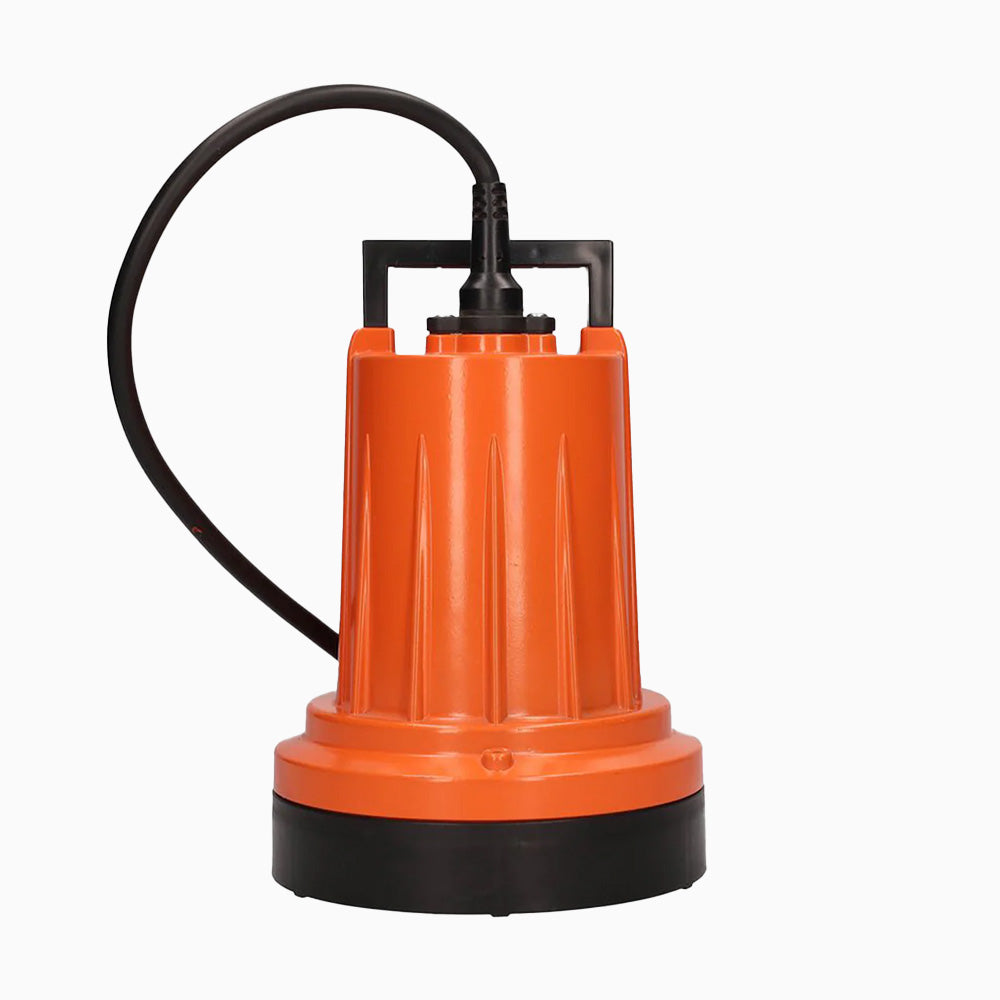
Plug & Play Submersible Pump Set
Also read our comprehensive article All About Cellar Pumps: The Ultimate Guide to a Dry Cellar for a complete overview of all the options.
When do you specifically choose a sewage pump in the basement?
Not every flood is the same. In the case of a burst water pipe, a standard submersible pump is often sufficient. However, in the following scenarios, a basement sewage pump is essential:
- After a natural flood: Water flowing in from outside always carries sediment, leaves and sand.
- In case of a defective sewer: If the water comes up from the drain, it contains solid particles that would immediately damage a normal pump.
- Cellars with a sandy floor: In older houses, groundwater can rise up through a sandy floor, causing very cloudy water.

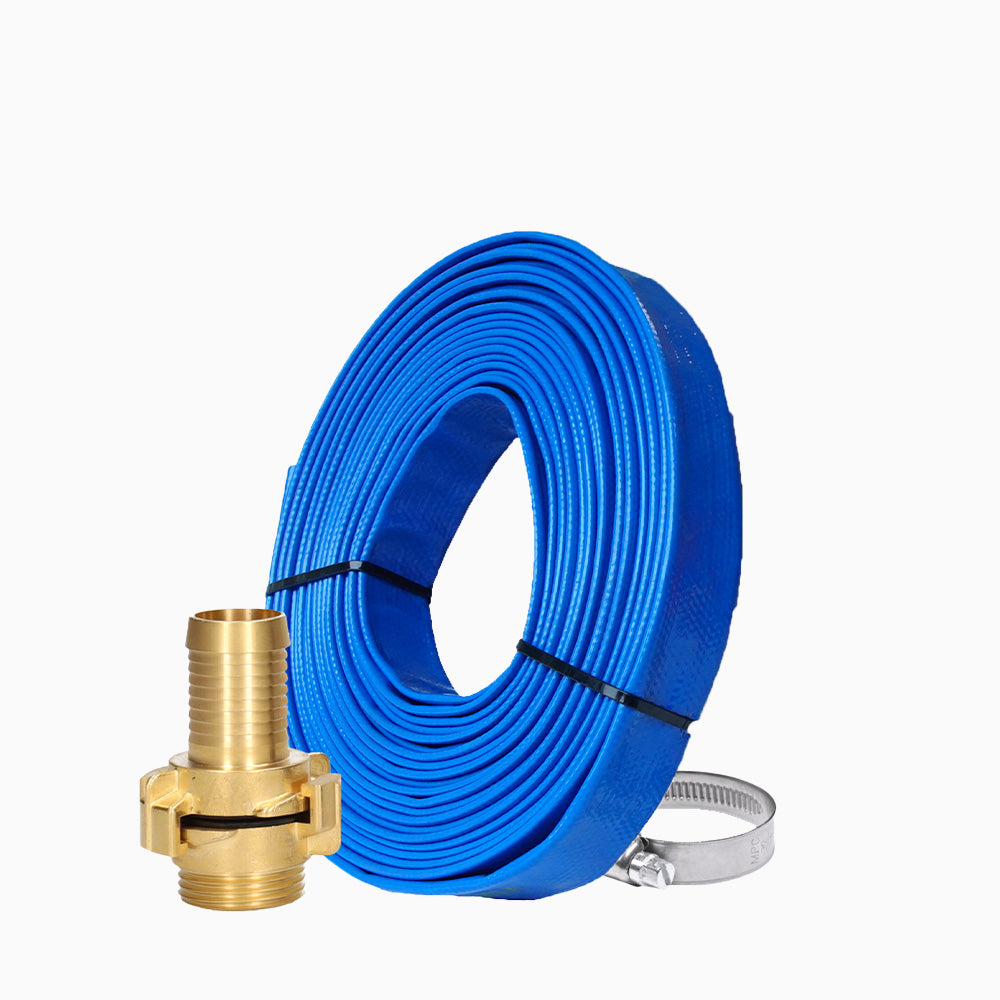
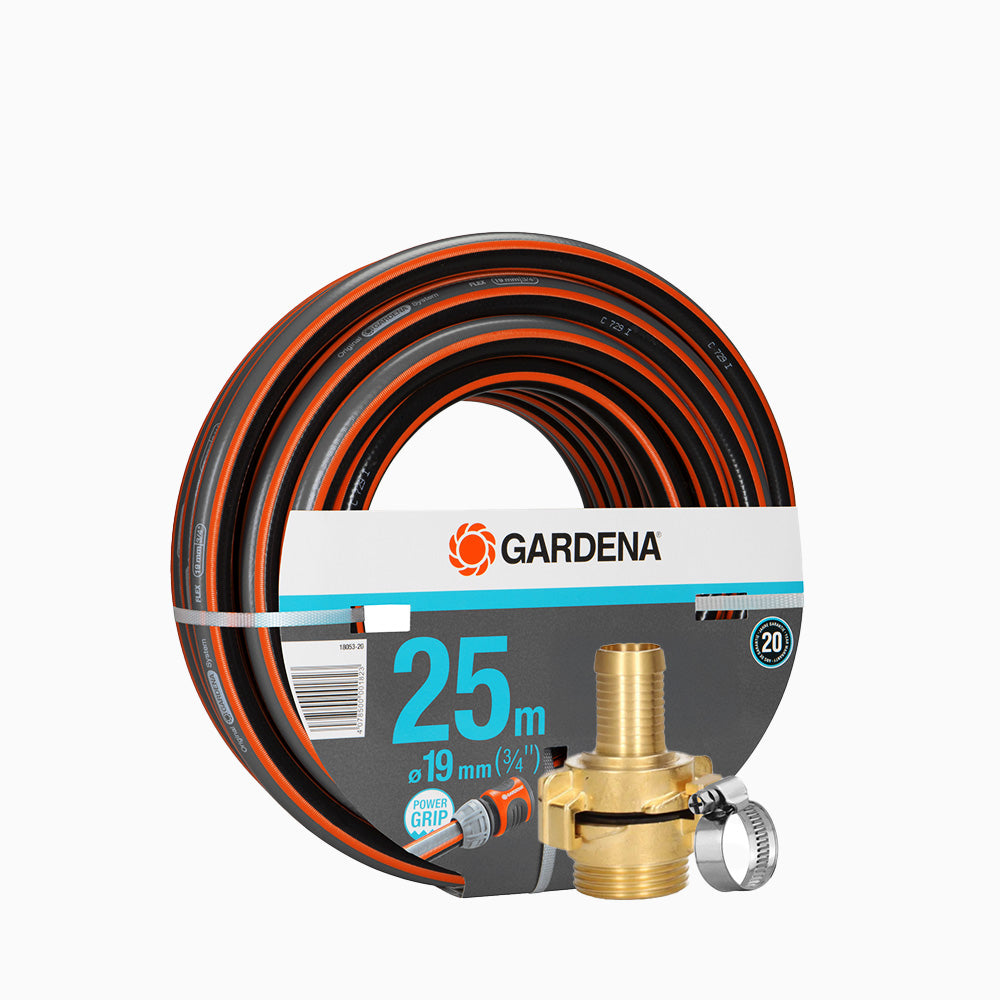
Water hose set 12.5m 25mm
The importance of the correct float and lift height
When choosing the right system, you should consider not only the dirt passage but also how the pump is activated. In narrow wells, a pump with an internal float or an external sensor is often the best choice. More details can be found in The best basement pumps for narrow wells and small spaces .
Furthermore, the head is important. Because a cellar is located below ground level, the pump often has to lift the water several meters vertically to direct it to the sewer or garden. A powerful motor is essential to maintain the pressure, especially when the water is thicker due to silt.
For those who want to do it themselves, the article Step-by-step: Installing a submersible pump in the basement yourself is an indispensable source of information.
Frequently asked questions about wastewater pumps
Can a sewage pump also pump the basement dry?
Most wastewater pumps leave a few centimeters of residual water due to their larger suction openings. For a mop-dry result (up to 2 mm), you'll need a flat vacuum, but this should only be used once the coarse dirt has been removed.
How do I maintain my pump after use in muddy water?
It's essential to flush the pump with clean water after use. This prevents mud or sludge from building up in the pump housing. See Cellar pump maintenance: 5 tips to extend its lifespan for more advice.
What happens if I use a clean water pump for dirty water?
The pump's impeller will likely become clogged with stones or fibers, which can lead to motor burnout. Therefore, always use a pump rated for the water's contamination level.
Share:
Cost of a basement pump including installation in 2026
Installing and Maintaining Your Basement Pump: A Practical Guide