

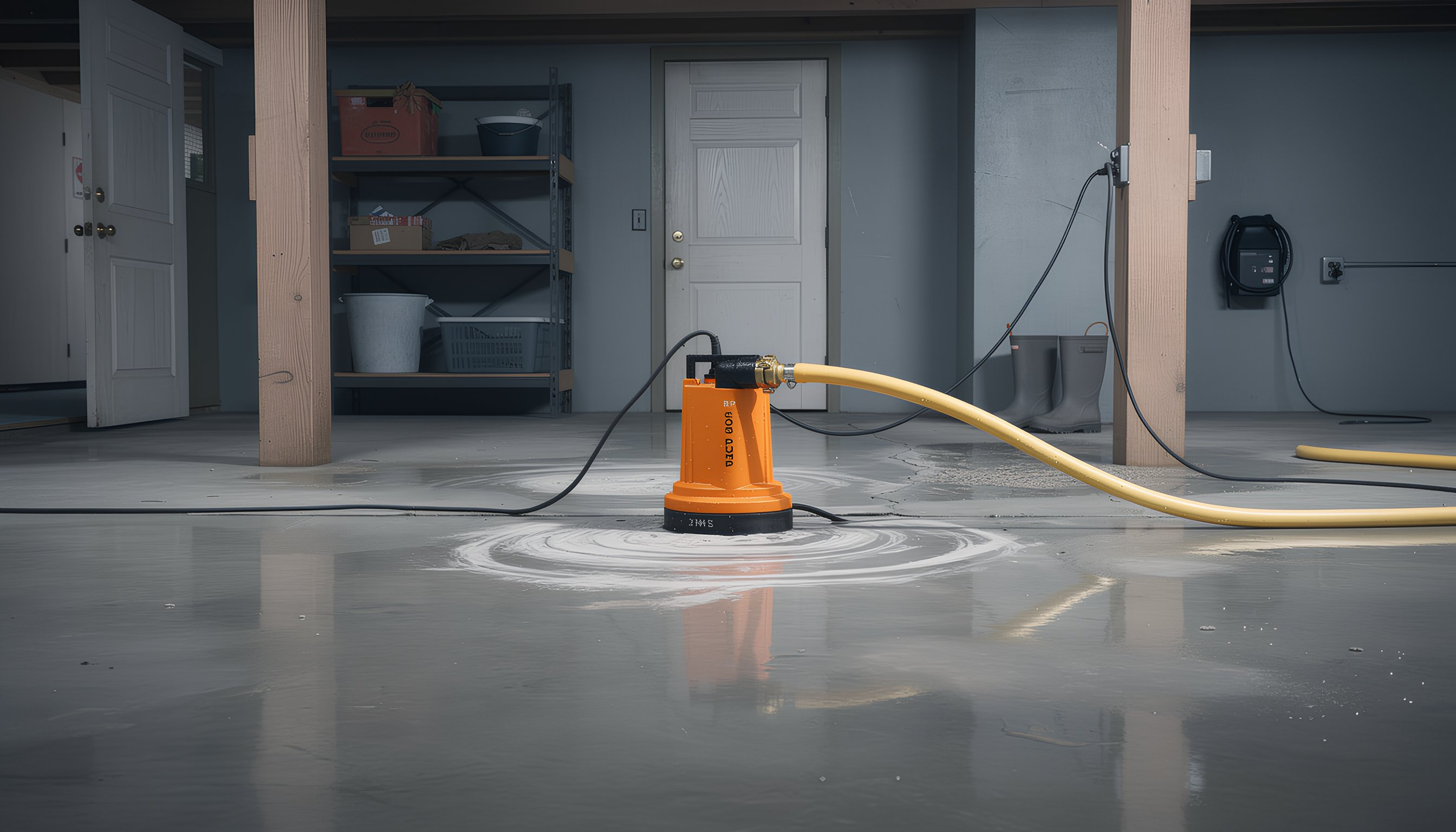
A properly functioning basement pump is your most important line of defense against flooding and moisture problems. Regular maintenance prevents the pump from failing at critical times and significantly extends the life of your investment.
Why maintenance of your basement pump is essential
Many homeowners install a pump and then forget about it until disaster strikes. A basement pump is often located in a damp, dusty environment where dirt and sediment easily accumulate. Without regular inspection, the float can seize up or the motor can overheat due to a clogged impeller. In our article " Basement Pump Maintenance: The Ultimate Guide to a Dry Basement, " we cover the basics, but here we delve deeper into maintaining your equipment.
Tip 1: Clean the impeller and the suction strainer
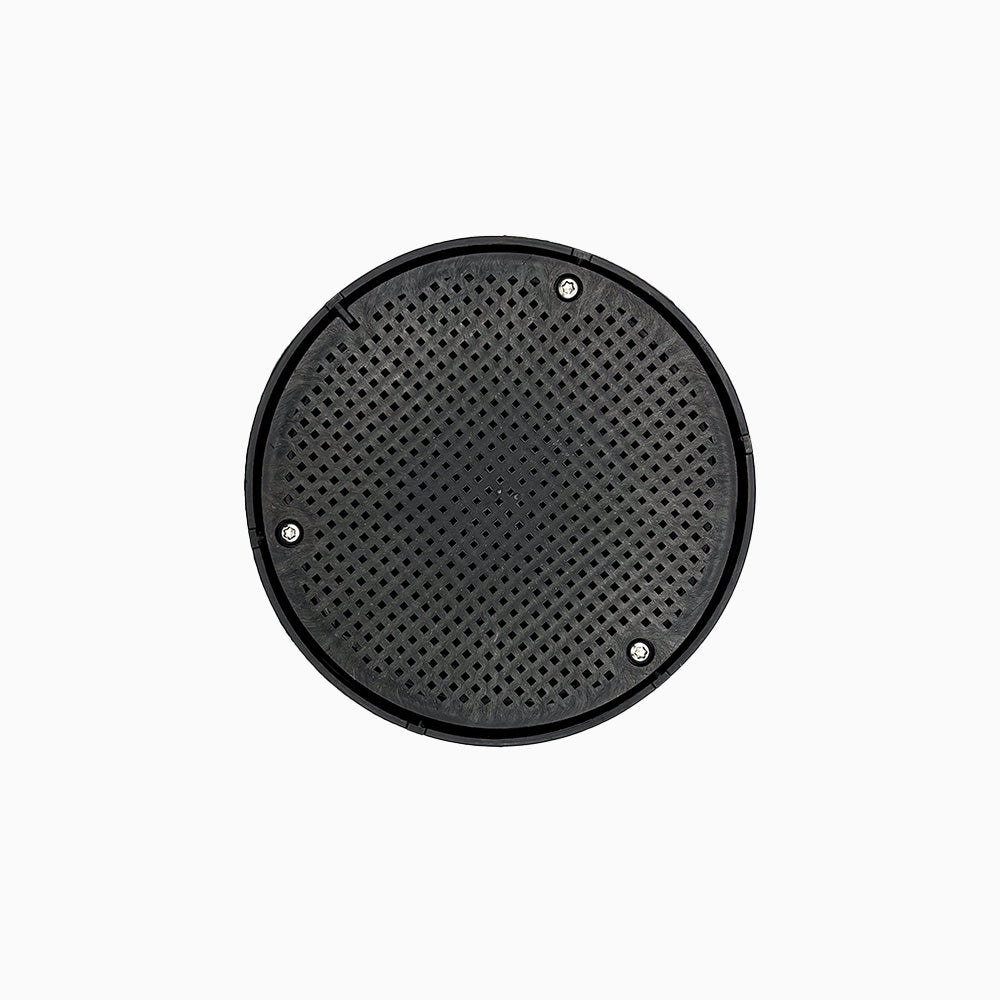
The impeller is the rotating part that moves the water. If stones, hair, or mud get stuck in it, the motor has to work harder and can eventually burn out. Always unplug the motor before starting. Remove the suction strainer from the bottom and rinse it under the tap. Check that the impeller rotates freely.

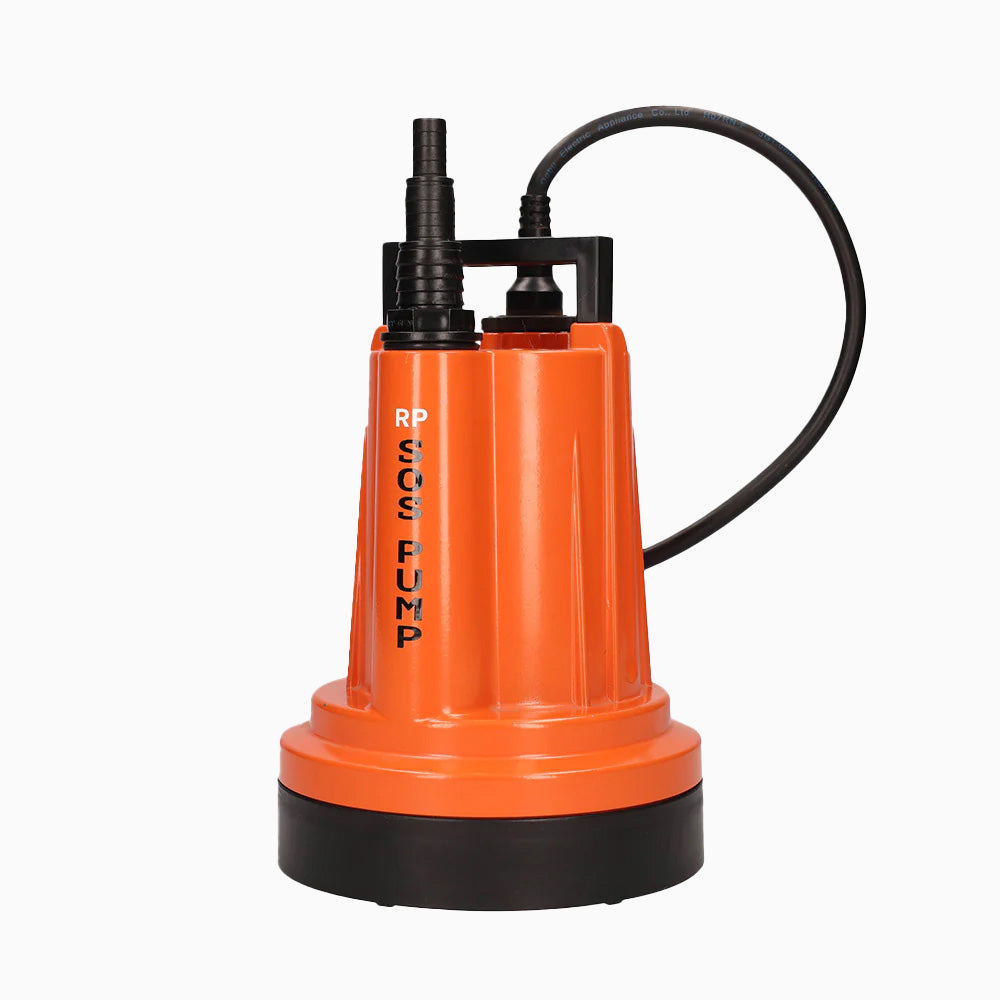
Submersible pump bottom
Tip 2: Check the float or water sensor
The float is the switch that tells the pump when to start. With a mechanical float, limescale or dirt can cause the arm to stick. Test this by manually moving the float upward. If you have a modern pump with an electronic sensor, clean the contact points with a dry cloth to prevent false alarms or failure. For more information, also read " Submersible pump with float vs. without float: What's the best choice? "
Tip 3: Test the pump before the rainy season
Don't wait for the first big autumn storm to discover your pump isn't working. Pour a bucket of water into the sump until the pump automatically starts. Listen for unusual noises; a rattling sound could indicate a loose impeller or a worn bearing. For a comprehensive step-by-step guide to solving problems, see " Common Basement Pump Problems and How to Fix Them ."
Tip 4: Check the non-return valve and drain hose
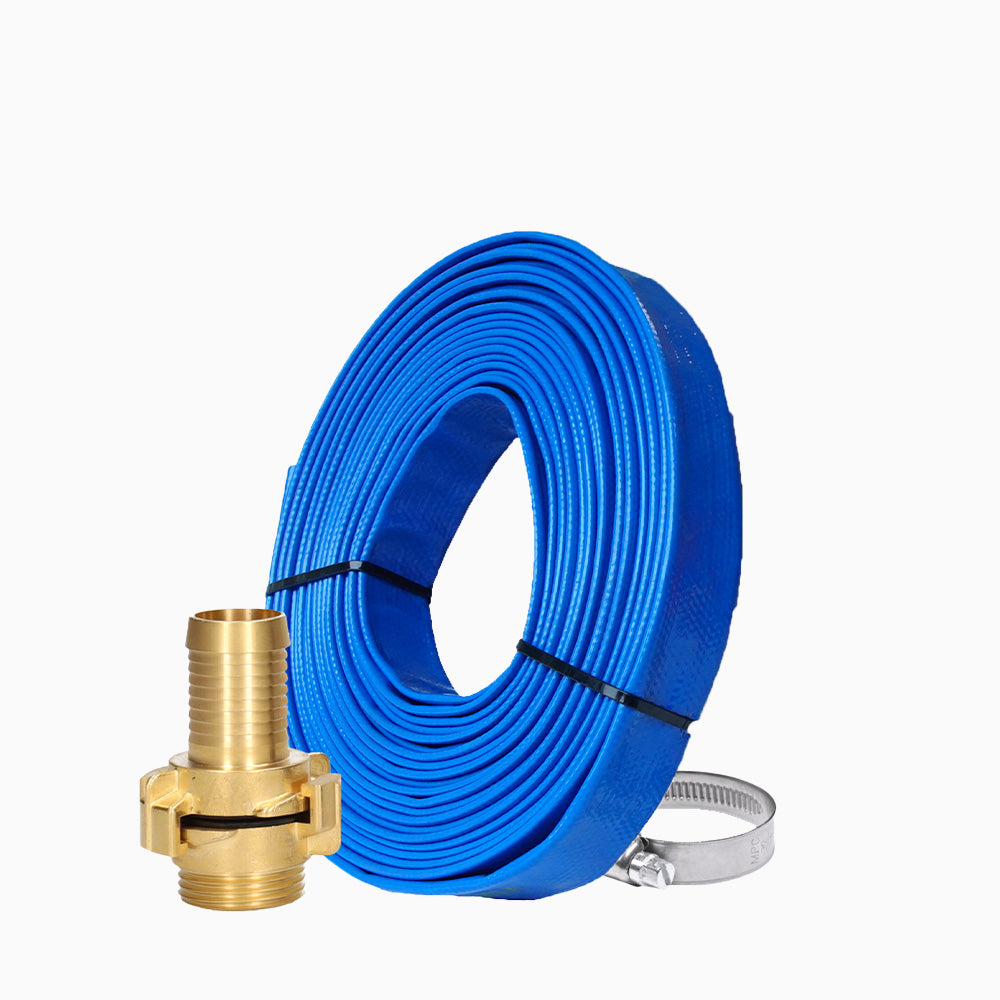
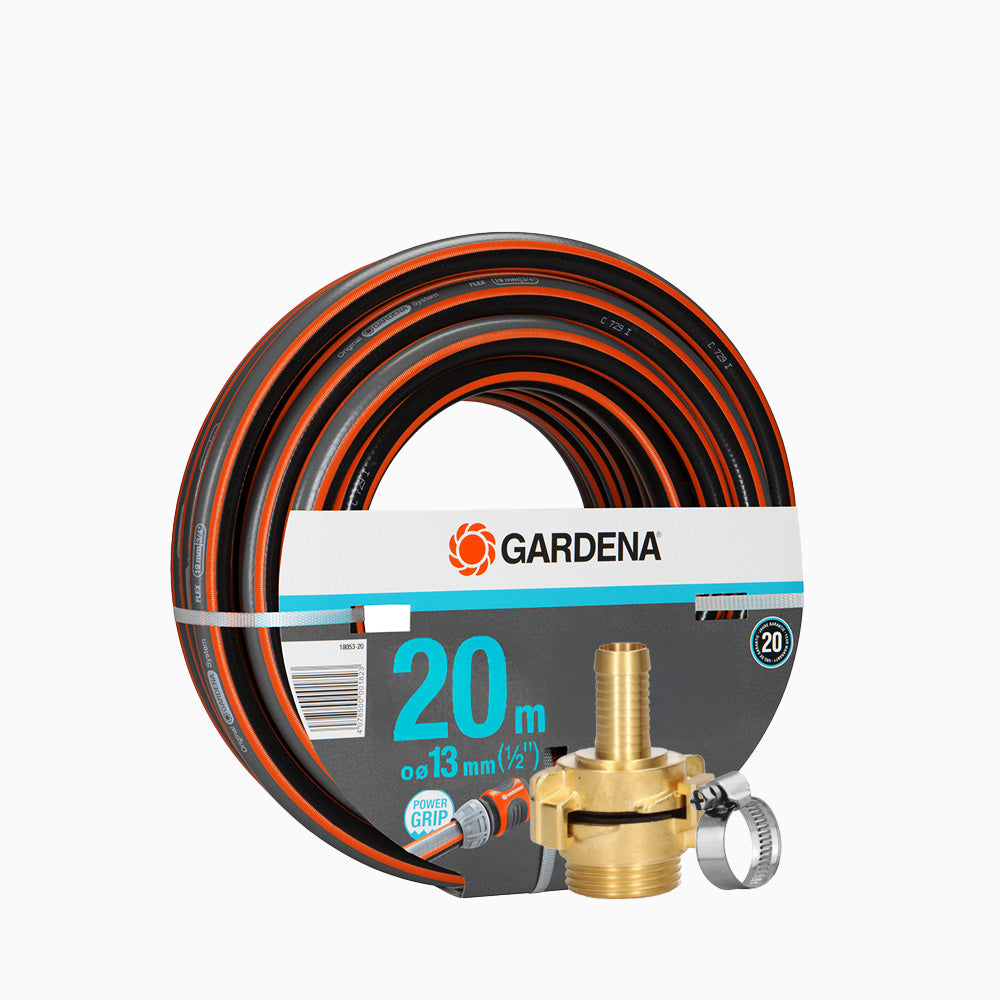
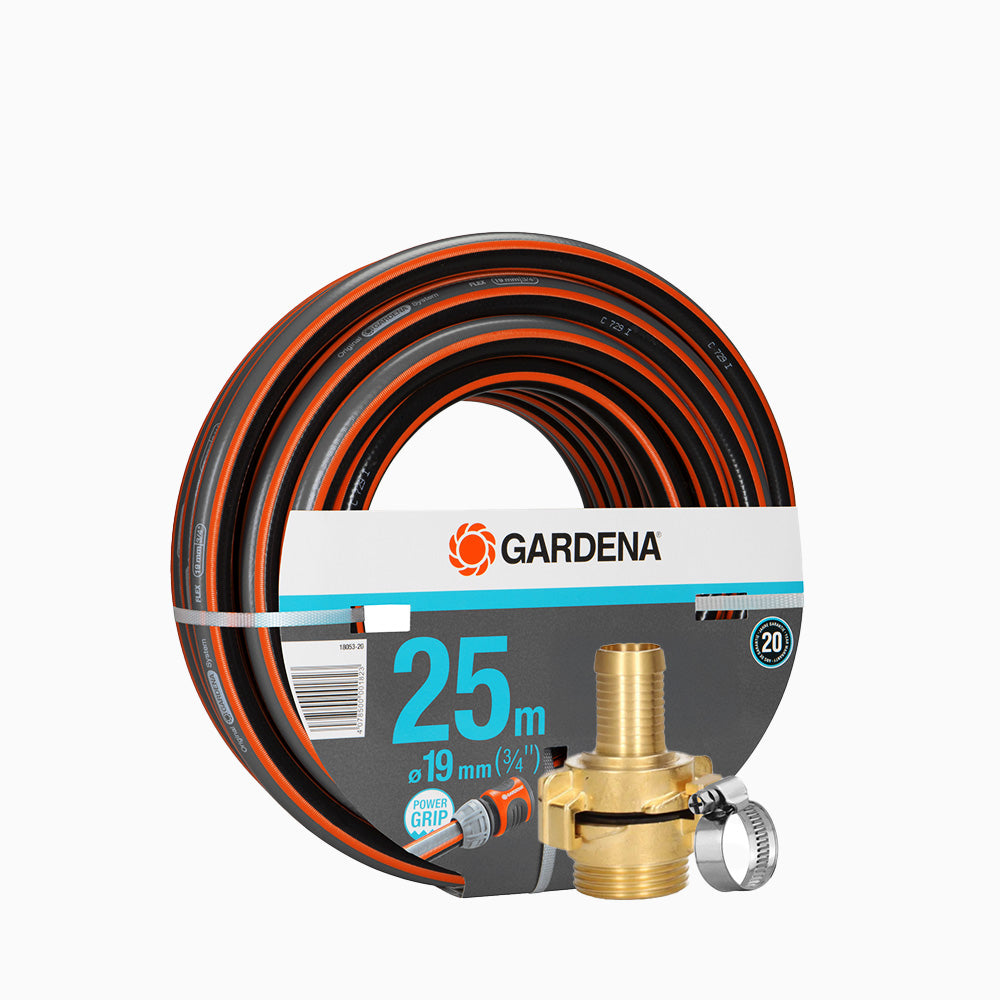
A properly functioning check valve prevents water from the drain hose from flowing back into the basement once the pump stops. If you hear the pump restart immediately after turning it off, the valve is likely dirty or defective. Also check the drain hose for kinks or blockages. Free flow is crucial for efficient operation.

Non-return valve 25mm
Tip 5: Inspect the power supply
The damp environment of a basement is tough on electricity. Check the power cord for cracks or exposed wires. Never use an extension cord not rated for damp areas, as this can pose a fire hazard or provide insufficient power to the pump. Read more about safe installation in "Installing and Maintaining Your Basement Pump."
Frequently asked questions about basement pump maintenance
How often should I maintain my basement pump?
We recommend performing a visual inspection and testing of the pump at least twice a year. Ideally, do this just before the start of autumn and in spring.
My pump is making a humming noise but isn't pumping, what should I do?
This often indicates a blocked impeller or a faulty capacitor. First, check for debris in the suction port. If the impeller is clear and the pump still hums, repair or replacement is necessary.
Can I use vinegar to remove limescale from the float?
Yes, a mild solution of cleaning vinegar works great to remove limescale from the float and housing without damaging the seals.
Share:
Cost of a basement pump including installation in 2026
Installing and Maintaining Your Basement Pump: A Practical Guide