

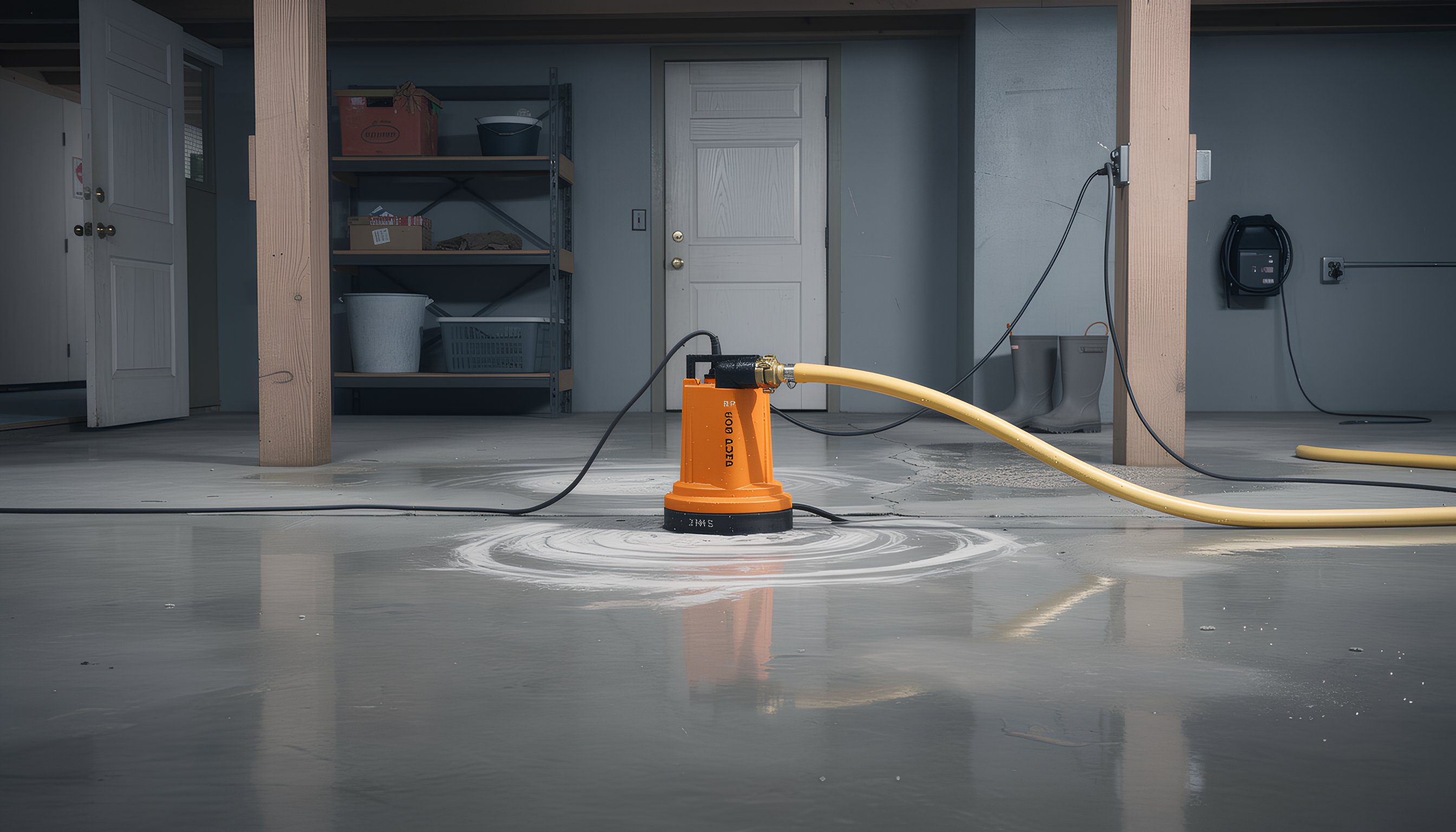
A flooded basement is always inconvenient and can cause significant panic. In this article, we offer a concrete emergency plan to take immediate action and prevent further damage to your home.
Step 1: Safety First
Before entering the basement, it's essential to ensure safety. Water and electricity are a life-threatening combination. Turn off the power in the basement at the meter box. If the meter box is located in the flooded area and you can't access it safely, contact your utility company.
Also, always wear rubber boots and gloves. The water may be contaminated with sewage or chemicals. Also check for gas leaks; if you smell gas, leave the building immediately and call the fire department.
Step 2: Identify the cause
Try to determine where the water is coming from. Is it rising groundwater due to heavy rainfall, a burst pipe, or a clogged drain? If a pipe bursts, you should immediately turn off the main water supply. In many cases, a failing basement pump or the lack thereof is the culprit behind the flooding.
For more background information, also read our article All About Basement Pumps: The Ultimate Guide to a Dry Basement to understand how to prevent this in the future.
Step 3: Removing the water with a basement pump
Once the situation is safe, the water must be removed as quickly as possible. A standard submersible pump often leaves several centimeters of water standing, which can still cause significant damage and mold. For a basement, a low-suction basement pump is the best choice, as it can remove water down to a few millimeters.

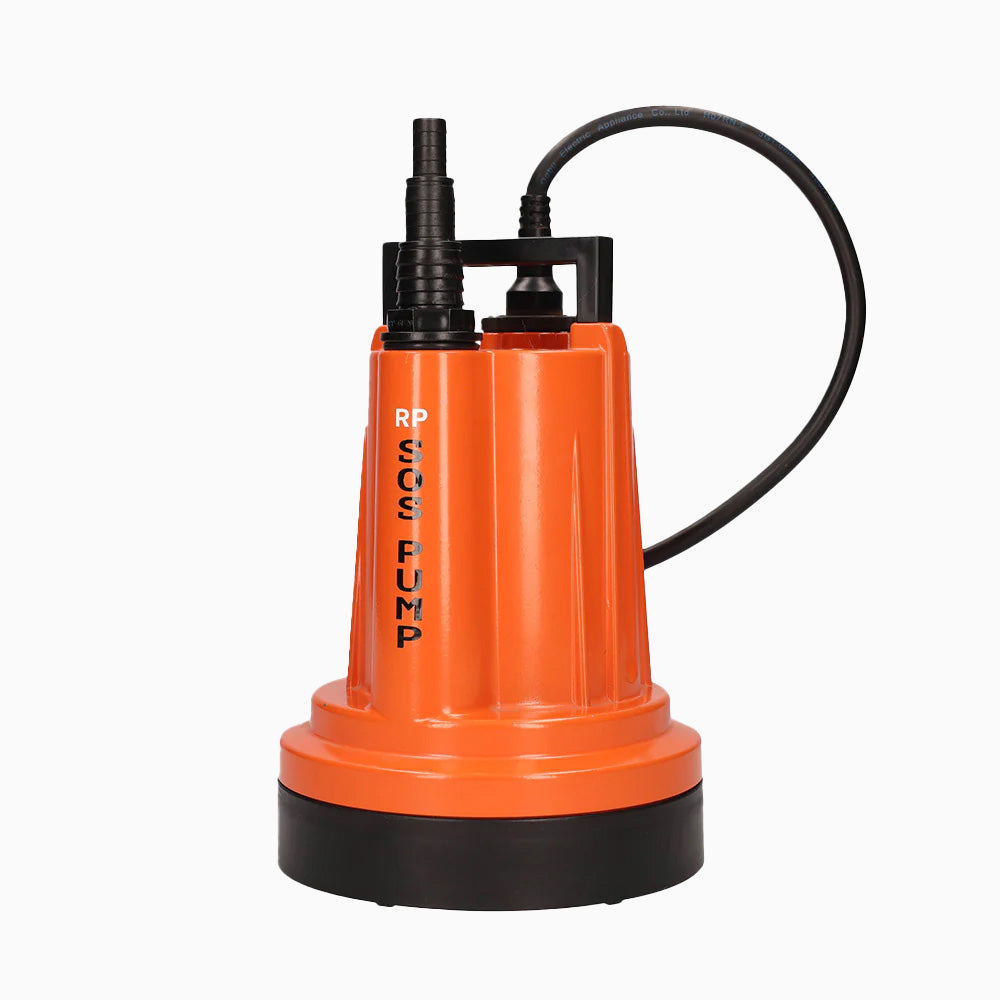
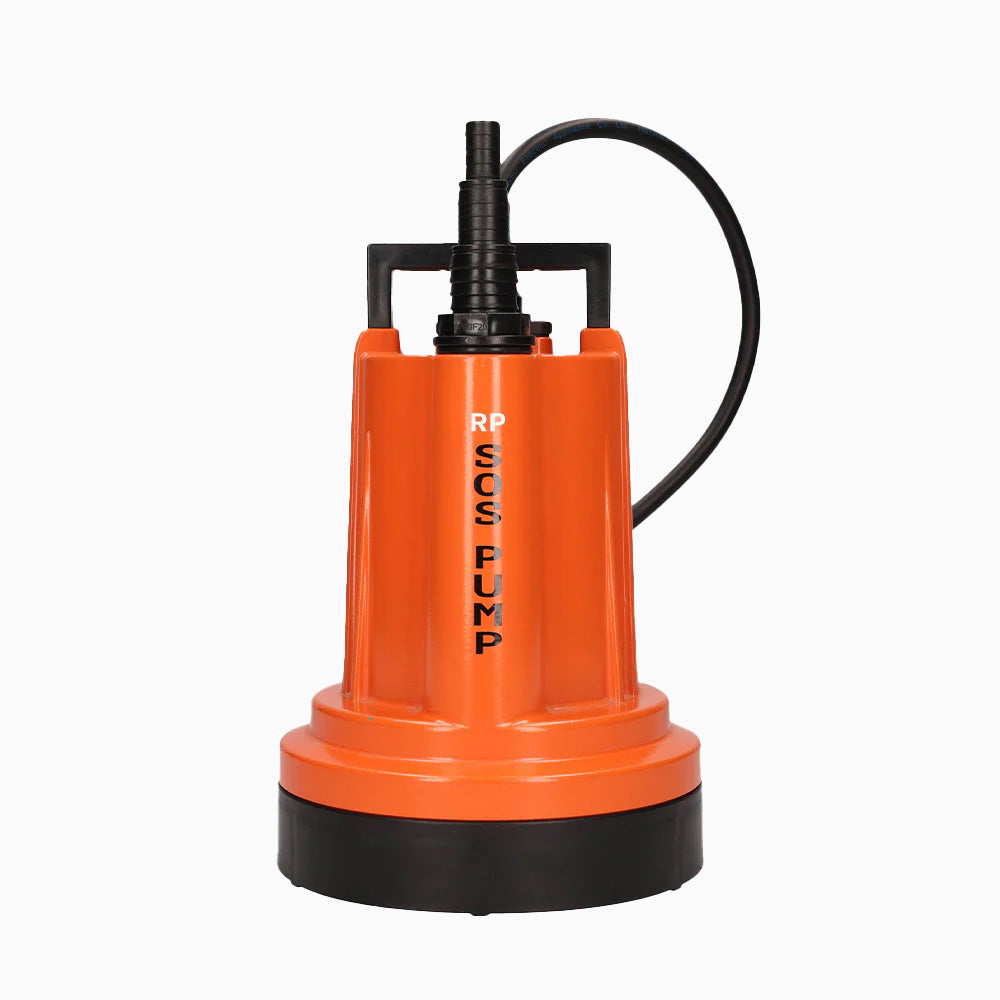
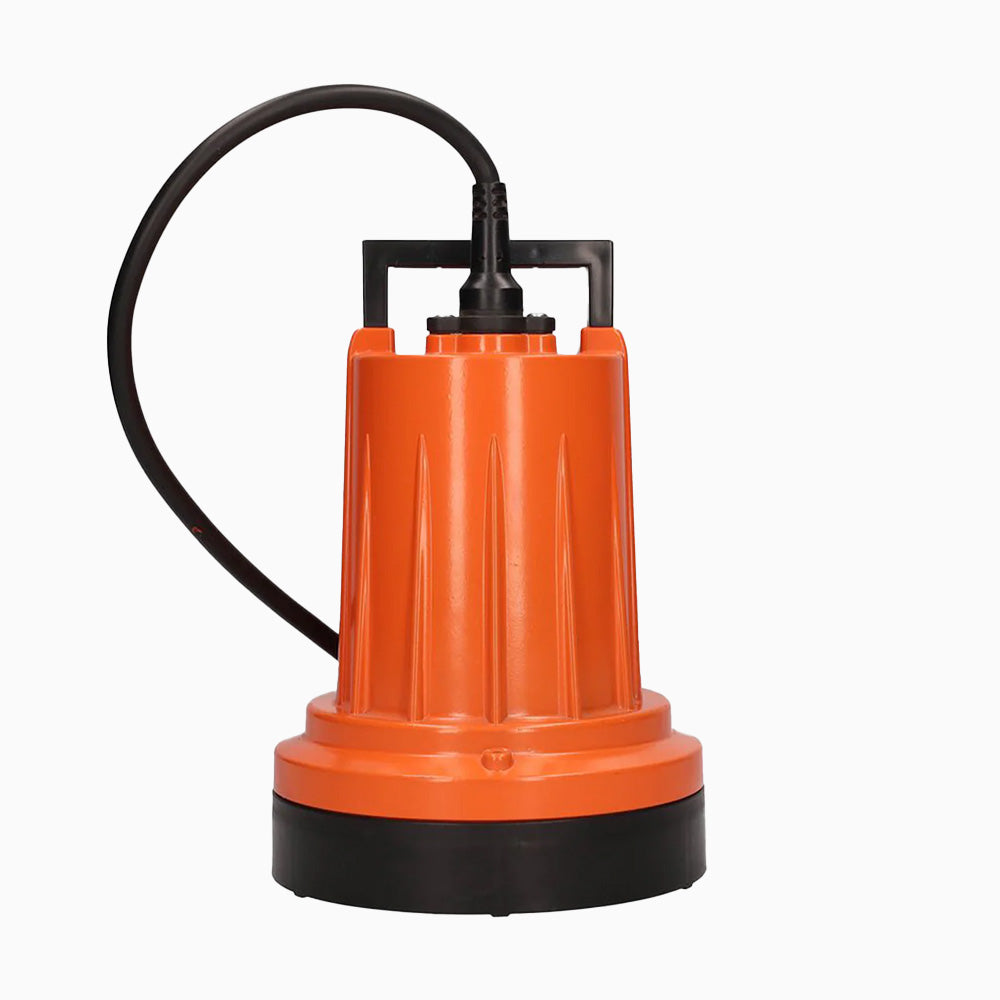
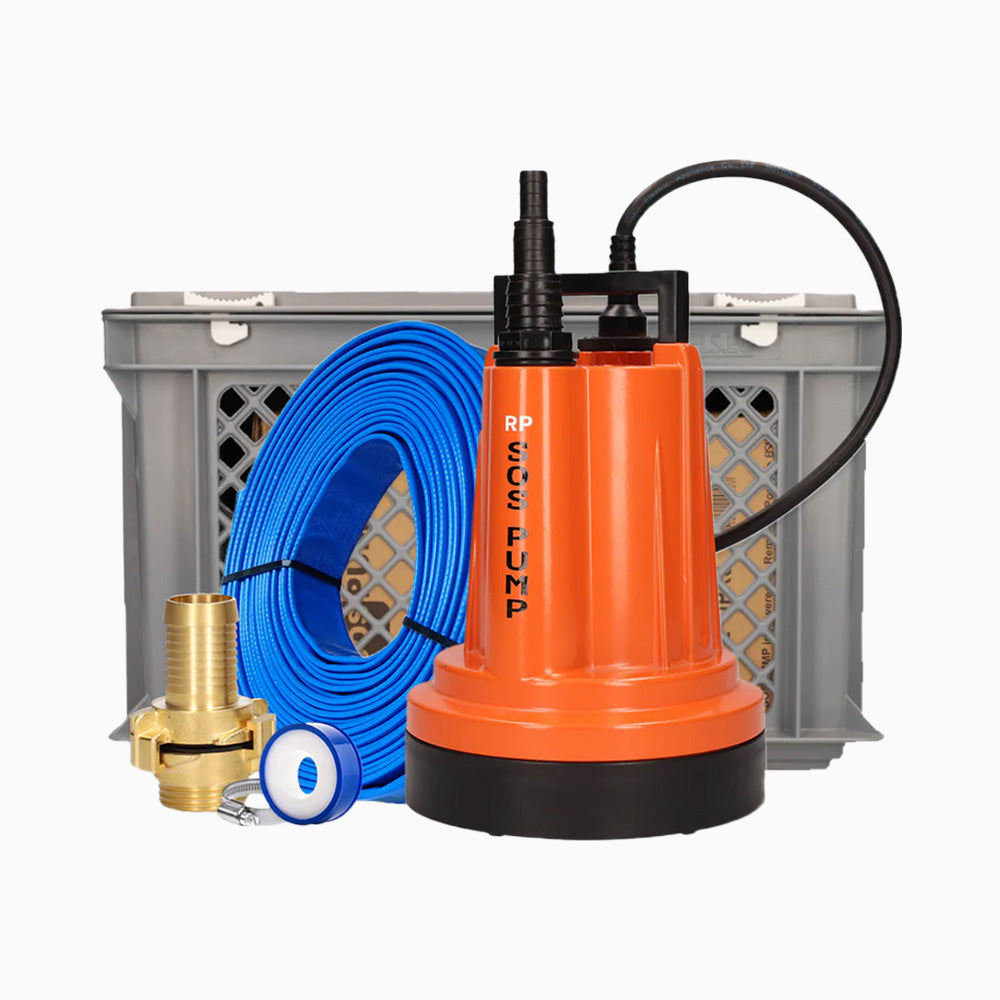
Flat suction submersible pump
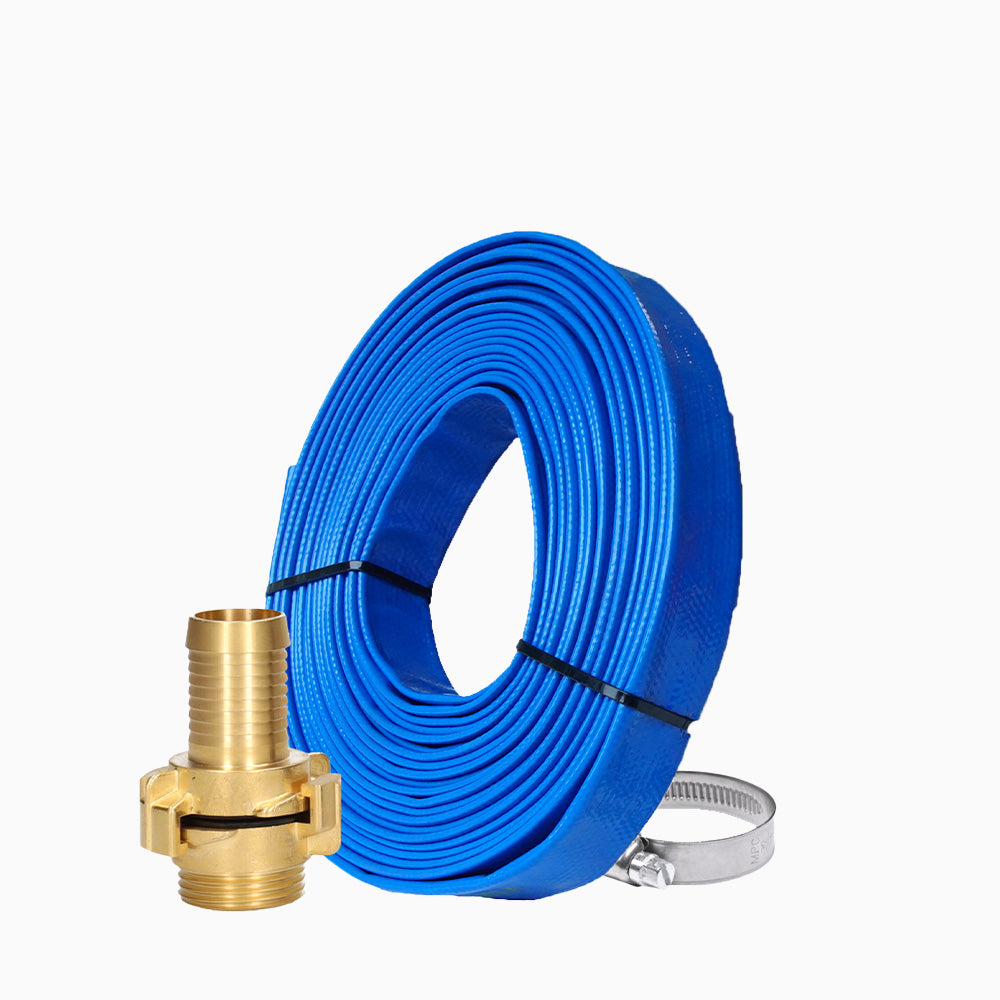
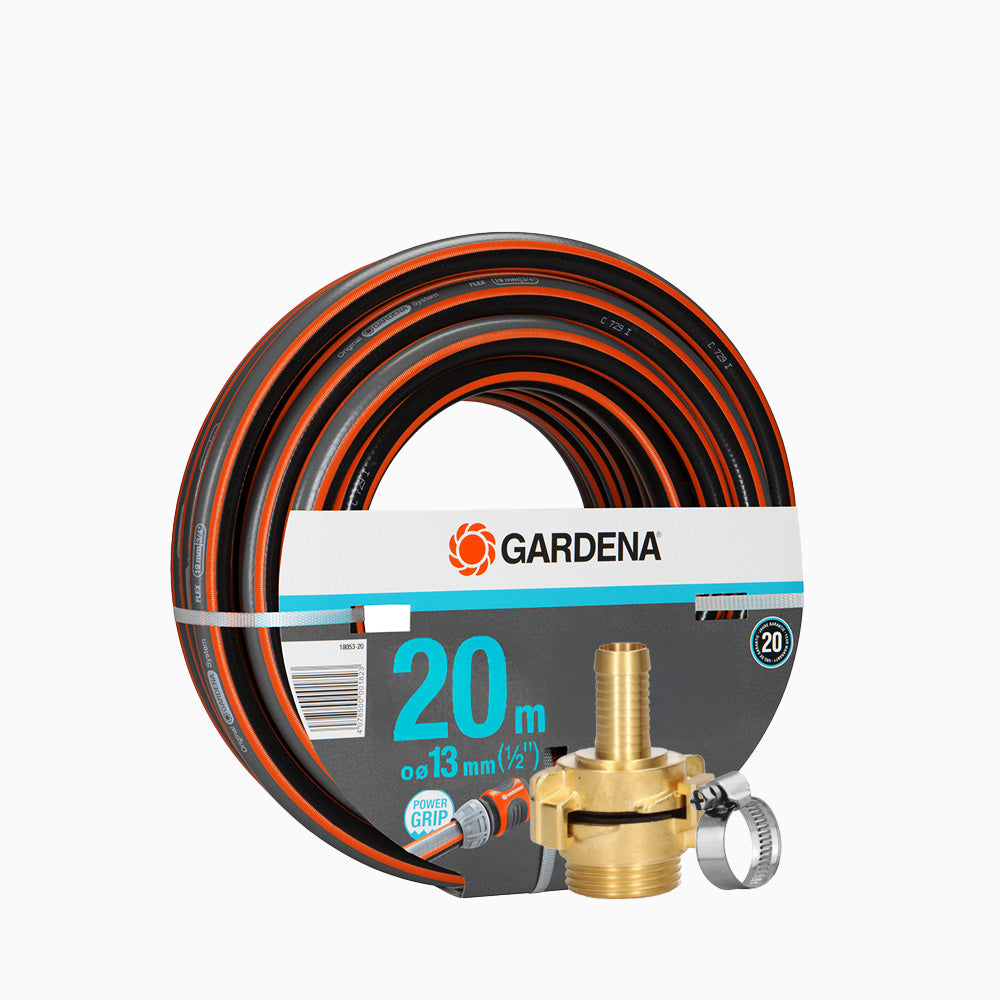
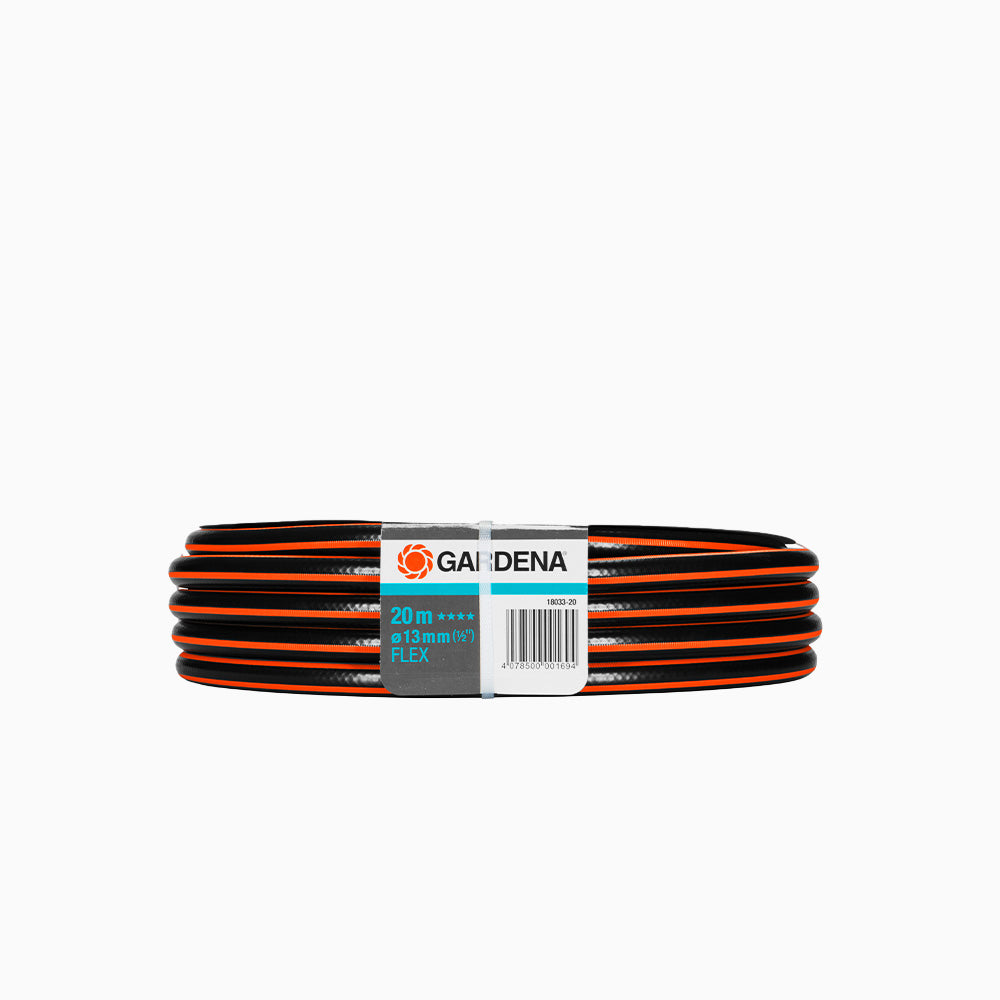
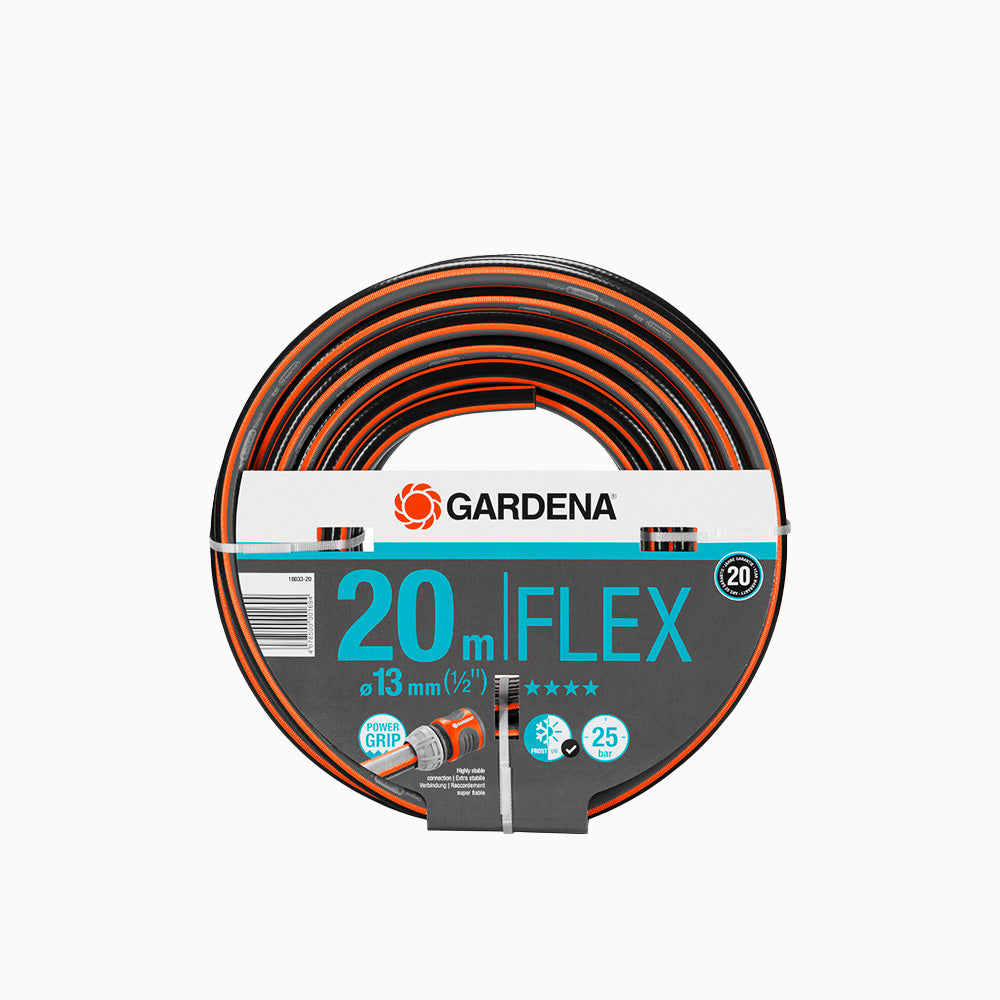
When pumping, it's important to direct the water to a location where it won't flow directly back into the basement. Use a sturdy drain hose with sufficient capacity.

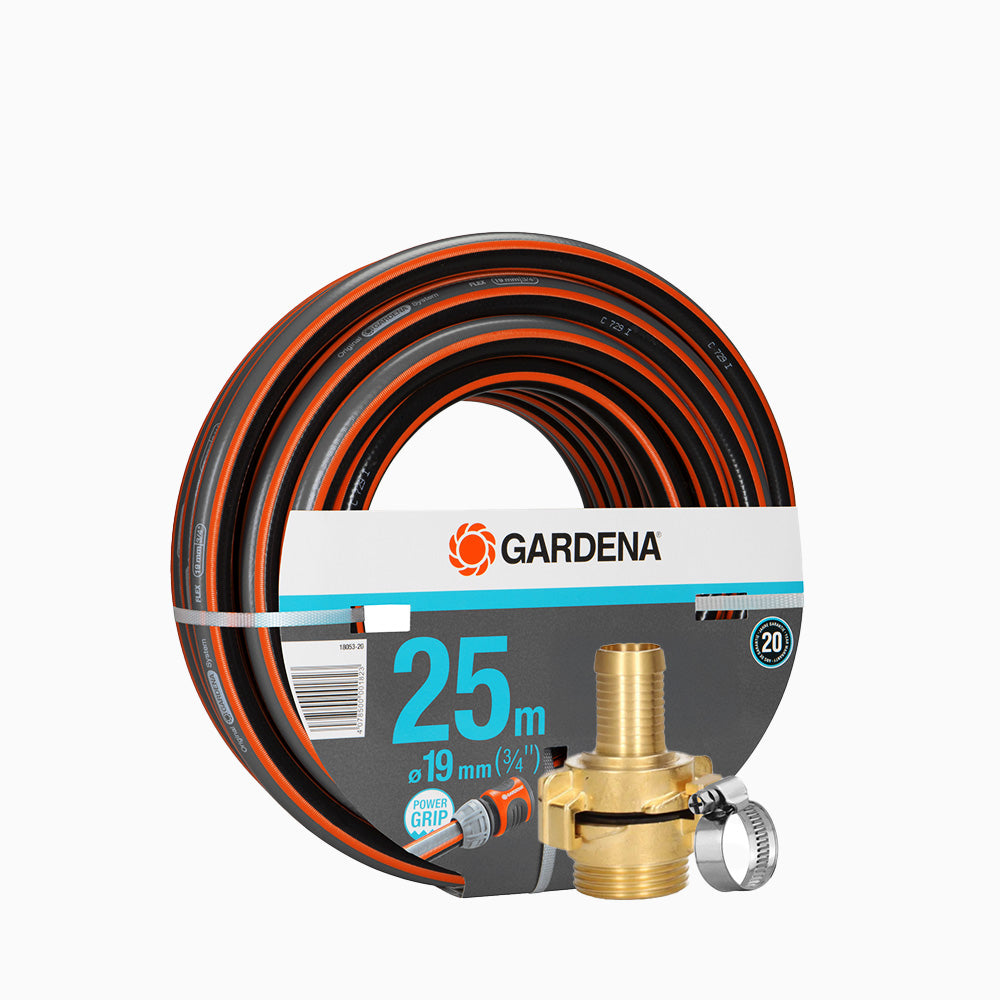
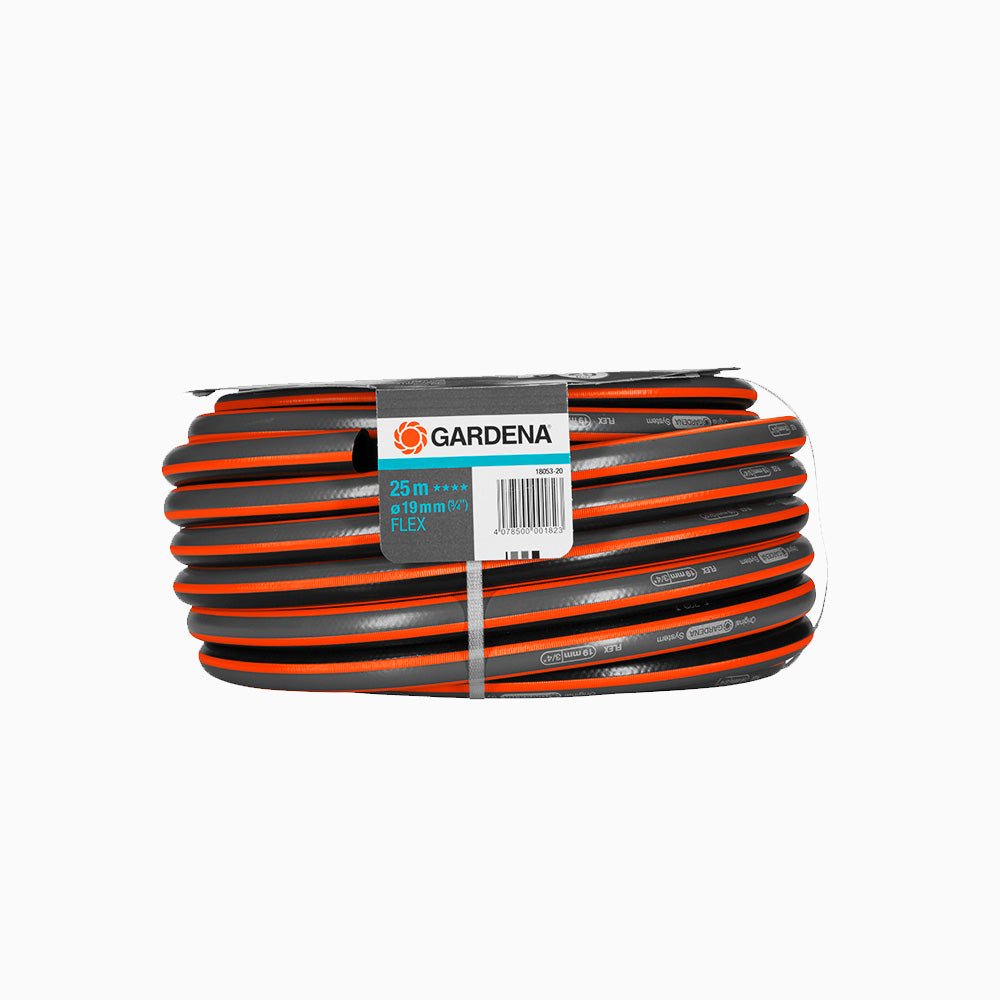
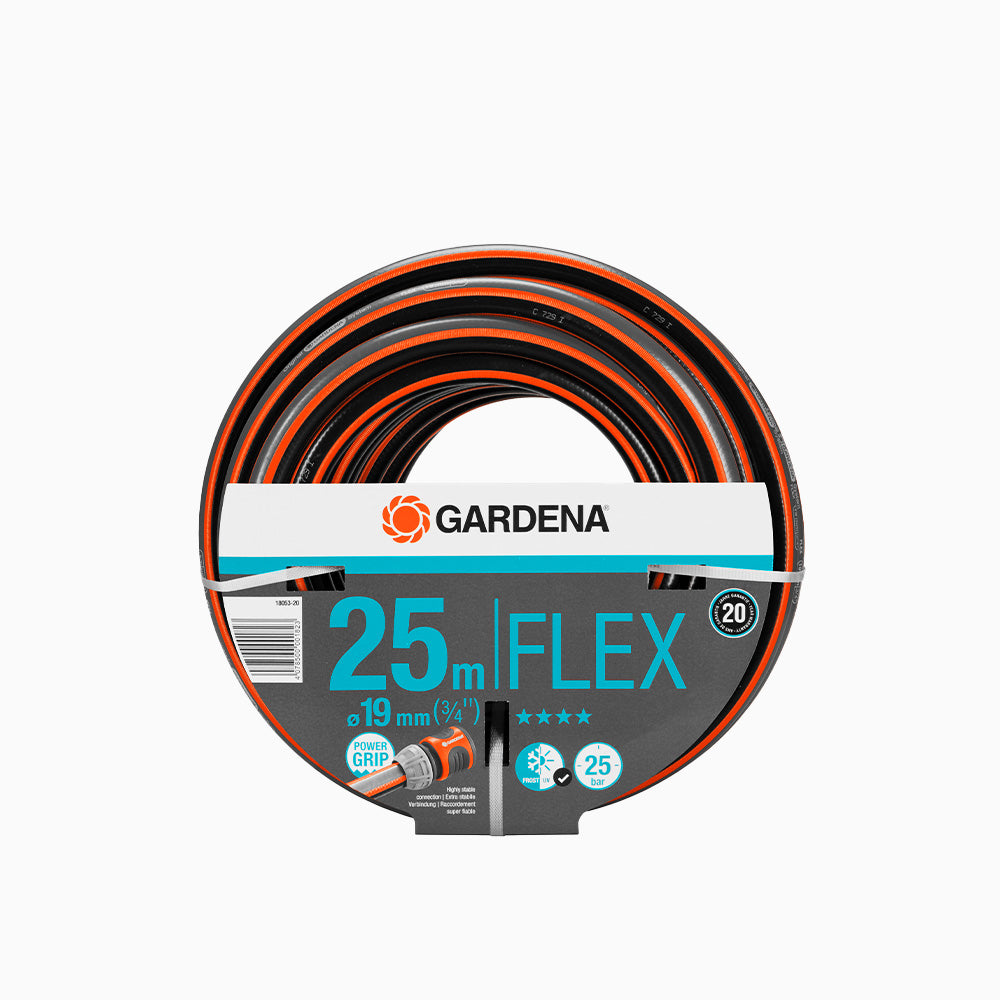
Gardena Garden Hose 20m 13mm
Step 4: Clean and dry
Once the basement pump has done its job and the floor is dry, the cleanup begins. Immediately remove wet materials like carpet or cardboard boxes; these are breeding grounds for mold. Clean the walls and floors with a disinfectant.
Ventilation is crucial now. Open windows and doors opposite each other and, if necessary, use dehumidifiers or fans to speed up the process. More tips on prevention can be found in "Basement Waterproofing and Damp Control."
Step 5: Maintenance and prevention
Prevention is better than cure. Regularly check your pump's proper functioning. In the article "Cellar pump maintenance: 5 tips to extend its lifespan," we explain how to do this. Also consider installing an alarm system or a float switch that automatically activates the pump at the first sign of water.
Frequently asked questions about water in the basement
When should I call the fire department for a flooded basement?
Call the fire department only in case of immediate danger, such as a risk of short circuits, gas leaks, or if vital infrastructure is at risk. For a few centimeters of water in your basement, you are responsible for renting or purchasing a basement pump.
What is the advantage of a flat suction pump compared to a normal submersible pump?
A flat vacuum can pump water down to a residual level of just 1 to 2 millimeters, while a standard submersible pump often stops at 2 to 5 centimeters. This means you hardly have to mop afterward.
Is damage caused by a flooded basement covered by insurance?
This depends on the cause. Damage caused by a burst pipe is usually covered by home insurance. Damage caused by rising groundwater or poor maintenance is often excluded. Always check your policy conditions.
Share:
Cost of a basement pump including installation in 2026
Installing and Maintaining Your Basement Pump: A Practical Guide