

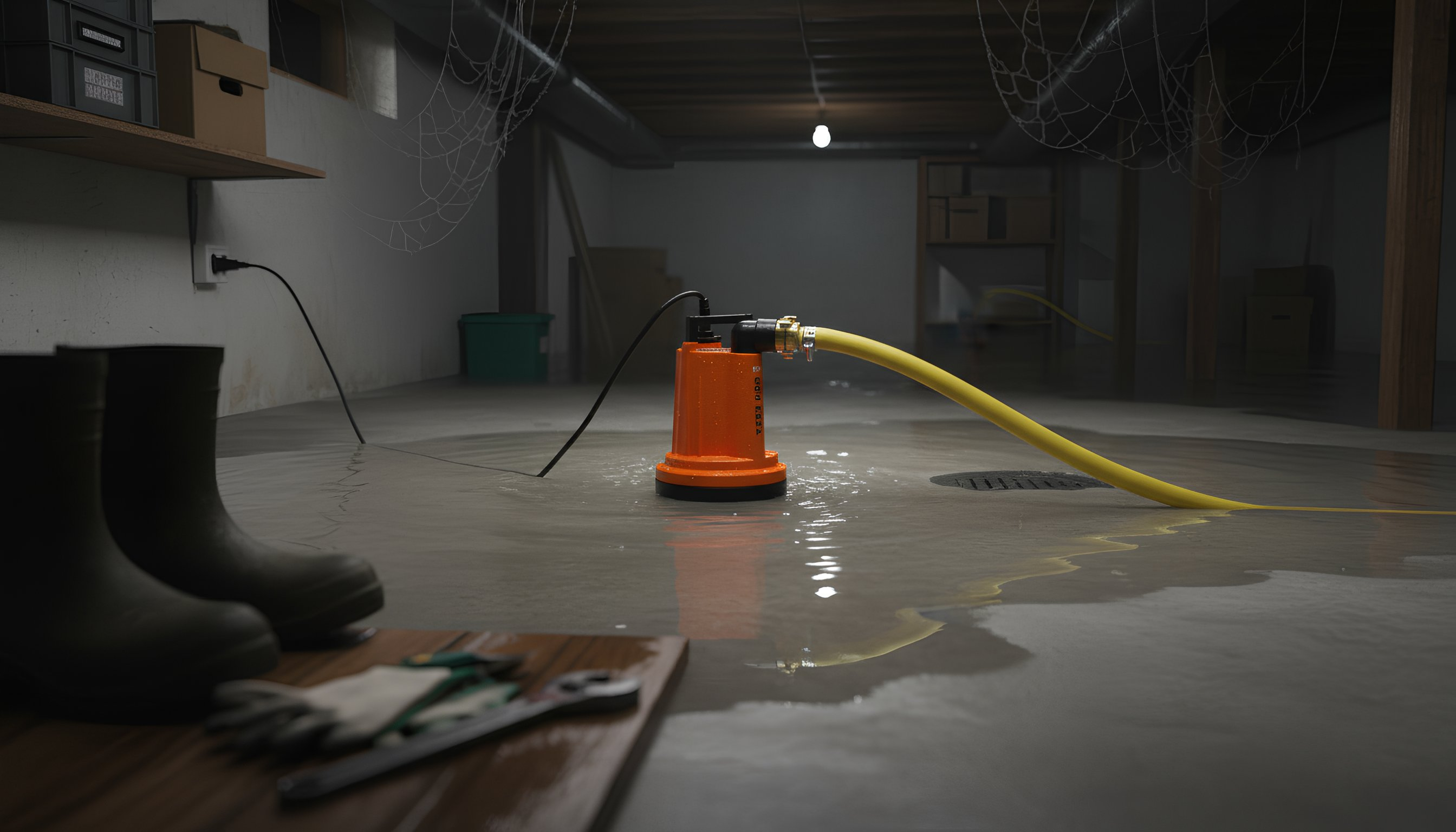
Are you standing in water in your basement, or is there a bothersome layer of rainwater on your flat roof? A flat vacuum is the specific solution that removes every last millimeter of water, leaving your space literally mop-dry.
What is a flat suction dredge and how does it work?
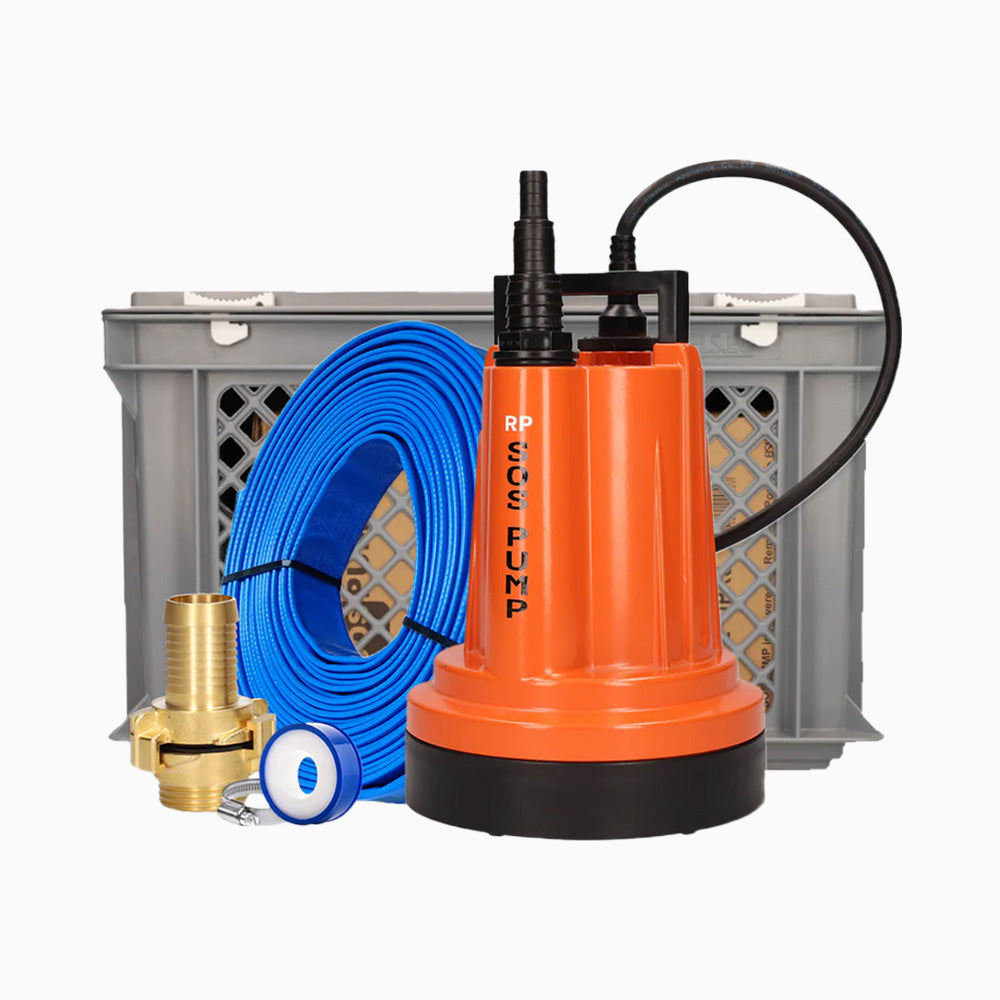
A vacuum cleaner, also known as a mop-drying pump, is a specialized submersible pump designed to remove water to an extremely low level. While a standard submersible pump often stops at a water level of 2 to 5 centimeters, a vacuum cleaner continues until only 1 to 2 millimeters of water remains. This makes the difference between a room that remains flooded and a floor that you can mop dry in minutes.
The technology behind a flat suction pump is located at the bottom of the pump. The suction ports are located very low to the ground. Furthermore, these pumps are often equipped with an internal cooling jacket. This is crucial because at low water levels, the pump is no longer completely submerged. The cooling jacket ensures that the motor is cooled by the pumped water, preventing overheating, even if the pump is almost dry.
When do you choose a flat vacuum cleaner?
Not every flooding situation requires the same approach. A surface-vacuum pump is ideal for situations with clean to slightly contaminated water. Think of rainwater, leaking water, or water from a burst pipe. For heavy-duty jobs involving mud or stones, you'd better consult our article "Submersible Wastewater Pump: Solutions for Tough Jobs."
Applications in and around the house
The most common application is undoubtedly the basement. During heavy rainfall or a rising water table, a basement can quickly flood. A vacuum cleaner prevents a layer of water from building up, which could damage the foundation or stored items. For a targeted approach, also read "Vacuum Cleaners for Flooding and Basement Drainage ."
In addition, a flat roof vacuum is indispensable for owners of homes with a flat roof. Standing water on a roof can lead to leaks and additional stress on the roof structure. In the article "Flat Roof Vacuums: Prevent Damage from Standing Rainwater," we delve deeper into this specific challenge.

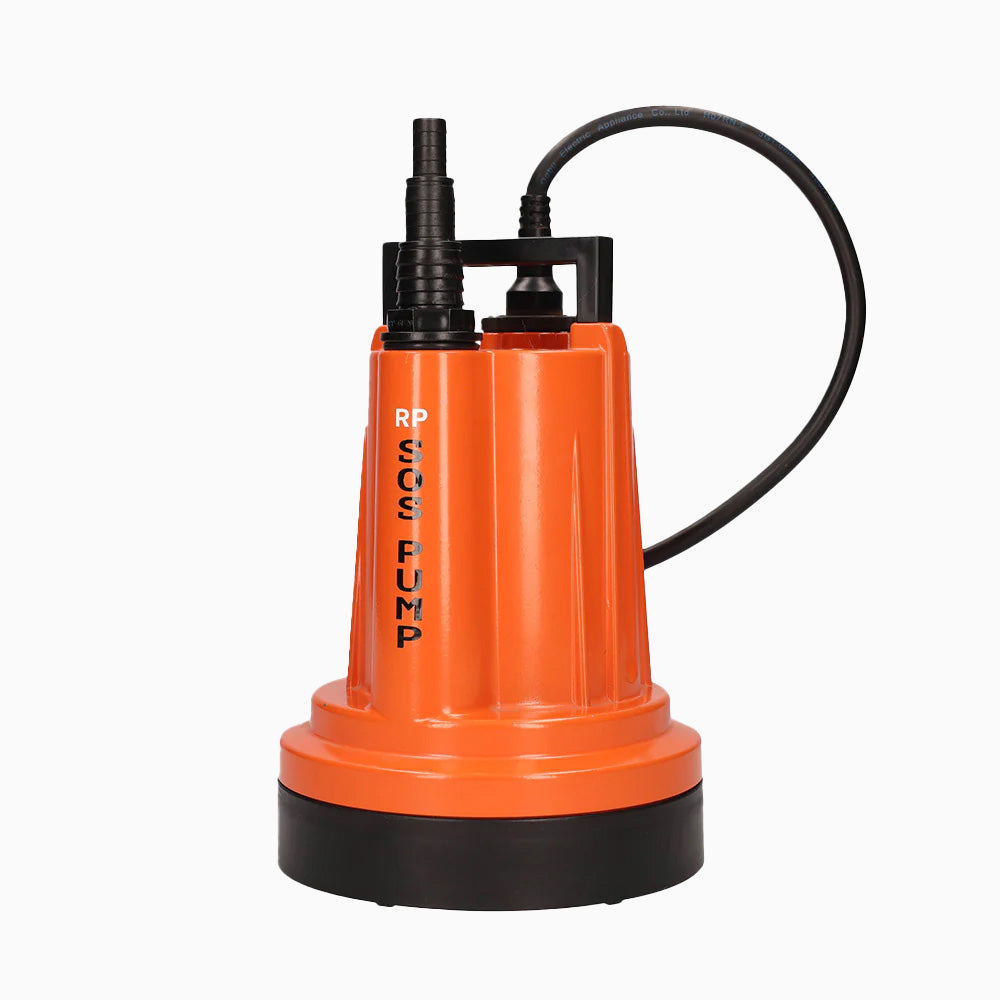
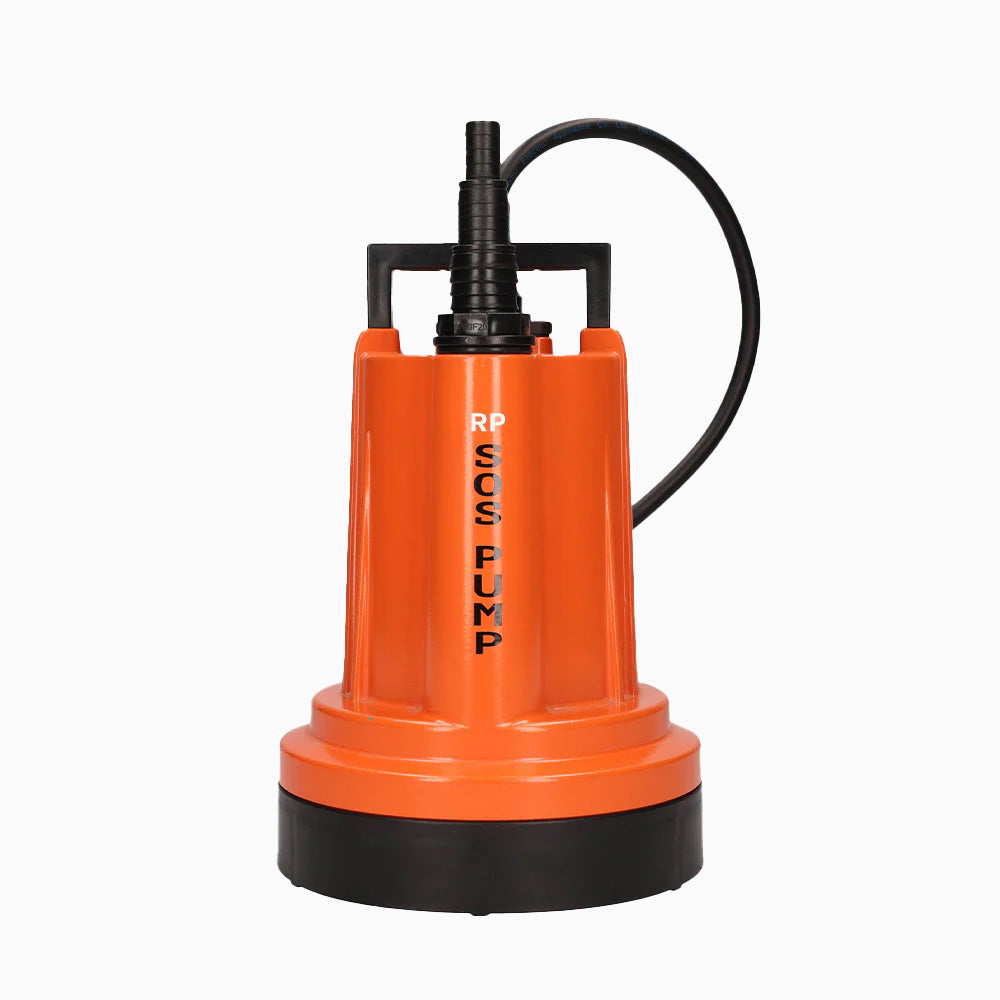
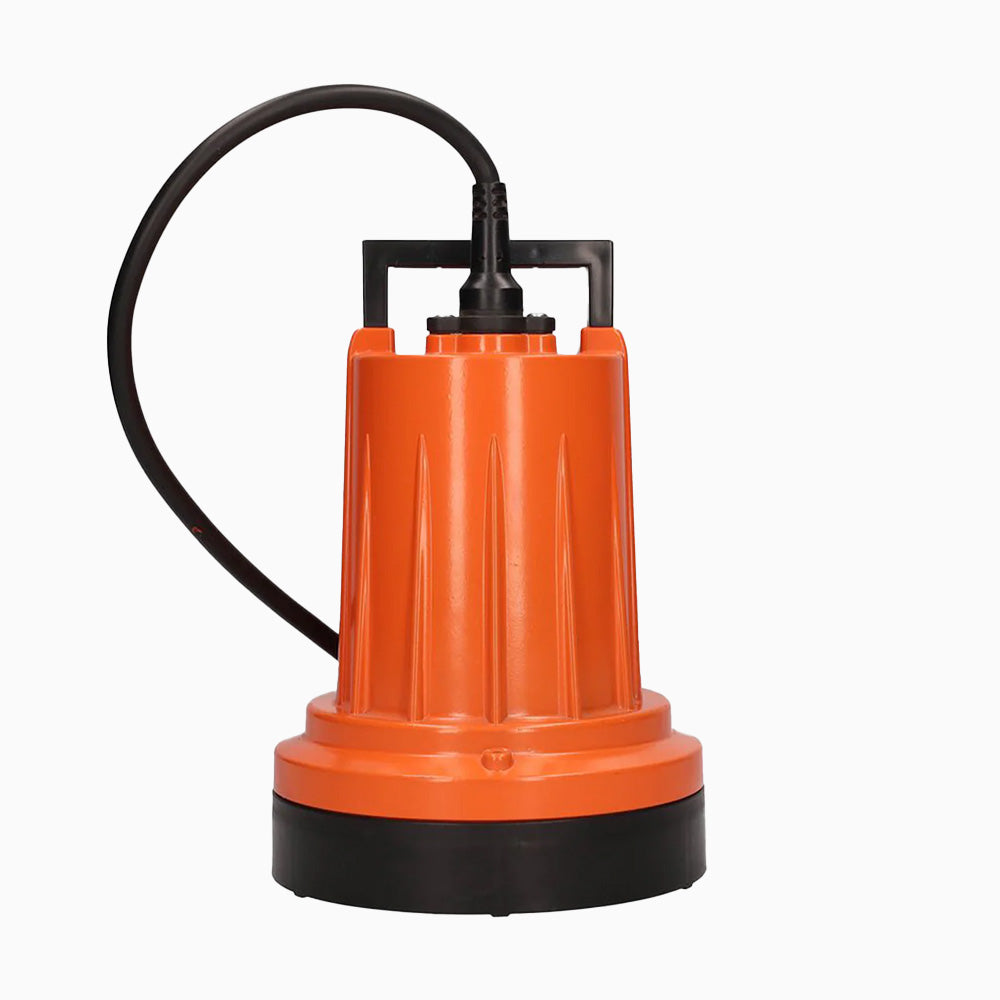
Flat suction submersible pump
Professional use and swimming pools
Even for professionals, such as plumbers or emergency services, the flat-vacuum pump is a standard piece of equipment. Its robustness plays a major role in this. The advantages of a stainless steel flat-vacuum pump for professional use explain why the use of this material makes all the difference during intensive use. For private individuals, the pump is ideal at the end of the summer season. When you empty the pool, a layer of water always remains on the bottom that a standard pump can't handle. See " Emptying a pool with a flat-vacuum pump: Tips for removing the last bit of water ."
Important selection criteria: What should you pay attention to?
When purchasing a flat suction pump, there are three technical aspects that determine whether the pump is suitable for your specific situation: the float, the capacity and the delivery head.
Float systems: Automatic or manual?
One of the biggest dilemmas is choosing the float. A float ensures that the pump switches on when the water level rises and switches off when the water is gone. This is complex with flat suction pumps, as the pump must continue to operate until the water level is almost gone. A traditional float ball often doesn't have enough space for this. That's why you often see sensors or internal floats. For a comprehensive comparison, we recommend: Flat suction pump with internal float vs. external float: What's the best choice?
Pump capacity and delivery head
Capacity is expressed in liters per hour or cubic meters per hour (m3/h). The faster the water needs to drain, the higher the required capacity. Note, however: the maximum capacity only applies if the water doesn't need to be pumped upwards. If the water needs to be pumped from a deep basement to the street side (for example, 3 meters up), the effective capacity will decrease. You can read more about this in " What should you consider when determining the pump capacity (m3/h) of a surface suction dredger?" .
Installation and the importance of the right hoses
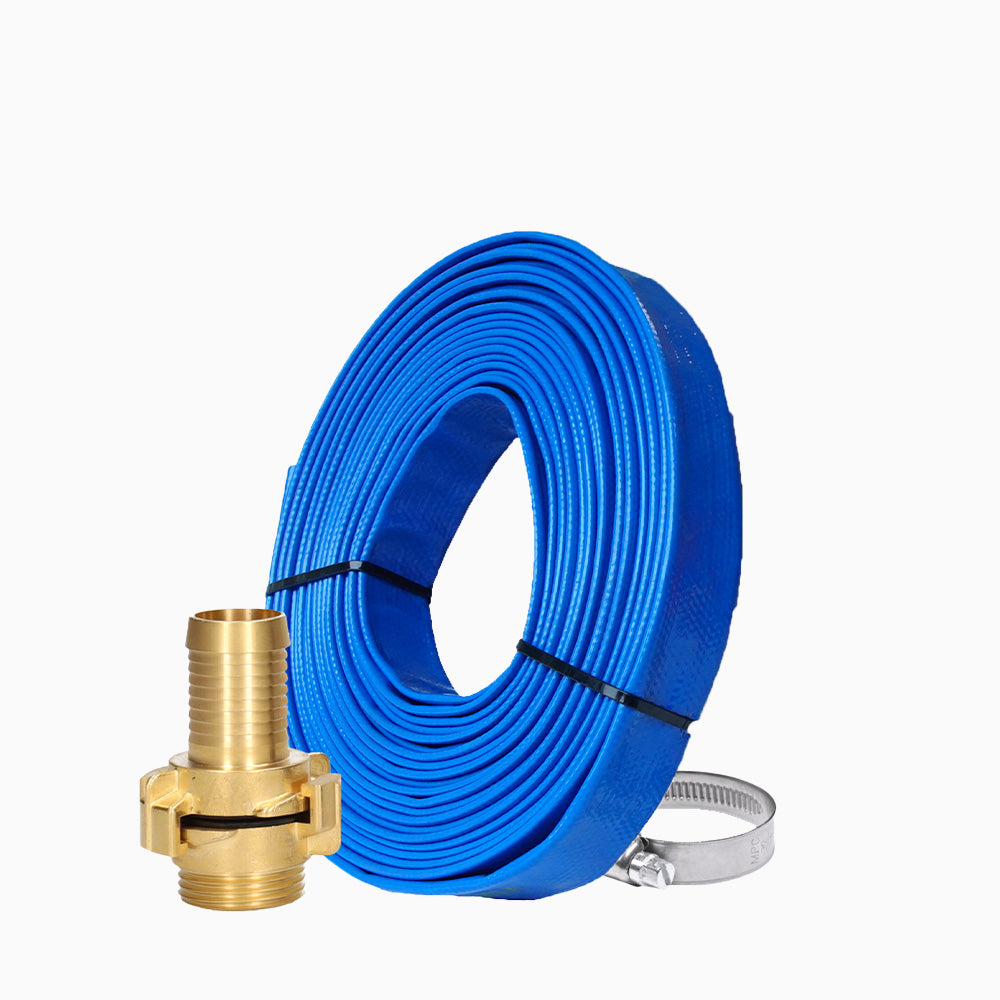
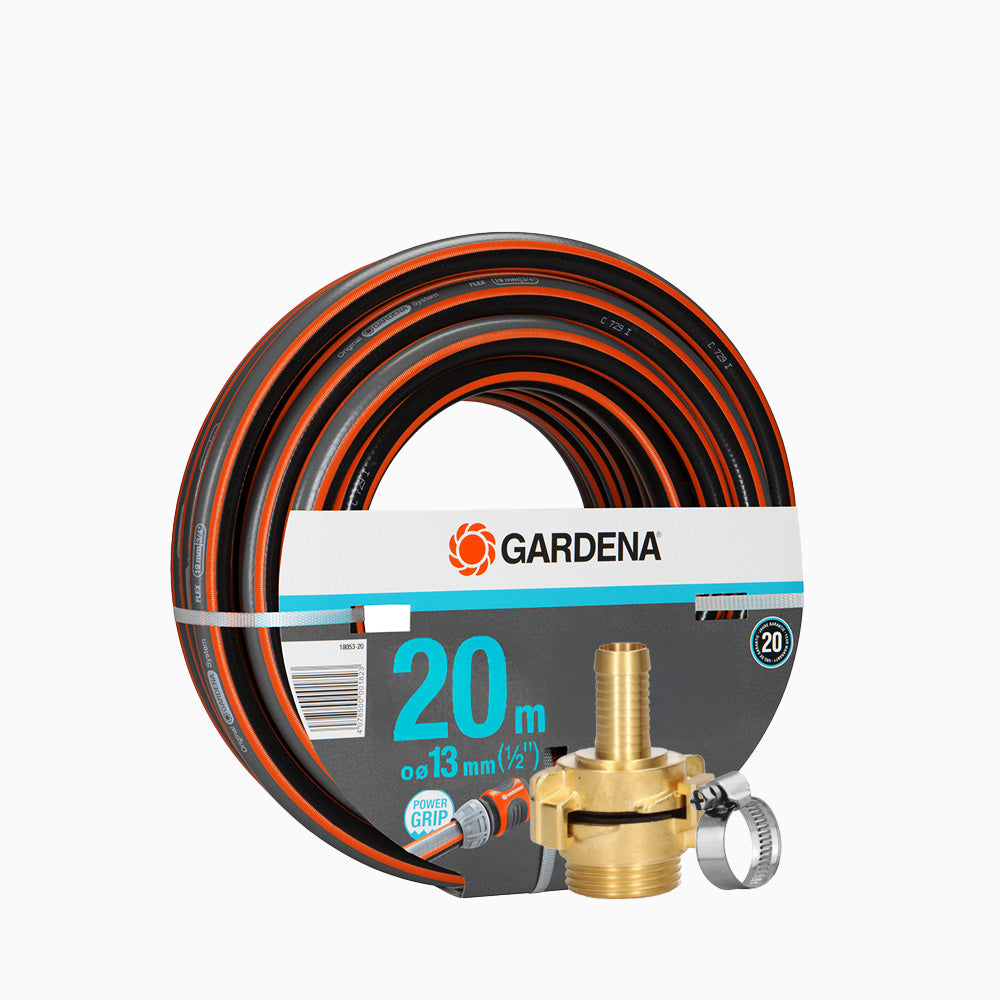
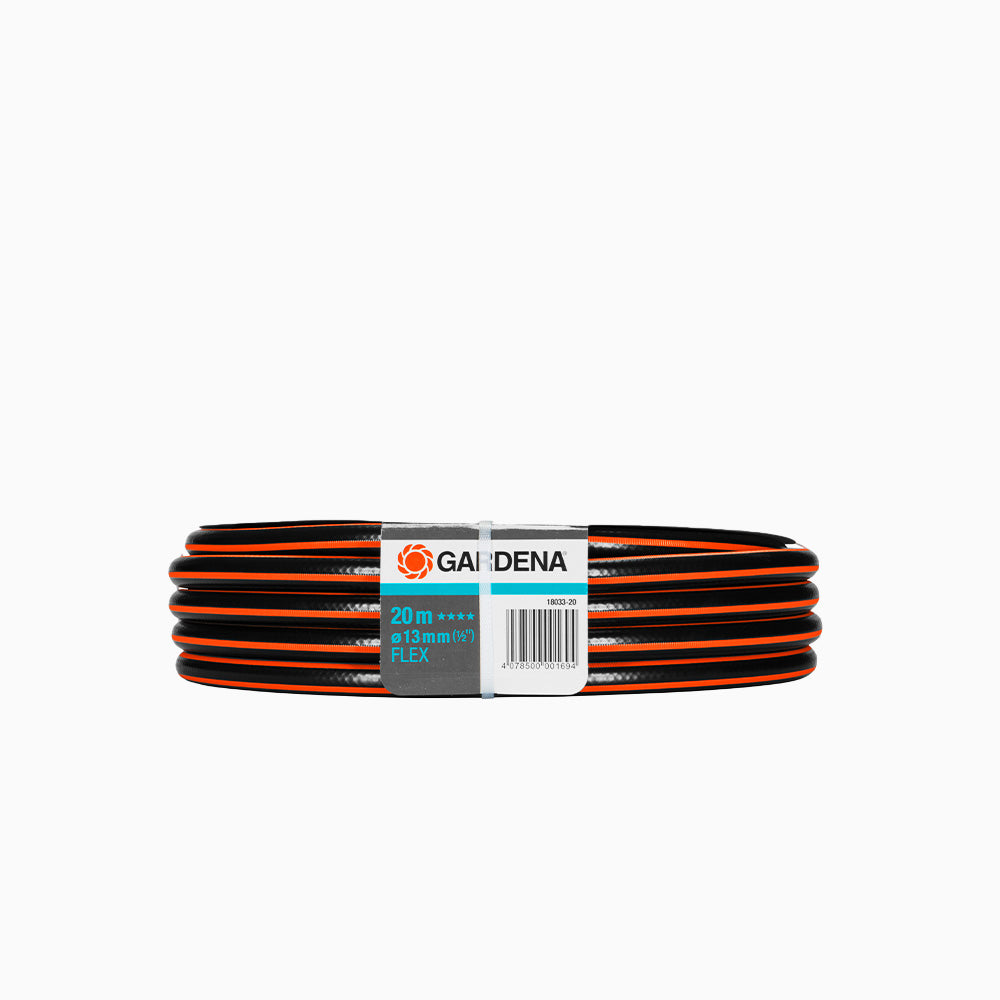
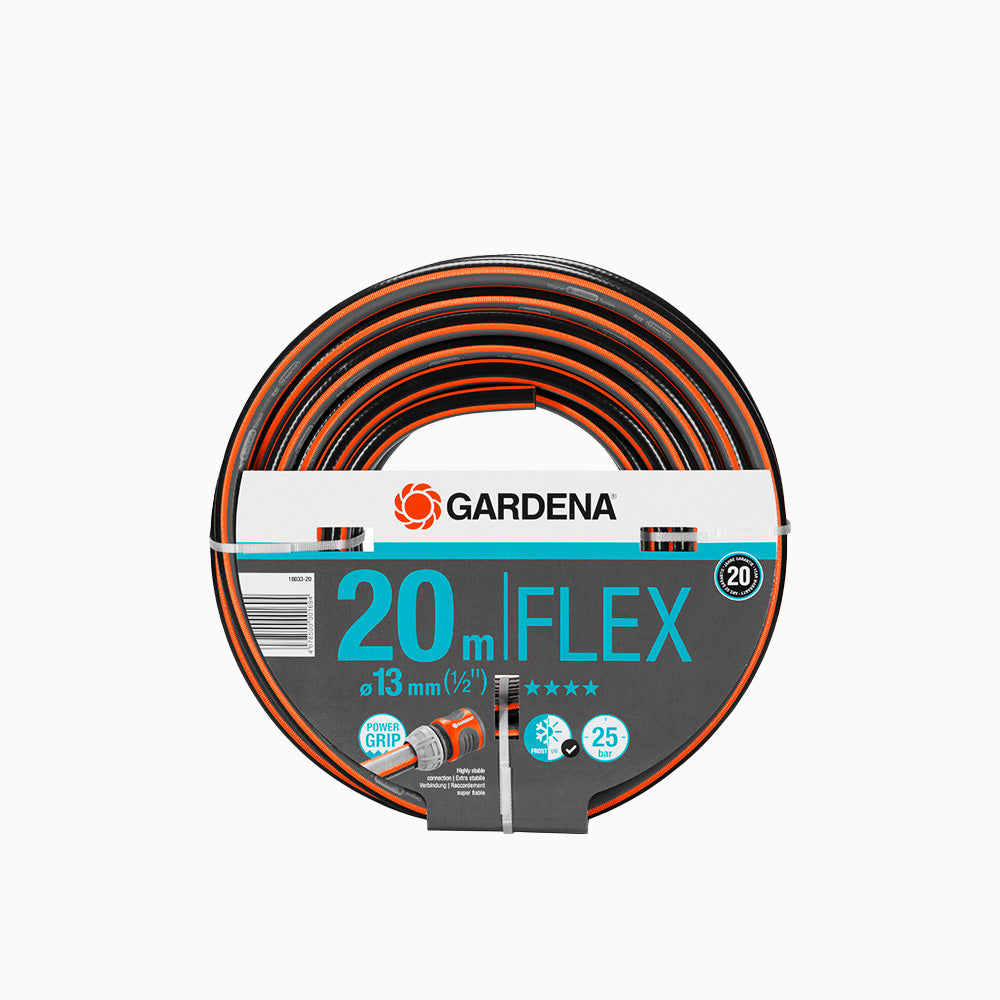
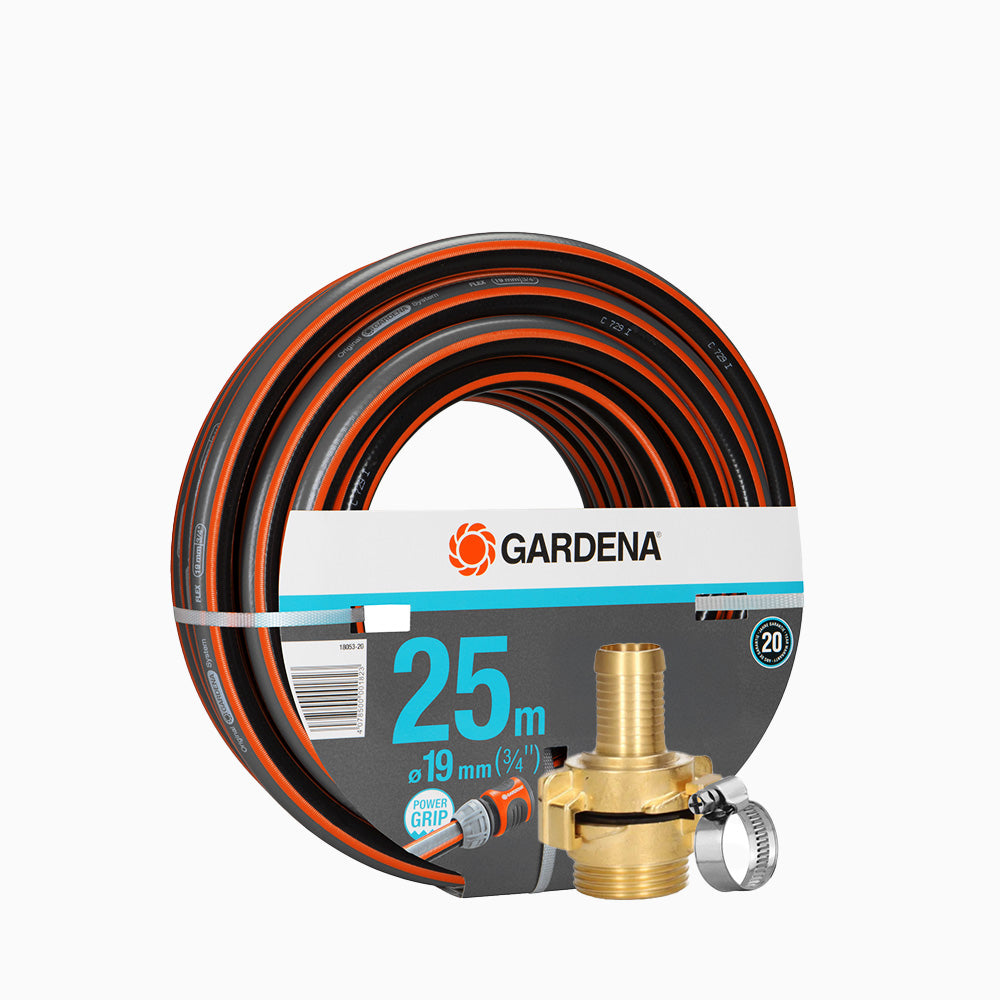
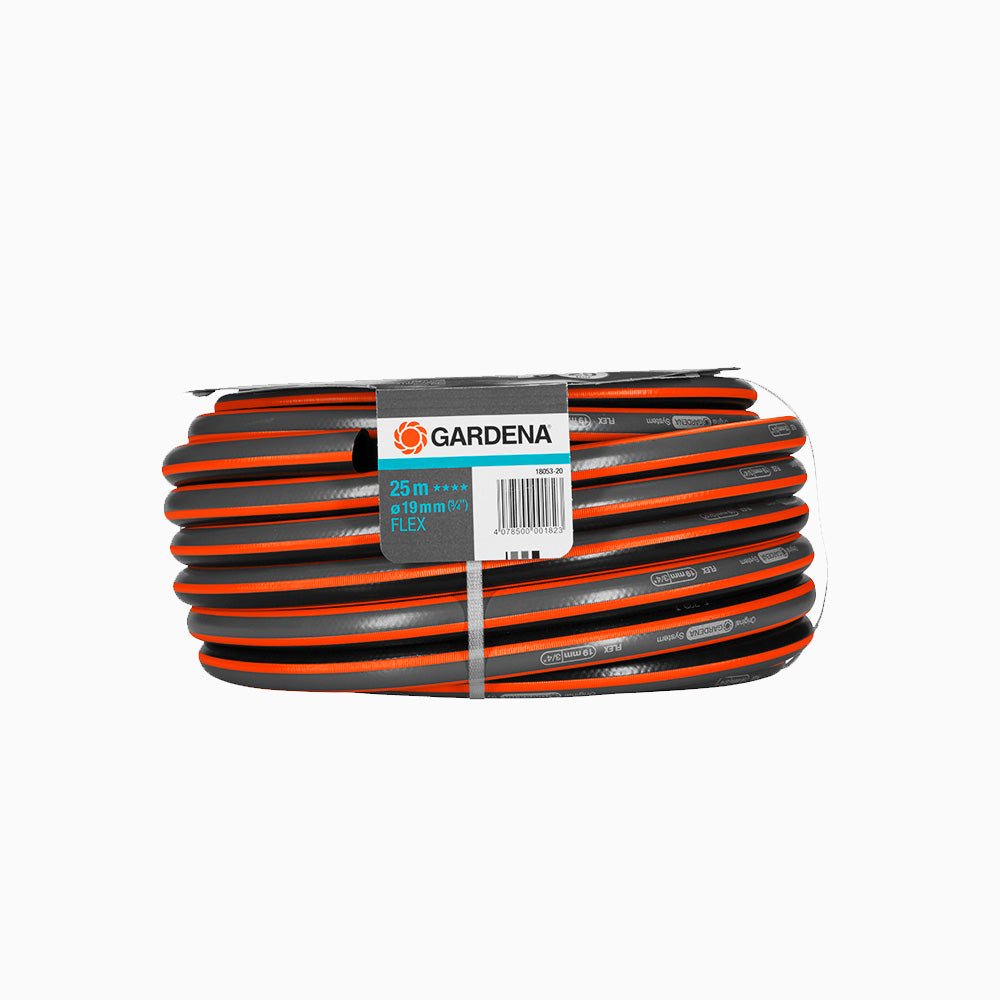
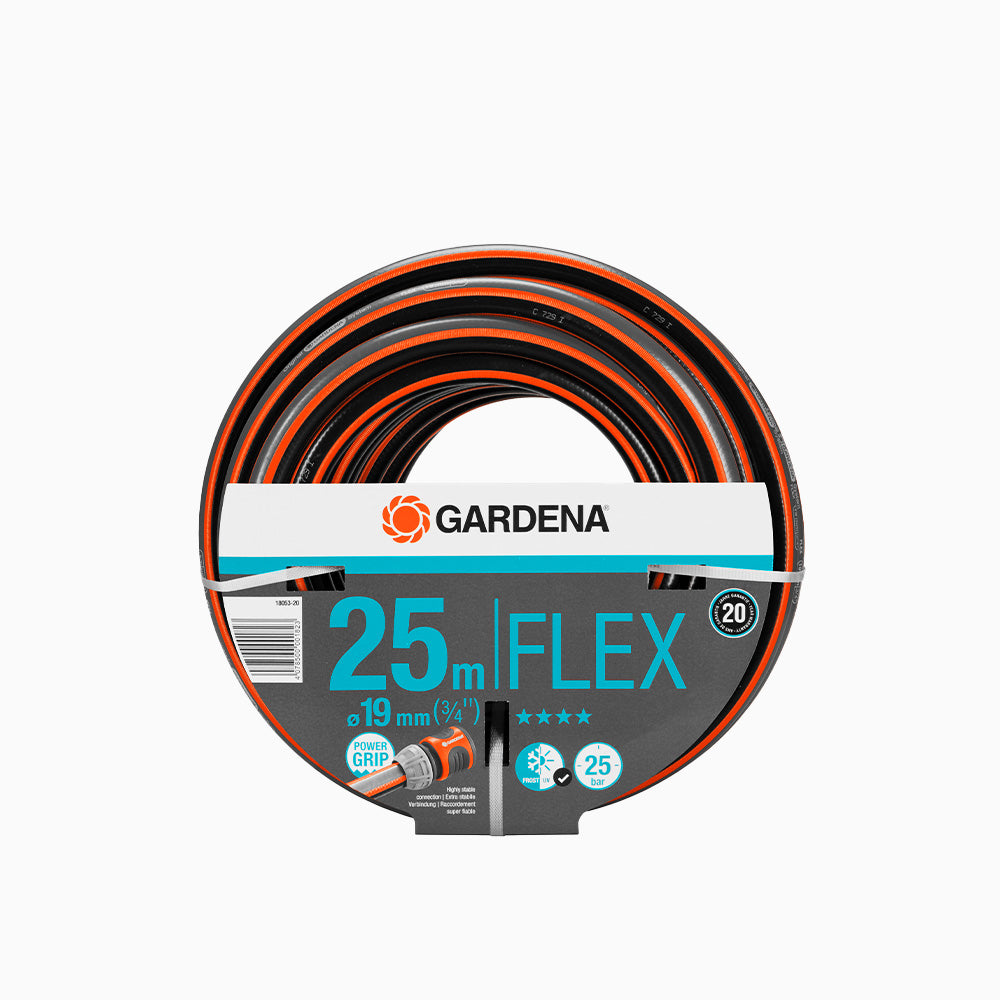
A powerful pump is only half the solution; drainage is just as important. Many people make the mistake of connecting a thin garden hose to a high-capacity pump. This creates enormous resistance, preventing the pump from working properly and even causing it to wear out faster. For optimal results, use a hose with a larger diameter. In the article "Connecting the Right Hose to Your Suction Hose: Diameter and Fittings," we explain exactly which connection you need.

Water hose set 12.5m 25mm
Maintenance: This way your flat vacuum cleaner will last for years
A vacuum cleaner is an investment in the safety of your home. Proper maintenance is therefore essential. Because a vacuum cleaner sucks water down to the bottom, there's a good chance that small particles of dirt or sand will end up in the suction strainer. After each use, it's wise to rinse the pump with clean water.
If the pump seems to be losing power, the impeller (the rotating part inside) may be blocked by hair or fibers. You can read how to safely check this in "How to clean the impeller of a flat suction pump after use?" . For a general overview of preventive maintenance, see "Maintenance and installation of a flat suction pump."
Troubleshooting: What if the pump isn't working?
Nothing is more annoying than a pump that stops working just when you need it most. Often, the causes are simple to solve. Think of an air bubble in the pump housing (airlock) or a dirty sensor that makes the pump think there's no water. For a handy checklist for problems, see " Flat Suction Pump Won't Start or Stops Too Early: Causes and Solutions ." If you're dealing with an acute emergency, follow our "Flooded Basement? Step-by-Step Plan for Mop-Dry Pumping ."
Frequently asked questions about flat suction cups
Can a flat suction dredger also pump dirty water with stones?
No, most flat vacuums are designed for clean to slightly dirty water. Because the suction openings are so small that they can pump up to 2 mm, they quickly become clogged with coarse dirt or stones. For dirty water, use a special submersible dirty water pump.
How dry exactly is 'mop dry'?
In practice, this means that a film of water, approximately 1 to 2 millimeters thick, remains. This isn't enough to absorb, but it's small enough that it dries completely with a mop or squeegee within a few minutes.
Can a flat vacuum cleaner be left running unattended?
Only if the pump is equipped with a reliable float switch or electronic sensor that switches the pump off as soon as the water drains. A pump that runs dry without cooling can be damaged, although many modern flat suction pumps have thermal protection.
What is the difference between a submersible pump and a flat suction pump?
Every submersible pump is a submersible pump, but not every submersible pump is a submersible. The main difference is the residual water level: a standard submersible pump often leaves a few centimeters of water, while a submersible pump only a few millimeters.
Share:
How do you choose the best flat vacuum cleaner for your situation?
How do you choose the best flat vacuum cleaner for your situation?