

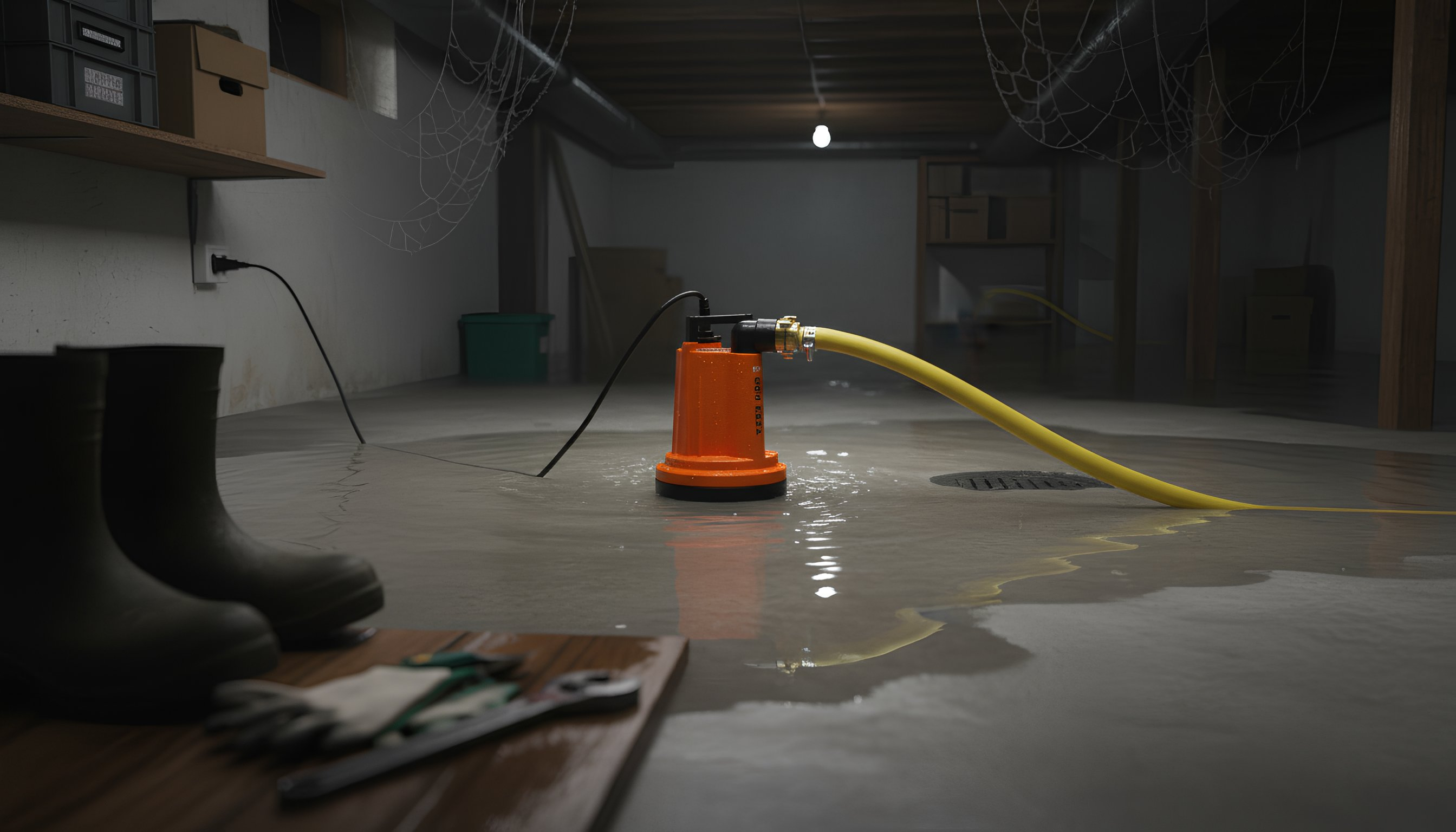
A vacuum cleaner is an indispensable tool for flooding, but did you know that proper maintenance after use is crucial for its longevity? In this article, we explain step-by-step how to clean the impeller to prevent clogging and damage.
Why clean the impeller of a flat vacuum cleaner?
A flat suction pump is designed to pump water down to the last millimeter. Because these pumps suction so close to the floor, they often encounter fine sediment, sand, or small dirt particles. If this dirt remains in the pump housing, it can build up around the impeller (the rotating part that moves the water).
If the impeller becomes blocked by dried dirt, the motor won't be able to rotate freely during subsequent jobs. This leads to overheating or even motor burnout. Regular maintenance is therefore not only a matter of hygiene but also of preserving your investment. You can read more about how it works in The Ultimate Guide to Flat Vacuums: Everything You Need to Know About Mop-Dry Pumps .
Step-by-step plan: Cleaning the fan
Cleaning a vacuum cleaner is a relatively simple job that can be completed in ten minutes. Follow these steps for optimal results:
1. Safety first
Always unplug the pump before working on it. Also check that the cord is not damaged. If so, see "Maintenance and Installation of a Flat Suction Pump" for replacement instructions.
2. Disassemble the bottom
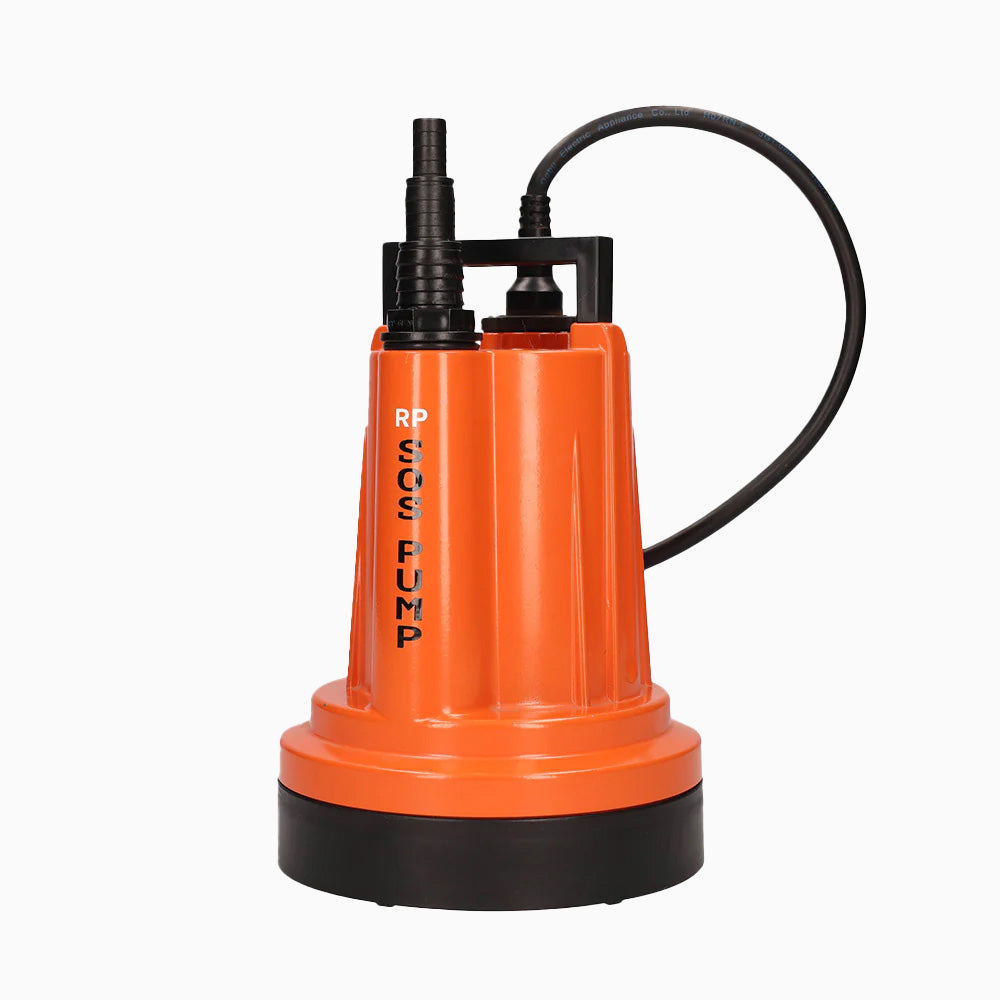
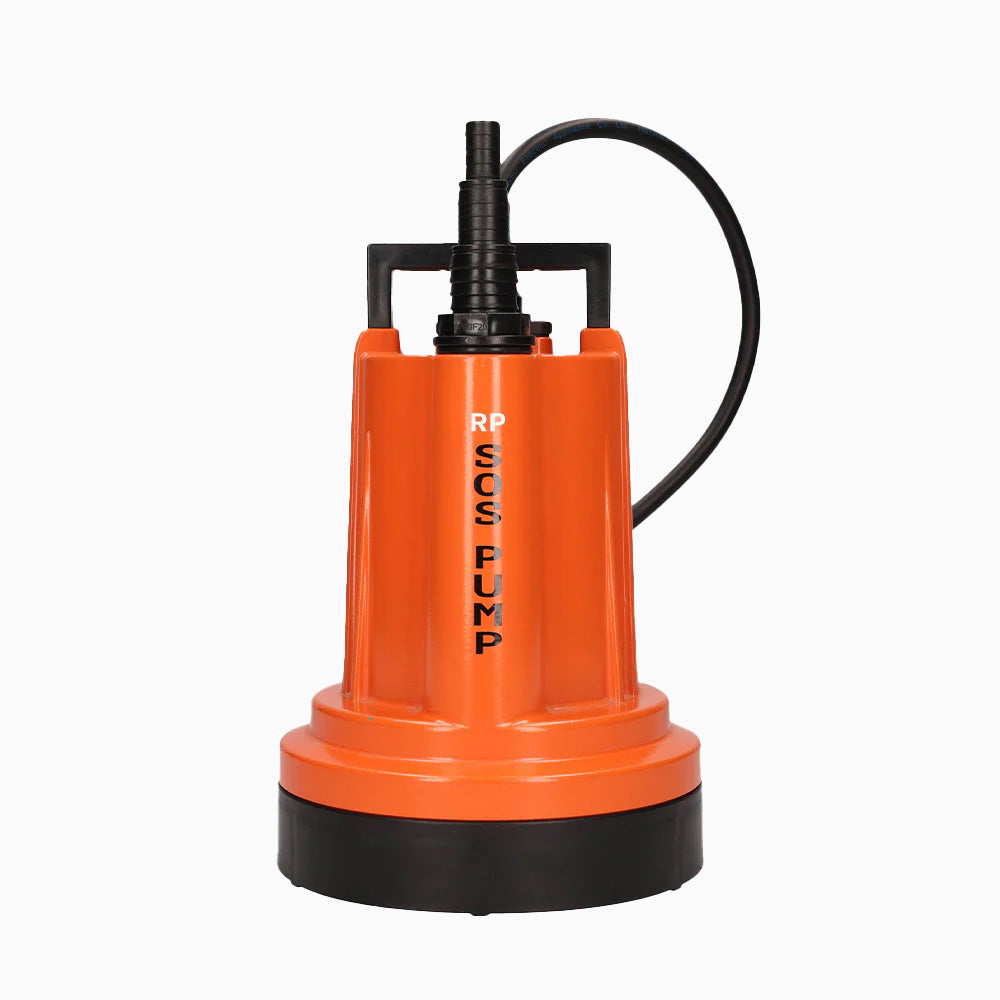
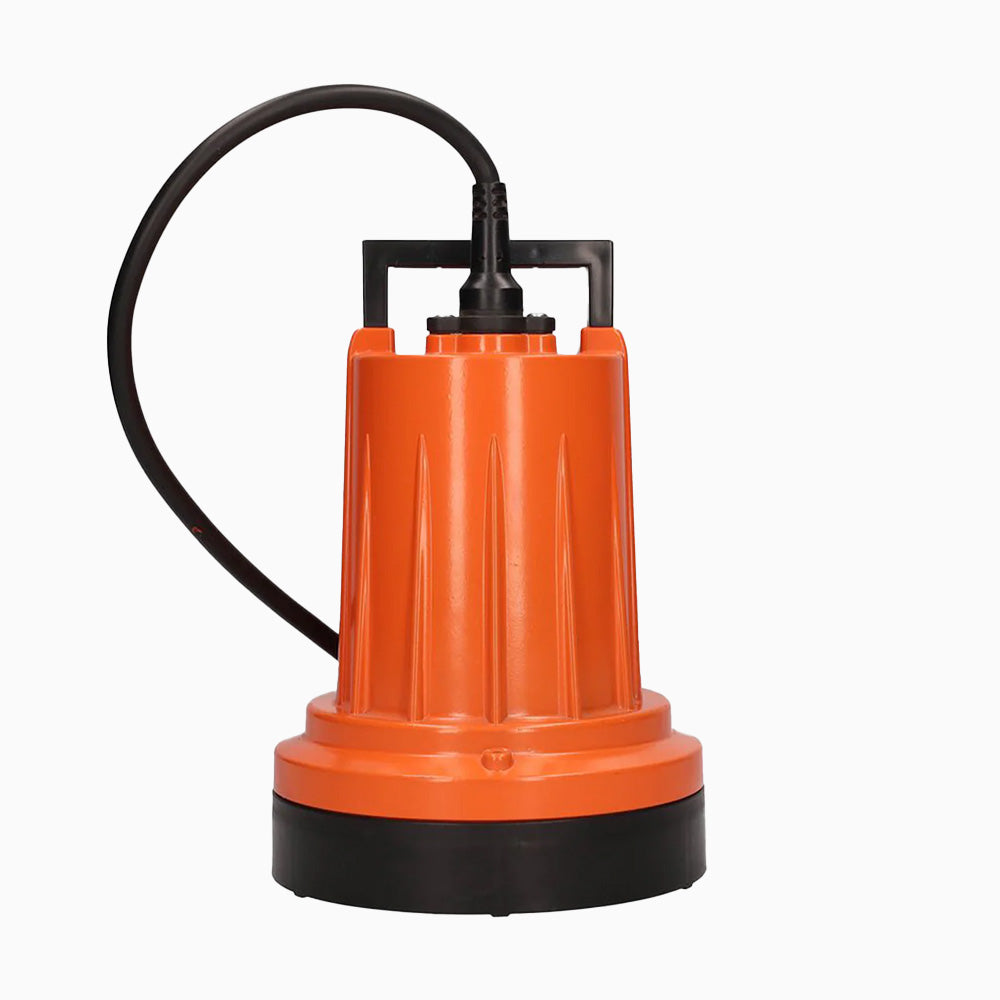
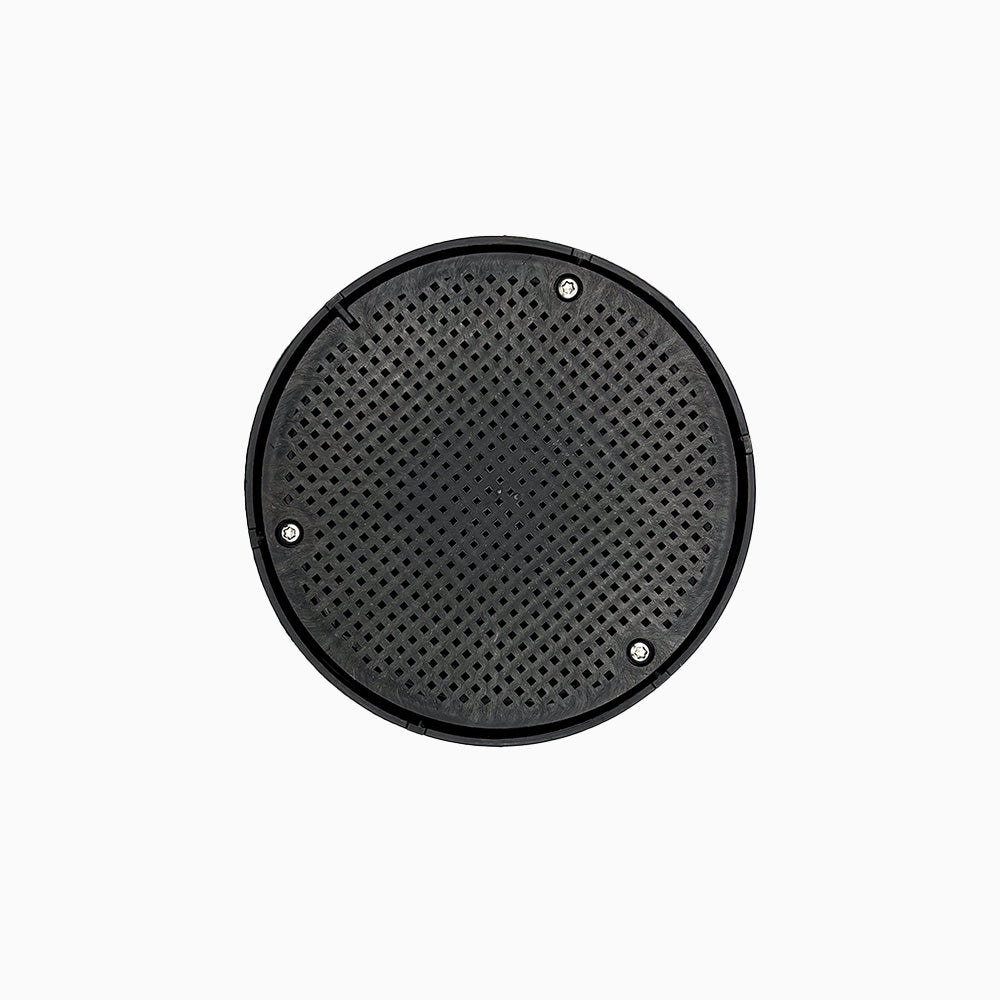
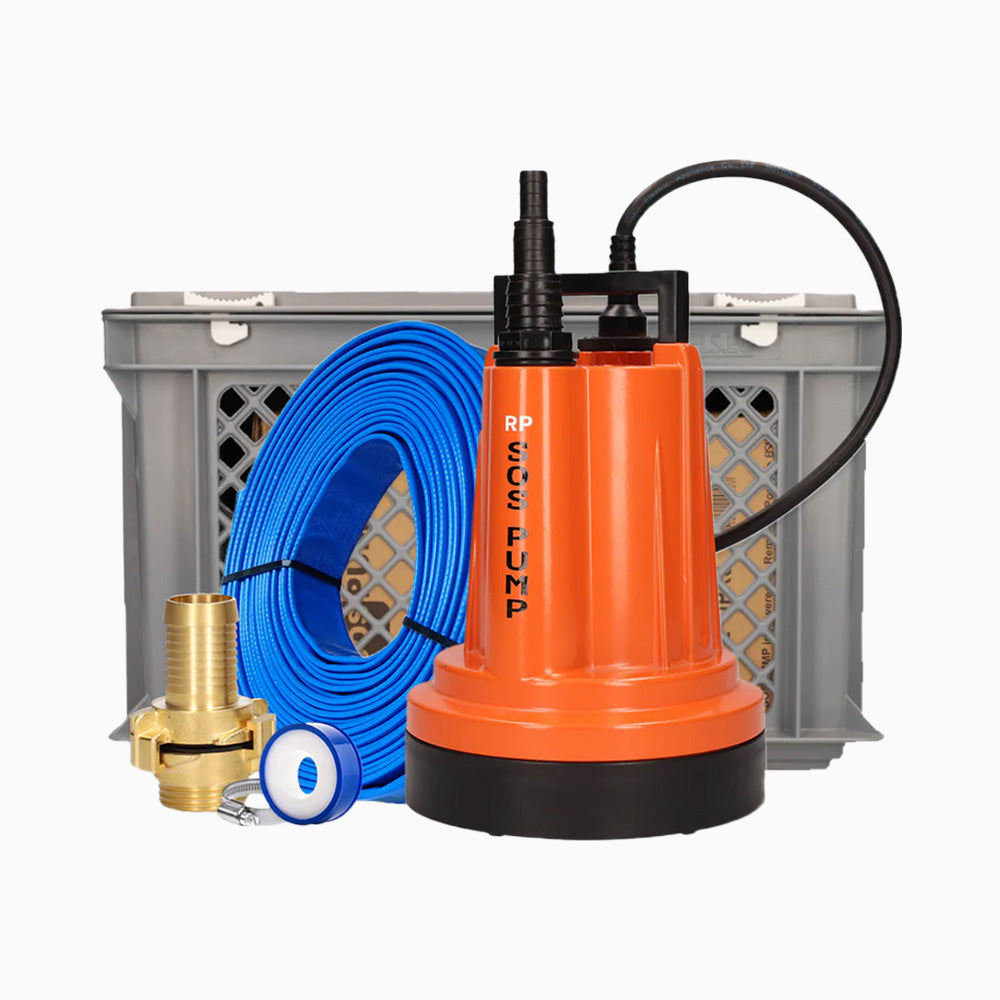
Most flat vacuums have a removable suction strainer or base plate. For professional models like the SOS PUMP® series, this is often simply a matter of unscrewing a few screws on the bottom.
3. Removing dirt and sediment
Once the bottom is open, you'll see the impeller. Use a soft brush or a jet of water to remove sand, mud, and hair. Gently rotate the impeller by hand to check for smooth running. Caution: Do not use sharp objects that could damage the impeller blades.
4. Rinse with clean water
Rinse the pump housing thoroughly with clean tap water. This removes any remaining residue that could cause problems later. Also, don't forget to check the hose connection for blockages.
Prevention is better than cure
Although a vacuum cleaner can pump mop-dry, it's wise to manually remove coarse dirt first in extremely dirty water. In the article "Flooded basement? Step-by-step plan for pumping mop-dry," we explain how to best handle an emergency situation without forcing your equipment.
If you notice that the pump is not functioning properly despite a clean impeller, see Flat Suction Pump Not Starting or Stopping Too Early: Causes and Solutions for further troubleshooting.
Frequently asked questions about flat suction maintenance
How often should I clean the impeller of my flat vacuum cleaner?
It's recommended to briefly rinse the pump after each use in contaminated water (such as a basement or pond). A thorough cleaning of the impeller is necessary if you notice reduced pump capacity or if you're storing the pump for an extended period.
Can I lubricate the fan?
No, most submersible pump impellers are water-lubricated or equipped with maintenance-free bearings. Adding grease or oil can actually attract dirt and damage the pump.
What if the fan is stuck due to limescale?
When used in hard water, limescale can form. You can briefly soak the bottom of the pump in a mixture of water and natural vinegar to dissolve the limescale, then rinse thoroughly with clean water.
Share:
Connecting the correct hose to your flat vacuum cleaner: Diameter and couplings
Flat suction dredgers for flooding and basement drainage