

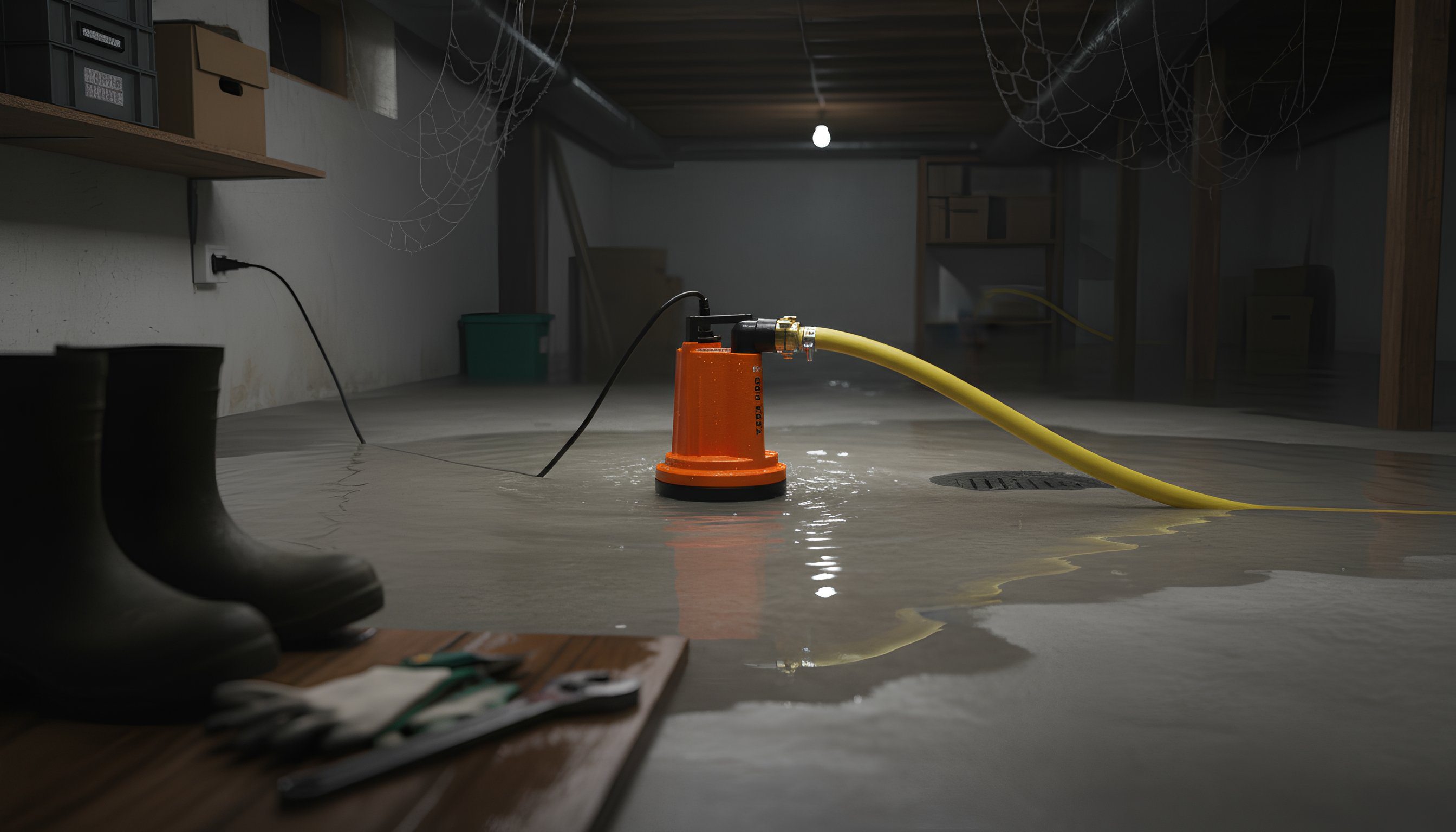
Are you experiencing a flooded basement or water damage after a heavy downpour? A vacuum cleaner is the most effective solution for getting rooms dry and preventing further damage to your home.
What is a flat suction dredger and why is it essential in case of flooding?
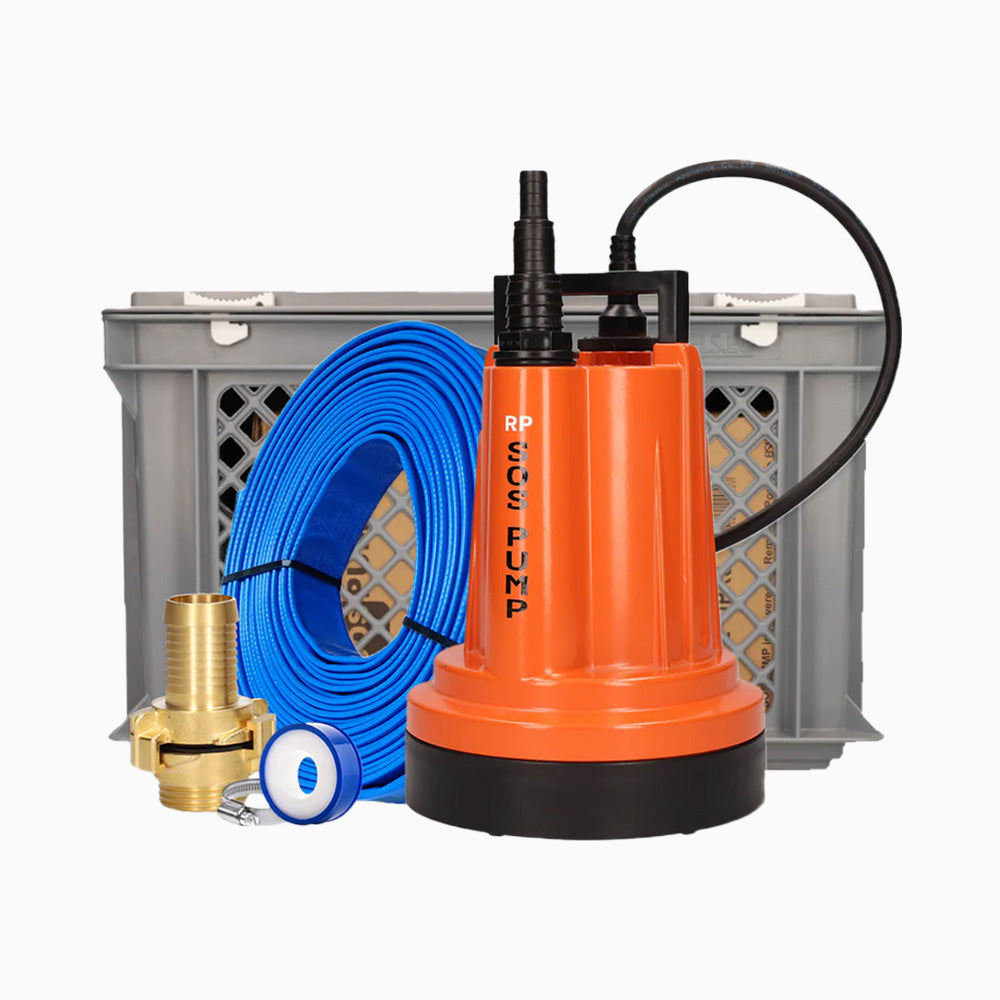
A submersible pump, also known as a mop-dry pump, is a special type of submersible pump designed to pump water down to a very low level. While a standard submersible pump often stops when there are still a few centimeters of water, a submersible pump continues until only a wafer-thin layer of 1 or 2 millimeters remains. This makes the pump ideal for situations where every drop counts, such as a flooded basement or a flat roof that can no longer support the weight of rainwater.
Flooding in the home can lead to structural damage, mold growth, and faulty electrical systems. By acting quickly with the right equipment, you can minimize the consequences. In The Ultimate Guide to Flat Vacuums: Everything You Need to Know About Mop-Dry Pumps, you can learn more about the technical operation of these powerhouses.
Effective cellar drainage with a flat suction pump
Cellars are often the lowest point in a home, making them particularly susceptible to groundwater seeping through the walls or rainwater entering through the roof vent. A structural solution requires basement drainage. A vacuum can be used both reactively and preventatively.
Emergencies: Act quickly in the event of a flooded basement
When you're faced with a sudden flood, speed is essential. A powerful vacuum with a high pump capacity ensures the water level drops quickly. It's important that the pump can be placed directly on the floor. Keep in mind that the floor must be relatively clean; vacuums are designed for clean to slightly contaminated water. For a detailed step-by-step plan, please see " Basement flooded? Step-by-step plan for mop-dry pumping ."

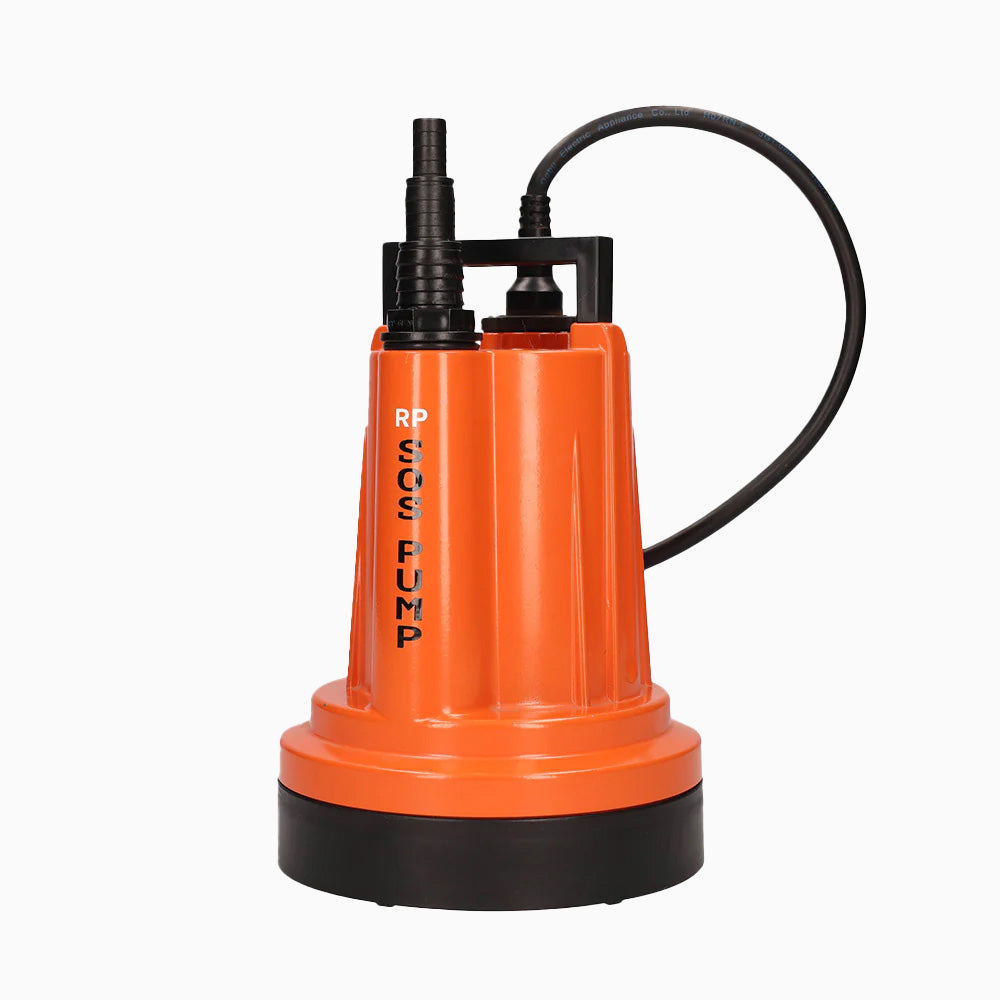
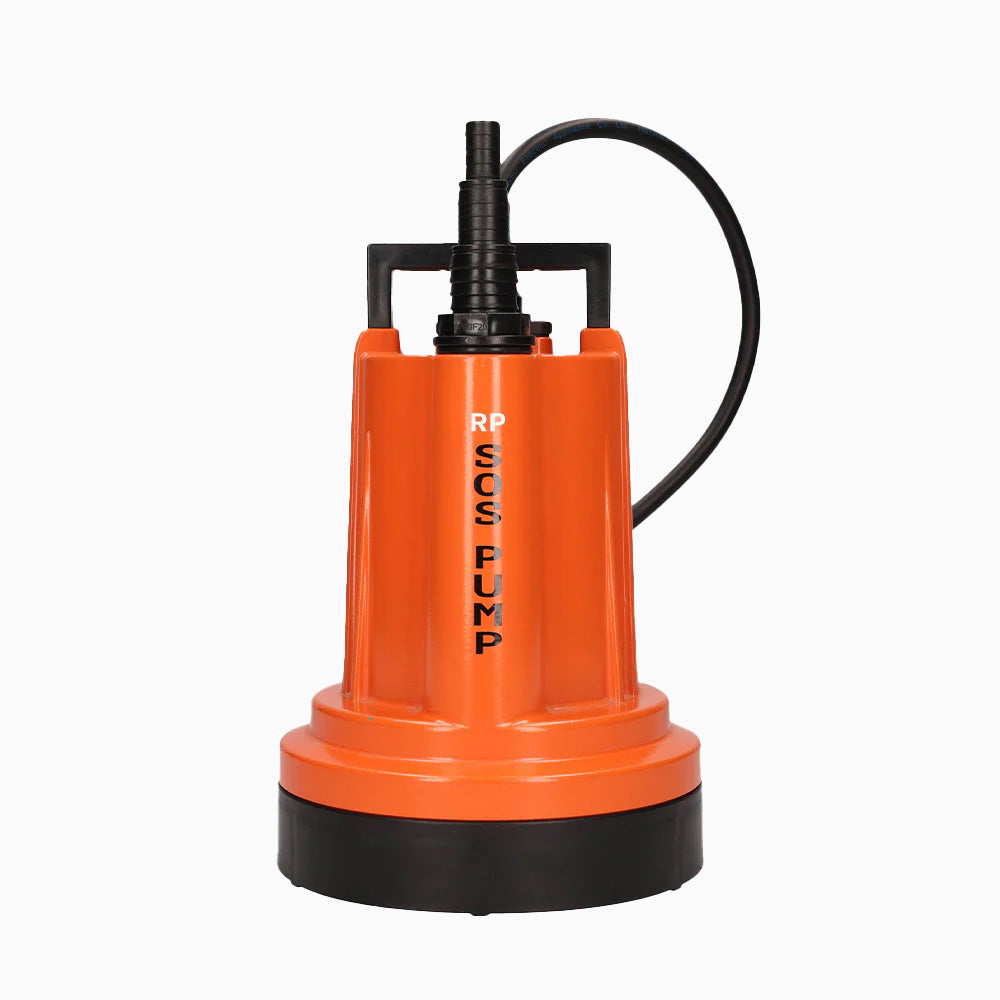
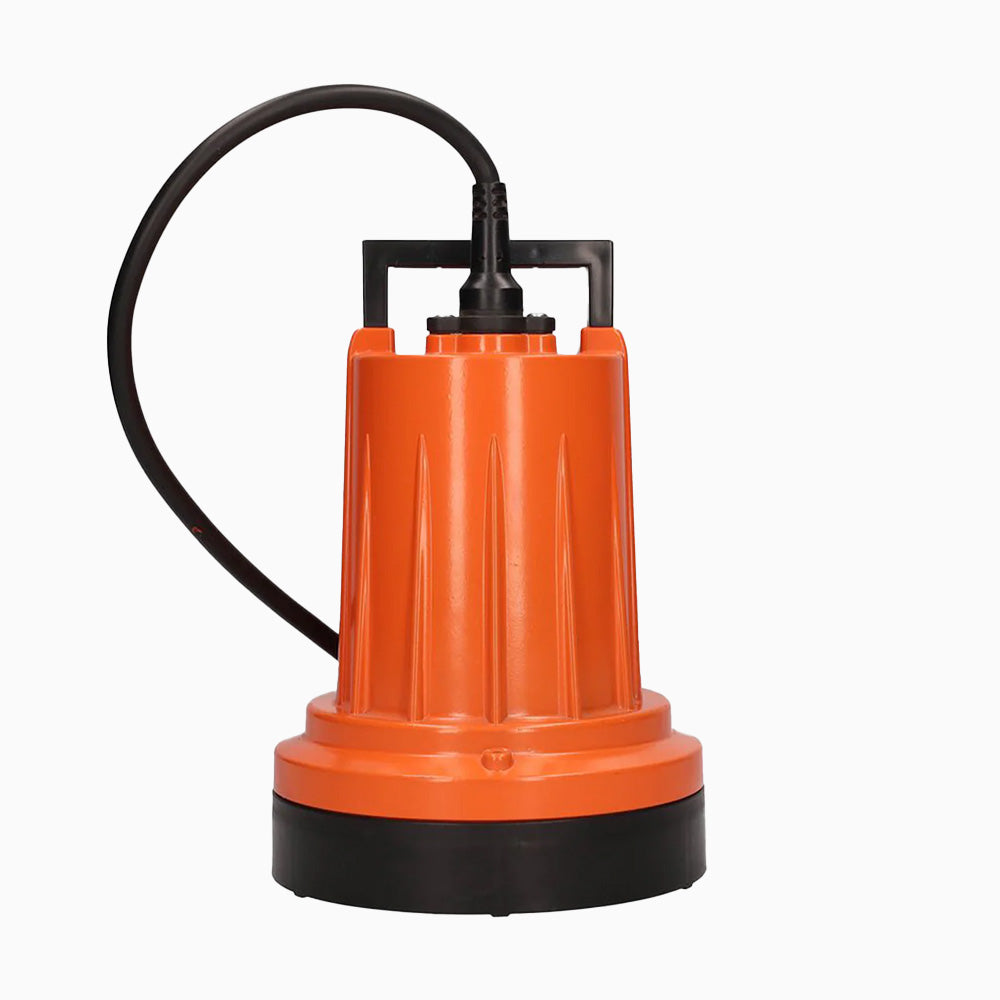
Flat suction submersible pump
Preventive drainage and automatic activation
Want to avoid standing in water at night? Then an automatic setup is the best choice. Because a vacuum cleaner often has to start in very shallow water, a traditional float arm usually doesn't work well. In those cases, an electronic sensor offers a solution. These sensors detect water depths as low as a few millimeters and activate the pump immediately. You can read more about this in the article " Micro-Floor Vacuum Cleaner with Internal Float vs. External Float: What's the Best Choice?" to determine which control system is best for your cellar.
Flat roof and terrace vacuum cleaners
It's not just basements that are at risk. Flat roofs can also suffer from flooding during heavy rainfall. When drains become clogged by leaves, water accumulates. The enormous weight of this stagnant water can lead to leaks or even the collapse of the roof structure. A flat roof vacuum is light and compact enough to place on the roof and drain the water in a controlled manner. See also Flat Roof Vacuums: Prevent Damage from Stagnant Rainwater for specific tips on this application.
What should you pay attention to when purchasing?
When choosing the right pump for flooding, three factors are crucial: pump capacity, residual water level, and particle size. The capacity determines how quickly the water drains, while the residual water level determines how dry the floor becomes. For most household jobs, a pump that can remove up to 2 mm is ideal.
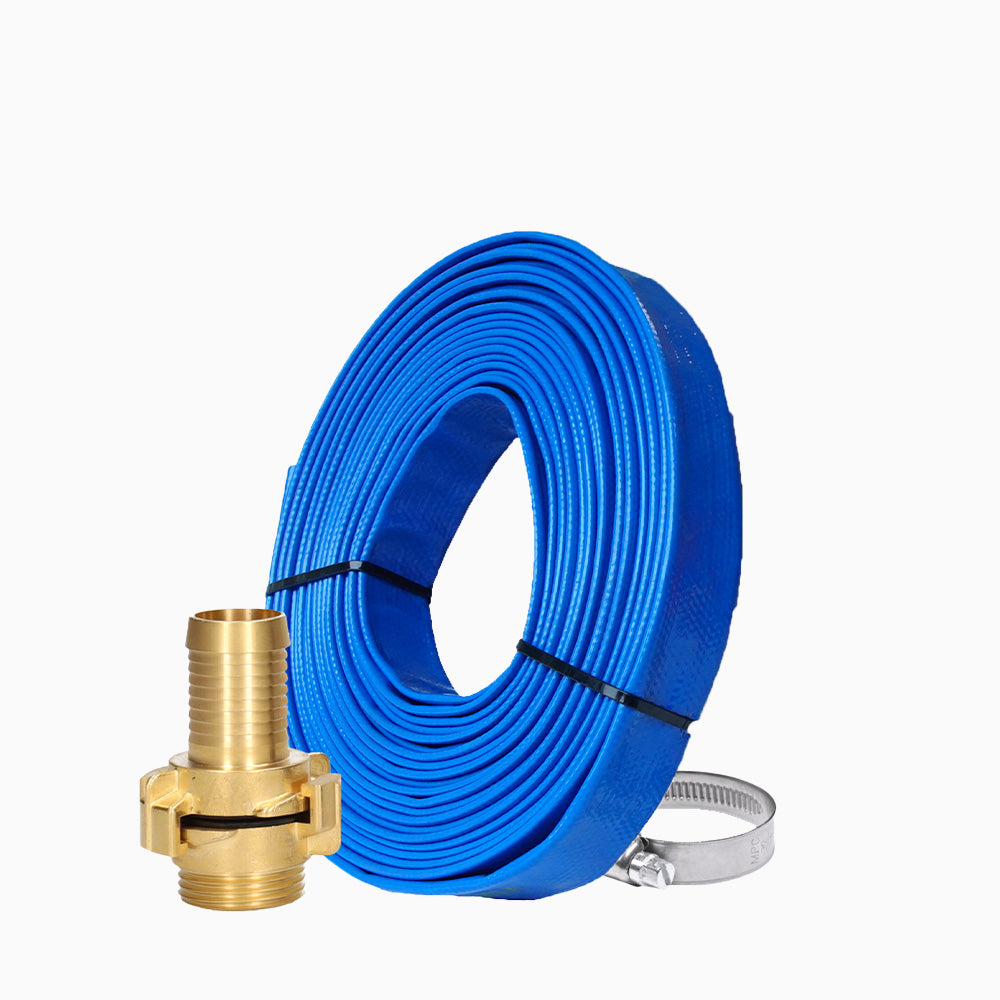
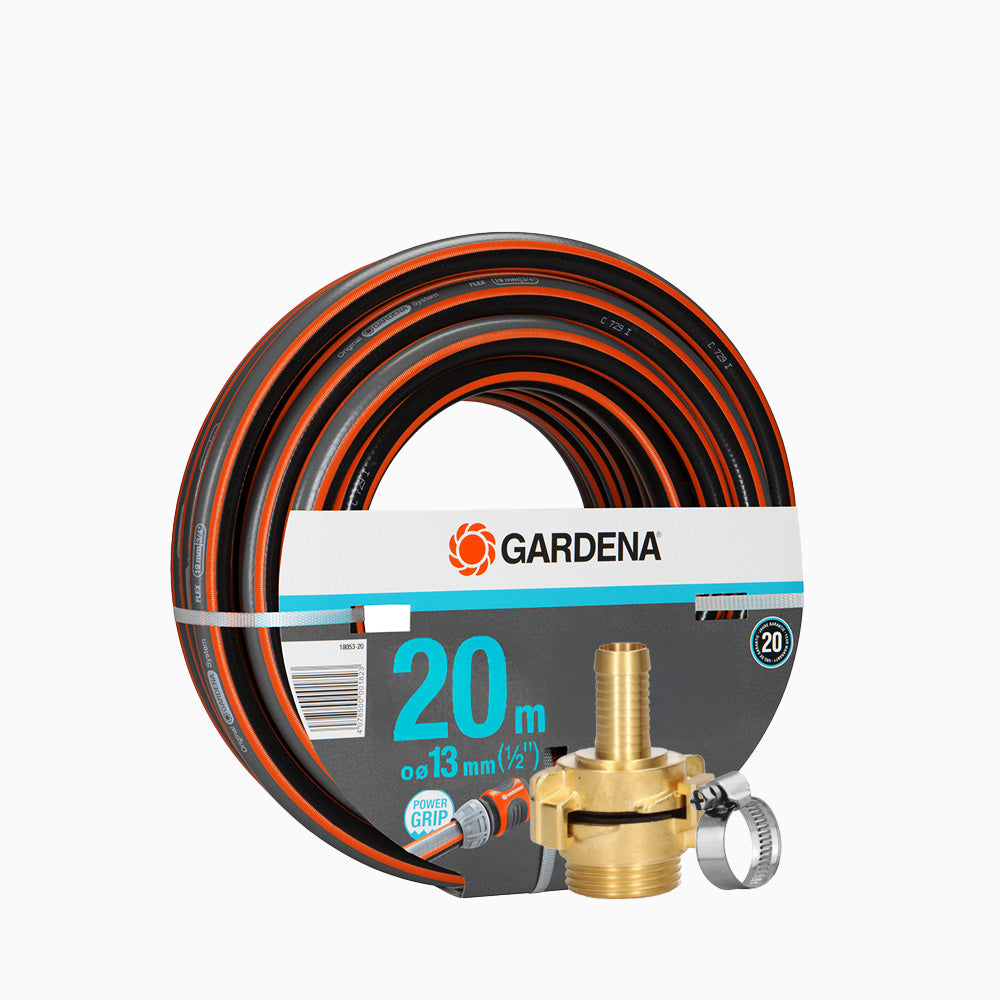
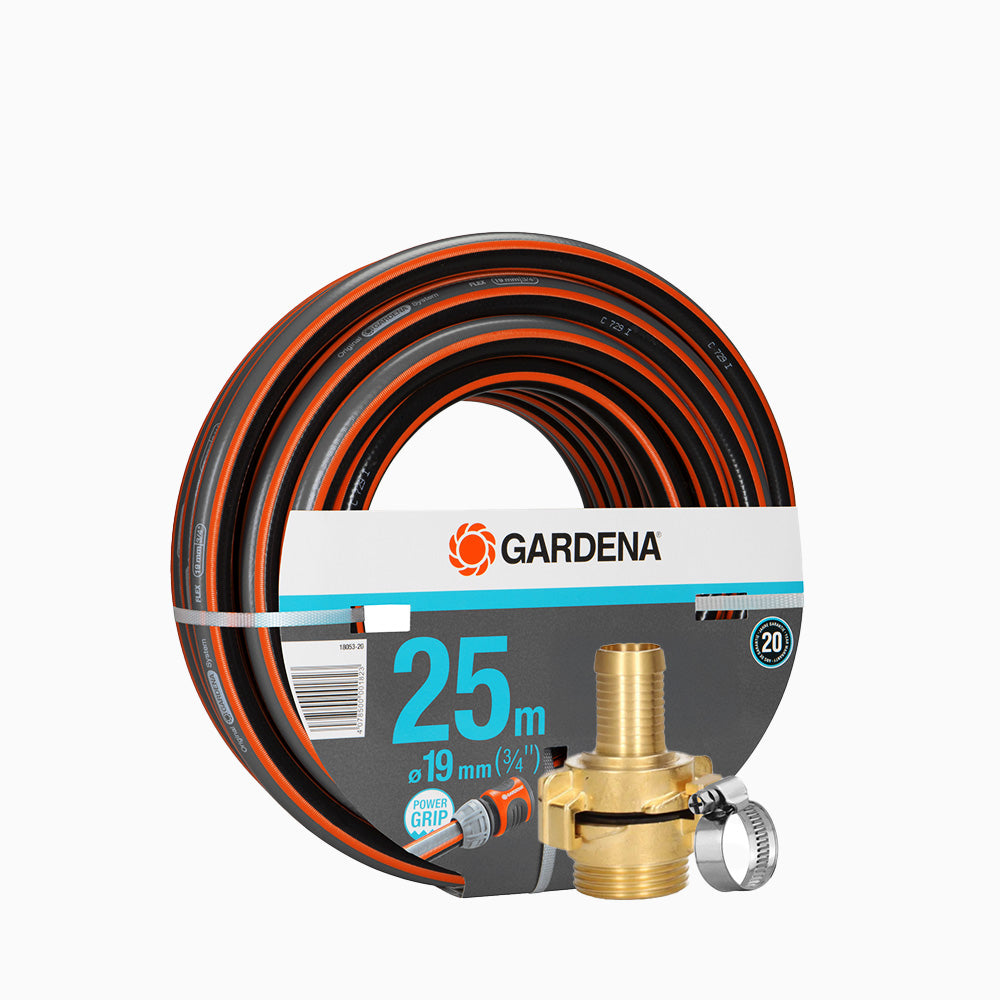
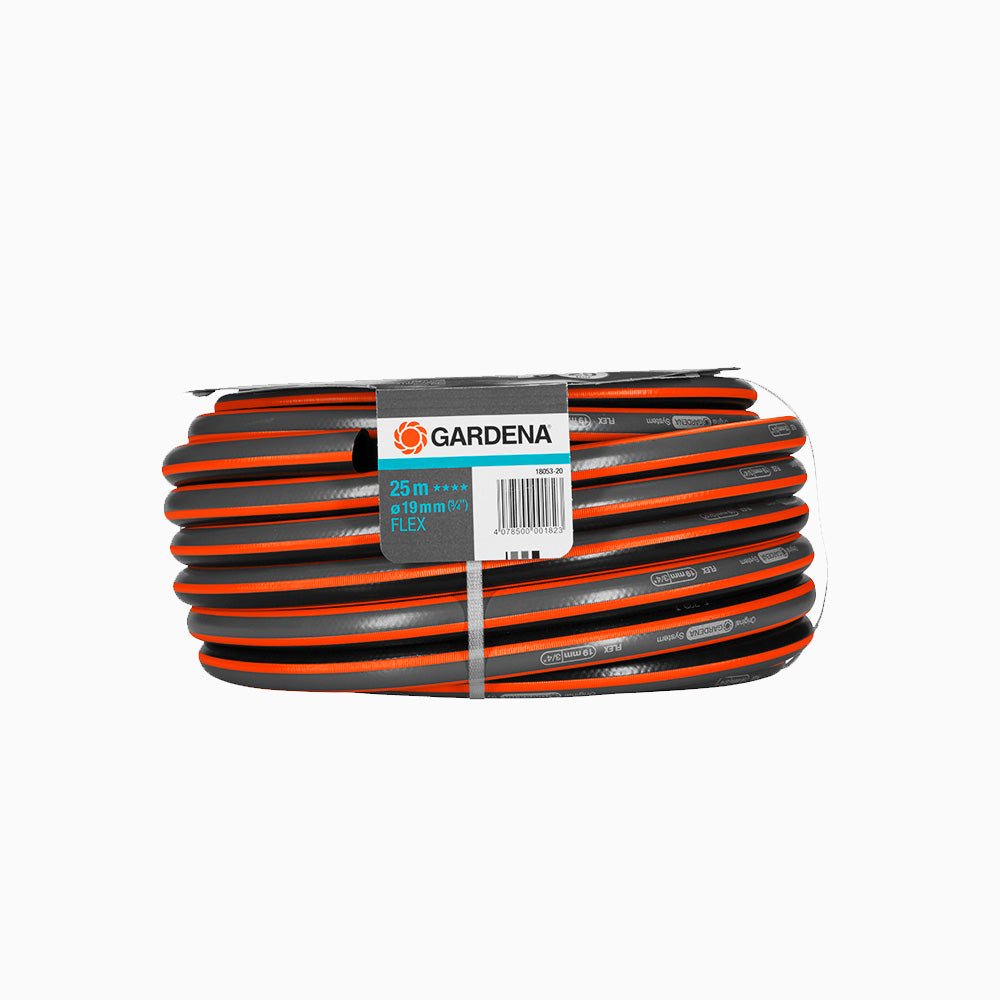
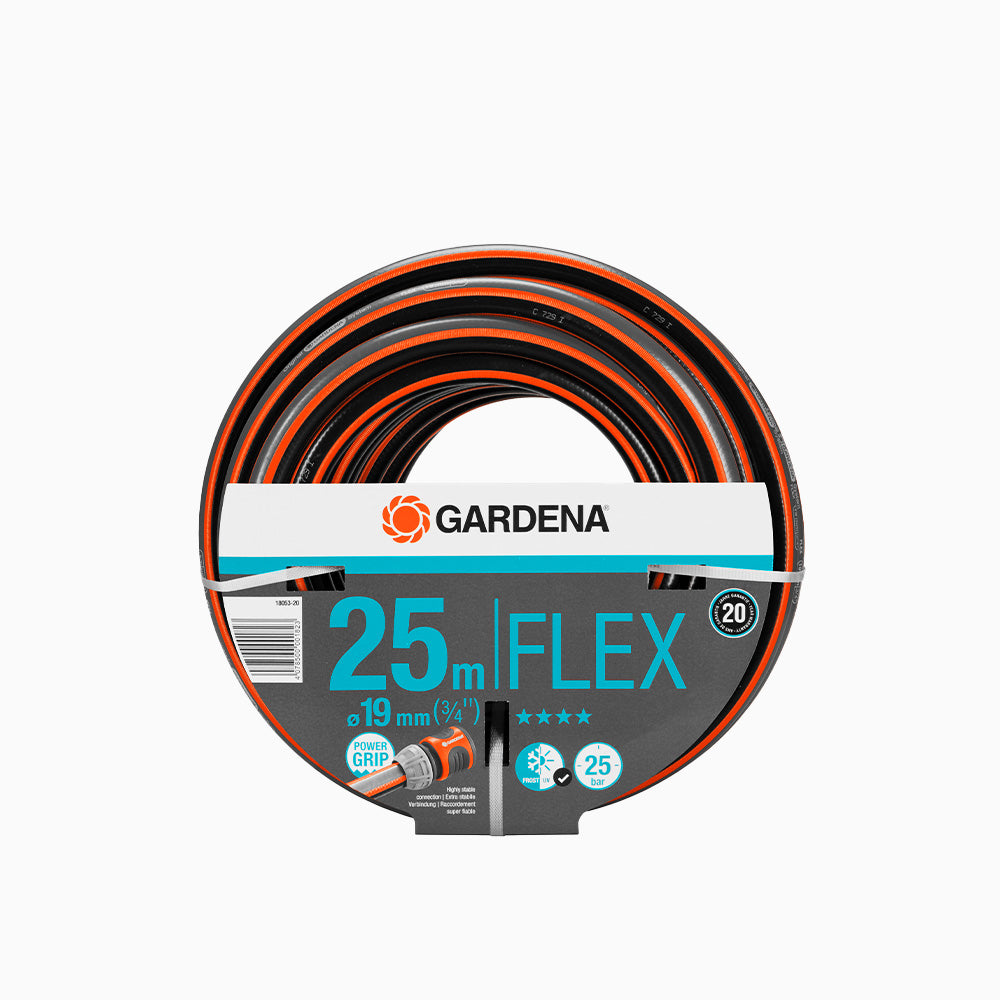
In addition, the correct discharge hose is crucial. A hose that is too thin creates resistance, causing the pump to process fewer liters per hour. In "Connecting the correct hose to your flat vacuum: Diameter and couplings," we explain how to maximize your pump's efficiency.

Submersible pump with water sensor 3mm
Post-use maintenance in case of flooding
Even after the basement is dry, the job isn't quite finished. Because flat-suction pumps often pick up residual sand or dust from the floor, it's essential to thoroughly rinse the pump with clean water after use. This prevents dirt from sticking to the impeller. To extend the life of your equipment, we recommend consulting "Maintenance and Installation of a Flat-Suction Pump."
Frequently asked questions about flat suction cups
Can a flat suction dredger also pump dirty water with stones?
No, a flat suction pump is primarily intended for clean to slightly cloudy water. Because the suction openings are very small (to allow for minimal suction), larger dirt particles can block the pump. For heavily contaminated water, use a submersible sewage pump.
How long can a flat vacuum cleaner run dry?
Most flat vacuums are cooled by the water they pump. While they can run briefly to extract the last millimeters, prolonged dry running is harmful to the motor. Choose a model with thermal protection or an automatic sensor.
What is the difference between a submersible pump and a flat suction pump?
A standard submersible pump often leaves 3 to 5 centimeters of water. A flat suction pump has the suction strainer at the bottom and can therefore operate down to a residual water level of just 1 to 2 millimeters, which we call "mop dry."
Share:
Connecting the correct hose to your flat vacuum cleaner: Diameter and couplings
Maintenance and Installation of a Flat Suction Pump: The Complete Guide