

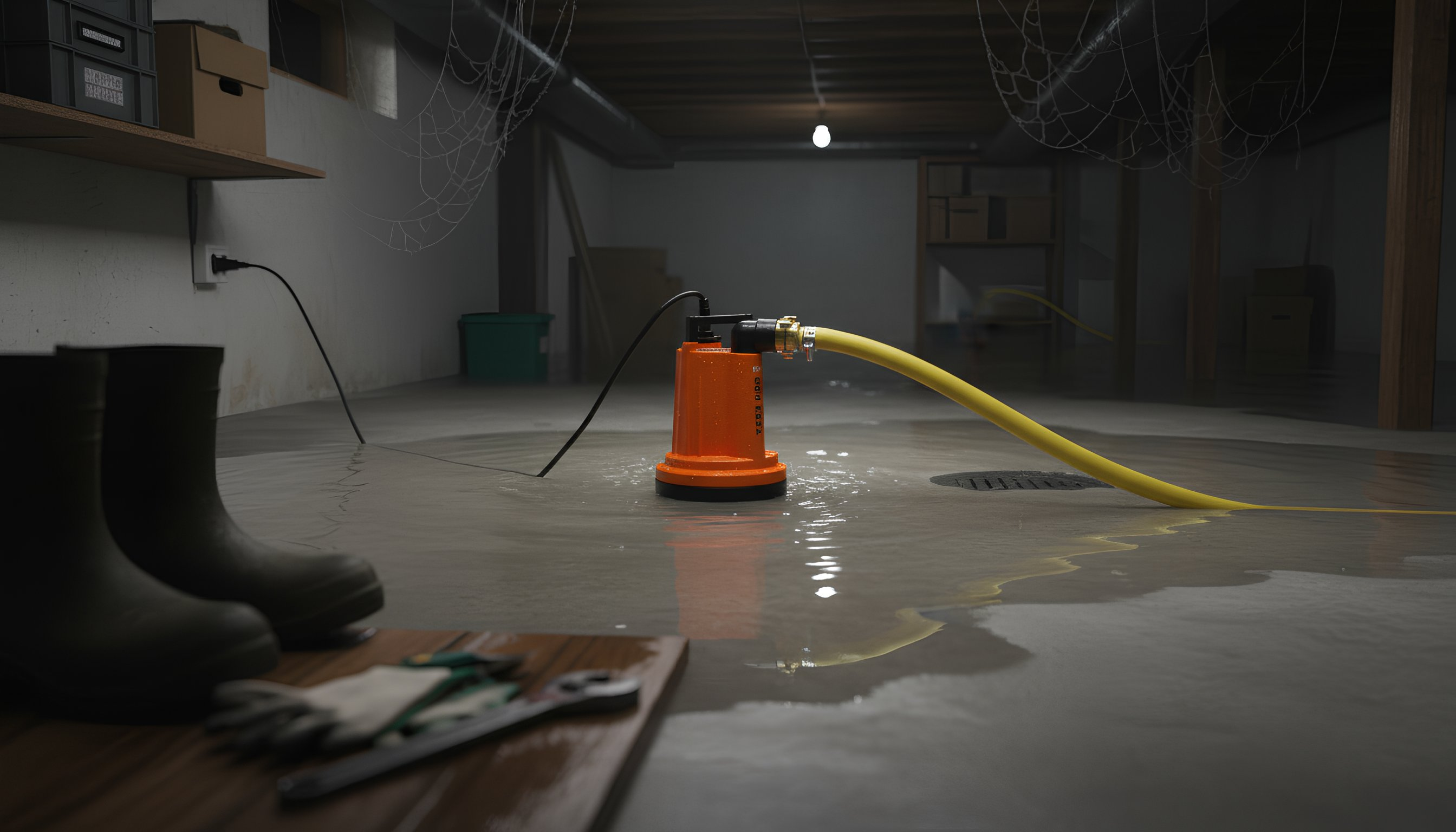
Are you standing in water in your basement, or is a thick layer of rainwater pooling on your flat roof? Choosing the right vacuum cleaner is essential for preventing water damage and leaving spaces truly dry.
What is a flat suction dredge and when do you need one?
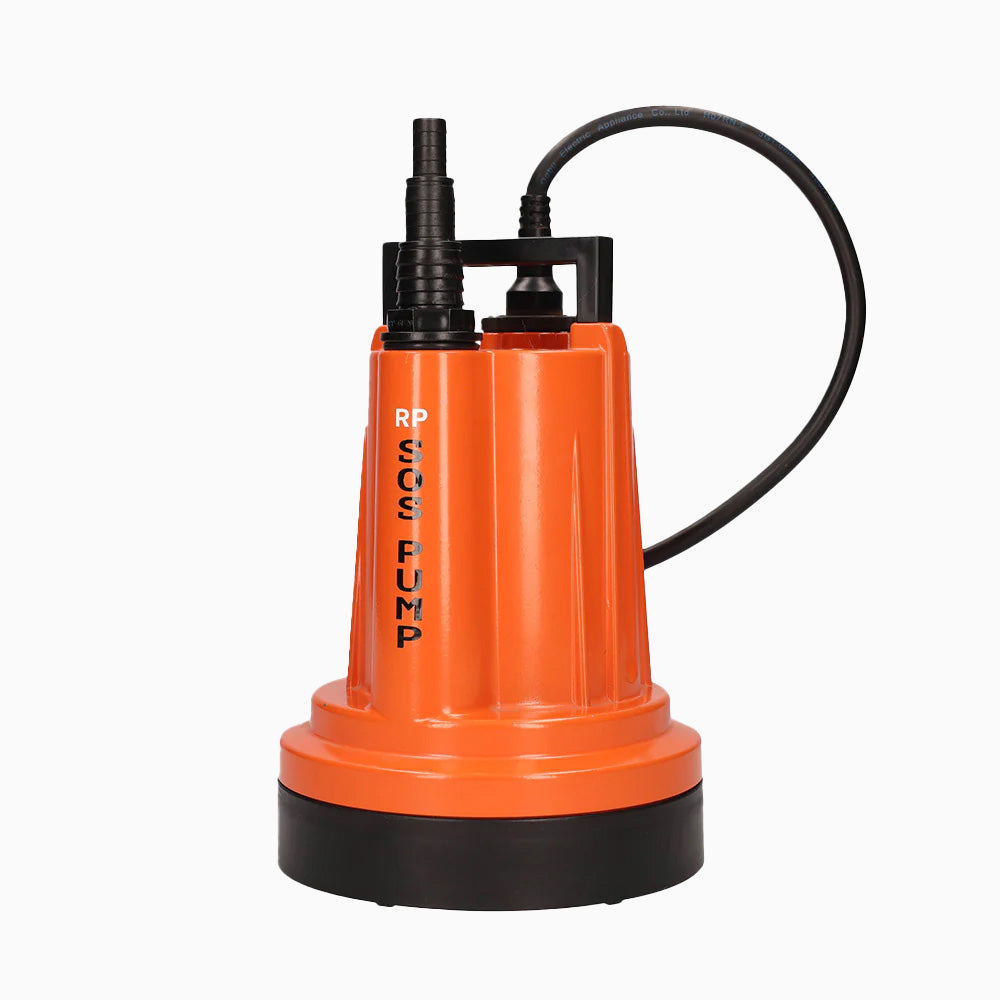
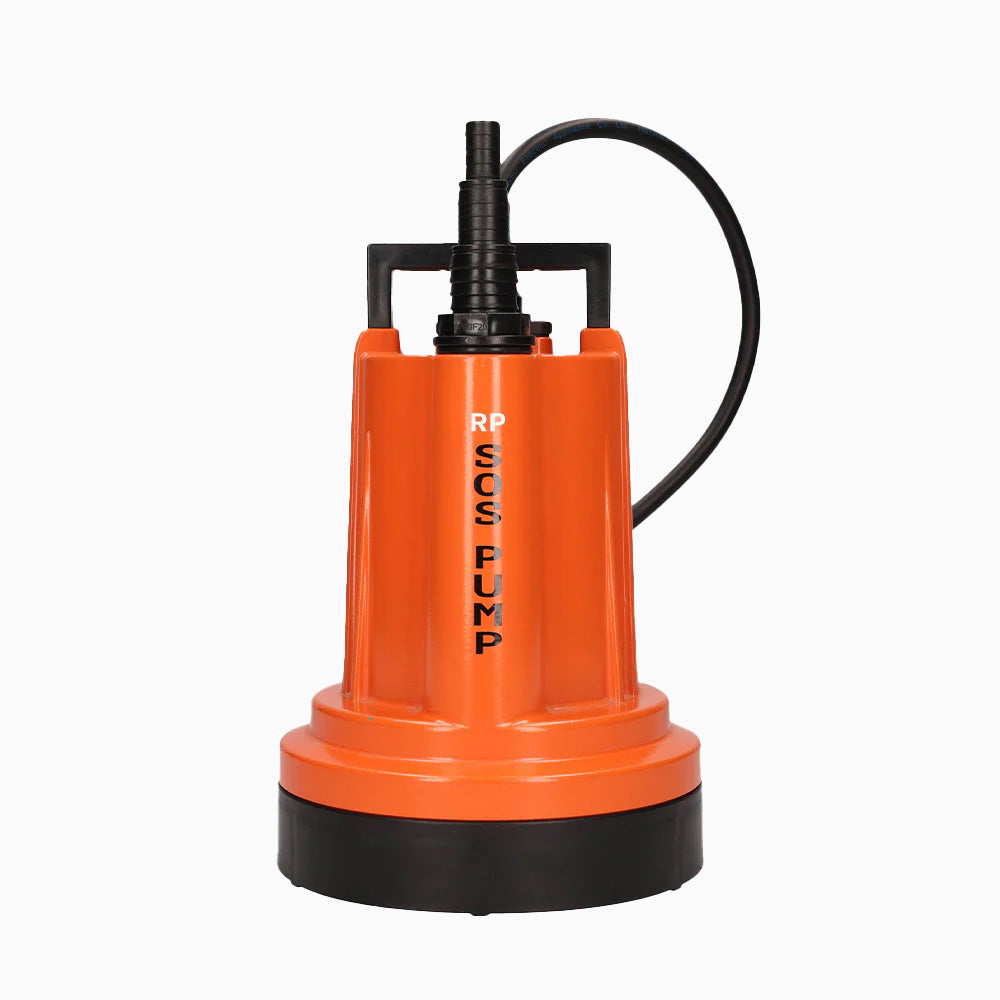
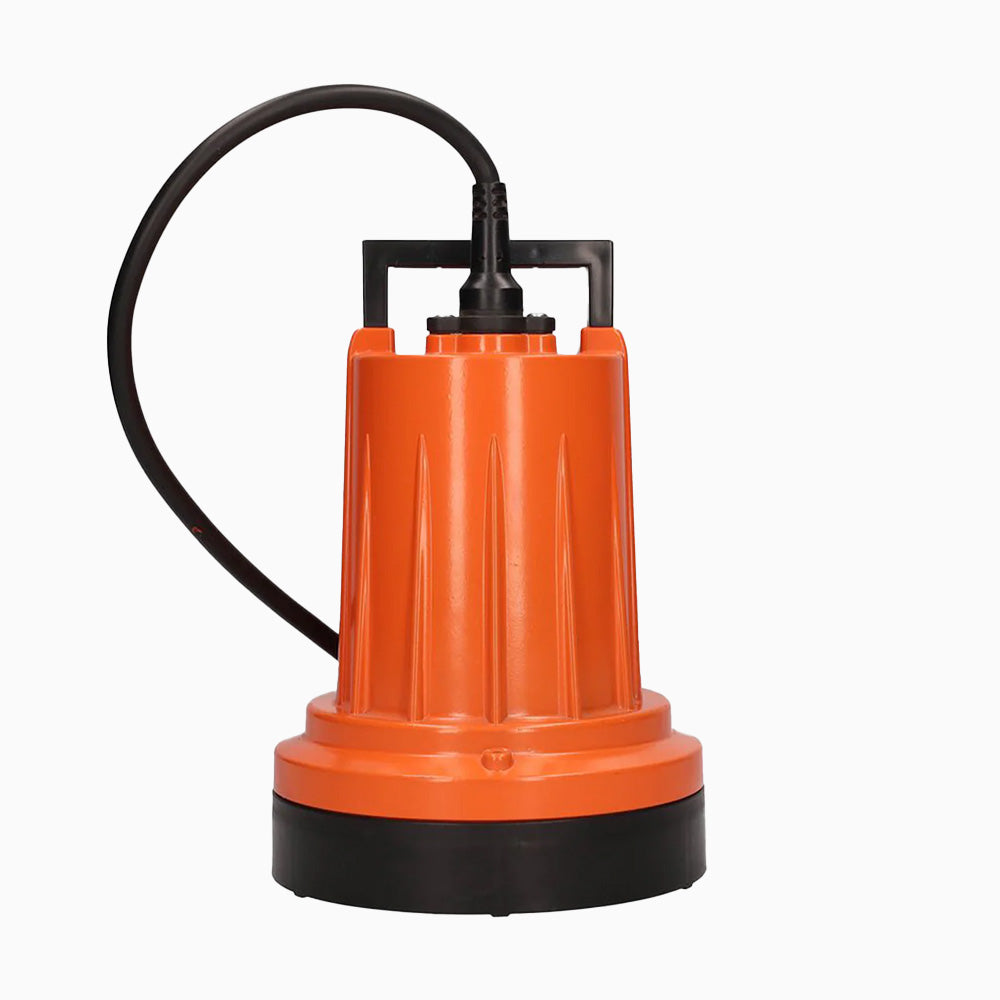
A flat suction pump, also called a mop-drying pump, is a specific type of submersible pump designed to remove water to a very low level. While a standard submersible pump often stops at a water level of 2 or 3 centimeters, a flat suction pump continues until only 1 or 2 millimeters of water remains. This makes the pump ideal for situations where the floor needs to be walkable again immediately after use.
A flat vacuum is primarily used for clean to slightly contaminated water. Think of a flooded basement due to heavy rainfall, draining a swimming pool, or removing water from a flat roof. For more specific information about dry vacuuming, you can also consult The Ultimate Guide to Flat Vacuums: Everything You Need to Know About Dry Vacuuming .
Important factors when choosing a flat suction cleaner
Not every pump is the same. To make the best choice for your specific situation, you should consider three main factors: capacity, float type, and pump material.
1. Pump capacity (m3/hour)
The capacity determines how quickly the water is drained. For a small leak in a basement, a pump that handles 5,000 liters per hour is sufficient. However, if you're dealing with a large surface area or need to move the water over a significant height (head), you'll need more power. Read more about this in What should you consider when determining the pump capacity (m³/hour) of a surface-suction vacuum?
2. The float system: Automatic or manual?
This is perhaps the most important choice. A flat vacuum without a float requires manual activation and deactivation. This is fine for a one-time job like emptying a swimming pool, but inconvenient for persistent flooding. There are several automatic systems:
- Internal float: Ideal for narrow wells as there are no moving parts extending outside the pump.
- Water sensor/electrode: These sensors detect water as shallow as 1 mm and activate the pump immediately. This is the most accurate method for a dry mop result.
For a deeper dive into this technique, we refer to Flat Suction with Internal Float vs. External Float: What is the Best Choice? .

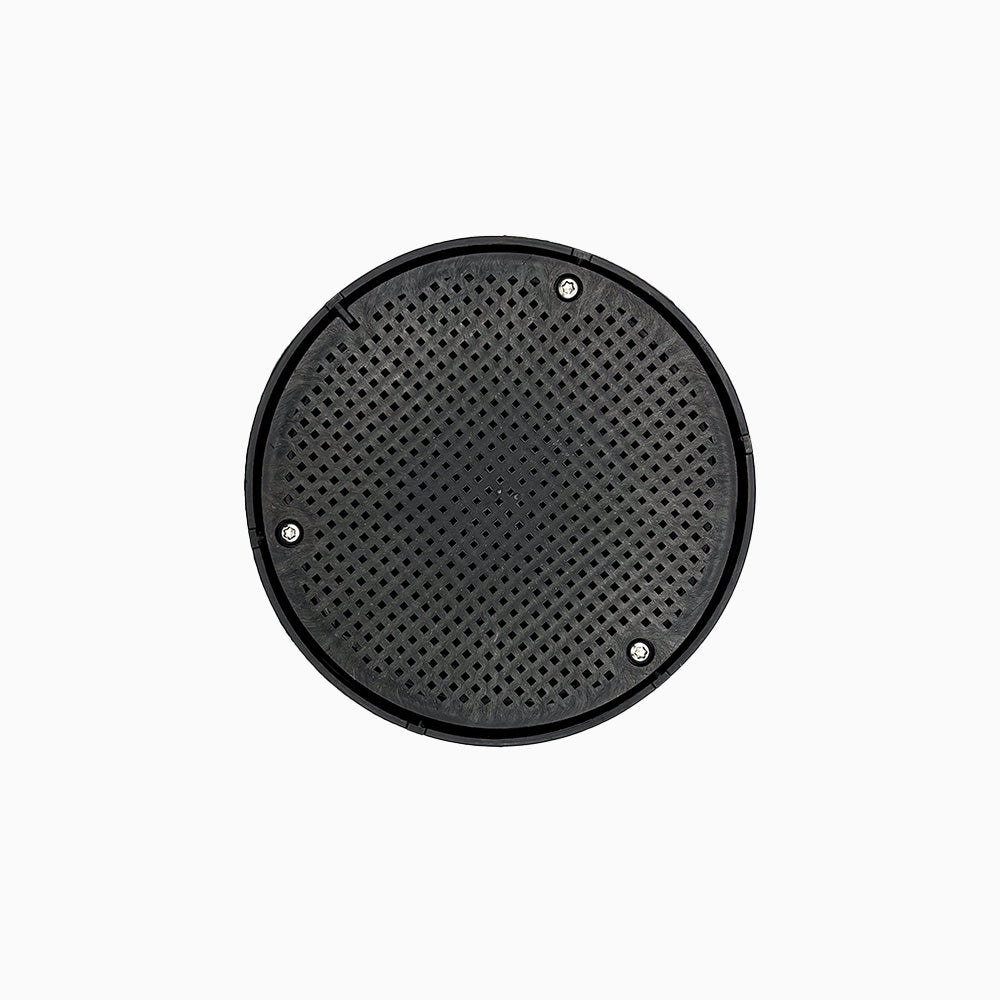
Submersible pump with water sensor 3mm
3. Material use and sustainability
For occasional use at home, a plastic housing is often sufficient. However, if the pump is used frequently or is located in an environment where it must withstand impacts, an aluminum or stainless steel housing is recommended. Aluminum dissipates heat more effectively, which benefits the motor's lifespan during extended use. The advantages of a stainless steel flat suction pump for professional use explain why professionals often choose more robust materials.
Practical applications
The situation determines which model is most effective. Below, we discuss two common scenarios.
Basement drainage
In a basement, space is often limited. A pump with an external float arm can get stuck against the wall, causing the pump to continue running or fail to start. In this case, a model with an electronic sensor is the best solution. Also check out our "Basement flooded? Step-by-step plan for mop-dry pumping" for an effective approach.
Flat roof and swimming pools
On a flat roof, water is often spread over a large area, but the layer is very thin. Here, you need a pump that can draw water very low without sucking in air. For swimming pools, you often want to remove the last bit of water that a standard filter system can't. Emptying a swimming pool with a flat vacuum: Tips for removing the last bit of water offers useful tips.

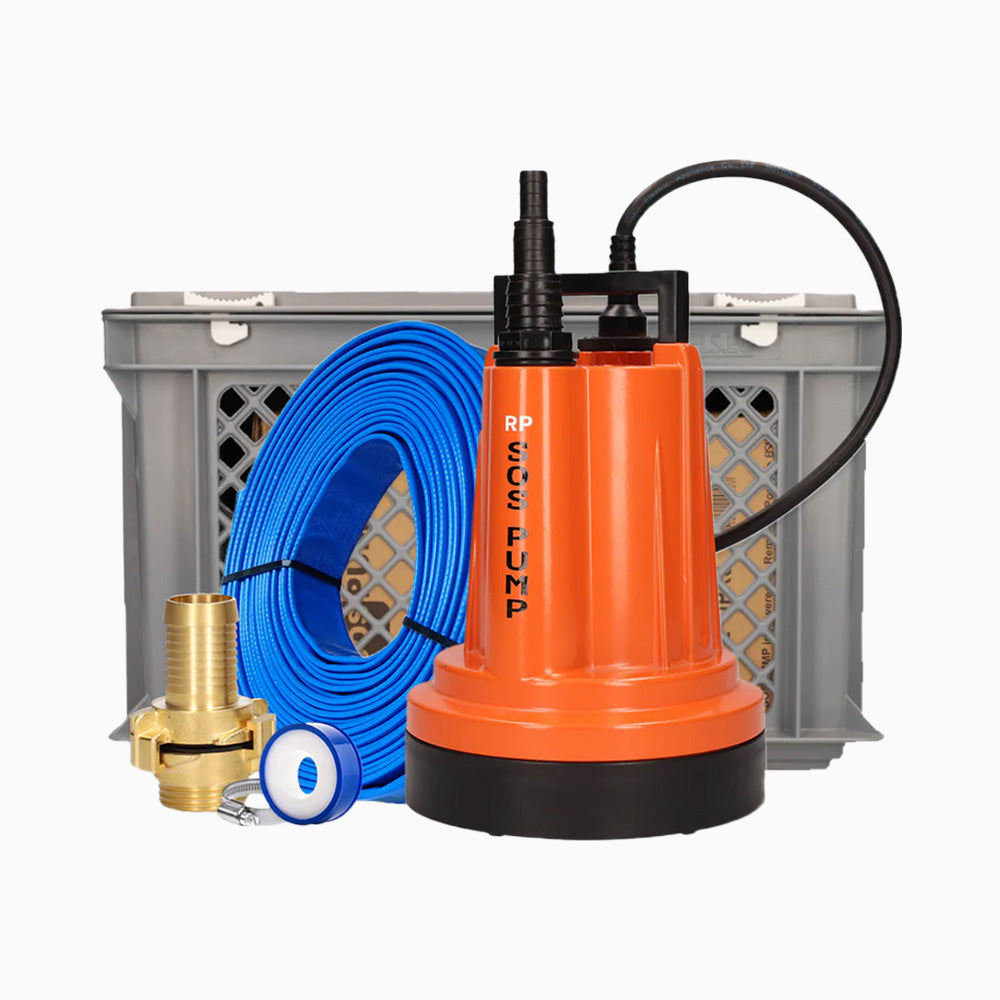
Plug & Play Submersible Pump Set
Accessories that make a difference
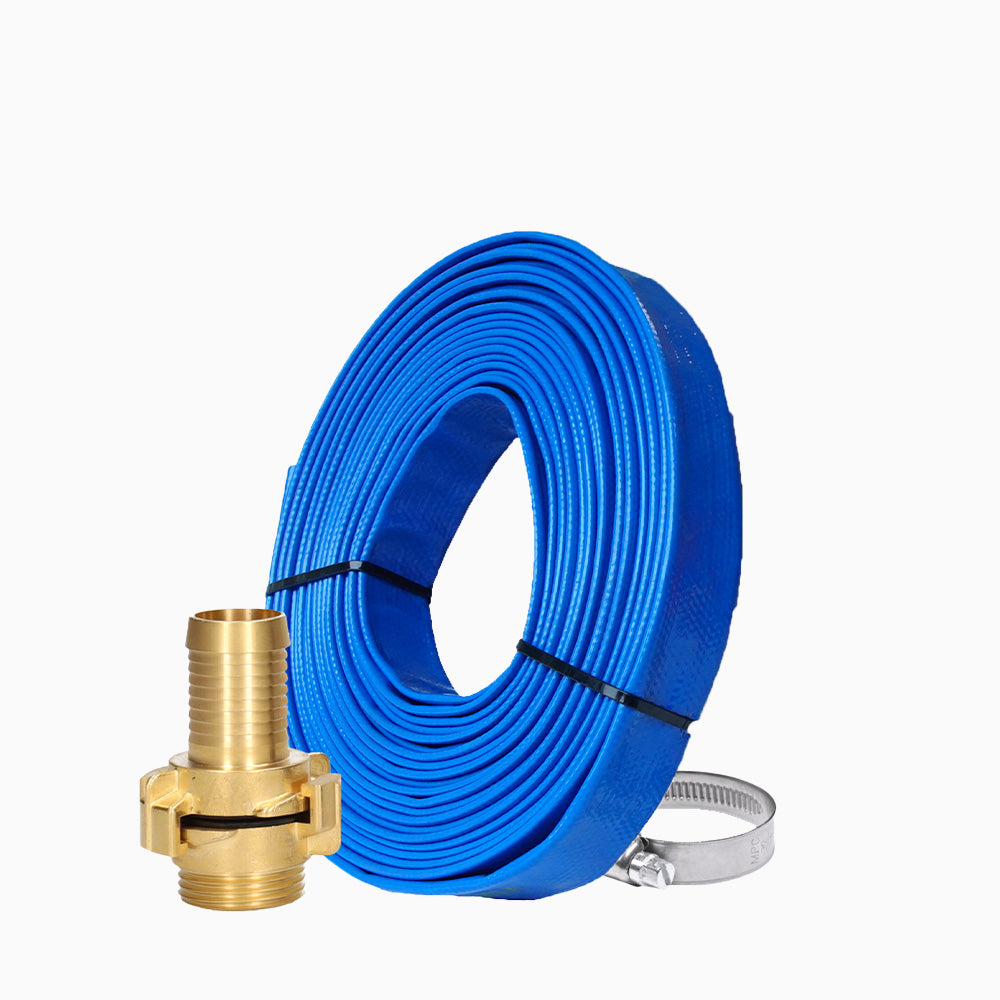
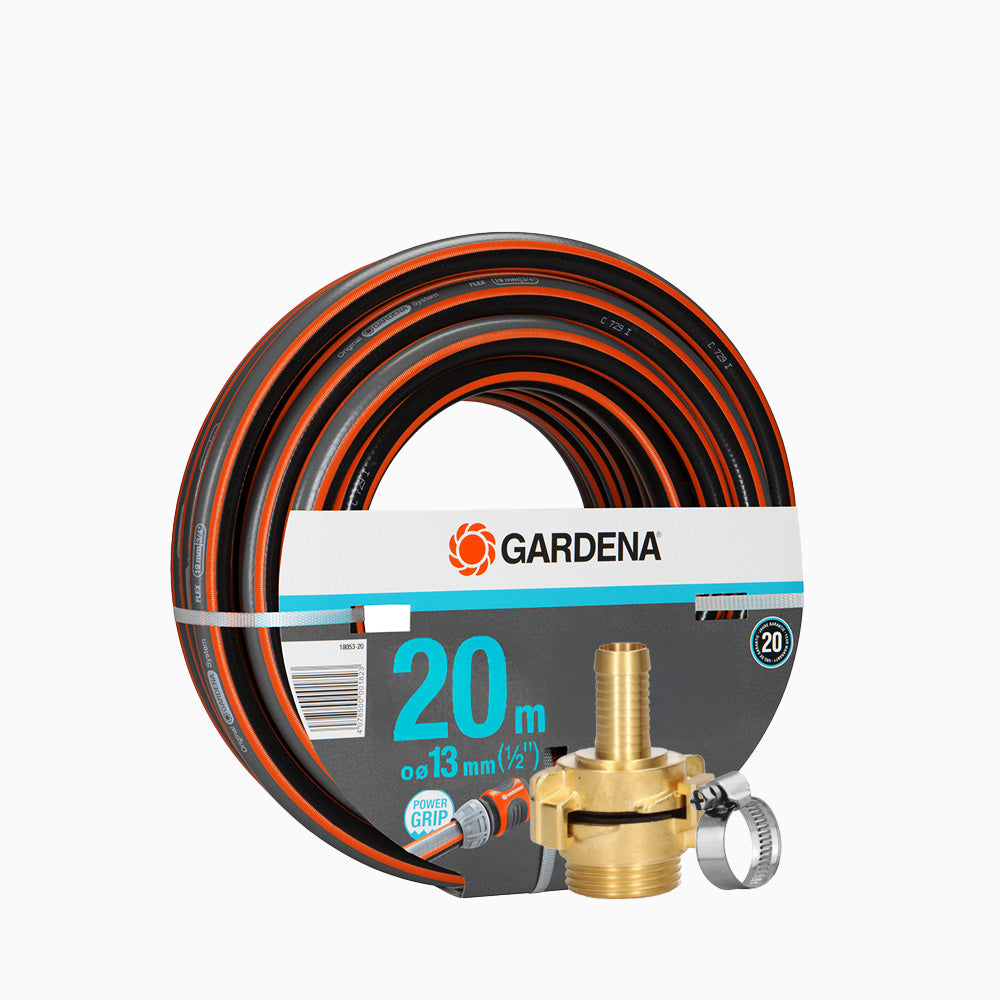
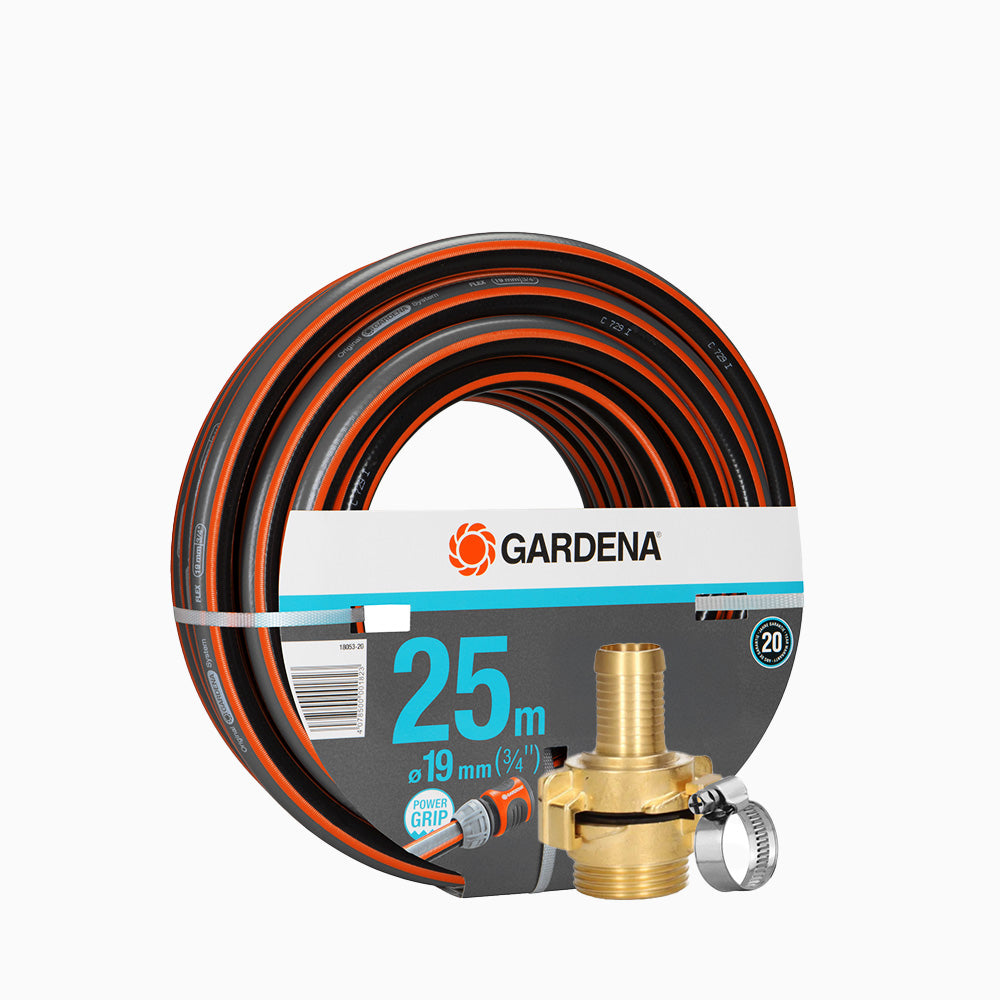
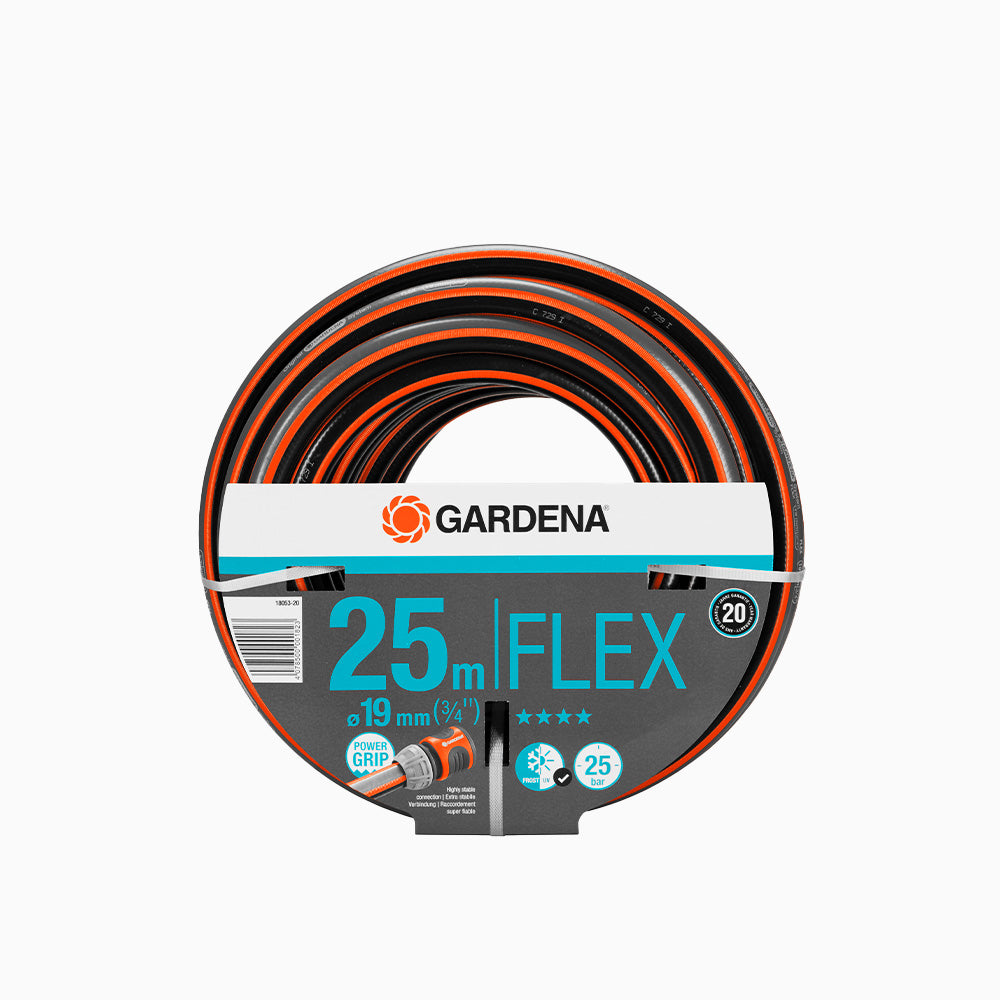
A good pump is only half the battle. The right discharge hose is crucial. If you use a hose that's too thin (like a standard garden hose), the pump will experience too much resistance and you'll lose a lot of capacity. For a flat vacuum, we recommend at least a 25mm or 32mm hose. You can read how to connect this correctly in "Connecting the right hose to your flat vacuum: Diameter and couplings ."
Frequently asked questions about flat suction cups
Can a flat suction dredger also pump dirty water?
Flat vacuums are primarily designed for clean to slightly contaminated water (such as rainwater). Sand or small stones can damage the impeller or clog the underside. For heavy soiling, a submersible dirty water pump is better, but it won't pump mop-dry.
How low does a flat suction dredger pump out water?
Most quality vacuum cleaners pump away water to a residual level of 1 to 2 millimeters. This is also called "mop dry" because the remaining moisture can easily be removed with a mop.
Why does my flat vacuum cleaner keep stopping?
This could be caused by air in the pump housing or an improperly adjusted float. More solutions can be found in the article "Flat Suction Pump Doesn't Start or Stops Too Early: Causes and Solutions ."
Share:
The Ultimate Guide to Flat Vacuums: Everything You Need to Know About Mop Dry Pumps
The Ultimate Guide to Flat Vacuums: Everything You Need to Know About Mop Dry Pumps