

The time has come: the swimming season is over, or the water needs replacing. Draining a pool seems like a simple task, but to prevent damage to your pool and problems with the neighbors or the municipality, proper preparation is essential.
Why and when should you drain your pool?
There are several reasons why you might decide to turn on the tap or use the pump. While modern water maintenance with chlorine and filters can solve many problems, it's sometimes necessary to completely empty the pool. This is usually done during major maintenance, liner repairs, or when the water quality can no longer be restored due to an excess of cyanuric acid.
For above-ground pools, such as those from Intex or Bestway, emptying them is often an annual ritual at the end of the summer. Storing a dry and clean pool significantly extends its lifespan. However, with in-ground pools, completely emptying them is rarely necessary and can even be risky. Read more about this in our article "Groundwater Pressure: The Risk of a Completely Empty In-ground Pool ."
The right supplies for pumping out
To empty a pool efficiently, you need more than just a hose. The speed of the process is determined by the pump's capacity and the diameter of the discharge hose. A standard garden hose often has a diameter that's too small, resulting in high resistance and a pump that processes fewer liters per hour.
Flat suction vs. wastewater pump
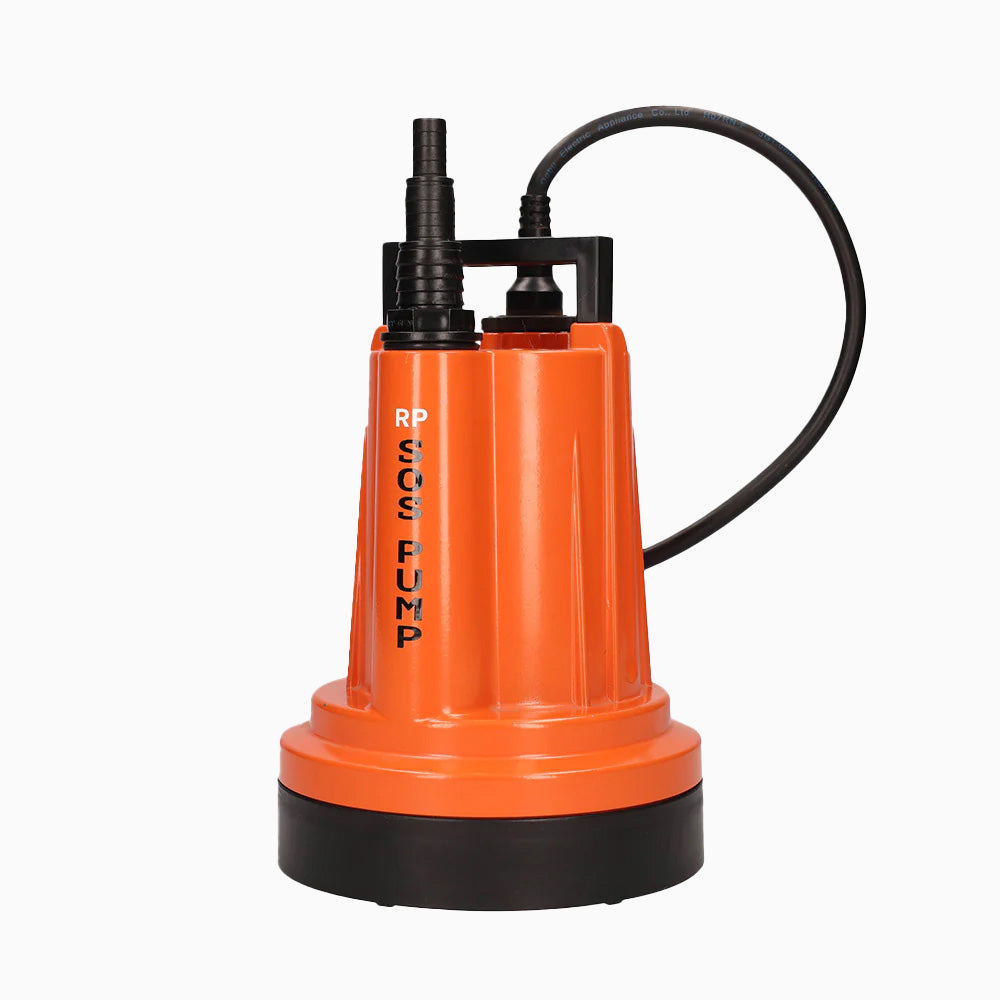
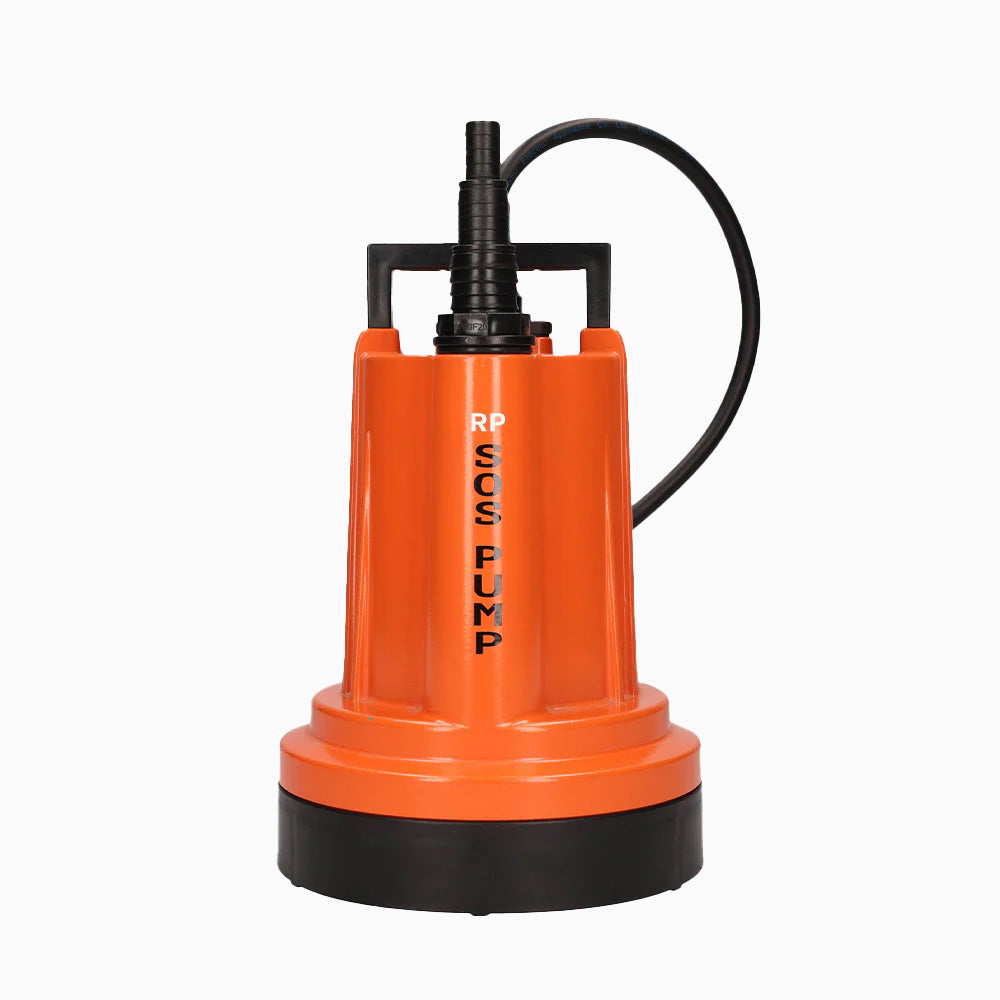
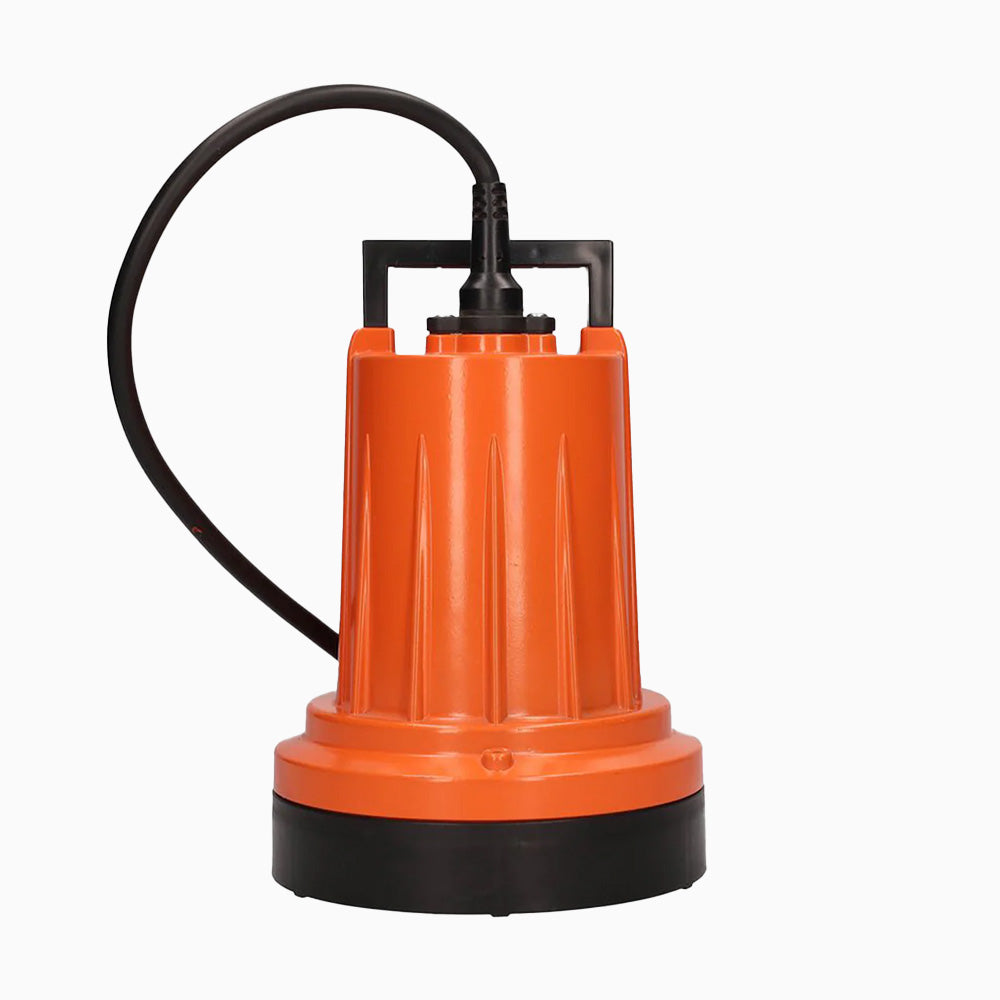
The choice of pump is crucial. Do you have clean water with only a little residue? Then a flat suction pump is the best choice. These pumps can suck up water down to just a few millimeters, so you don't have to use buckets and mops. Is the water heavily contaminated with leaves or twigs? Then you'll need a dirty water pump, although these often leave more residual water.
For most private pools, we recommend a powerful vacuum that leaves the pool practically dry. This saves hours of manual labor when cleaning those last few centimeters of water.

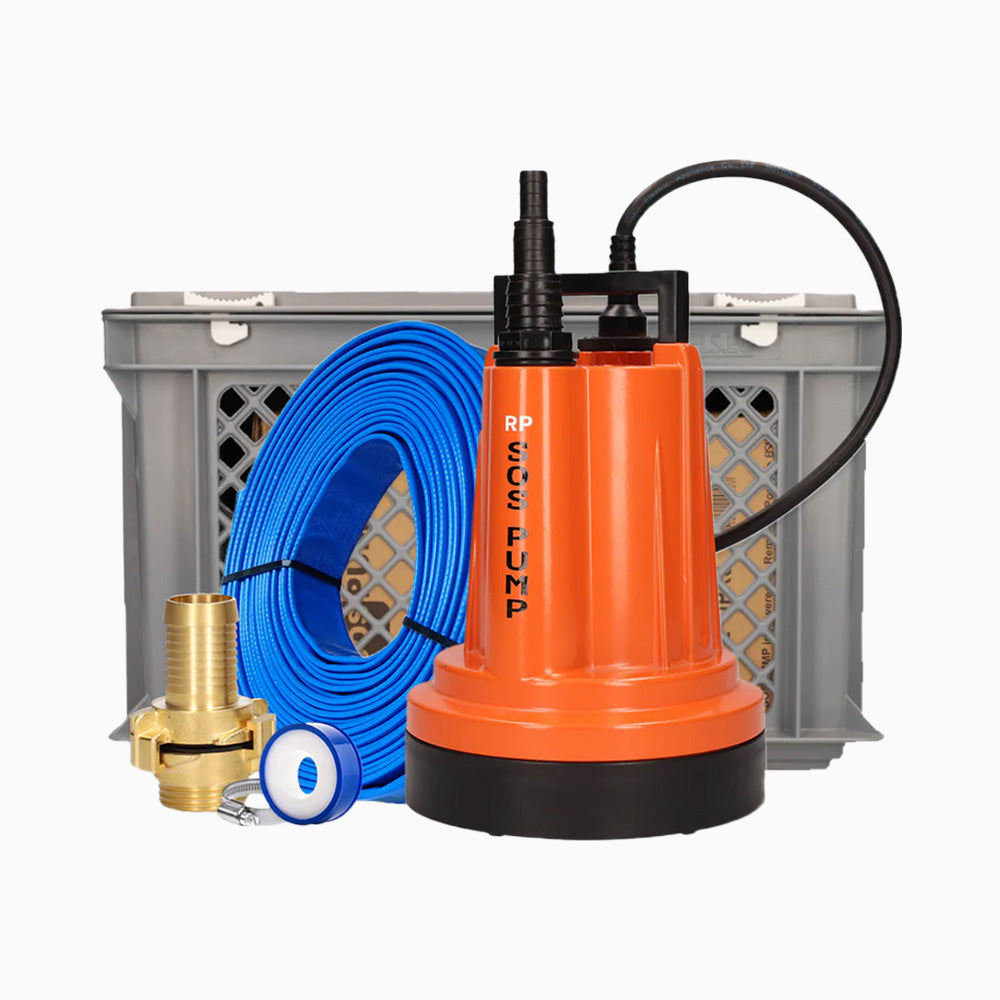
Plug & Play Submersible Pump Set
Step-by-step plan: How to tackle it
The process varies by type of bath, but the basic principles remain the same. Follow these steps for a safe process:
- Check the water quality: Stop adding chlorine at least 48 hours in advance. This is better for the environment and is often mandatory when disposing of the water.
- Choose your outlet: Determine where the water will go. Consult "Regulations and Drainage: Where Should Pool Water Go?" for local regulations.
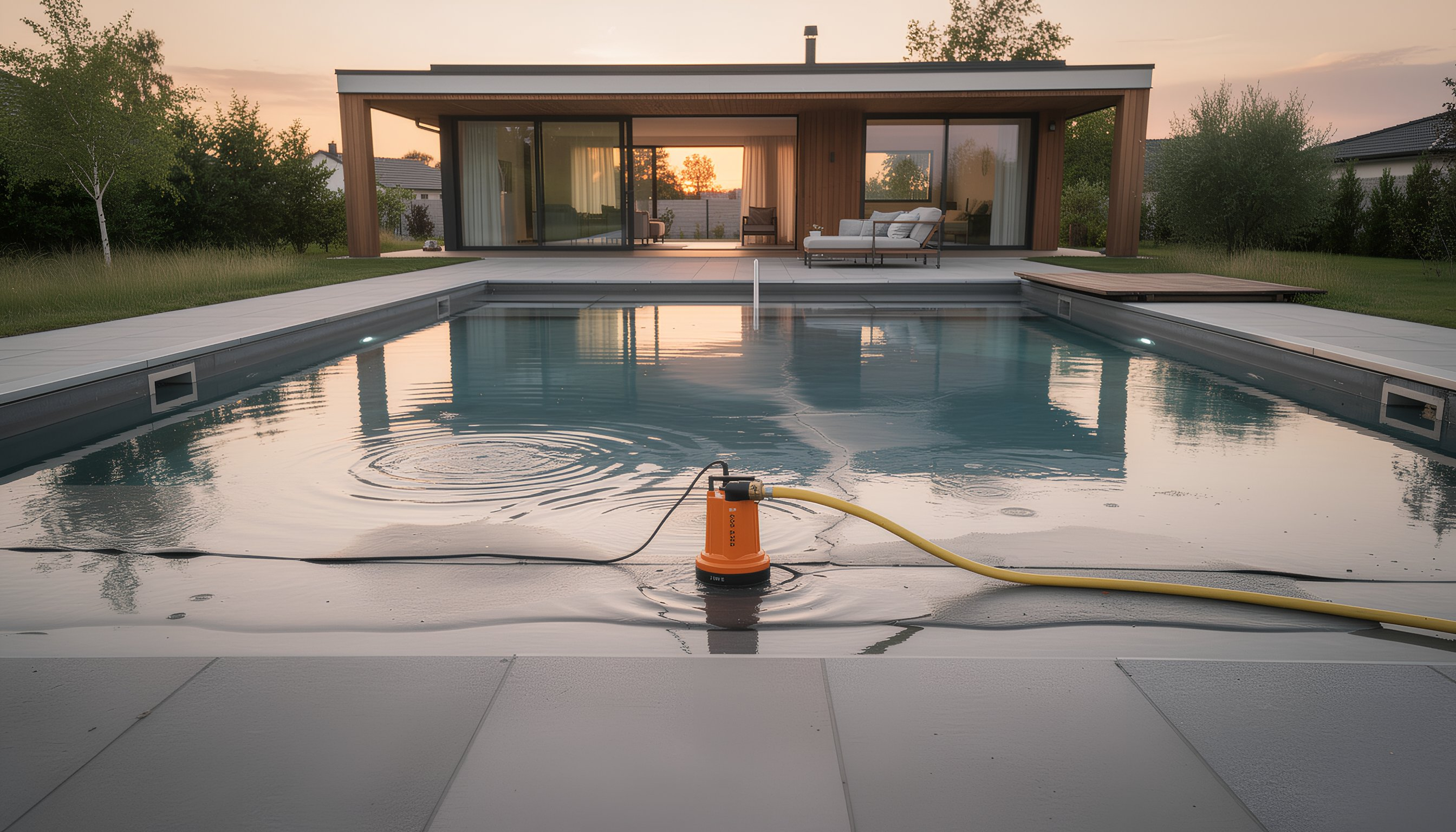
- Place the pump: Place the submersible pump at the deepest point. For an above-ground pool, this is often the middle.
- Connect the hoses: Use a hose with a large diameter (e.g. 25mm or 32mm) to minimize resistance.
- Start the pump: Keep an eye on the pump, especially when the water level becomes low.
Want more details on each pool type? Check out our Step-by-Step Guide: Emptying Different Types of Pools .
Rules and environment: Where do you put the water?
A frequently asked question is: Is it allowed to discharge swimming pool water into the sewer system? Regulations can vary significantly from municipality to municipality . In most cases, discharging chlorinated water into surface water (ditches and ponds) is prohibited. The sewer system is often the safest option, but during heavy downpours, the municipality may request that this not be done to prevent overload.
Increase efficiency with the right accessories
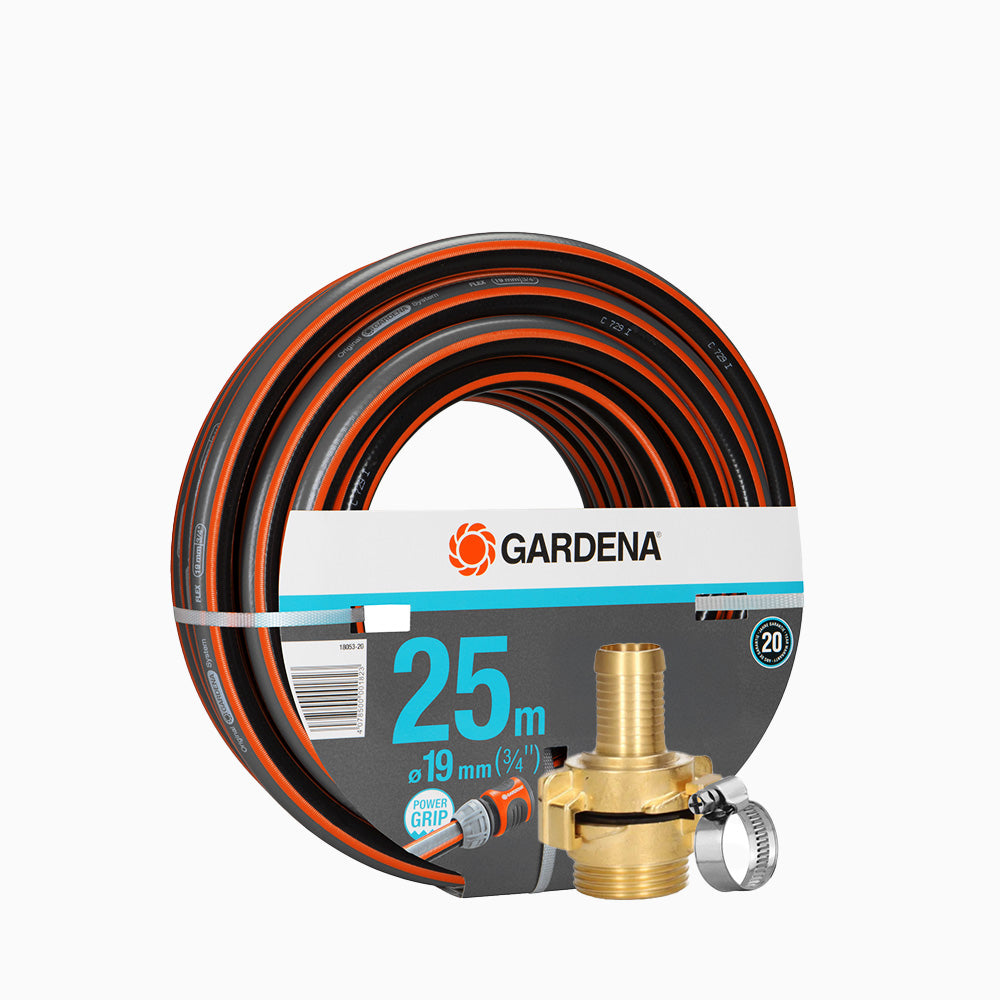
Nothing is more frustrating than a hose that comes loose or a pump that starts sucking air even though there's still four inches of water in it. Good fittings and a sturdy drain hose make the difference between an afternoon's work and a whole day of frustration. For fast drainage, a hose set with a larger diameter than a standard garden hose is recommended.

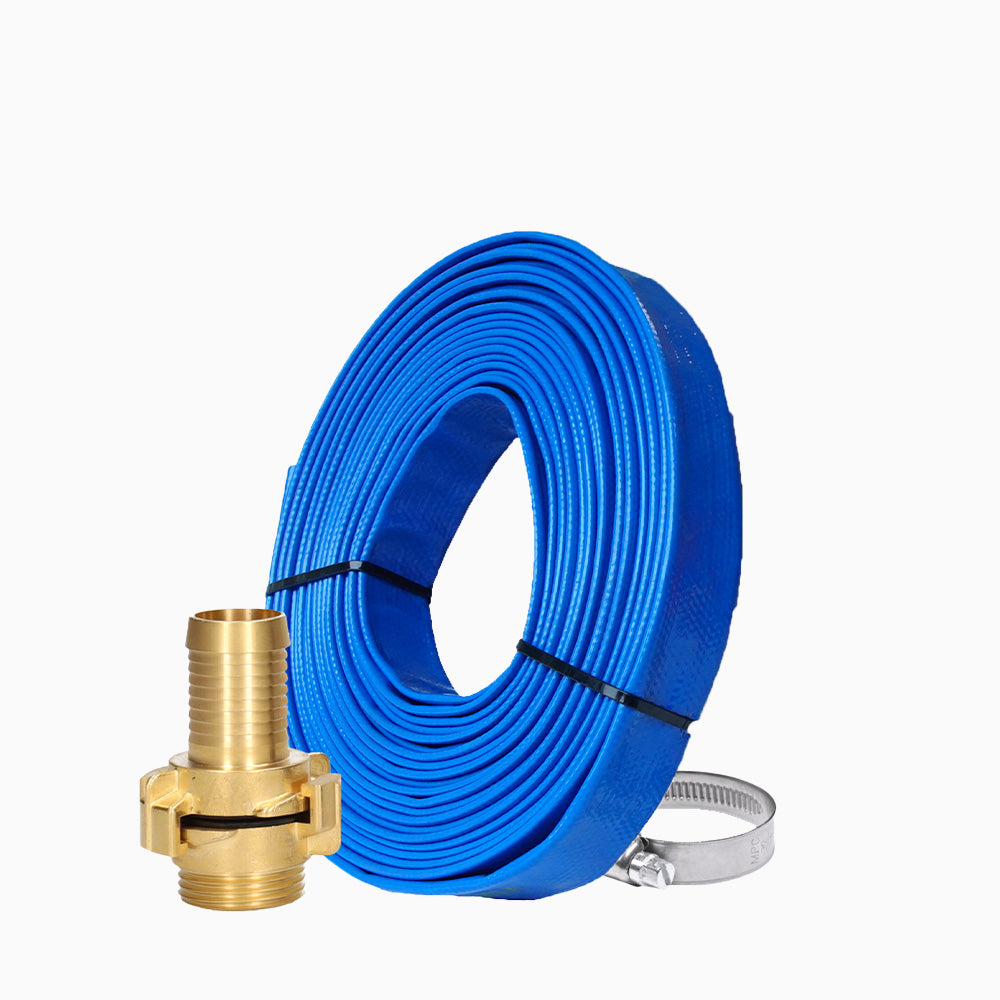
Water hose set 12.5m 32mm
To maximize pump capacity, you need to consider the delivery head and hose resistance. The shorter and thicker the hose, the faster your pool will empty. You can read more about this in How many liters per hour? Calculate the required pump capacity .
Specific situations
Emptying an Intex swimming pool
With an above-ground pool, you can often use the drain valve, but this is excruciatingly slow, and the last 10-15 cm always remain. For a quick and complete emptying, a submersible pump is the only real solution. See also "Draining an Intex Pool Without a Pump: Tips & Tricks" for alternative methods.
Preparing your built-in swimming pool for winter
With an in-ground pool, you usually don't completely pump out the water, but lower the level below the skimmers. This prevents frost damage to the pipes. We explain this step by step in "Winterizing an In-ground Pool: How Far Should the Water Level Drop?"
Green water and algae
Has your pool turned into a swamp? Then filtering it often involves mopping with the tap running. Draining the pool is the most hygienic option. Be aware that algae residue can clog the pump. In this case, use a pump that can handle small debris. You can find more tips in Draining a Pool After an Algae Infestation: What to Watch Out For.
Post-pump maintenance
Once the water is gone, the cleaning begins. This is the ideal time to scrub the walls with a suitable liner cleaner. Don't forget your equipment either. A submersible pump that has been in chlorinated water should always be thoroughly rinsed with clean tap water to prevent corrosion of the seals. Read our guide on maintaining your submersible pump after emptying to extend the life of your equipment.
Frequently asked questions about emptying a swimming pool
How long does it take to empty a swimming pool?
This depends on the size of your pool and the pump's capacity. An average 10,000-liter above-ground pool with a 5,000-liter pump will take about 2 to 2.5 hours per hour, taking into account some efficiency loss due to the discharge hose.
Can I use a regular garden hose?
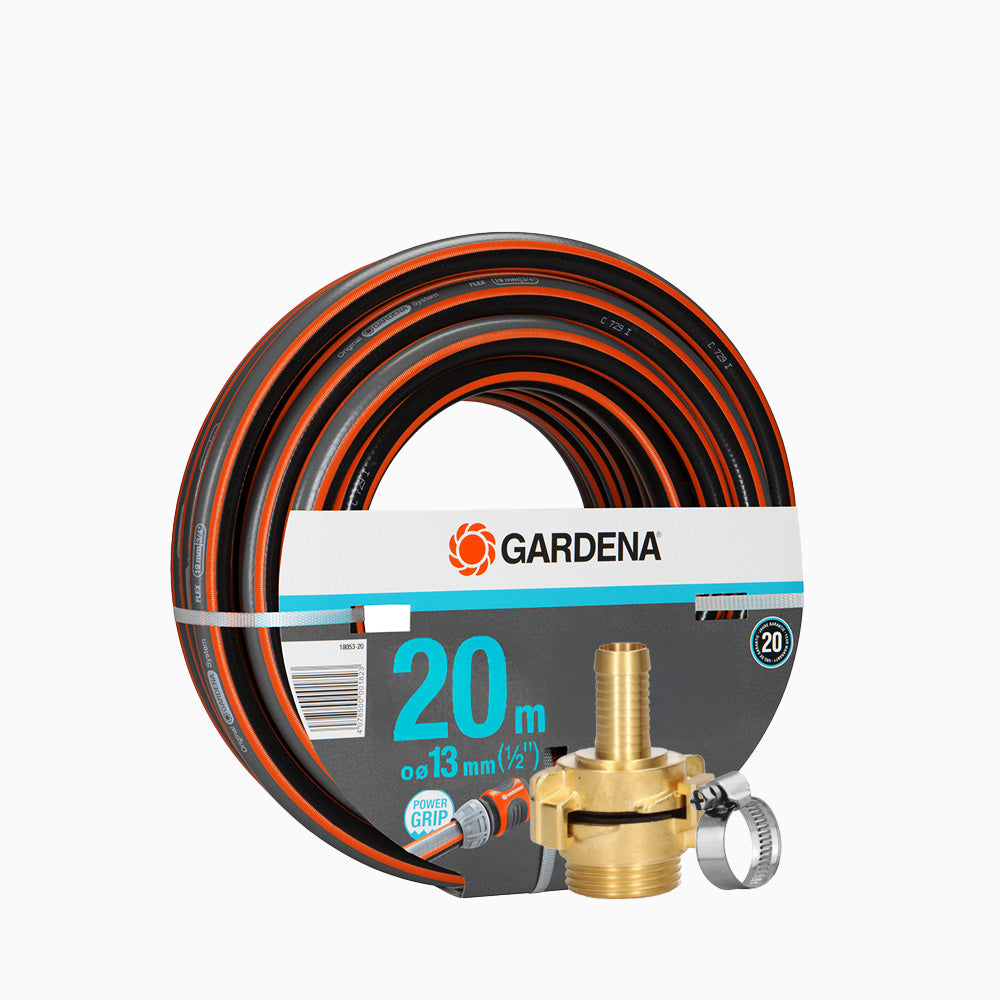
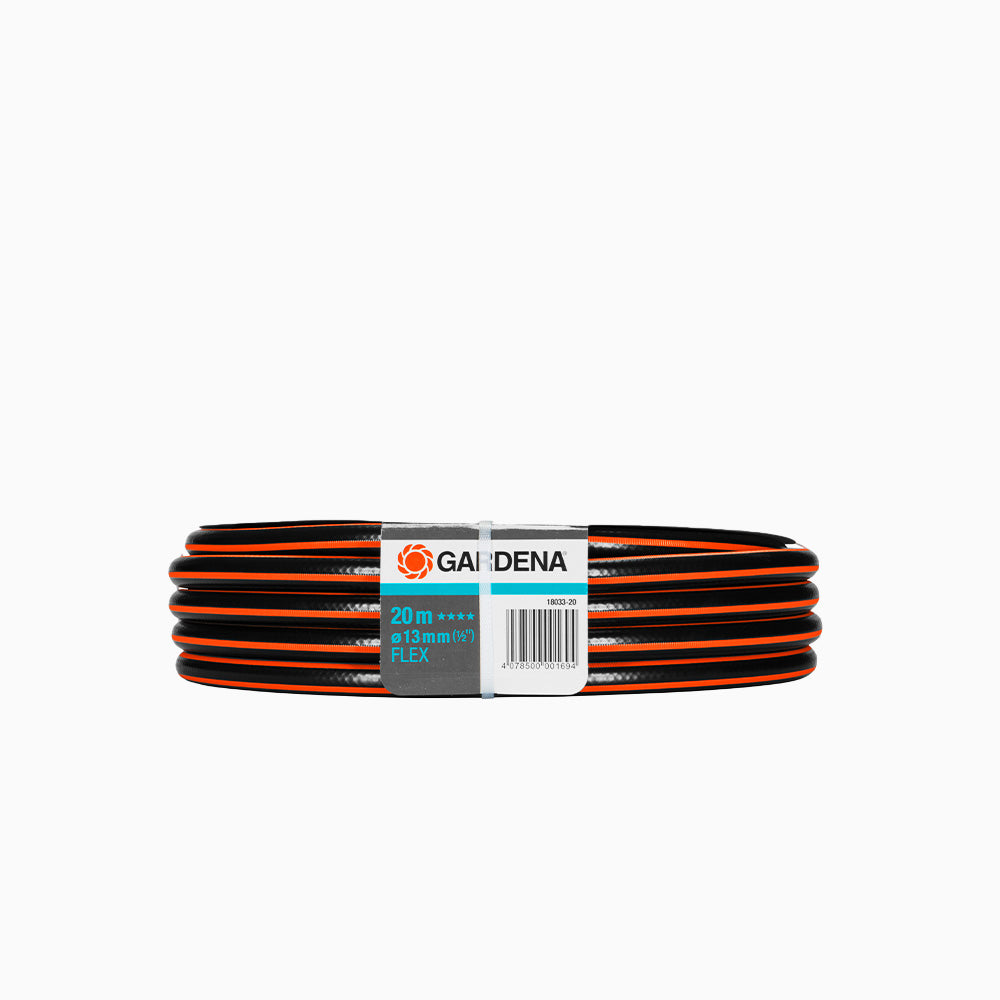
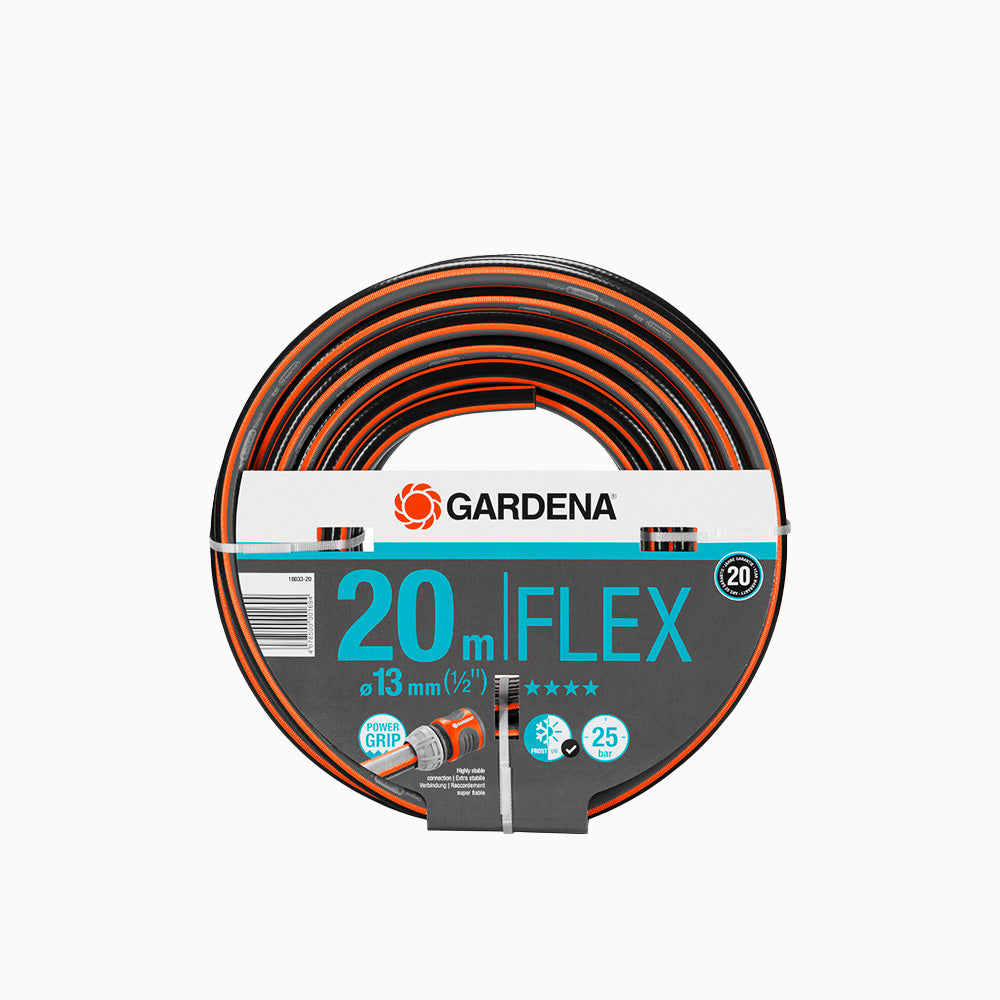
Yes, that's possible, but it's not efficient. A garden hose (13mm) creates a lot of resistance, meaning a powerful submersible pump can only deliver a fraction of its capacity. For fast emptying, we recommend a hose of at least 25mm or 32mm.
Can I just pump water into the street drain?
In most municipalities, pool water may be discharged into the sewage system (household drains or toilets), but not always into the rainwater drain (street drains). Always check with your local government to avoid fines.
Does water always remain in the pool?
With a standard submersible pump, there's often 2 to 5 centimeters of water remaining. However, if you use a flat vacuum (also called a mop pump), you can suck away the water down to about 2 millimeters, which you can easily dry with a mop.
Share:
Winterizing a built-in pool: How far should the water level drop?
Choosing the right submersible pump for your pool