

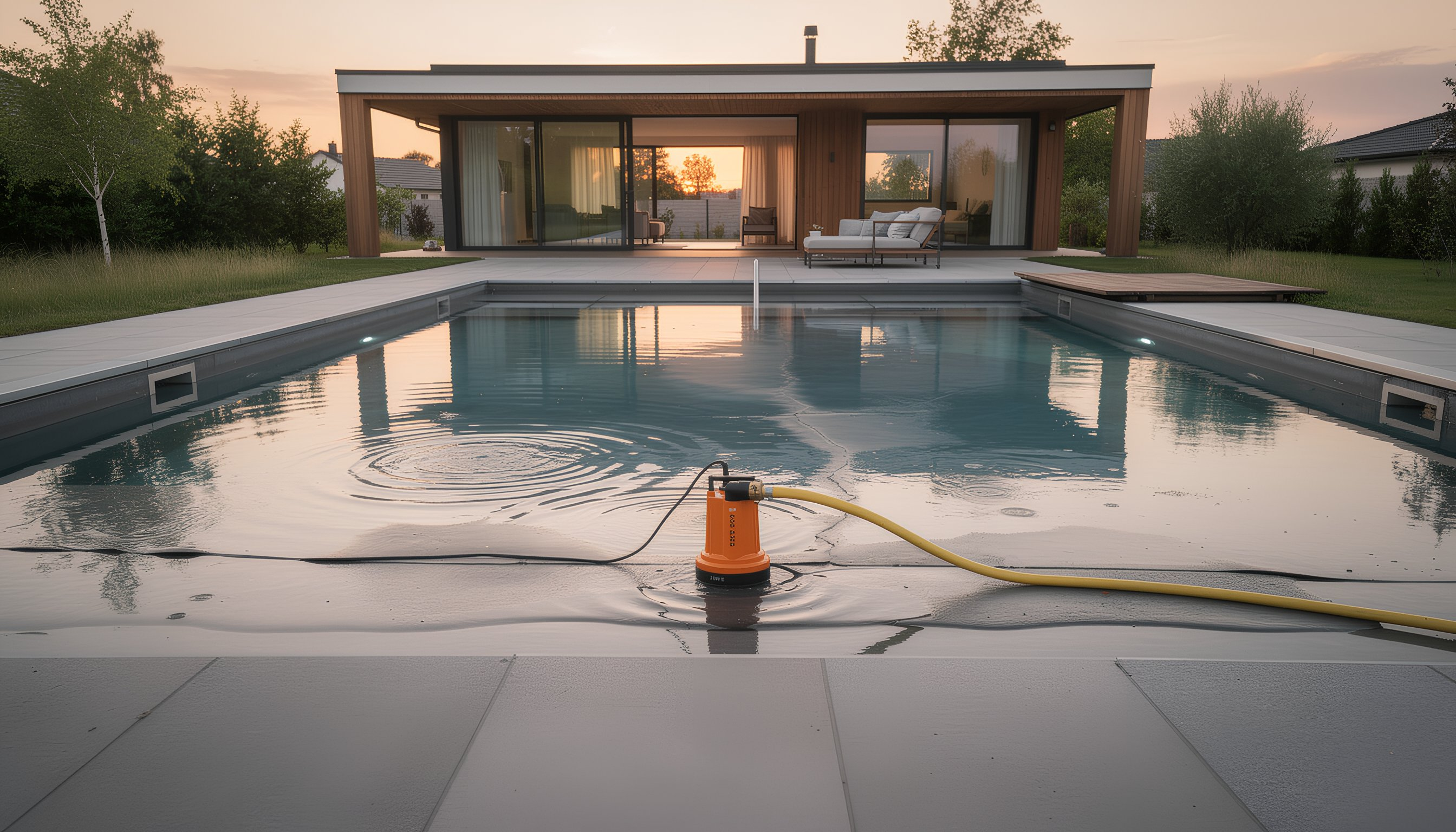
You've completed the job and the water is gone, but your work isn't quite done yet. A well-maintained pump will last for years, while a neglected pump might fail on the next job.
Why maintenance after draining the pool is essential
When you're finished emptying the pool , the pump often contains residues of chlorine, algae, or small debris. If these substances dry inside the pump, the impellers can seize up or the seals can dry out and leak. By taking action immediately after use, you can prevent expensive repairs or the need for a replacement unit.
The process always begins with disconnecting the power. Safety is paramount in water technology. Then, thoroughly rinse the pump with clean tap water to neutralize any chemical residue from the pool water.
Step-by-step plan for a thorough cleaning
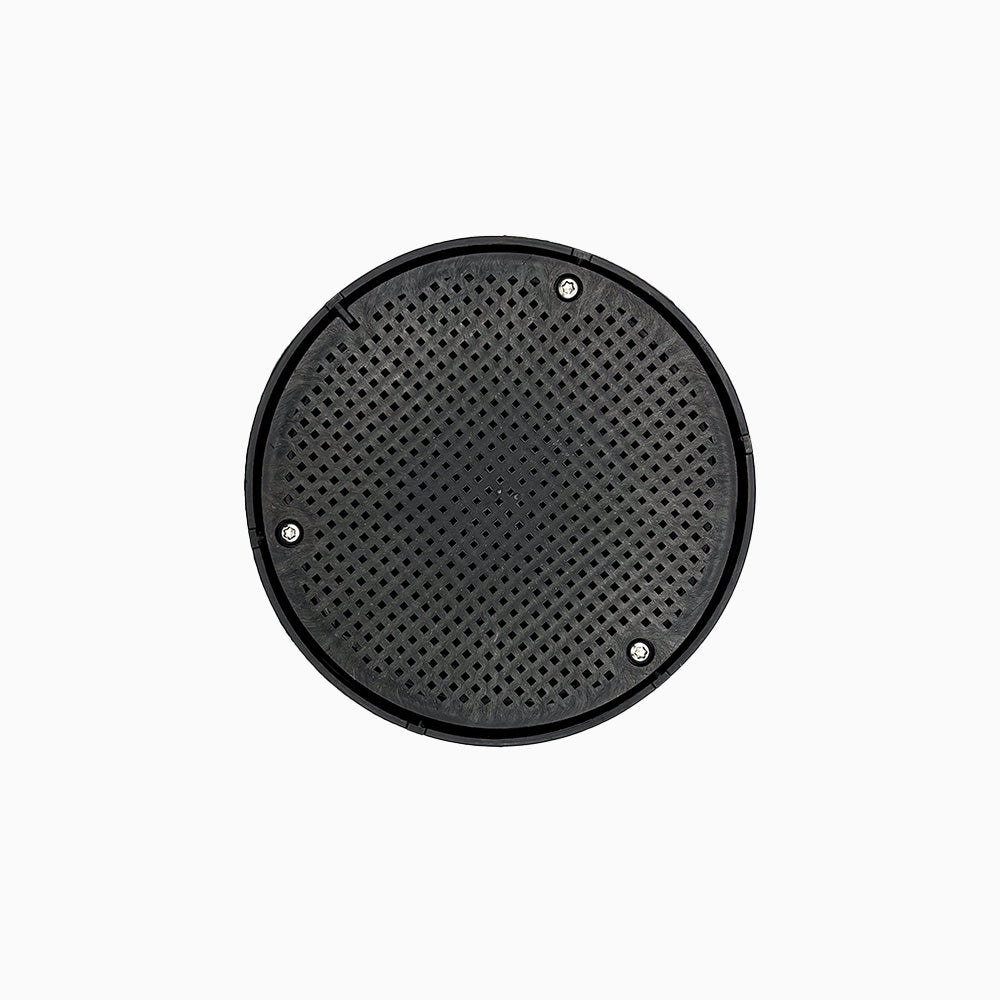
After rinsing the exterior, it's time for the interior. Briefly run the pump in a bucket of clean water. This will rinse the internal channels and the impeller. Also check the suction strainer underneath for blockages such as leaves or hair.
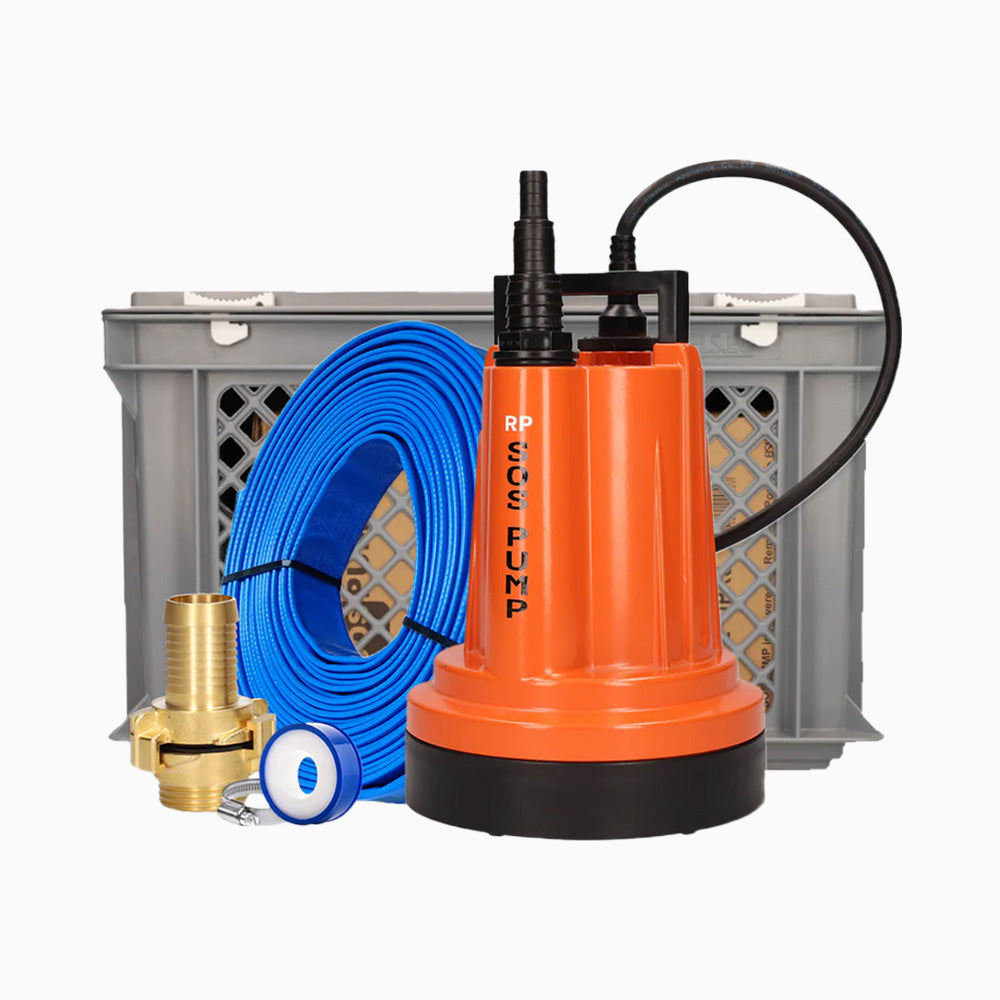
For those who want a professional approach, the

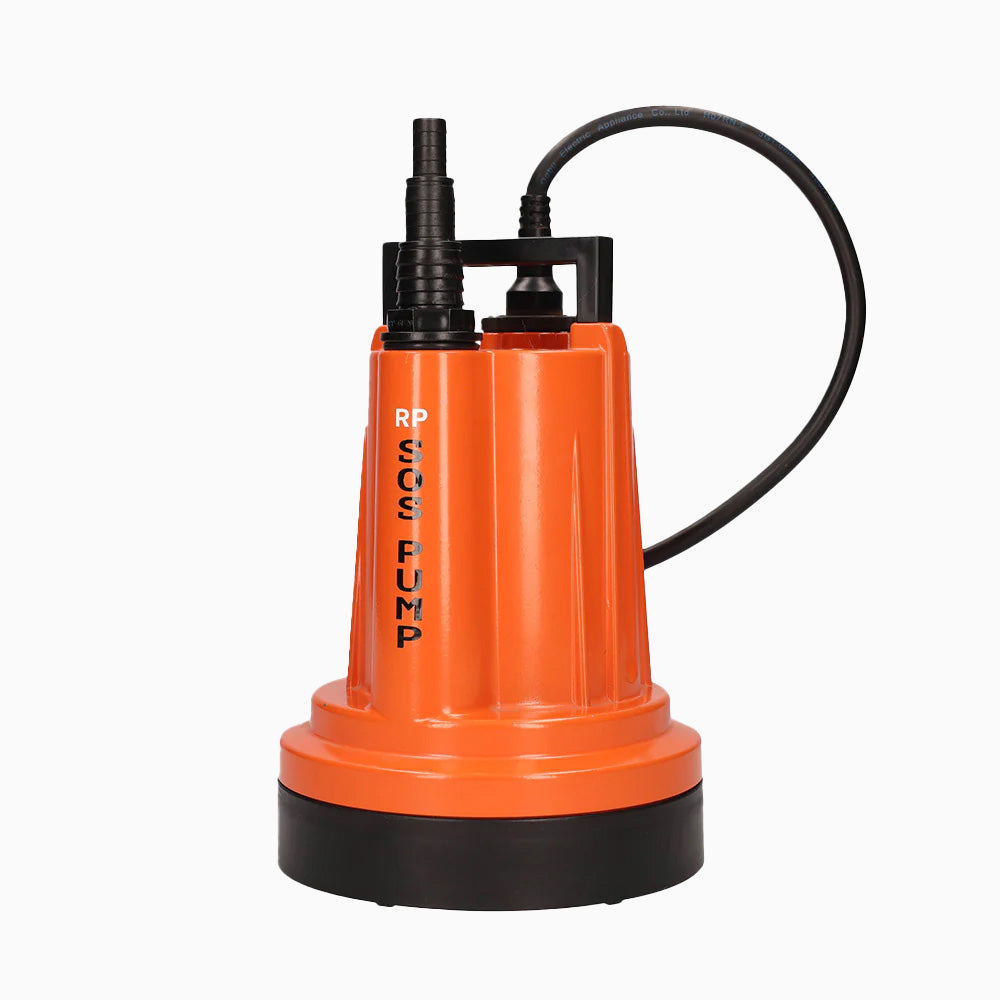
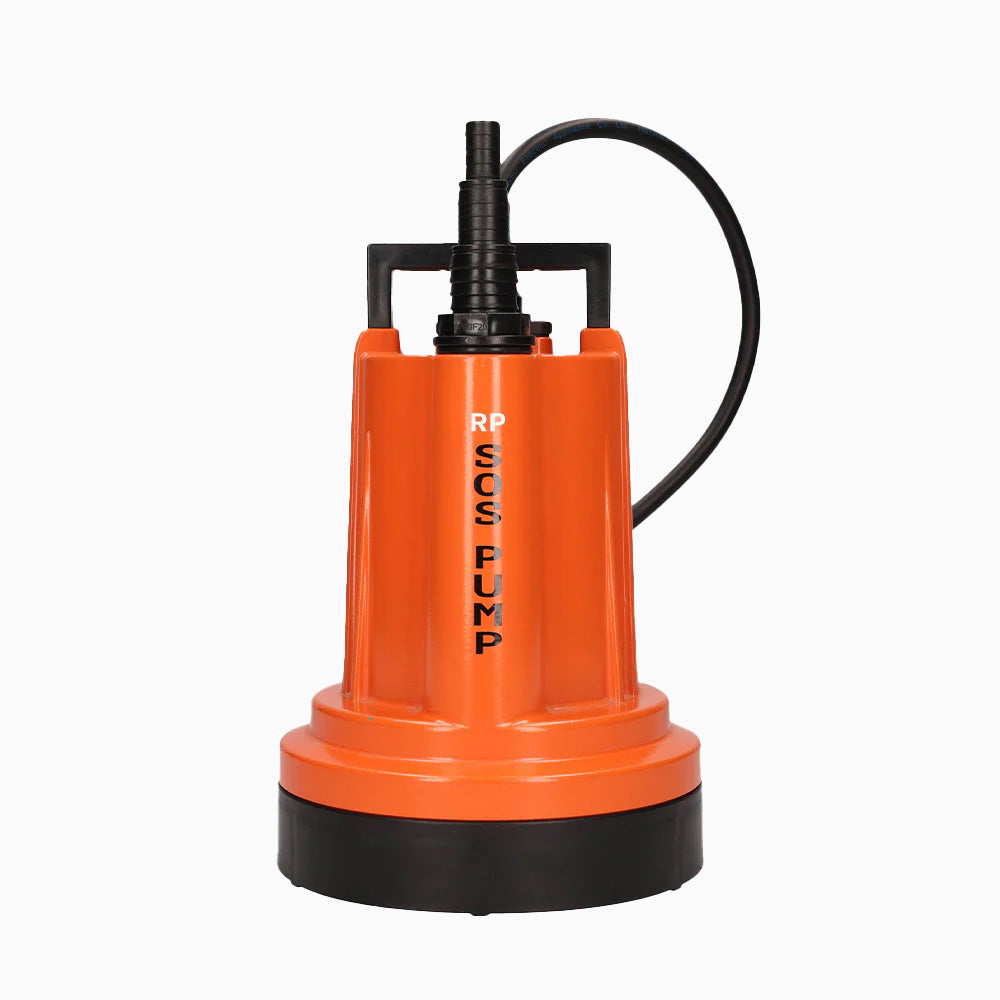
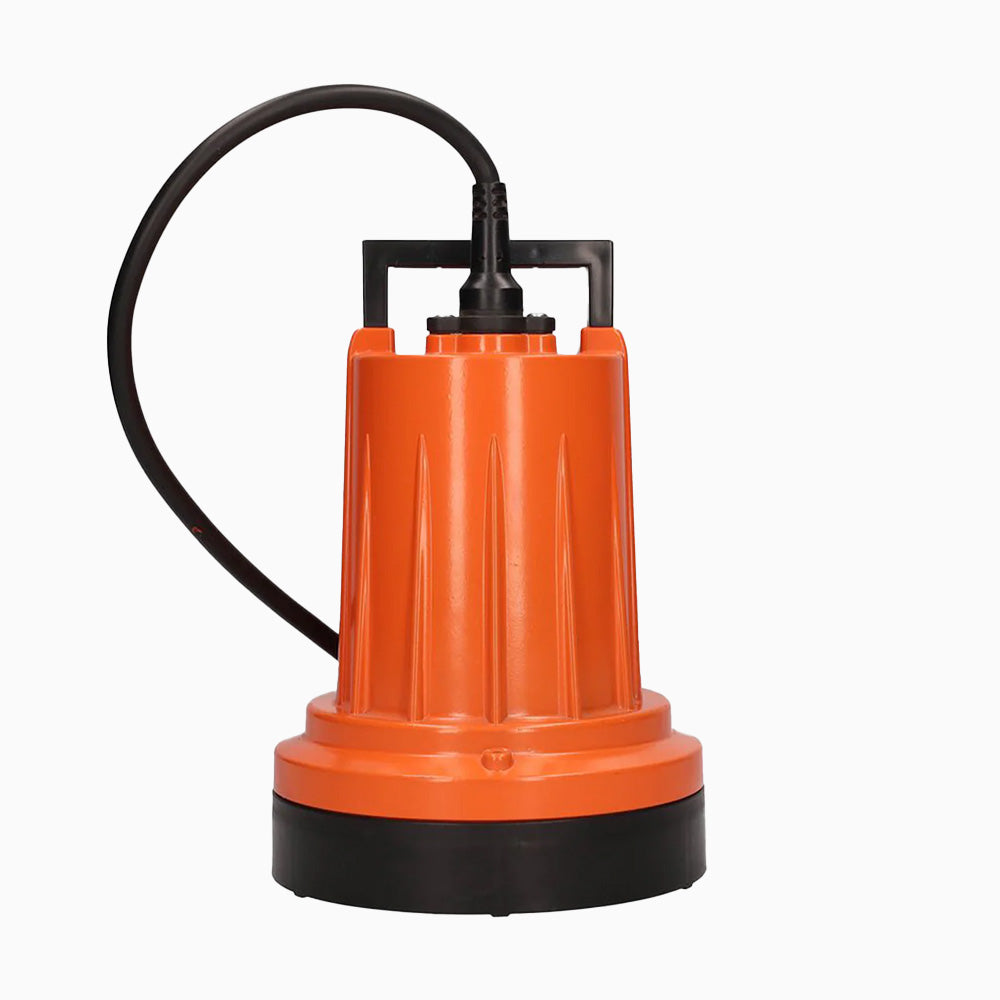
Flat suction submersible pump
Check the drain hose and couplings
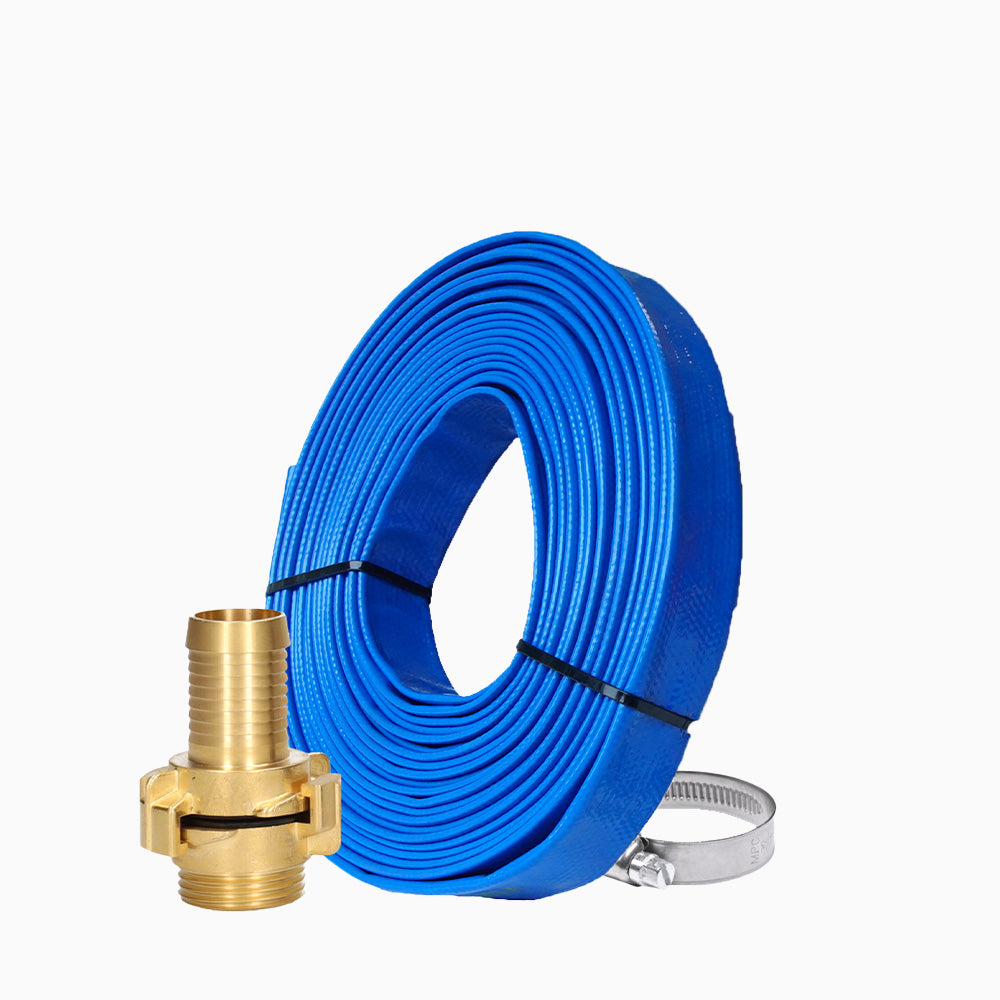
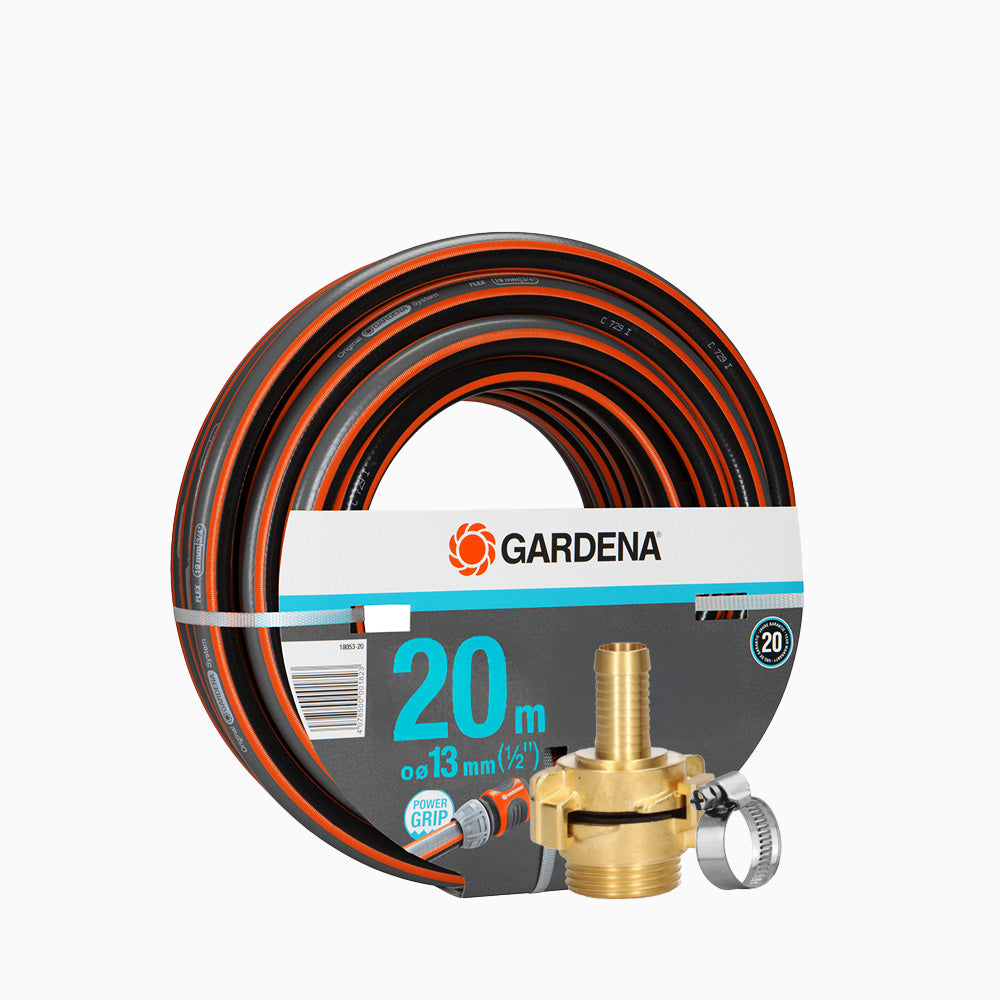
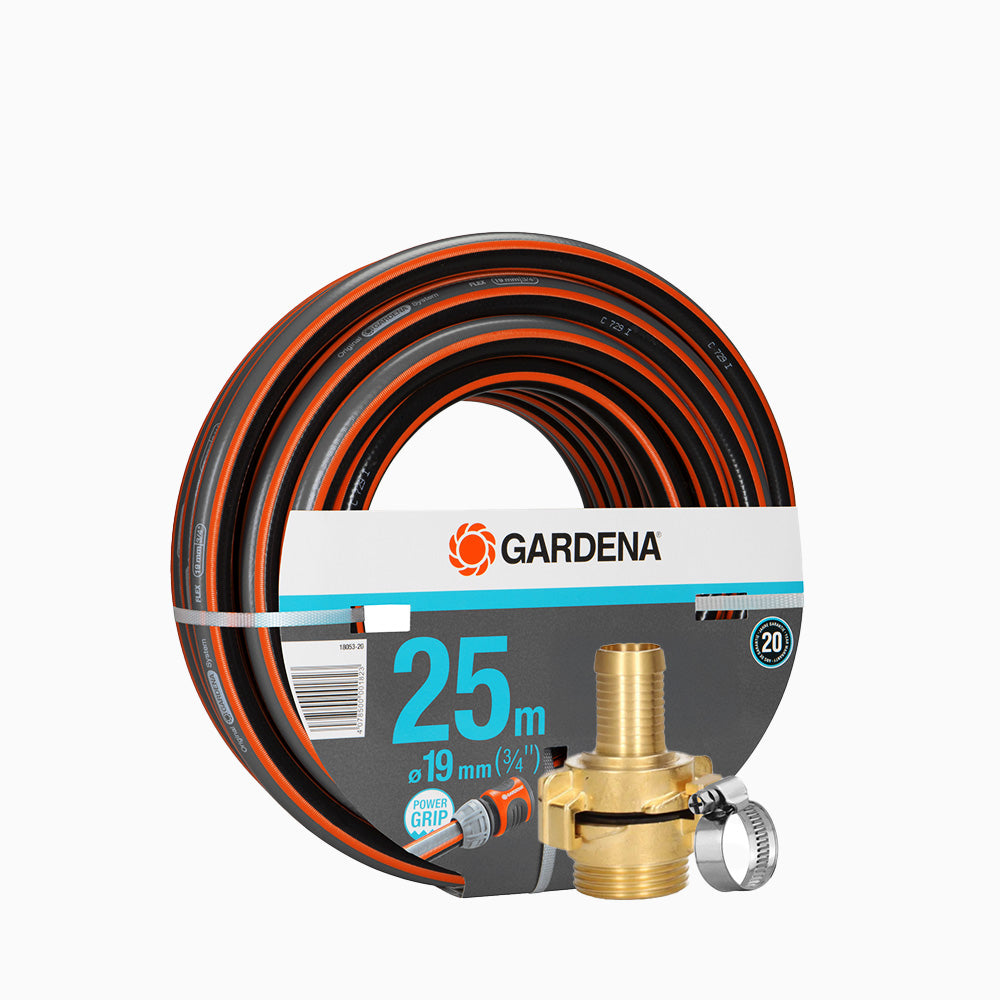
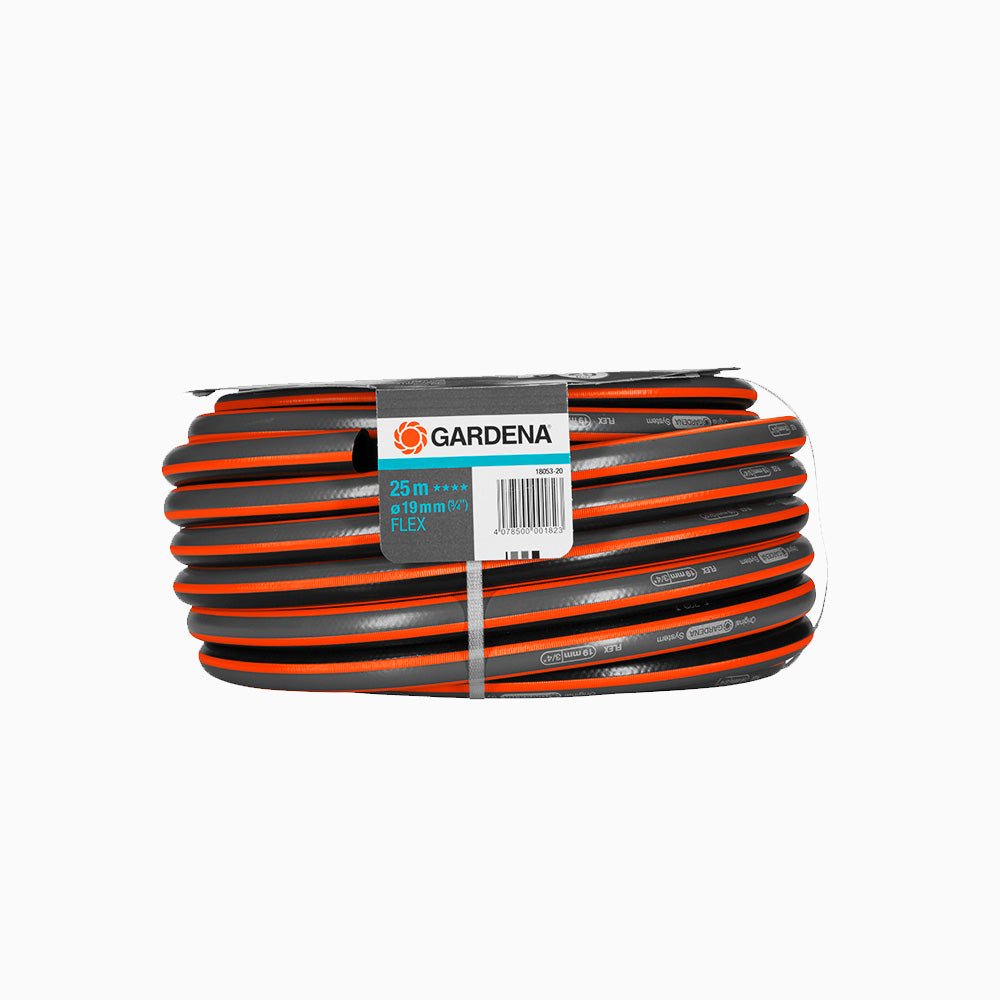
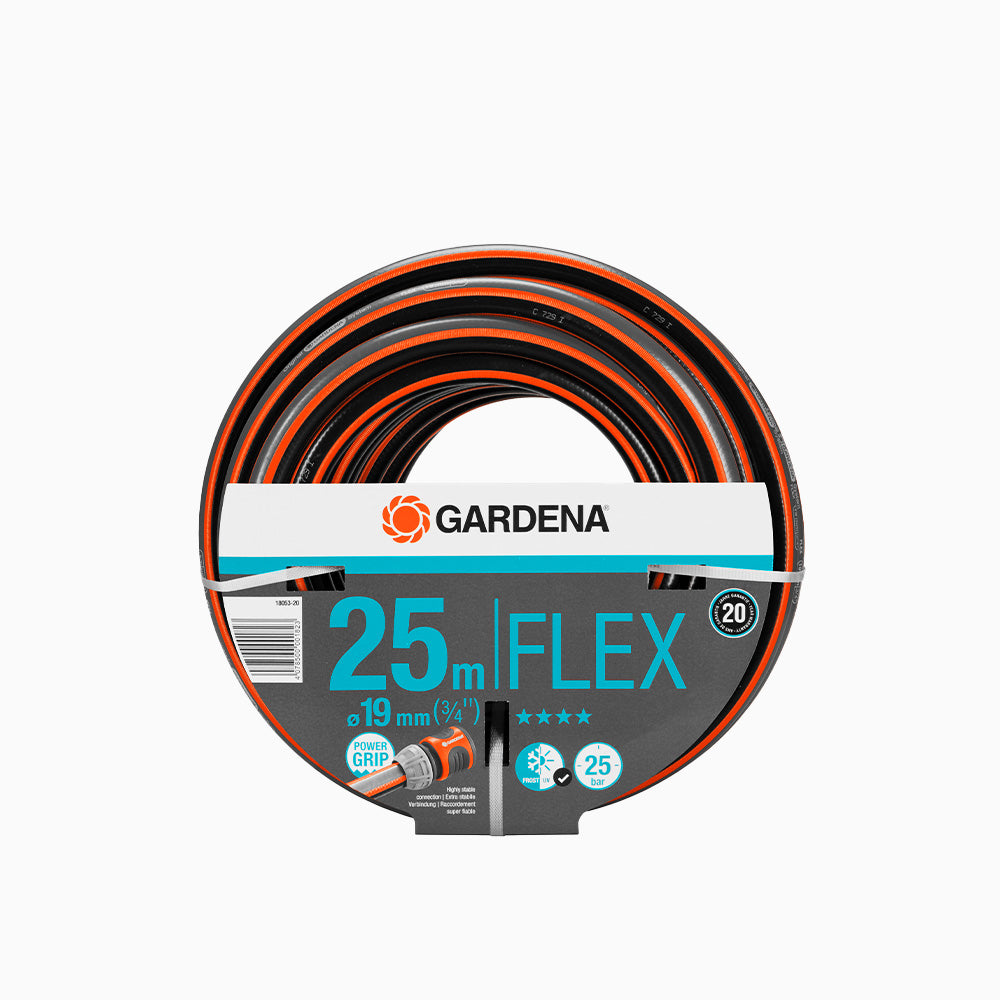
Not only the pump itself, but also the accessories require attention. Fully unwind the drain hose and let any remaining water drain out. This prevents mold and unpleasant odors from forming in the hose. Check the fittings for sand or dirt in the threads.
To prevent leaks during future service, you can check the threaded connections preventatively. The

Teflon Tape
For more information on the full process, also read How to Drain a Pool: The Complete Guide to Safely Draining Any Type of Pool .
Storage: Dry and frost-free
The biggest enemy of a stored pump is frost. If there's still water in the pump chamber and it freezes, the pump housing can crack. Therefore, always store your submersible pump in a dry, frost-free place. Lightly lubricate any rubber seals with silicone grease to keep them supple.
Want to know which type of pump is best suited for your next project? Then check out the article : Flat suction vs. submersible sewage pump: What do you need?
Frequently asked questions about maintenance
Do I need to take the pump apart after every use?
No, in most cases, flushing with clean water is sufficient. Only in cases of extreme contamination or if the impeller appears blocked will it be necessary to disassemble the suction strainer.
Can I leave the pump outside in winter?
Absolutely not. Residual water in the pump can freeze and irreparably damage the internal components. Always store the pump in a shed or garage where it doesn't freeze.
How do I remove limescale from my submersible pump?
You can briefly run the pump in a mixture of water and natural vinegar. Always rinse thoroughly with clean water afterward.
Share:
Winterizing a built-in pool: How far should the water level drop?
Draining a Pool: The Complete Guide to Safely Draining Any Type of Pool