

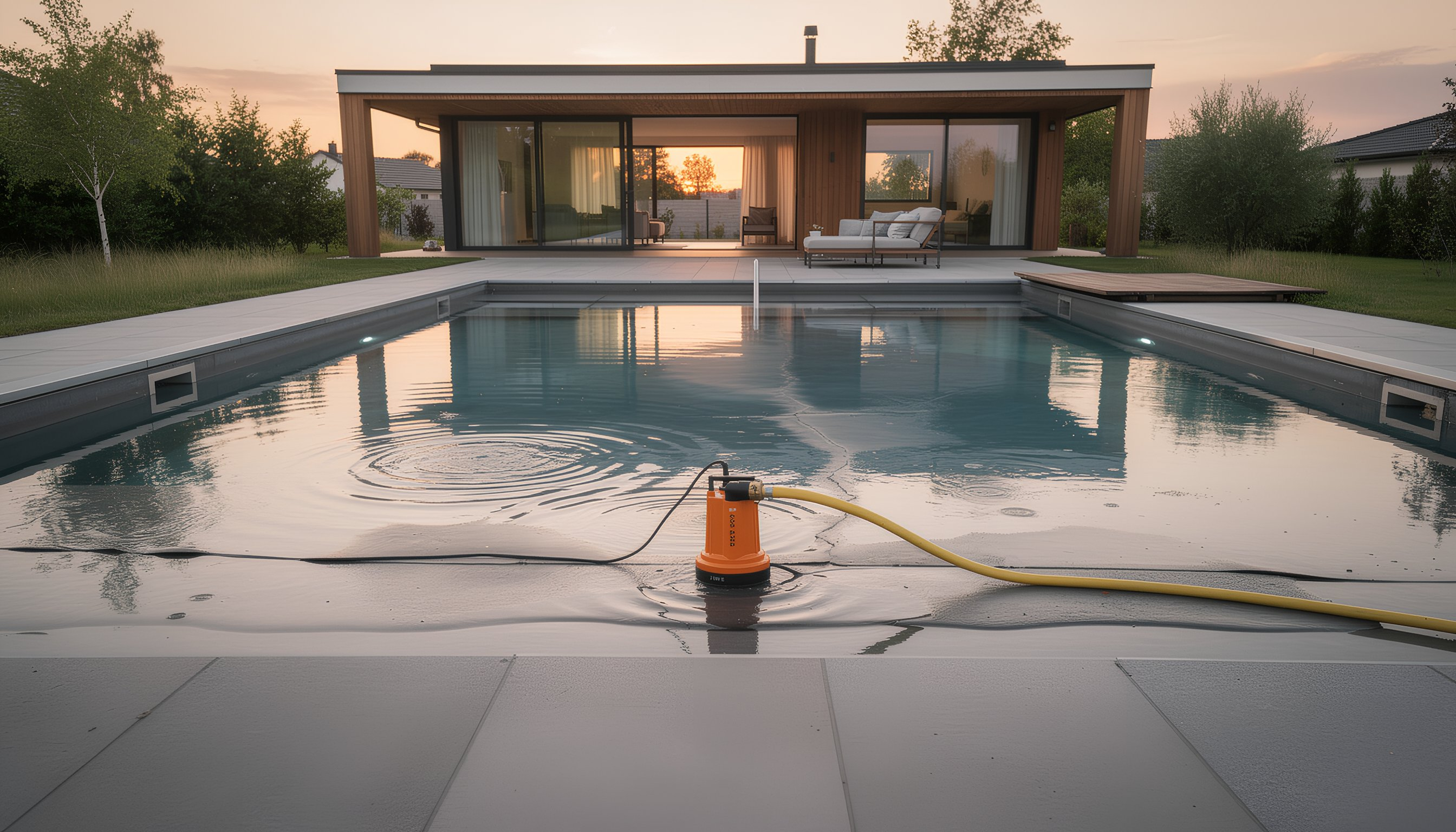
Winterizing your built-in pool is essential to prevent frost damage to pipes and skimmers. This article explains exactly to what level you should drain the pool and what to look out for when using a built-in pool.
Why lower the pool water?
As temperatures drop, your pool system is at risk. Freezing water expands, which can lead to ruptured pipes, broken skimmers, and damage to the pump system. By draining the pool to a specific level, you ensure that water no longer sits in the vulnerable components. This process is a crucial part of winterizing.
However, it's important never to completely empty an in-ground pool without professional advice. As described in " Groundwater Pressure: The Risk of a Completely Empty In-ground Pool ," the pressure of the surrounding groundwater can push the walls of an empty pool inward or push the floor upward.
The ideal water level for winter
The general rule for an inground pool is that the water level should drop to approximately 15 to 20 centimeters below the lowest opening. These are usually the jets or skimmer openings. By lowering the water to this level, you prevent water from remaining in the skimmers, which can freeze.
Step-by-step plan for lowering the level
To do this in a controlled manner, use a submersible pump with a shallow suction. This allows you to determine very precisely how much water escapes. Follow these steps:
- Remove coarse dirt with a scoop net.
- Place the submersible pump on the top step or a raised platform if you only want to remove a small section.
- Pump away the water to the desired level below the skimmers.
- Drain the pipes and seal them with winter plugs.

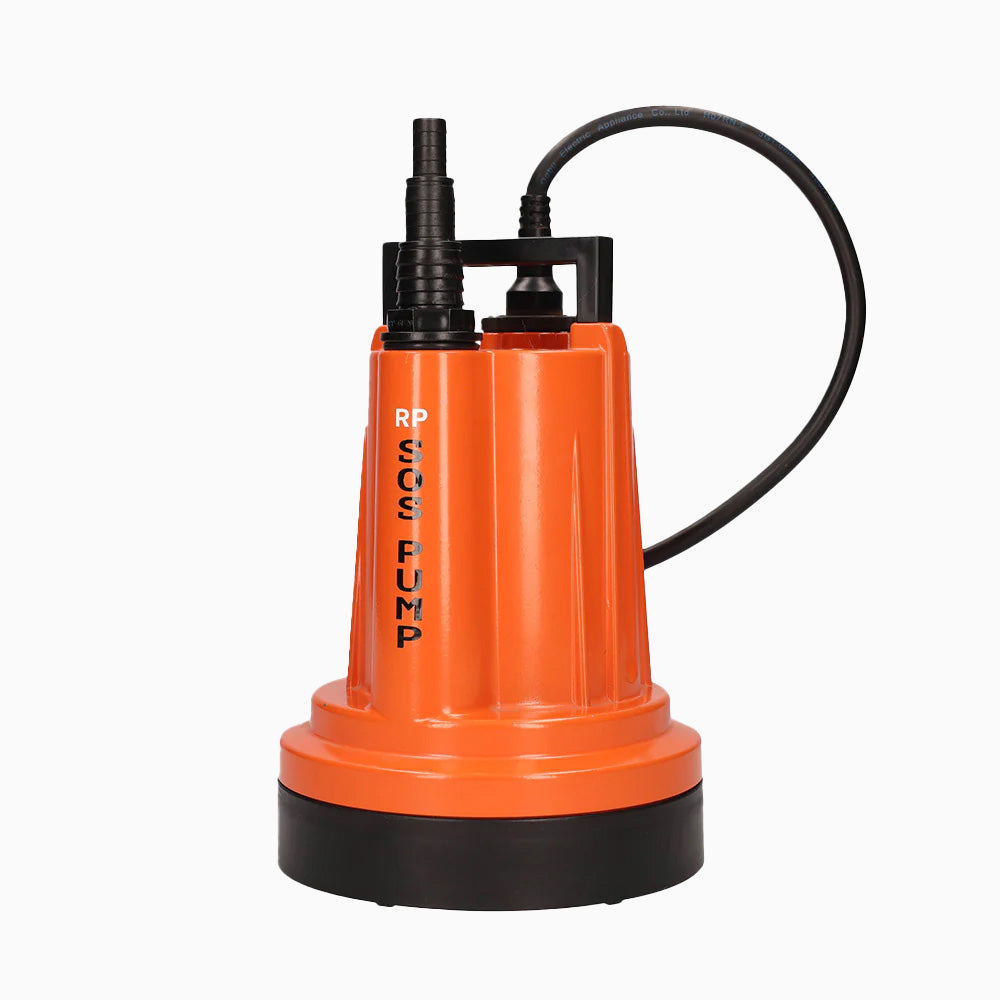
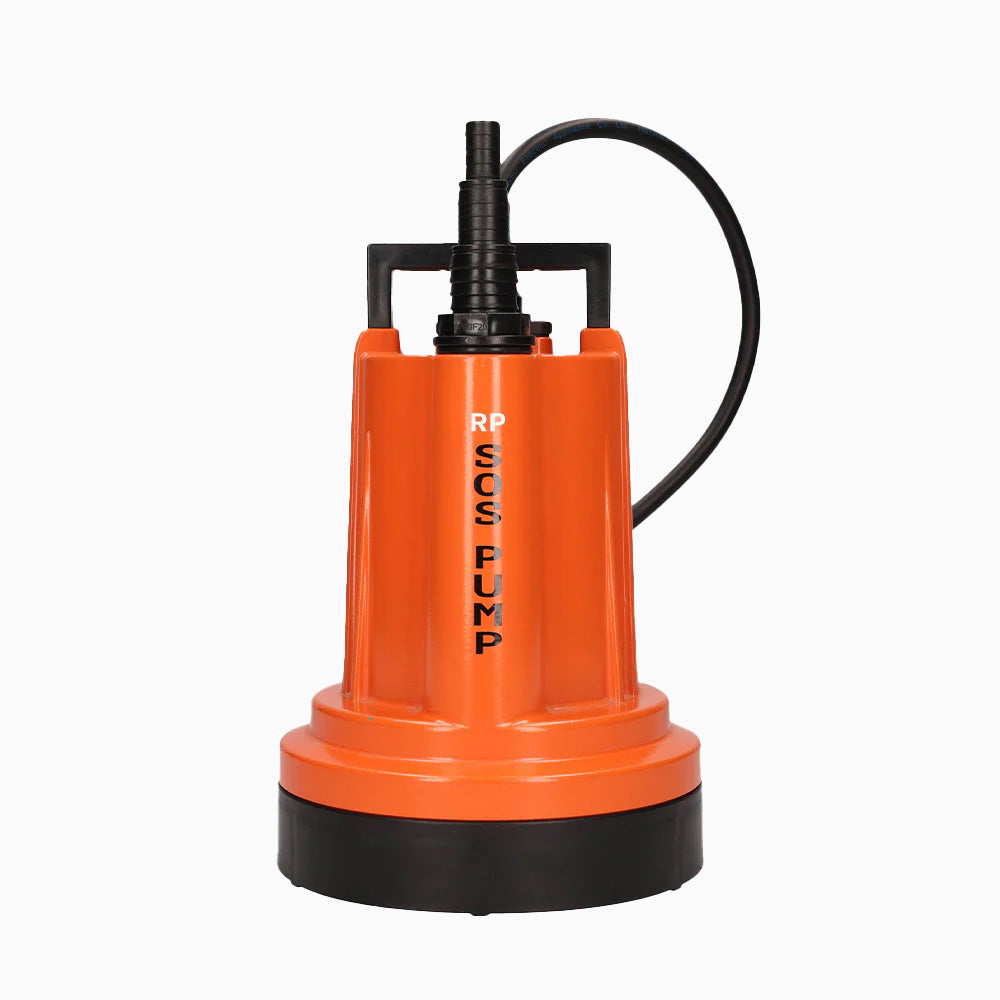
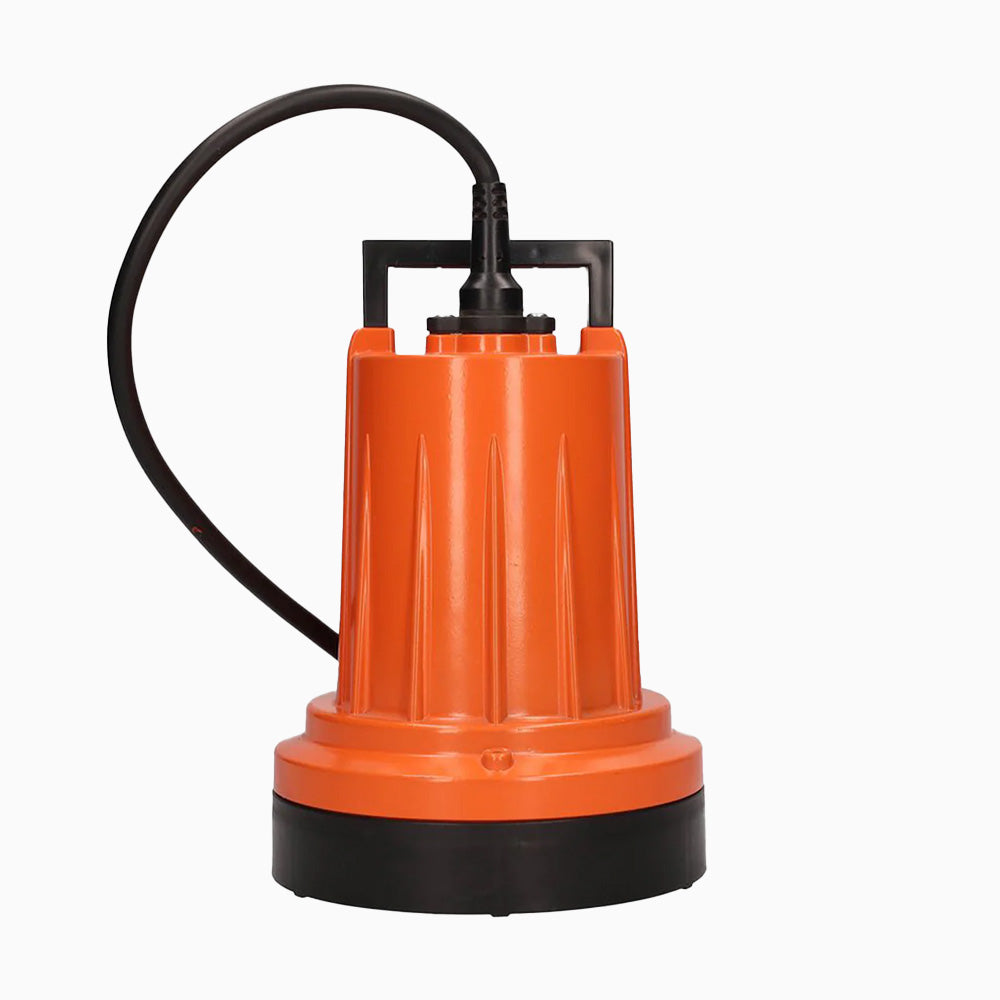
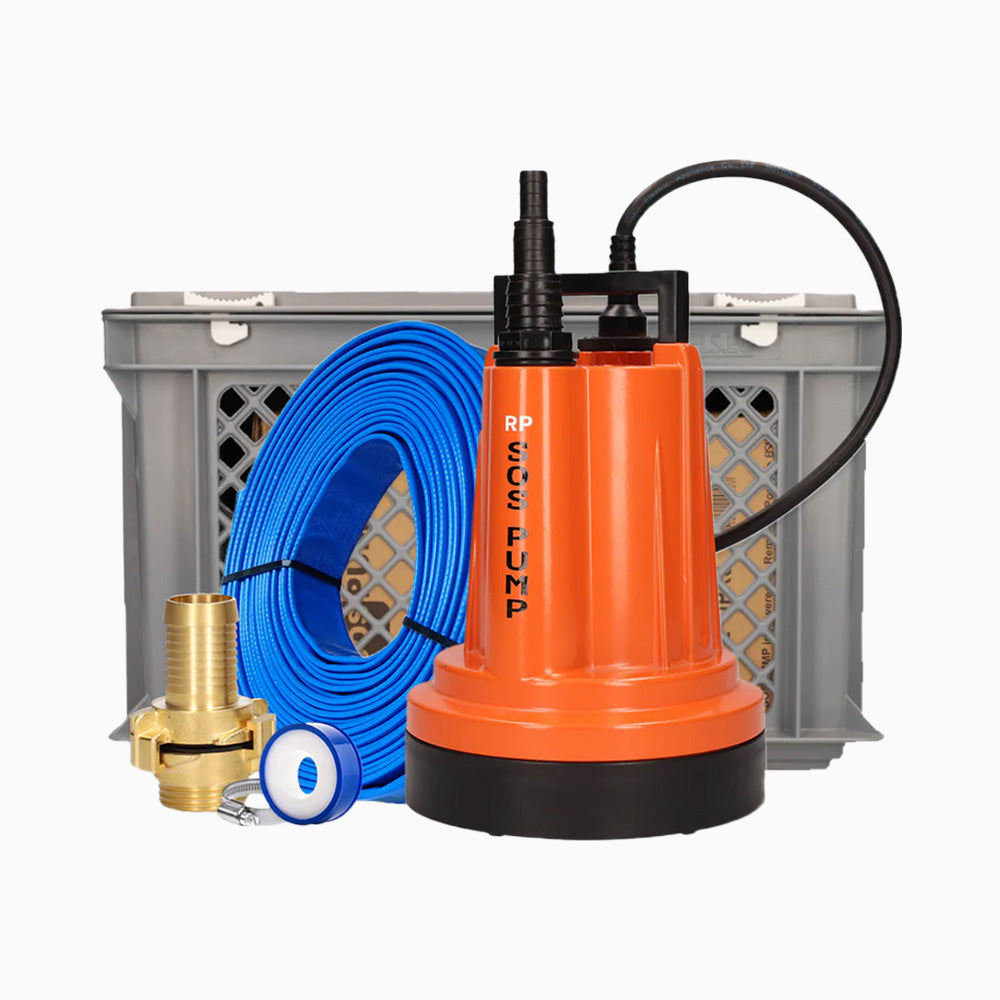
Plug & Play Submersible Pump Set
Which pump do you need?
For controlled lowering of the water level, a pump with sufficient capacity and a shallow suction function is ideal. After all, you don't want the pump to stop while there's still too much water in it, or to have to keep manually adjusting it. In " Choosing the right submersible pump for your pool, " you can read more about the technical specifications you should consider.
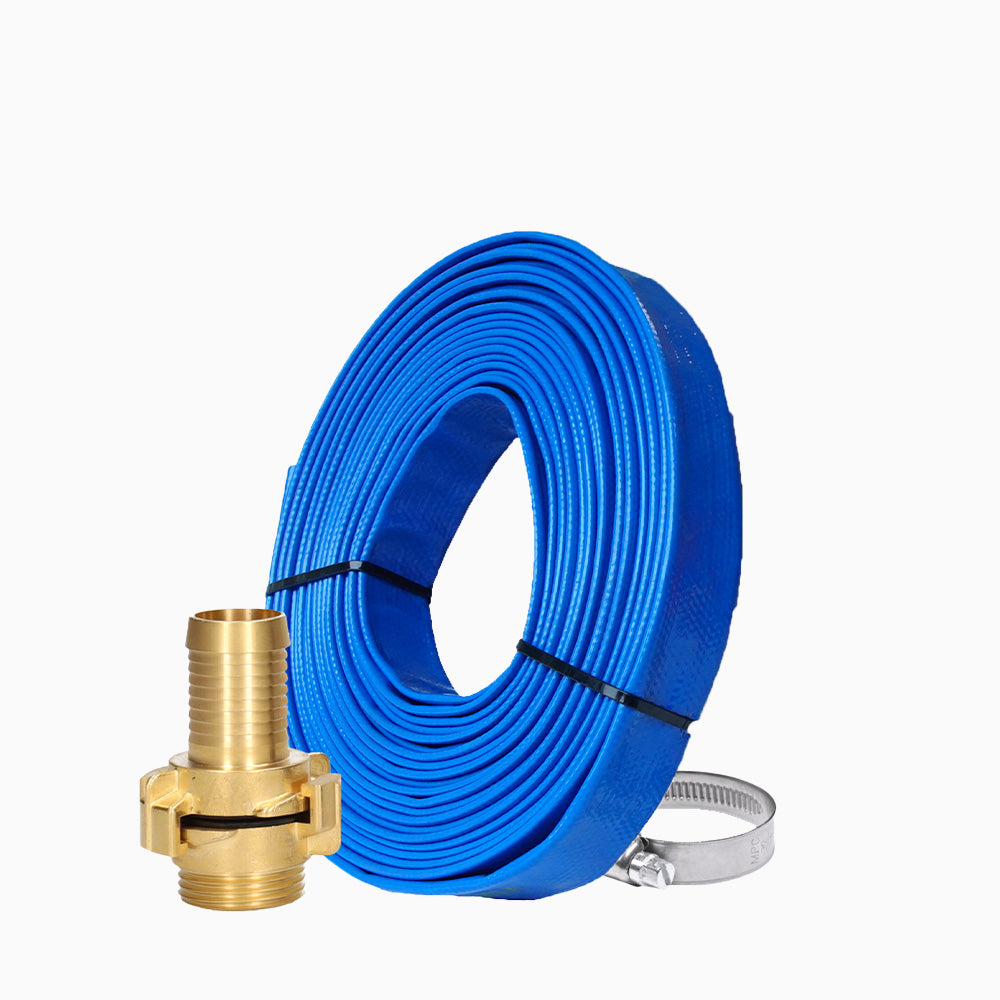
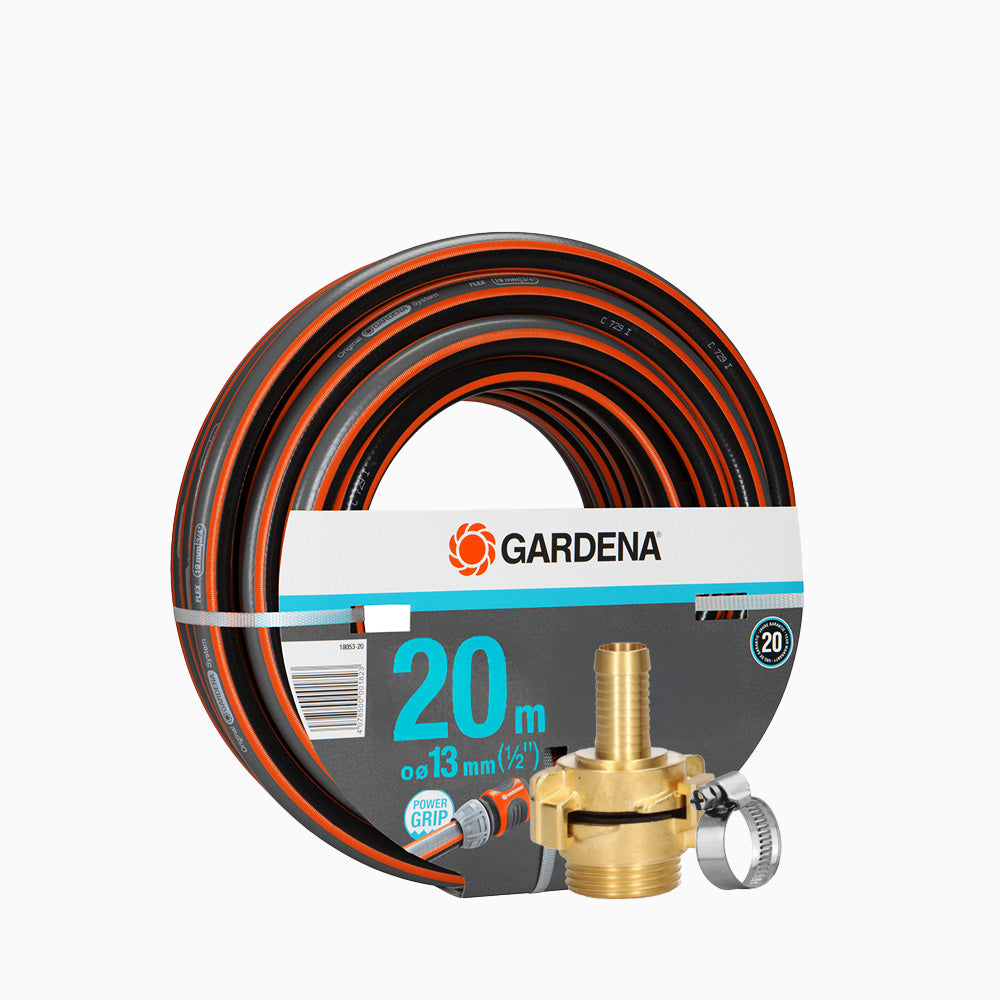
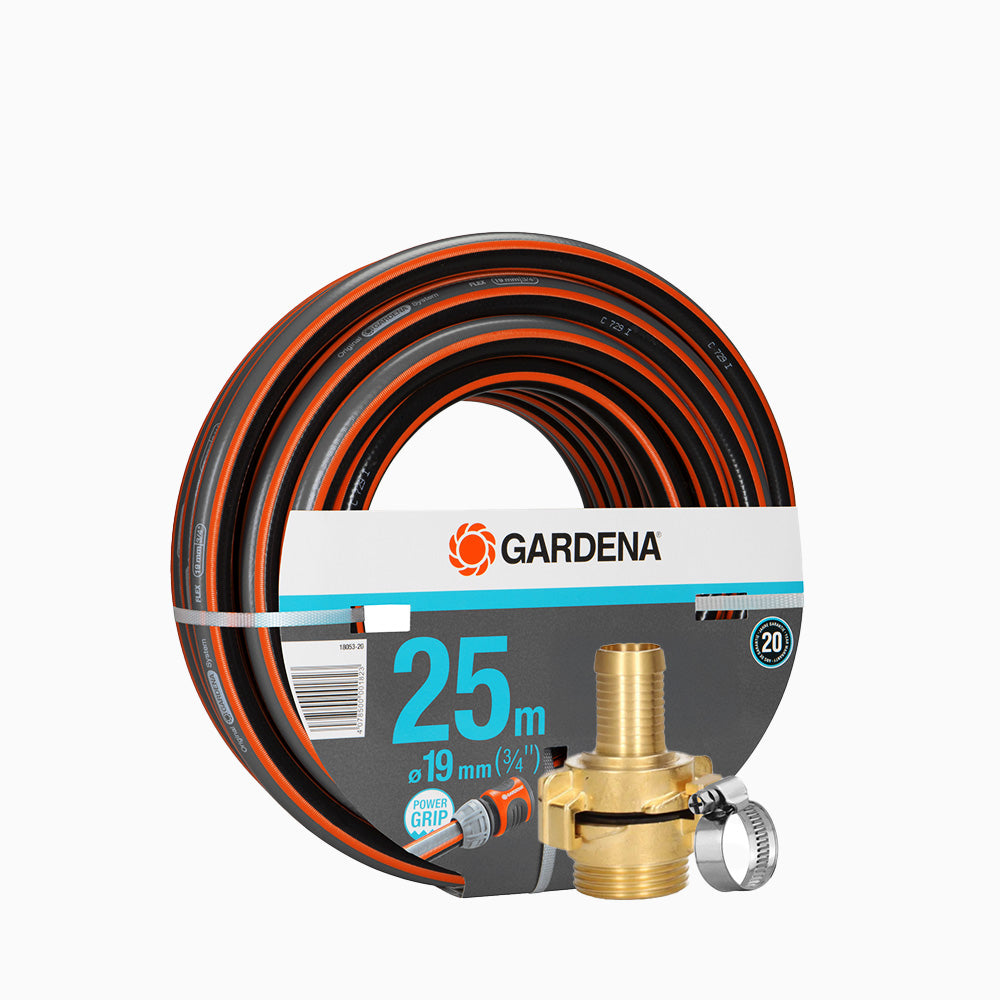
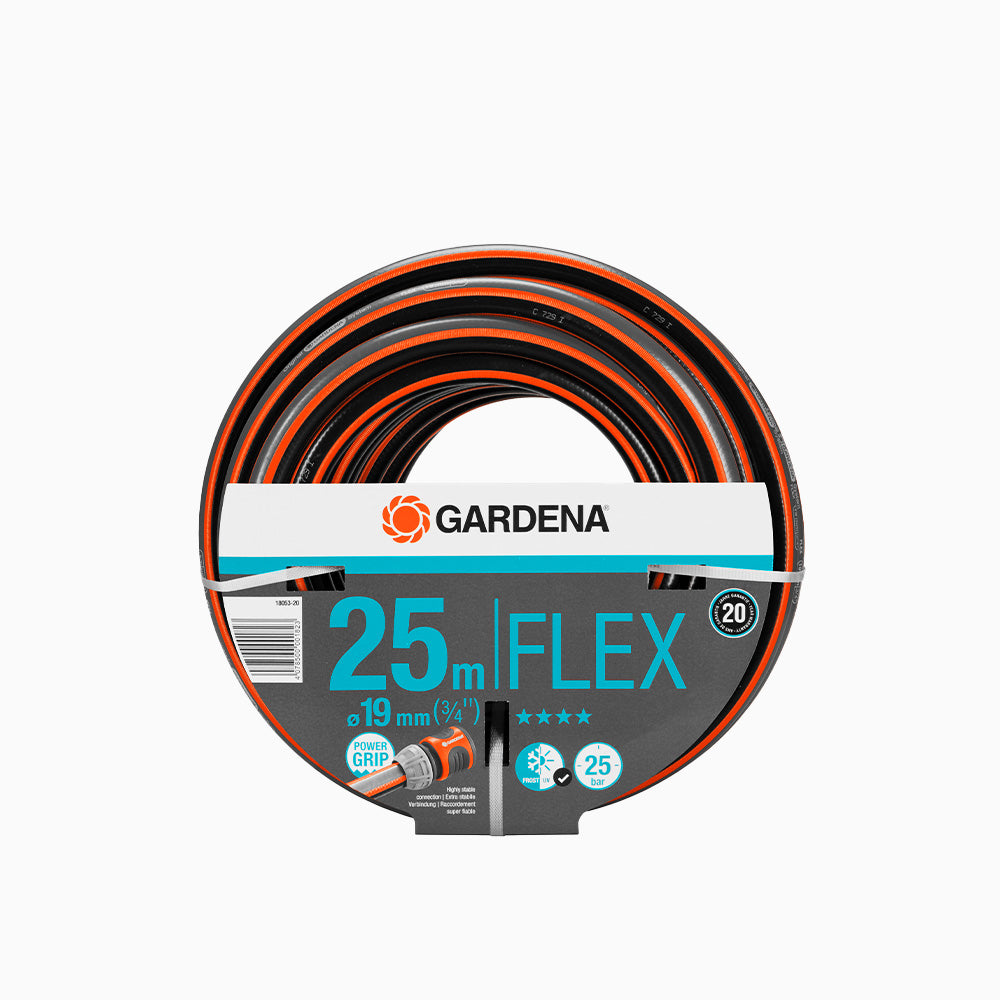
If you're dealing with a lot of leaves or debris in the water, a powerful discharge hose is essential to prevent blockages. A larger diameter hose will allow for faster flow and less resistance to the pump.

Water hose set 12.5m 25mm
Rules for water drainage
When emptying the pool, you also need to consider where the water goes. In many municipalities, chlorinated water is not permitted to simply be discharged into rainwater drains or gardens. Consult " Is pool water allowed in the sewer? Municipal regulations " to avoid fines and environmental damage.
Frequently asked questions about preparing your pool for winter
Can I completely empty my built-in swimming pool?
No, this is strongly discouraged for in-ground pools due to groundwater pressure. The weight of the remaining water holds the structure in place. Read more in " Groundwater Pressure: The Risk of a Completely Empty In-ground Pool ."
How deep should the water drop under the skimmer?
Maintain a margin of 15 to 20 centimeters below the skimmer opening. This is sufficient to prevent splashing water or rainwater from refilling the skimmer.
Can I use the pool water for the garden?
Only if the water has been chlorine-free for some time and the pH is neutral. See also our article " Watering your garden with old pool water: Is it safe? "
Share:
Draining an Intex Pool Without a Pump: Tips & Tricks
Draining a Pool: The Complete Guide to Safely Draining Any Type of Pool