

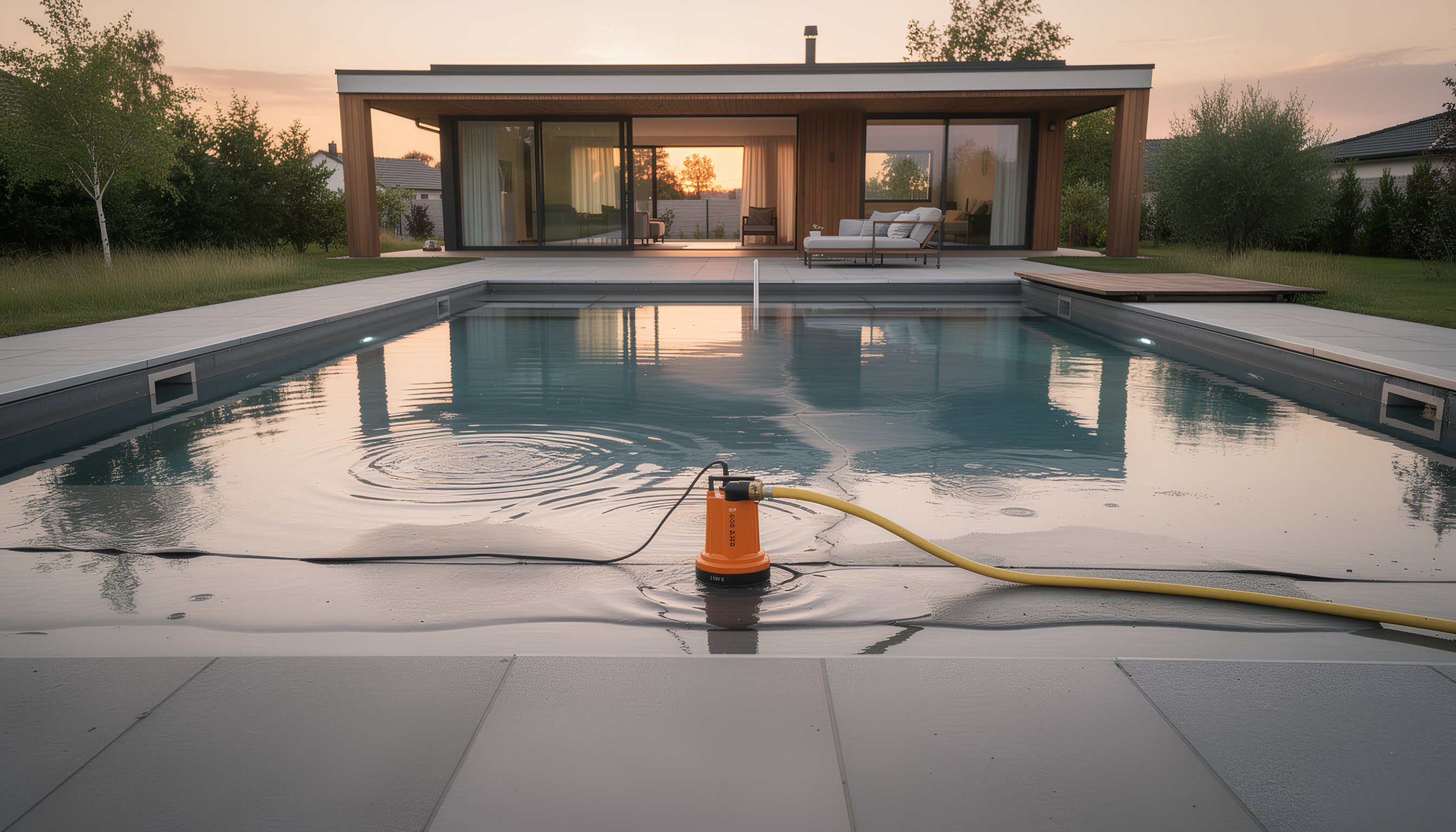
Are you considering using the thousands of liters of pool water for your lawn or plants instead of flushing it away? This article explains exactly when it's safe to water your garden with old pool water and what to watch out for regarding chlorine and salt levels.
Can pool water be poured directly onto plants?
The short answer is: it depends entirely on the water quality. The biggest obstacle to emptying a swimming pool in your garden is the presence of chemicals like chlorine. In high concentrations, chlorine is harmful to soil life and can burn the roots of delicate plants. However, chlorine is a volatile substance that evaporates over time under the influence of sunlight and air.
Want to reuse the water safely? Stop adding chlorine tablets or liquid chlorine at least a week beforehand. Leave the pool uncovered so that UV rays can break down any remaining chlorine. Once the chlorine level drops below 0.1 mg/liter, the water is generally safe for most established lawns and shrubs.
Saltwater Pools: A Different Story
Do you have a saltwater pool? Then caution is advised. Unlike chlorine, salt doesn't evaporate. When you empty a saltwater pool in the garden, the salt accumulates in the soil. This can lead to "physiological drought," where plants can no longer absorb water, even if the soil is wet. For a saltwater pool, we recommend disposing of the water via the sewer. Read more about this in Regulations and disposal: Where should pool water go? or consult Is pool water allowed in the sewer? Regulations per municipality .
Efficiently empty your pool for reuse
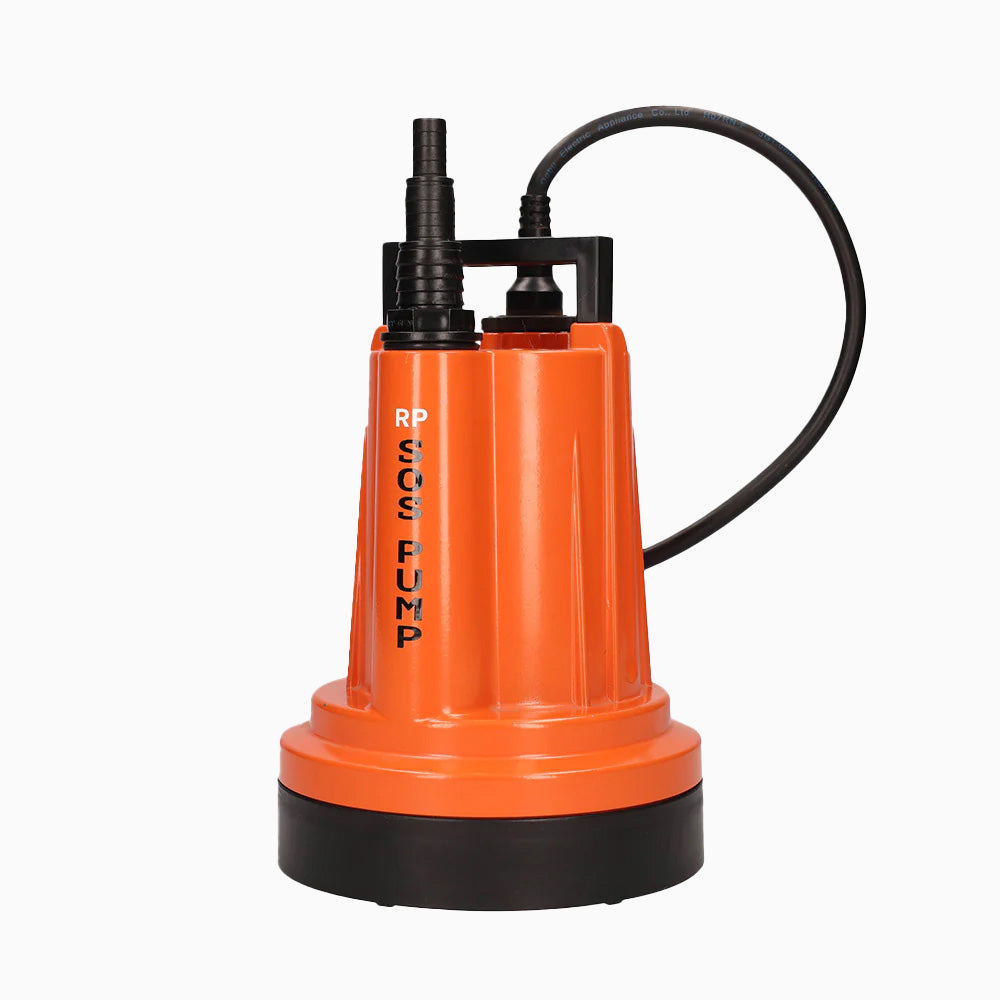
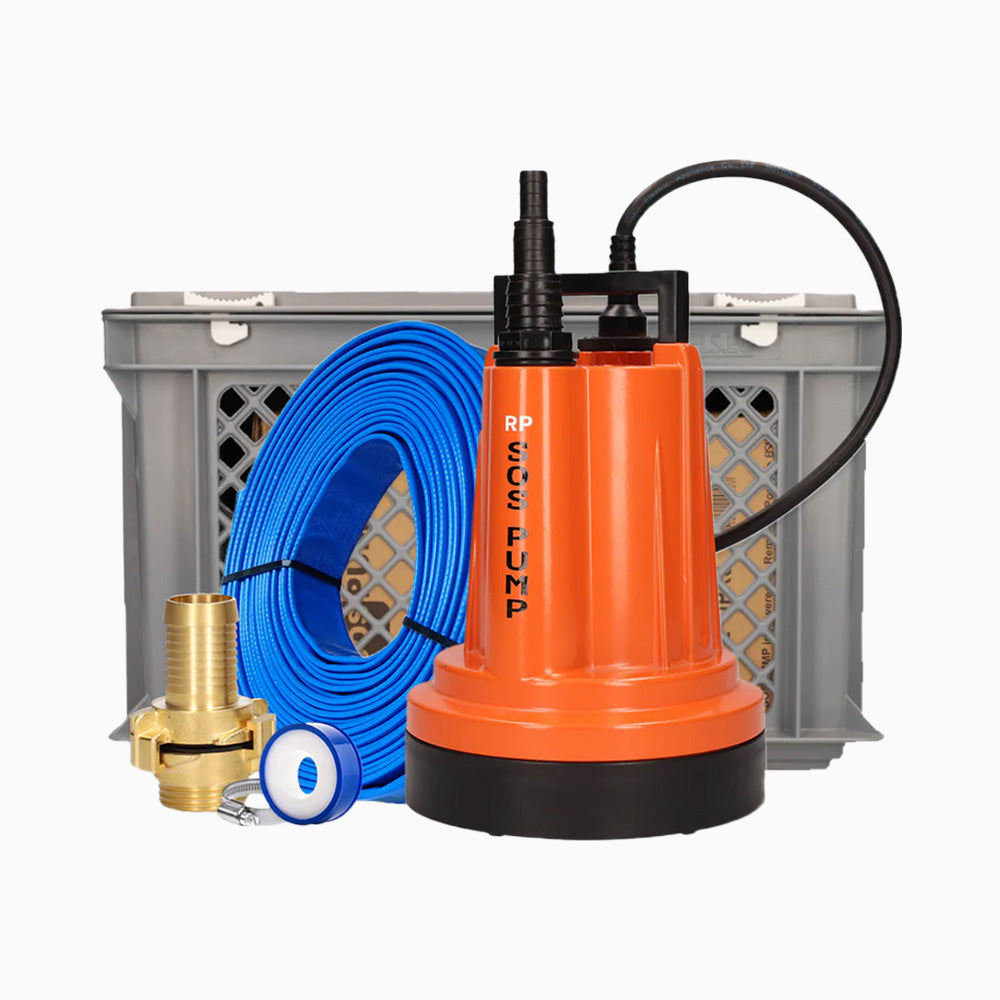
Once the water is declared safe, you'll naturally want to distribute it in a controlled manner throughout your garden. Connecting a garden hose directly to the drain plug of an Intex pool often takes hours and offers little pressure. For a quick and effective solution, use a submersible pump that pumps the water forcefully through a hose to the desired location.

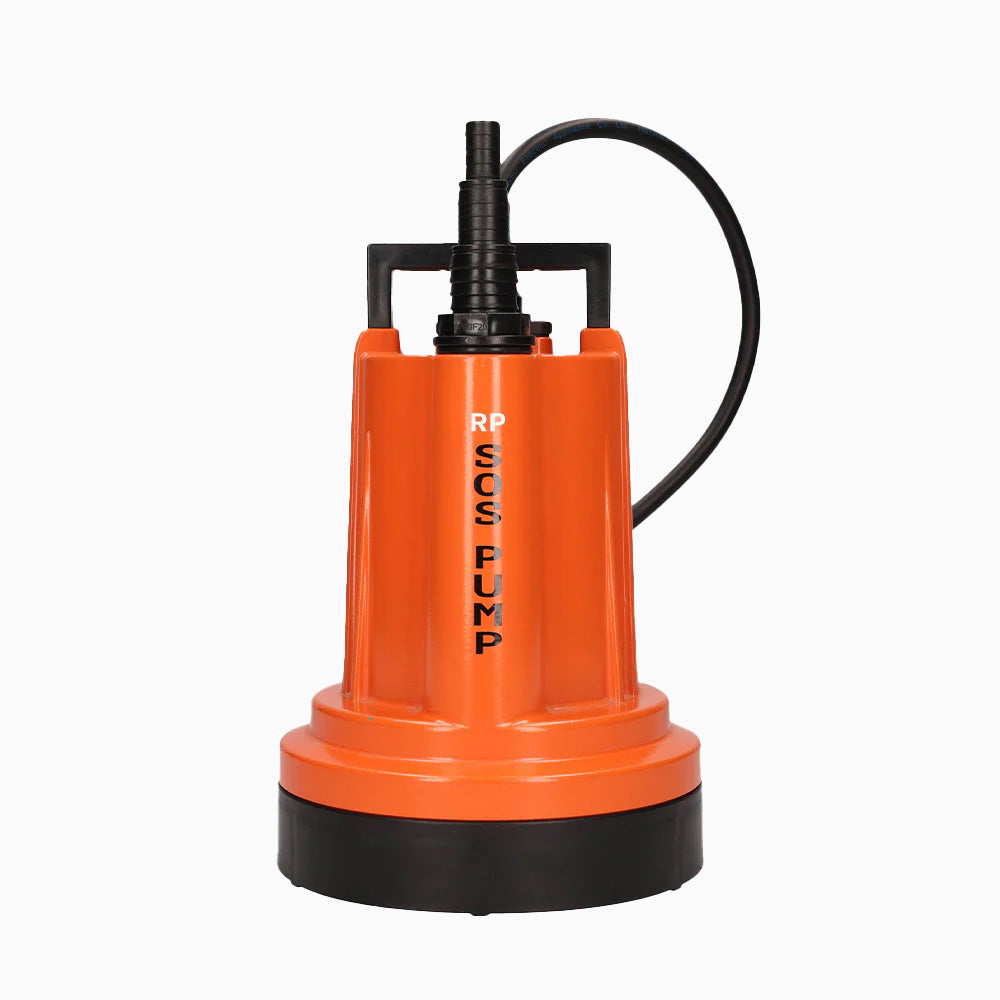
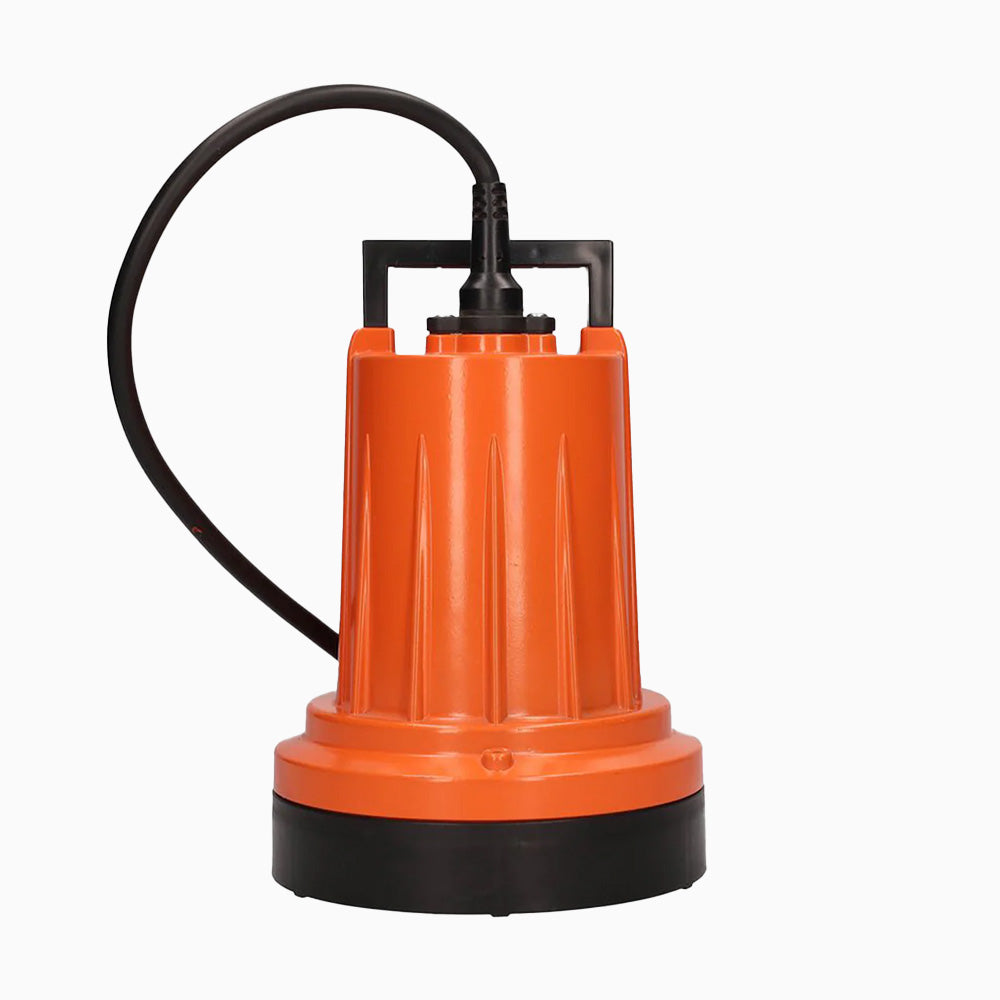
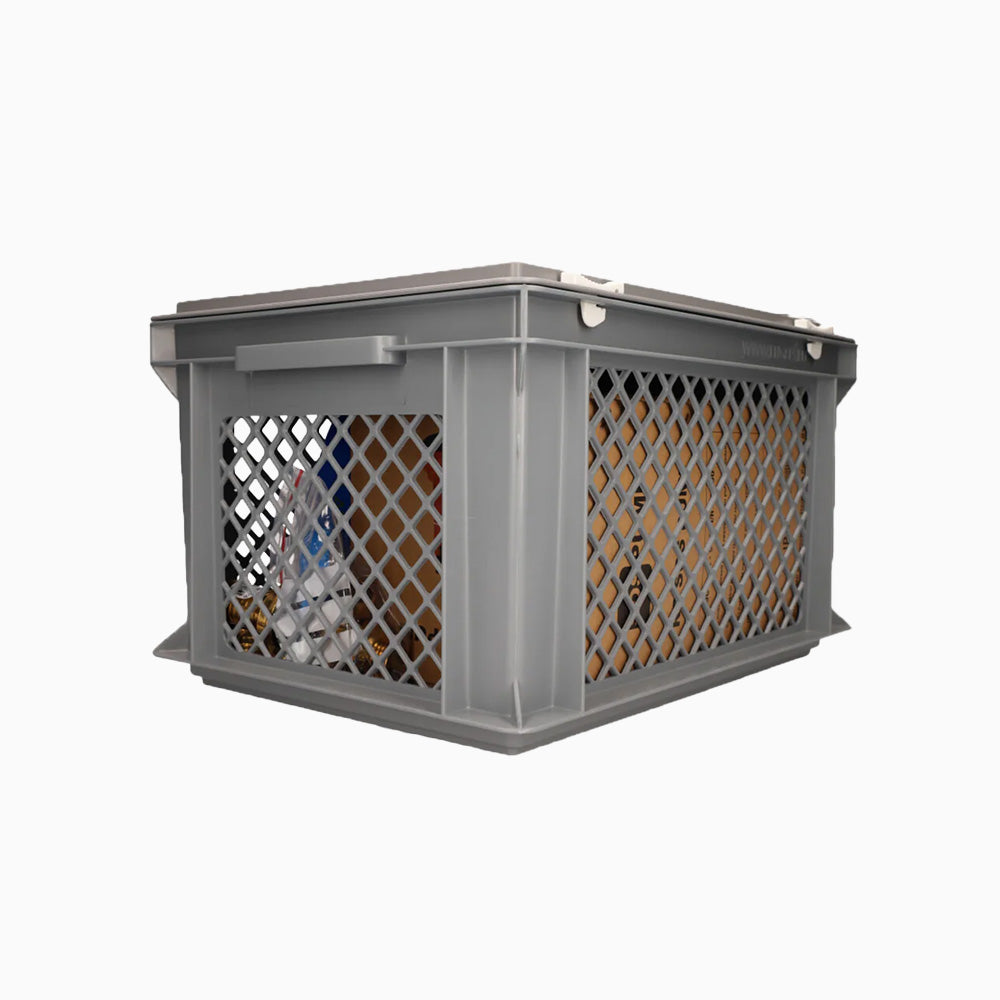
Plug & Play Submersible Pump Set
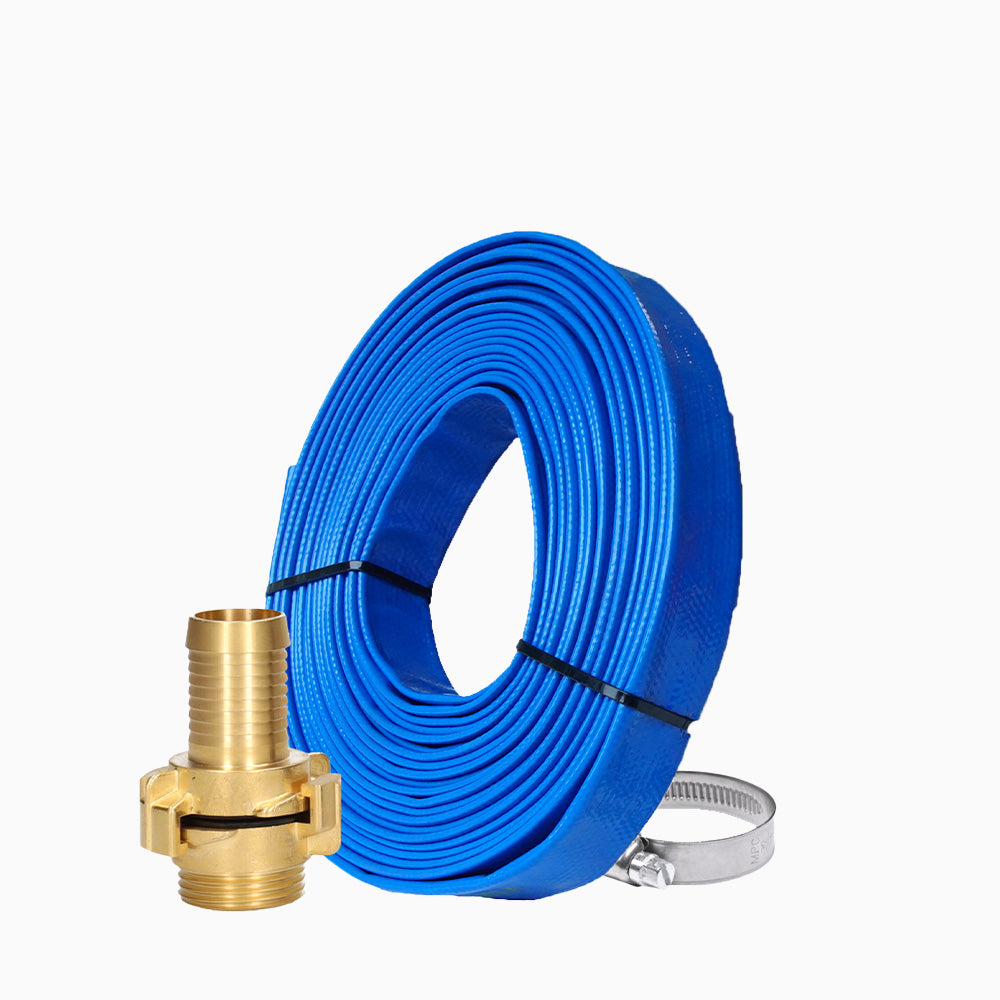
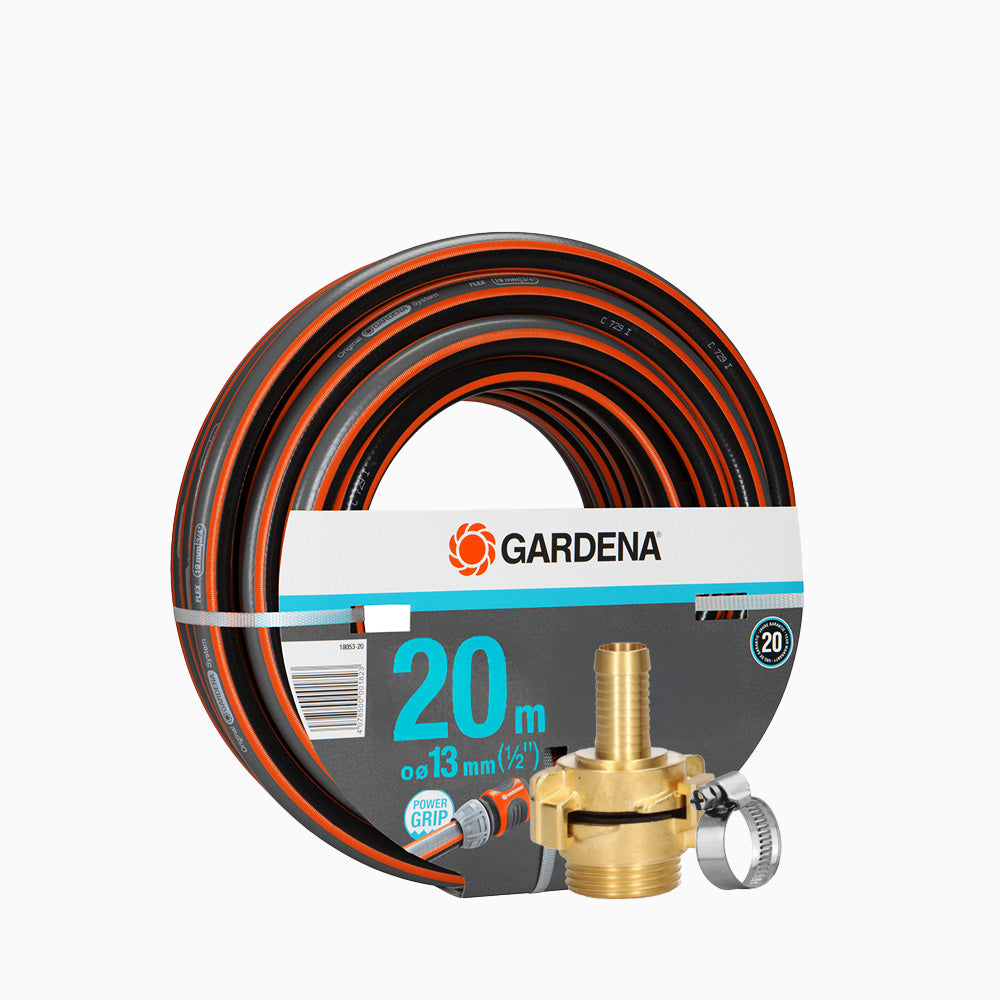
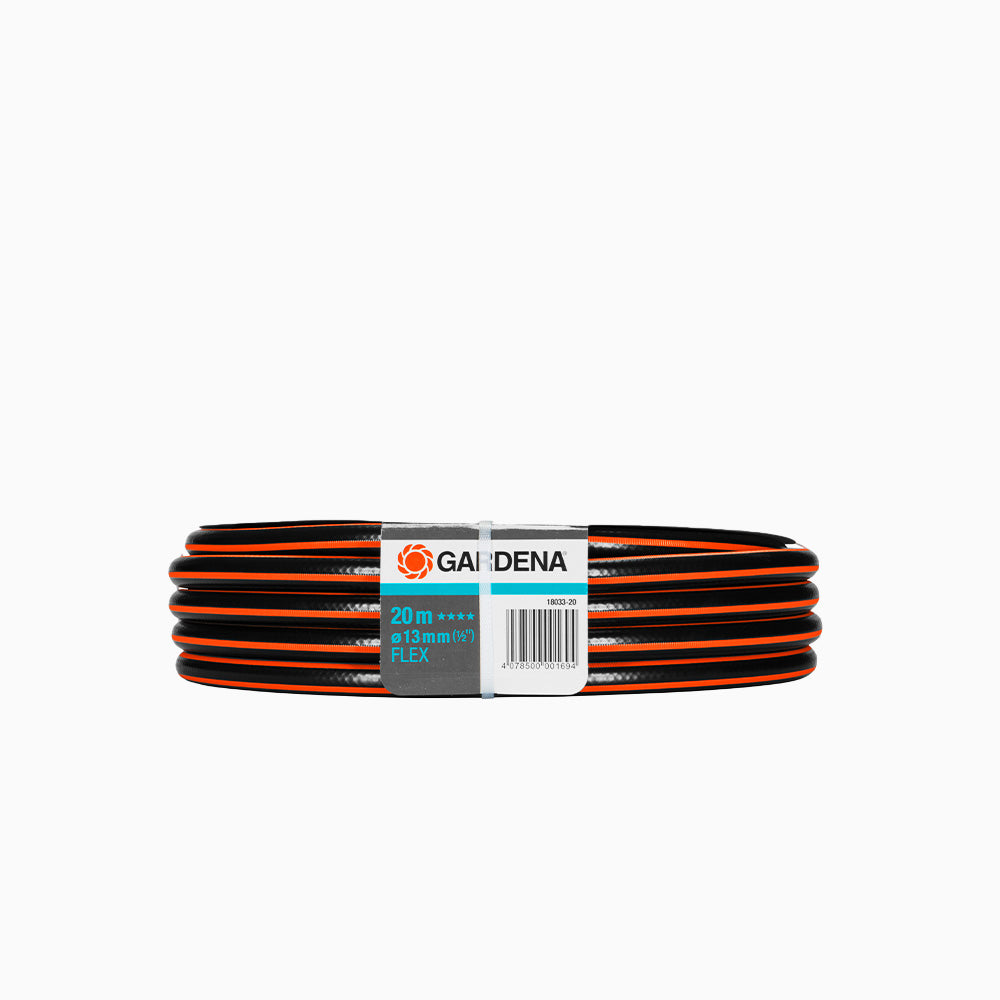
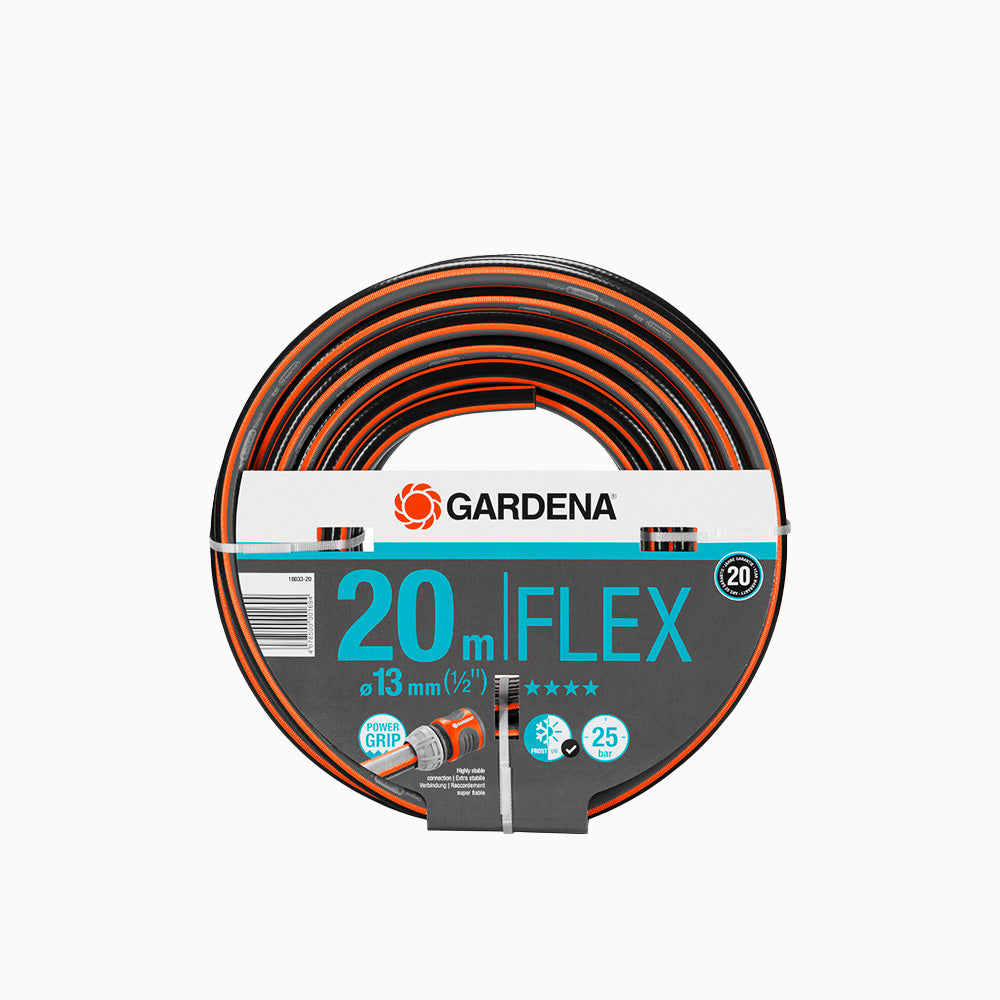
When watering your garden, it's important to distribute the water evenly. Don't pump all the water in one spot, as this can saturate the soil and cause roots to rot due to a lack of oxygen. Use a good drainage hose to reach even the furthest corners of your border.

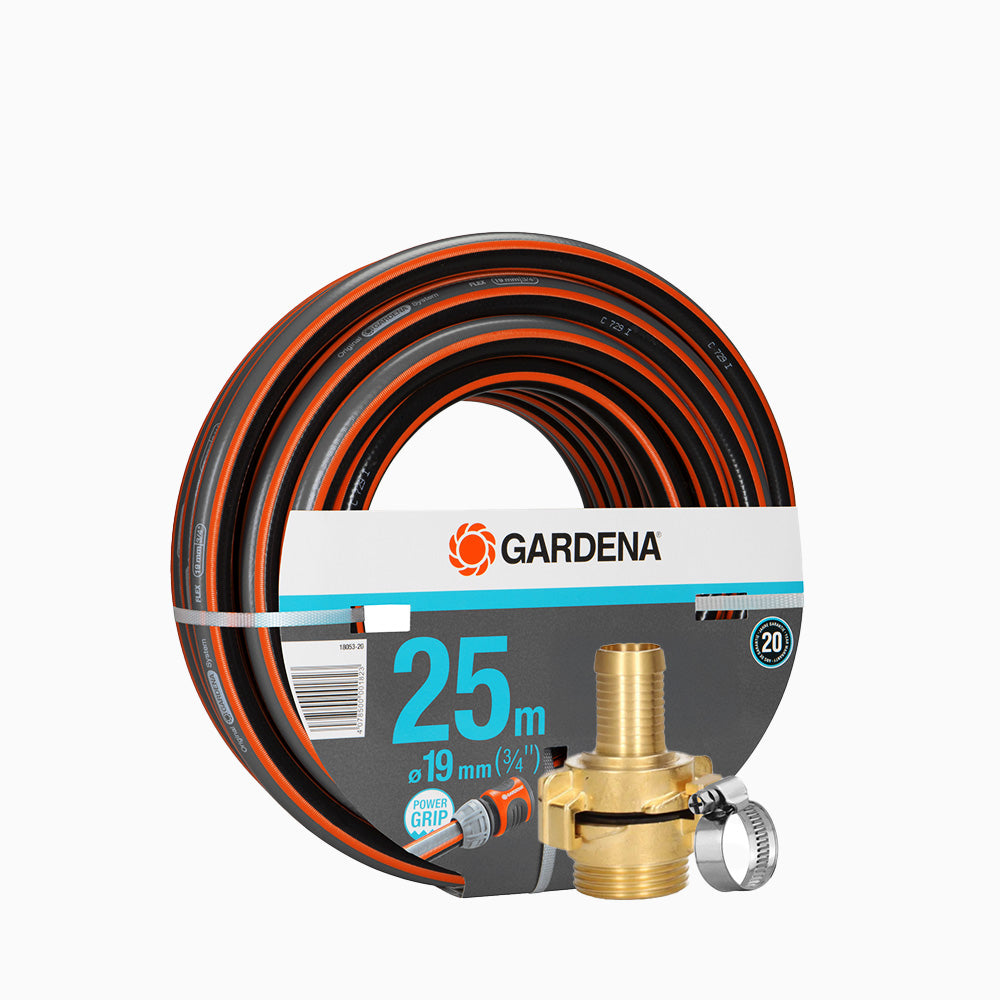
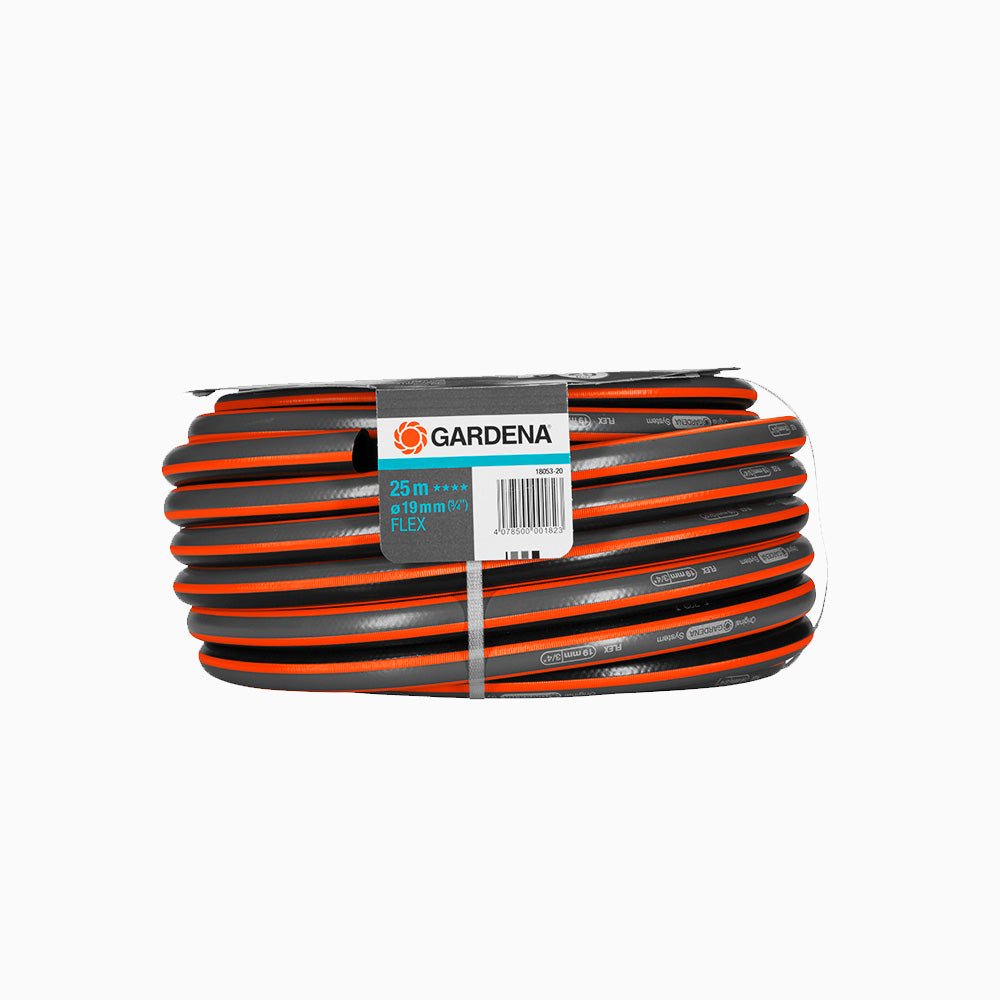
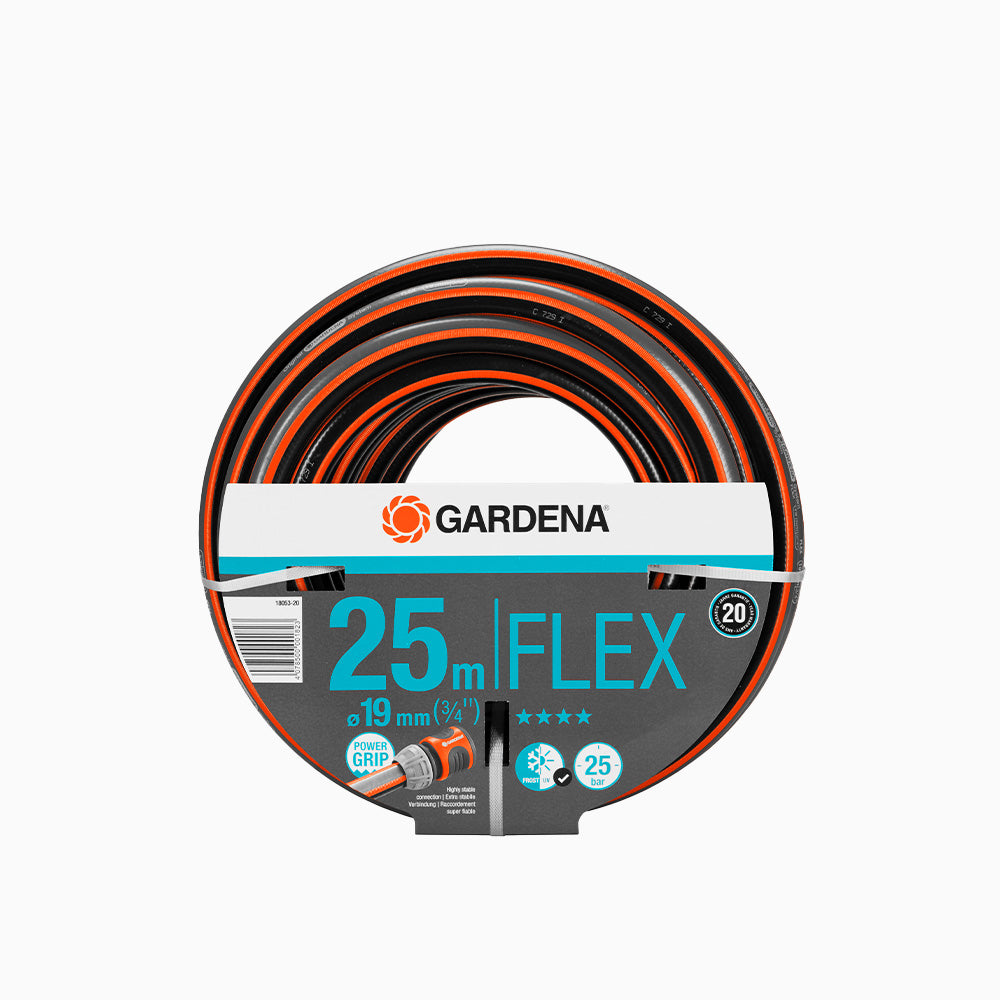
Water hose set 12.5m 25mm
Tips for a safe result
Not all plants react the same to pool water. Young cuttings, edible plants in the vegetable garden, and acid-loving plants like rhododendrons are best avoided. Lawns and mature hedges like laurel or privet can usually handle a few knocks, provided they are chlorine-free.
Want to learn more about the technical aspects of emptying a pool? Then check out "Emptying a Pool: The Complete Guide to Safely Emptying Every Type of Pool" or learn how to choose the right equipment in "Flat Vacuum vs. Submersible Dirty Water Pump: What Do You Need?" .
How long do I have to wait for the chlorine to leave the water?
On average, it takes 3 to 7 days for the chlorine level in an uncovered pool to drop low enough to be safe to use. Always test the water with a test strip.
Can I water my vegetable garden with swimming pool water?
This is not recommended. Although chlorine evaporates, the water may contain other residues or bacteria that you'd rather not have on your fruits and vegetables.
What happens if I accidentally spray water with too much chlorine?
Your plants may develop brown leaves and soil life (such as worms) may die. In that case, rinse the garden immediately with clean tap water to dilute the concentration.
Share:
Groundwater pressure: The risk of a completely empty built-in swimming pool
Draining a swimming pool after an algae infestation: What should you pay attention to?