

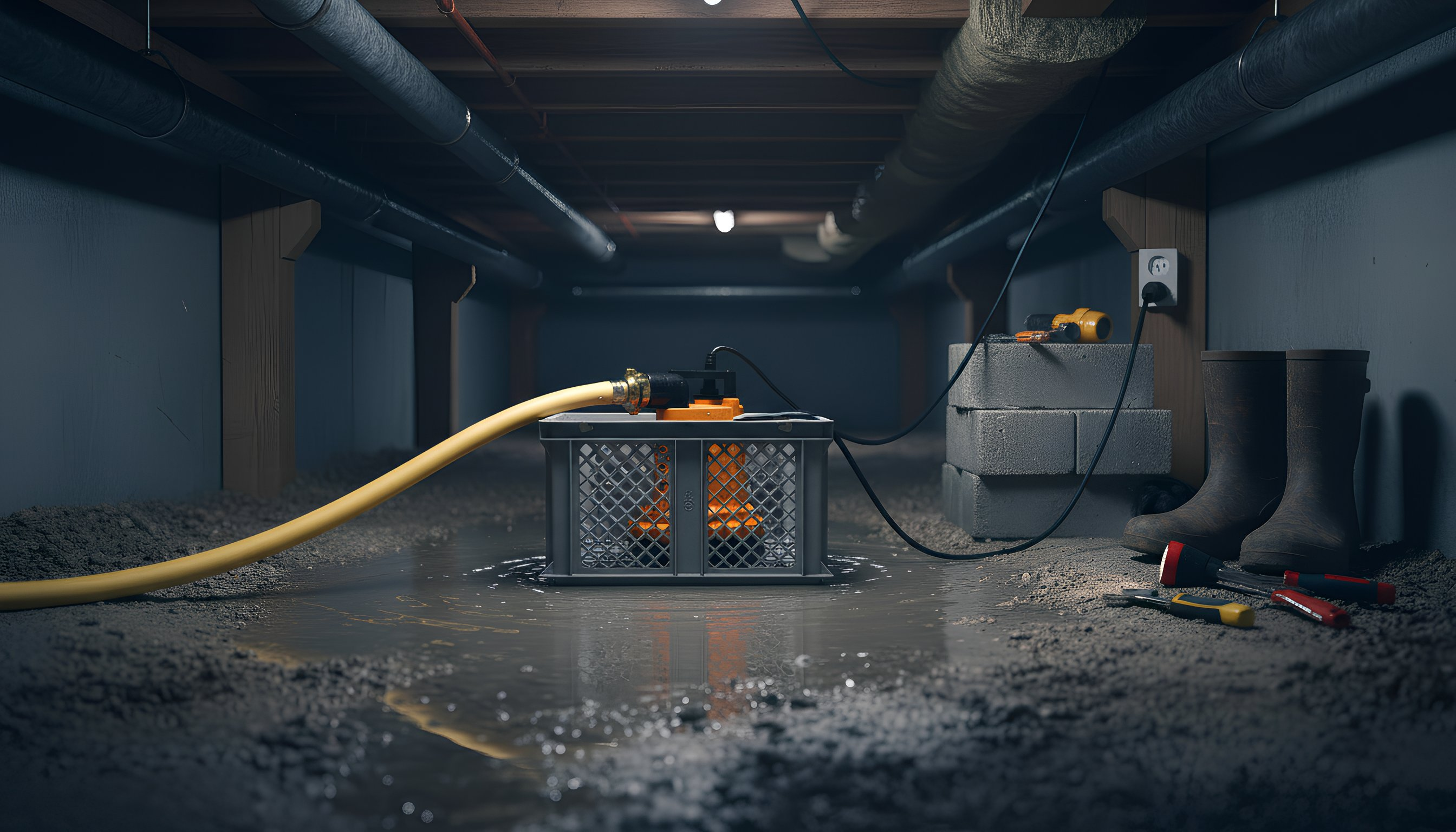
Are you facing the challenge of pumping out a flooded basement, a polluted pond, or a construction pit full of muddy water? A standard water pump often won't do the trick; you need a robust submersible dirty water pump that can handle solids and contaminants.
What exactly is a submersible pump for dirty water?
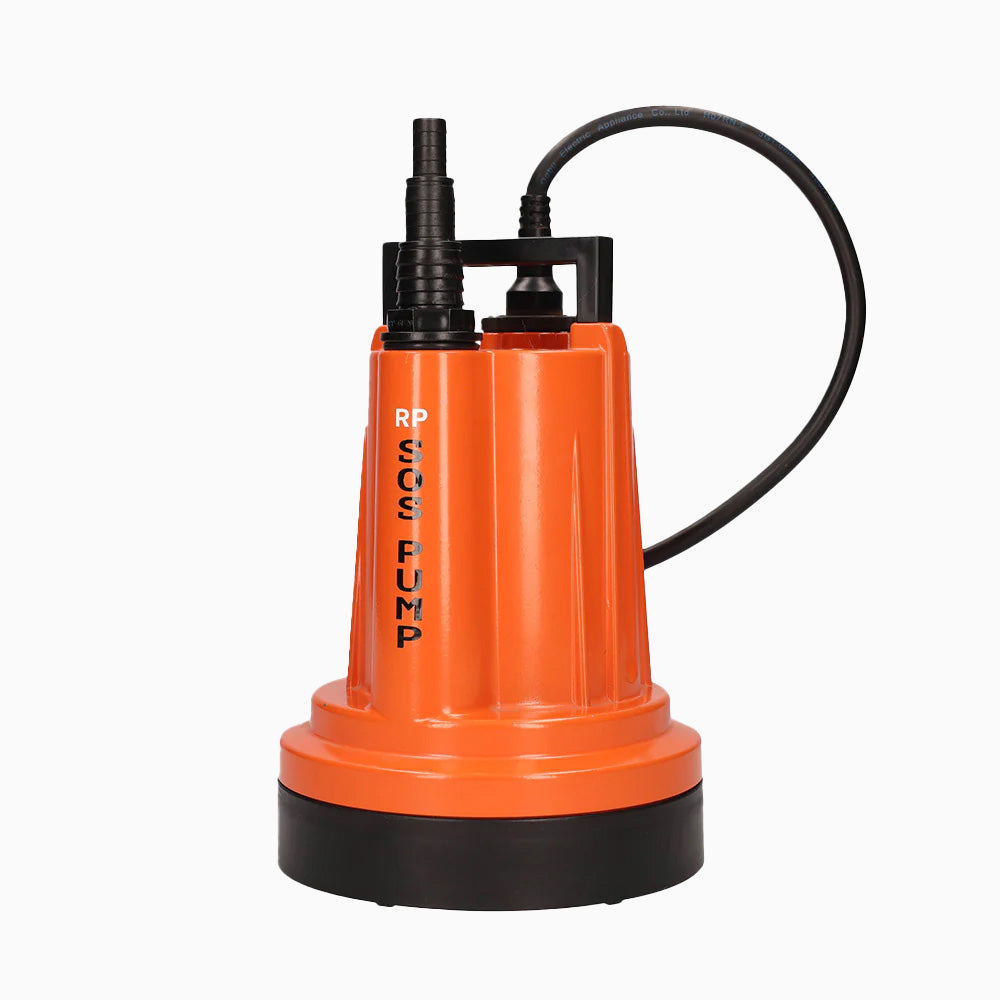
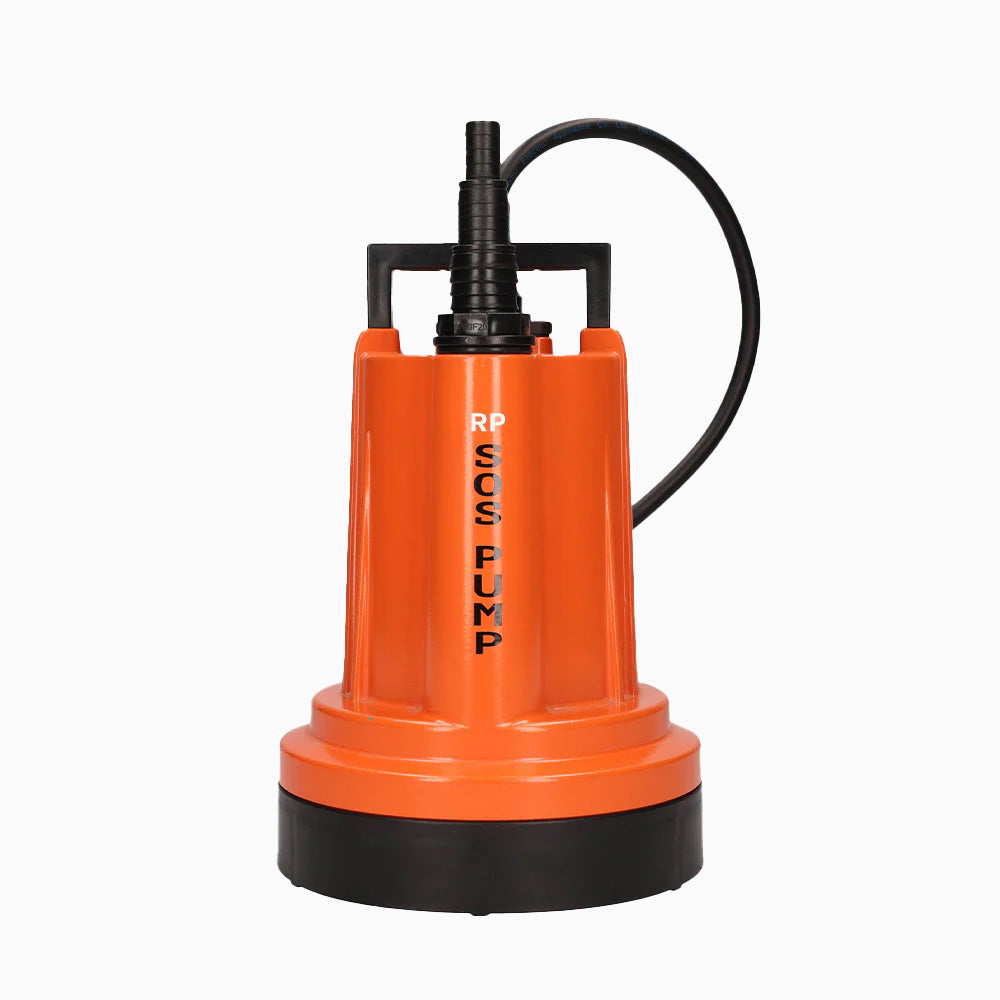
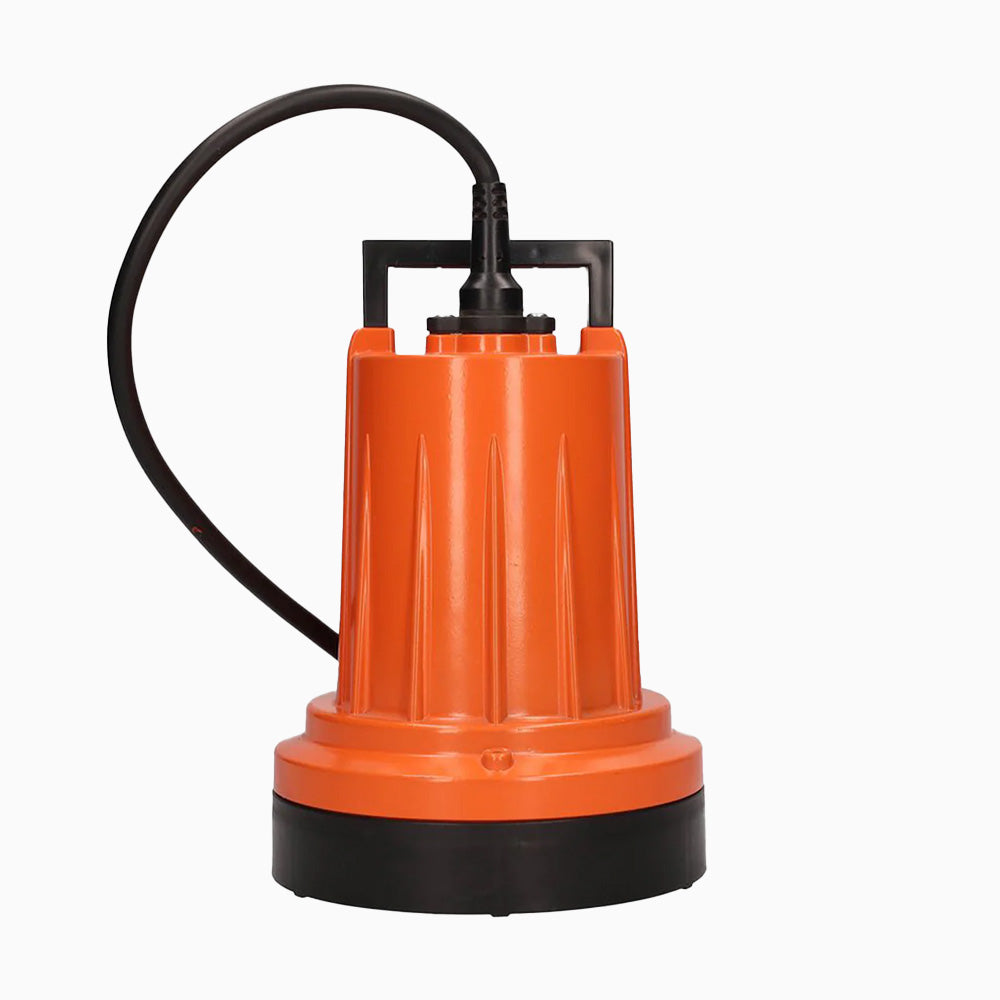
A submersible dirty water pump is a specially designed water pump that operates completely submerged in the liquid. Unlike clean water pumps, this type of pump features a larger suction opening and a robust impeller system. This allows the pump to move liquids containing solid particles, such as sand, mud, leaves, or small stones.
The major advantage of a submersible pump is that it sits directly under the liquid. This means the pump doesn't have to draw water through a hose (as is the case with a self-priming pump), but instead pushes the water directly through the pump housing to the discharge port. This makes the pump extremely efficient for emergency situations and heavy-duty jobs.
How does a sewage submersible pump work?
A submersible wastewater pump operates on centrifugal force. An electric motor drives an impeller that rotates at high speed. When water enters the pump, the impeller's rotational movement propels it outward, creating pressure that pushes the water up through the discharge hose.
In sewage models, the space between the impeller and the pump housing is larger. This is crucial for preventing clogging. In the article "What is particle size in a submersible pump and why is it important?", we explain how this space determines which objects the pump can safely handle.
Important specifications when choosing
Not every submersible wastewater pump is the same. To make the right choice for your specific situation, you need to consider several technical aspects.
Capacity and head
The capacity indicates how many liters of water the pump can move per hour. For a small basement, 5,000 liters per hour might be sufficient, but for a large construction pit, you often need much more. The head is the maximum height the pump can reach. Note: the higher you have to pump the water, the lower the final capacity will be.
Grain size
This is perhaps the most important factor for dirty water. The particle size indicates the maximum permitted size of the solids in the water (for example, 20mm or 35mm). For more information on the correct application, please see Applications: When to use a submersible dirty water pump?

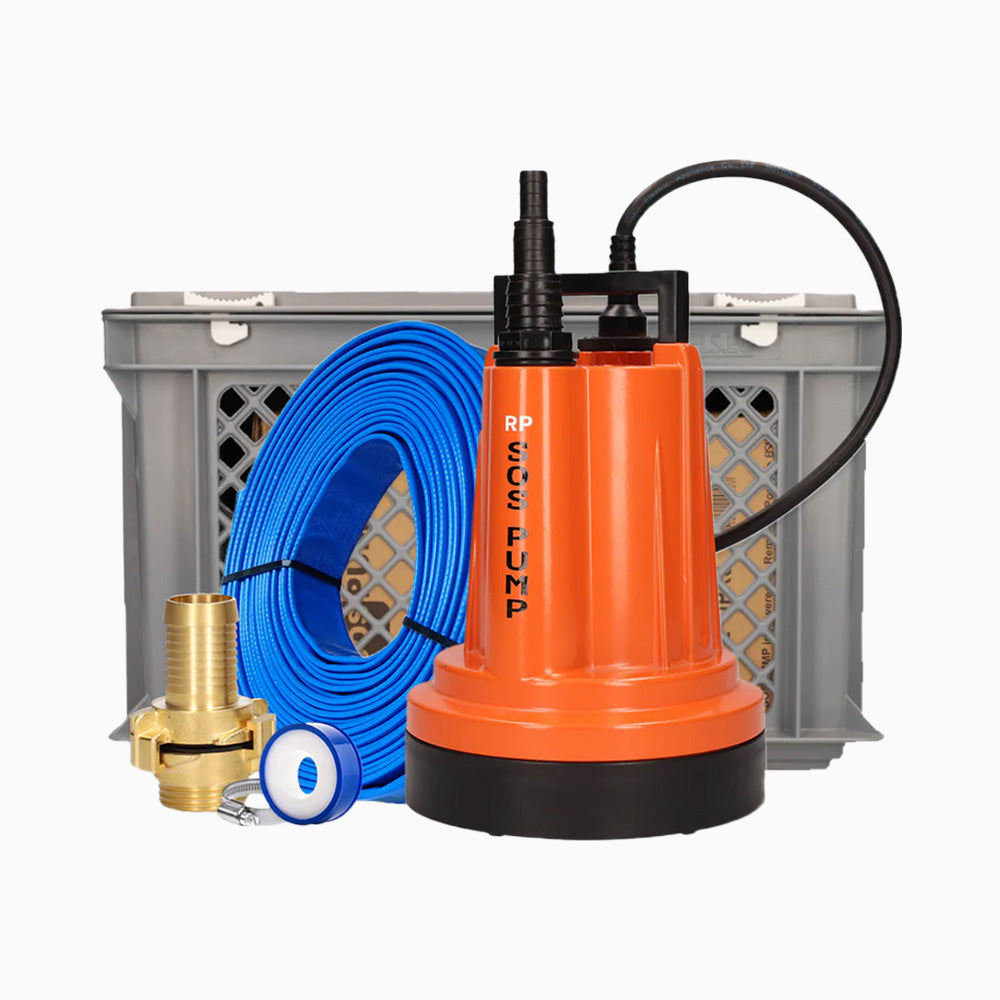
Plug & Play Submersible Pump Set
Material used: Stainless steel vs. Plastic
For occasional use in the garden, a plastic housing is often sufficient. However, for heavy-duty jobs or permanent use in a well, a more robust material is recommended. Read more about this in "Stainless Steel vs. Plastic Submersible Pumps: Which Material Lasts Longer?"
Float switches: Automatic or manual?
Most submersible pumps are equipped with a float switch. This is a switch that turns the pump on when the water level rises and turns it off again when the water level drops. This prevents the pump from running dry and burning out.
- Floating float: A cable with a float that needs room to move.
- Internal float or sensor: Ideal for narrow wells where a floating float could get stuck.
For a detailed comparison, we recommend the article Submersible pump with float vs. without float: The differences .
Installing your wastewater submersible pump
Proper installation significantly extends the life of your pump. Follow these steps for safe operation:
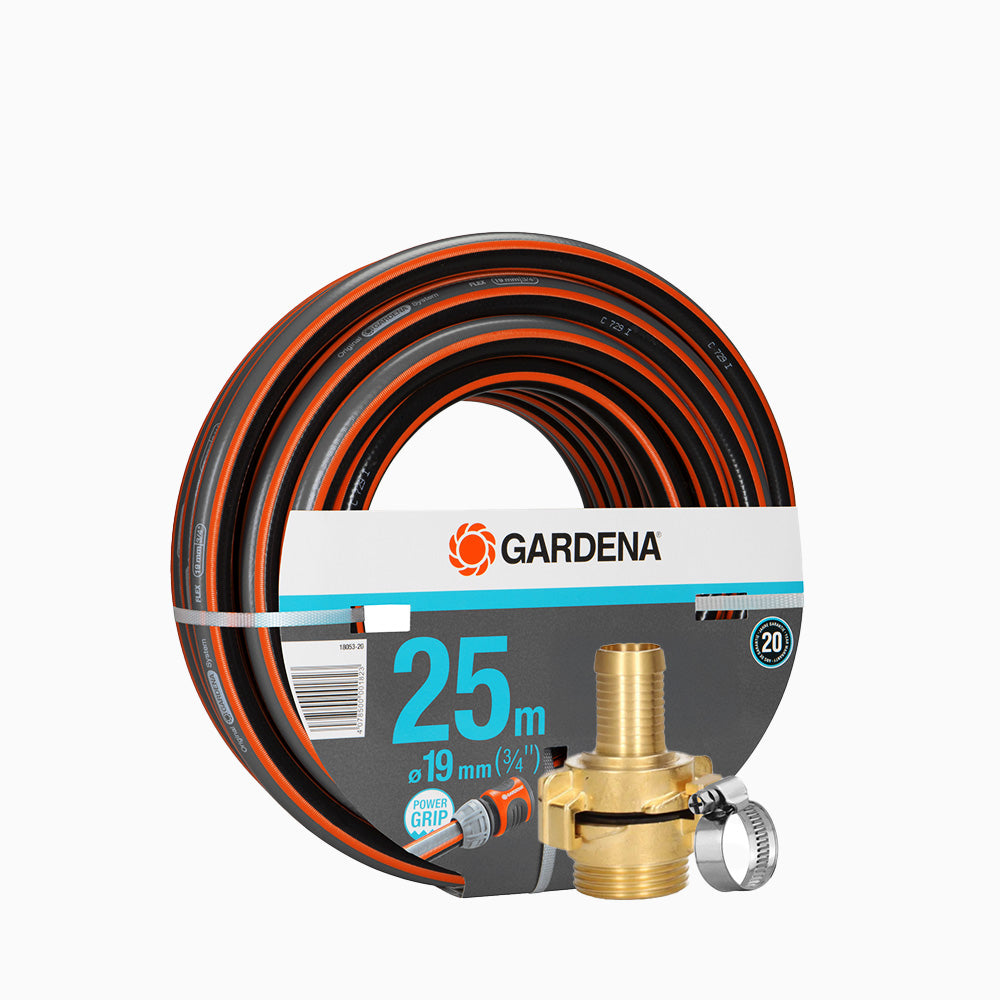
- Check the hose: Use a discharge hose with a diameter at least as large as the pump outlet to minimize resistance.
- Placement: Place the pump on a flat surface. In muddy conditions, it's wise to place the pump on a paving stone to prevent it from sinking into the sludge.
- Bleeding: Sometimes air remains in the pump housing. Tilt the pump under water briefly to release the air.
For specific situations such as basements, see our Step-by-step plan: Installing a submersible pump in the basement .

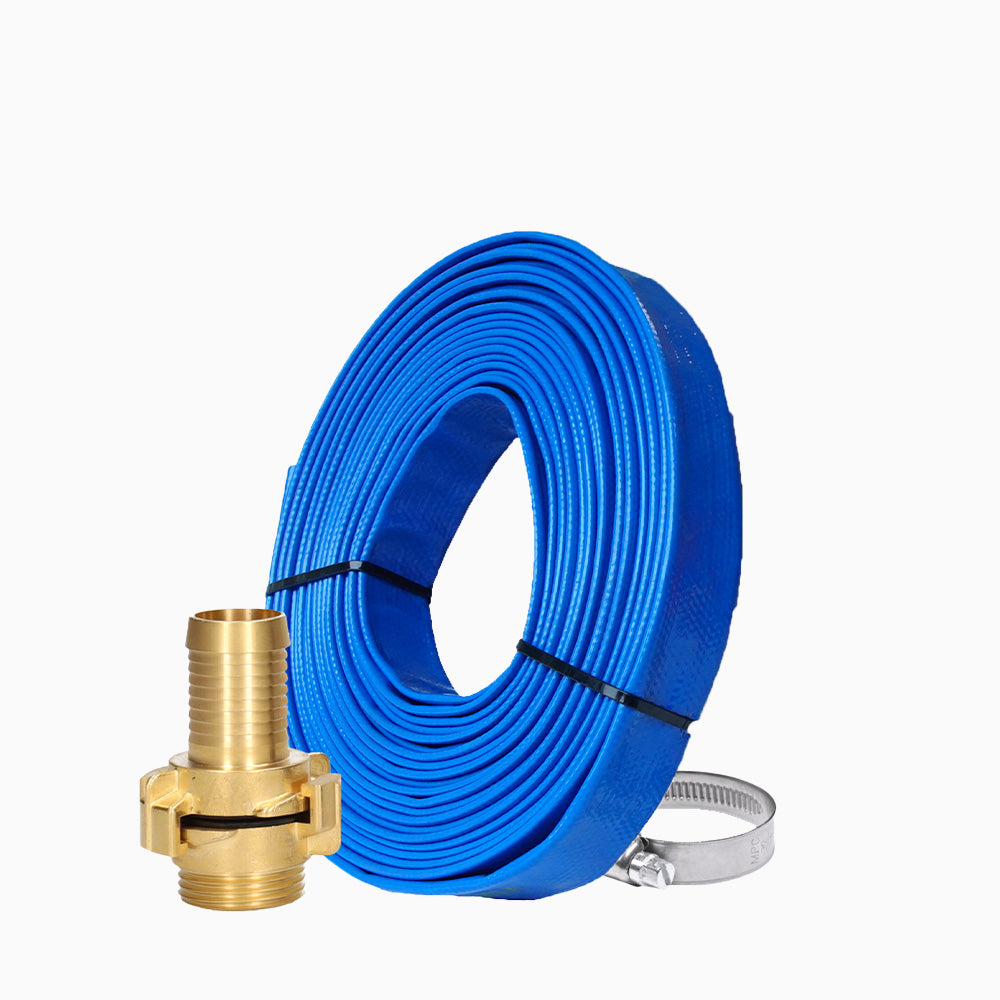
Water hose set 12.5m 25mm
Maintenance and troubleshooting
Although a submersible dirty water pump is built for tough conditions, maintenance is essential. After use in very dirty water, it's wise to flush the pump with clean water. This prevents dirt from building up inside.
If your pump unexpectedly stops working, consult Common Problems: Why isn't my submersible pump pumping water? for a quick diagnosis. In many cases, a clogged suction strainer or an air bubble is the culprit. For a thorough cleaning after a major job, you can follow the guide How to clean a wastewater submersible pump after use .
Specific applications
The versatility of the wastewater submersible pump makes it indispensable in various scenarios:
- Construction: For keeping foundations dry. See also Draining a construction pit: Which heavy-duty submersible pump do you need?
- Garden and Pond: When cleaning a natural pool. Read more in The best submersible pump for your pond or natural pool .
- Emergencies: In heavy rainfall. See First aid for flooding: Quickly remove water from the crawl space .
Frequently asked questions about wastewater submersible pumps
Can a submersible dirty water pump also pump clean water?
Yes, a wastewater pump can easily handle clean water. The only drawback is that a wastewater pump often has a lower suction capacity than a dedicated cleanwater pump, because the suction ports are larger.
How deep can a submersible pump be under water?
This depends on the maximum immersion depth specified by the manufacturer, usually between 5 and 7 meters. This is determined by the water pressure the motor's seals can withstand.
Can I leave the pump in the water when not in use?
Yes, submersible pumps are designed to remain submerged in water. However, if there is a risk of frost, the pump should be removed from the water to prevent damage from freezing.
What happens if the pump runs dry?
Dry running can overheat the engine and damage the seals, as the water also serves as cooling and lubrication. Therefore, always use a float switch or sensor to switch off the pump in time.
Share:
How do you clean a wastewater submersible pump after use?
How do you choose the best submersible pump for dirty water?