

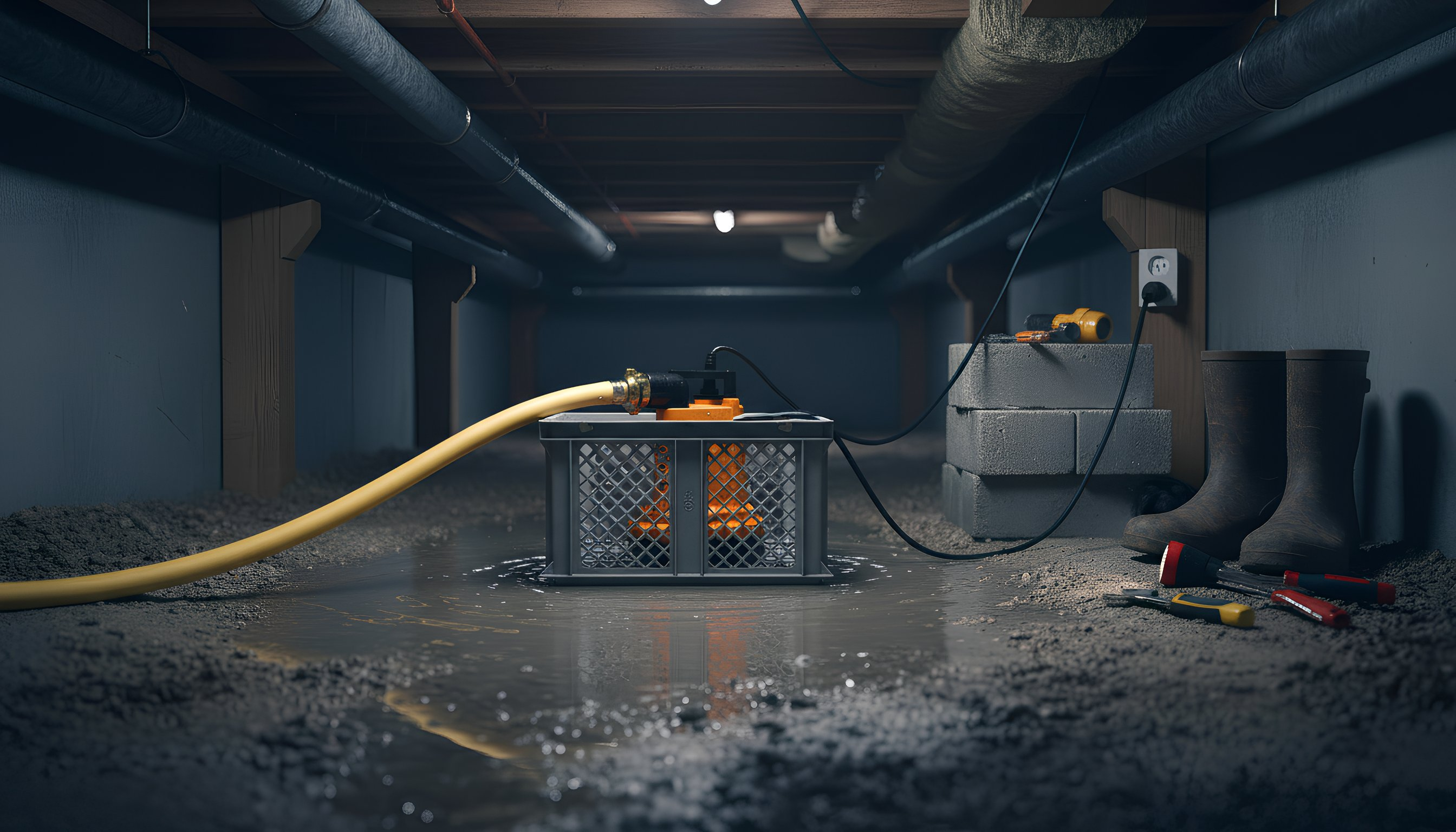
Have you just finished a tough job with your submersible dirty water pump? It's essential to thoroughly clean the pump immediately afterward to extend its lifespan and prevent breakdowns.
Why maintenance of a submersible dirty water pump is crucial
A submersible dirty water pump is designed to move liquids containing solids such as mud, sand, or even feces. Although these pumps are robust, residues can cause significant problems over time. These include encrusted dirt that blocks the impeller, or aggressive substances that corrode the seals.
Cleaning your pump immediately after use prevents surprises next time. In our article "Installing and Maintaining a Submersible Wastewater Pump," we delve deeper into the technical aspects, but here we'll focus on immediate cleaning.
Step-by-step plan: How to thoroughly clean the pump
Follow these steps to keep your pump in top condition:
- Safety First: Always unplug the pump before touching or inspecting it.
- Rinsing: Place the pump in a container of clean, lukewarm water and let it run for a few minutes. This will rinse the internal passages and impeller.
- Cleaning the suction strainer: Manually remove any leaves, twigs or other coarse dirt stuck in the suction openings.
- Float Inspection: Check that the float switch moves freely and is not stuck due to mud residue.

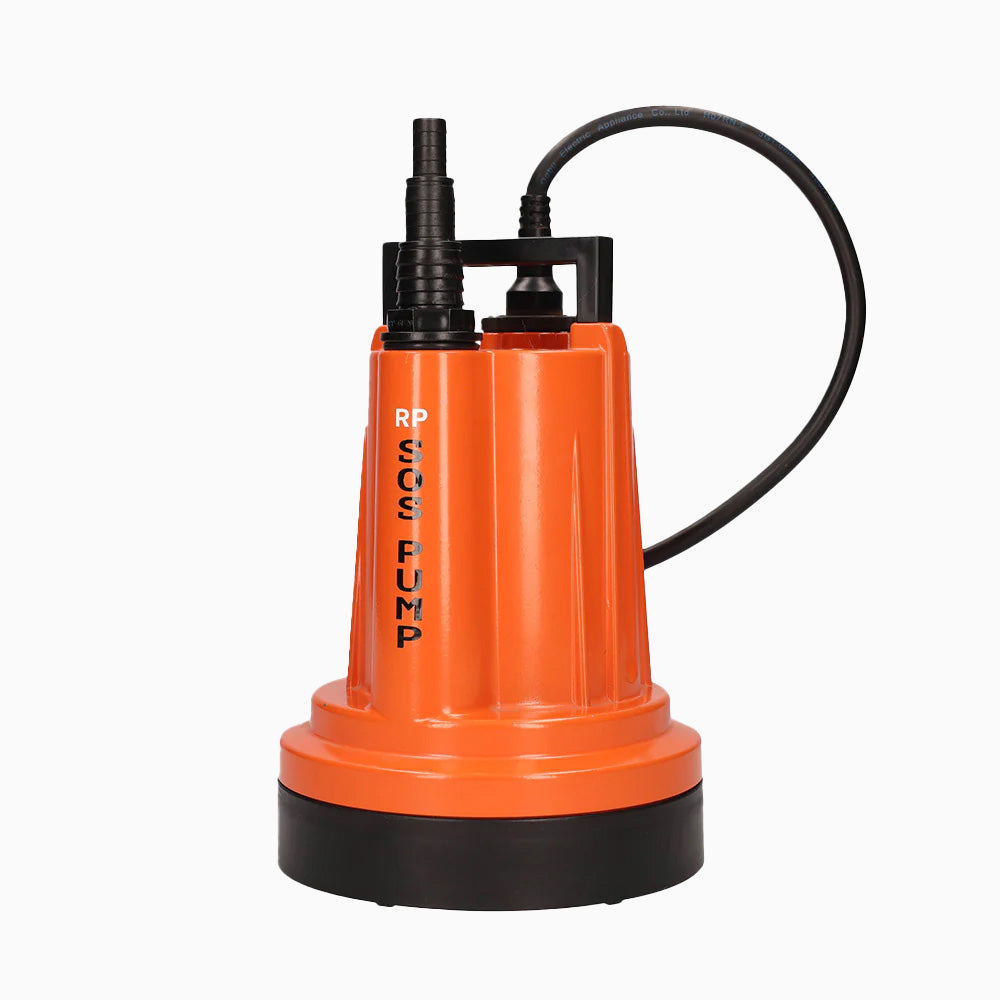
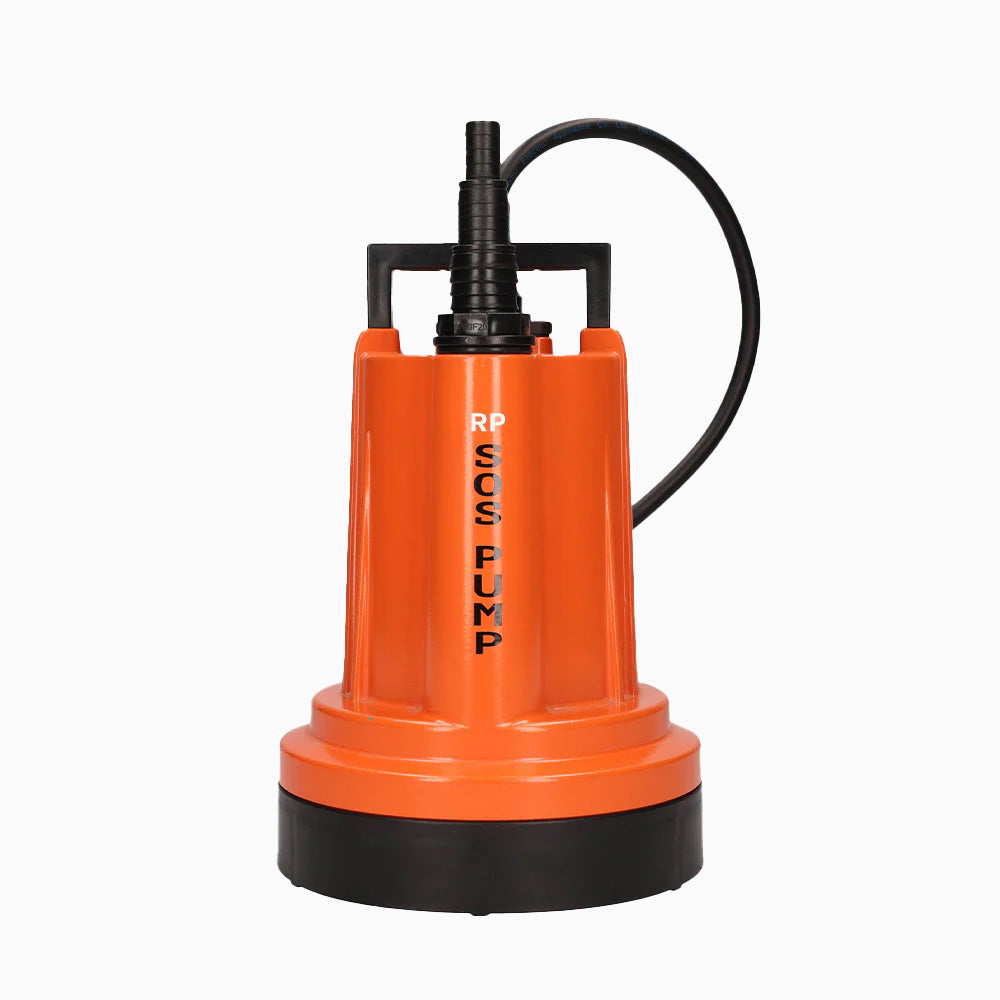
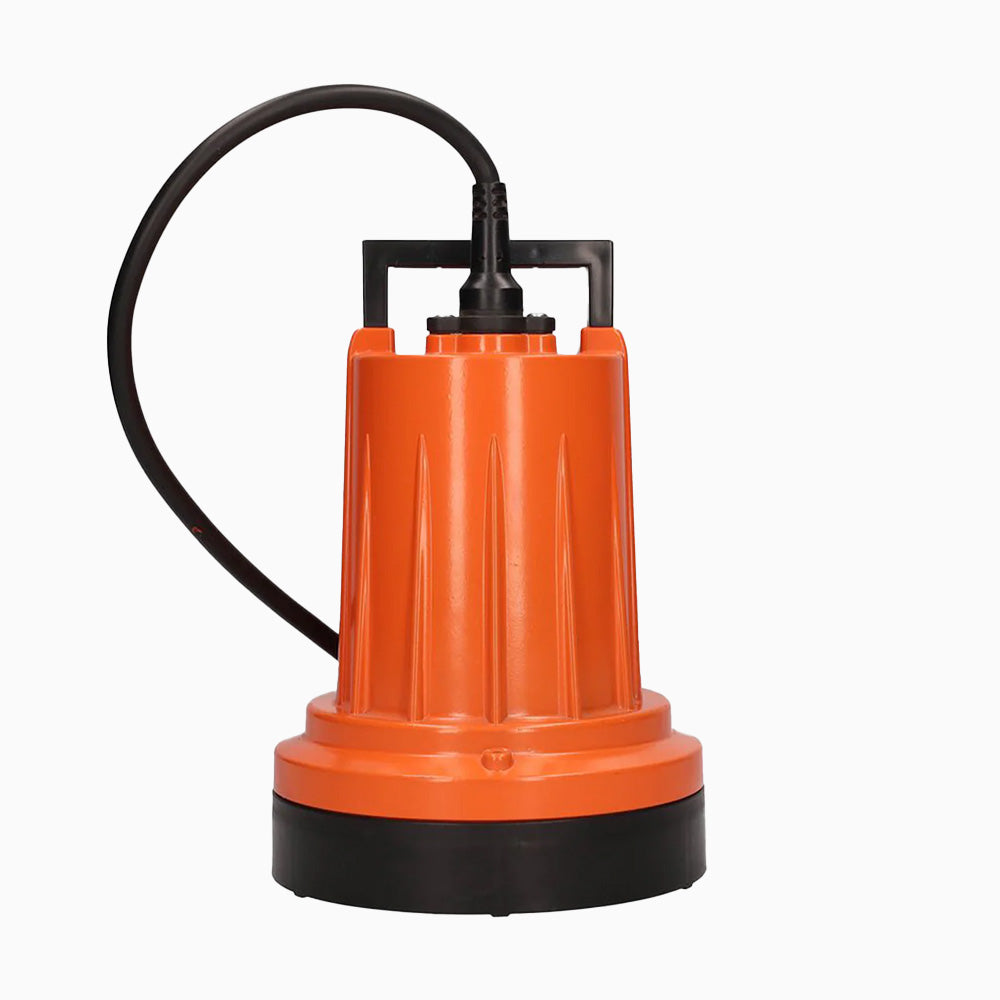
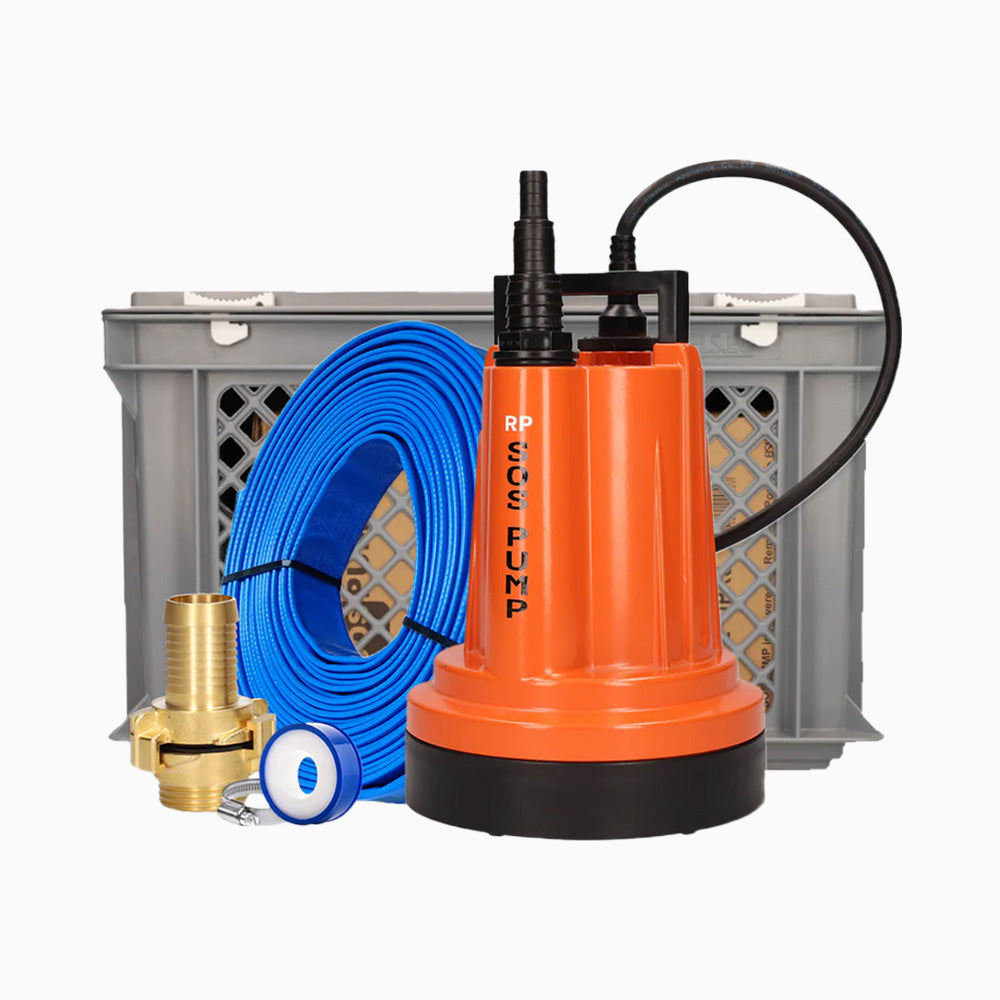
Plug & Play Submersible Pump Set
Dealing with stubborn dirt and odors
If the pump has been used to empty a cesspool or a muddy construction pit, simply flushing it is often not enough. In such cases, it's wise to disassemble the bottom of the pump (if the model allows it) to inspect the impeller directly. More information about the pump's construction can be found in The Ultimate Guide to the Submersible Wastewater Pump: Everything You Need to Know .
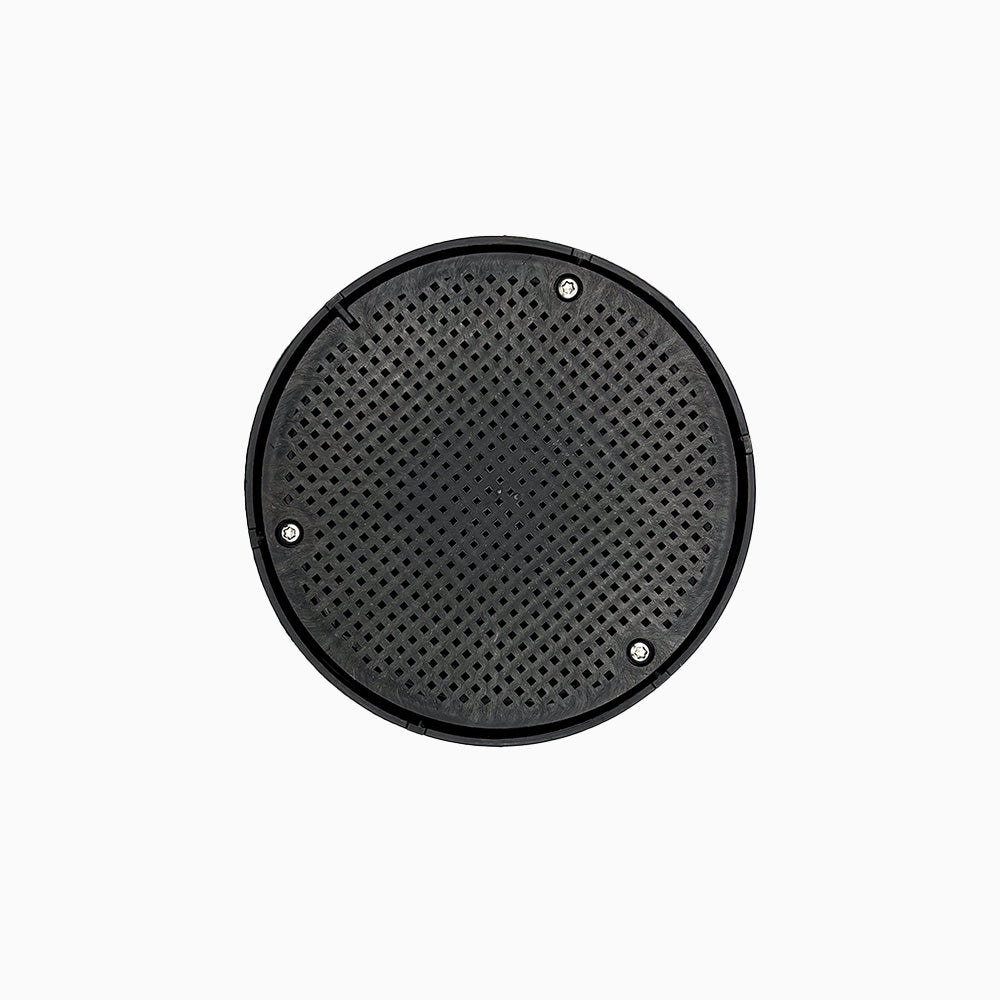
If you notice that the bottom of your pump is damaged by abrasive sand or stones, it is advisable to replace it in time to ensure efficiency.

Submersible pump bottom
Storage after cleaning
After cleaning the pump, let it dry thoroughly before storing it. Neatly coil the cord without kinks. Are you experiencing power supply issues? See "Common Problems: Why Won't My Submersible Pump Pump Water?" for troubleshooting. A dry, frost-free storage location is essential to ensure the longevity of the electronics and housing.
Frequently asked questions about cleaning submersible pumps
Can I use a pressure washer on the outside?
No, using a pressure washer is not recommended. The powerful jet can force water past the seals, which can damage the engine. A garden hose and a soft brush will suffice.
How often should I check my sewage submersible pump?
For occasional use, clean the pump after each job. For a permanent installation, such as in a basement, a biannual inspection is recommended. See also Step-by-step plan: Installing a submersible pump in the basement .
What should I do if the pump smells after use in a well?
Rinse the pump in a container of water with a mild, biodegradable soap. Then run the pump again in completely clean water to remove any soap residue.
Share:
Common Problems: Why isn't my submersible pump pumping water?
The Ultimate Guide to the Submersible Dirty Water Pump: Everything You Need to Know