

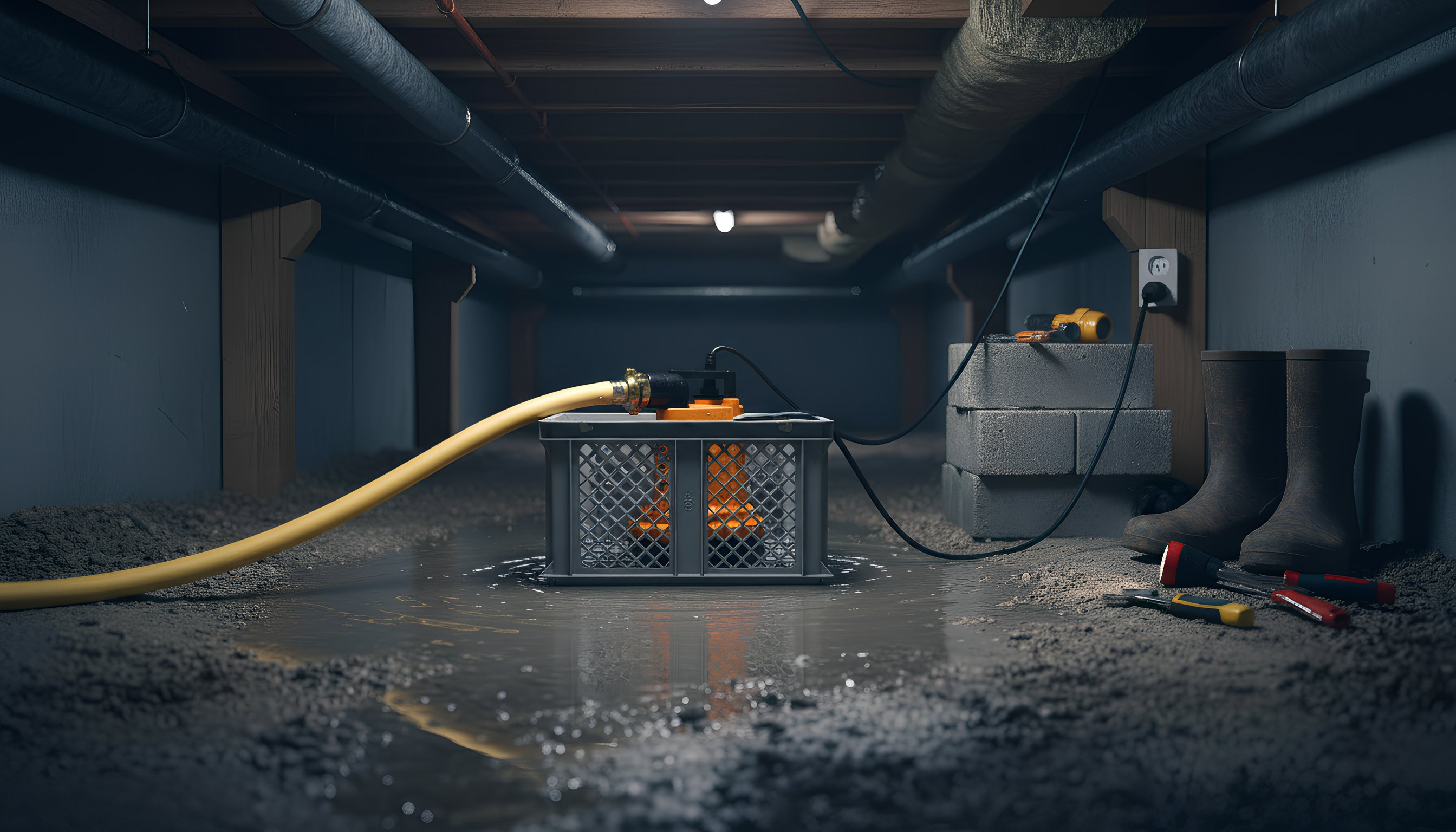
Are you dealing with a flooded basement or a waterlogged construction pit? A submersible wastewater pump is your best friend in these situations, provided it's properly installed and maintained.
The basis of a successful installation
A submersible dirty water pump is designed to move water contaminated with solids such as sand, mud, or small stones. Before lowering the pump into the water, it's essential to make the proper preparations. Always check first whether the pump is suitable for the specific job. The Ultimate Guide to the Dirty Water Submersible Pump: Everything You Need to Know explains exactly what to look for when purchasing a pump.
During installation, the pump's stability is crucial. Place the pump on a level surface. If the ground is very muddy or full of large debris, it may be wise to place the pump on a paving stone. This prevents the suction strainer from sinking directly into the mud, which would place unnecessary strain on the engine.
Step-by-step installation plan
- Check the float: Make sure the float switch moves freely. If the float gets caught on something, the pump will not turn on or off automatically, which can lead to dry running or flooding. Read more about this in Submersible pump with float vs. without float: The differences .
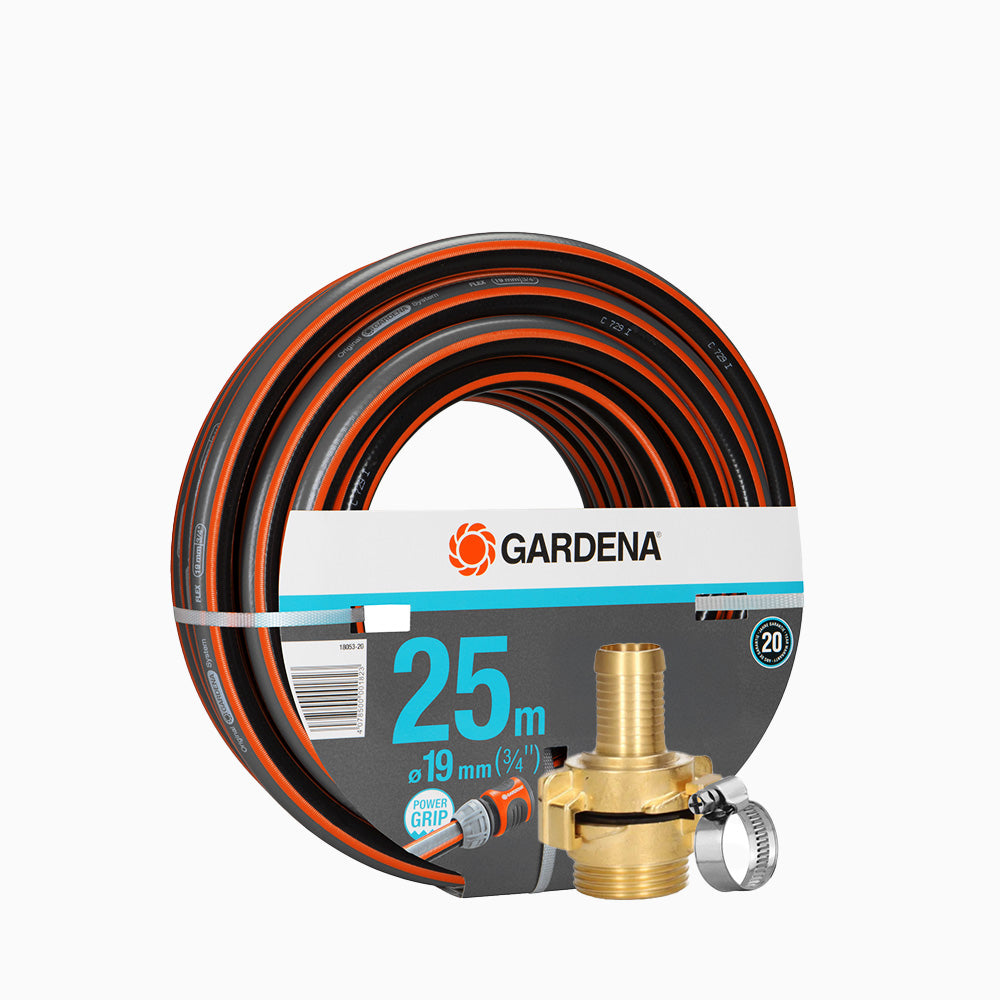
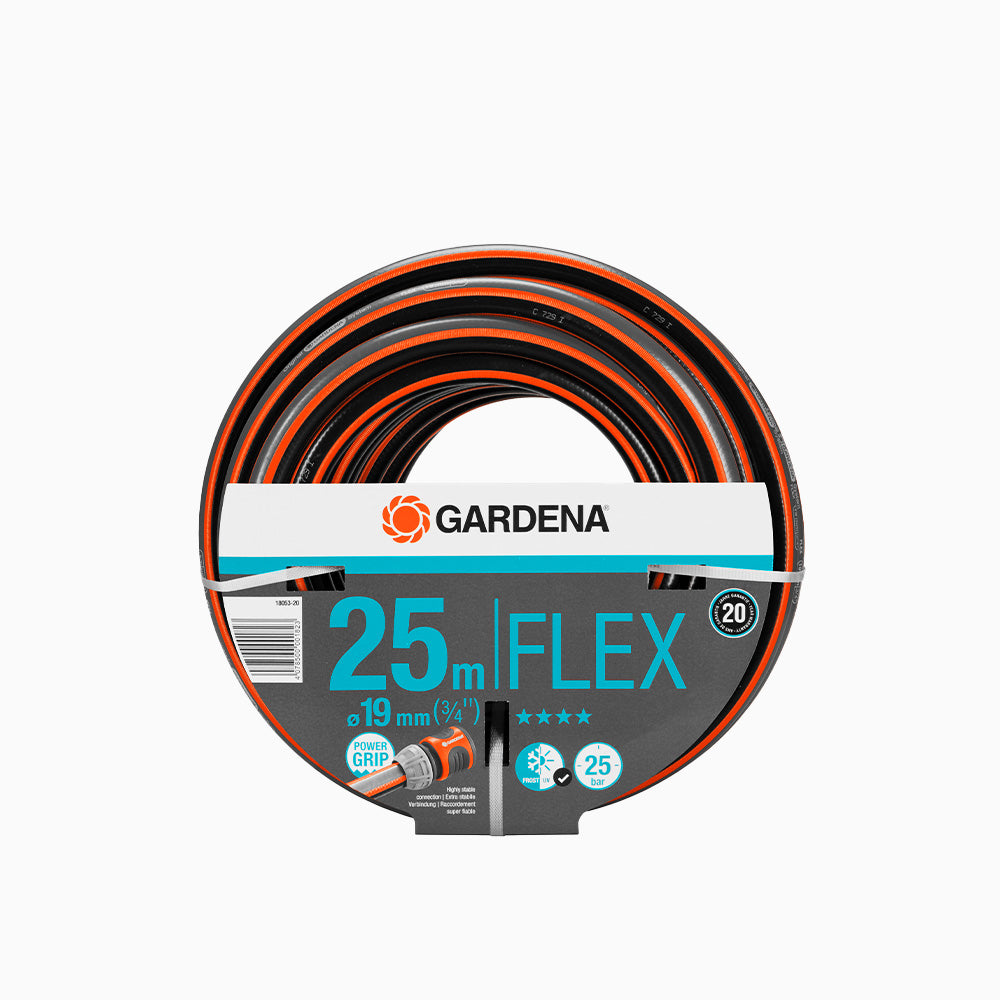
- Connect the discharge hose: Use a hose with a sufficiently large diameter. A hose that is too narrow will create resistance, reducing the pump's capacity and causing it to overheat more quickly.
- Submersion: Never lower the pump into water by its power cord. Use a sturdy rope or chain attached to the handle.
- Electrical connection: Do not plug in the pump until it is in place and the discharge hose is correctly positioned.

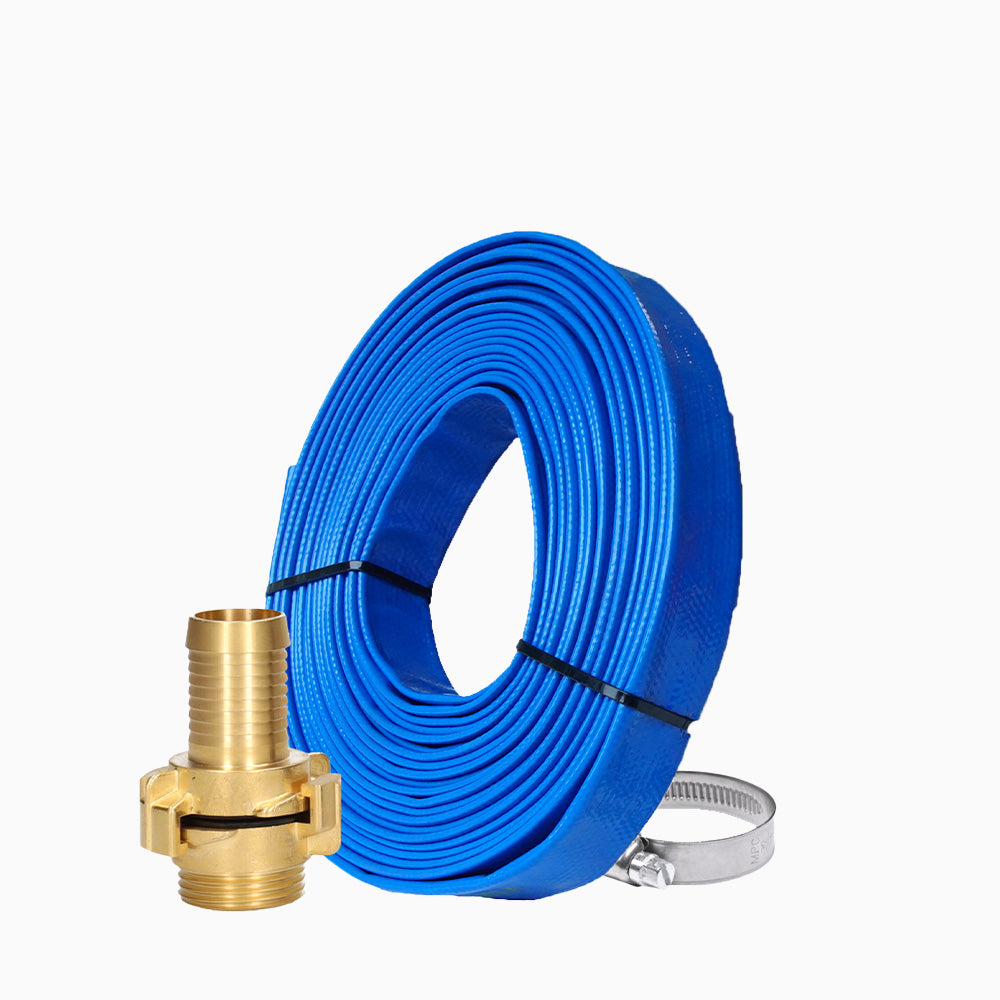
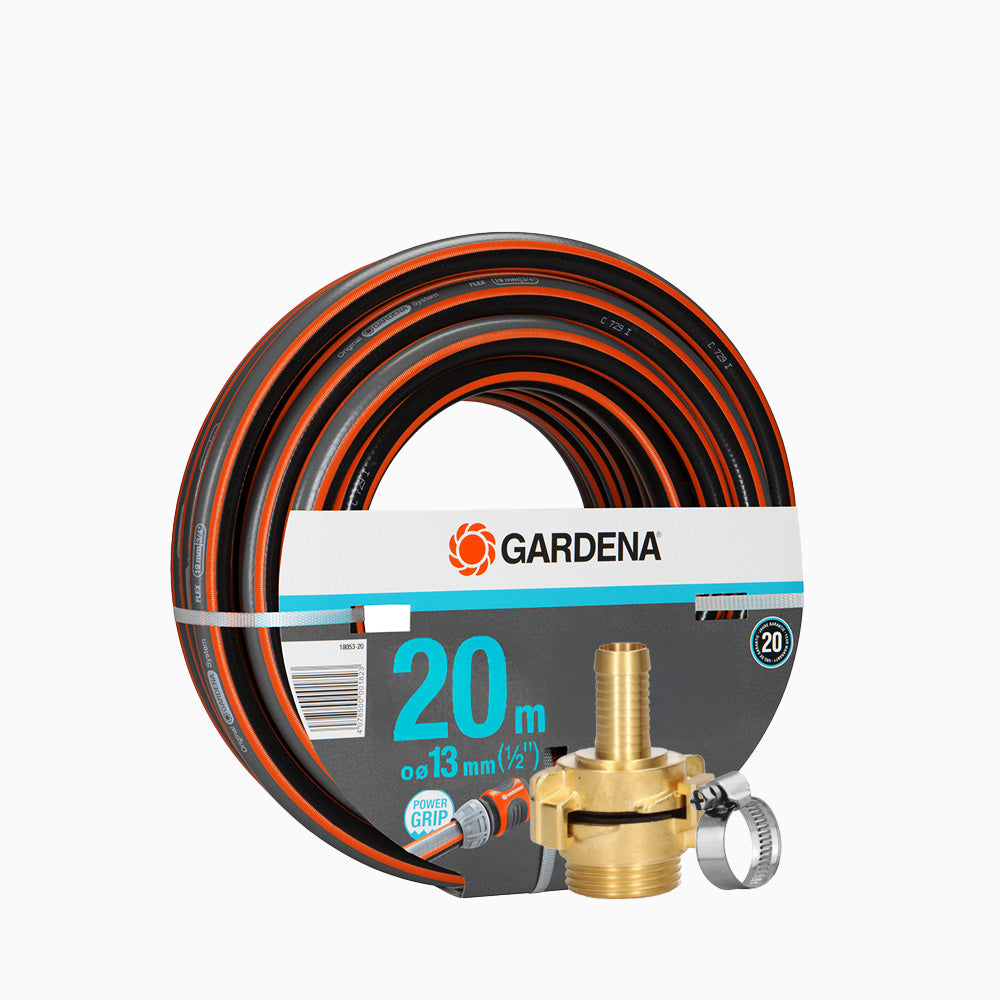
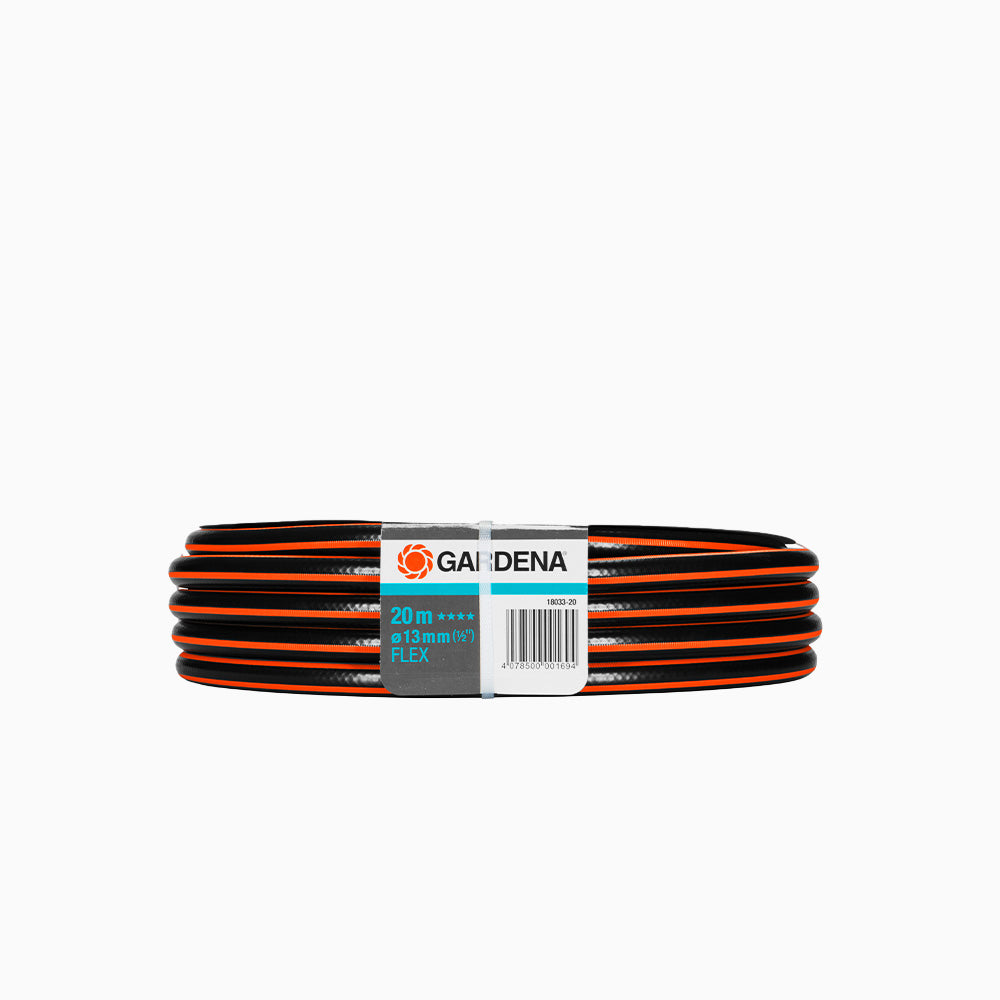
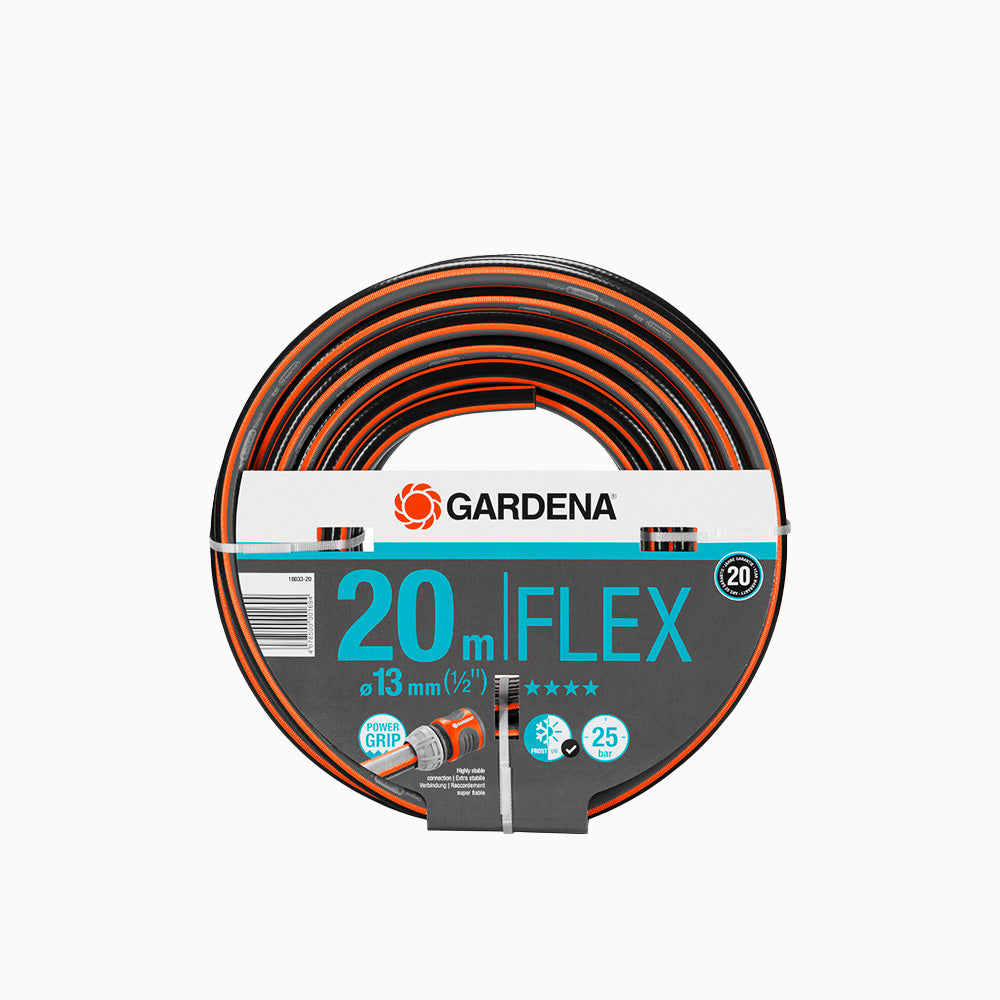
Water hose set 12.5m 25mm
The importance of periodic maintenance
A submersible pump for dirty water often has to endure heavy use. The water it pumps often contains abrasive particles that can cause wear and tear. Regular maintenance prevents you from having a defective pump at a critical moment. A good starting point is the article "How to clean a submersible dirty water pump after use?" , which discusses the cleaning steps in more detail.
After each use, check the suction strainer at the bottom. Remove any stuck leaves, twigs, or hair. If the pump is left in a well for an extended period, it's advisable to bring it up for a visual inspection at least once a quarter.
Prevent common installation mistakes
One of the most common mistakes is ignoring the maximum particle size. In the article "What is particle size in a submersible pump and why is it important?", we explain that every pump has a limit on the size of the dirt particles it can handle. If you force the pump by pumping excessively thick mud or large debris, the impeller will block.
In addition, the choice of the discharge hose is crucial for success. For heavy-duty jobs, such as pumping out a construction pit: Which heavy-duty submersible pump do you need?, a robust hose with a large diameter (e.g., 32mm) is essential to utilize the pump's full power.

Non-return valve 25mm
Storage and winterization
If you're not using the pump for a while, don't leave it in a damp well unless necessary. Flush the pump with clean tap water to remove any residue of dirty water and chemicals. Dry the pump thoroughly and store it in a frost-free location. Frost can cause any remaining water in the pump housing to freeze, causing the material to crack. For specific problems, you can always check out Common Problems: Why isn't my submersible pump pumping water? to troubleshoot problems after the winter break.
Frequently asked questions about installation and maintenance
Can I lower my submersible pump by the power cord?
No, this is absolutely not recommended. The power cord is not designed to support the weight of the pump. The internal wiring could be damaged, leading to a short circuit or an unsafe situation. Always use a lanyard attached to the handle.
How often should I clean my sewage submersible pump?
For occasional use, clean the pump immediately after each job. If the pump is permanently installed in a well (for example, in the basement), check and clean it every 3 to 6 months, depending on the level of contamination in the water.
Why does my pump keep turning on and off?
This can be caused by water flowing back from the drain hose into the well when the pump stops, causing the float to rise again. Installing a check valve usually solves this problem.
Share:
How do you clean a wastewater submersible pump after use?
The Ultimate Guide to the Submersible Dirty Water Pump: Everything You Need to Know