

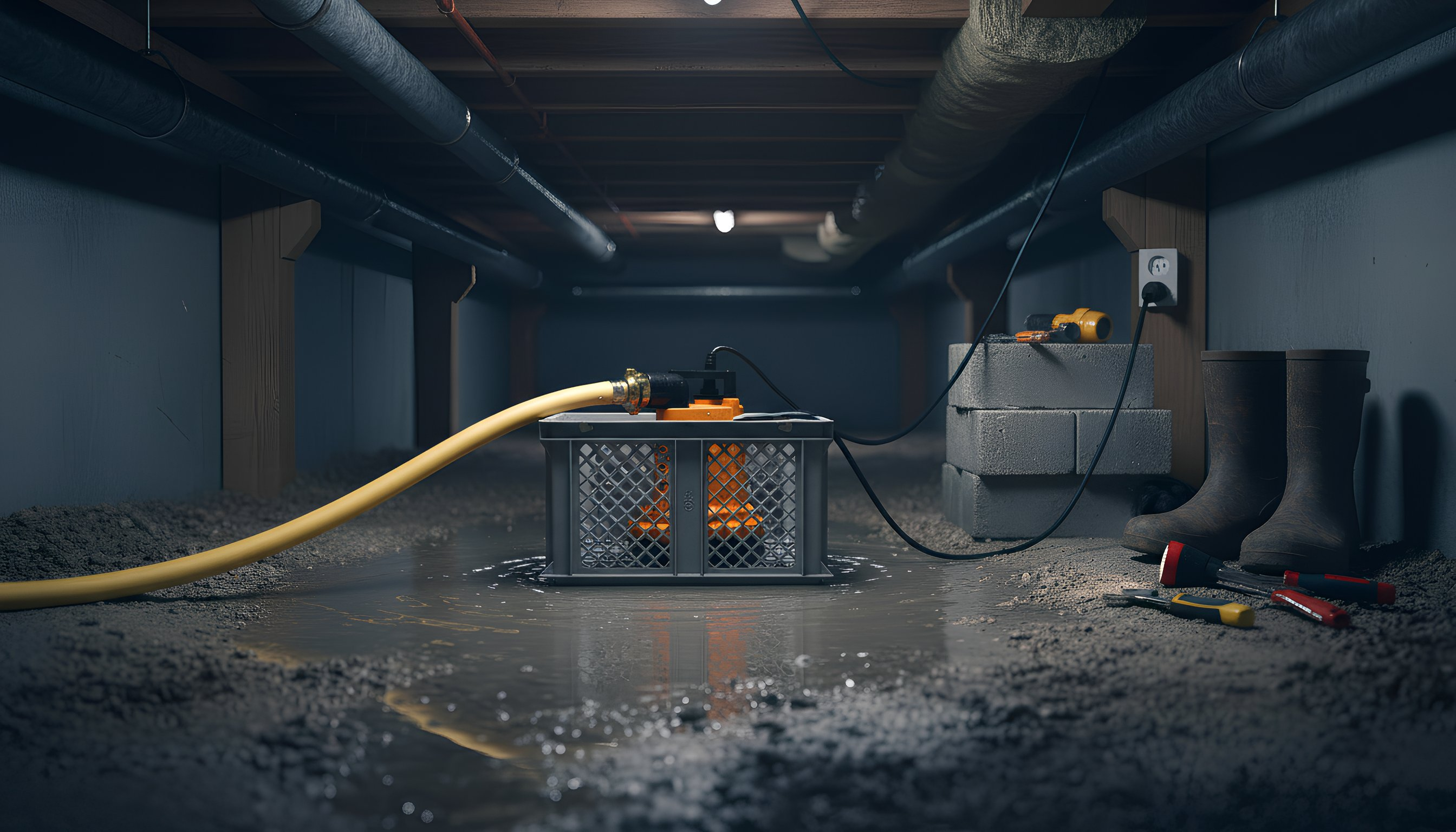
Are you about to start laying the foundation, but the excavation pit is full of muddy water? A professional submersible pump for dirty water is essential to prevent delays and keep the work site safe and dry.
The challenge of pumping out a construction pit
Pumping out a construction pit isn't like emptying a swimming pool. In a construction pit, you're dealing with rainwater mixed with sand, gravel, clay, and other debris. A standard pump would clog or even fail within minutes due to the abrasive action of these particles. Therefore, choosing a specific submersible pump for dirty water is crucial for the progress of your project.
When selecting the right equipment, you should consider the robustness of the housing and the power of the motor. For heavy-duty applications that also require the movement of larger particles, a pump with high flow rate is required.

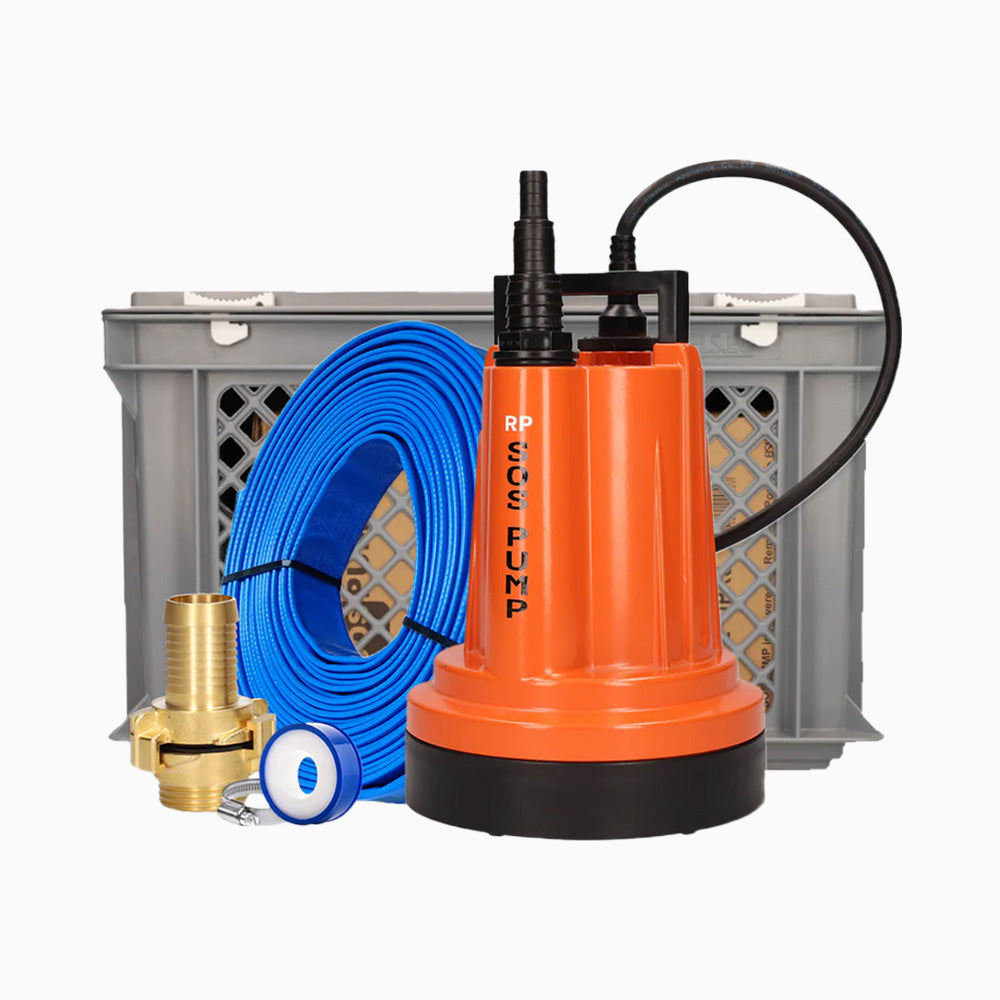
Plug & Play Submersible Pump Set
What should you pay attention to when choosing a submersible pump for dirty water?
Grain size and passivation
One of the most important specifications is the maximum grain size. This indicates how large the solids (such as small stones or mud lumps) the pump can handle without seizing up. In a construction environment, we always recommend choosing a pump specifically designed for heavy soiling. For more technical information, also read the article " What is grain size in a submersible pump and why is it important? "
Material and durability
Because the water in a construction pit often contains abrasive elements, plastic pumps wear out faster. For professional use, cast iron or stainless steel housings are standard. In our article "Stainless Steel vs. Plastic Submersible Pumps: Which Lasts Longer?" we delve deeper into the lifespan of these different materials.

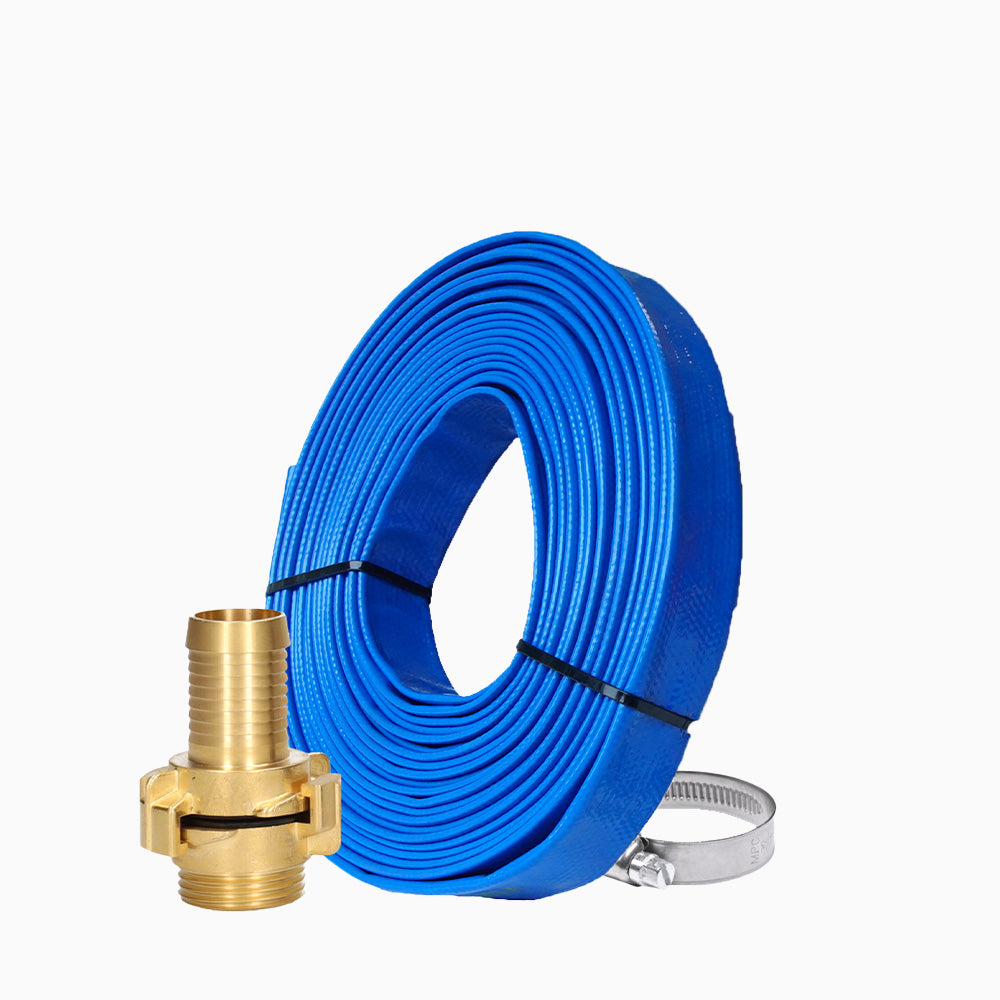
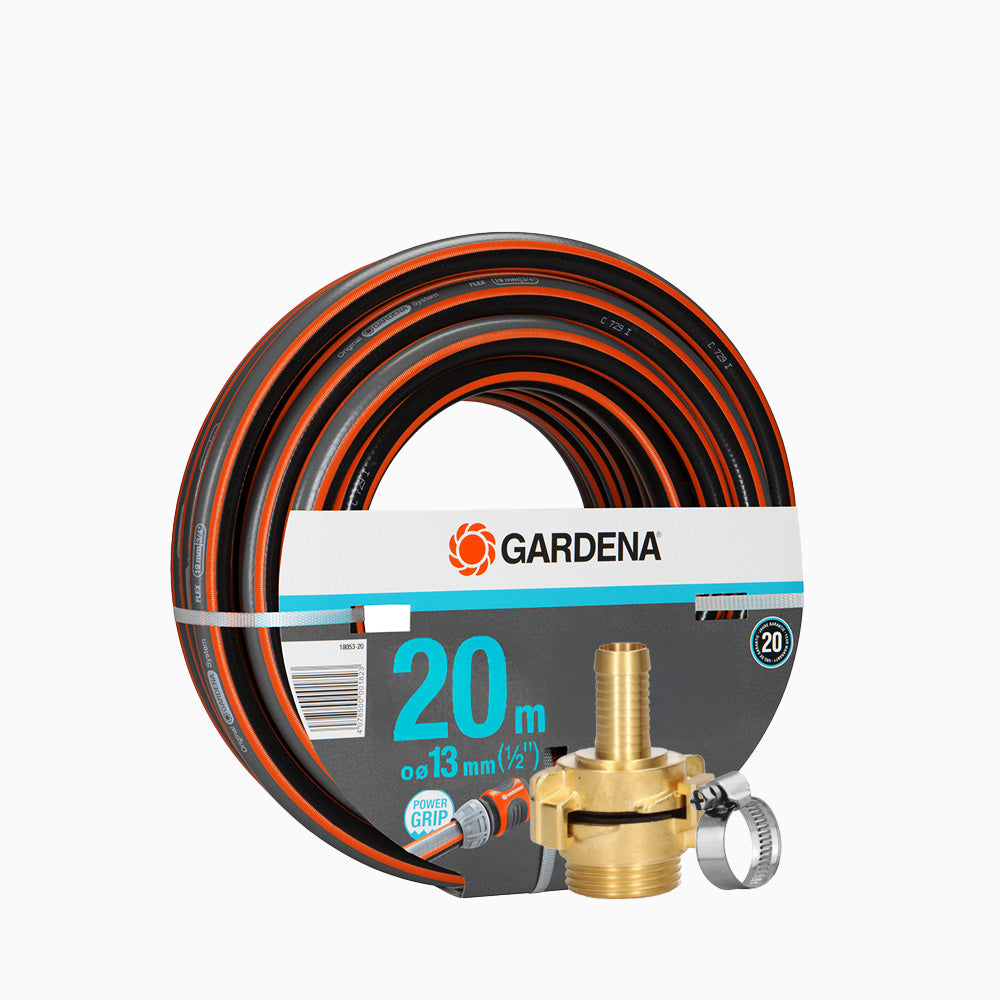
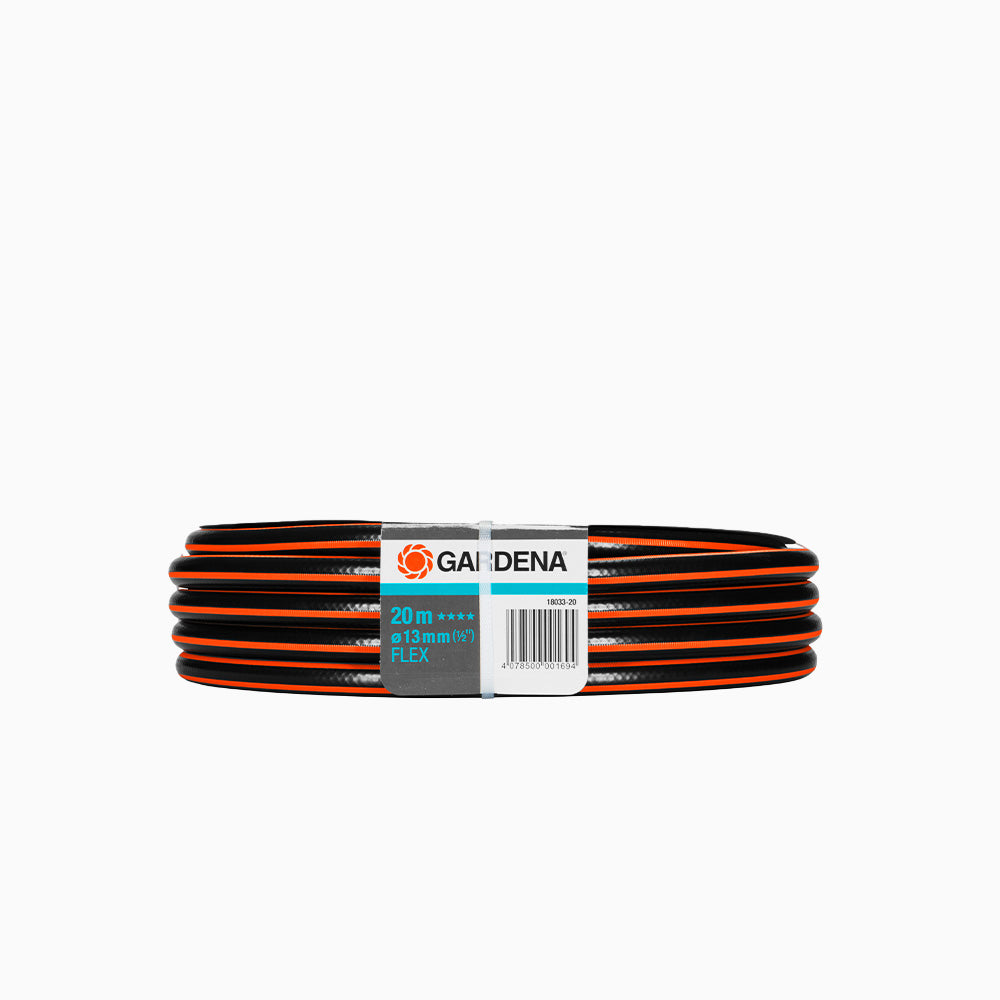
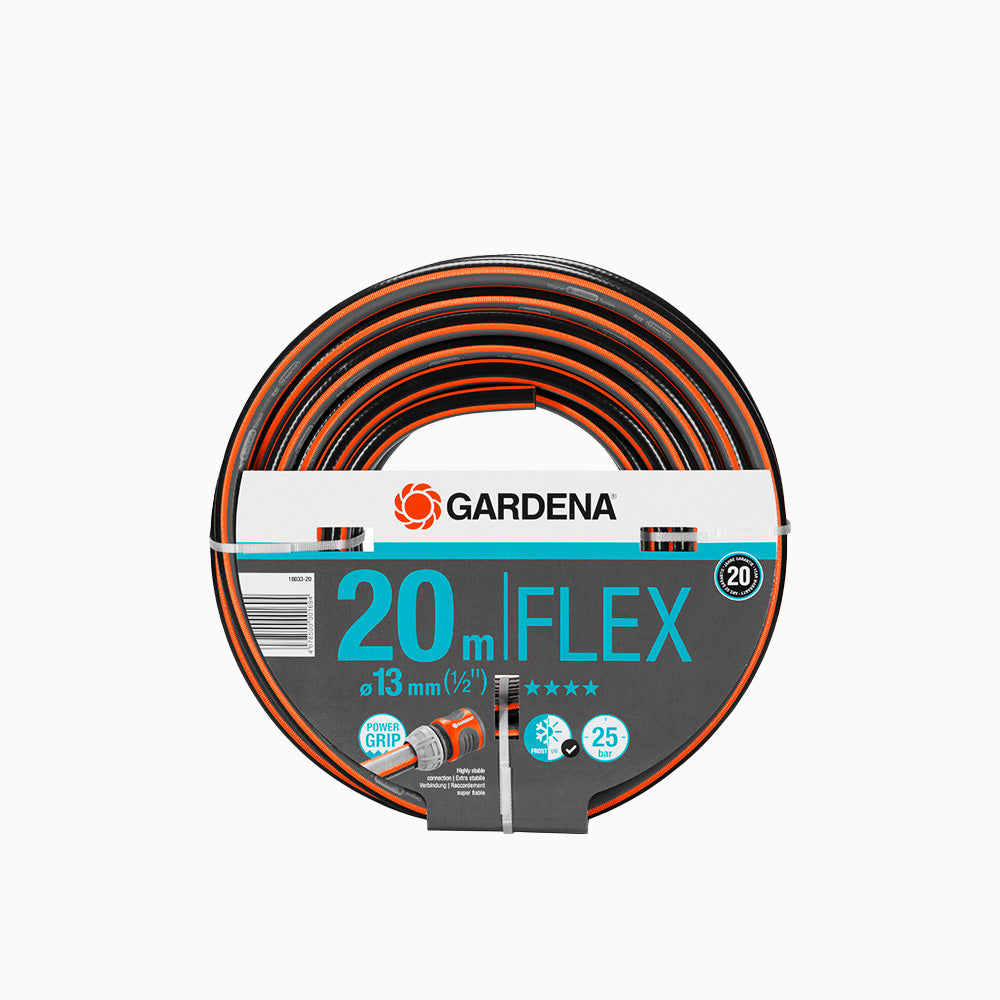
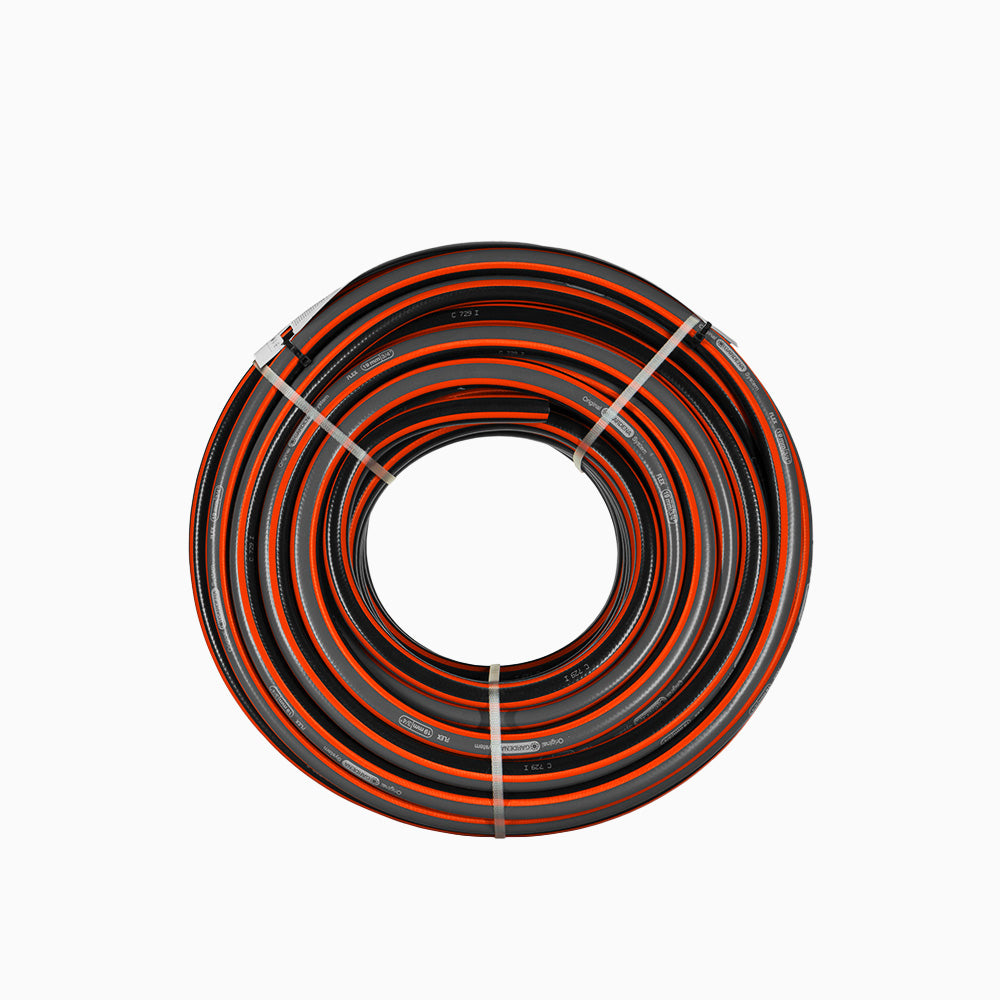
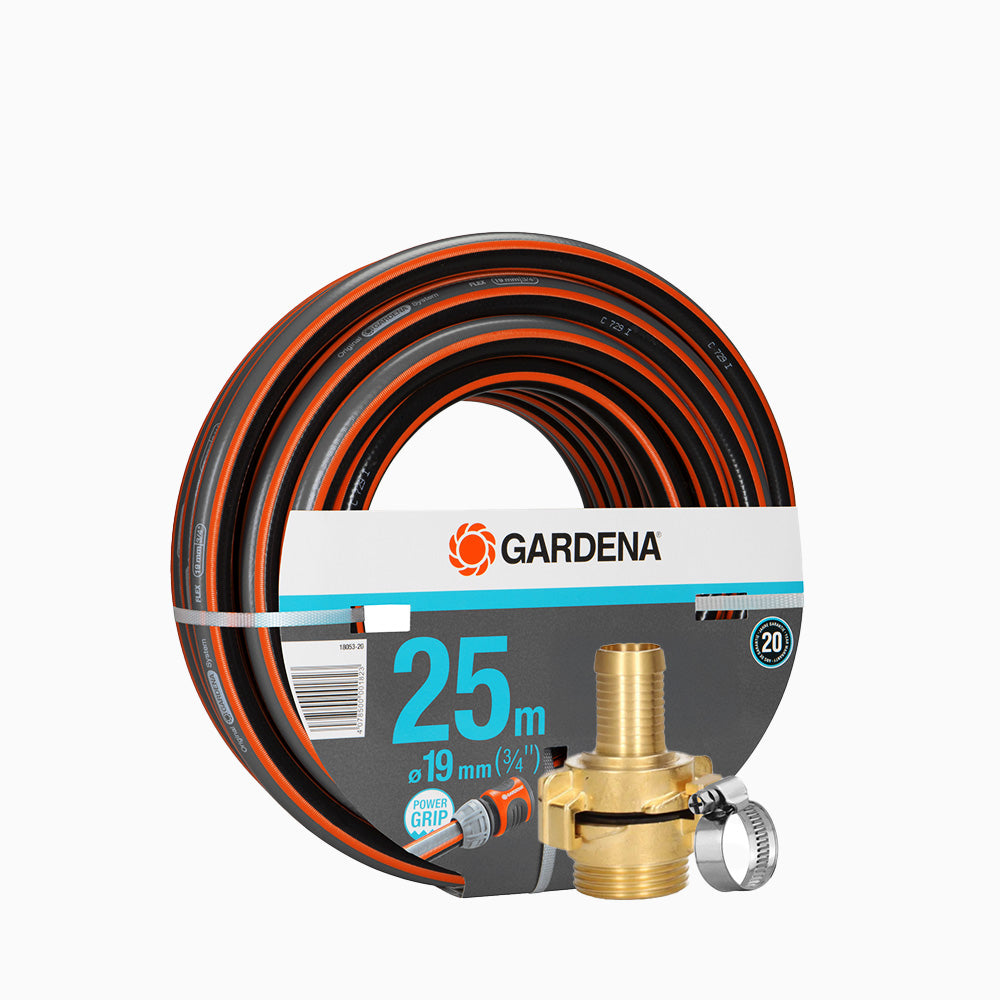
Water hose set 12.5m 25mm
Capacity and head
For a deep construction pit, the head plays a significant role. The deeper the pit, the more powerful the pump must be to transport the water over the edge and to the disposal site. Also, keep in mind that the pump capacity (liters per hour) decreases as the head increases. For efficient operation, it's advisable to allow a generous margin.
If you need to install the pump in a narrow shaft or well, choosing the right float is crucial. You can find more information about this in " Submersible pump with float vs. without float: The differences ." For a complete guide on purchasing, see " How to choose the best submersible pump for dirty water? "
Frequently asked questions about pumping out construction pits
Can I use a normal submersible pump for a construction pit?
No, a standard clean water pump will immediately become clogged by sand and gravel. Always use a specific submersible pump for dirty water with a suitable grain size.
How do I prevent the pump from getting stuck in the mud?
It is best to place the pump on a flat tile or in a basket so that it does not sink directly into the thick layer of mud at the bottom.
What should I do after using the pump in dirty water?
It's essential to flush the pump with clean water after use. Read more about this in " How do you clean a wastewater submersible pump after use? "
Share:
First aid for flooding: Quickly remove water from the crawl space
The best submersible pump for your pond or natural pool