

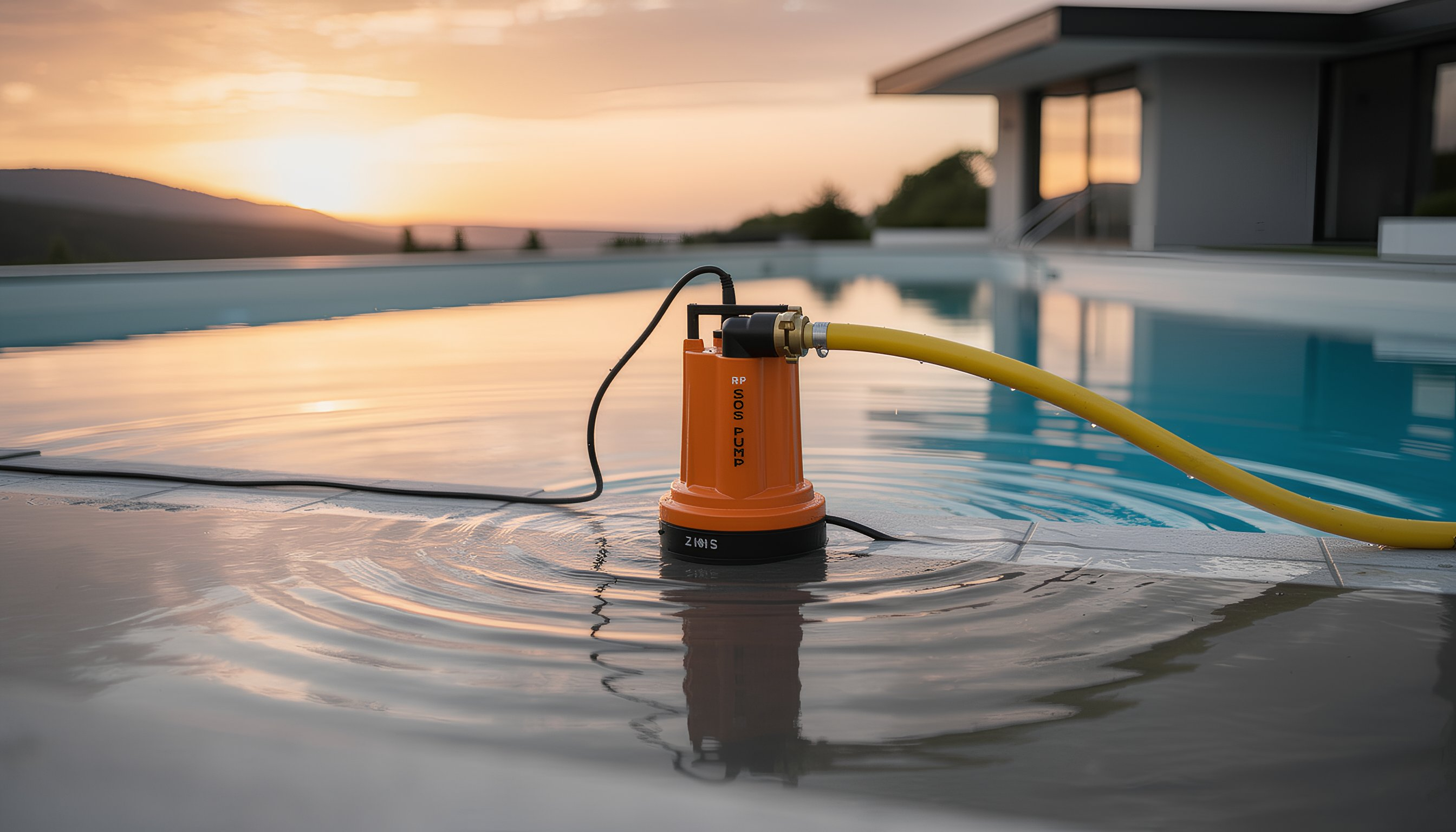
Are you looking for the most reliable solution to combat flooding or efficiently empty your pool? In this comprehensive guide, we reveal the best submersible pump of 2026 based on intensive testing and technical specifications.
Why the search for the best submersible pump is more important than ever in 2026
Extreme weather conditions and heavy rainfall are increasingly causing flooding in basements, crawl spaces, and gardens. While a submersible pump used to be a luxury item for the avid gardener, by 2026 it will be an essential part of every homeowner's basic equipment. Technology has evolved rapidly in recent years. Modern pumps have become more energy-efficient, more compact, and more intelligent.
When selecting the "Best Submersible Pump 2026," we consider not only power but also durability and versatility. Whether you're dealing with a flooded basement or a pond that needs pumping, the right choice will save you time, money, and a lot of frustration.
How we test: The criteria for 2026
Our independent test is based on four crucial pillars that determine whether a pump is worth the investment:
- Capacity (Flow Rate): How many liters of water can the pump move per hour? For an average basement, 5,000 liters per hour is the standard.
- Head: The force with which the pump can push the water vertically upward. This is essential if the water needs to be pumped from a deep well to the sewer.
- Residual water level: How much water remains? For indoors, a flat vacuum cleaner that delivers a mop-dry result is the holy grail.
- Float Reliability: Mechanical floats can seize; modern electronic sensors are preferred in 2026.
Clean Water vs. Waste Water: Make the Right Choice
A common mistake is using a clean water pump for contaminated water. Clean water pumps are designed for water without large particles, such as in a swimming pool or rain barrel. For more information on this specific category, read our article "Clean Water Submersible Pumps: Efficiently Moving Water Without Residue ."
Are you dealing with mud, sand, or leaves? Then a sewage pump is essential. These pumps have a larger diameter. For the toughest jobs, we recommend comparing submersible sewage pumps: The top picks for heavy-duty jobs . Different rules apply for extreme situations with feces, as described in Submersible pump for feces: What to look out for with sewage?.
The absolute winner: The best all-round submersible pump of 2026
Our tests have shown that the combination of a robust housing and an accurate sensor is decisive. Modern consumers no longer want to manually check whether the pump is ready; automation has become the standard.

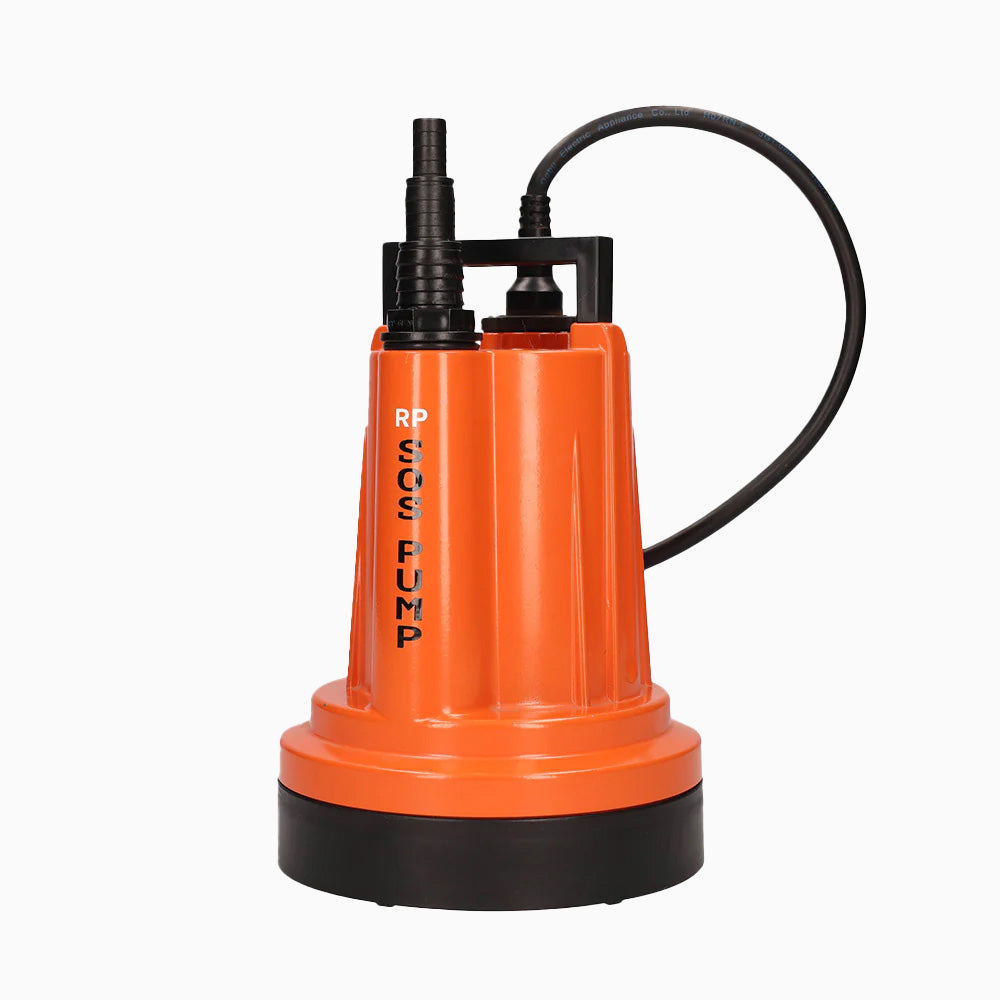
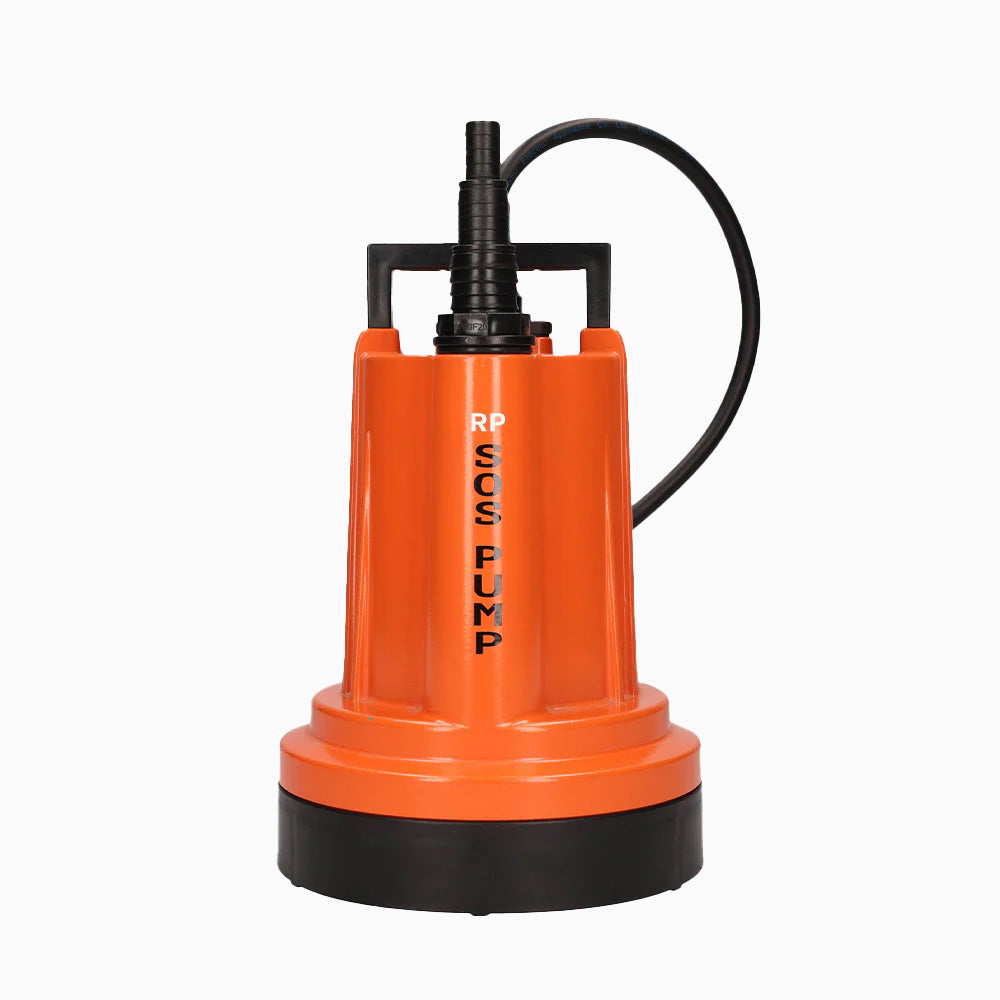
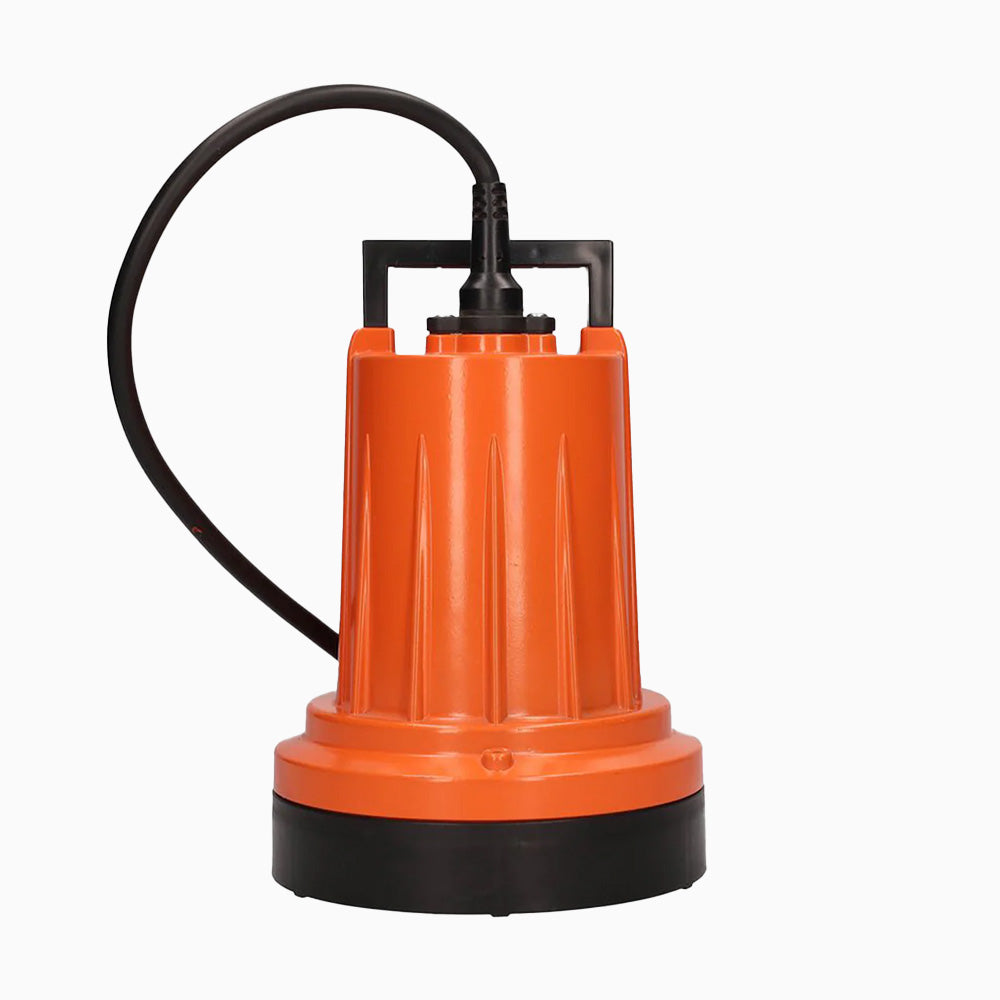
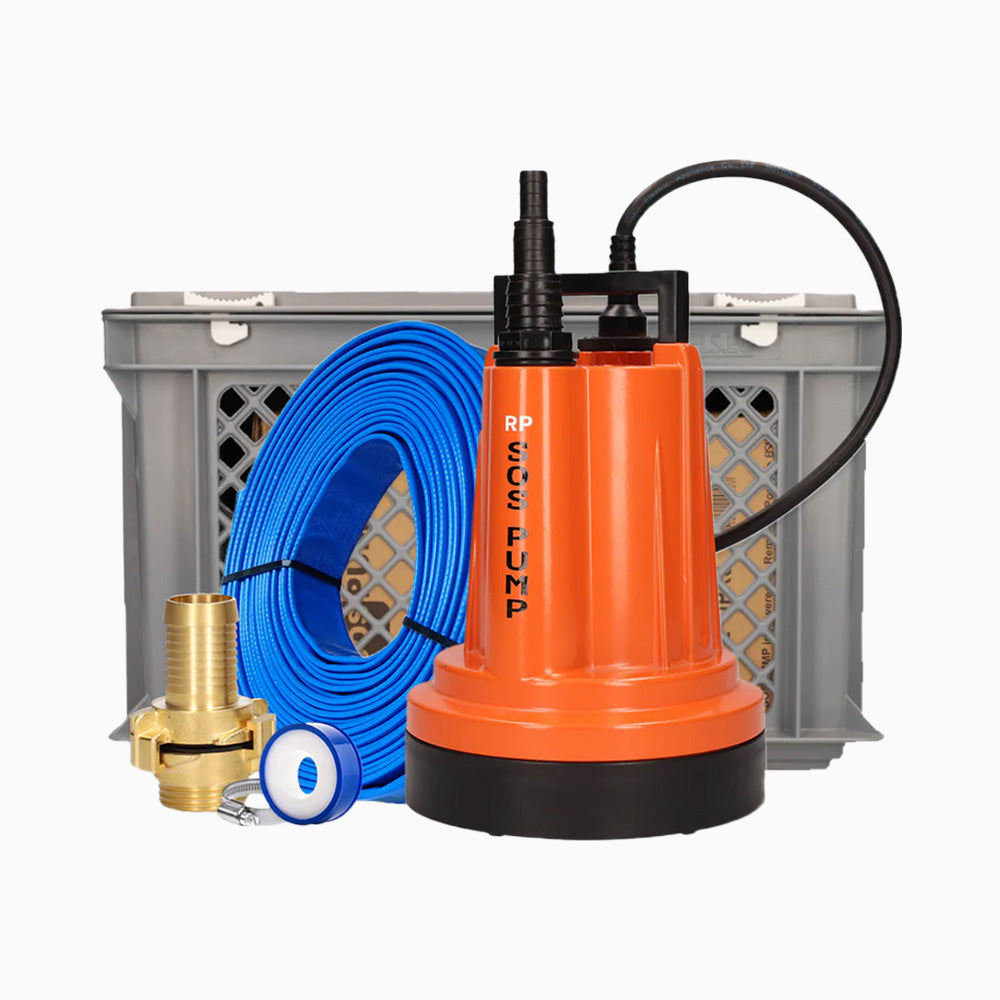
Plug & Play Submersible Pump Set
The kit above is a textbook example of what we expect in 2026: a complete solution that works right out of the box. Its ability to pump up to 2mm of residual water makes it a favorite for both professionals and DIYers.
Flat vacuums: The revolution in mop-dry results
Previously, a layer of water often remained several centimeters after pumping. In 2026, we'll see a huge increase in the popularity of submersible pumps. These pumps are designed so that the suction nozzle almost touches the ground. This is crucial for basements where you don't want to spend hours mopping after pumping. You can read more about this technology in The best submersible submersible pump 2026: Mop-dry result .
Automation and Sensors: The Role of the Float
The days of the float ball on a cable are largely over. In 2026, we'll be opting for internal floats or electronic water sensors. Why? Because they can't get stuck against the wall of a narrow well. The article "The Advantages of a Submersible Pump with an Internal Float" explains this in detail. For those who want maximum control, there are external sensors that respond to just 1 mm of water.

Crab Float Water Sensor 3mm
This specific sensor is the ideal upgrade for those who want to automate an existing pump or require highly precise activation in small spaces.
Installation and Maintenance: Get the most out of your pump
Even the best submersible pump of 2026 will fail without proper maintenance. Ensure the suction strainer remains free of debris and always rinse the pump with clean water after use in dirty water. For a step-by-step guide, please refer to Maintenance and installation of your submersible pump: Maximum lifespan .
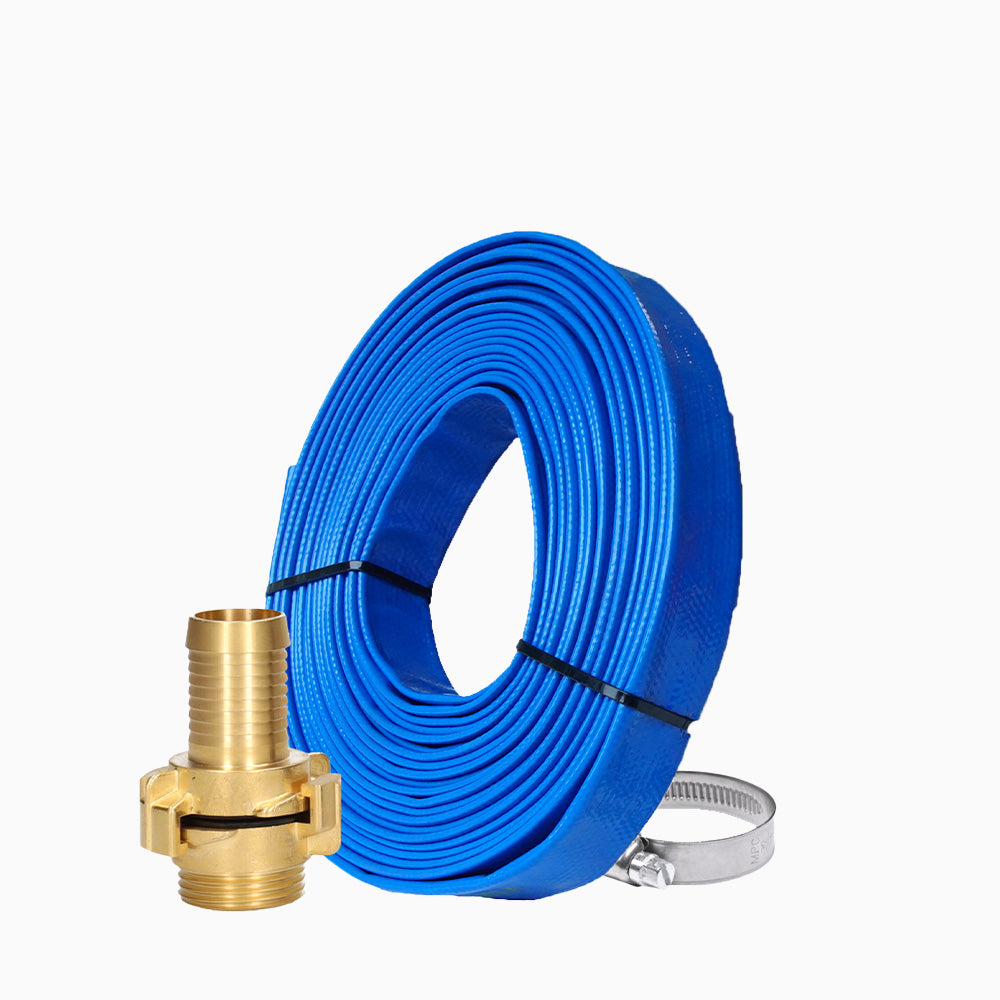
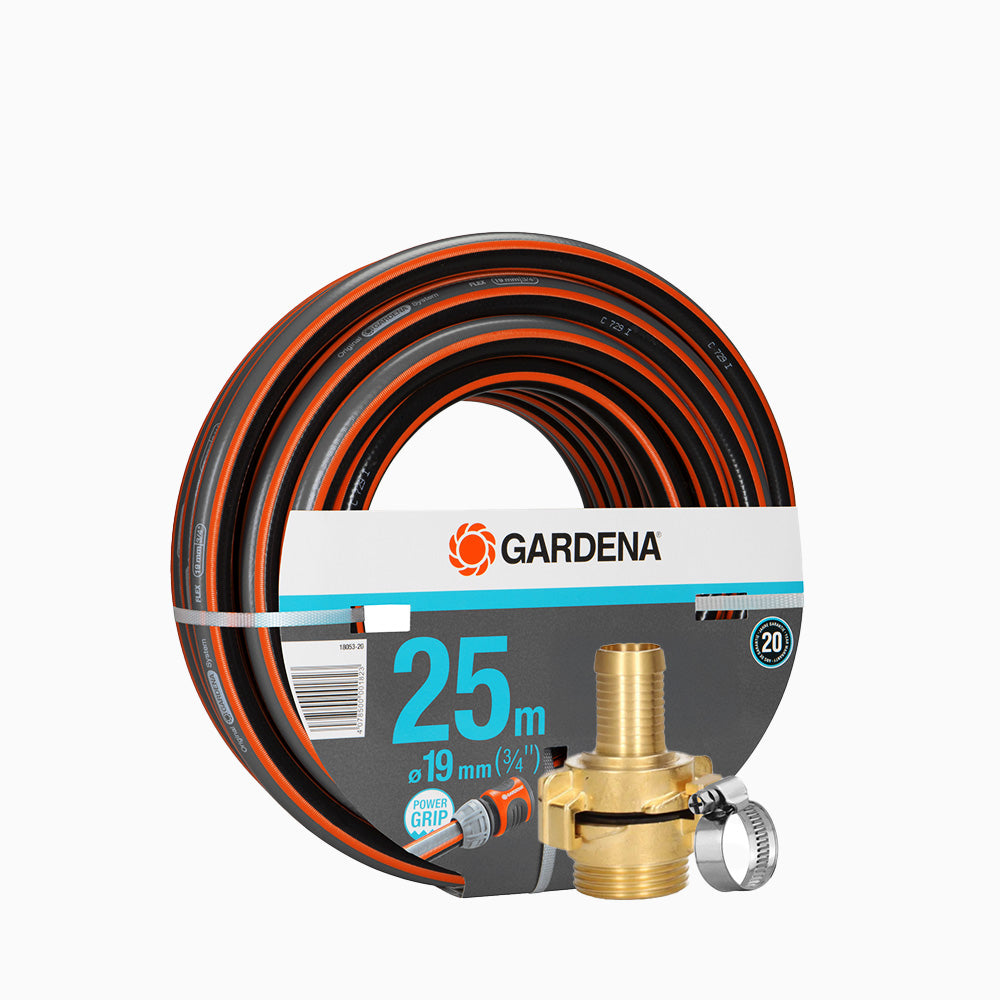
Don't forget the accessories. A pump is only as strong as its weakest link. A hose that's too thin will significantly limit the capacity of a powerful pump. For tips on the right connection, see Connecting a submersible pump to a discharge hose: Tips for the best flow .
Practical applications
Swimming Pools and Ponds
In spring and autumn, submersible pumps are widely used for garden maintenance. A swimming pool needs to be emptied quickly for winter maintenance. Read more about this in Submersible pump for the swimming pool: Empty quickly and safely . For ponds, it's important that the pump doesn't harm fish and plants, while still being able to handle sludge.
Construction and Professional use
Construction sites place higher demands on the wear resistance of the impeller and housing. Aluminum or stainless steel are preferred over plastic. The top models can be found in Professional submersible pumps for construction: Top 5 most powerful models .
Frequently Asked Questions about the Best Submersible Pumps
What is the difference between a flat suction pump and a normal submersible pump?
A standard submersible pump often leaves 2 to 5 centimeters of water. A flat suction pump is specially designed to pump away water down to a few millimeters (often 1 or 2 mm), leaving the floor practically dry.
How much capacity do I need for my basement?
For a standard basement experiencing minor flooding, a pump with a capacity of 5,000 liters per hour is usually sufficient. For acute flooding or very large surface areas, 10,000 liters per hour or more is recommended.
Can I leave a submersible pump in water permanently?
Yes, most modern submersible pumps are designed for permanent installation in a well. However, it's important to periodically check the pump for limescale and dirt buildup to ensure its longevity.
Share:
Winterizing your submersible pump: Prevent frost damage
Compare Submersible Wastewater Pumps: The Top Picks for Heavy-Duty Jobs