

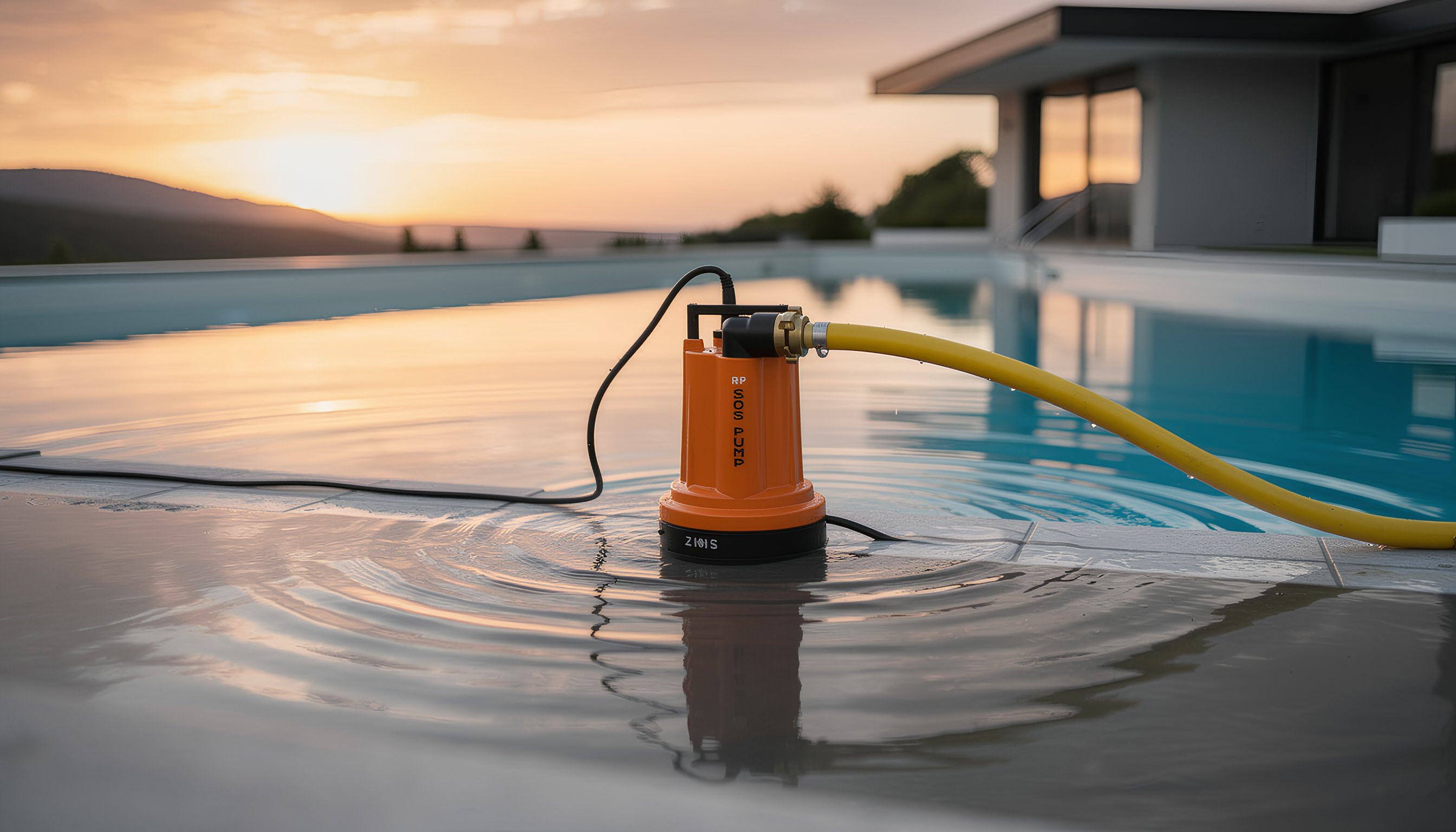
Are you facing the challenge of pumping sewage or feces from a basement or well? Choosing the right pump is crucial to prevent blockages and malfunctions in this demanding environment.
What makes a pump suitable for feces?
Not every pump that can handle dirty water is automatically suitable for feces. Sewage water contains solids, fibers, and toilet paper that can immediately block a standard impeller. For this specific task, we'll examine the technology behind the "Best Submersible Pump 2026" for heavy-duty applications.
There are roughly two types of pumps that excel here: pumps with a large solids passage (vortex impeller) and pumps with a grinder mechanism. A grinder pump grinds solids into a fine slurry, allowing the water to be forced through smaller pipes without the risk of clogging.
Important specifications for sewage water
When selecting a pump for black water (water containing feces), the following points are vital:
- Dirt passage: For unfiltered sewage water, a passage of at least 35mm to 50mm is recommended if there is no macerator present.
- Materials used: Fecal matter is aggressive. Choose a pump with a robust housing, such as cast iron or high-quality stainless steel.
- Float switch: Because sewage water often collects in a pit, an automatic start/stop is essential.
For a reliable installation, it's also important to consider the connection materials. A good seal prevents unpleasant odors and leaks.

Teflon Tape
The role of the float and sensors
In small spaces or pits where feces are collected, there's often little room for a traditional floating device. It can get stuck against the wall, causing flooding. In the search for the "Best Submersible Pump 2026," we're seeing a shift toward electronic sensors that are less susceptible to failure in polluted environments.
Installation and safety
When pumping feces, a check valve is essential. Without this valve, water in the discharge pipe flows back into the well as soon as the pump stops, causing unnecessary additional pumping cycles and odor nuisance.
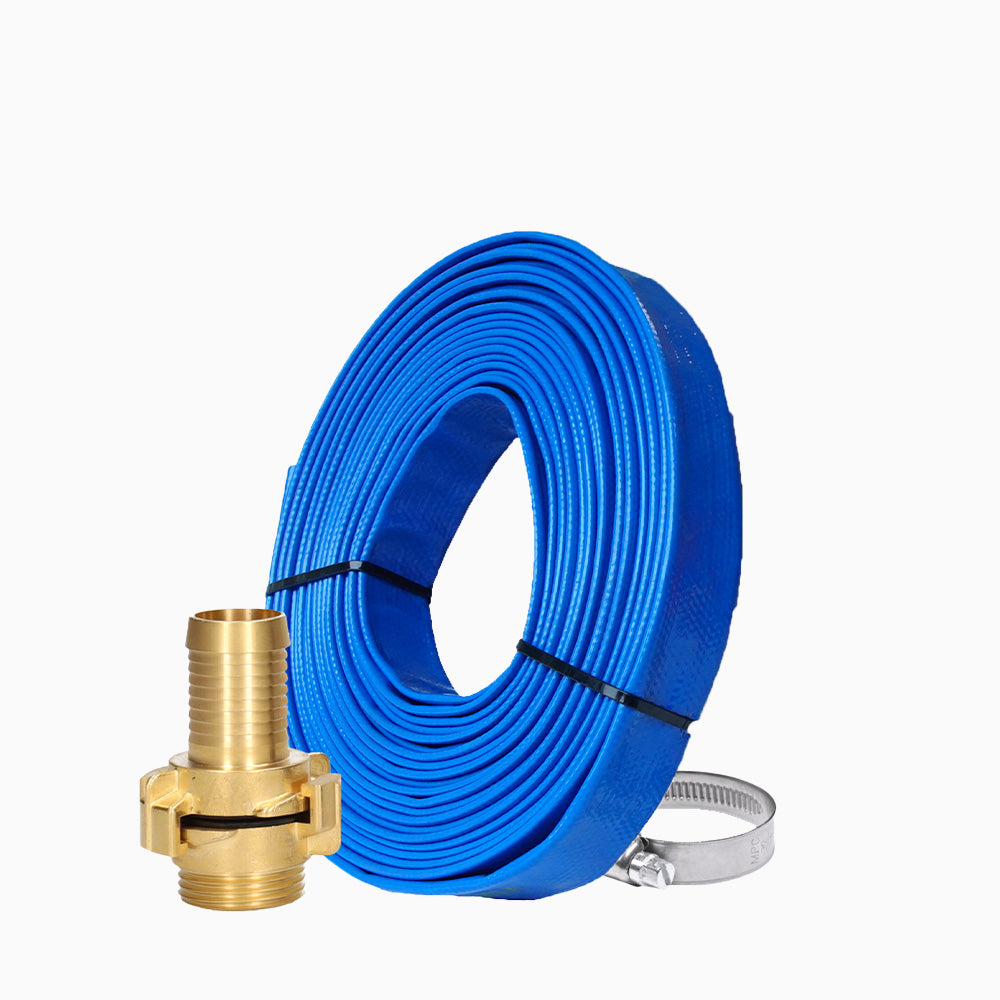
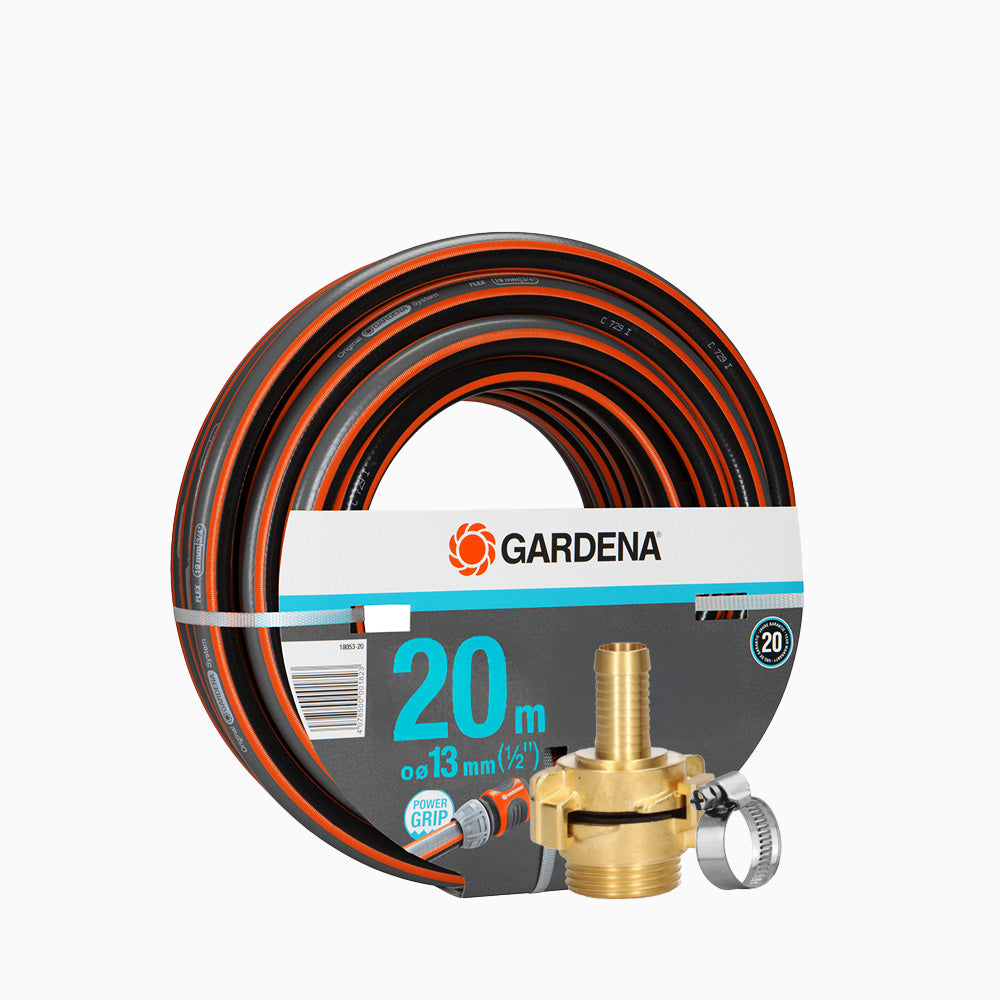
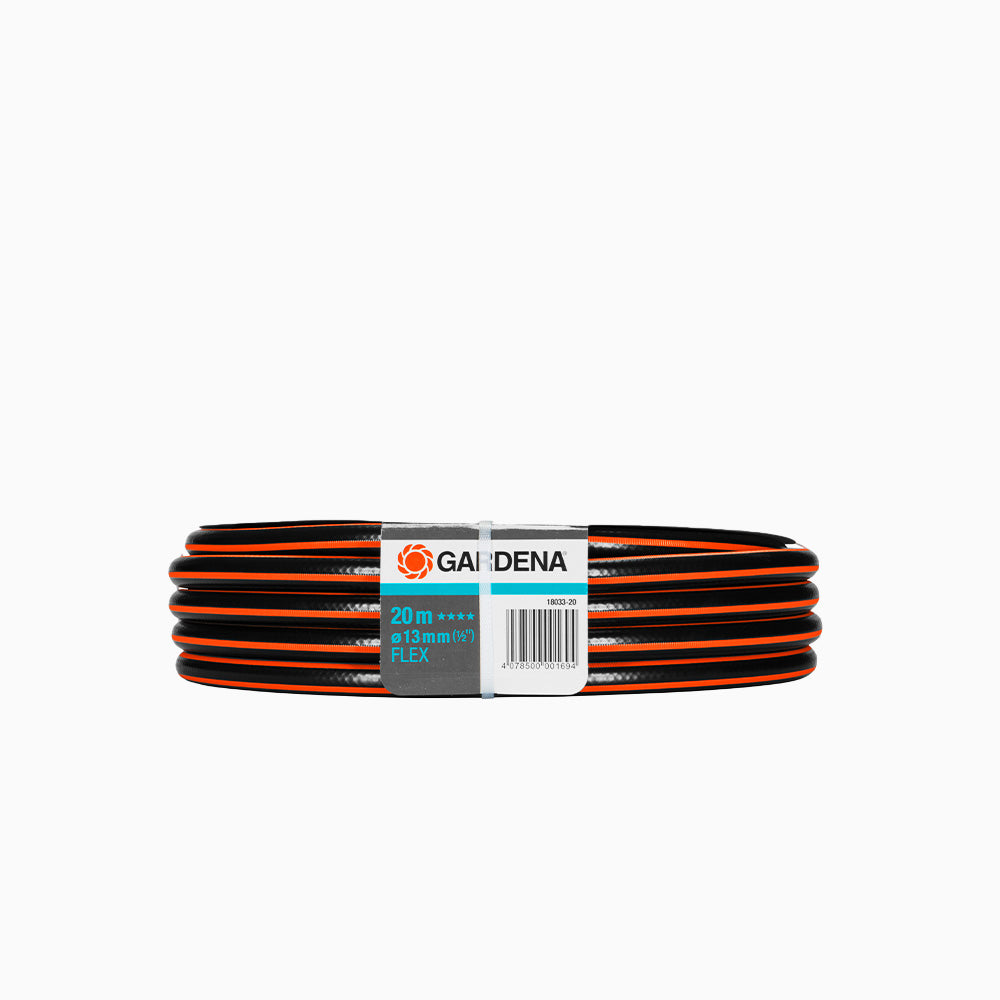
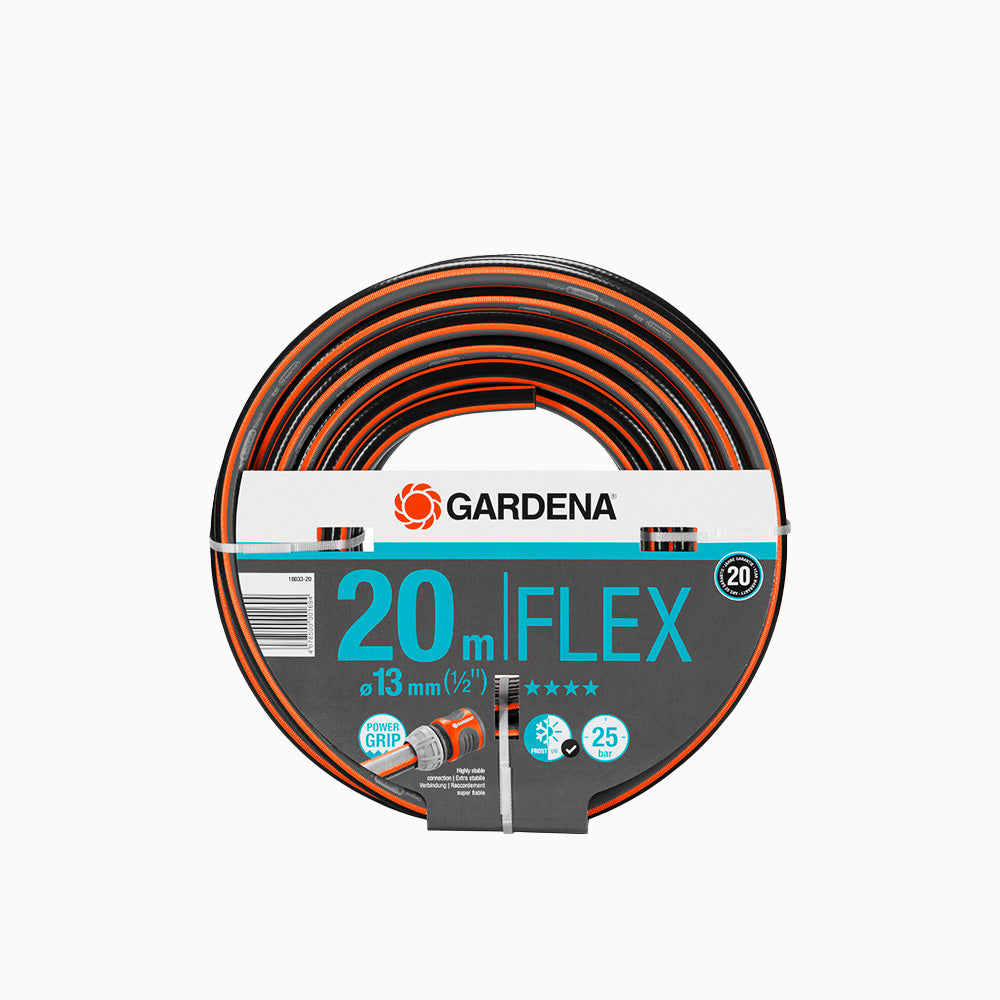
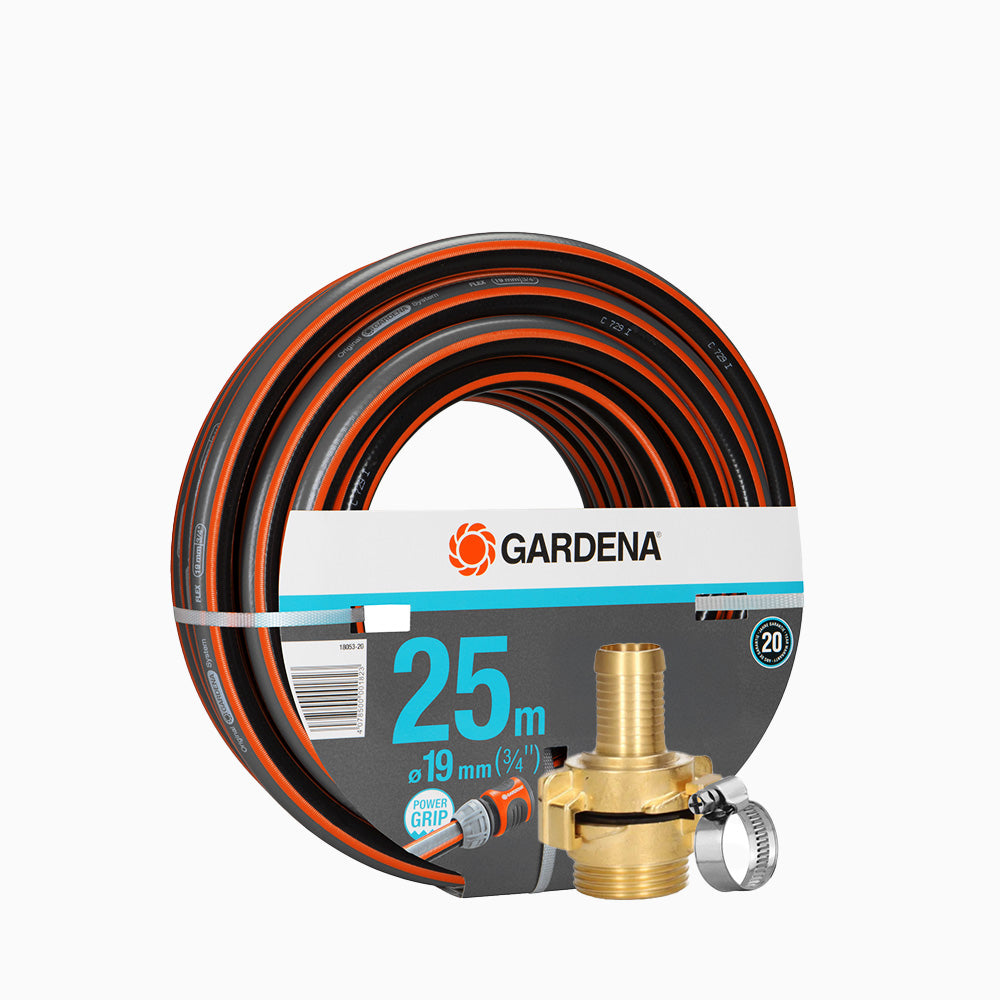
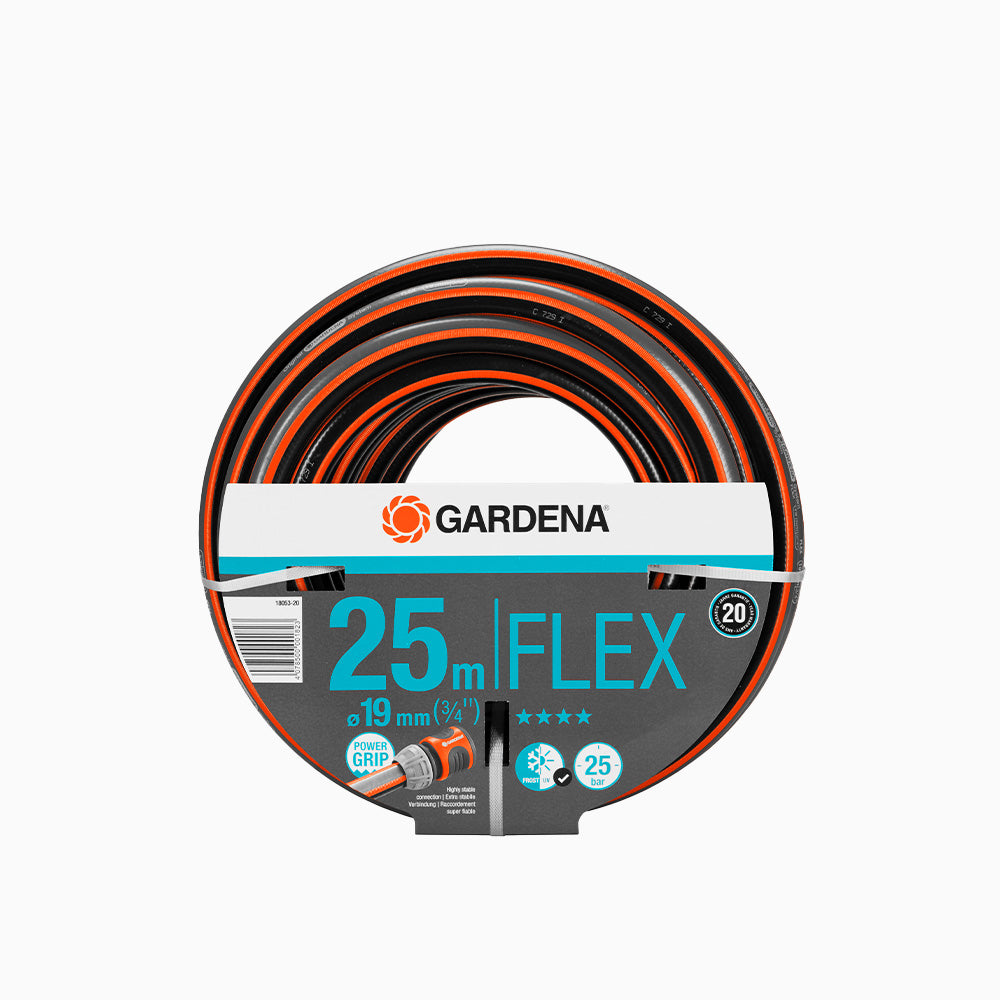
Don't forget the diameter of your drain hose. For sewage, the larger the diameter, the lower the resistance and the risk of blockages. You can read more about this in Connecting a submersible pump to a drain hose: Tips for the best flow .
Frequently asked questions about fecal pumps
Can I use a normal wastewater pump for the toilet?
No, a standard wastewater pump will become clogged by toilet paper and solid waste. Always use a pump with a macerator or a very large waste passage (vortex).
What is the advantage of a submersible grinder pump?
A grinder pump grinds solids, allowing you to use smaller diameter discharge pipes. This saves money and space during installation.
How do I prevent odor nuisance from a sewage pump?
Ensure an airtight seal around the sump and install a proper check valve to prevent stagnant water from flowing back into the pipes.
Share:
Winterizing your submersible pump: Prevent frost damage
Best Submersible Pump 2026: The Ultimate Buying Guide & Independent Test