

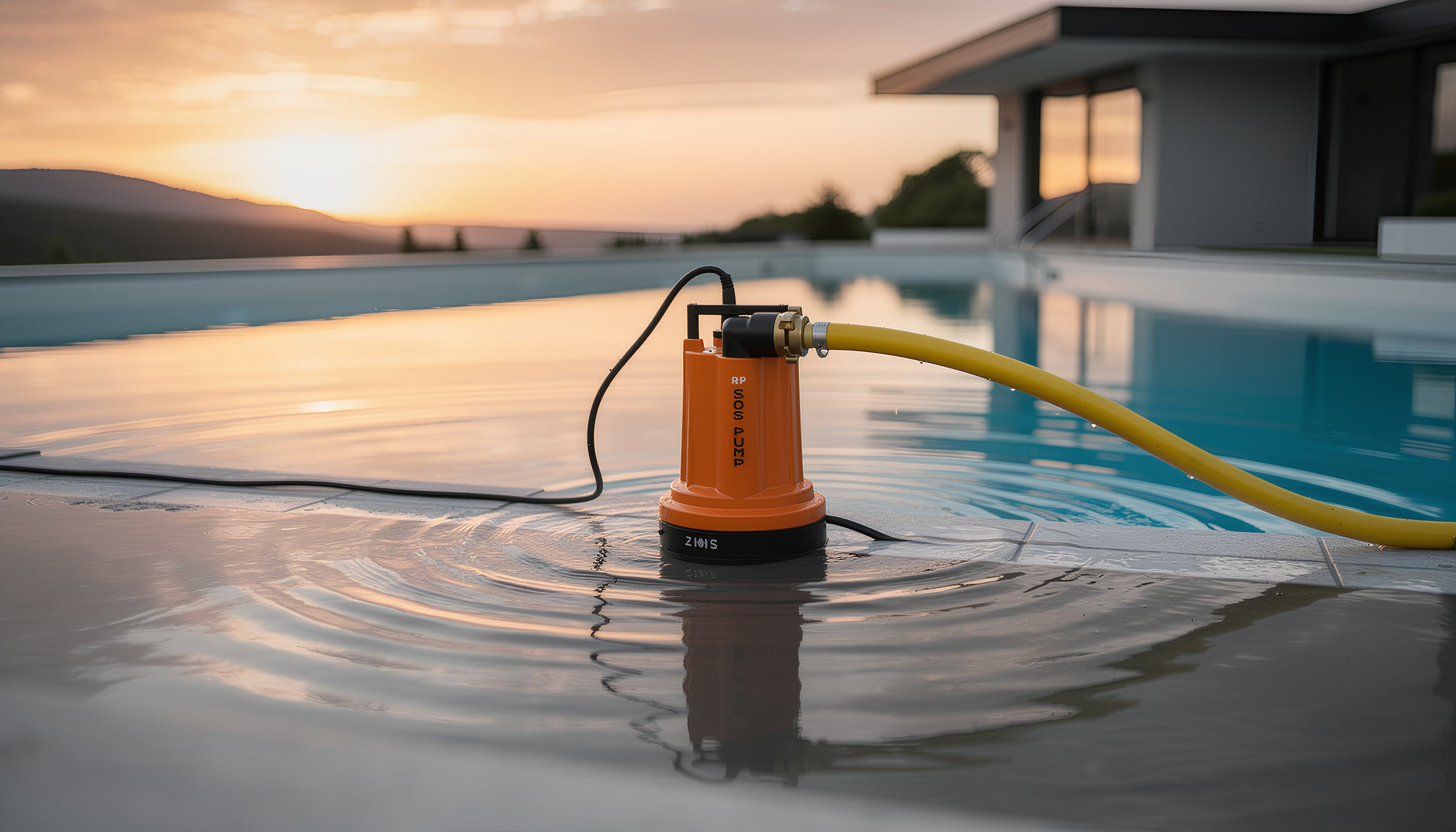
Winter is just around the corner, and that means it's time to protect your water system from the freezing cold. In this article, we'll explain how proper maintenance and storage can prevent frost damage and significantly extend the lifespan of your pump.
Why winterizing your submersible pump is essential
When temperatures drop below freezing, water-based equipment is at immediate risk. Water expands when it freezes. If there's any residual water in your pump's housing or pipes, it can lead to hairline cracks in the pump housing, broken seals, or even a completely failed motor. Even the best submersible pump of 2026 can be irreparably damaged if left unprotected in a frozen well or shed.
By taking just fifteen minutes for maintenance now, you'll save on expensive repairs or the purchase of a new appliance in the spring. Moreover, a clean pump ensures a system that's ready to go as soon as the first spring rains arrive.
Step-by-step plan for cleaning and inspection
Before the pump is put into storage, a thorough cleaning is necessary. Dirt, algae, and limescale can harden during the winter months, causing the impeller (the rotating part) to seize up.
- Flushing: Pump clean tap water through the system to remove internal contamination.
- Cleaning the exterior: Use a soft brush to clean the suction strainer and housing of sludge.
- Check the cord: Inspect the power cord for kinks or damage. Does the cord need replacing? Then read " Maintaining and installing your submersible pump: Maximizing its lifespan ."

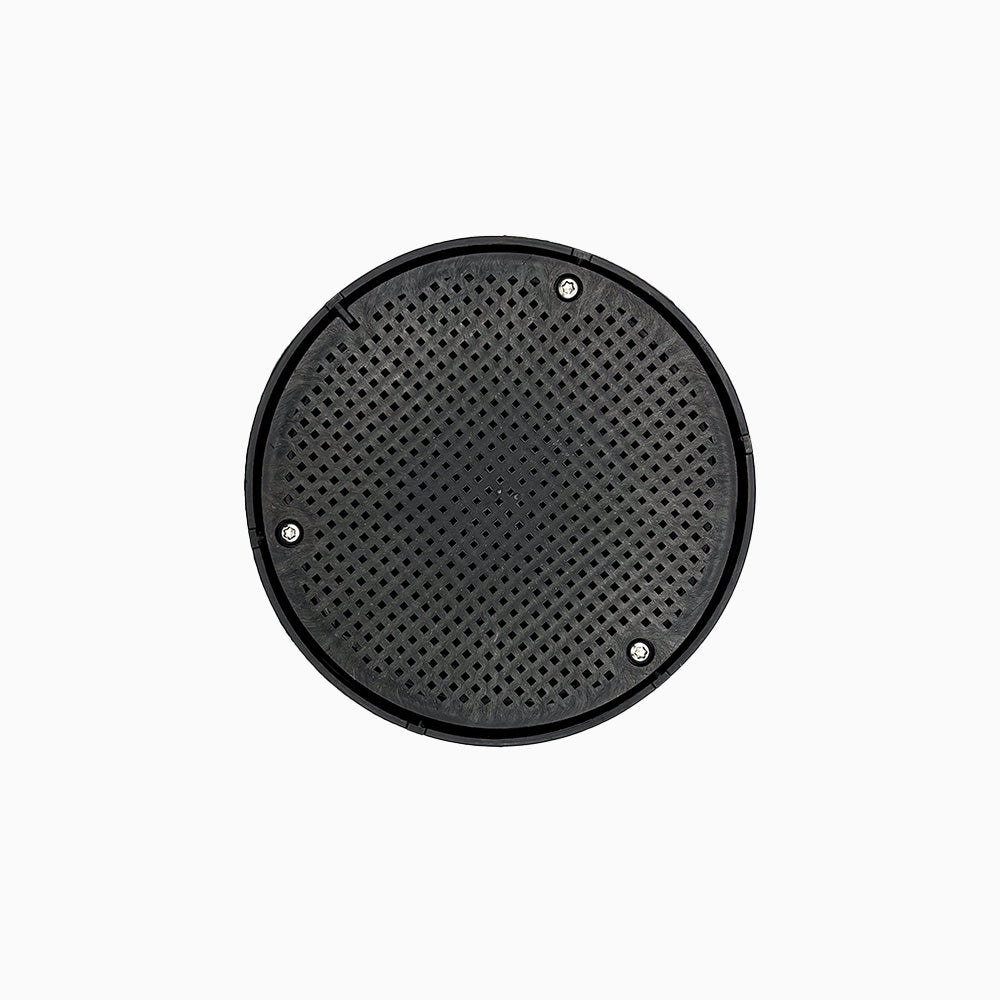
Submersible pump bottom
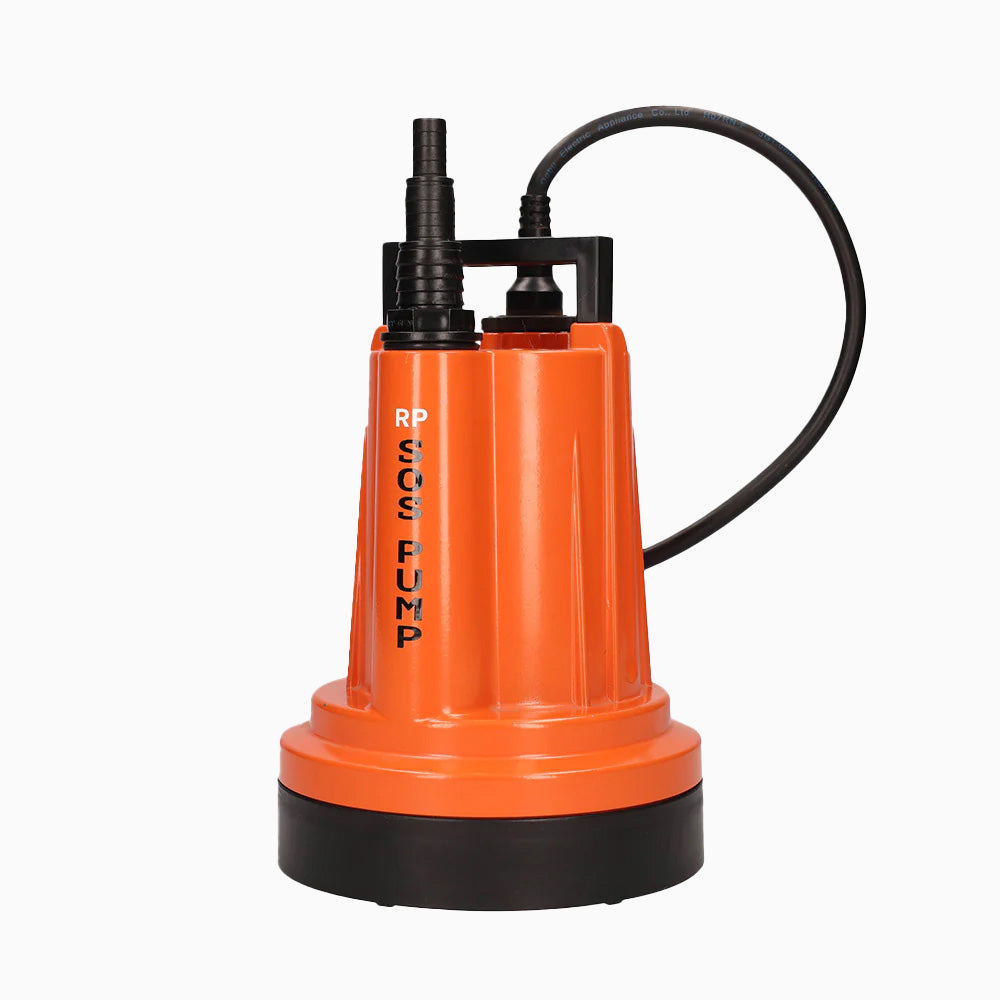
If you notice during the inspection that the bottom of your pump is worn due to intensive use during the summer, this is the ideal time to replace parts so that you can enjoy optimal flow again in the new season.
Correct storage: Dry and frost-free
The most important rule for winter is: remove the pump from the water if it's not deep enough to remain frost-free. A pump left in a shallow rain barrel or pond will freeze solid in severe frost.
Store the pump preferably in a frost-free location, such as an insulated garage or basement. Ensure the pump is completely deflated. Tip: Place the pump on a raised surface and not directly on a cold concrete floor to minimize condensation in the motor housing.
Protect accessories and hoses
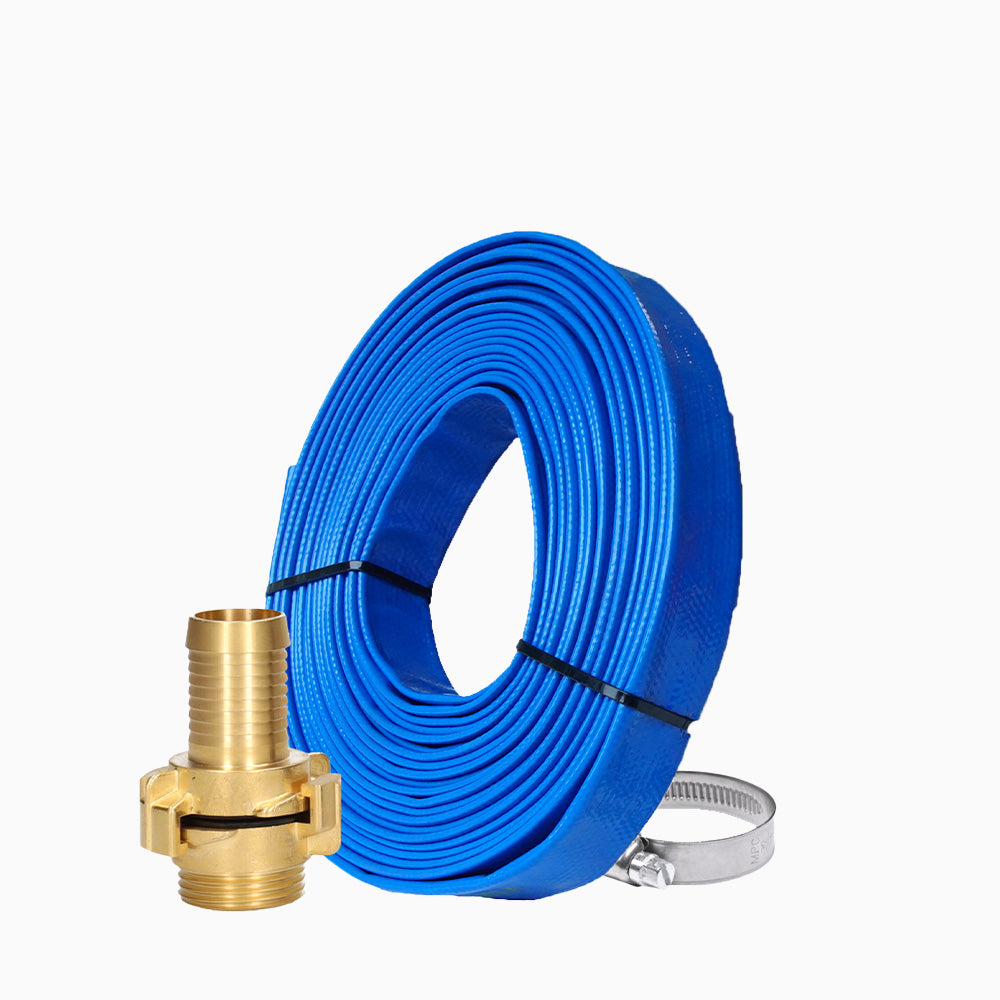
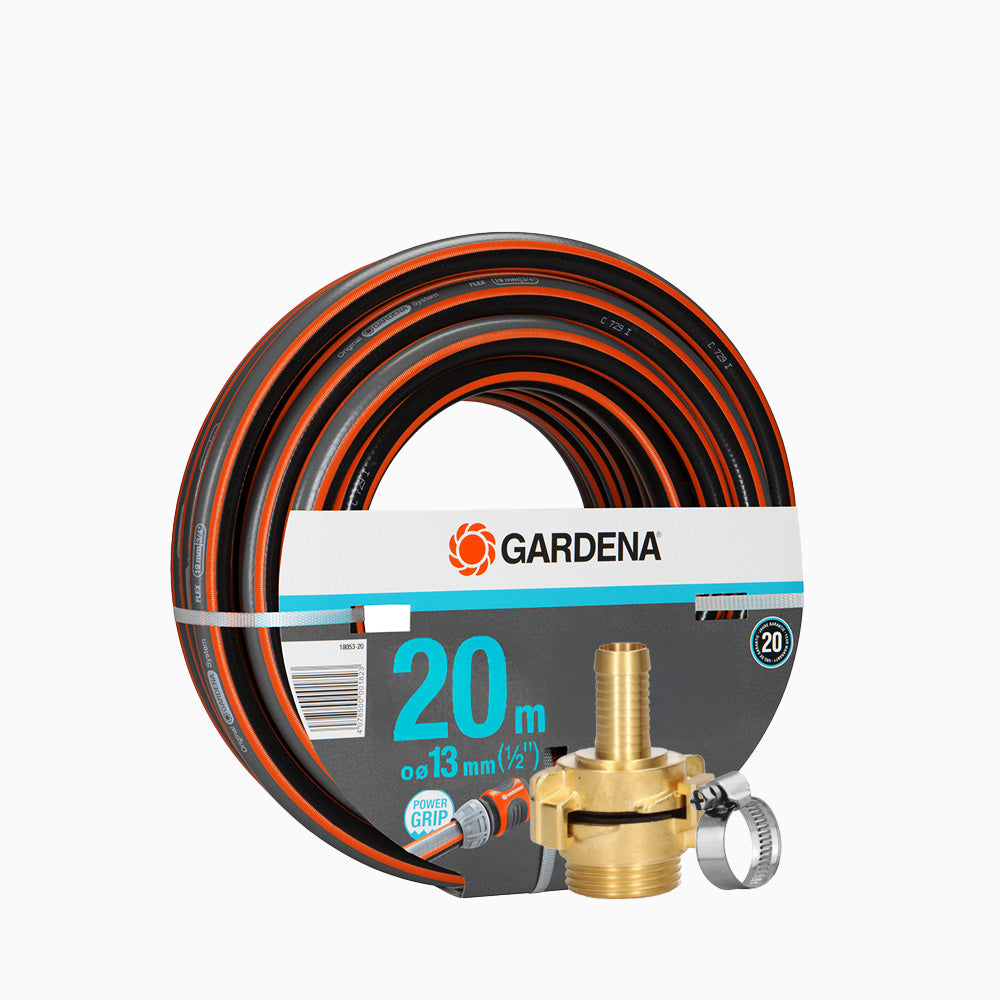
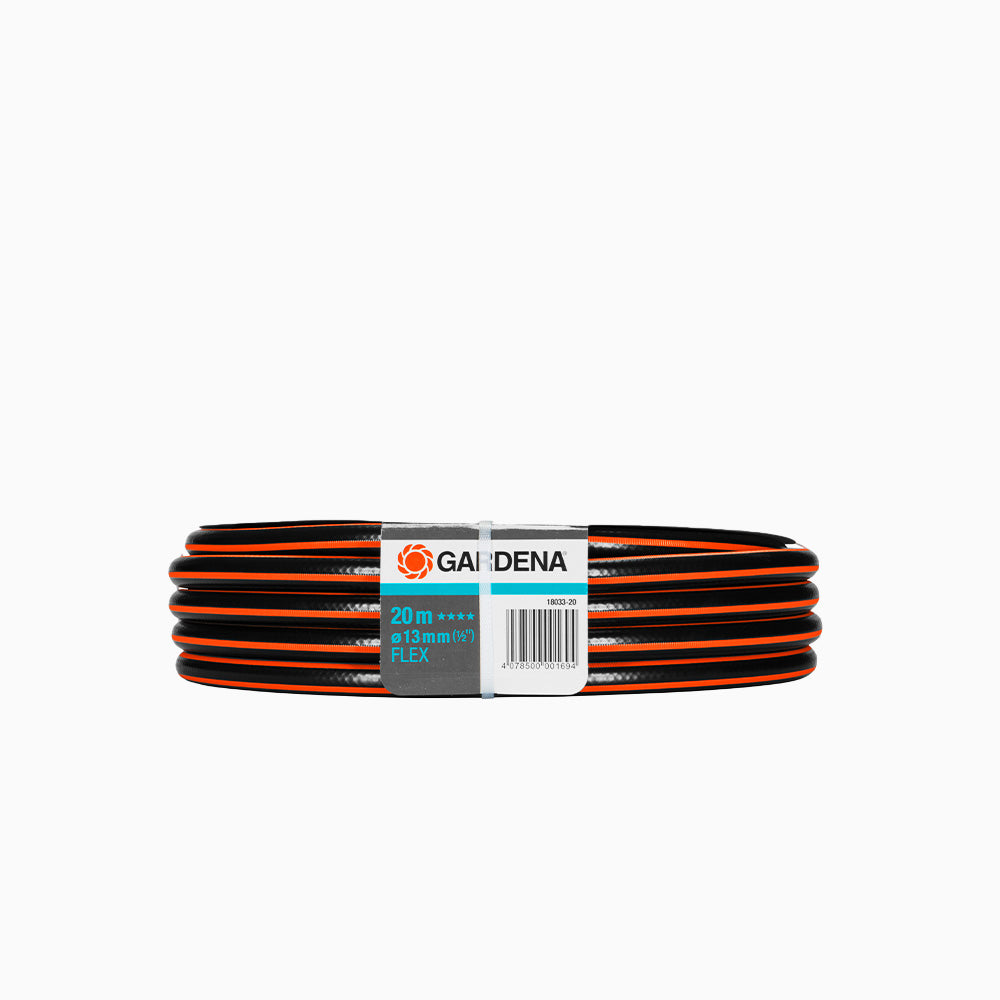
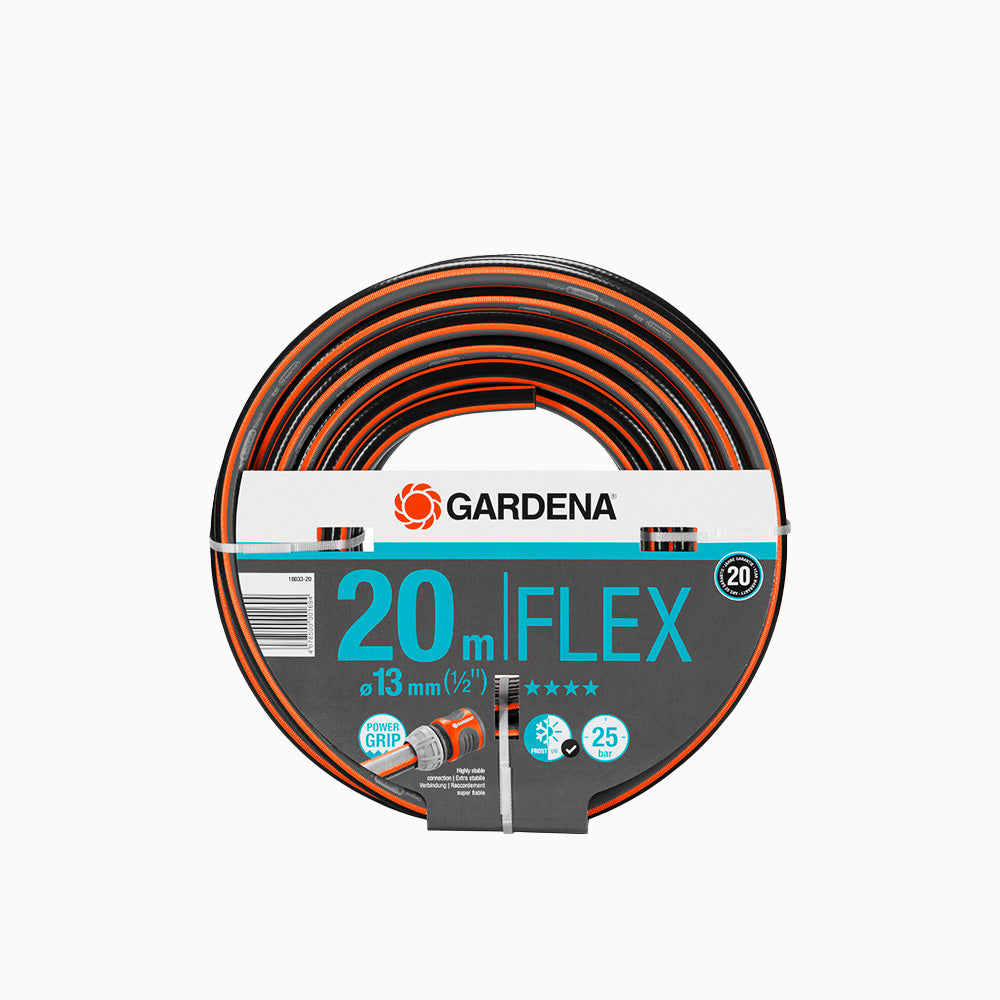
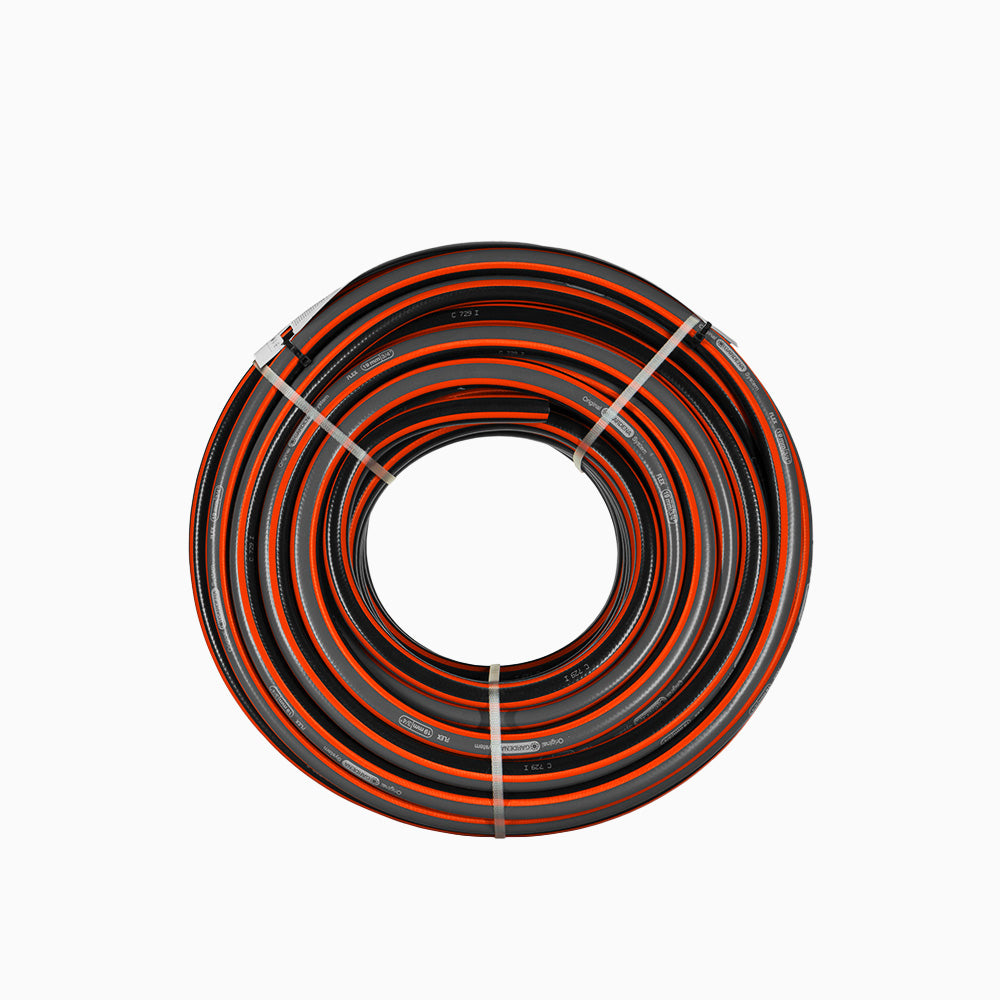
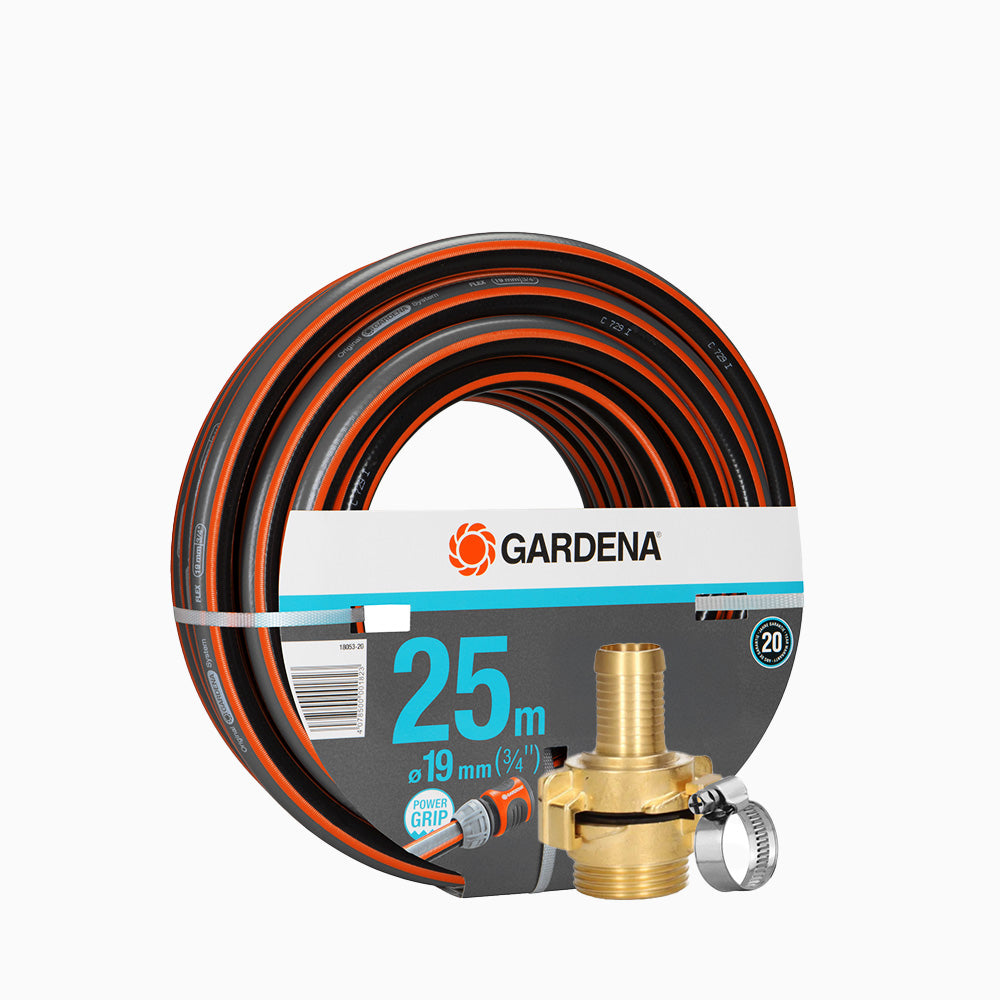
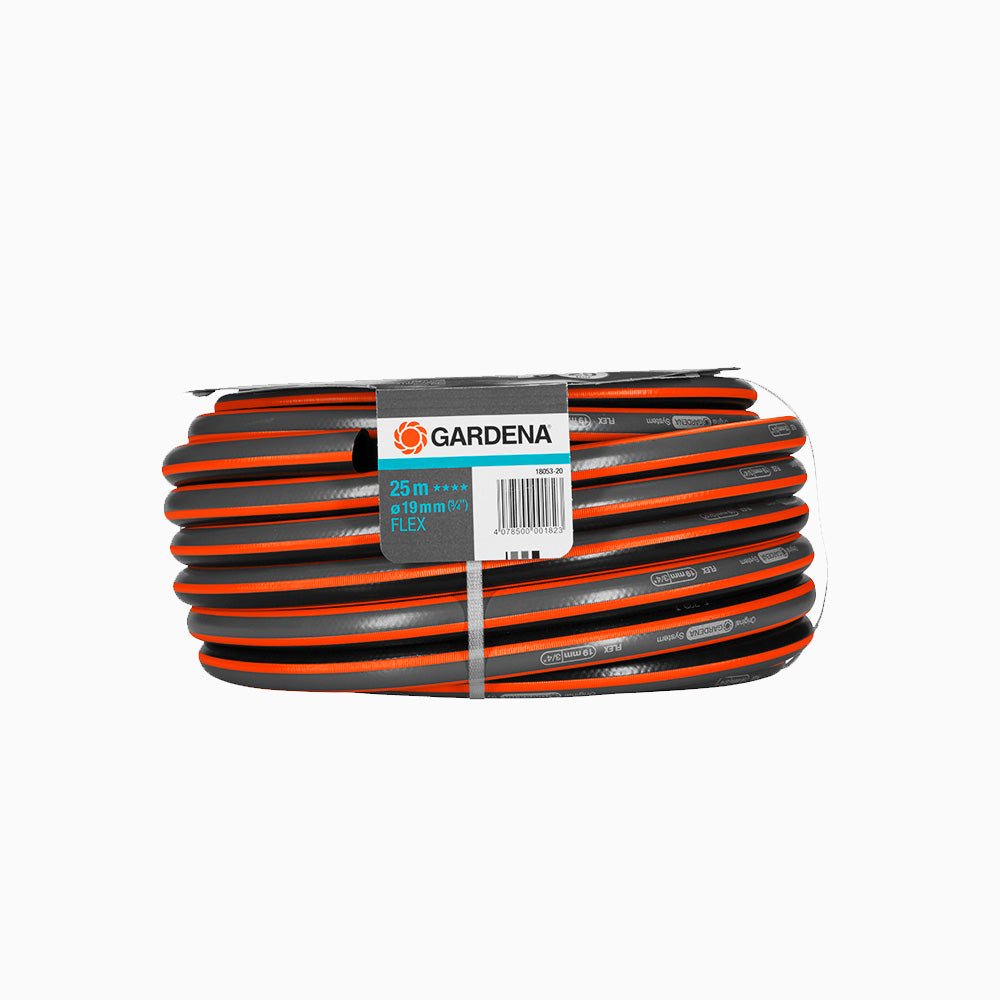
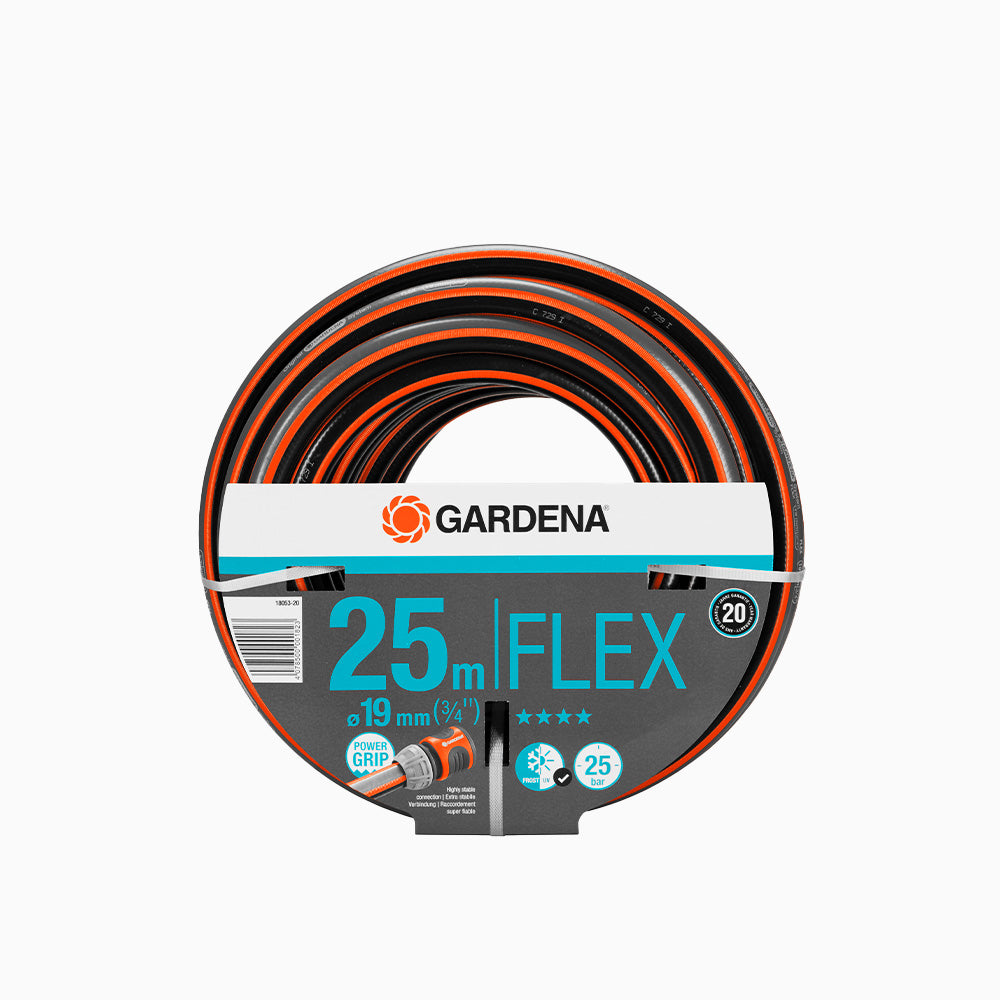
Not only the pump itself, but also the connected hoses and fittings are vulnerable to frost. A stiff, frozen hose can burst with the slightest movement. Neatly roll up your drain hoses and store them indoors. If you're using a permanent installation with a non-return valve, drain it, as stagnant water in the valve is a common cause of breakage.

Non-return valve 25mm
For those looking to upgrade their system to a professional level next year, we recommend checking out the Best Submersible Pump 2026: The Ultimate Buyer's Guide & Independent Test for the latest innovations in frost-resistant materials.
Frequently asked questions about winter maintenance
Can a submersible pump remain in water in winter?
Only if the pump is deep enough (at least 80 cm) to prevent the surrounding water from freezing. In shallow wells or barrels, it's always safer to store the pump in a dry, frost-free place.
How do I prevent the fan from getting stuck after winter?
Before storing the pump, thoroughly clean it with clean water and remove any limescale. Before using it for the first time in the spring, turn the impeller by hand (if possible) to check for smooth operation.
Do I also need to clean the float?
Yes, floats and sensors are sensitive to limescale and algae. A dirty sensor can prevent the pump from starting when needed. Clean these with a damp cloth.
Share:
Connecting a submersible pump to a drain hose: Tips for the best flow
Best Submersible Pump 2026: The Ultimate Buying Guide & Independent Test