

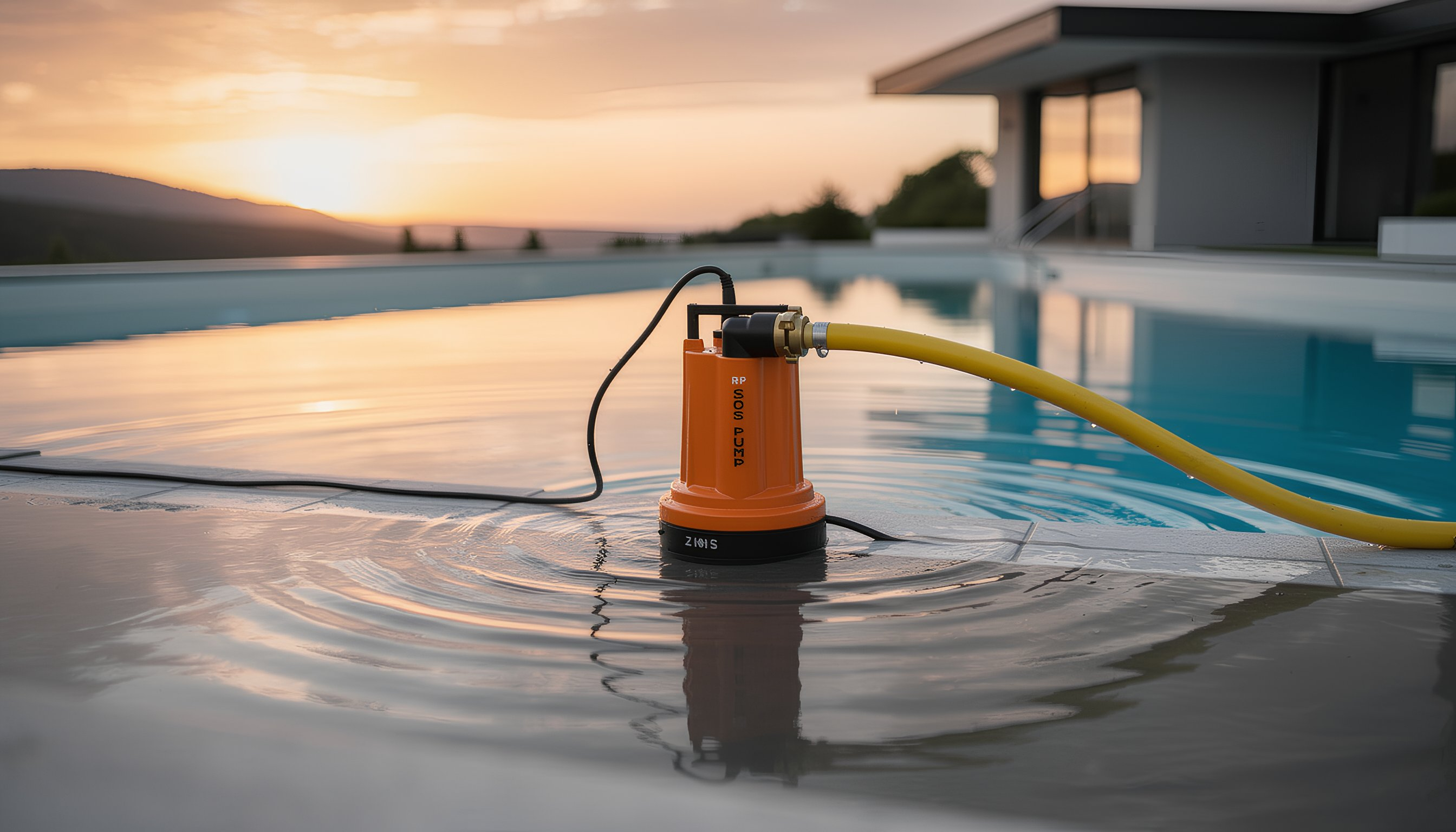
Want to get maximum performance from your pump without unnecessary loss of capacity? Correctly connecting your submersible pump to the correct discharge hose is crucial for fast and efficient water movement.
The basis of a good flow: Hose diameter
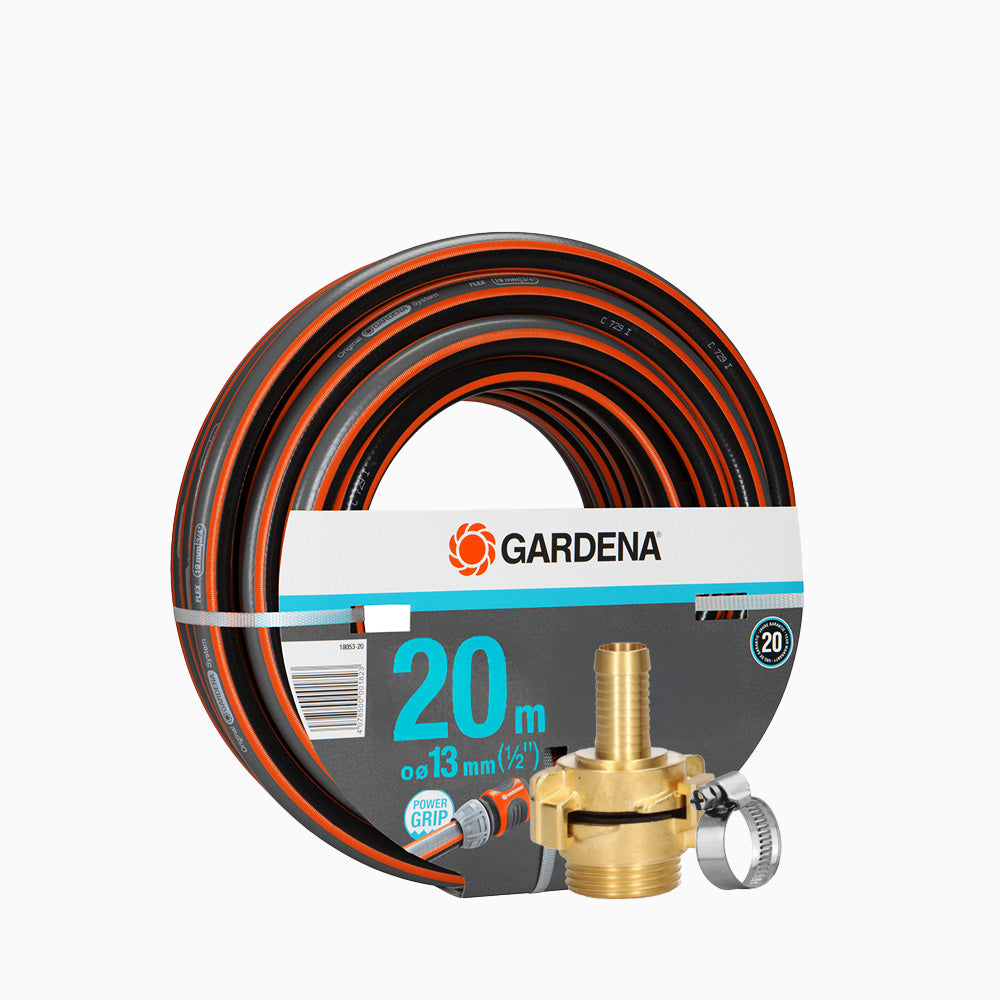
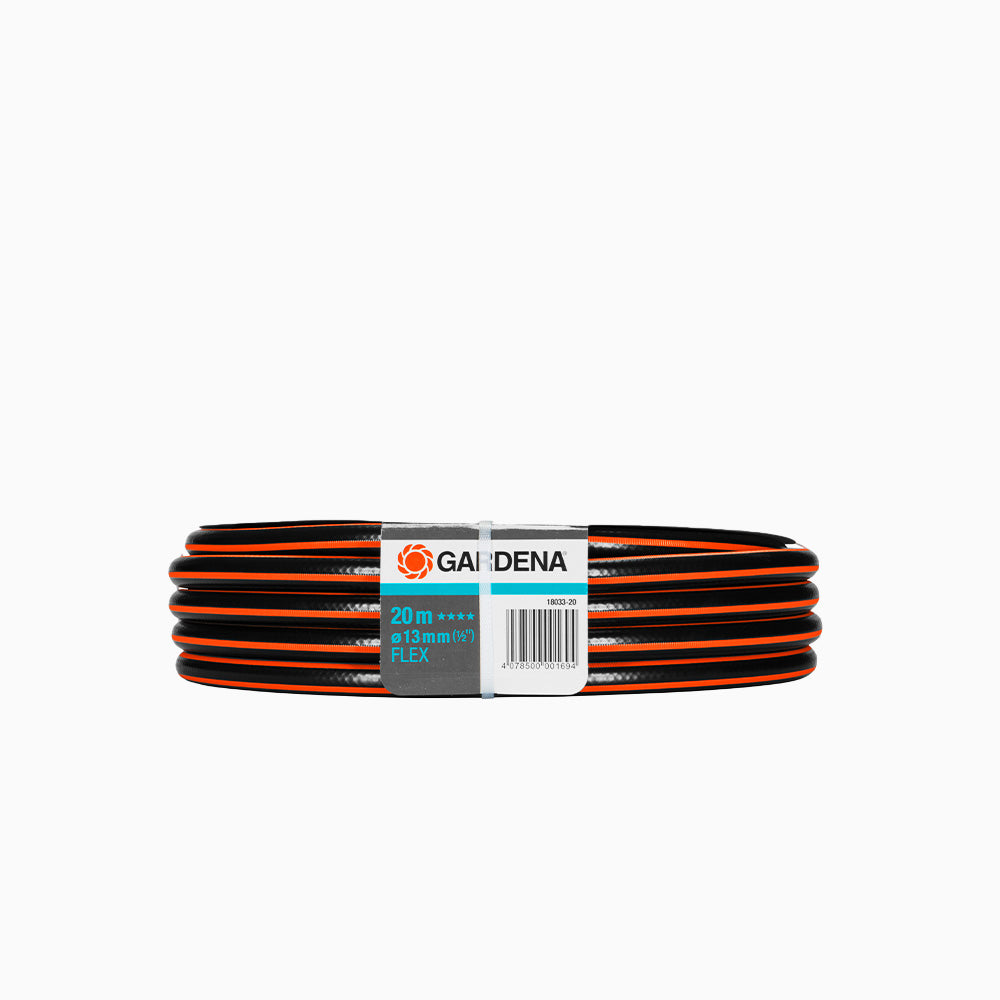
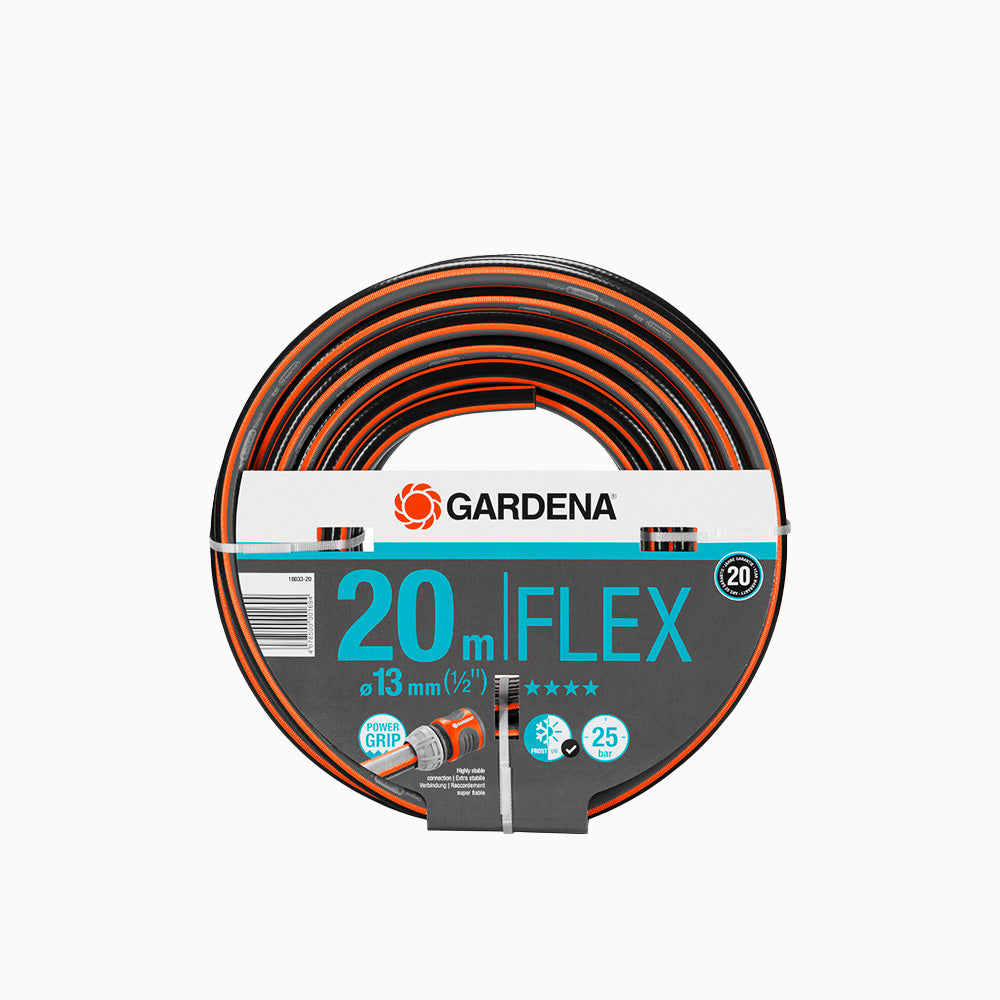
One of the most common mistakes when installing a pump is using a hose that's too narrow. While a standard 13mm garden hose may seem convenient, it literally pinches the pump. For the best submersible pump 2026 results, we recommend always choosing a hose that's at least equal to the pump outlet diameter.
The larger the diameter, the less resistance the water encounters. For an average submersible pump with a capacity of 5,000 liters per hour, a 25mm or even 32mm hose is standard. This prevents the motor from working unnecessarily hard and significantly extends the lifespan of your appliance.

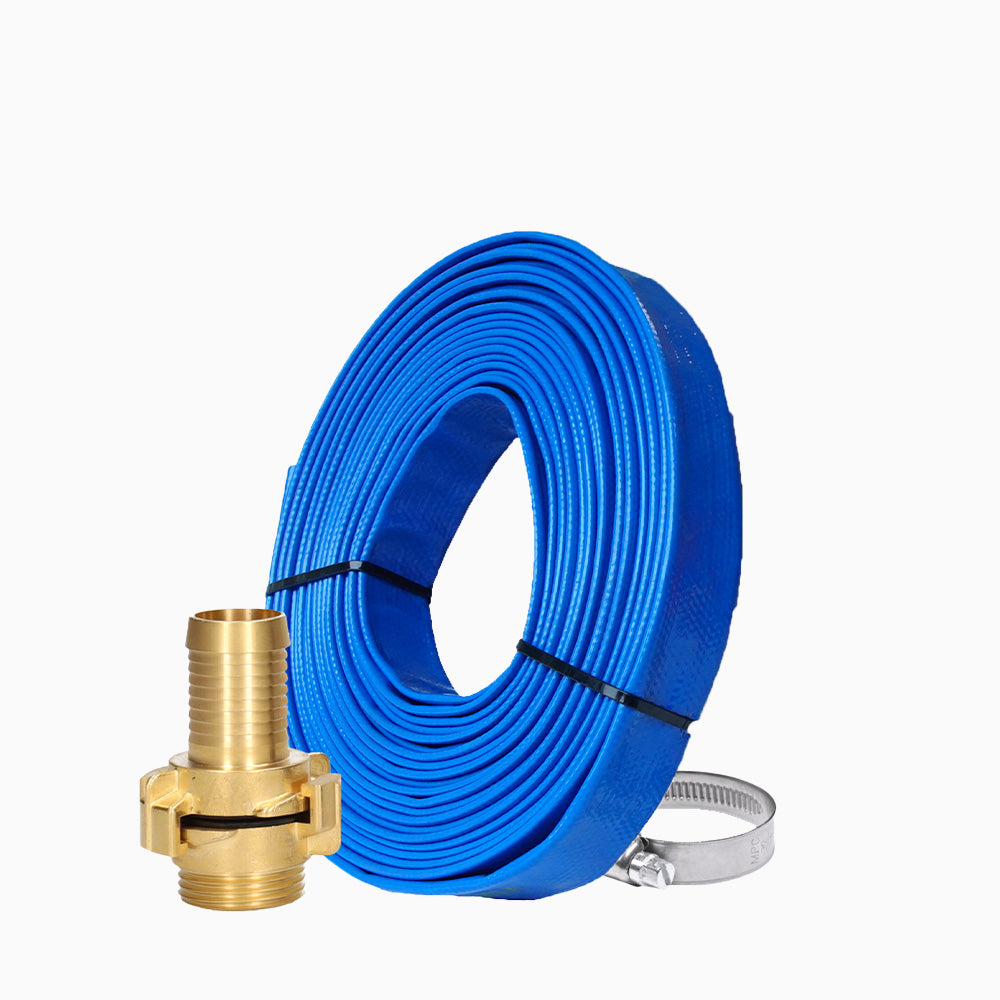
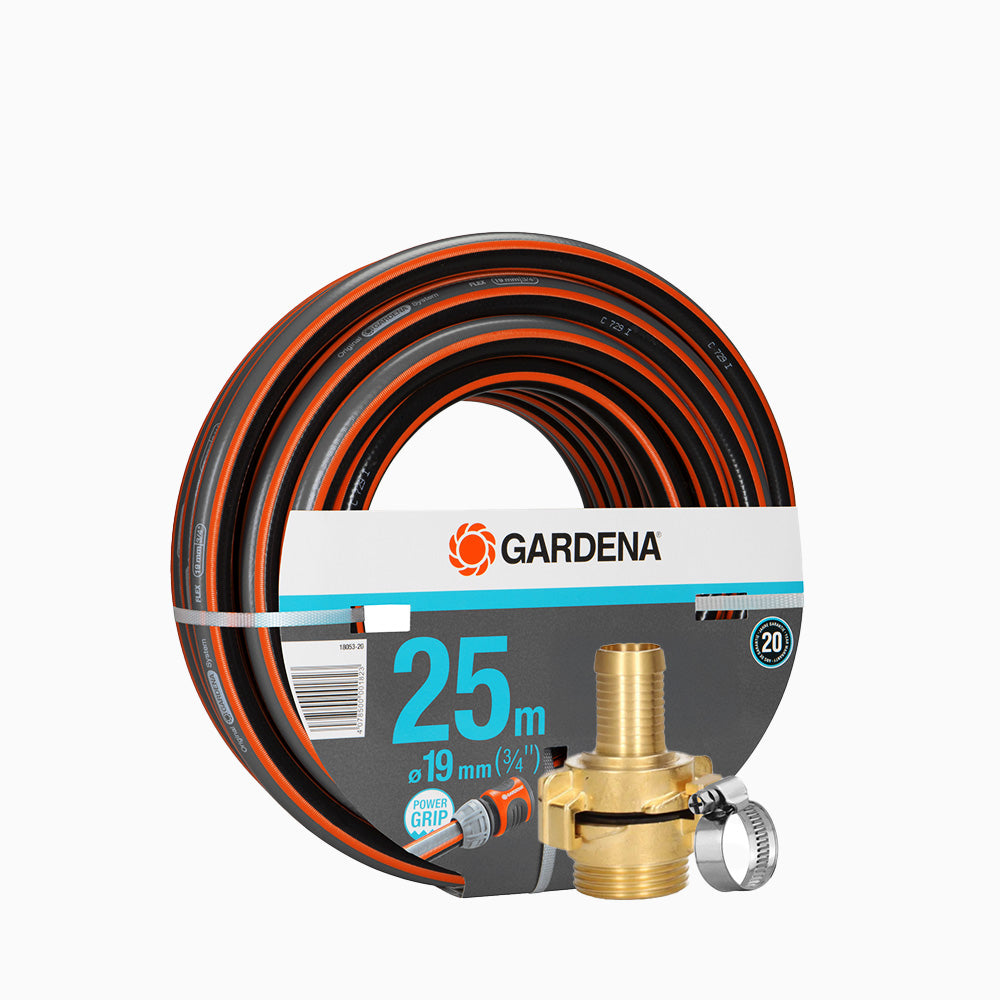
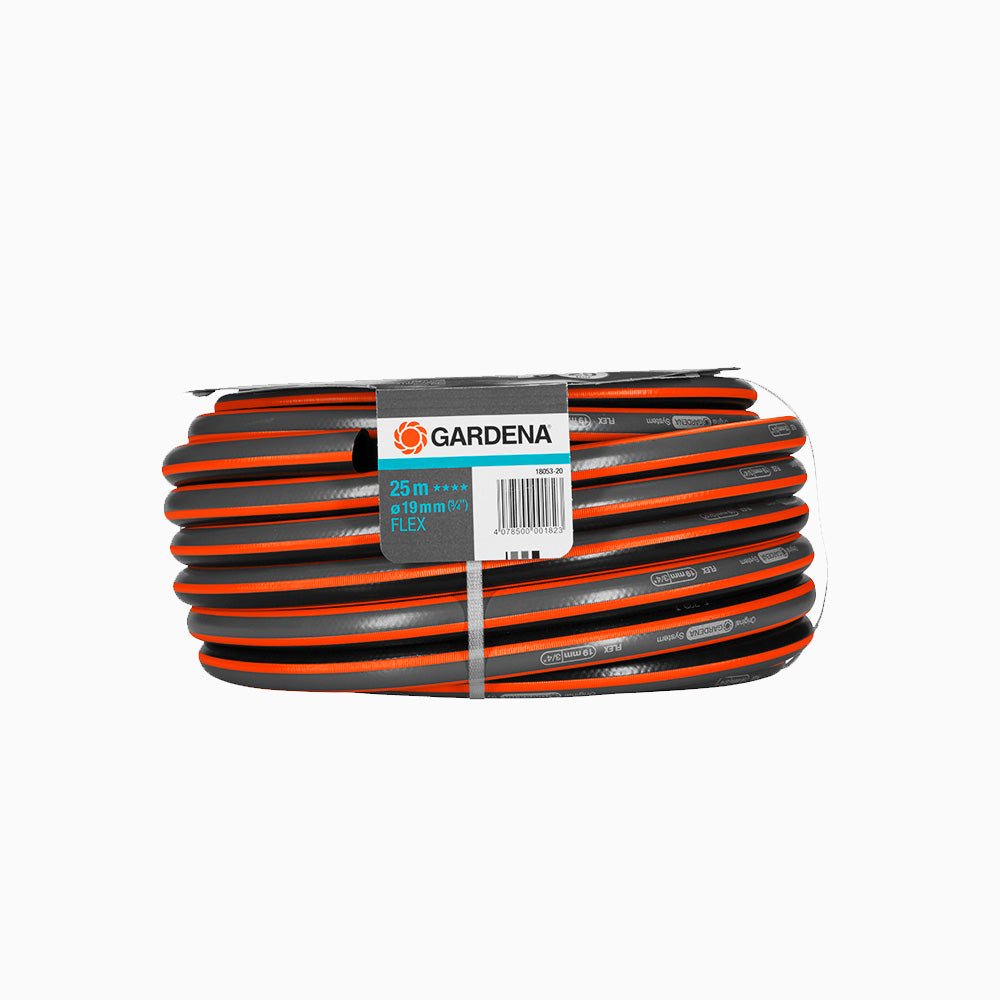
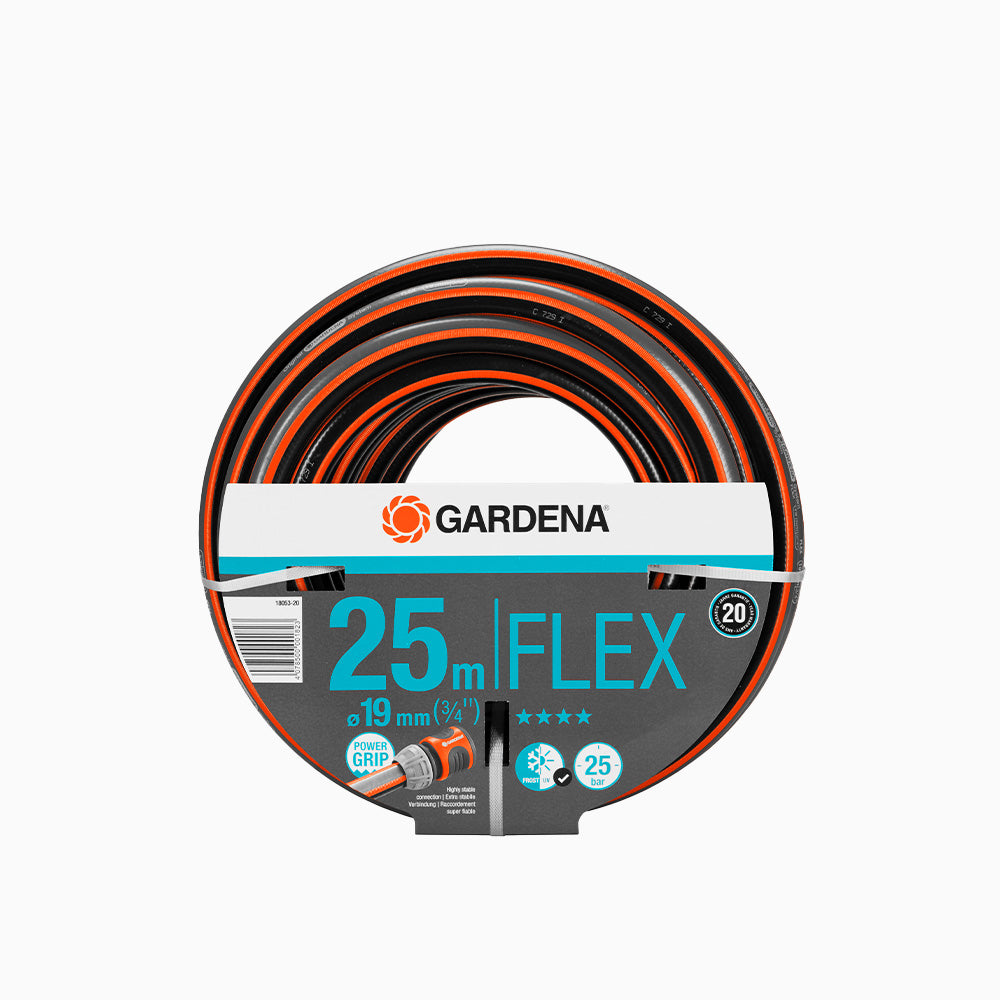
Water hose set 12.5m 25mm
Couplings and preventing pressure loss
Every bend, constriction, or connection creates resistance, also known as pressure loss. To maintain optimal flow, it's essential to create smooth transitions. Preferably use an elbow connector if the hose needs to make a sharp bend to prevent kinking. You can read more about preventing damage in Maintenance and installation of your submersible pump: Maximum lifespan .
Seal airtight with Teflon tape
A pump can only perform optimally if no air is sucked in and no water escapes at the connection points. Always use sealing tape on the threads of your couplings. This ensures a 100% watertight connection, which is essential for both clean and dirty water applications. For specific tips on mop-dry results, see The best submersible flat suction pump 2026: Mop-dry results .
The role of the check valve
When the pump stops, the water in the vertical discharge hose normally flows back down. This can cause the pump to restart immediately, leading to cycling. A check valve is the solution here. It keeps the water in the hose, ensuring immediate flow the next time it starts.

Non-return valve 25mm
Conclusion
Maximizing flow requires a combination of the right hose diameter and high-quality fittings. By investing in a wide discharge hose and sturdy connections, you'll get the most out of your investment. Whether you're pumping out a basement or preparing a pool, good preparation is half the battle. For more information, also read "Best Submersible Pump 2026: The Ultimate Buyer's Guide & Independent Test ."
What hose diameter do I need for my submersible pump?
For most consumer pumps, a diameter of 25mm or 32mm is recommended. Only use a 13mm garden hose for small jobs where speed isn't important.
How do I prevent my drain hose from folding?
Use a reinforced hose or a special elbow coupling (90 degree bend) directly on the pump outlet to prevent the hose from kinking under the weight of the water.
Is a check valve always necessary?
It is not mandatory, but strongly recommended for automatic systems to prevent the pump from starting unnecessarily due to backflow of water.
Share:
Winterizing your submersible pump: Prevent frost damage
Best Submersible Pump 2026: The Ultimate Buying Guide & Independent Test