

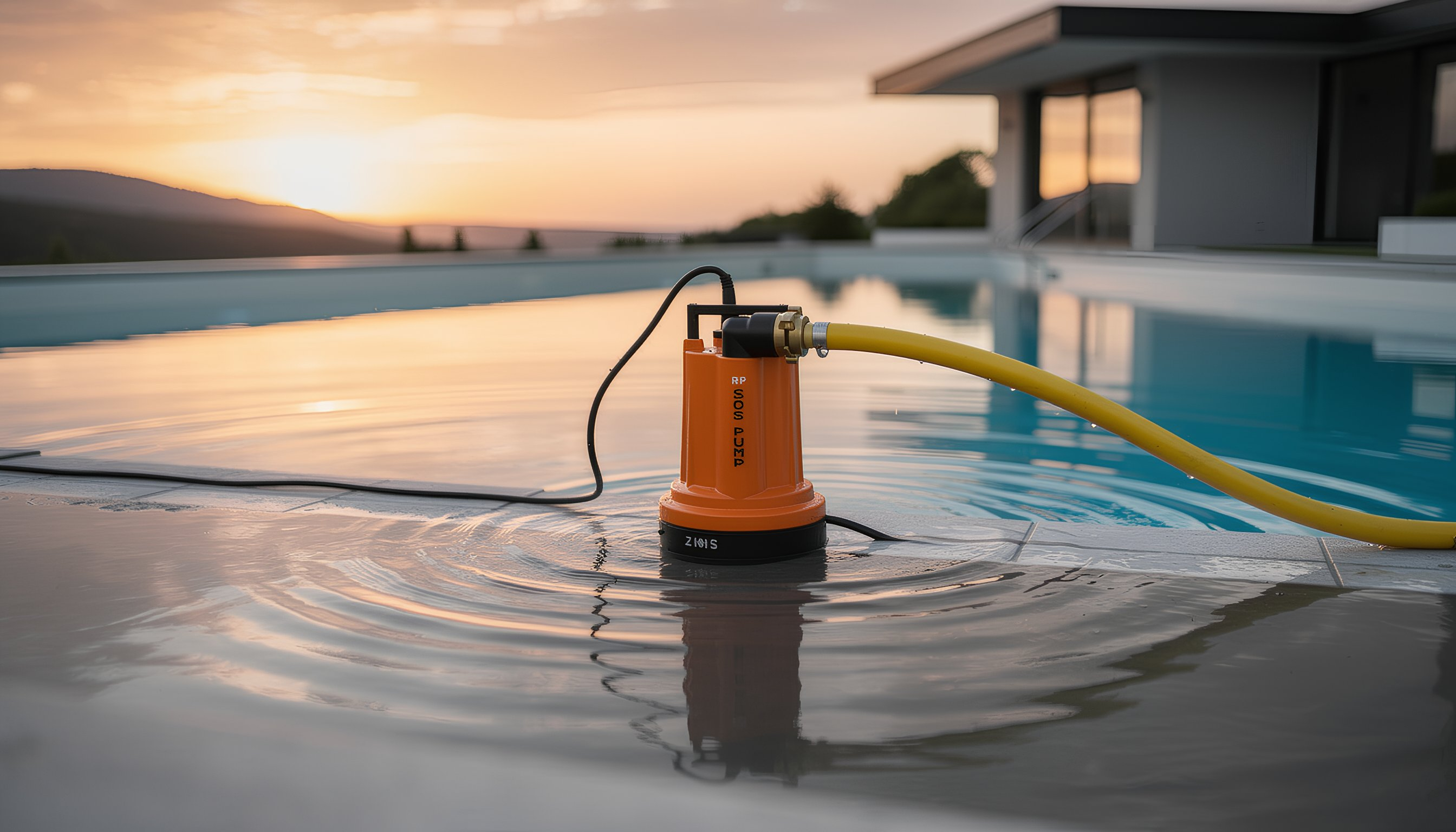
To ensure a dry basement or efficient drainage, proper maintenance of your equipment is essential. This guide will teach you how to optimally install and maintain the best submersible pump for 2026 for maximum lifespan.
The basis of a successful installation
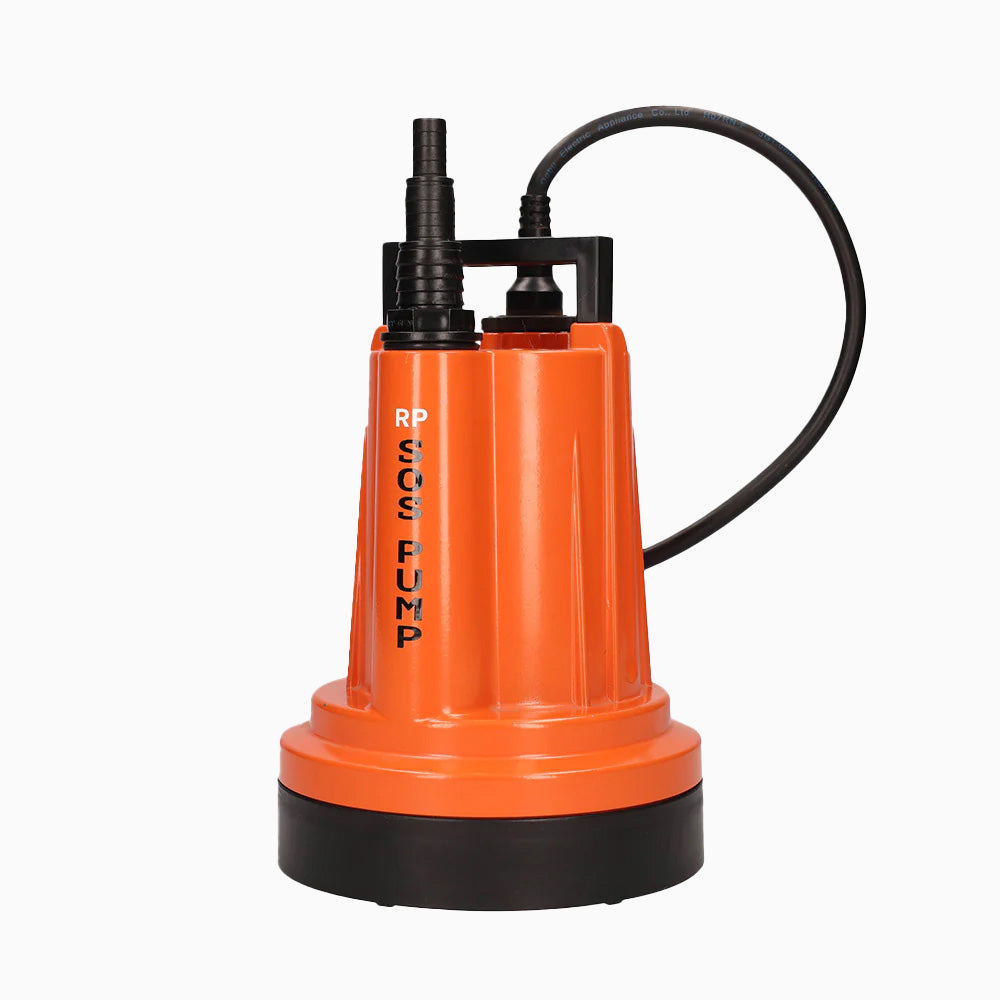
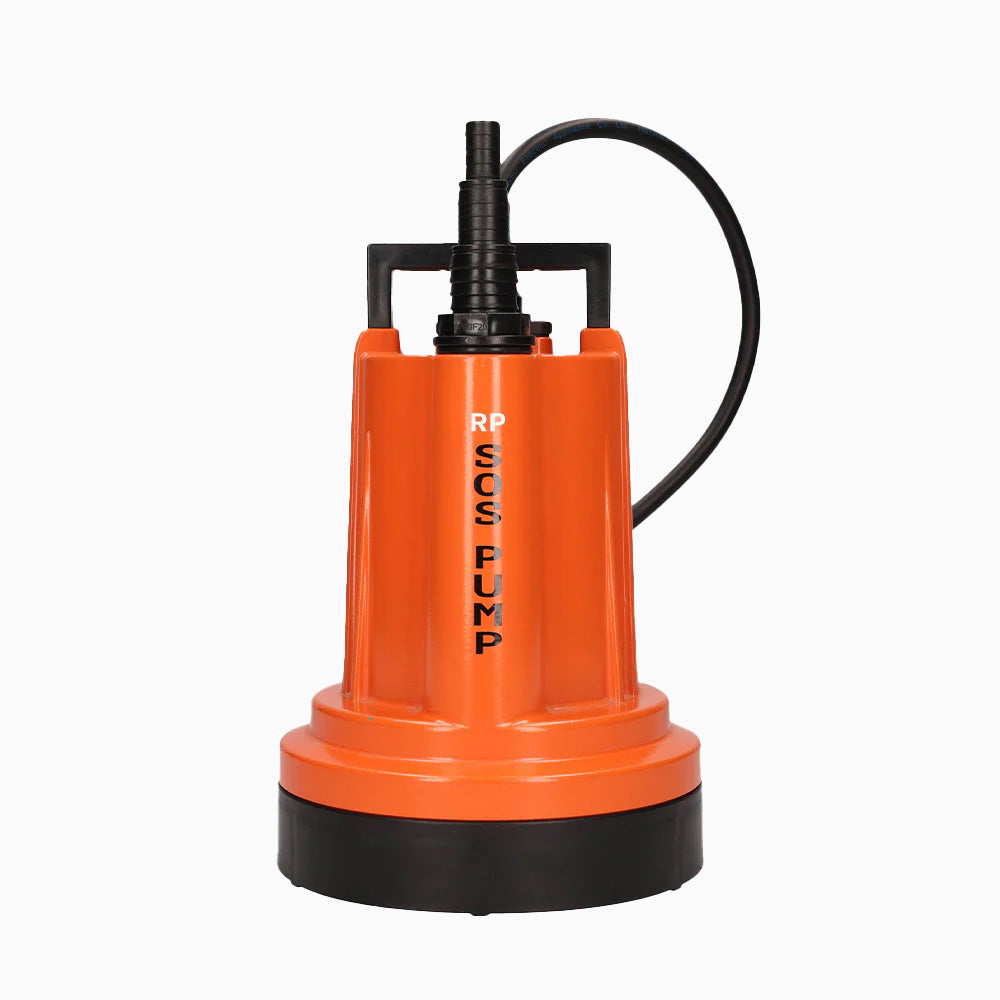
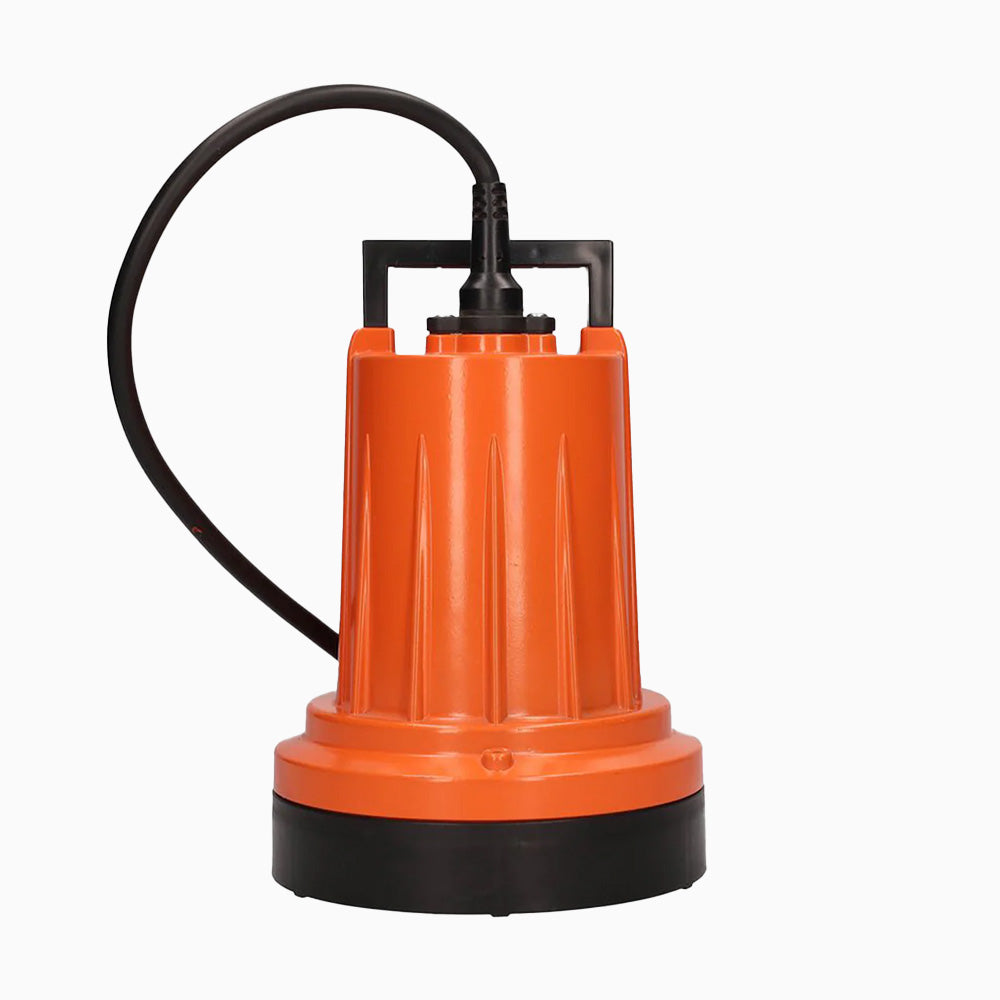
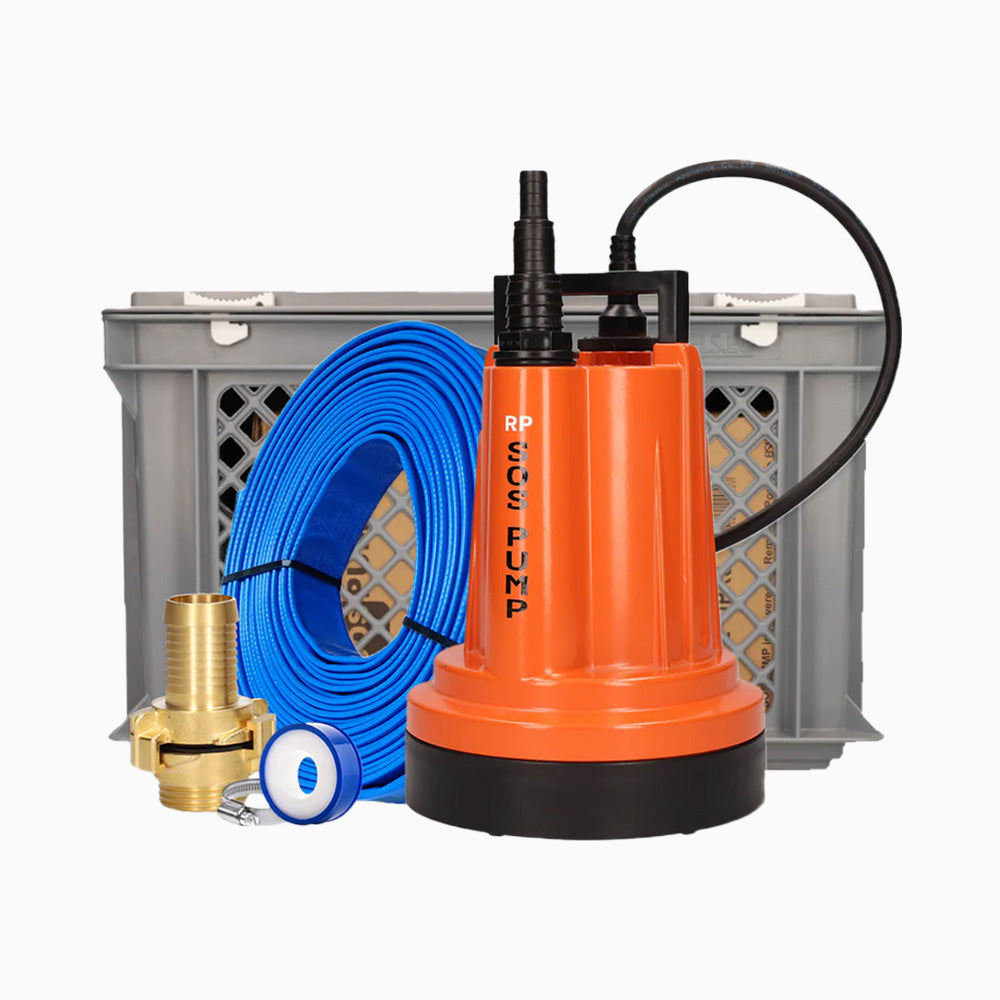
A submersible pump is a powerful tool, but its performance depends entirely on proper installation. Whether you purchased a model from our guide Best Submersible Pump 2026: The Ultimate Buyer's Guide & Independent Test or are using an older model, the principles remain the same. Always ensure the pump is placed on a flat, stable surface. In a muddy well, it's wise to place the pump on a tile to prevent the suction strainer from becoming clogged with sludge.
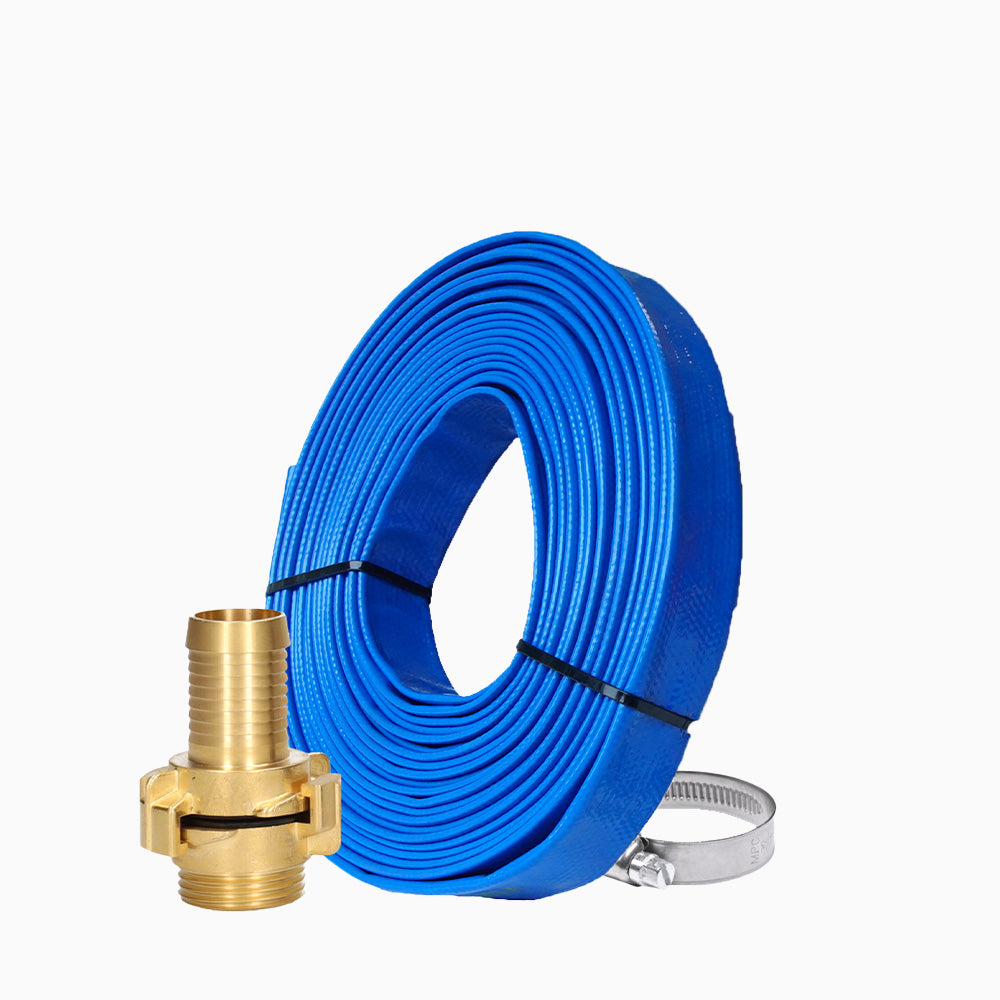
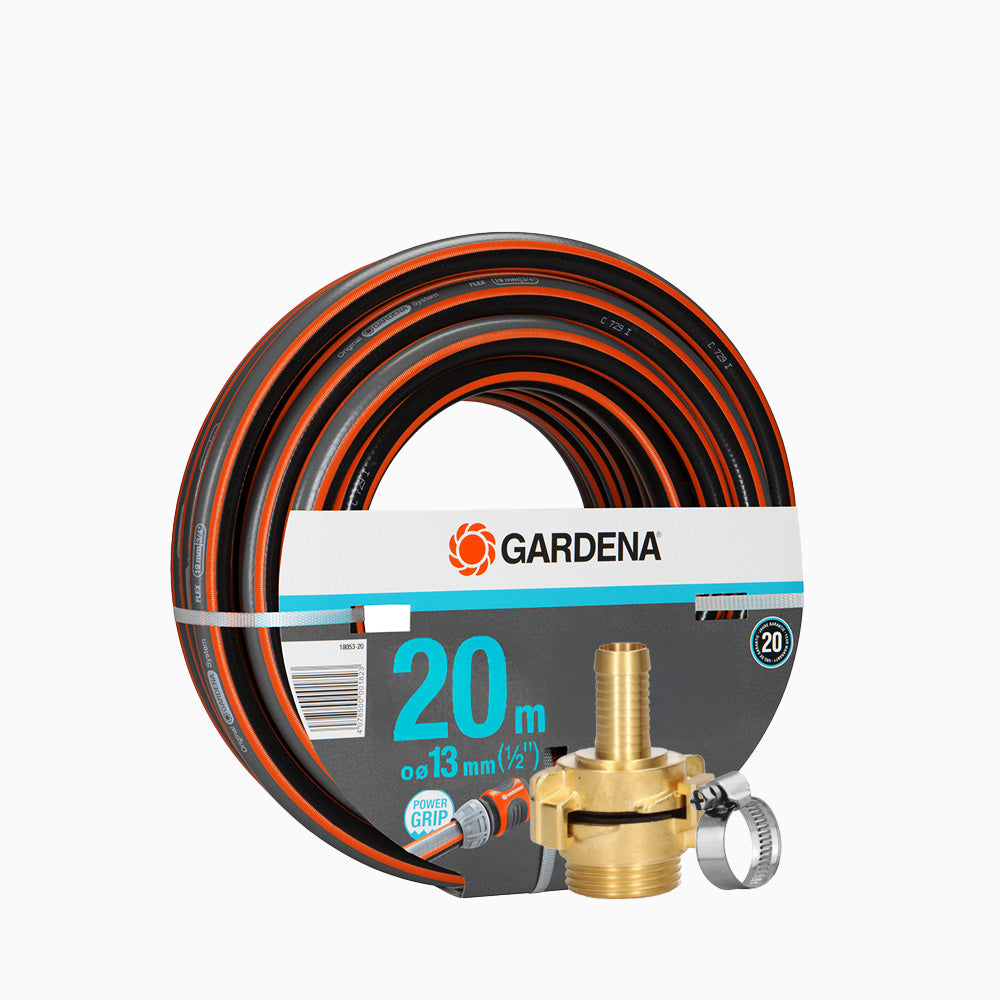
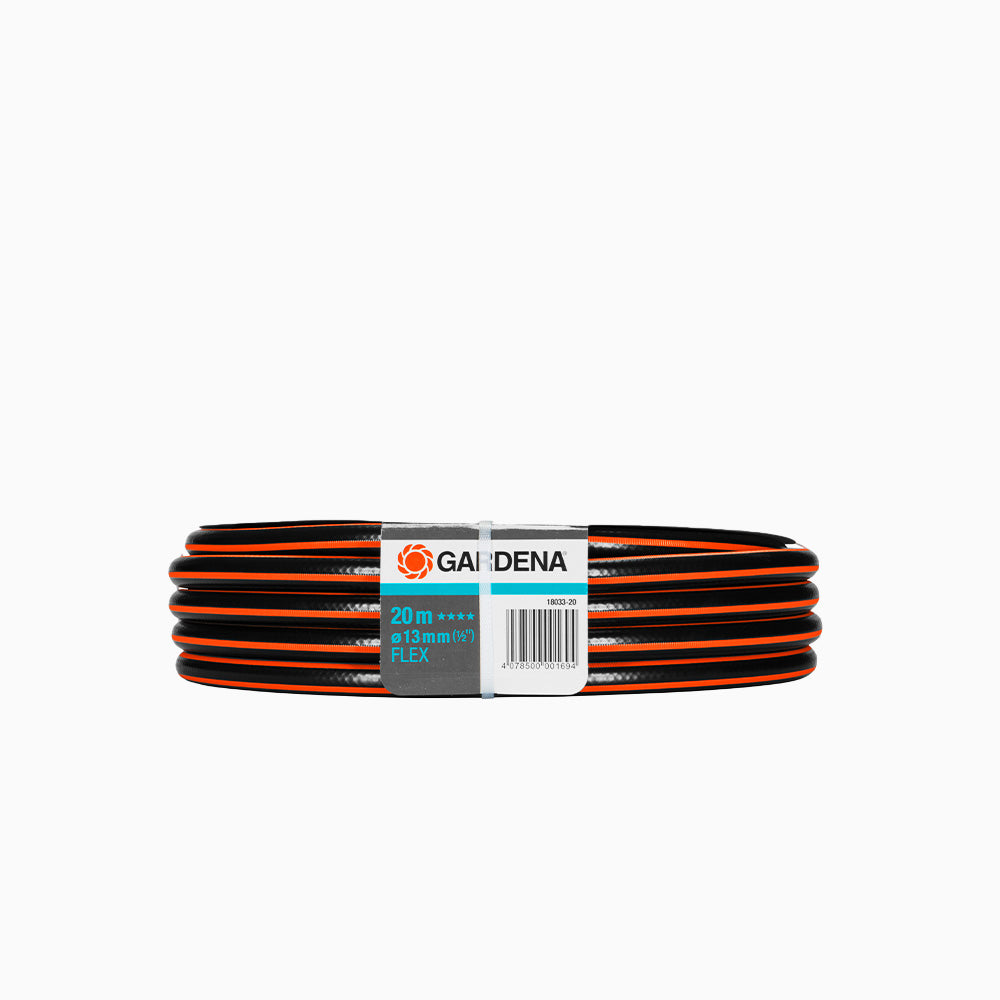
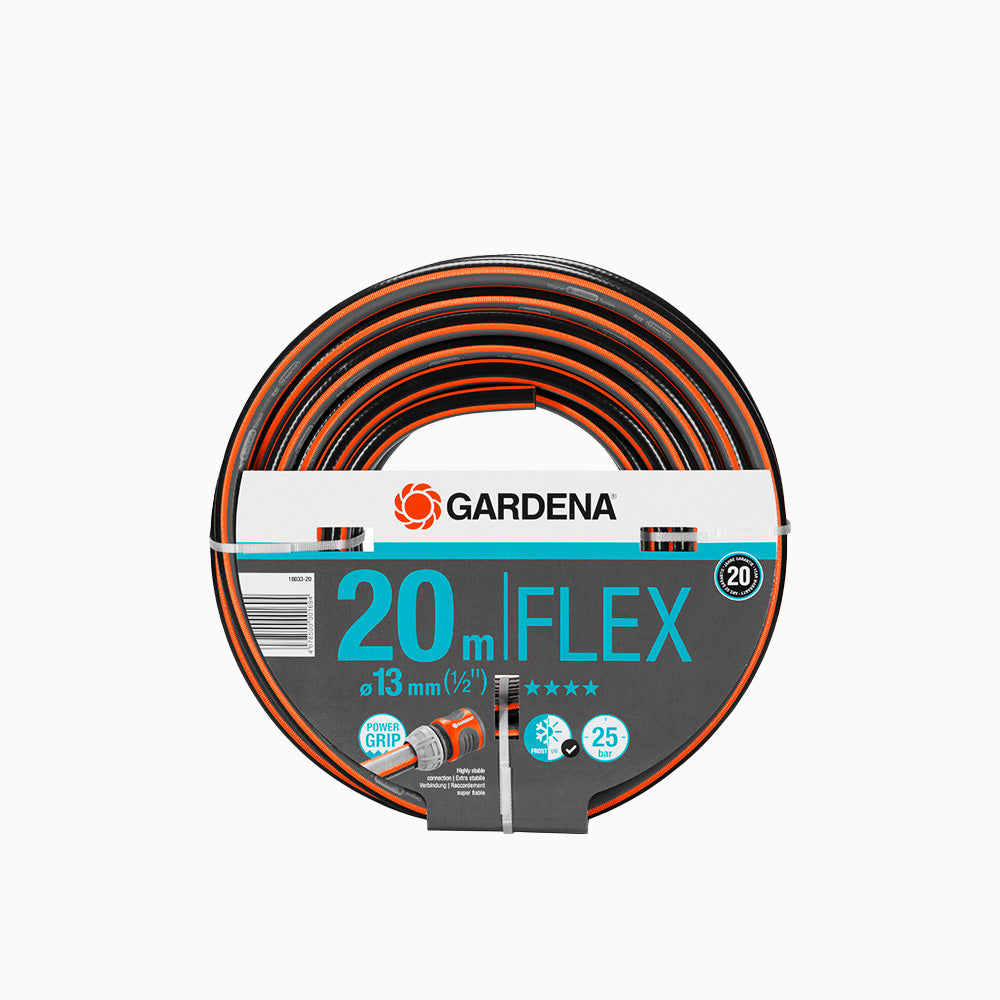
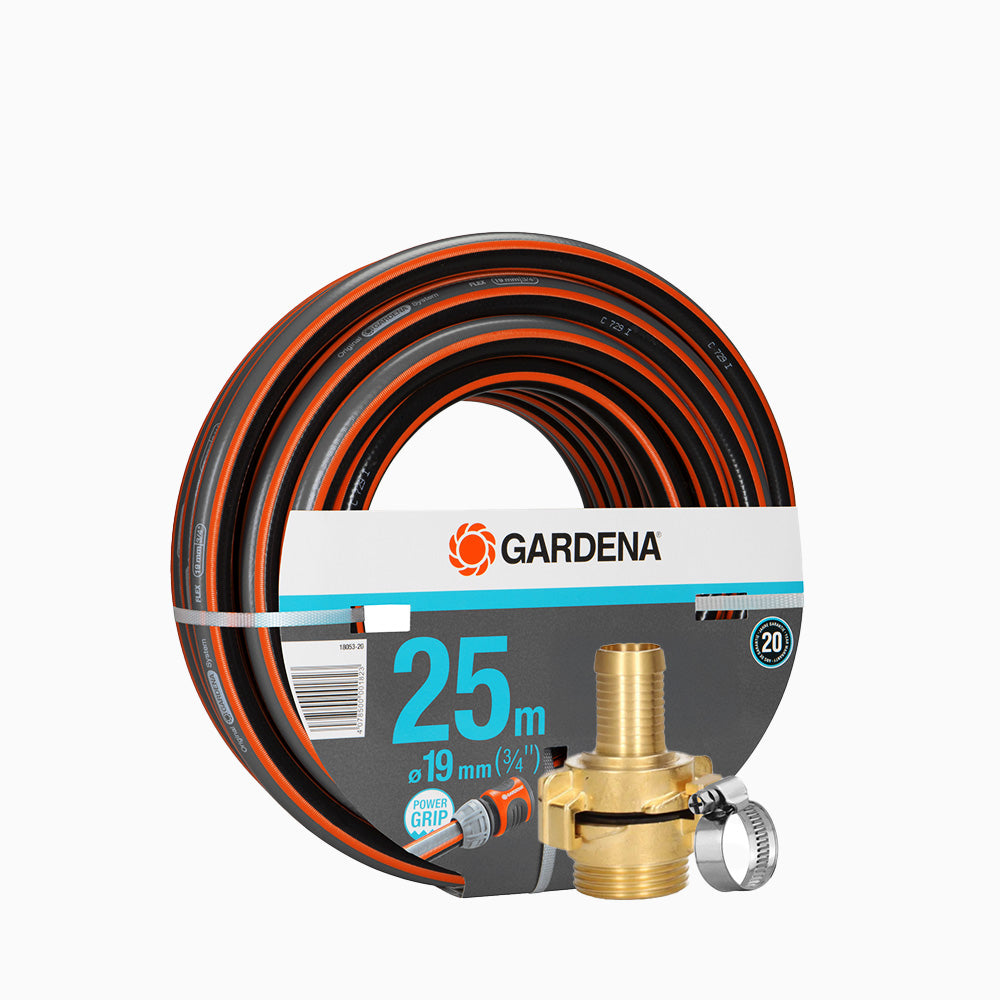
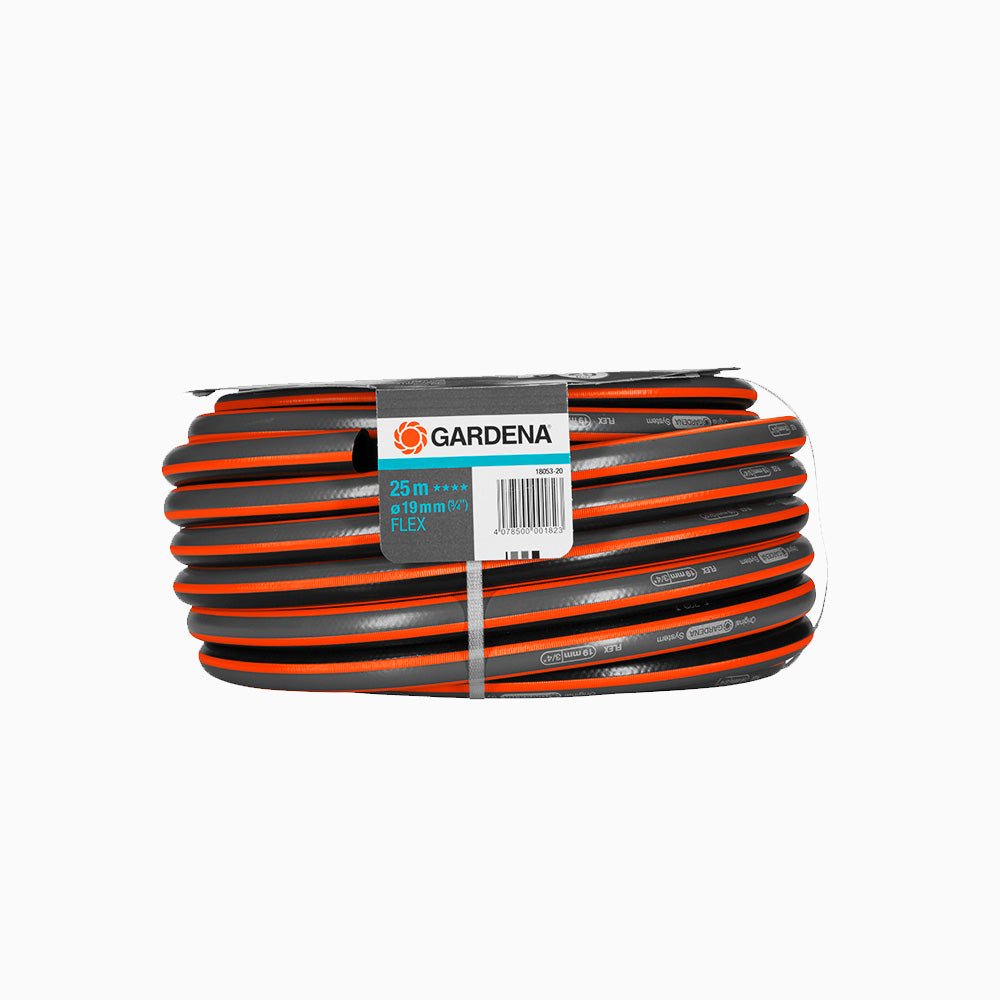
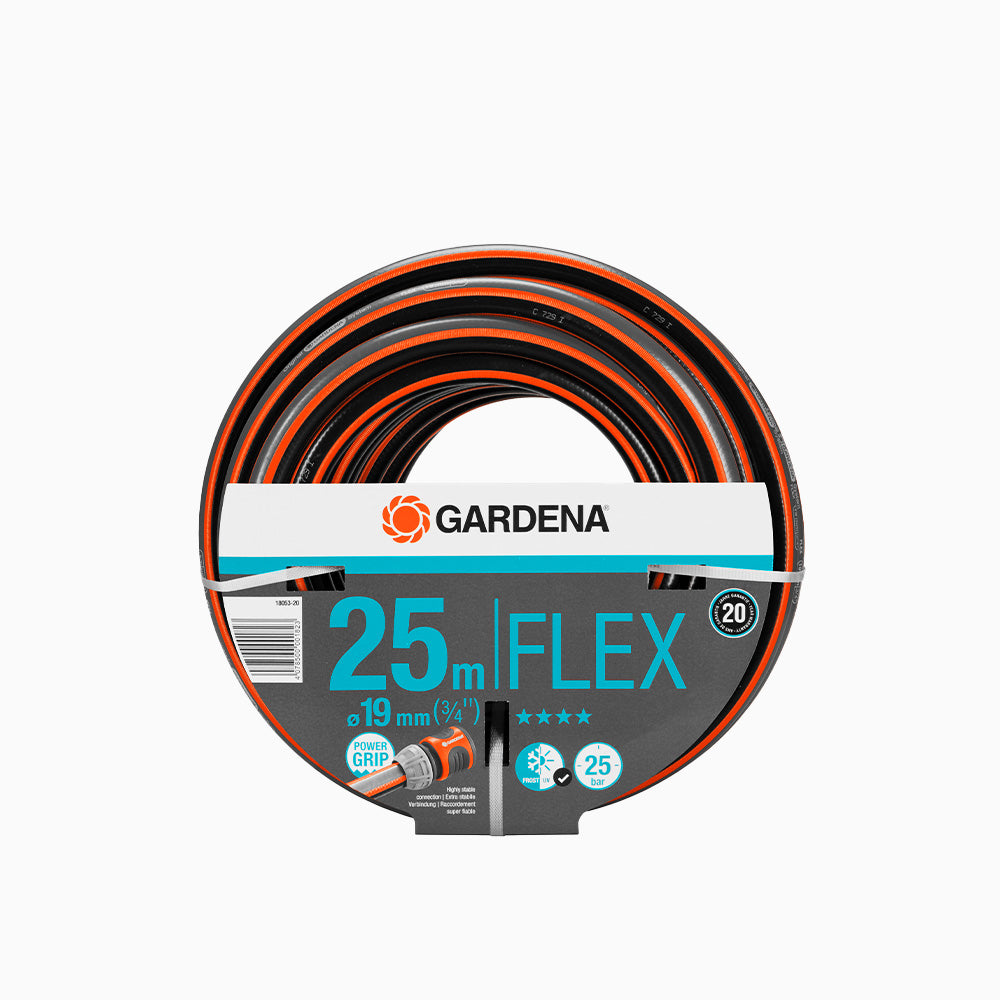
The choice of the drain hose is crucial during installation. A hose that's too narrow will create resistance, forcing the motor to work harder and leading to faster wear. For optimal flow, we recommend using the correct fittings from the start.

Quick coupling set 25mm
Don't forget electrical safety. Always use a grounded outlet and check that the cord is long enough to prevent voltage from reaching the connection. If your cord is damaged, read " Winterizing Your Submersible Pump: Preventing Frost Damage" for tips on safe storage and repair.
Periodic maintenance: Prevention is better than cure
To remain worthy of the title of best submersible pump of 2026, every device needs some TLC. Limescale and dirt buildup are the biggest enemies of mechanical seals and the impeller. We recommend removing the pump from the sump for an inspection at least twice a year.
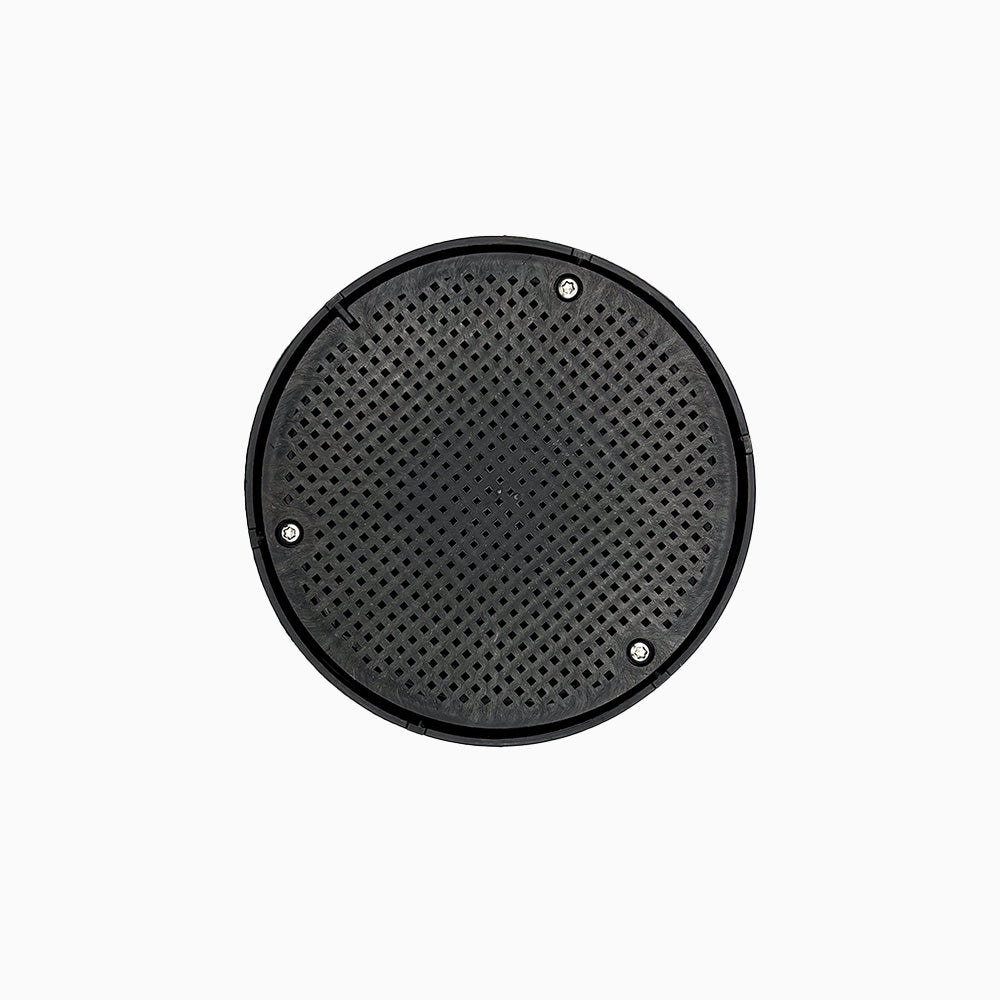
Cleaning the intake strainer
The bottom of the pump often collects leaves, hair, or small stones. Rinse the basket with a garden hose. If the bottom is really worn out by abrasive sand, you can often easily replace it. You can read more about this in Comparing Submersible Wastewater Pumps: The Top Picks for Tough Jobs .
Fixing common problems in 2026
Even the best submersible pump of 2026 can malfunction. A common problem is air entrapment (airlock). When air is trapped in the pump housing, the impeller can't create a vacuum, and no water is displaced. Most modern pumps have a bleed valve, but sometimes tilting the pump slightly while submerging it helps.
Another point of attention is the check valve. Without this valve, the water in the hose flows back into the well as soon as the pump stops, causing the pump to restart immediately. This causes unnecessary wear and tear on the motor.

Non-return valve 25mm
If you notice the pump no longer stops automatically, the float is often the culprit. In tight spaces, a float can get stuck against the wall. In that case, switching to an electronic sensor is often the best solution. See the article "The Advantages of a Submersible Pump with an Internal Float" for alternative switching methods.
Optimization for specific situations
Not every job is the same. Different rules apply to a basement that needs to remain mop-dry than to a construction pit. If you're aiming for the best result, a submersible vacuum is essential. We explain how to install it best in The Best Submersible Submersible Vacuum Pump 2026: Mop-Dry Results .
For those using the pump for irrigation, connecting it to a garden hose is often the next step. Always use high-quality fittings and, if necessary, Teflon tape to prevent leaks. A leak-free installation ensures constant pressure and prevents the pump from oscillating unnecessarily. Also read "Connecting a submersible pump to a discharge hose: Tips for the best flow" for a step-by-step explanation of hose diameters and fittings.
Frequently asked questions about maintenance
How often should I check my submersible pump?
For occasional use, a check before and after each use is sufficient. If the pump is permanently installed in a well (for example, for drainage), check it every 3 to 6 months for dirt buildup and the float's function.
Can a submersible pump remain in water when it freezes?
No, if the water around the pump freezes, the pump housing can crack. Remove the pump from the water during the winter, dry it, and store it in a frost-free location.
Why is my pump humming but not moving any water?
This could indicate a blocked impeller or a faulty capacitor. First, check for debris in the intake port. If the impeller is clear, there may be a technical defect in the motor.
Share:
Winterizing your submersible pump: Prevent frost damage
Best Submersible Pump 2026: The Ultimate Buying Guide & Independent Test