

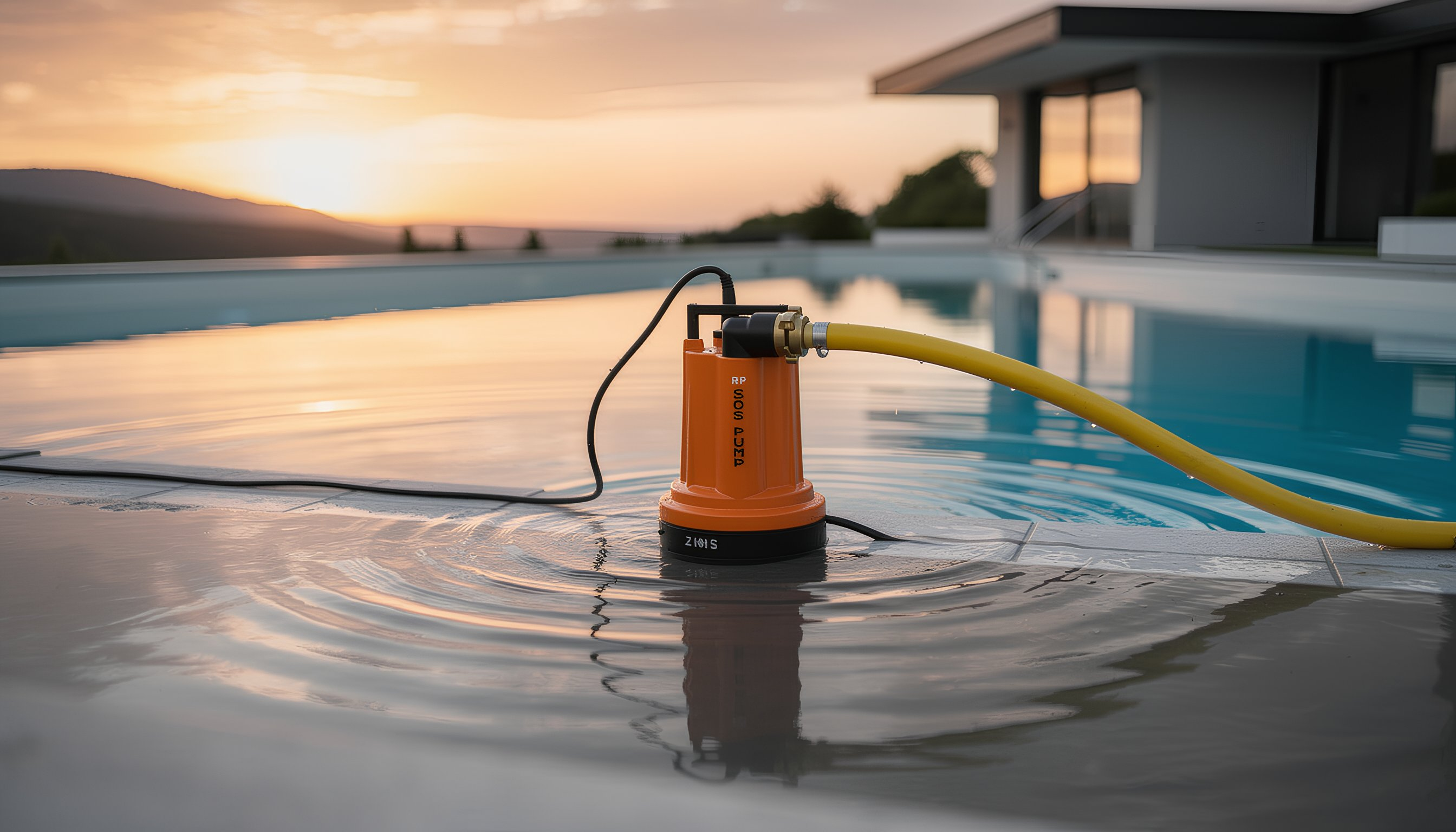
Are you facing the challenge of pumping out a muddy construction pit, a polluted pond, or a flooded basement filled with sand? In this guide, we compare the most powerful submersible sewage pumps of 2026 so you can make the right choice for the tough job.
Why a submersible sewage pump is essential
Not every pump is created equal. While a standard pump will immediately seize up with the slightest bit of sand or gravel, a submersible wastewater pump is specifically designed to handle solids. Whether it's leaves in a pond or mud in a construction pit, the internal impeller of these machines is robust enough to move debris without damage.
In the search for the "best submersible pump 2026," we see the focus increasingly shifting to durability and the ability to operate continuously under harsh conditions. For those dealing with extremely polluted water, the article "Submersible pump for feces: What to look for with sewage water?" is an indispensable addition to this comparison.
Important criteria when comparing
When selecting the best submersible sewage pump for 2026, we look at three crucial factors: the grain size, the pump capacity, and the float control.
Grain size: What can the pump handle?
The particle size determines the maximum size of the solids that can pass through the pump. For a lightly contaminated basement, a particle size of 5 mm is sufficient, but for professional construction applications, you often need 20 mm to 35 mm. You can read more about this in "Professional submersible pumps for construction: Top 5 most powerful models ."
Capacity and head
How many liters of water do you need to move per hour? For an average pond, 5,000 to 7,000 liters per hour is often sufficient. However, in a flood, every minute counts. Also consider the head; if the water has to be pumped three meters up from a deep well, the pump loses power.

Submersible pump with water sensor 3mm
Float switches: Automatic or manual?
For heavy-duty jobs where the water level rises unpredictably, an automatic float switch is essential. After all, you don't want the pump to run dry. For an in-depth analysis of these systems, we recommend the article "Best Submersible Wastewater Pump with Float Switch for Automatic Drainage ."
Applications: From construction pit to pond
Each situation requires a specific approach. A pond requires a pump that can run 24/7 without disturbing the fish, while a construction pit demands brute force and resistance to abrasive particles like sand.
When you're done with the heavy-duty job and want the space mop-dry again, you can switch to a different type of machine. Read " The best submersible flat suction pump 2026: Mop-dry result" for more information.
Accessories that make a difference
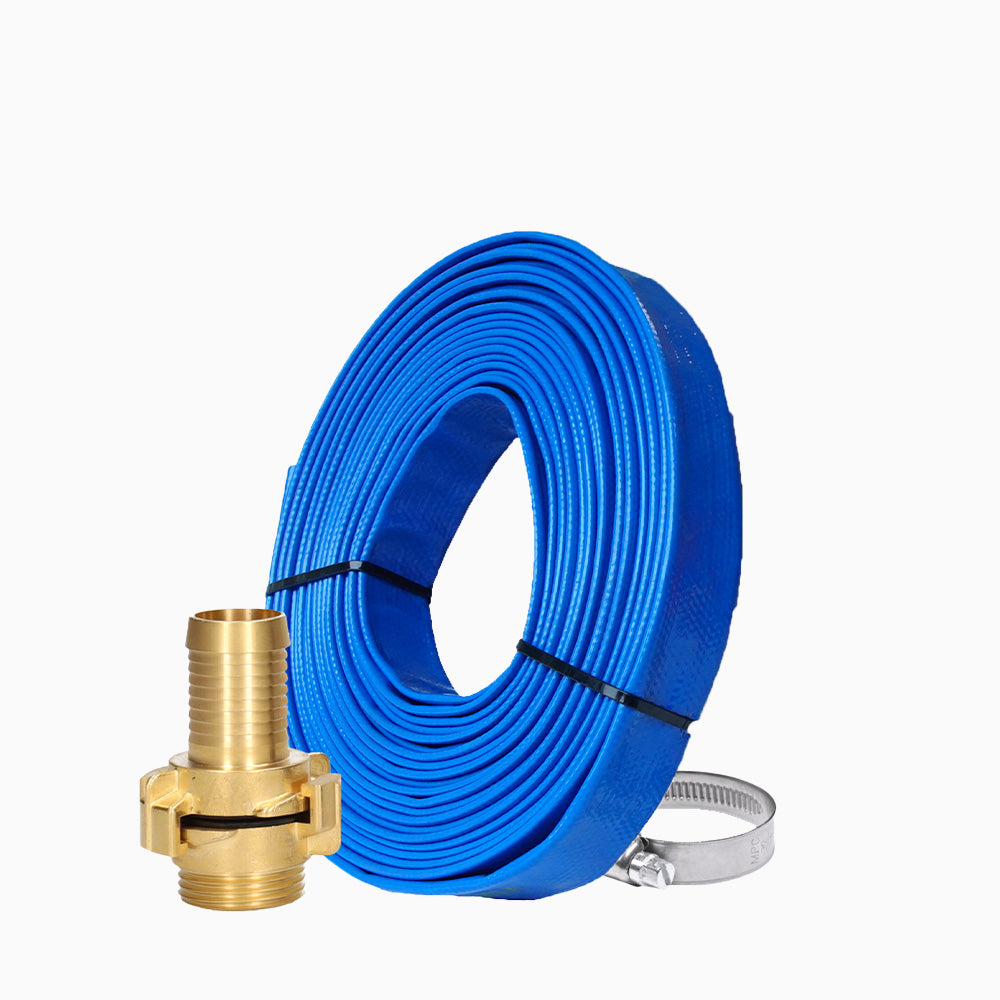
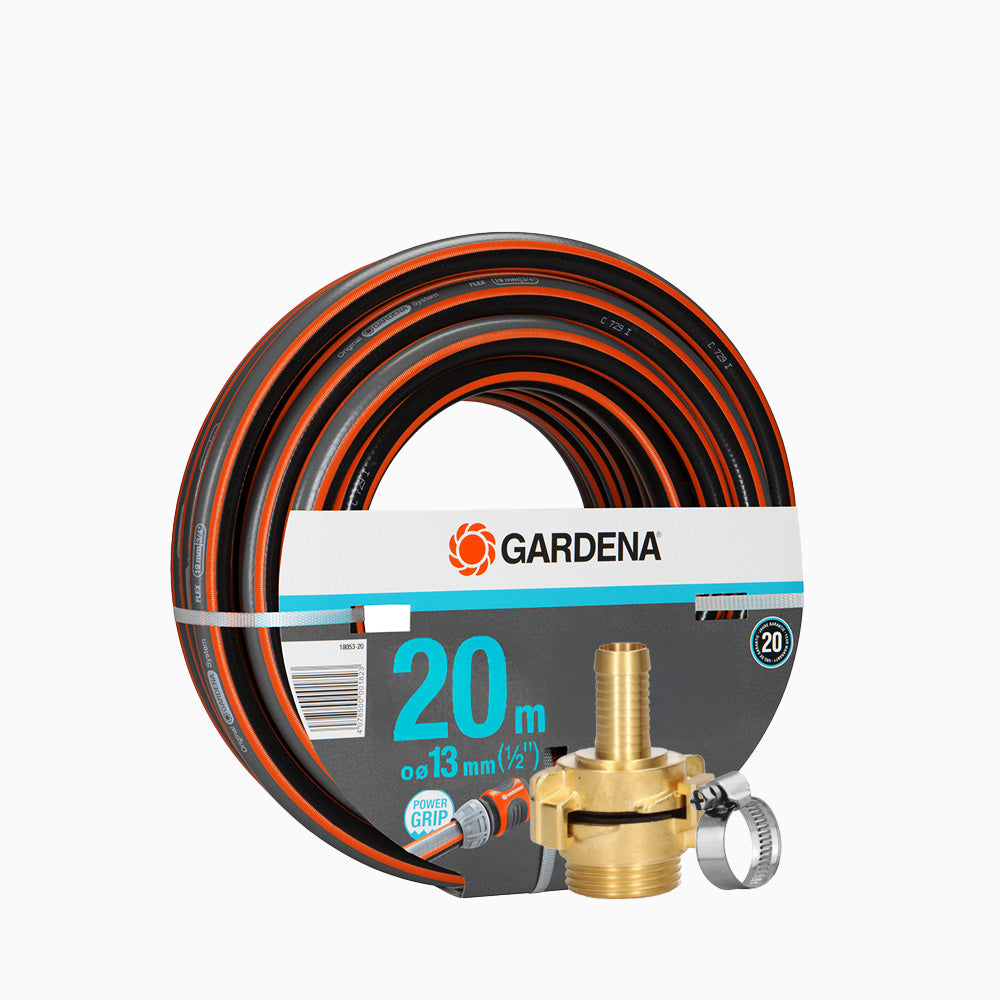
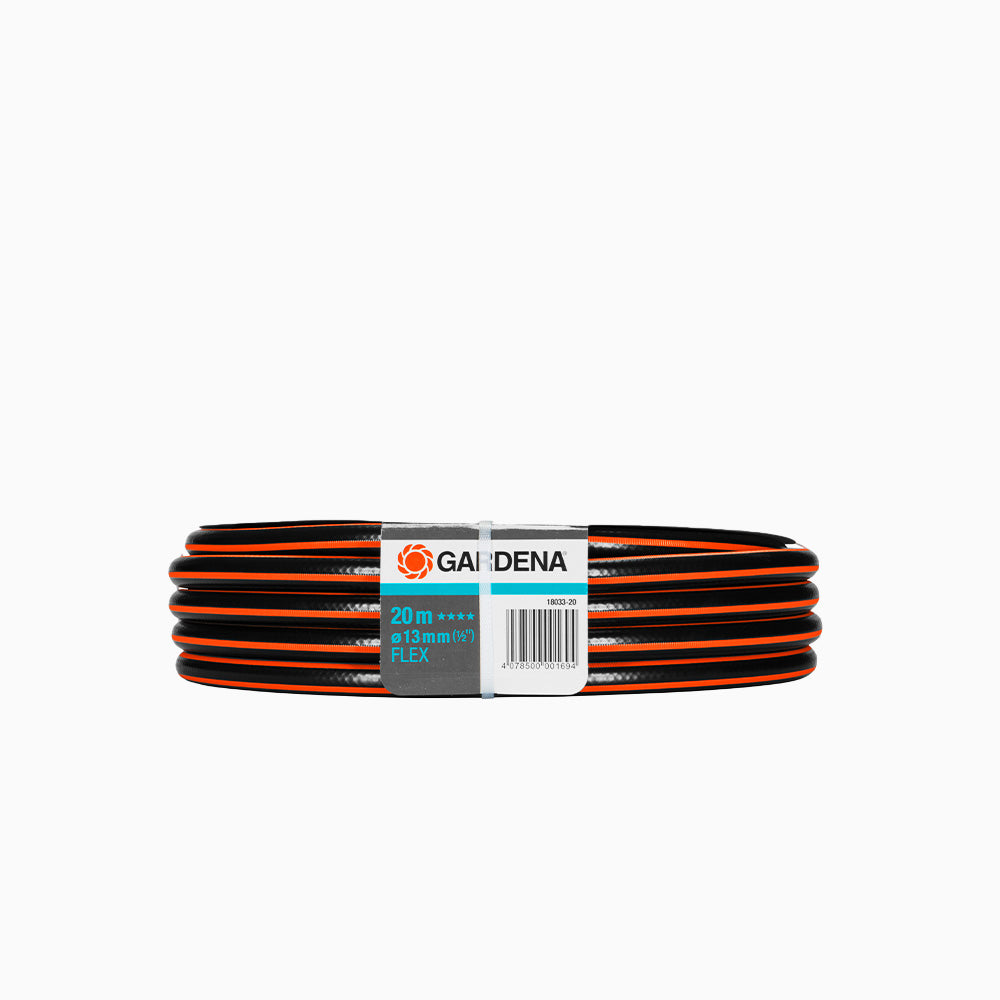
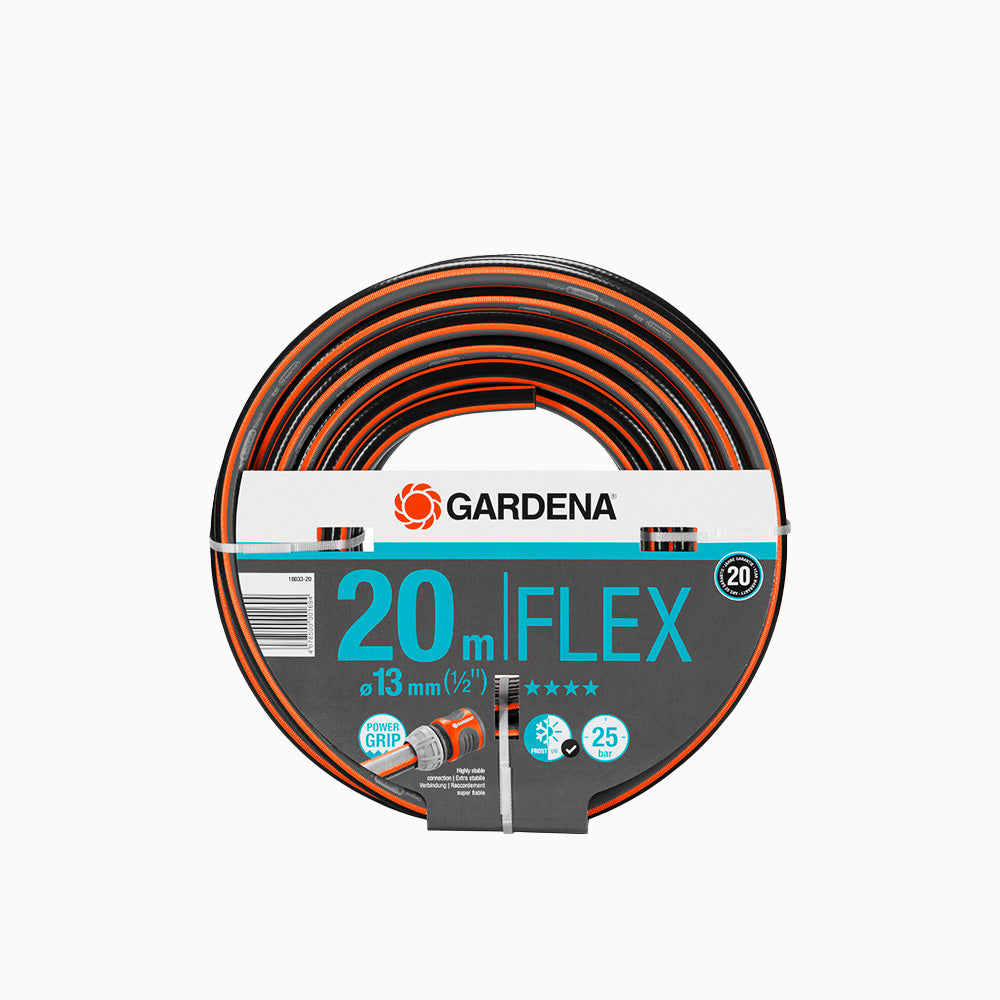
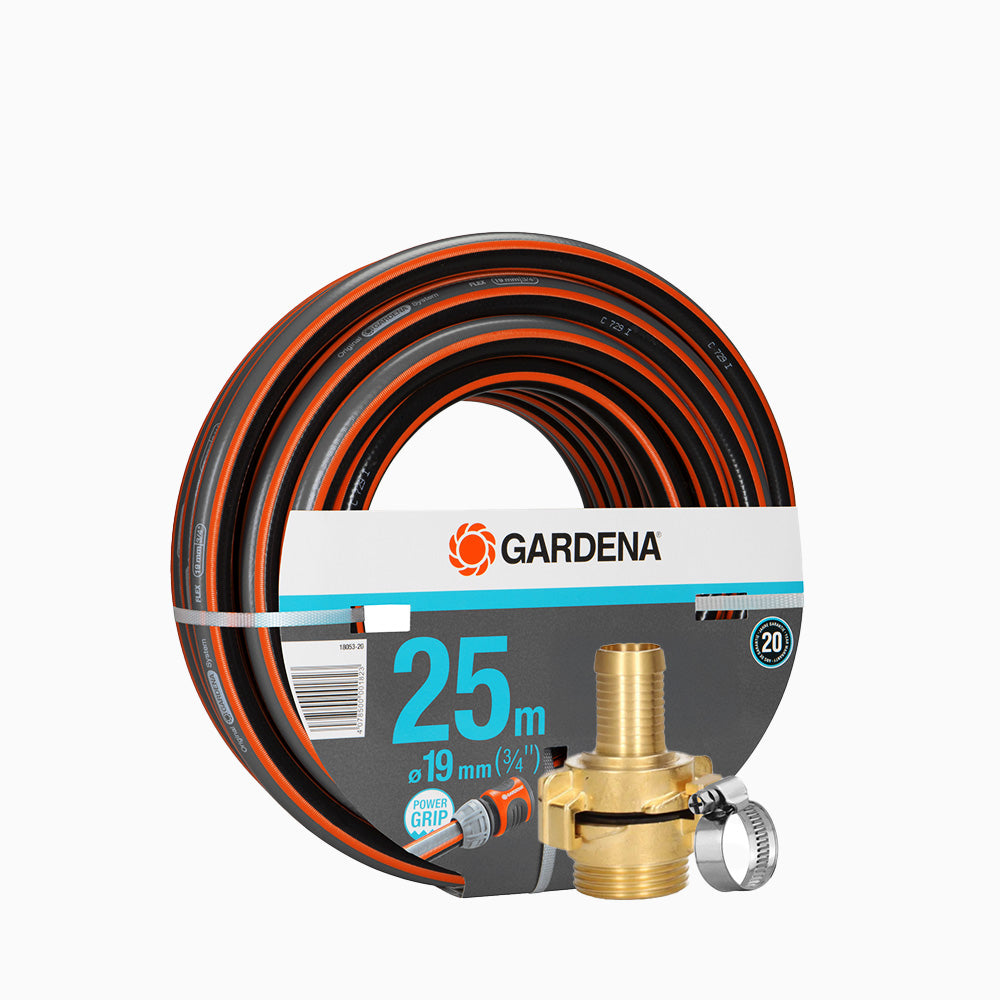
A good pump is only half the battle. Without the right connections and hoses, you'll still be stuck. Especially with dirty water, a solid connection is essential to prevent muddy water leaks. A check valve can help prevent dirty water from flowing back into the well when the pump stops. This is discussed in detail in "Maintaining and installing your submersible pump: Maximizing its lifespan ."

Water hose set 12.5m 25mm
Conclusion: Which pump will you choose in 2026?
The best submersible pump of 2026 for dirty water is a model that combines power with a smart float control. For most consumers and semi-professionals, a pump with a capacity of 5,000 liters per hour and a particle size of at least 5 mm is the ideal compromise. Remember to always flush the pump with clean water after use to prevent dirt from sticking, as described in Winterizing your submersible pump: Prevent frost damage .
Can a submersible dirty water pump also pump clean water?
Yes, that's certainly possible. A wastewater pump is more versatile. However, for pure, clean water, a dedicated clean water pump is often more efficient because it can pump down at a lower rate. See also: Submersible Clean Water Pumps: Efficiently Moving Water Without Residue .
What happens if a stone that is too large gets into the pump?
Most pumps have a strainer that prevents oversized particles from entering. If something does become blocked, the thermal overload protection usually trips. In that case, it's important to clean the pump as explained in "How to replace a float switch on a submersible pump?" (which also covers general maintenance).
How much maintenance does a wastewater pump require?
When used intensively in muddy water, it is advisable to check the suction strainer after each job and briefly rinse the pump with clean water to prevent blockages due to dried sludge.
Share:
Winterizing your submersible pump: Prevent frost damage
Best Submersible Pump 2026: The Ultimate Buying Guide & Independent Test