

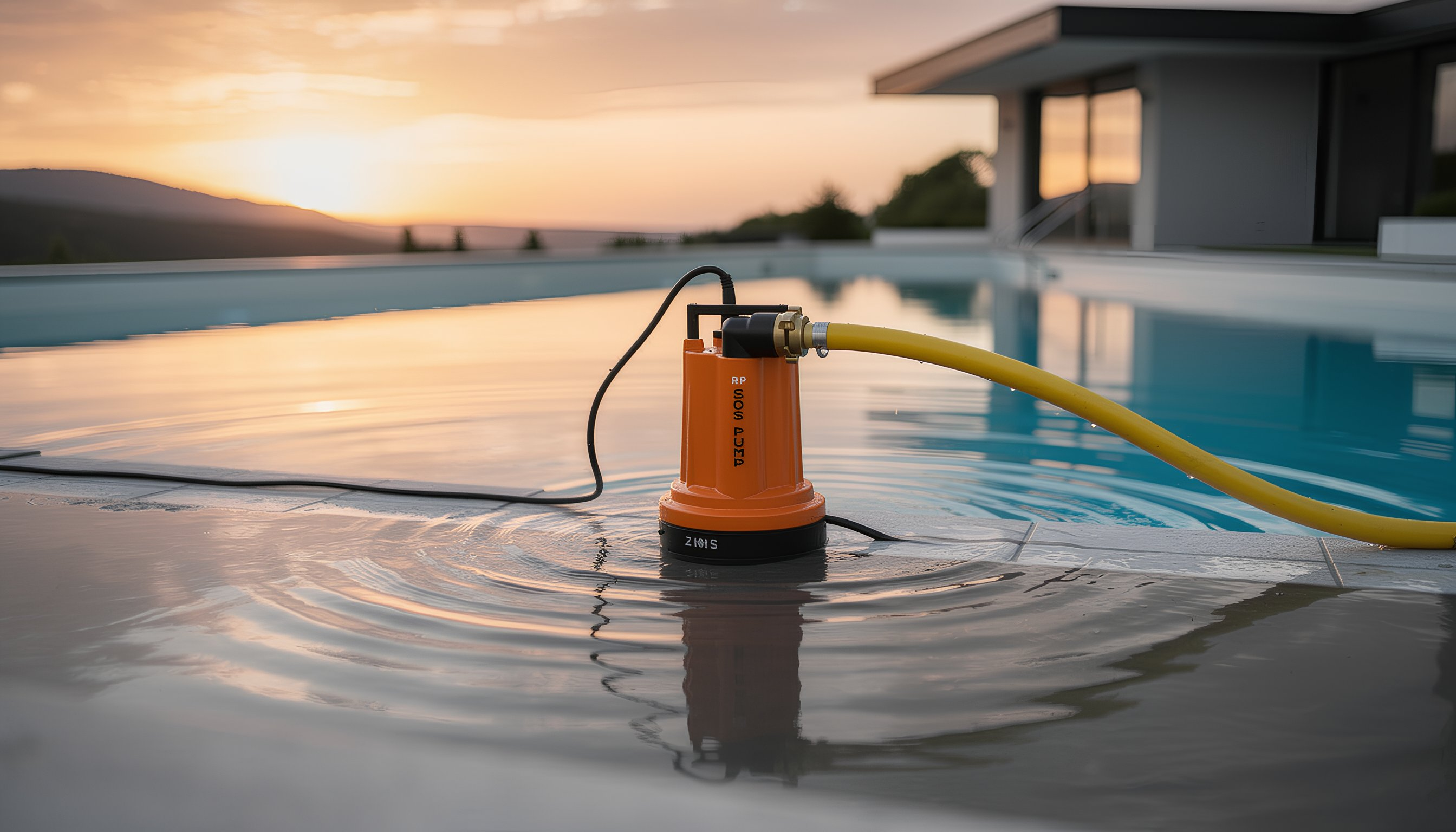
Is your basement flooding because the pump won't start, or is the motor running endlessly without water? There's a good chance the float switch is faulty, but luckily, you can often easily fix this yourself.
Why replace a float switch?
The float switch is the "brain" of your pump; it signals the pump to start when the water level rises. Limescale, wear, or corrosion can cause this mechanism to malfunction. Instead of immediately purchasing a completely new pump, replacing or upgrading the switch is a sustainable and cost-effective solution. In our search for the Best Submersible Pump 2026: The Ultimate Buyer's Guide & Independent Test, we see that modern sensors are increasingly replacing the traditional float for greater reliability.
Step-by-step plan: Replacing the float yourself
Before you begin, safety is paramount. Always unplug the appliance. First, check that the float isn't simply stuck behind a pipe or is dirty. If the sensor is actually broken, follow these steps:
- Wiring access: Many pumps have the float cable connected to the pump head. Loosen the screws to access the connection points.
- Disconnect the old float: Make a note of which color wire is connected to which terminal.
- Install the new switch: Connect the new float or external sensor. Ensure the housing is sealed watertight.
If you find that the internal wiring of your current pump is too complex or the housing is no longer watertight, an external solution may offer a solution.

Crab Float Water Sensor 3mm
Upgrade to a modern water sensor
Technology never stands still. Where we used to rely on a floating ball on a cable, professionals in 2026 are increasingly opting for electronic sensors. These have no moving parts that can get stuck in tight spaces. This is discussed in detail in the article The best flat suction submersible pump 2026: Mop-dry results .
For those who want maximum control over the residual water level, switching to an electrode system is recommended. This prevents the pump from running dry or switching on too late.

Electrode Level Switch 1mm
Maintenance for a longer lifespan
Prevention is better than cure. Rinse your pump regularly with clean water, especially after use in dirty water. You can read more about this in Maintenance and installation of your submersible pump: Maximum lifespan . Also check the cable for kinks, as a broken float cable is often the cause of malfunctions.
Frequently asked questions about float switches
Can I replace a float with a fixed sensor?
Yes, many modern submersible pumps support external sensors such as a crab float or electrode switch. This is often more reliable in small wells.
My pump keeps running, is the float broken?
This could mean the float is mechanically stuck or the internal switch is stuck by an electrical surge. First, thoroughly clean the float.
How do I test if the float switch still works?
While the pump is connected, manually hold the float up (be careful not to run dry!). If the pump starts, the switch is still intact, and the problem may be due to buoyancy or blockages.
Share:
Winterizing your submersible pump: Prevent frost damage
Best Submersible Pump 2026: The Ultimate Buying Guide & Independent Test