

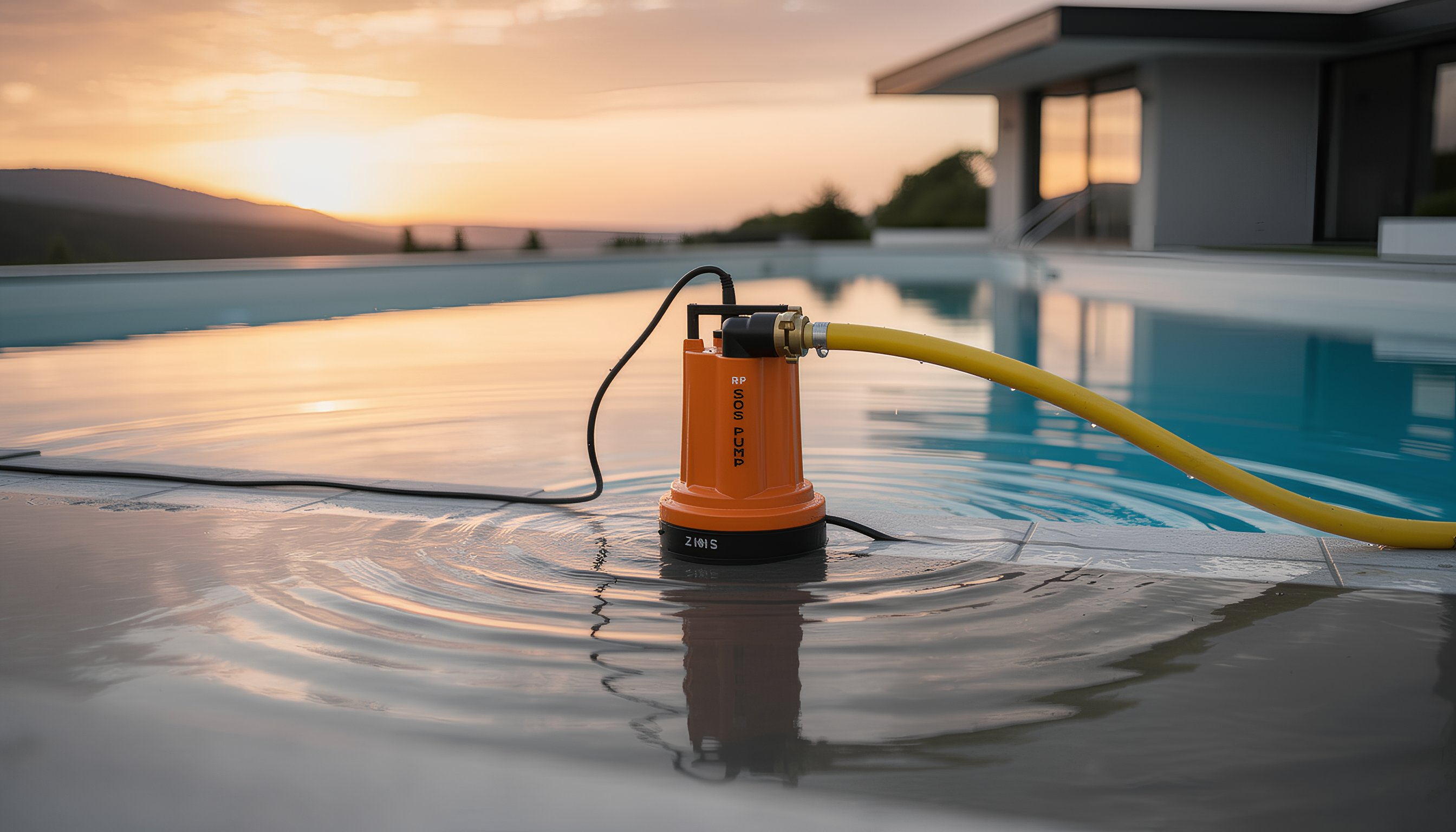
Are you looking for the most efficient way to move clean water from your basement, pool, or rain barrel? In this guide, you'll discover how the latest generation of clean water submersible pumps delivers a mop-dry result without unwanted residue.
What makes a clean water submersible pump unique?
A clean water submersible pump is specifically designed for liquids free of coarse dirt particles. Think of rainwater, leaking water from a basement, or the water in your swimming pool. The major advantage of these pumps is their ability to pump water down to a very low level. While a dirty water pump often stops at a few centimeters, a specialized clean water pump continues until there's almost nothing left.
In the search for the Best Submersible Pump 2026: The Ultimate Buyer's Guide & Independent Test, we see that consumers are increasingly opting for precision. The goal isn't just to move water, but to leave the floor or subfloor completely dry. This is also called surface suction.
Flat vacuum cleaners: The solution for a mop-dry result
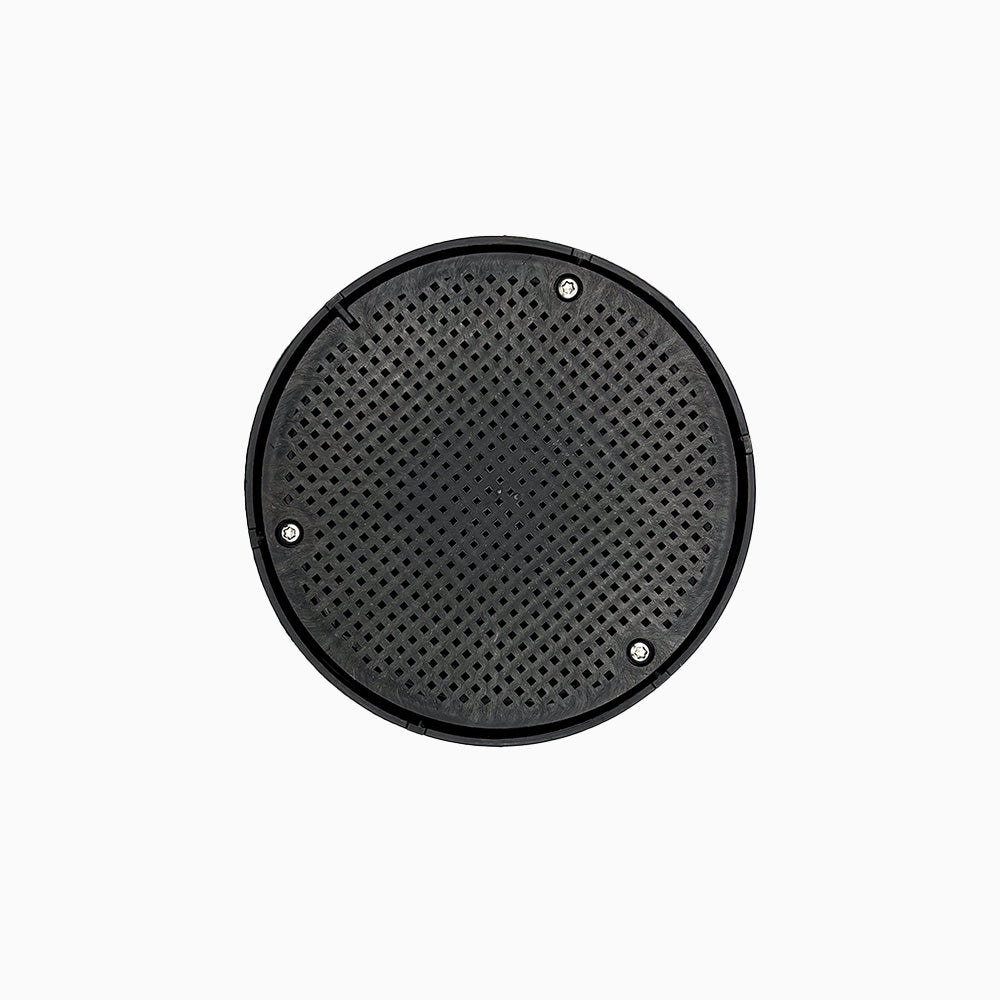
When dealing with a flooded basement or a flat roof with standing water, you don't want to be left with a 5-centimeter layer of water. A standard pump often can't handle this because the suction ports are higher to prevent damage from dirt. However, a flat-suction submersible pump has a modified base that allows it to draw water from just a few millimeters above the ground.
The technology in the best flat suction submersible pump 2026: Mop-dry result shows that modern pumps can now reach residual water levels of just 1 to 2 millimeters. This saves you hours of manual mopping or shoveling.

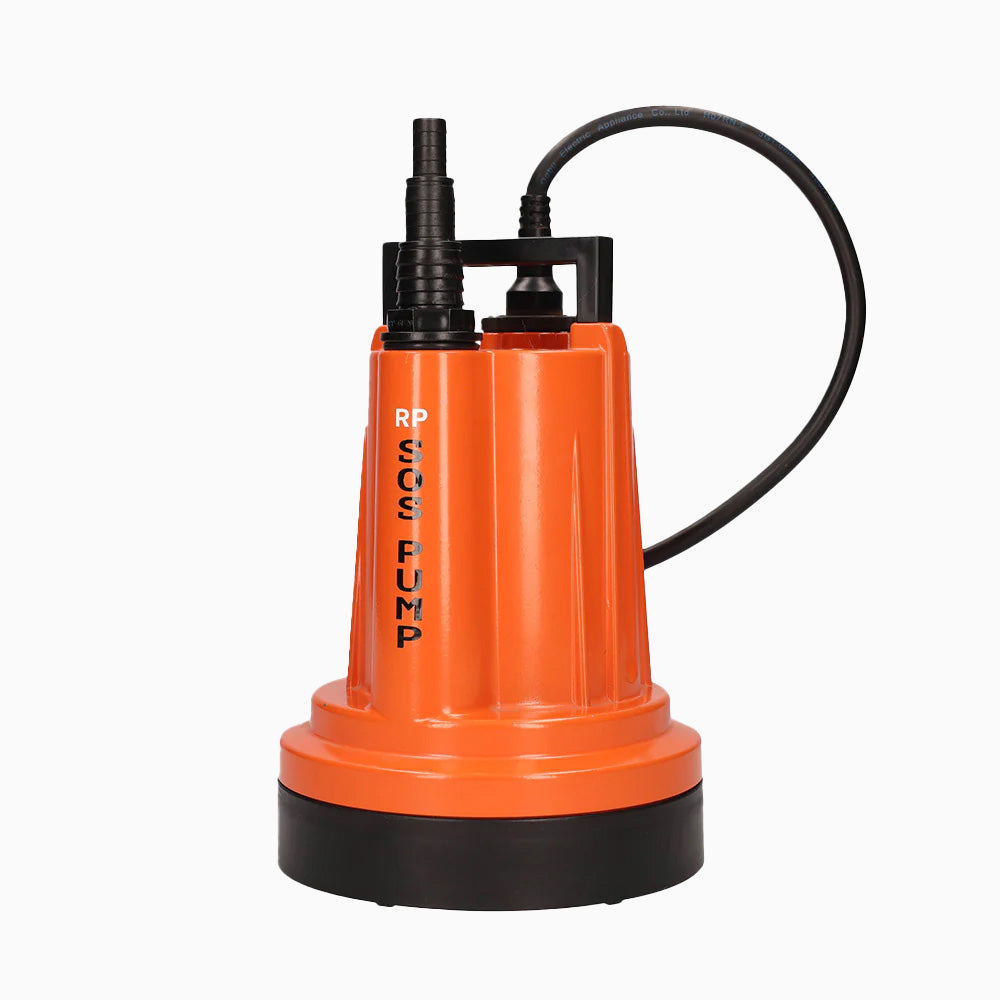
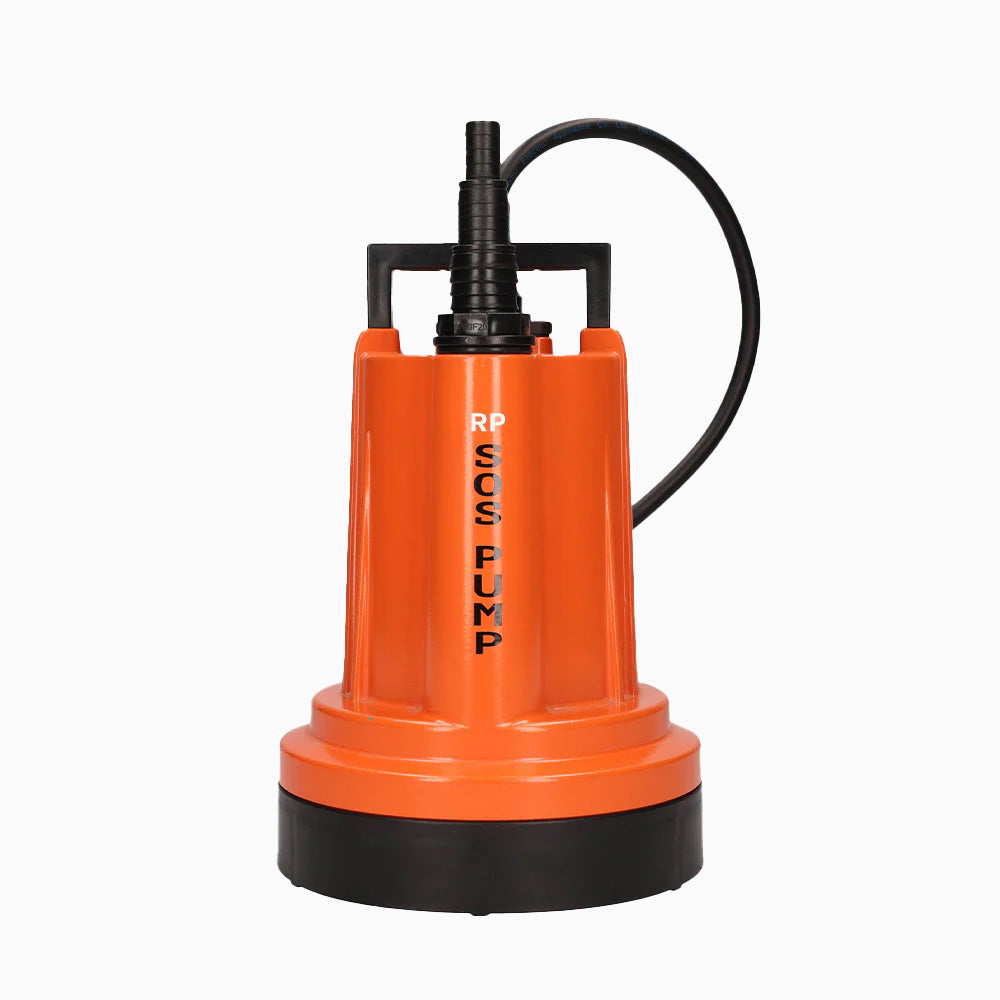
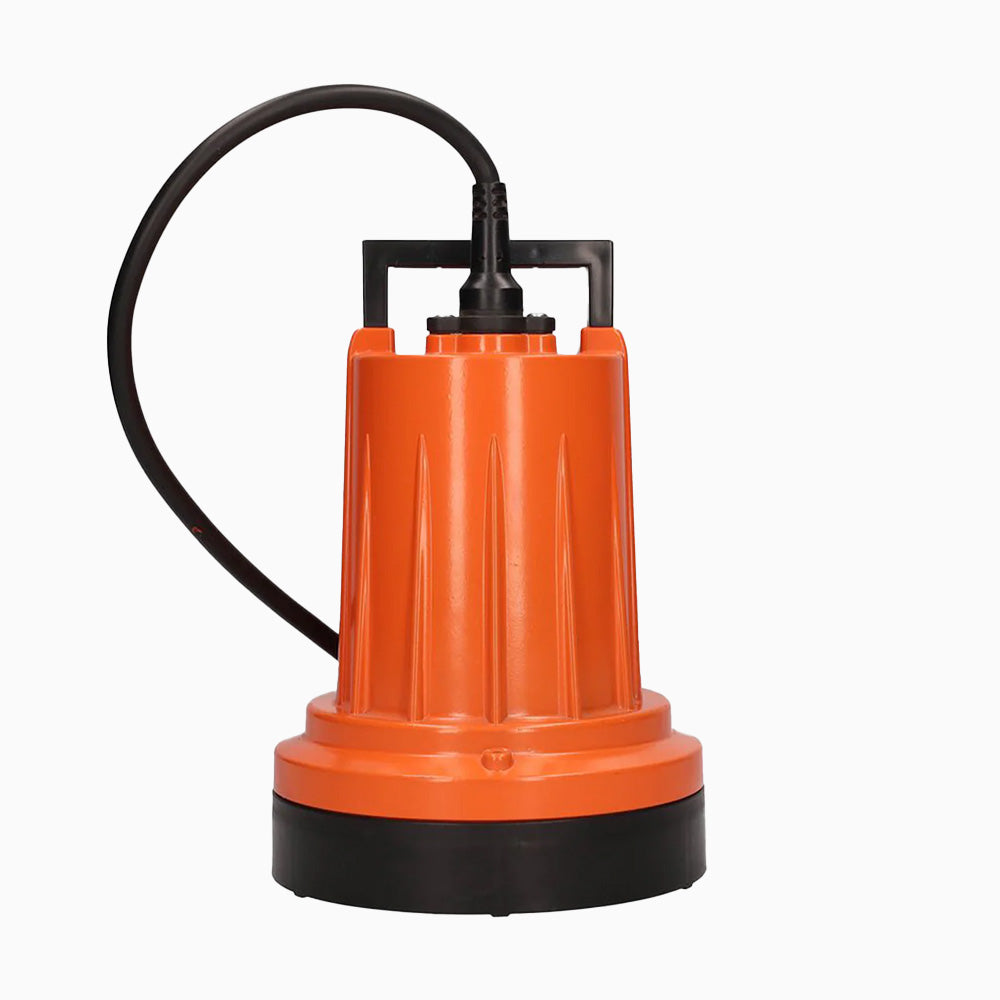
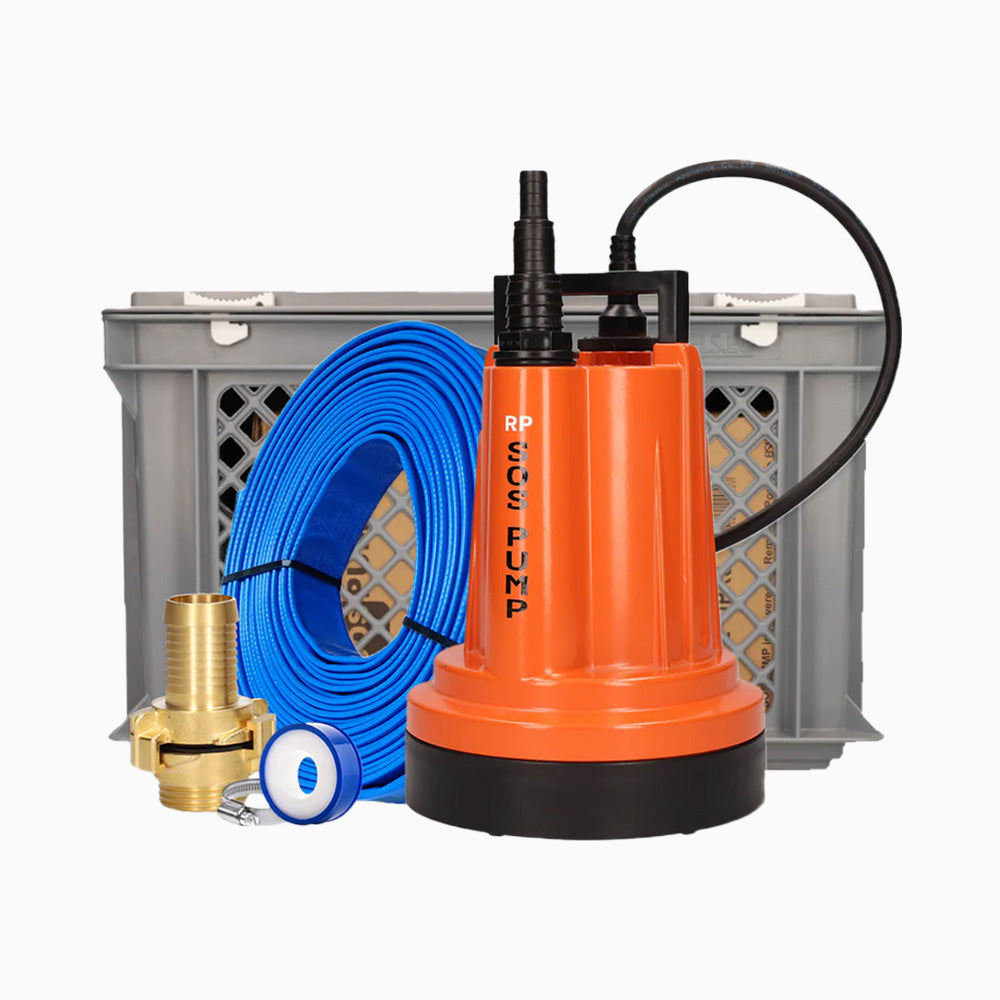
Flat suction submersible pump
Applications of clean water pumps
Emptying swimming pools and ponds
At the end of the season or during major maintenance, a swimming pool often needs to be emptied. Because pool water is generally clean (filtered), a clean water submersible pump is the ideal solution. For more specific tips on this, we recommend reading the article " Submersible Pool Pump: Quick and Safe Emptying ."
Rain barrels and irrigation
Want to reuse rainwater for your garden? A small, low-noise pump is essential. Unlike heavy industrial pumps, these models are optimized for quiet operation. You can find more information about this in "Low-noise submersible pumps for rain barrels and irrigation ."
Cellars and basements
During heavy rainfall, groundwater can seep through walls or cause a washing machine to leak. Because this water is usually clean, a vacuum cleaner is the best choice to minimize damage to your floor or stored items.
Automation: Floats and sensors
One of the most important aspects of a good system is automation. After all, you don't want to constantly monitor the water level. Traditional floats, however, require space to float. In narrow wells or at very low water levels, they don't work optimally. External water sensors or electronic level switches have been developed for this purpose.
If you'd like to learn more about automating an existing pump, read How to Replace a Submersible Pump Float Switch or explore the possibilities of external sensors that respond to as little as 1 mm of water.

Crab Float Water Sensor 3mm
Maintenance for a long lifespan
Although clean water causes less wear and tear than sand or gravel, maintenance is still crucial. Limescale or small particles can block the impeller. Consult "Maintaining and installing your submersible pump: Maximizing its lifespan" for a step-by-step plan to keep your pump in top condition. Don't forget the winter period either; frost can crack the housing if there's still water in the pump. Prepare yourself with "Winterizing your submersible pump: Preventing frost damage ."
Frequently asked questions about clean water submersible pumps
What is the difference between a regular submersible pump and a flat suction pump?
A standard submersible pump often leaves 2 to 5 centimeters of water. A flat suction pump is specifically designed to pump water down to a level of 1 to 2 millimeters, leaving the area virtually dry.
Can I use a clean water pump for a pond with fish?
Only if the water is very clear. If there's a lot of silt, leaves, or algae in the water, the suction strainer of a clean water pump can quickly become clogged. In that case, a dirty water pump is a safer choice.
How do I best connect the drain hose?
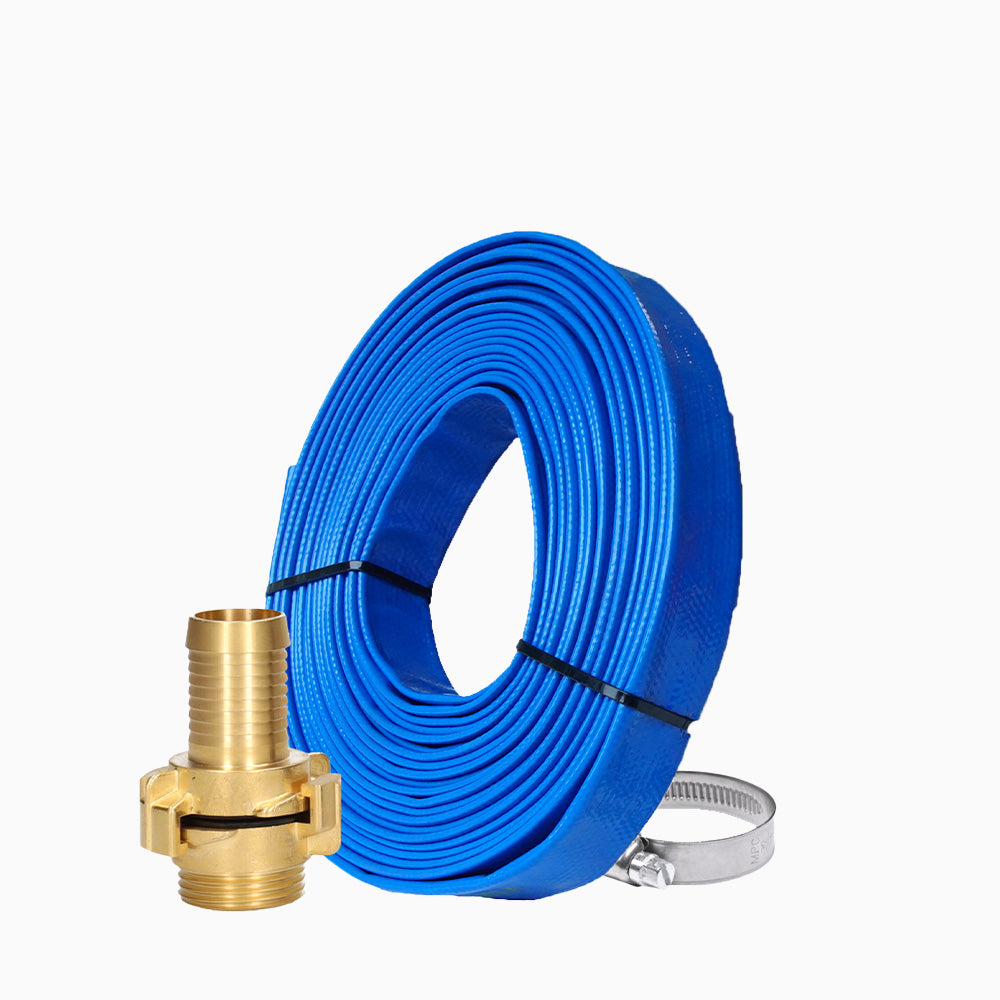
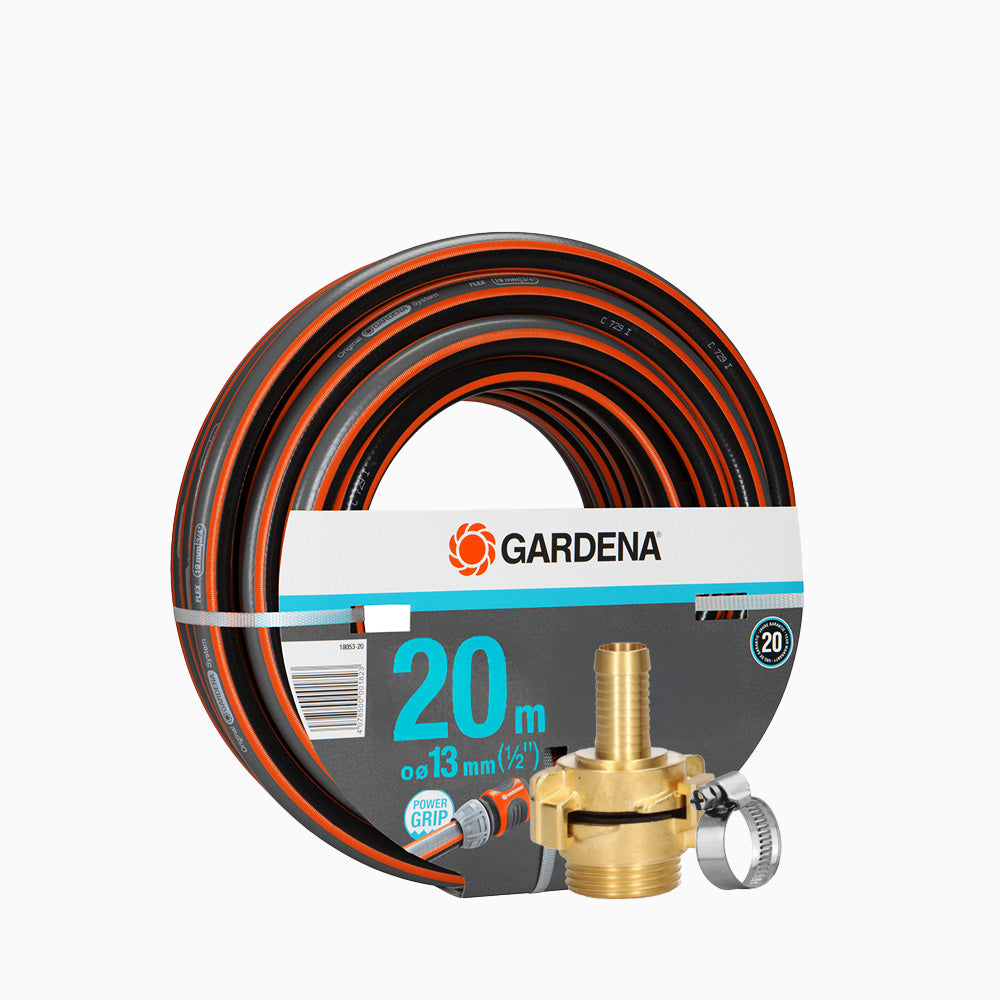
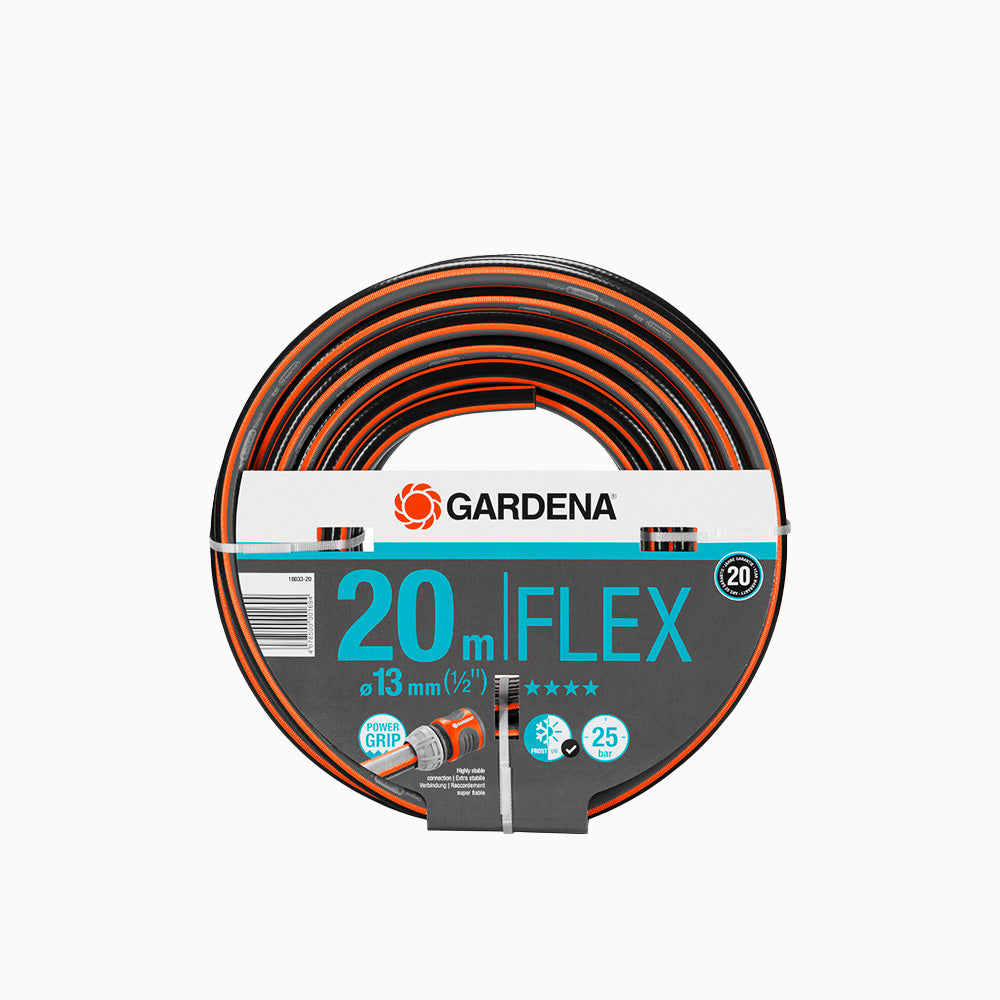
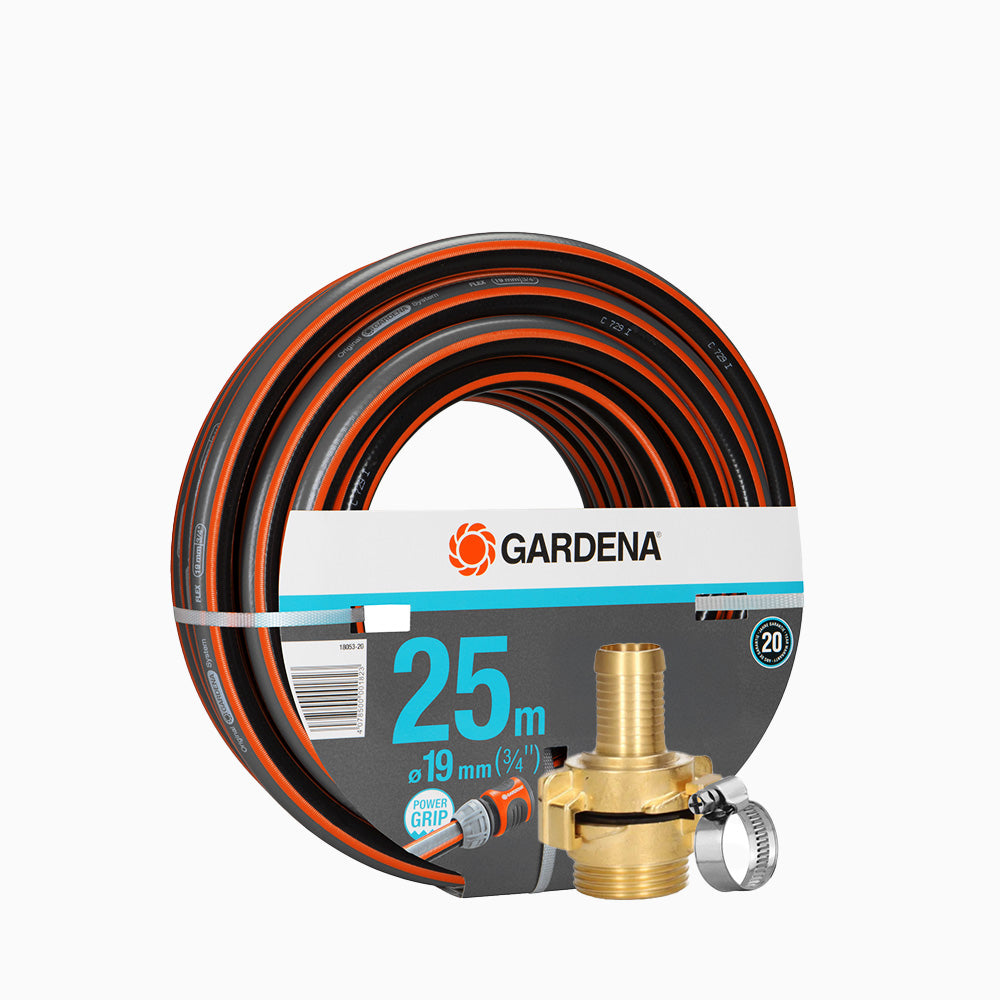
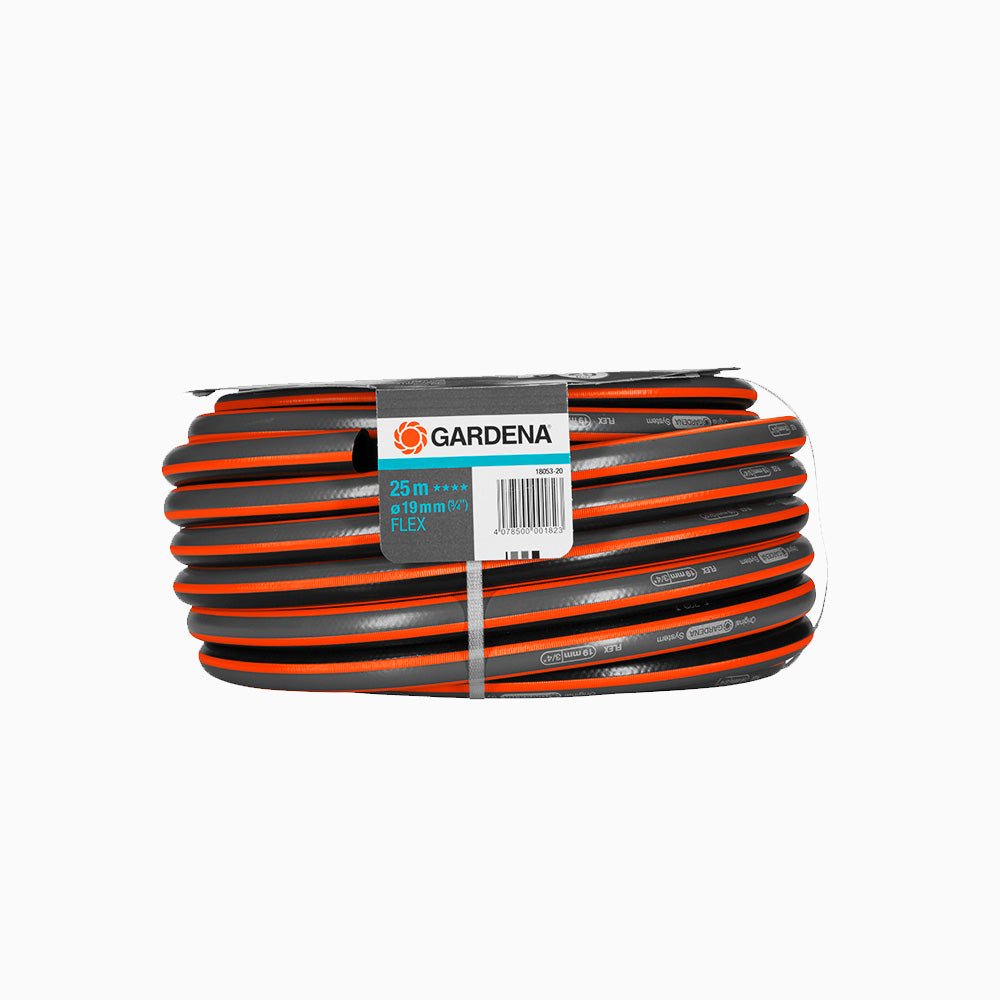
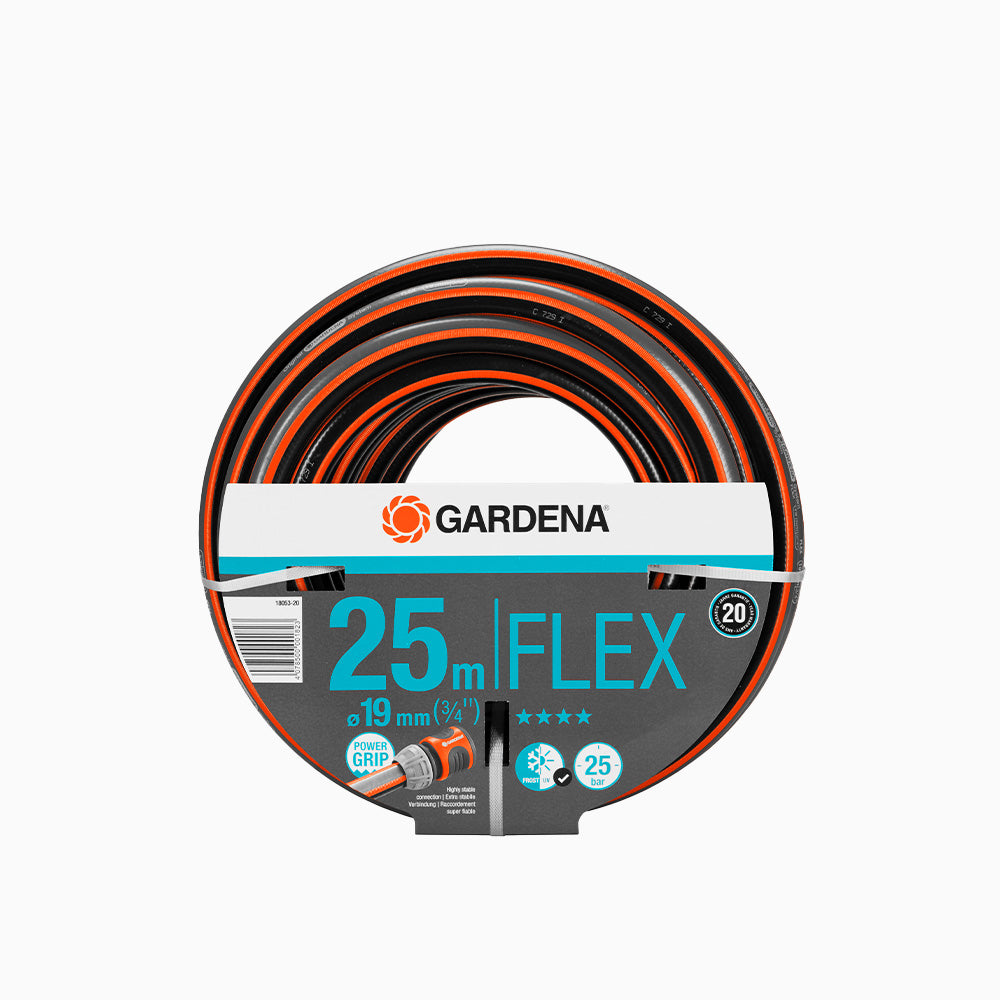
Use a hose with a sufficiently large diameter to minimize resistance. Quick couplings are ideal for quick installation. For instructions, see Connecting a submersible pump to a discharge hose: Tips for optimal flow .
Share:
Winterizing your submersible pump: Prevent frost damage
Best Submersible Pump 2026: The Ultimate Buying Guide & Independent Test