

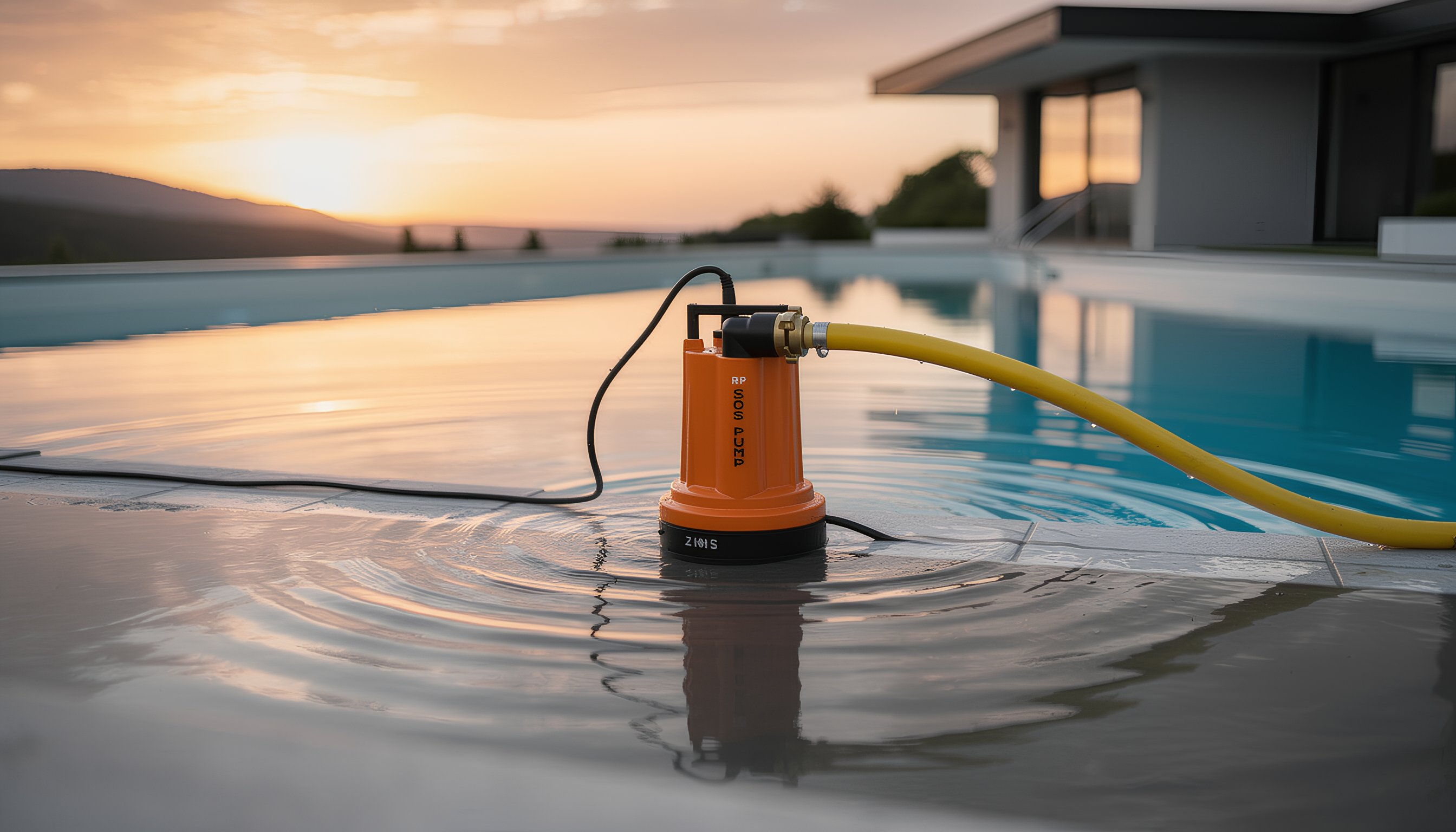
Is the end of the swimming season approaching, or does the water need changing? Draining a pool requires the right approach to prevent damage to the liner and get the job done efficiently.
Why the right submersible pump is essential for your pool
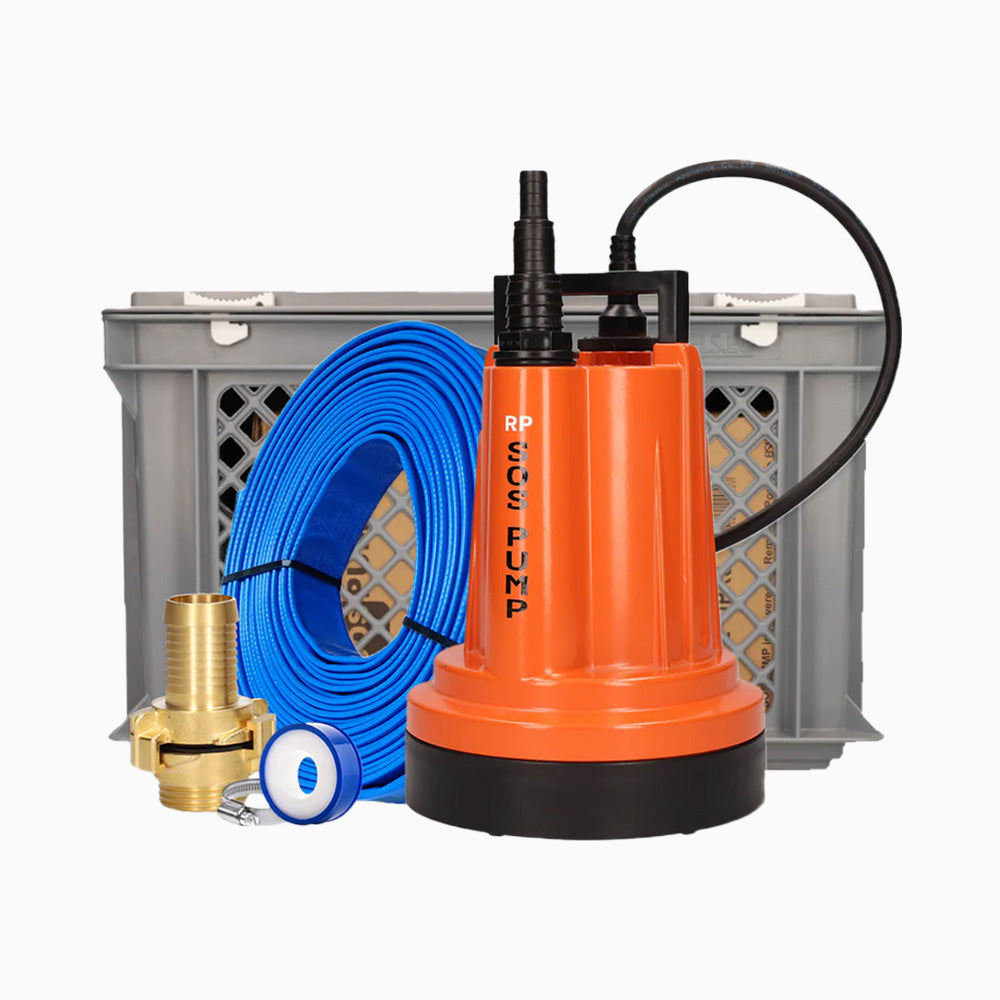
Draining a swimming pool seems like a simple task, but using the wrong equipment often leaves you with a significant amount of residual water. We see a clear trend for 2026: consumers are opting en masse for submersible pumps. The best submersible pump for 2026 for pool owners is a model that can extract water down to a few millimeters, making manual mopping a thing of the past.
When choosing a pump, it's important to consider the housing. A plastic pump can scratch a delicate pool liner, while modern pumps with a rounded or protected bottom minimize this risk. For more information on specific applications, you can also read our article : Submersible Clean Water Pumps: Efficiently Move Water Without Residue .
Flat suction effect: No more residual water
The biggest frustration when emptying a pool is the last 10 centimeters of water. A standard submersible pump often stops when there's still a significant amount of water, because the float can't sink deep enough or the suction absorbs air. The latest generation of submersible pumps solves this problem.

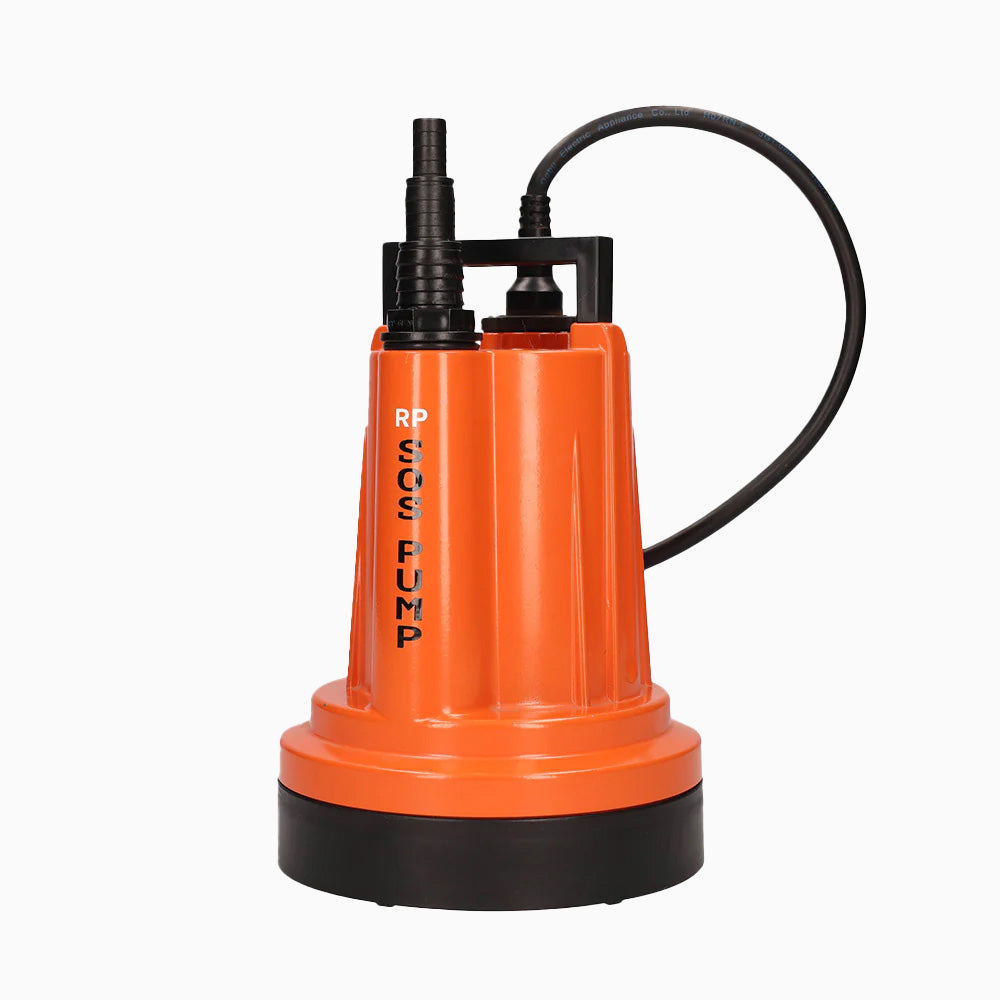
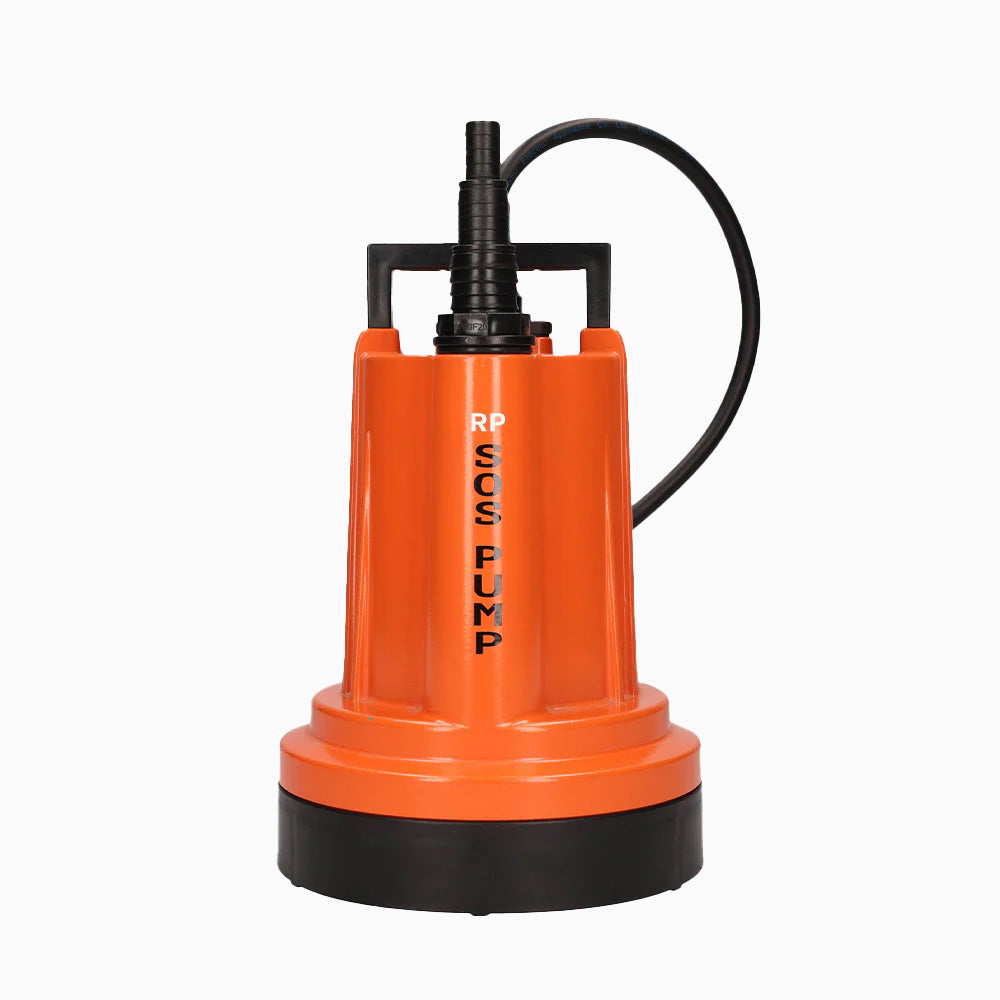
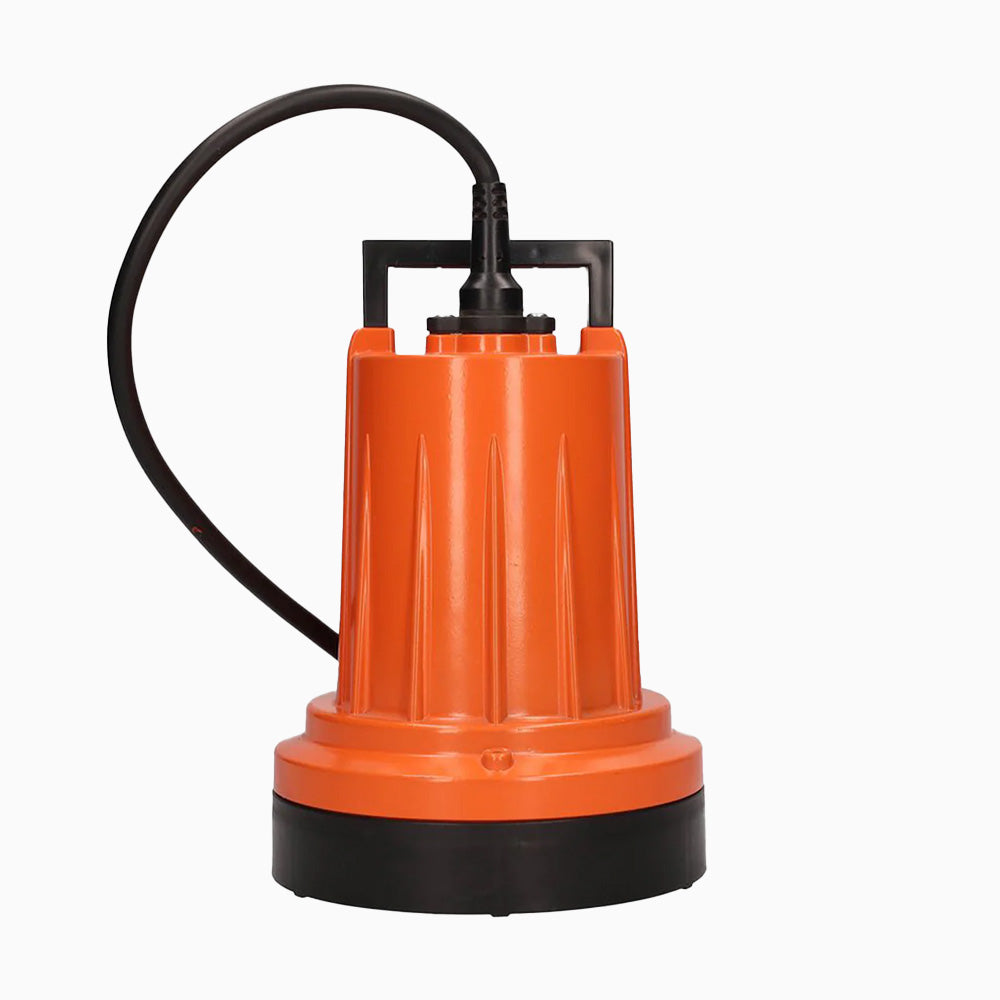
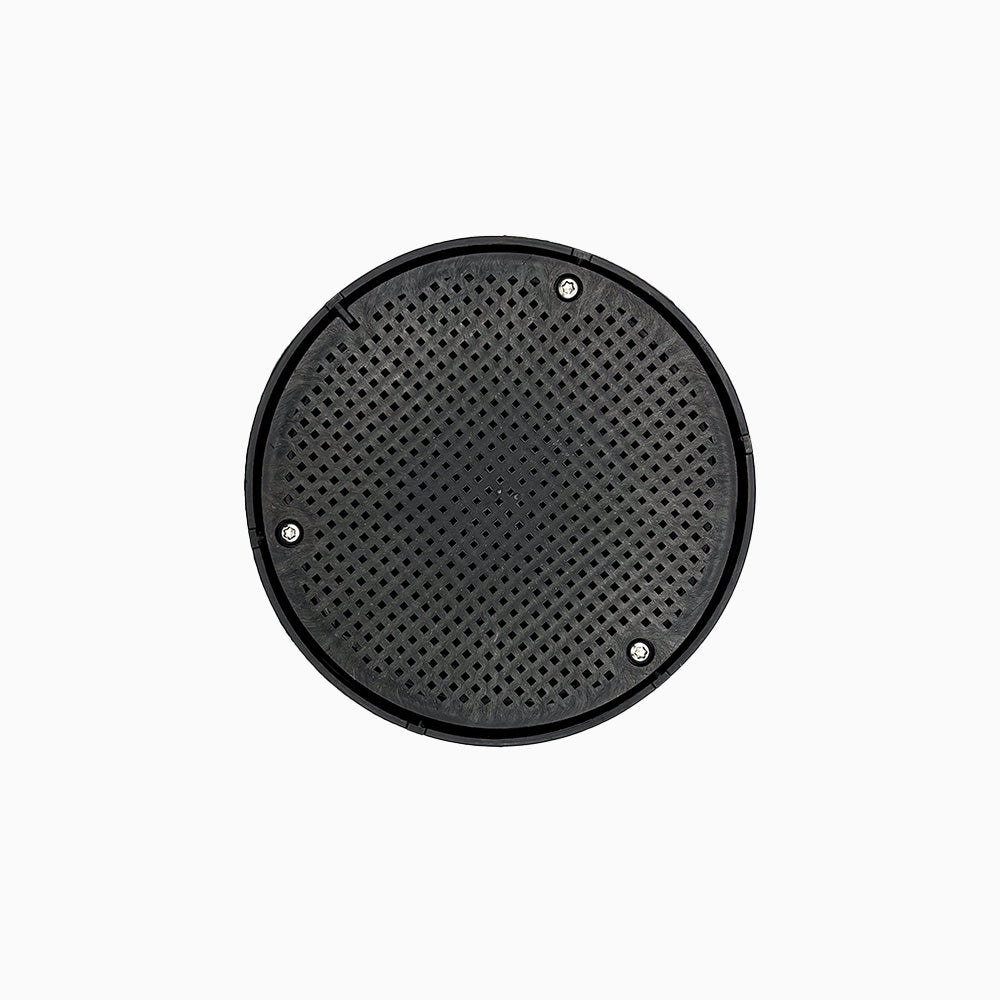
Flat suction submersible pump
With a capacity of 5,000 liters per hour, an average above-ground or built-in pool will be completely empty within a few hours. The major advantage of the best submersible pump 2026 models is that they are often equipped with an internal sensor or a very low float switch, allowing them to continue until only 2 mm of water remains.
Step-by-step plan: Safely prepare your pool for winter
When preparing your pool for winter, it's not always necessary to completely empty it. Often, you pump the water level down to below the skimmers. Always use a good drain hose to direct the water away in a controlled manner to a drain or sewer. In the article "Connecting a submersible pump to a drain hose: Tips for the best flow," we explain how to prevent pressure loss.
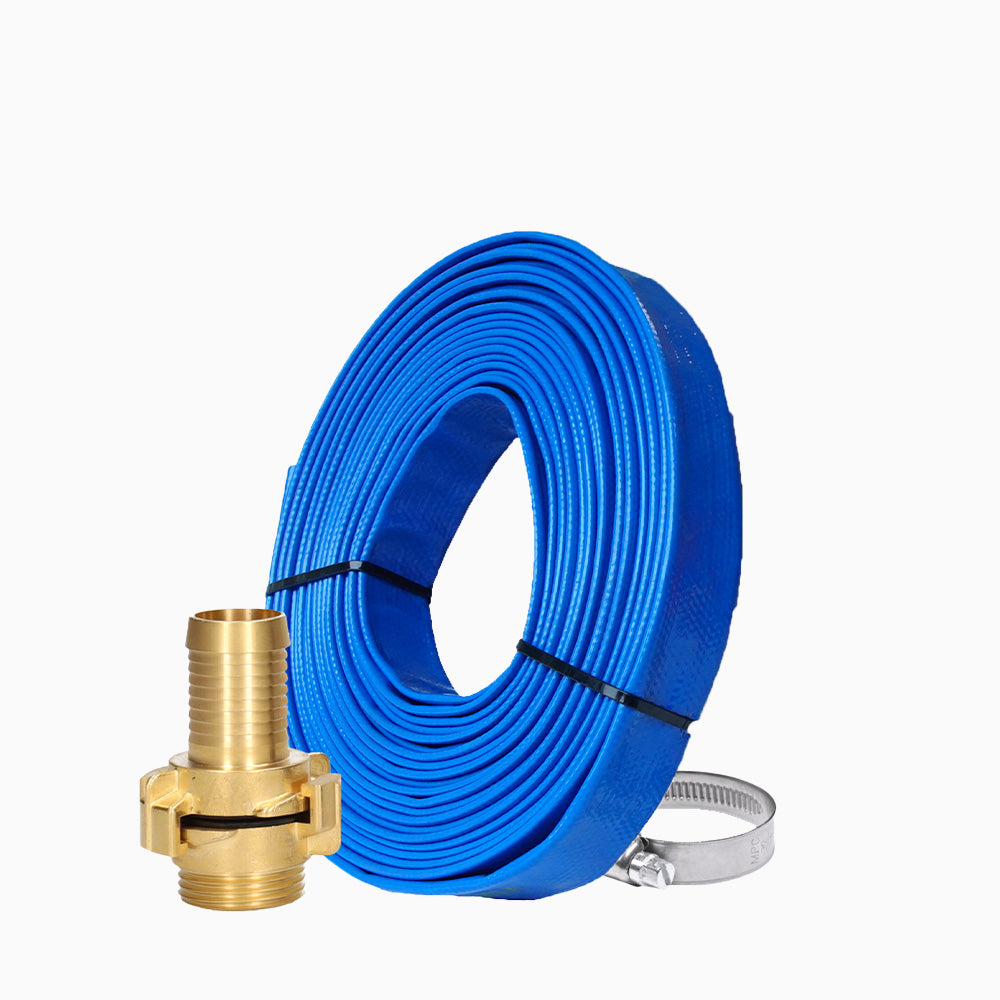
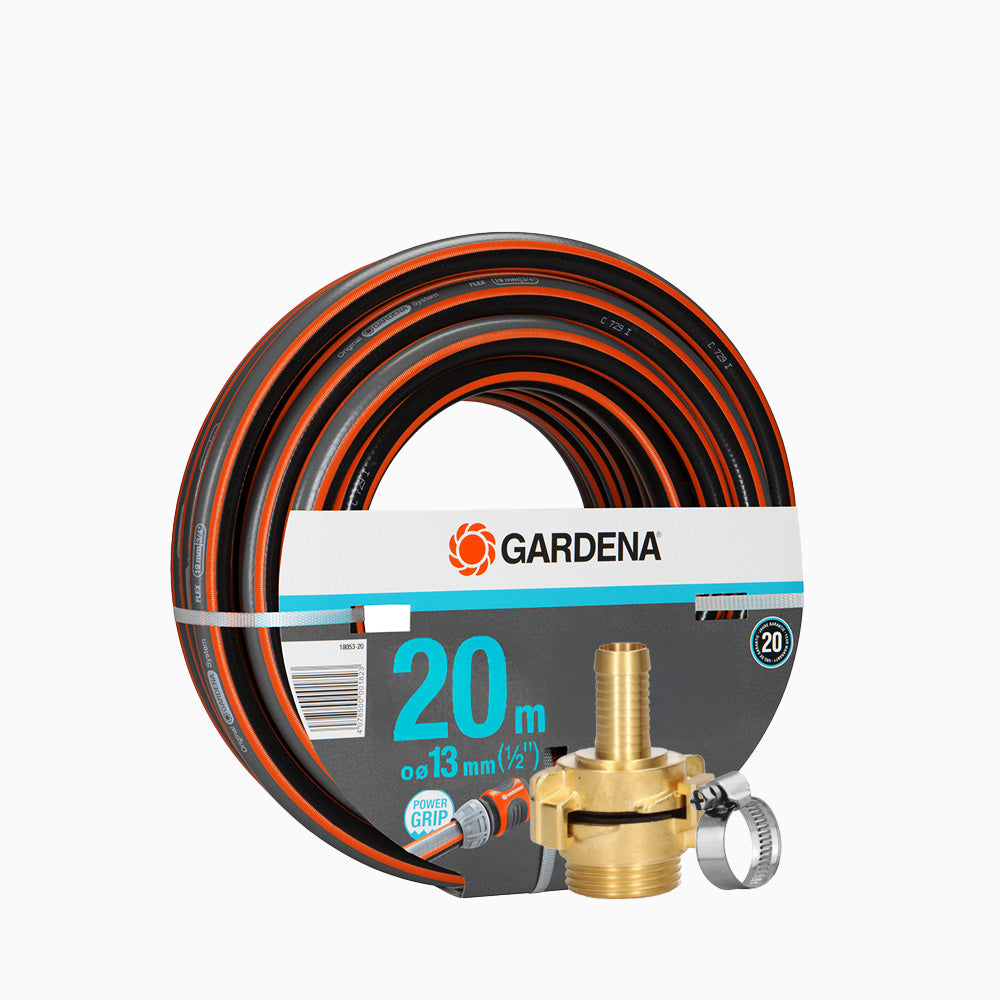
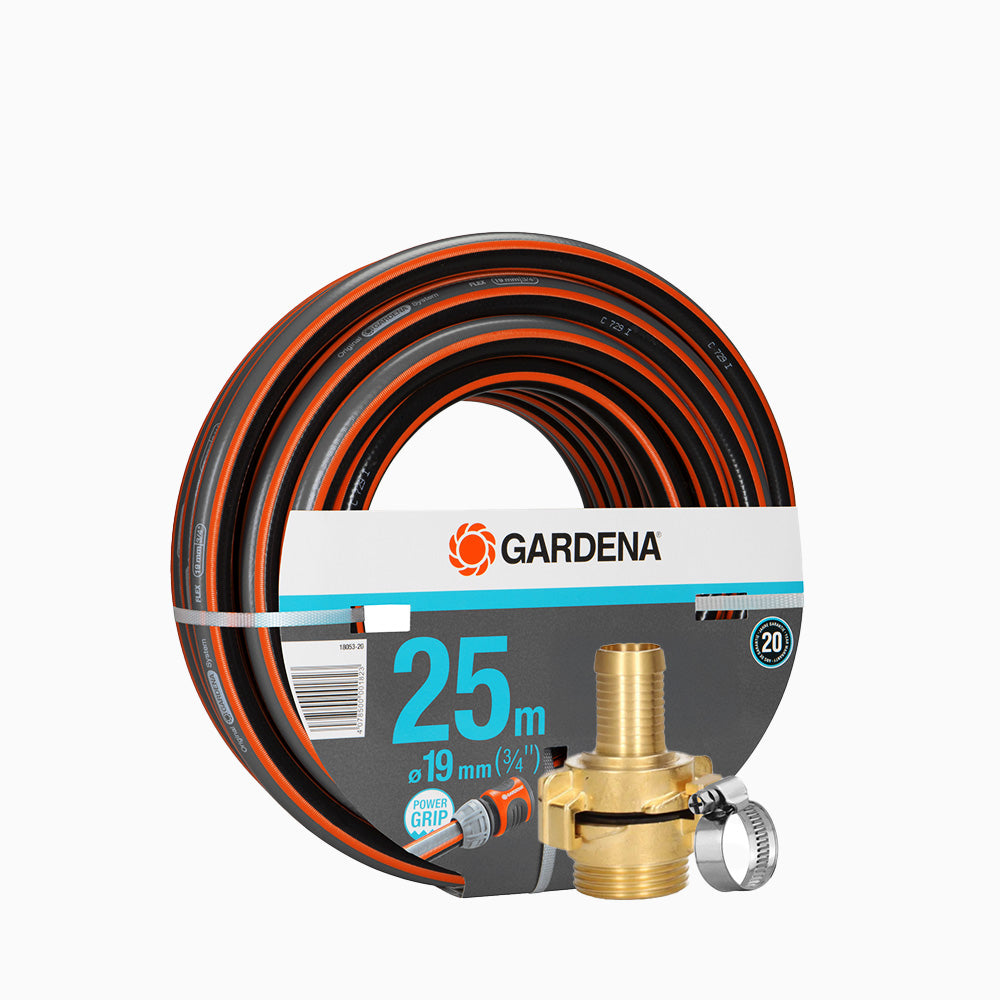
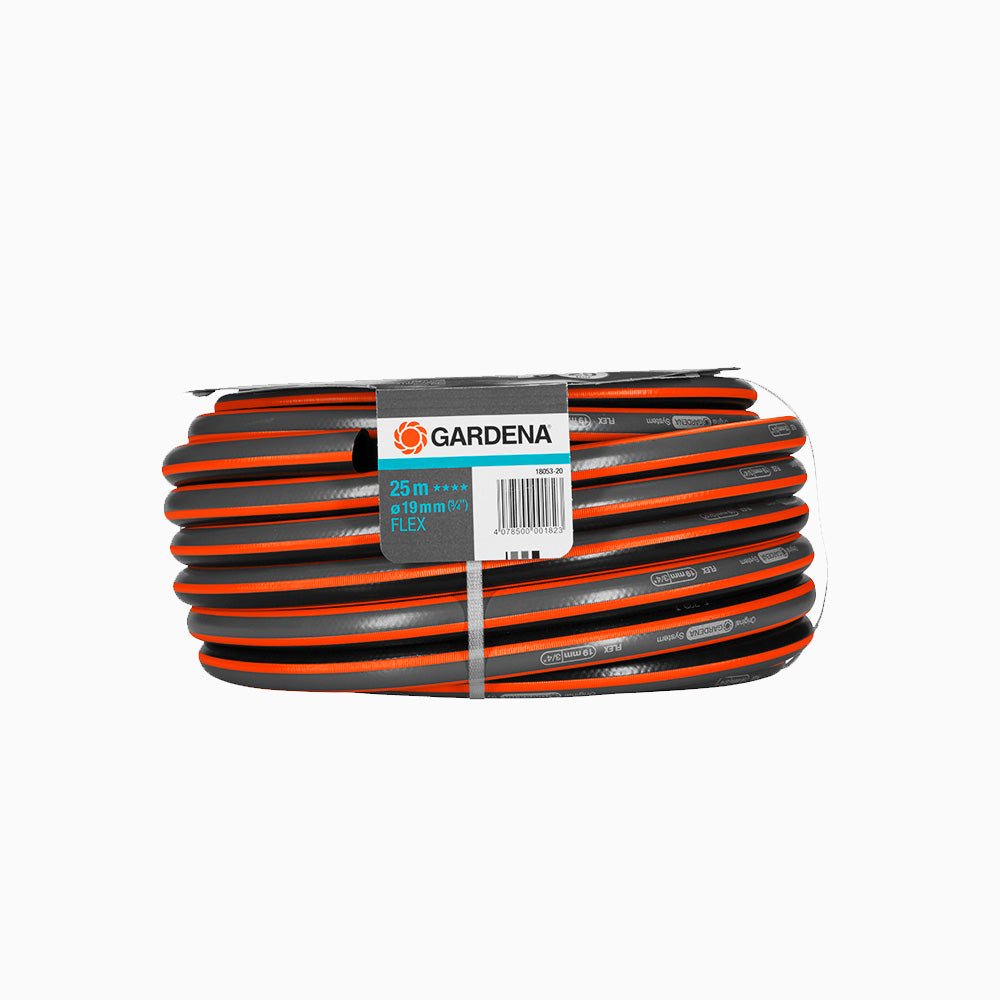
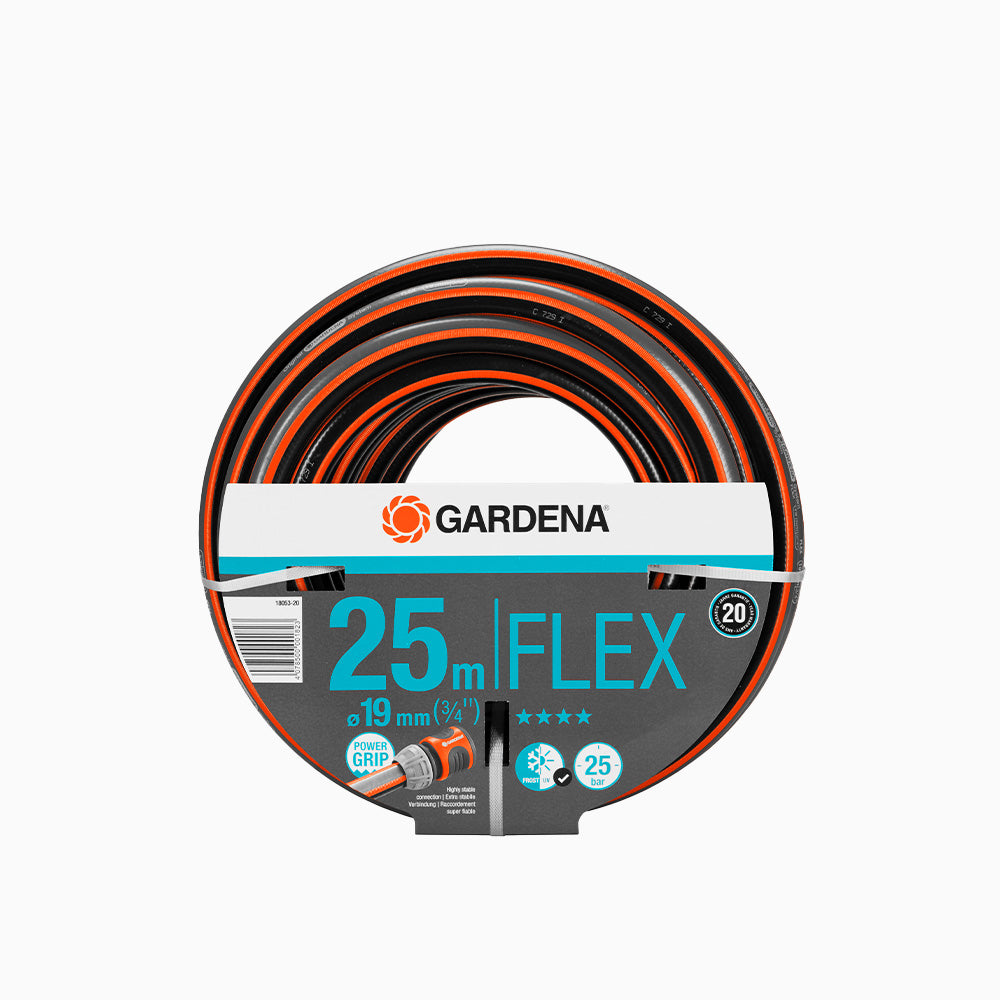
For an optimal connection between your pump and the hose, we recommend a sturdy set that will not come loose under pressure.

Water hose set 12.5m 25mm
Post-pump maintenance
After draining the pool, it's crucial to thoroughly rinse the pump with clean tap water. Chlorine and other chemicals can eventually damage the pump's seals. For a longer lifespan, also read " Maintaining and installing your submersible pump: Maximizing its lifespan ." Also, don't forget to store the pump in a frost-free place; you can find tips for this in "Winterizing your submersible pump: Preventing frost damage ."
Frequently asked questions about swimming pool submersible pumps
Can I use any submersible pump for my pool?
In principle, yes, but for the best results, choose a flat suction pump. This pumps out water down to 1 to 2 mm, while a standard wastewater pump often stops at 5 cm of residual water.
Will a submersible pump damage the bottom of my pool?
If the pump has a rough bottom, it can damage the liner. Use a pump with a rubber base or a flat-faced suction pump with a smooth suction strainer, such as the SOS PUMP models, to prevent scratches.
How long does it take to empty a swimming pool?
This depends on the capacity. A 5,000-liter-per-hour pump will pump a 10,000-liter pool in about two hours, provided the discharge hose isn't too long or too thin.
Share:
Winterizing your submersible pump: Prevent frost damage
Best Submersible Pump 2026: The Ultimate Buying Guide & Independent Test