

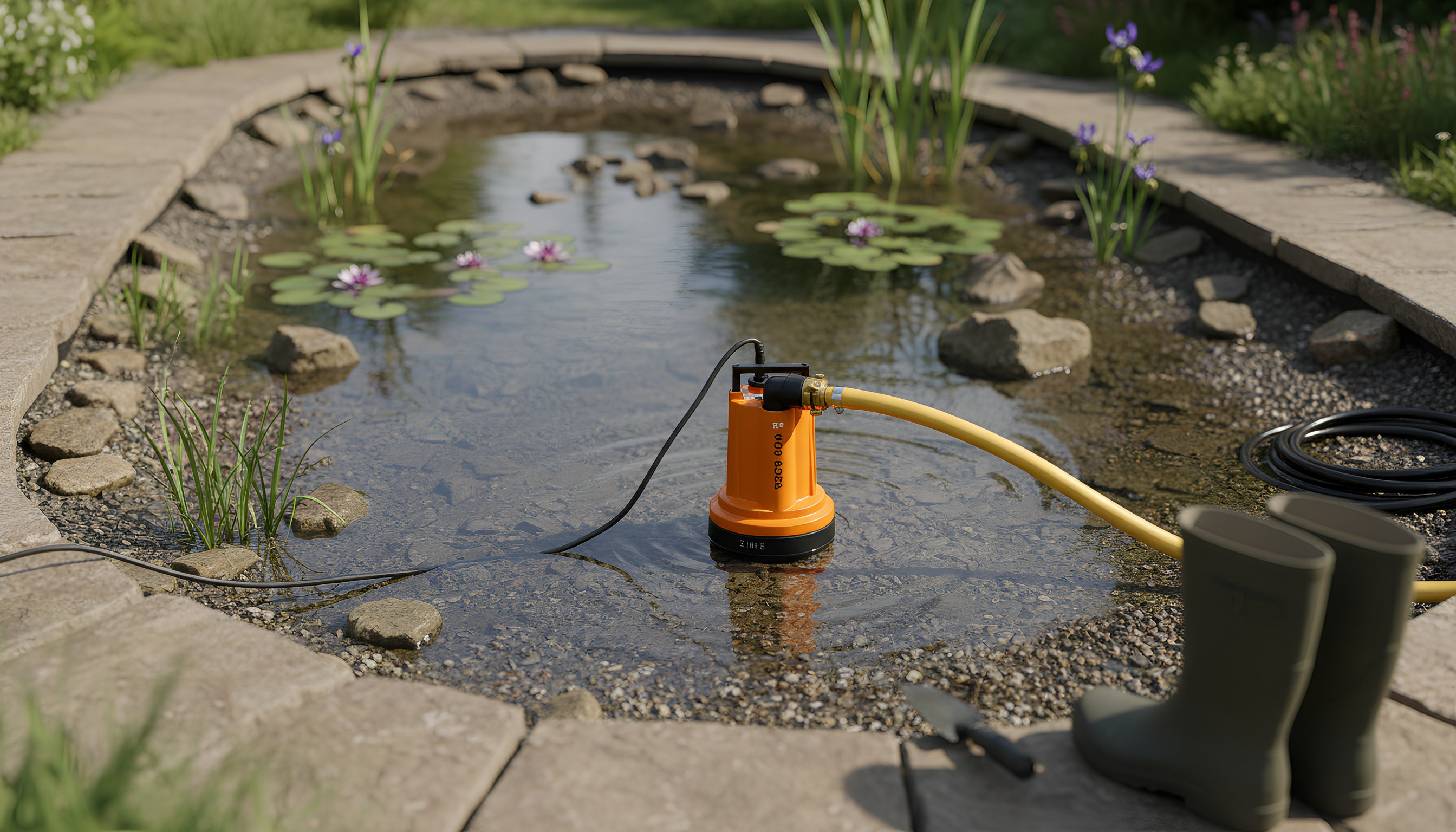
Nothing is more annoying than a flooded basement where the sump pump suddenly refuses to work. In this article, we discuss the most common problems, how you can fix them yourself, and the essential safety precautions when working with water and electricity.
Common problems with the submersible pump
A submersible pump is a robust device, but because it often operates in challenging conditions, things can sometimes go wrong. Whether it's a blockage due to dirt or a faulty float, most problems can be solved with a little basic knowledge. It's important to first determine whether the problem is mechanical or electrical.
The pump will not start
If the pump doesn't work at all, the cause is often the power supply or the float switch. Always first check that the plug is properly inserted and that the earth leakage circuit breaker in the meter box hasn't tripped. If the power supply is working properly, the float switch could be the culprit. In the article "Submersible pump not starting: Causes and solutions," we discuss the specific steps you can take to resolve this in more detail.
Sometimes the power cord is simply damaged by heavy use or sharp edges in a well. In that case, replacement is the only safe option.

Power cable 10 meters
The pump is running but not moving any water
Do you hear the motor humming or running, but no water comes out of the discharge hose? Then there's probably a blockage or an air lock in the pump housing (airlock). You can prevent an air lock by lowering the pump into the water at an angle, allowing the air to escape. A blockage often indicates debris in the suction strainer or impeller. For more information about the differences between different types of water and their impact on your pump, read " Submersible pump for dirty water vs. clean water: What are the differences?" .
Maintenance as a preventative measure
Prevention is better than cure. Regular maintenance significantly extends the lifespan of your appliance. Limescale and sludge buildup are the biggest enemies of internal components. In "Submersible Pump Maintenance: How to Prevent Limescale and Clogs," we explain how to best clean the pump after use.
Checking the float
The float switch is often the most vulnerable component. If it becomes jammed due to dirt or stuck against the wall of a well, the pump will not switch on or off. You can read exactly how this mechanism works in "How does a submersible pump with a float switch work?" . For situations where a traditional float switch is too small, an external sensor can offer a solution.

Crab Float Water Sensor 3mm
Safety when working with water and electricity
Safety is paramount when using a submersible pump. Water and electricity are a dangerous combination. Therefore, always observe the following basic rules:
- Unplug the appliance: Never perform any maintenance or touch the water while the appliance is plugged in.
- Do not use the cable as a lifting rope: Never lower the pump into the water by the power cord. Always use a sturdy rope or chain attached to the handle.
- Check for damage: Inspect the cable and housing for cracks or exposed wiring before each use.
For a complete overview of all precautions, please refer to Safety Tips for Using an Electric Water Pump .
When should you replace a submersible pump?
Sometimes a repair is no longer cost-effective or safe. If the motor has burned out (often recognizable by a burning smell or a constantly blowing fuse) or if the housing is severely corroded, it's time for a new model. Ready for a new purchase? Then consult " Buying a Submersible Pump? The Ultimate Guide for 2026" to determine which model best suits your needs.
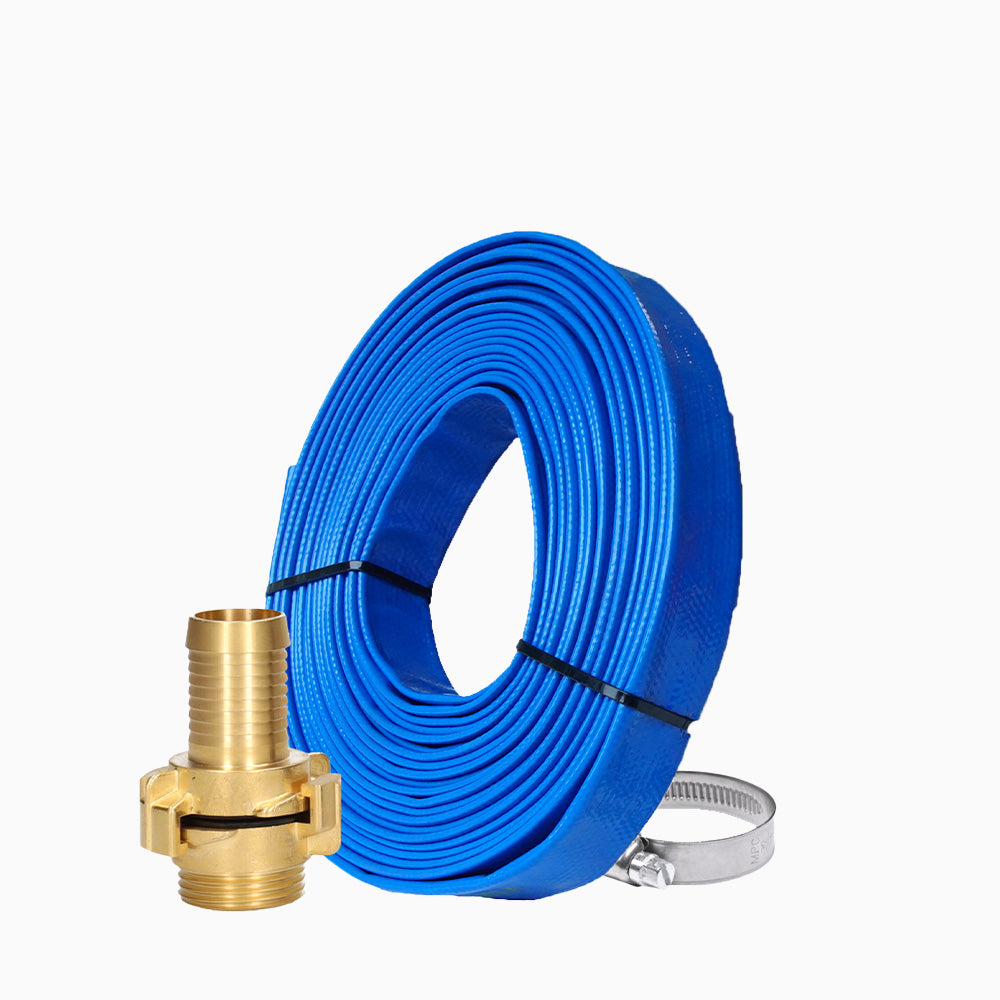
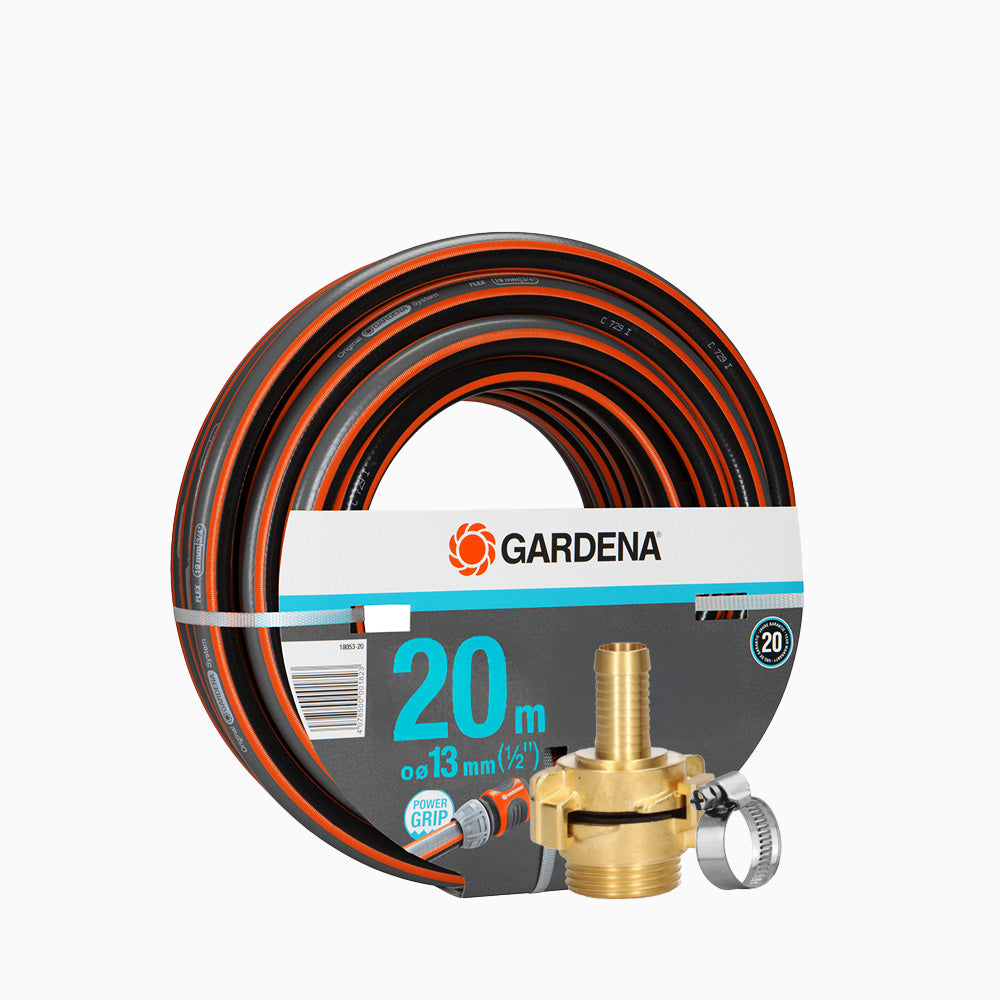
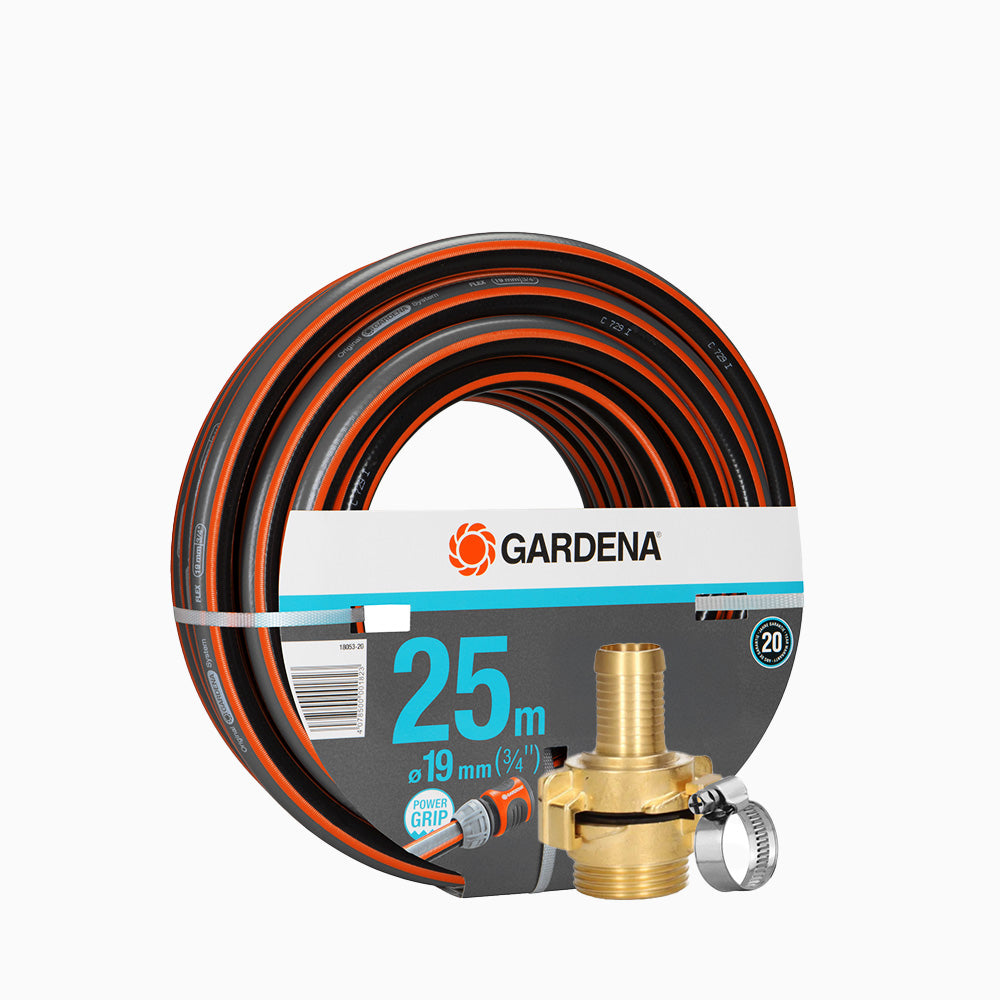
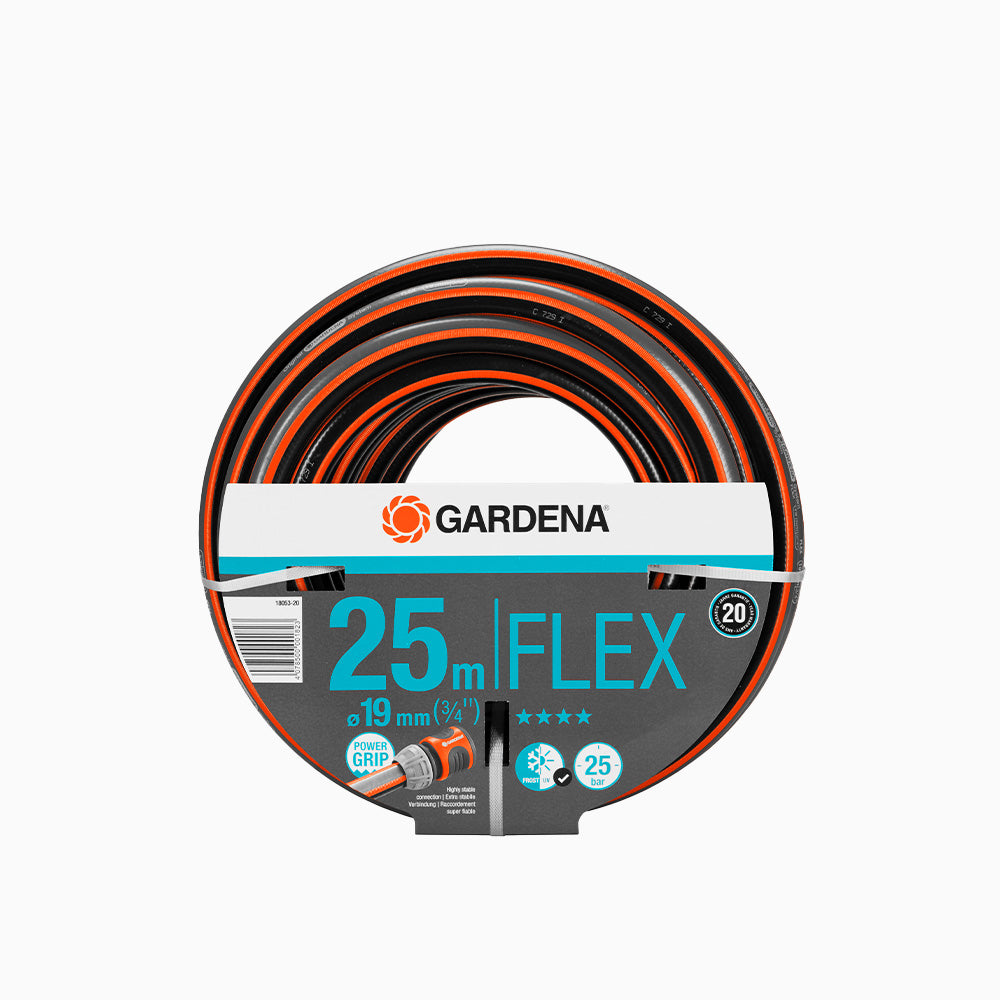
When installing a new pump, don't forget to use the correct connection materials to prevent leaks. A good step-by-step plan for this can be found in Step-by-step plan: Connecting a submersible pump to a discharge hose .
Frequently asked questions about submersible pump problems
Why is my submersible pump making a ticking noise?
A ticking or rattling sound often indicates a small stone or hard object stuck in the impeller. Stop the pump immediately and clean the underside to prevent damage to the motor.
My pump keeps running even though the water is gone, what now?
This usually happens when the float is stuck or defective. In the article "What to do when your submersible pump no longer shuts off?" , we explain how to quickly diagnose and solve this problem.
Can I extend a submersible pump with a normal extension cord?
While technically possible, it's not recommended in damp environments unless the extension cord has an IP44 rating or higher. Always ensure the connection between the plugs remains dry, for example, in a dedicated cable box.
Share:
Submersible pump not starting: Causes and solutions
Buying a Submersible Pump? The Ultimate Guide for 2026