

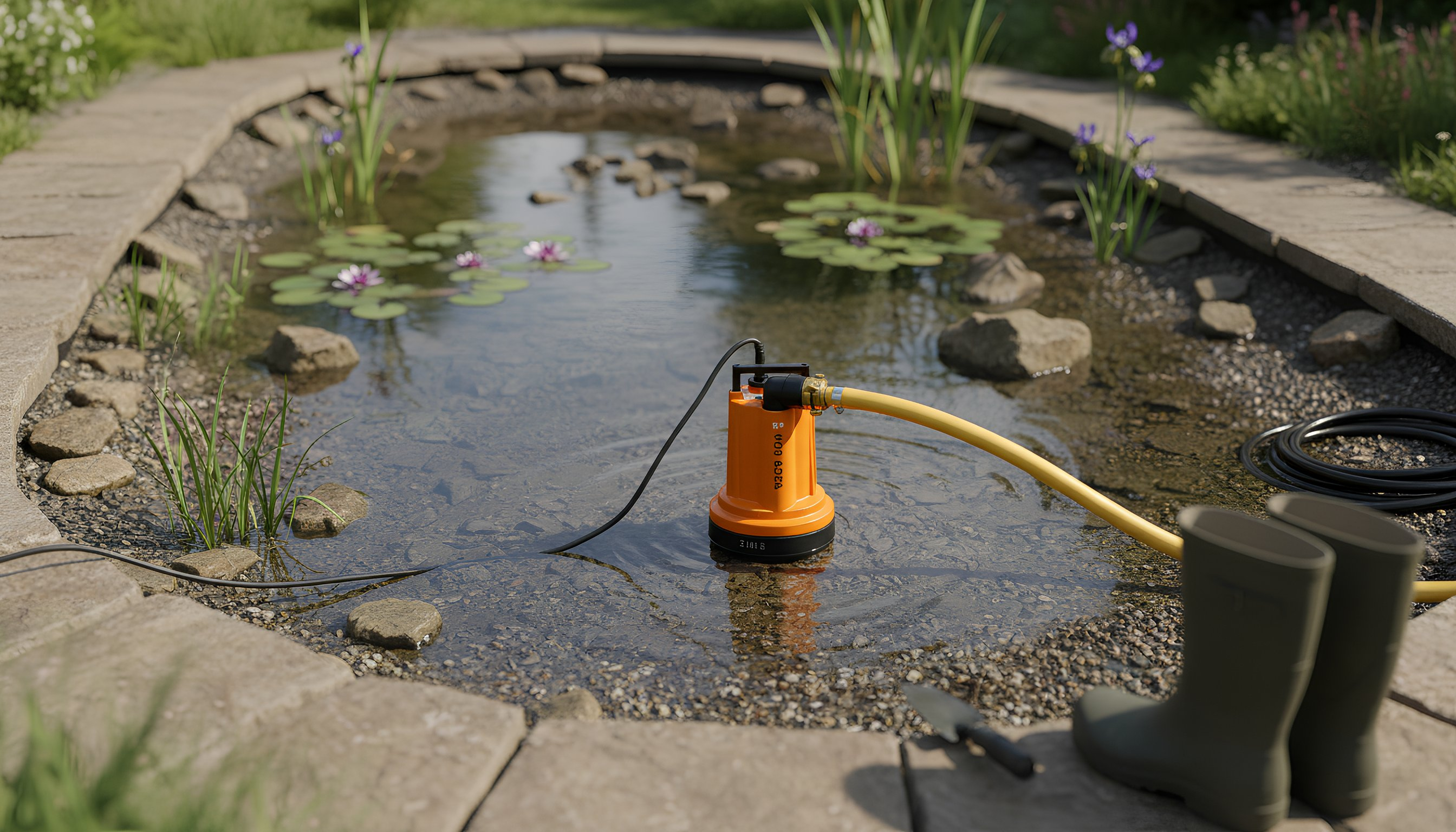
Are you facing a flooded basement or want to dry out the pool floor, but don't know which pump is right for you? Choosing the right submersible pump depends entirely on the quality of the water you want to move.
The fundamental difference: Grain size
The most important difference between a submersible pump for clean water and one for dirty water is the particle size. This number indicates how large the solids in the water can be without damaging or clogging the pump. A clean water pump is designed for liquids without suspended particles, such as tap water or slightly chlorinated water.
A wastewater pump, on the other hand, has a larger opening in the suction strainer and pump housing. This allows it to easily remove sand, leaves, or small stones. Using a cleanwater pump in a muddy well? The small openings will immediately clog, causing the motor to overheat.
Why a clean water pump gets stuck
Clean water pumps, and specifically flat suction pumps, are built to very tight tolerances. This is necessary to ensure the water is pumped down to the last millimeter. However, when dirt such as sand or gravel gets into the mechanism, it acts like sandpaper on the impeller (the rotating part of the pump). This leads to immediate wear or complete pump blockage.
For situations where the water is relatively clean, but you still want absolute dryness, a submersible pump is the best choice. You can read more about this in The best submersible pumps for a flooded basement .

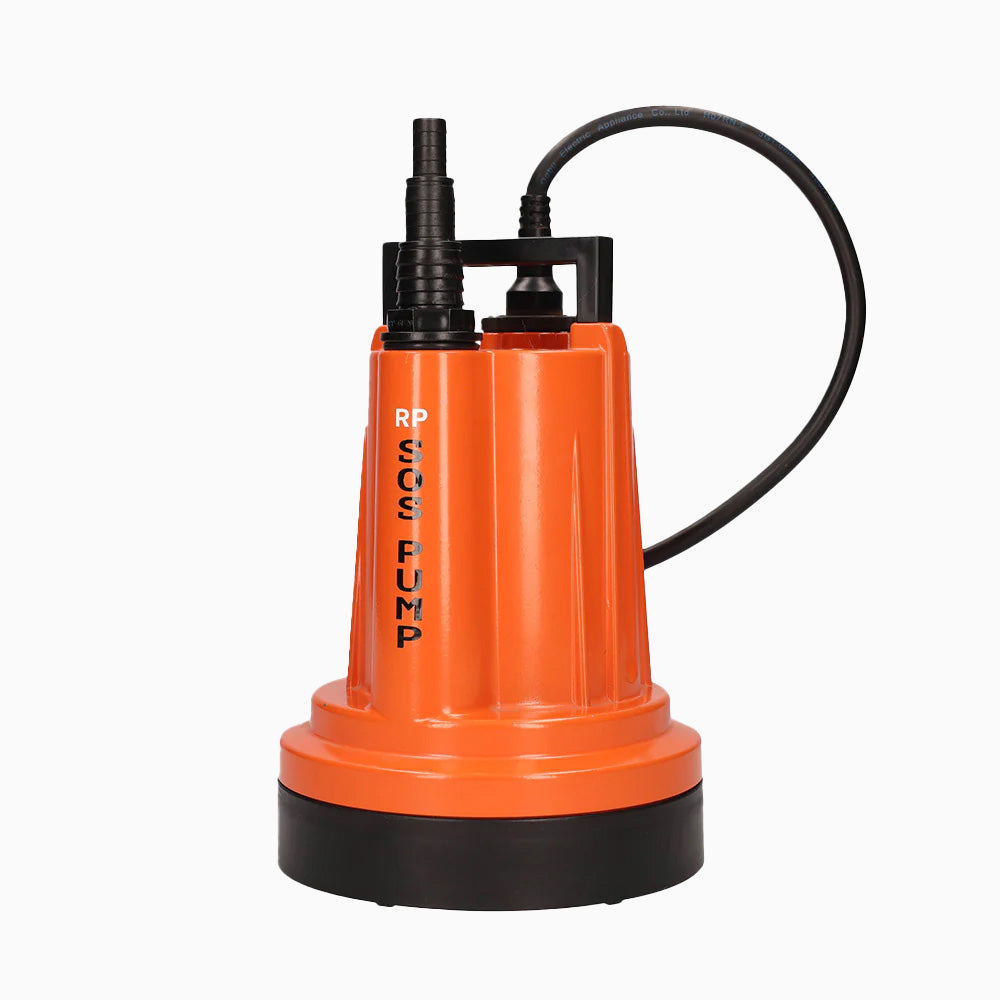
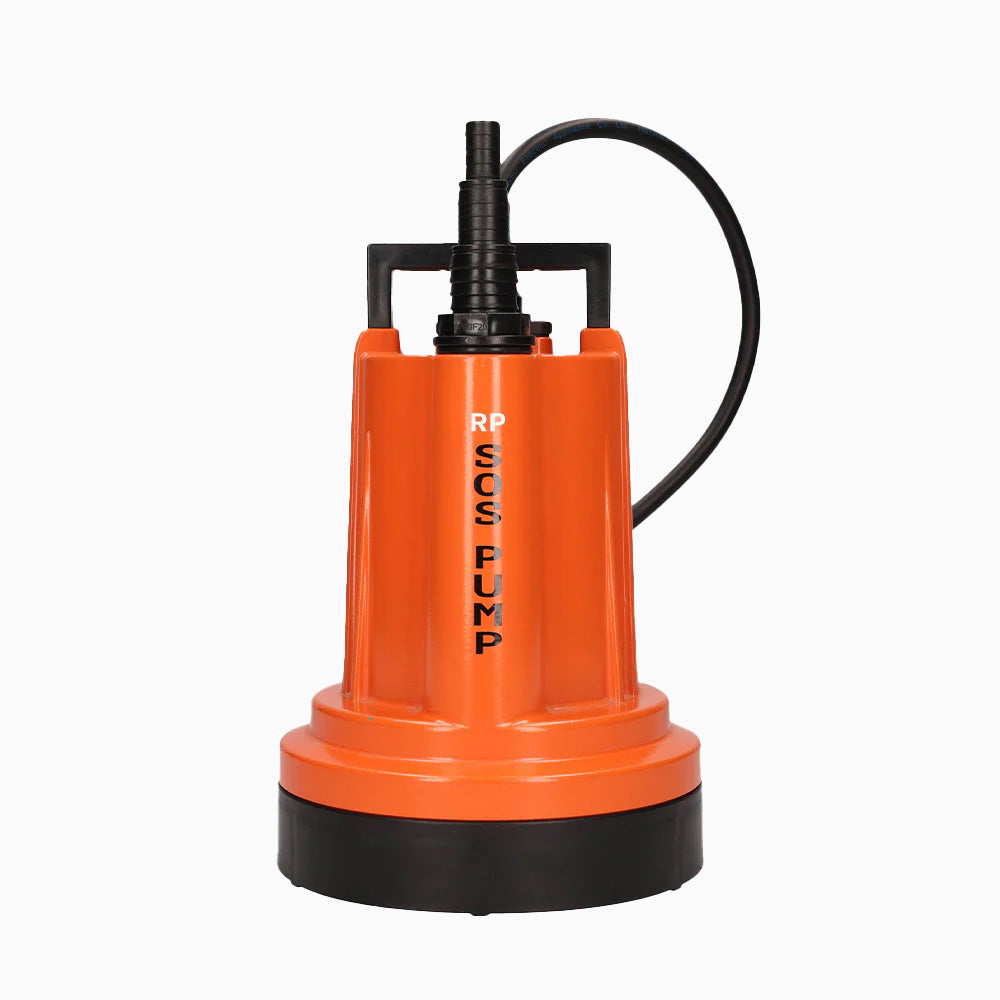
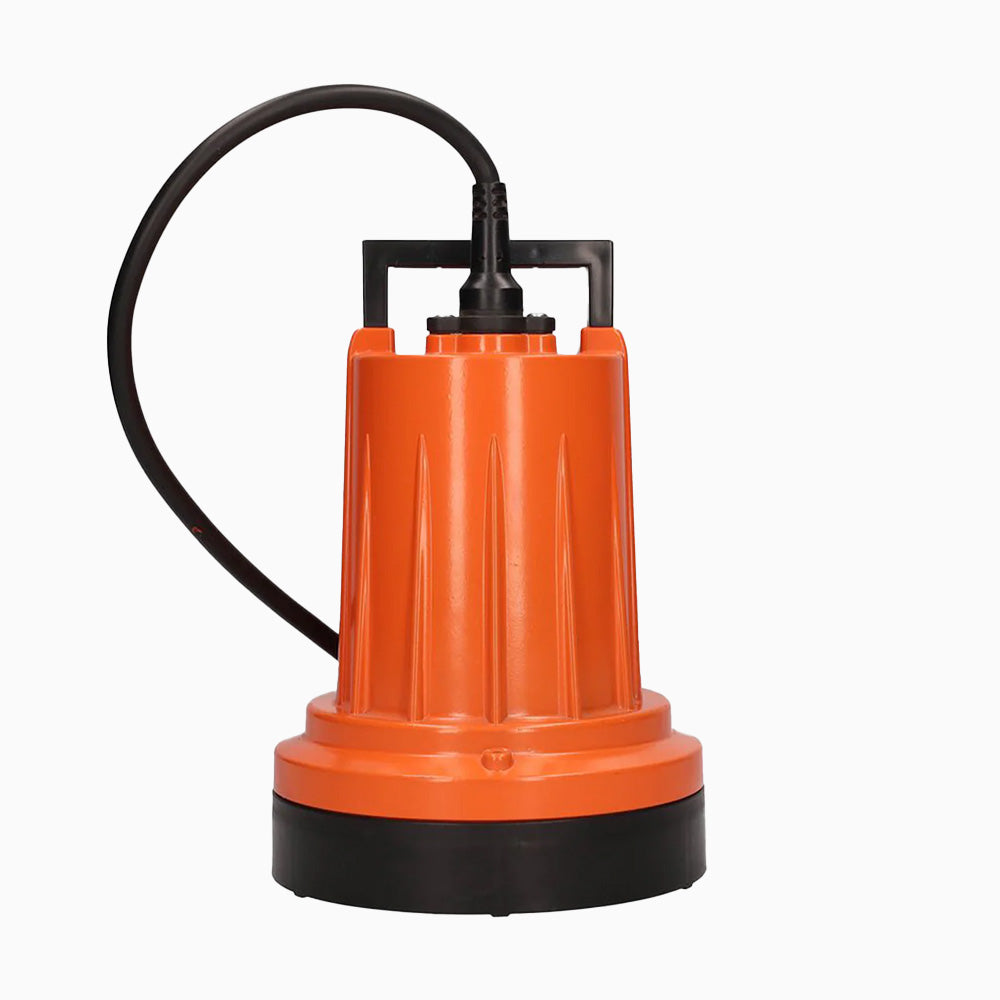
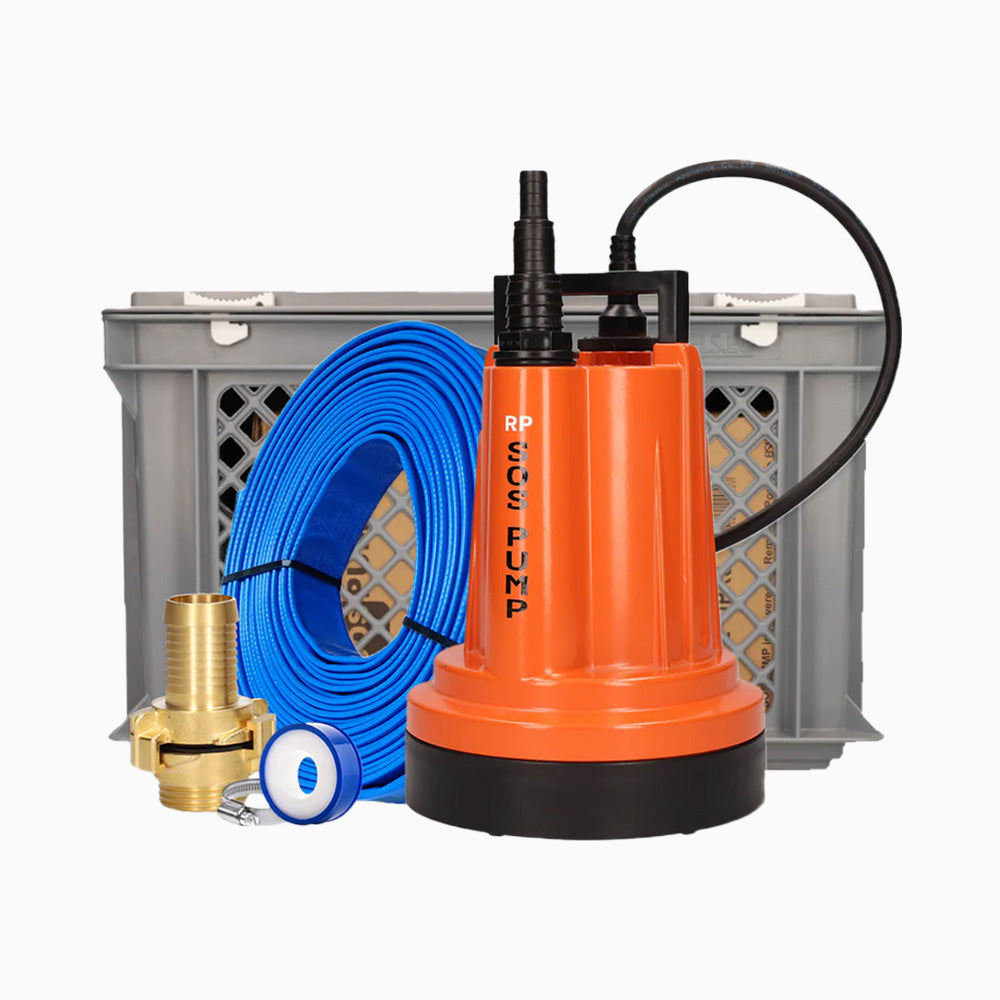
Flat suction submersible pump
When do you choose which submersible pump?
The choice is simple if you look at the application:
- Clean water: Ideal for emptying a swimming pool, a rain barrel or a leaking washing machine.
- Dirty water: Necessary for ponds, construction pits, drainage inspection wells or water with a lot of mud and organic waste.
Want to know how to use the pump optimally? Then check out our Step-by-Step Guide: Connecting a Submersible Pump to a Discharge Hose . For a comprehensive overview of all types, we recommend the guide " Which Submersible Pump Do I Need? Selection Guide and Applications ."
The importance of proper drainage
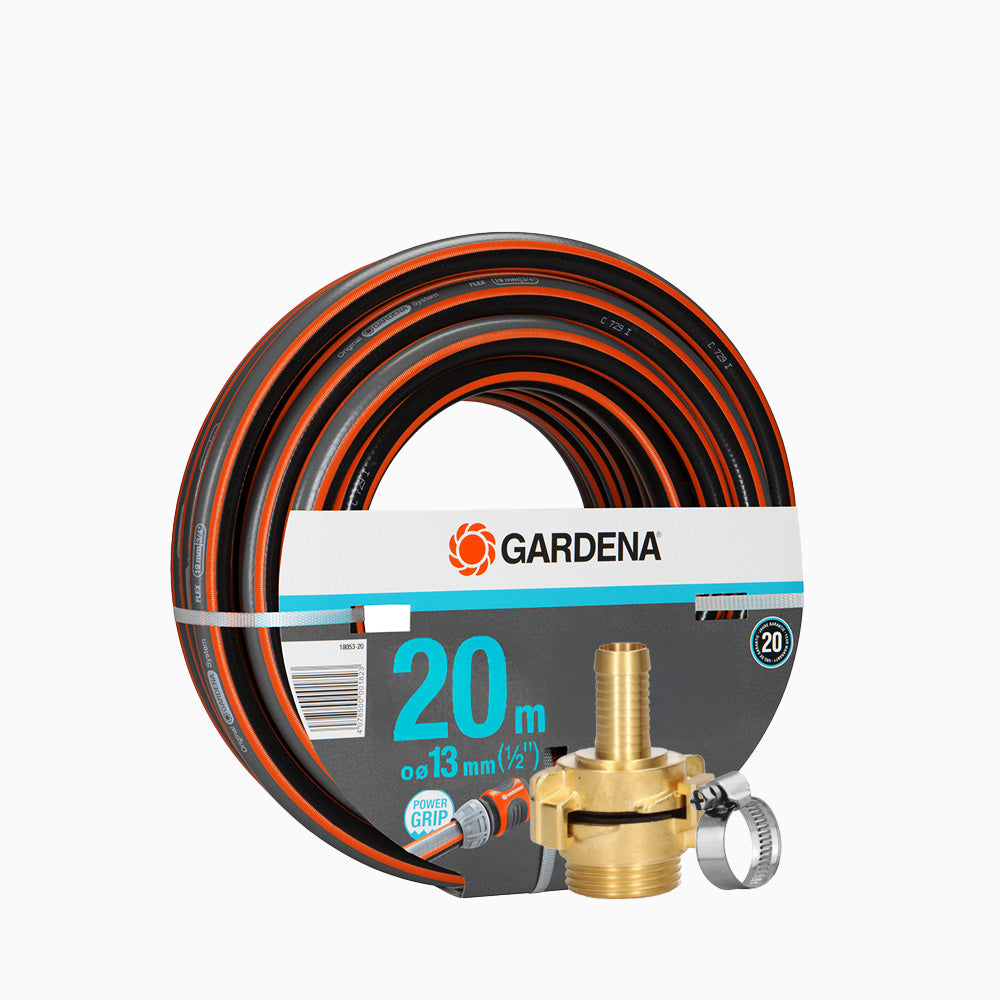
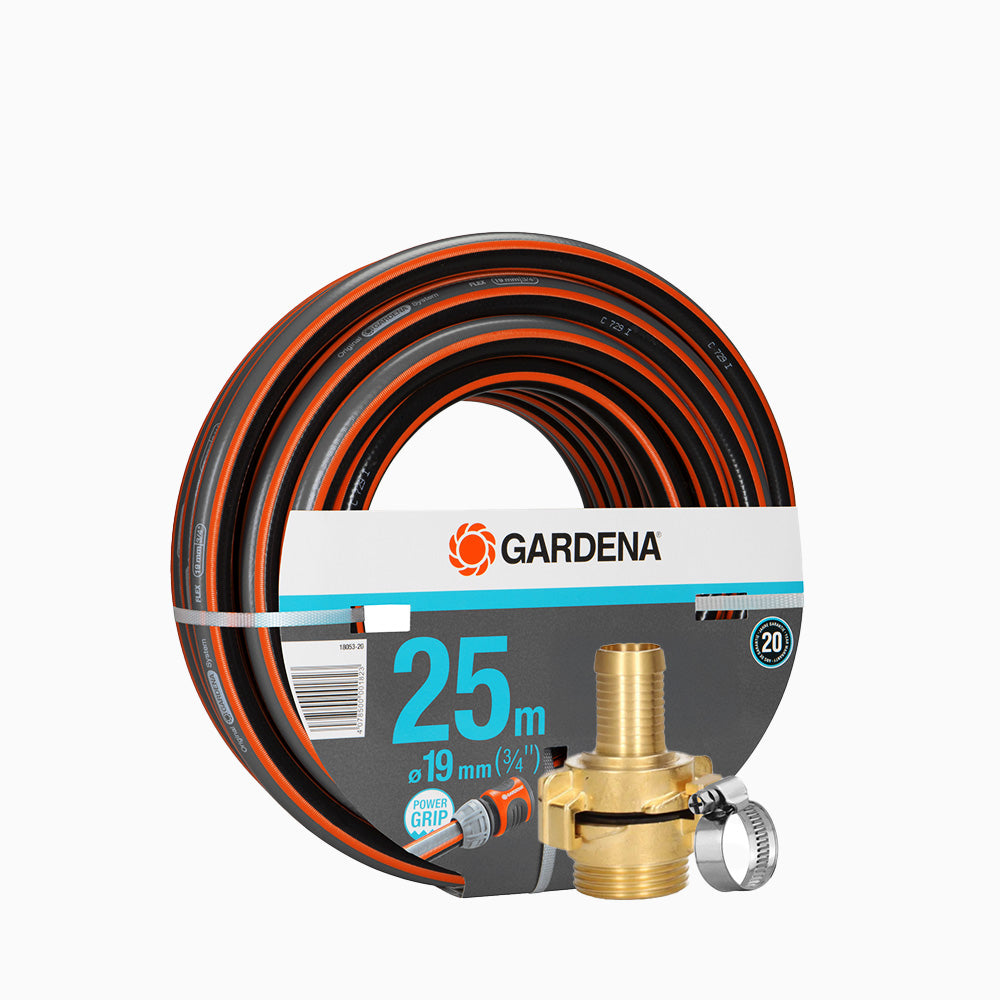
Not only must the pump itself be able to handle the dirt, but the hose must also be wide enough. For dirty water, we recommend using a larger diameter hose to reduce resistance and prevent blockages in the hose itself. A good coupling is essential for leak-free operation.

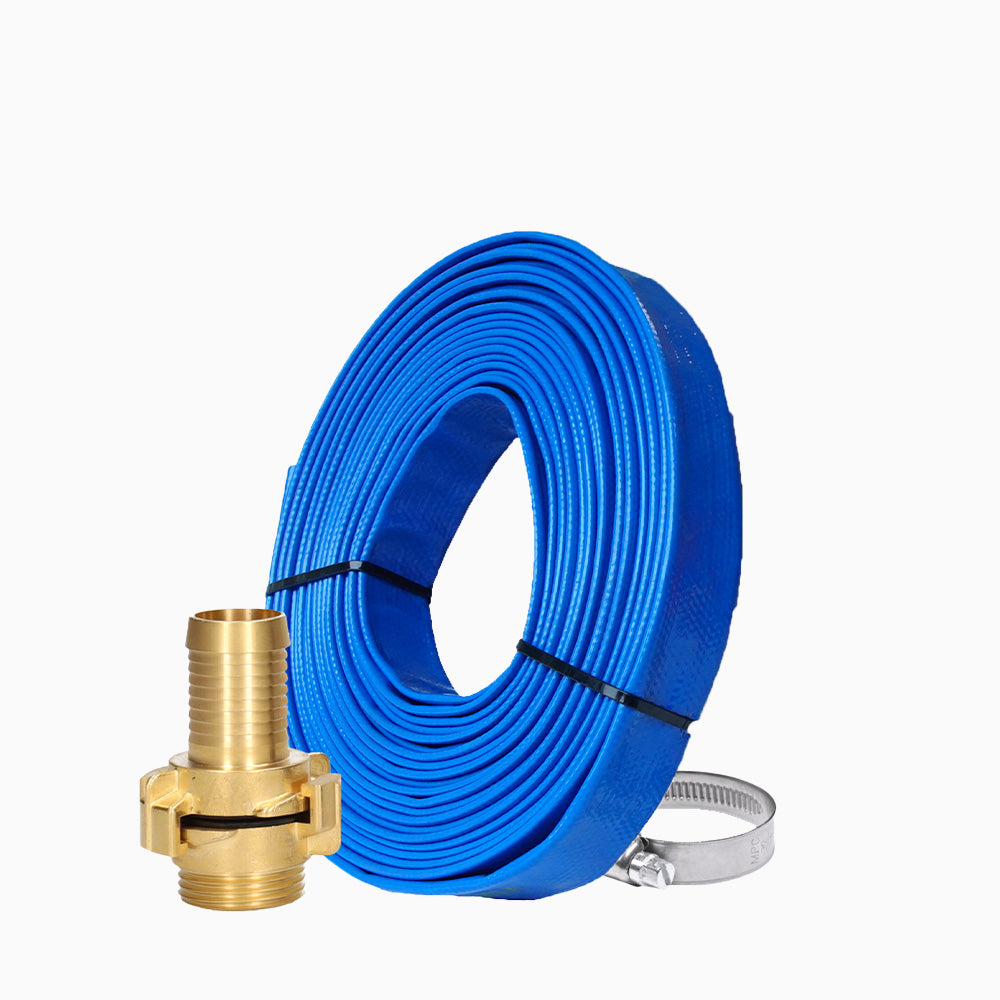
Water hose set 12.5m 32mm
Frequently asked questions about submersible pumps
Can I use a clean water pump for the pond?
No, this is strongly discouraged. Pond water often contains algae, sand, and plant debris that immediately clog the narrow suction channels of a clean water pump.
What happens if my submersible pump gets stuck due to dirt?
The motor will try to run but will become blocked, leading to heat buildup. Most modern pumps have thermal protection, but repeated seizures significantly shorten their lifespan. Also read: Submersible pump not starting: Causes and solutions for help with malfunctions.
How do I maintain a pump after use in dirty water?
Always rinse the pump thoroughly with clean tap water after use. This prevents mud or dirt from building up in the pump housing. See also : Maintaining a submersible pump: How to prevent limescale and blockages .
Share:
Submersible pump not starting: Causes and solutions
Buying a Submersible Pump? The Ultimate Guide for 2026