

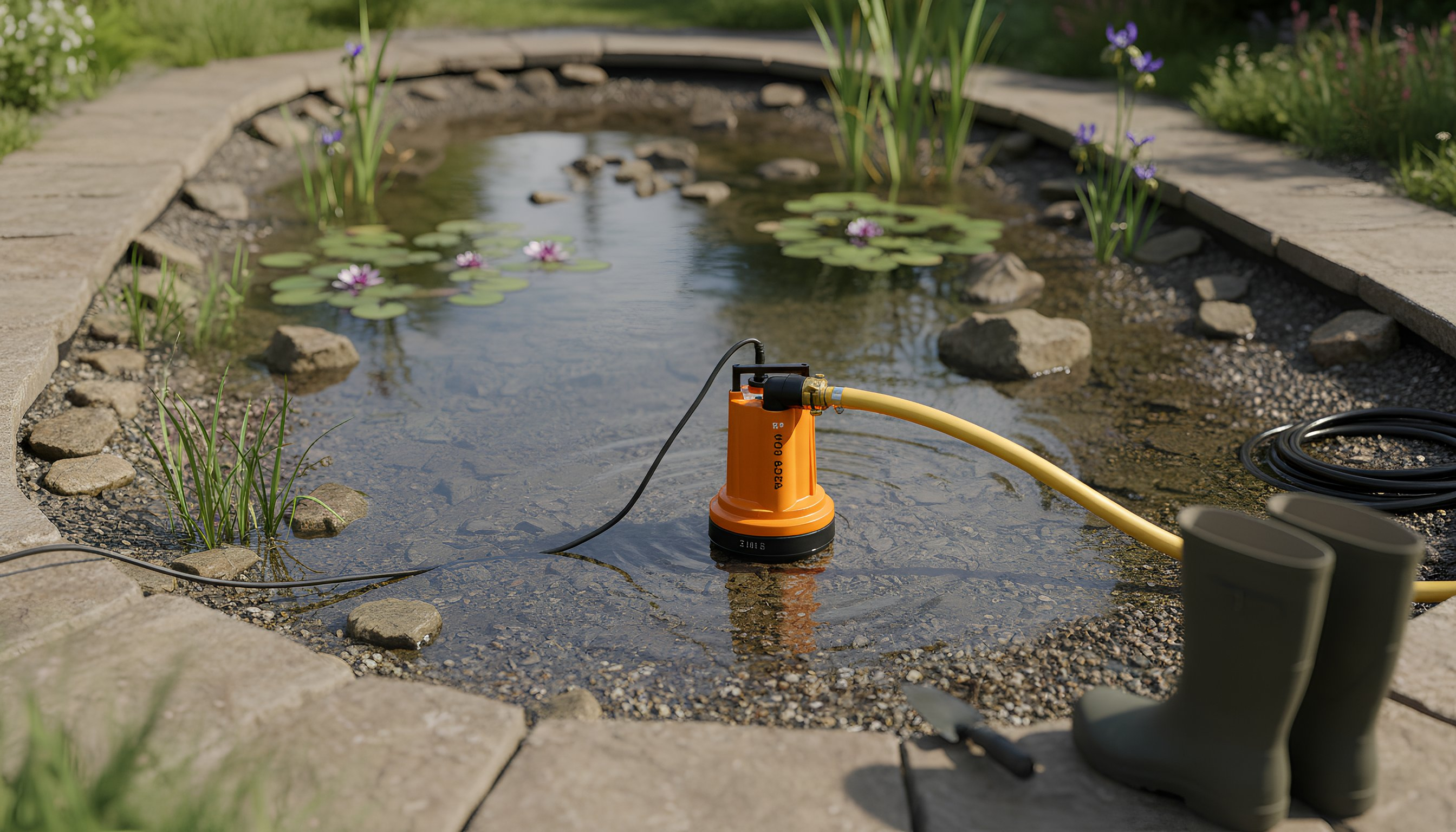
Nothing is more annoying than a layer of water in the basement after a heavy rainstorm or a leak. In this guide, you'll discover how to use the right submersible pump to quickly get your basement dry and prevent further damage.
Why a submersible pump is essential in case of flooding
When your basement floods, every minute counts to minimize damage to the foundation and your belongings. A standard water pump is often insufficient; you need a specialized submersible pump that can move large volumes of water and, more importantly, pump it down to a minimum level. For basements, we always recommend a submersible pump.
A submersible pump is unique because it can pump water down to just a few millimeters of residual water. This means you don't have to spend hours with buckets and mops after the pump has done its job. In our article " Which submersible pump do I need? Selection guide and Applications," we delve deeper into the different types available for various situations.
The power of a flat vacuum cleaner in the basement
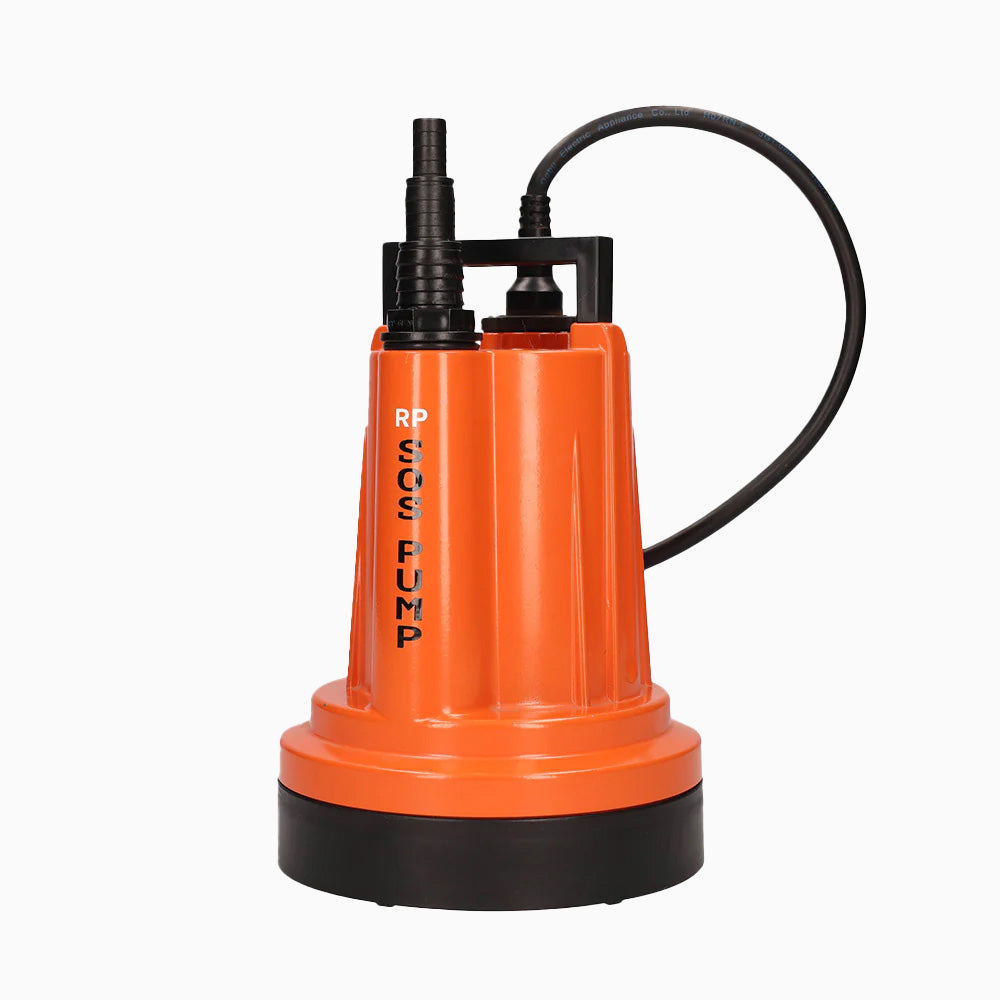
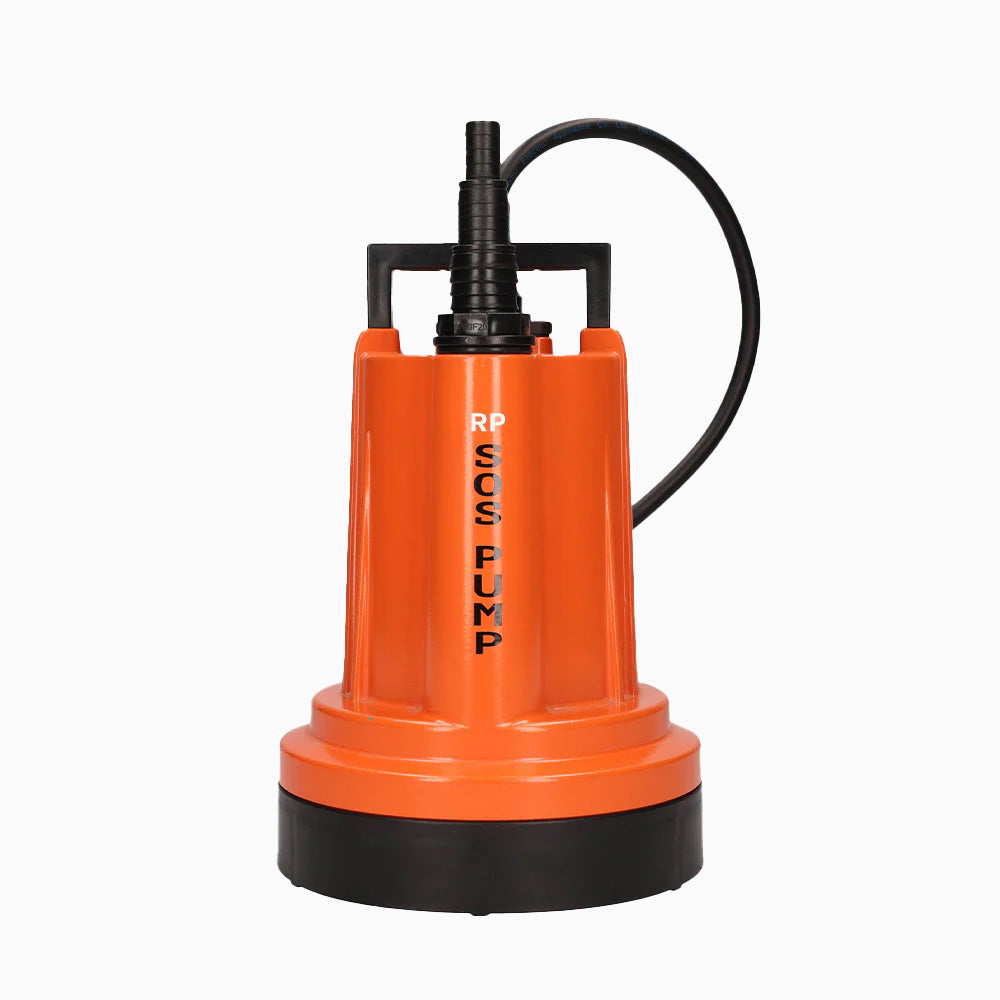
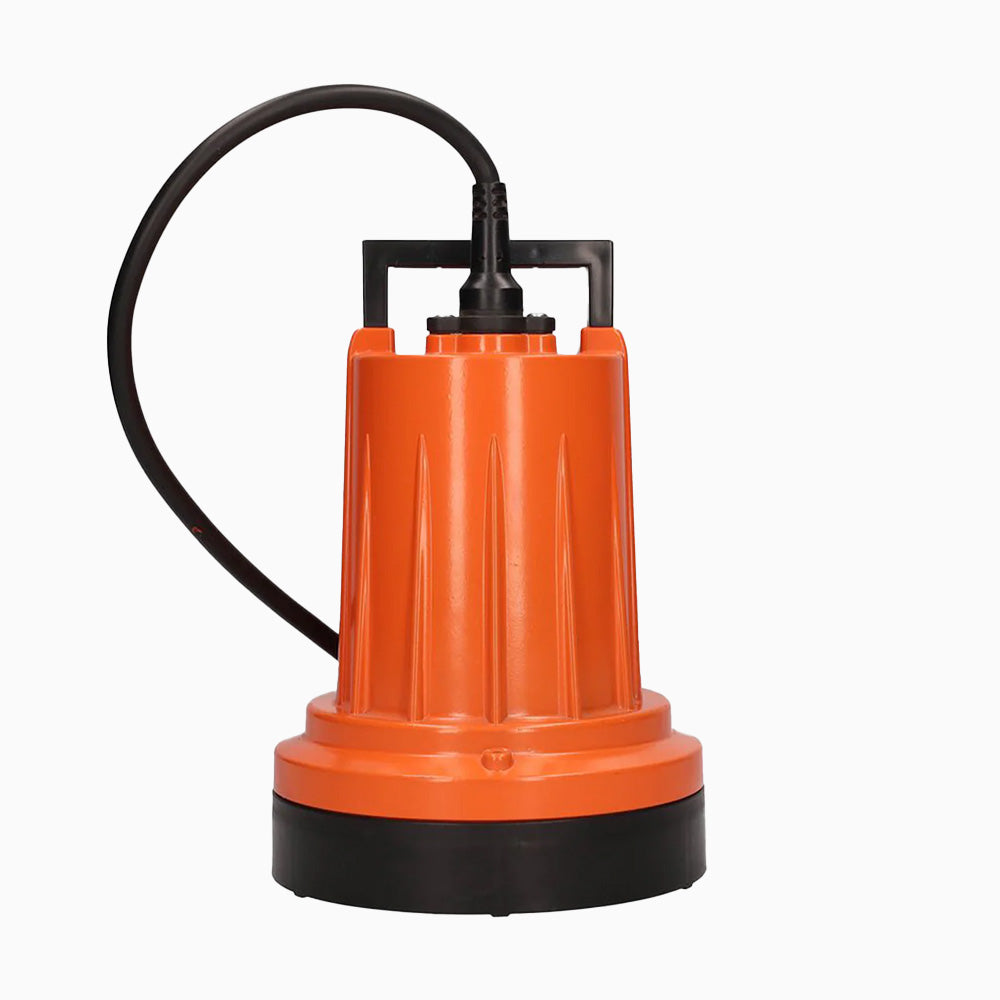
For a basement, the residual water level is the most important specification. While a standard wastewater pump often stops at 4 or 5 centimeters of water, a flat vacuum will continue until the floor is almost dry. This prevents mold growth and unpleasant odors in the long term.

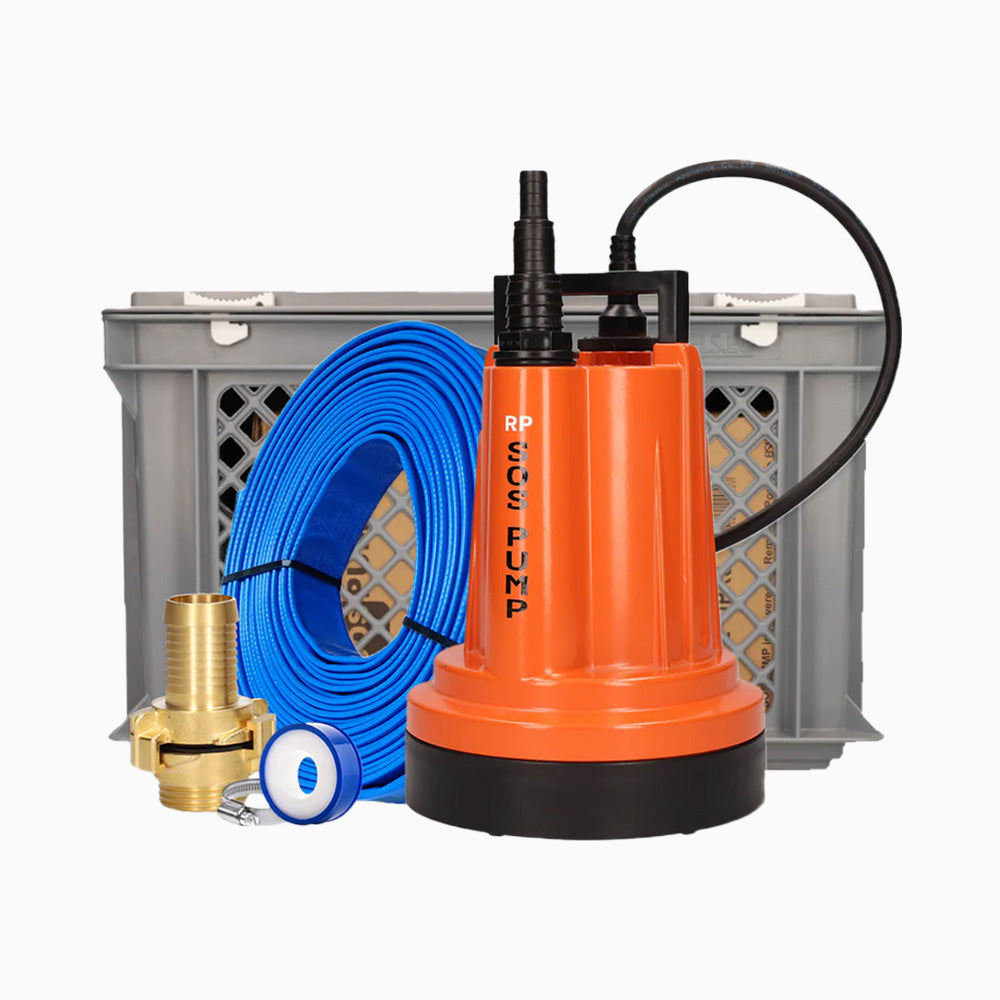
Plug & Play Submersible Pump Set
Besides suction power, the float's reliability is crucial. In a cramped basement or small sump, there's often no room for a floating float arm. In that case, a model with an internal sensor or an electronic level switch is the best choice. For more technical details, also read "How does a submersible pump with a float switch work?" to understand which system best suits your basement layout.
Capacity and drainage: What should you pay attention to?
The speed at which a basement is pumped is determined by the capacity (liters per hour) and the head. The deeper your basement, the more powerful the pump needs to be to force the water up and out. For an average home basement, a capacity of 5,000 liters per hour is usually more than sufficient.
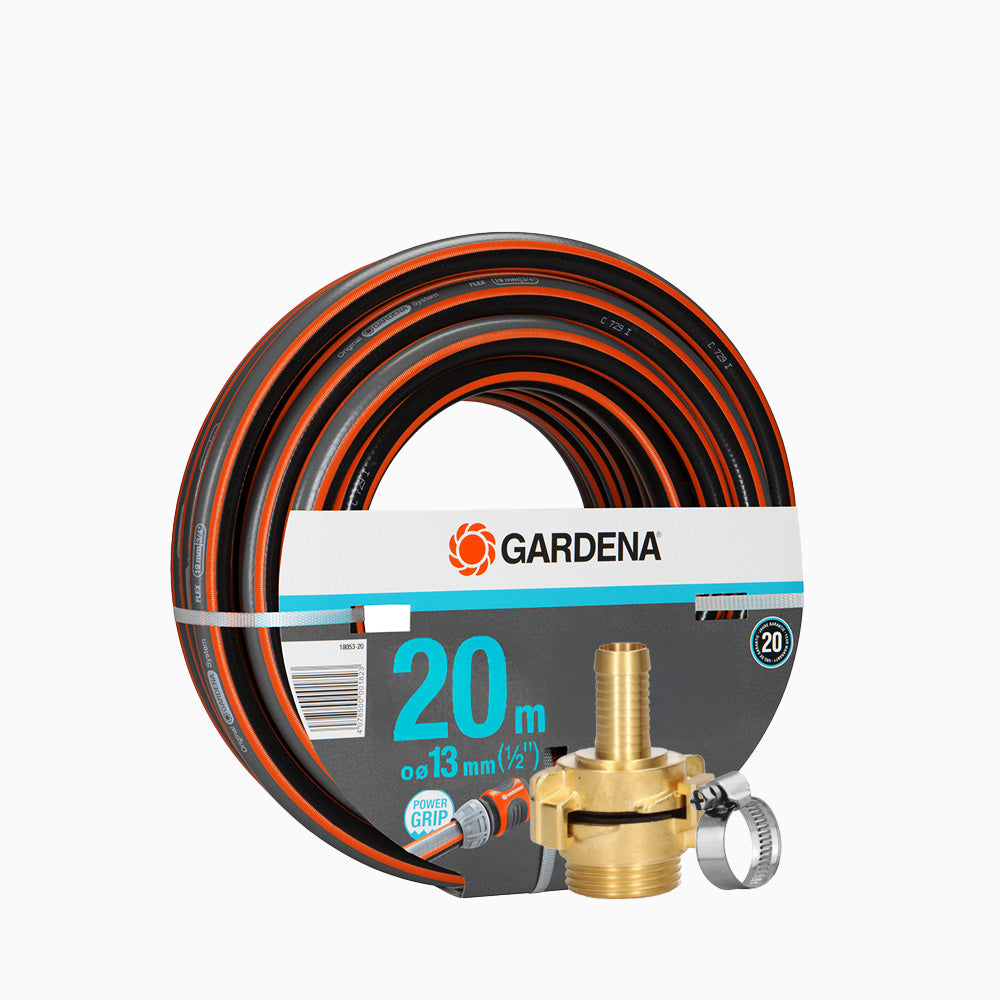
Don't forget the drain, though. A powerful pump is of little use if the hose is too narrow or kinked. Using a sturdy, large-diameter drain hose ensures optimal flow. You can read the best way to do this in our Step-by-Step Guide: Connecting a Submersible Pump to a Drain Hose .

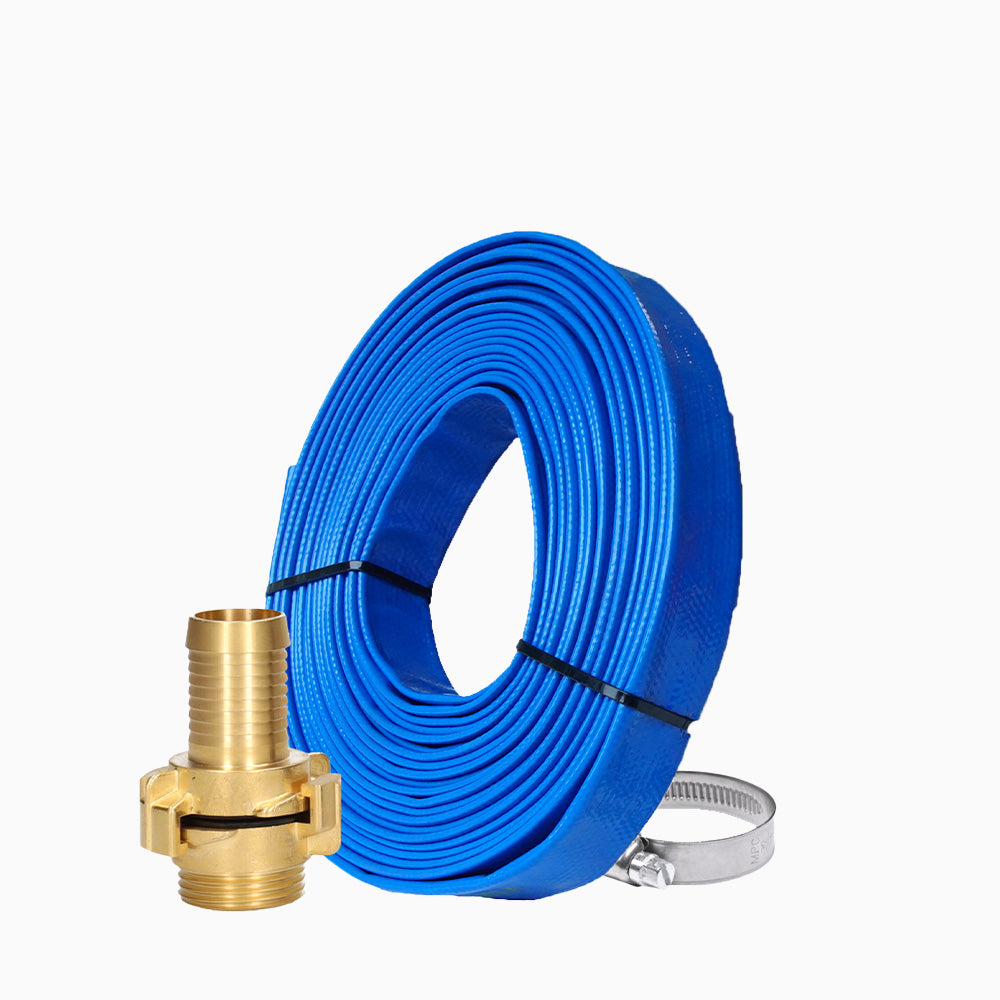
Water hose set 12.5m 32mm
Maintenance after the job
Even after the basement is dry, the work isn't quite done yet. Dirt or limescale residue can block the pump's impeller if it dries. Always rinse the pump with clean water. For detailed instructions, see " Submersible Pump Maintenance: How to Prevent Limescale and Clogs ."
Frequently asked questions about pumping out cellars
How deep should the water be before a submersible pump starts?
That depends on the float. Some pumps need at least 10 cm to start, but special flat suction pumps with an electronic sensor can start pumping at a water level of just 1 mm.
Can I leave a submersible pump in the basement for emergencies?
Yes, provided the pump is equipped with an automatic float switch or sensor. As soon as the water level rises, the pump switches itself on. However, check regularly that the power supply is still intact.
What is the difference between a submersible pump for clean and dirty water?
A clean water pump (flat suction) is designed for clear water and leaves the floor drier. A dirty water pump can handle larger dirt particles like sand or pebbles, but often leaves more residual water. For basements, a flat suction pump is usually the best choice. See also Submersible pump for dirty water vs. clean water: What are the differences? for a comparison.
Share:
Submersible pump not starting: Causes and solutions
Buying a Submersible Pump? The Ultimate Guide for 2026