

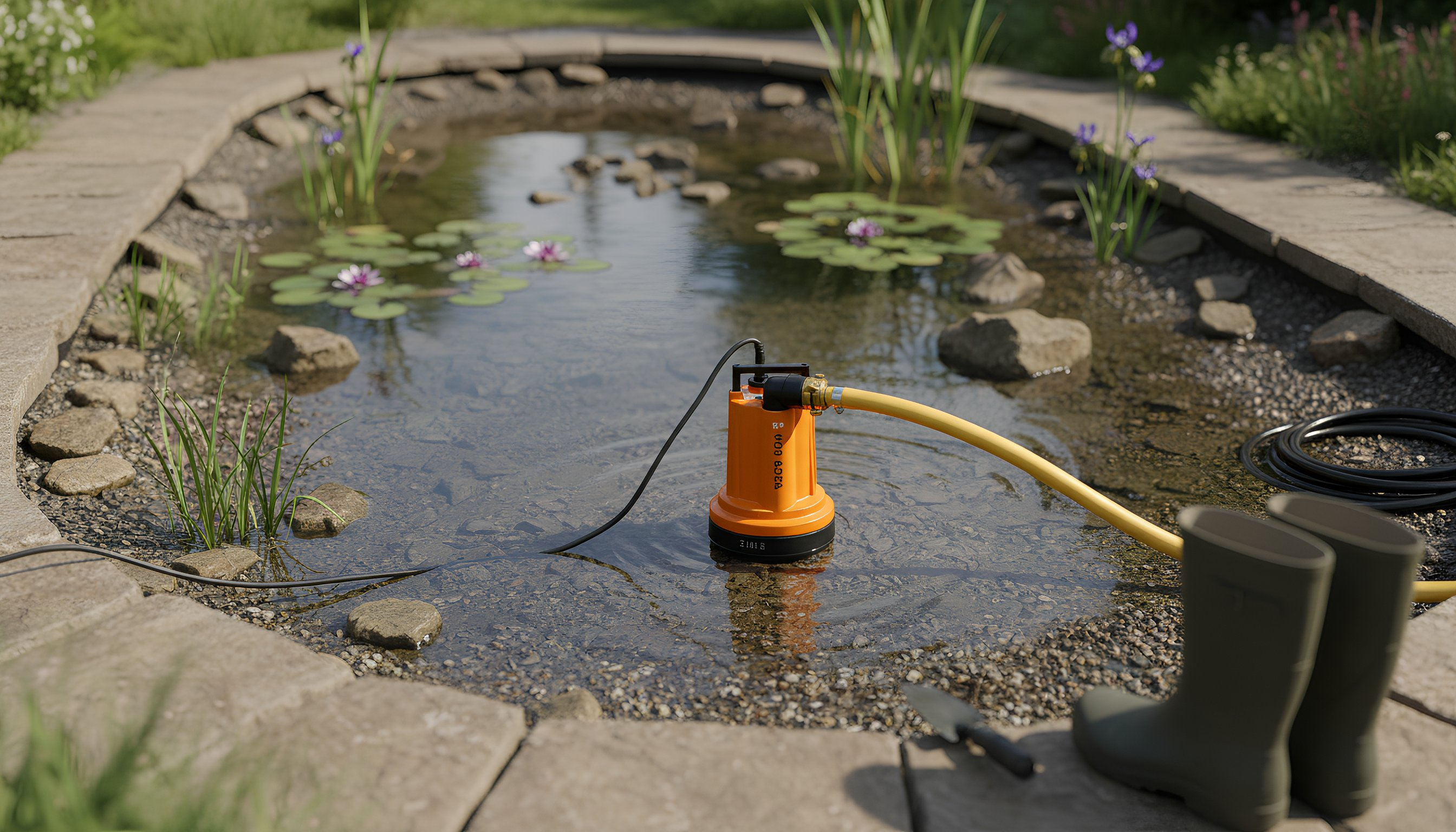
Want to move water quickly and efficiently without the hassle of leaky fittings or loose hoses? This step-by-step guide explains exactly how to professionally connect a submersible pump to a drain hose for the best results.
The Basics: Choosing the Right Materials
Before you start connecting your submersible pump , it's essential to check that the hose diameter matches the pump's capacity. A common mistake is using a hose that's too thin, such as a standard garden hose, on a powerful pump. This creates a lot of resistance, which means the pump displaces less water and can overheat more quickly.
For most jobs in and around the house, a 25mm or 32mm hose is ideal. The larger the diameter, the easier it is for the pump to handle the water. You can read more about this in our article " How do you calculate the required capacity (m³/h) of a submersible pump? "
Step 1: Prepare the pump outlet
Most submersible pumps have a threaded outlet (often 1", 1 1/4", or 1 1/2"). To ensure a watertight connection, it's wise to apply a few turns of sealing tape to the threads. This prevents water from seeping past the connection when pressure increases.

Teflon Tape
Next, tighten the hose connector or quick coupling firmly onto the pump. Be sure to do this straight to avoid damaging the threads. For a right-angle bend directly after the pump, you can use an elbow connector, which is useful in tight spaces such as a well.
Step 2: Attaching the drain hose
Slide the drain hose over the hose connector. If the hose is very stiff, you can briefly soak the end in warm water to soften the material. Once the hose is in place, use a stainless steel hose clamp to secure the connection. Tighten the clamp firmly with a screwdriver or socket wrench.
Step 3: Check and placement
Check the hose for kinks. A kink will block the water flow and can overload the pump motor. Place the pump on a flat surface. If you have a model with a float switch, make sure it moves freely. For more information on how this works, see " How does a submersible pump with a float switch work? "

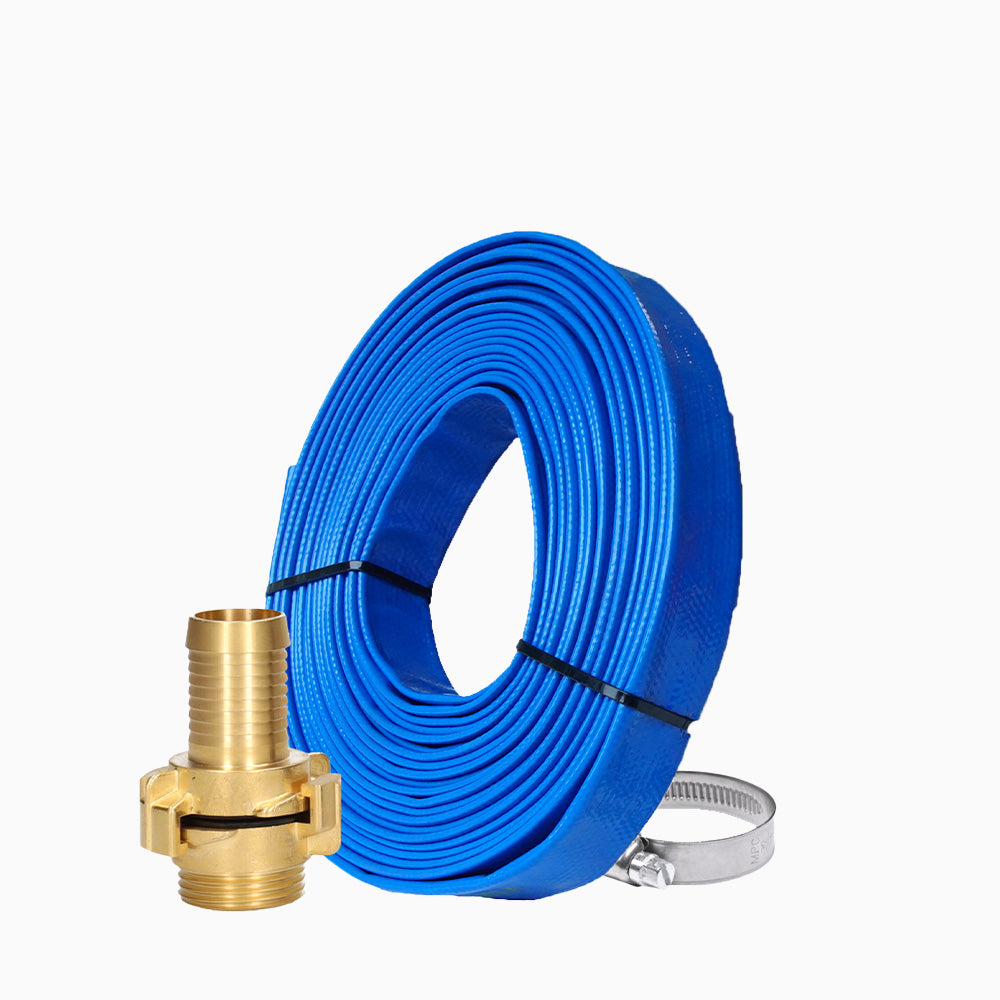
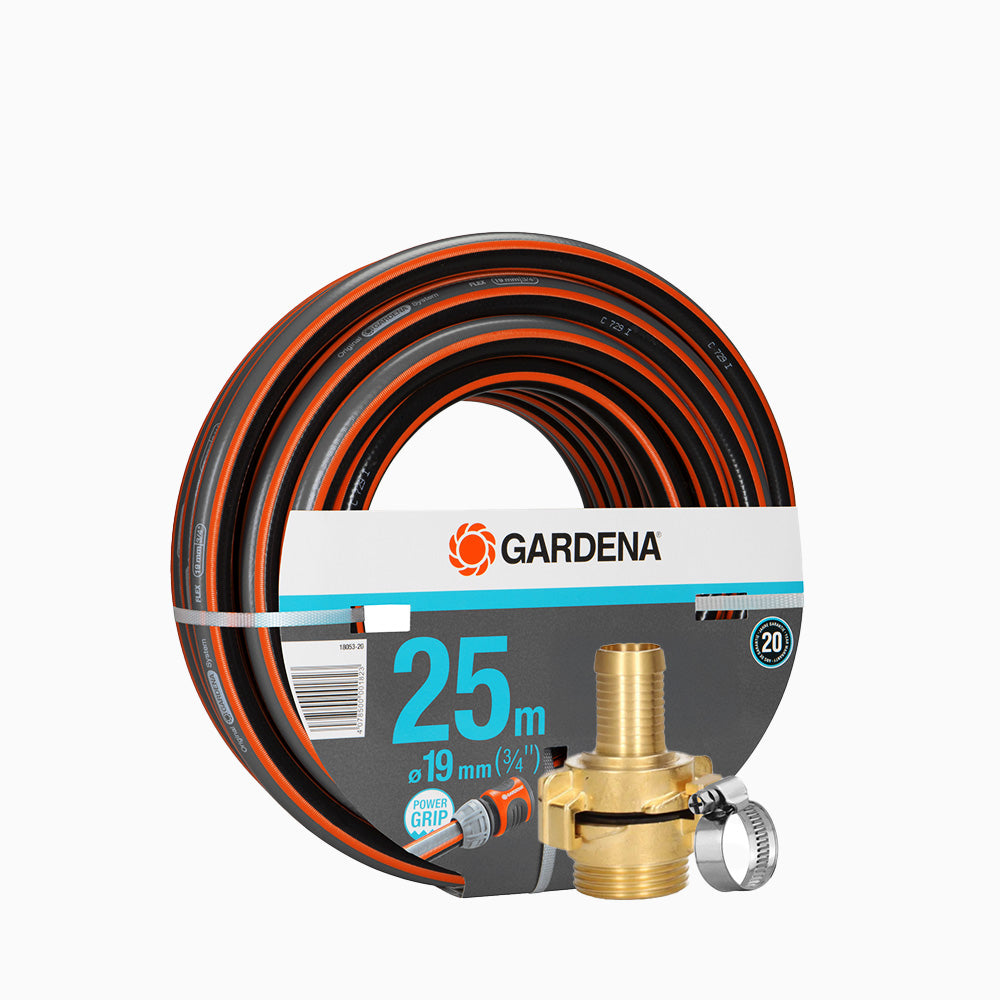
Water hose set 12.5m 32mm
Maintenance after use
Finished the job? Disconnect the hose and rinse both the pump and the hose with clean water, especially if you've been pumping dirty water. This prevents blockages and unpleasant odors. In " Submersible Pump Maintenance: How to Prevent Limescale and Blockages " you'll find a comprehensive schedule for long-term maintenance of your equipment.
Frequently Asked Questions
What size discharge hose do I need for my submersible pump?
This depends on your pump's outlet. 25mm or 32mm is usually used. A larger diameter results in a higher flow rate and less strain on the motor.
How do I prevent the hose from coming loose while pumping?
Always use a suitable hose clamp of good quality (preferably stainless steel) and tighten it firmly over the hose connector.
Can I connect a regular garden hose?
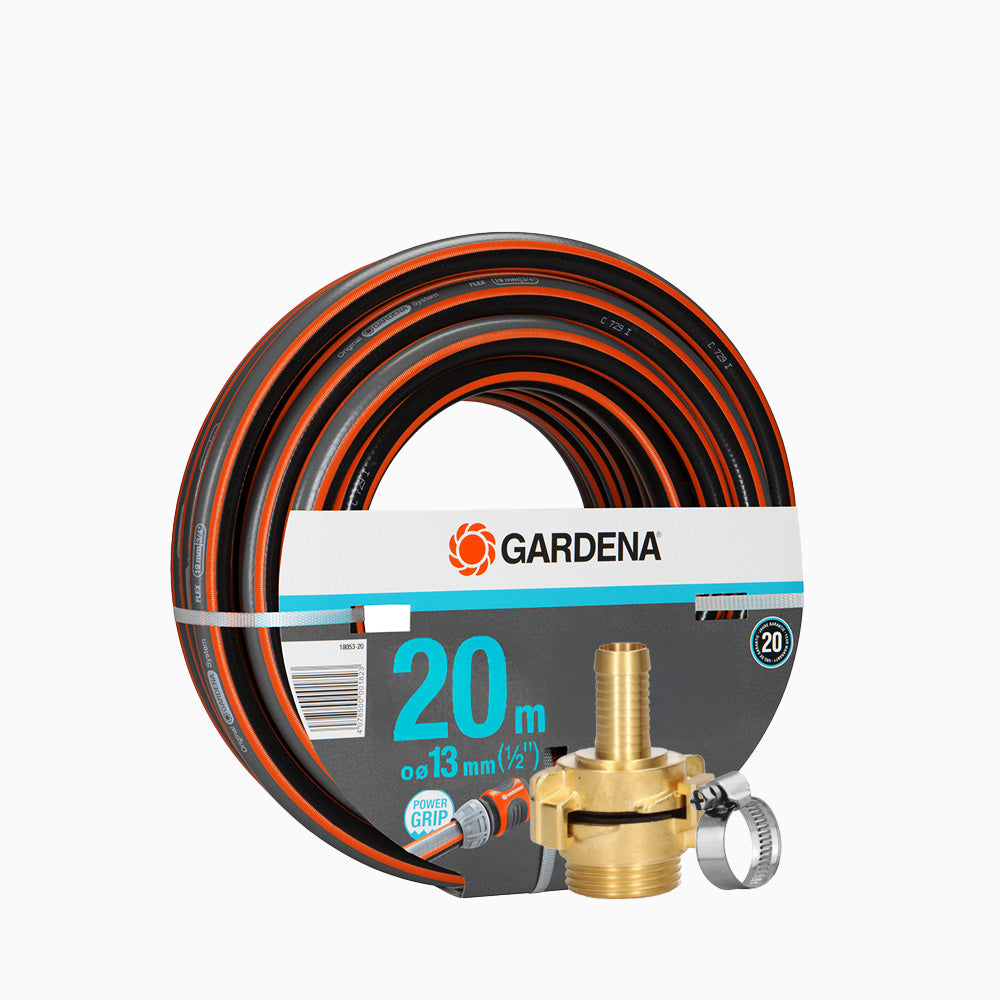
Yes, this is possible with an adapter, but keep in mind that the pump's capacity will be drastically reduced due to the narrow diameter of a garden hose (often only 13mm).
Share:
Submersible pump not starting: Causes and solutions
Buying a Submersible Pump? The Ultimate Guide for 2026