

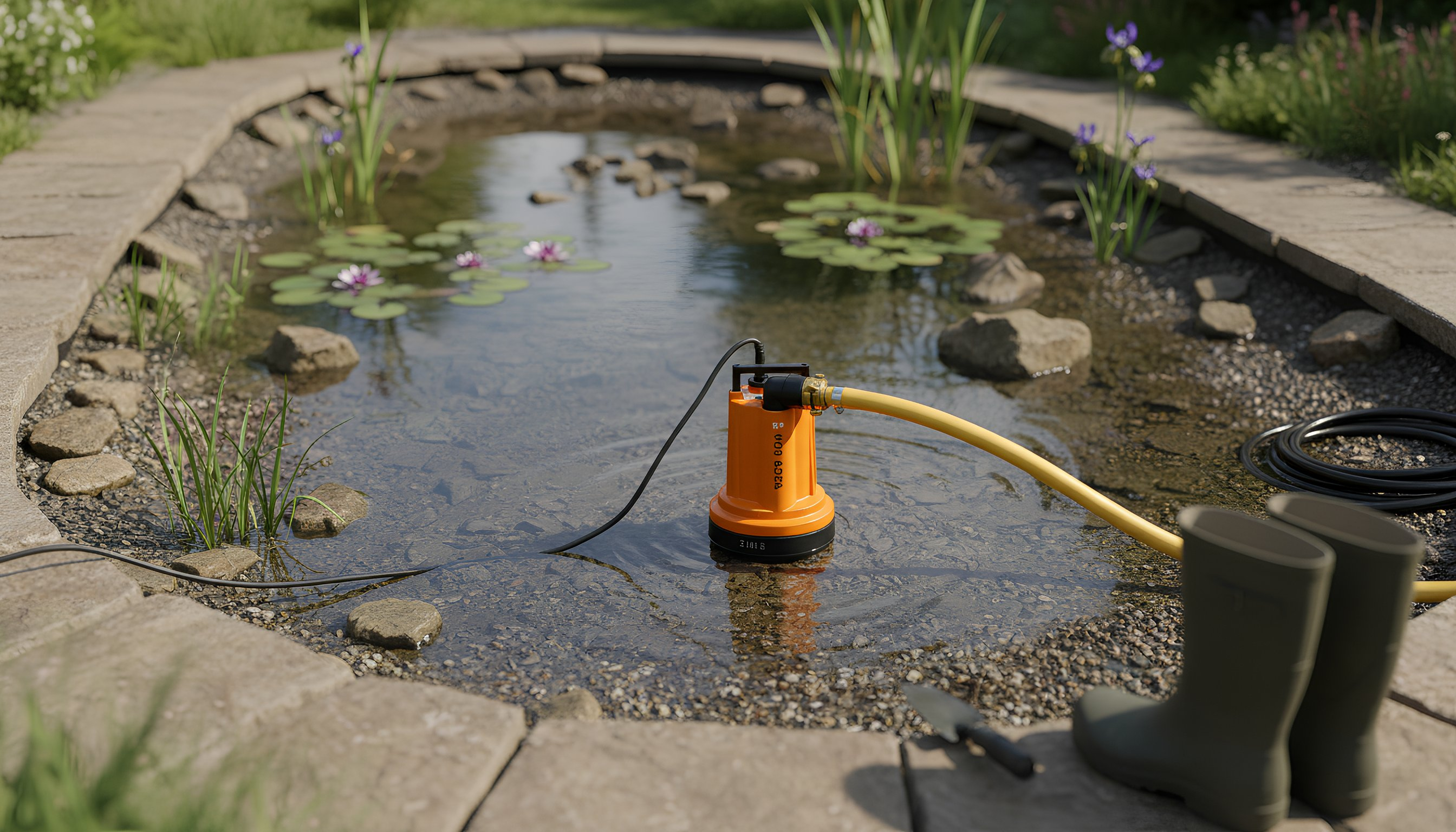
Are you facing a flooded basement or a full manhole and wondering which pump will handle the job? Calculating the correct submersible pump capacity is essential for effectively combating water damage and preventing motor overload.
The Basics: What is the Capacity of a Submersible Pump?
When we talk about the capacity of a submersible pump , we're referring to its flow rate: the amount of water the pump can move per hour, usually expressed in cubic meters per hour (m³/h) or liters per minute. Although manufacturers often list a maximum capacity on the box, this is a theoretical figure under ideal conditions. In practice, factors such as the delivery head and the resistance of the discharge hose play a significant role.
To make the right choice, we recommend first looking at the "Which submersible pump do I need?" Selection guide and Applications for a comprehensive overview of the options.
Step 1: Determine the delivery head
The head is the vertical difference between the pump's location and the highest point the water needs to reach. The higher the water needs to be pumped, the lower the submersible pump's final capacity will be. A pump that displaces 5,000 liters per hour at ground level might only manage 1,000 liters at a height of 5 meters.
Step 2: Pressure loss and hose diameter
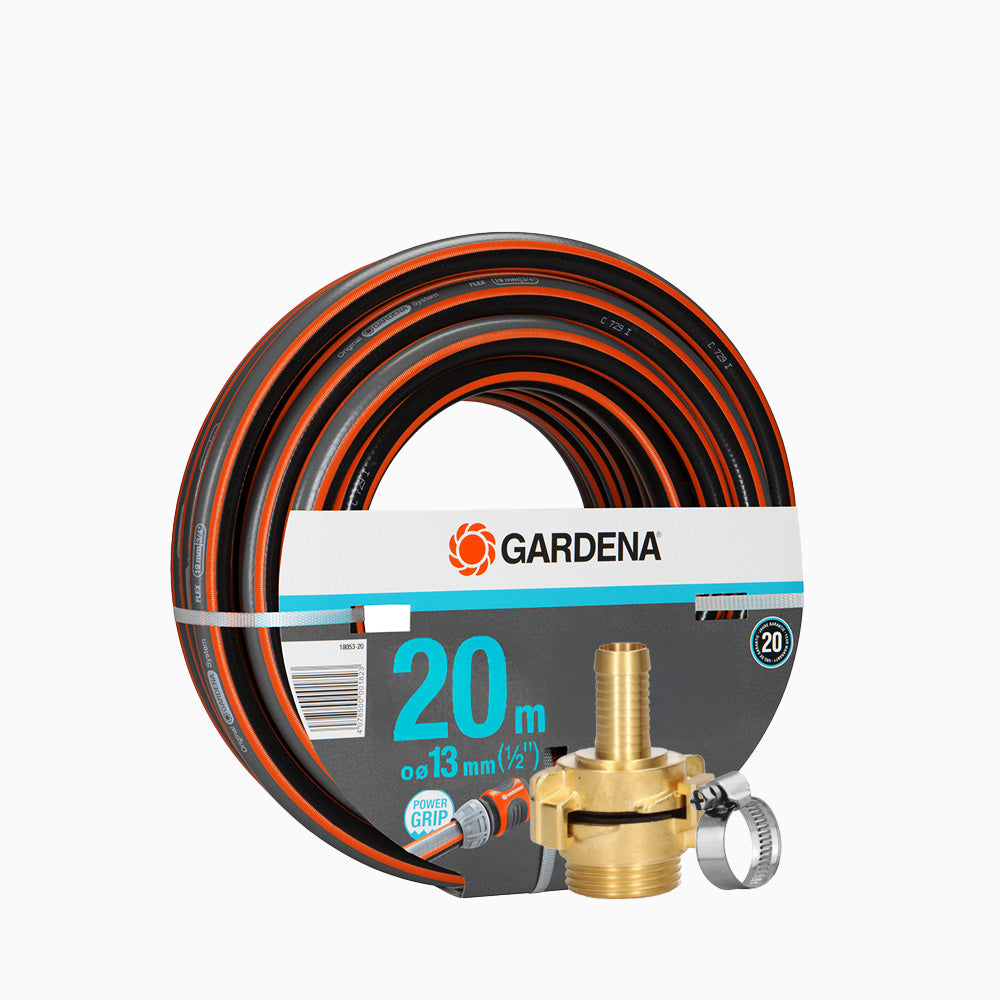
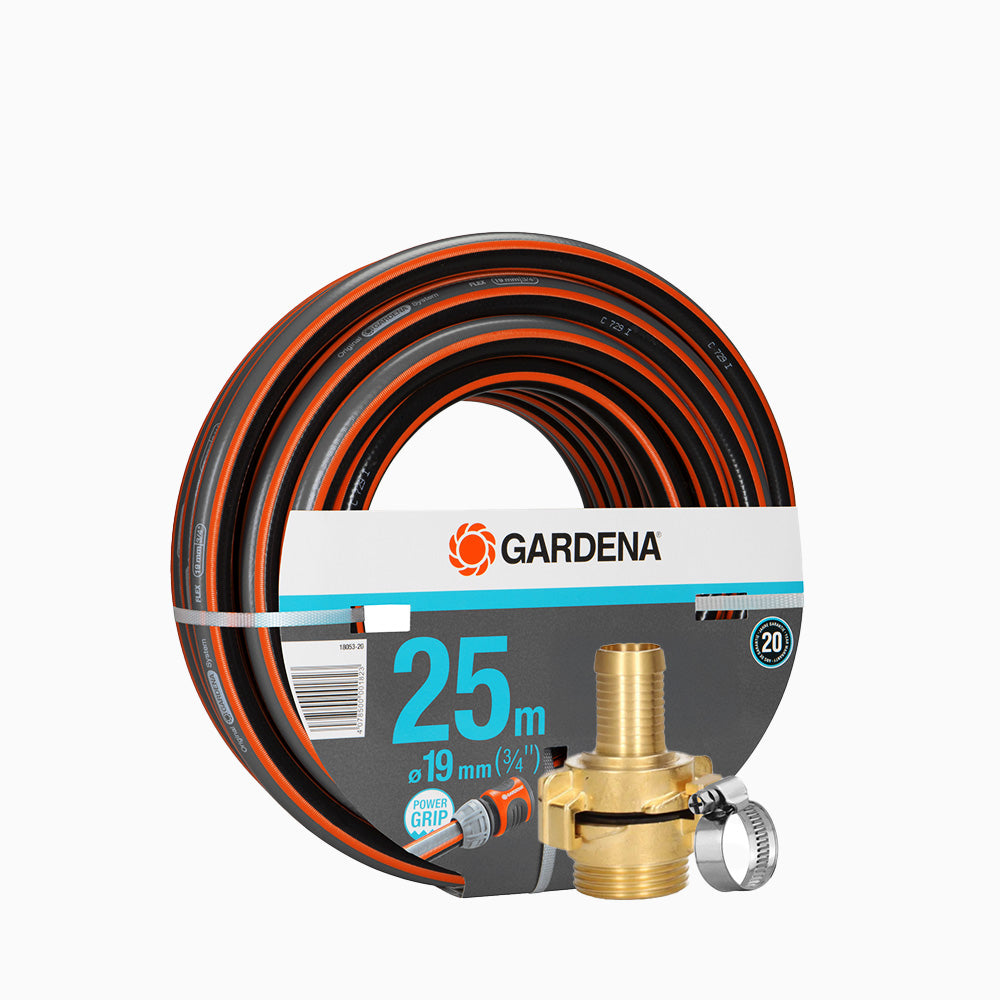
Besides the vertical height, the submersible pump must also overcome the resistance in the discharge hose. This is called pressure loss. The longer the hose and the thinner its diameter, the more resistance the pump encounters. For optimal flow, it's wise to choose a hose that matches the pump's outlet.

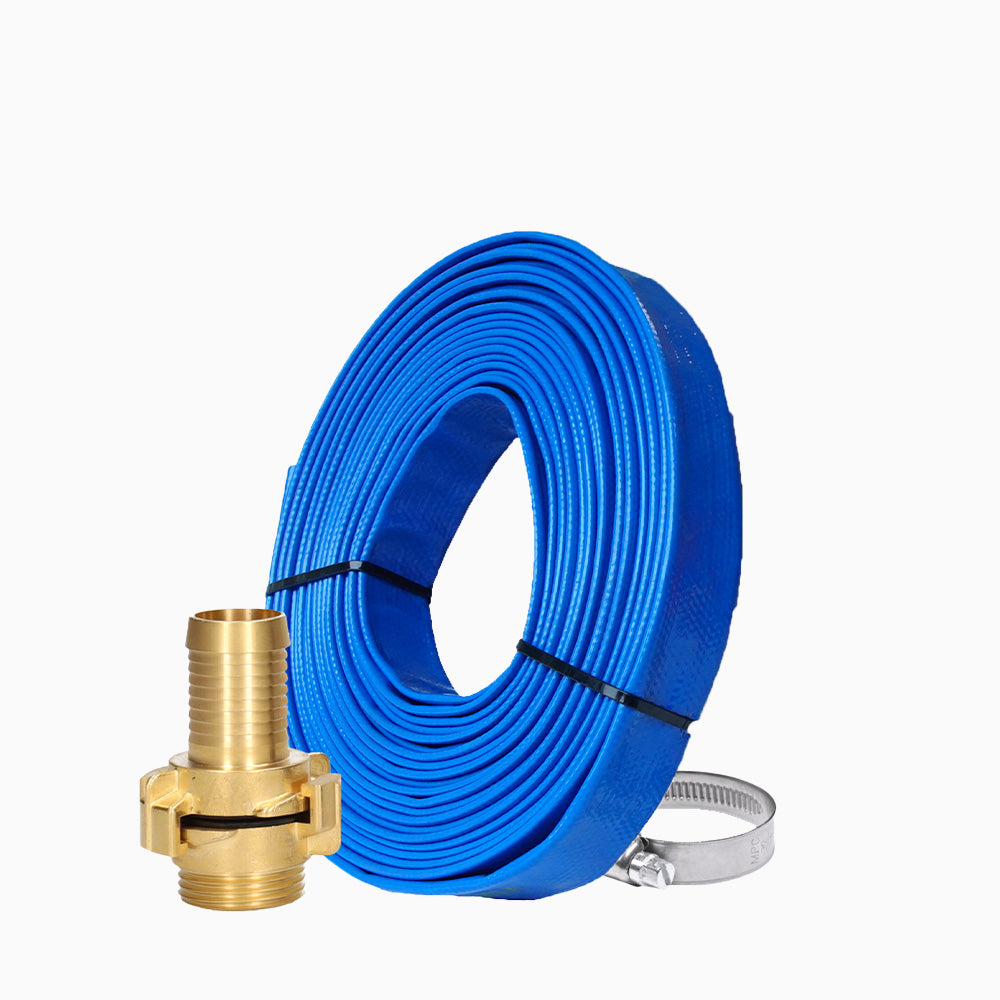
Water hose set 12.5m 32mm
Connecting a thin garden hose to a powerful pump literally cripples its capacity. You can read more about this in our Step-by-Step Guide: Connecting a Submersible Pump to a Drain Hose .
Step 3: The calculation for your situation
To determine the required m³/hour, you can use the following rule of thumb:
- Small cellars or roofs: A capacity of 5,000 to 7,000 litres per hour (5-7 m³/h) is usually sufficient.
- Large pools or ponds: Choose a minimum of 10,000 liters per hour to complete the job in a reasonable time.
- Emergencies (flooding): The higher the capacity, the faster the damage is limited.

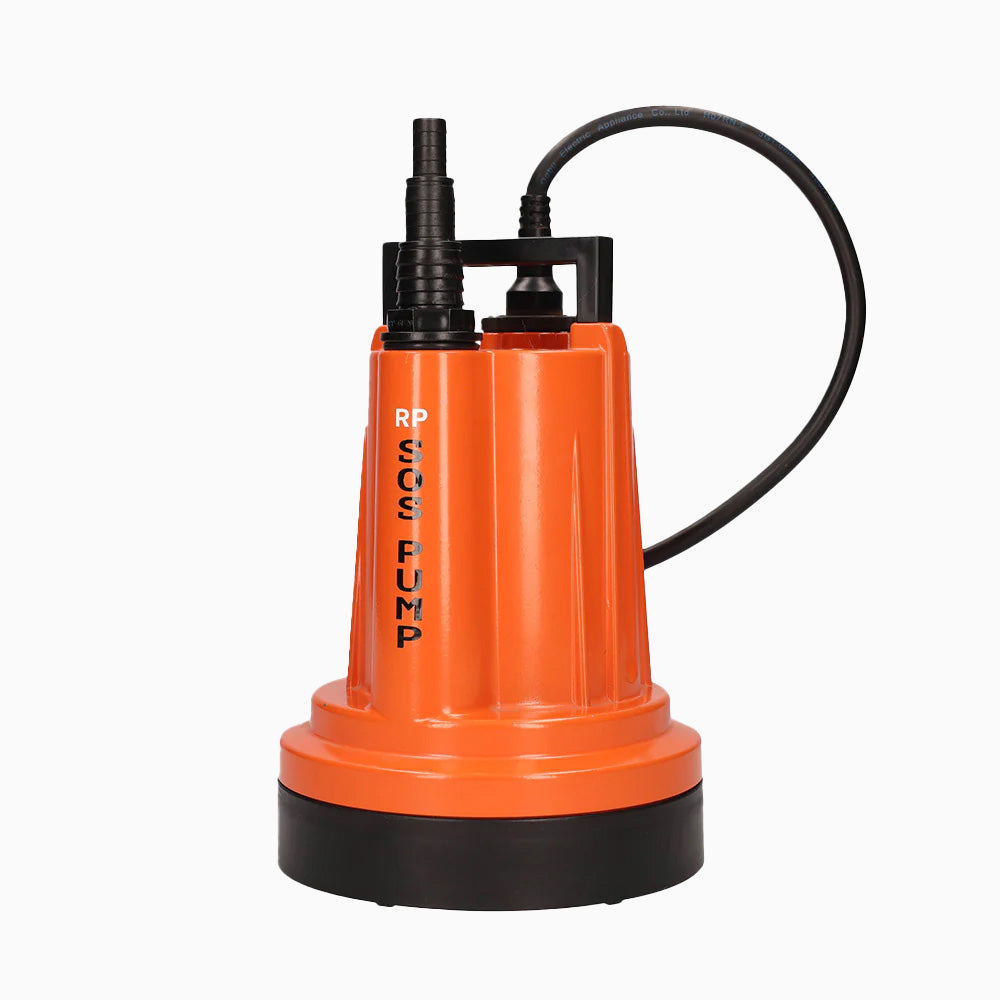
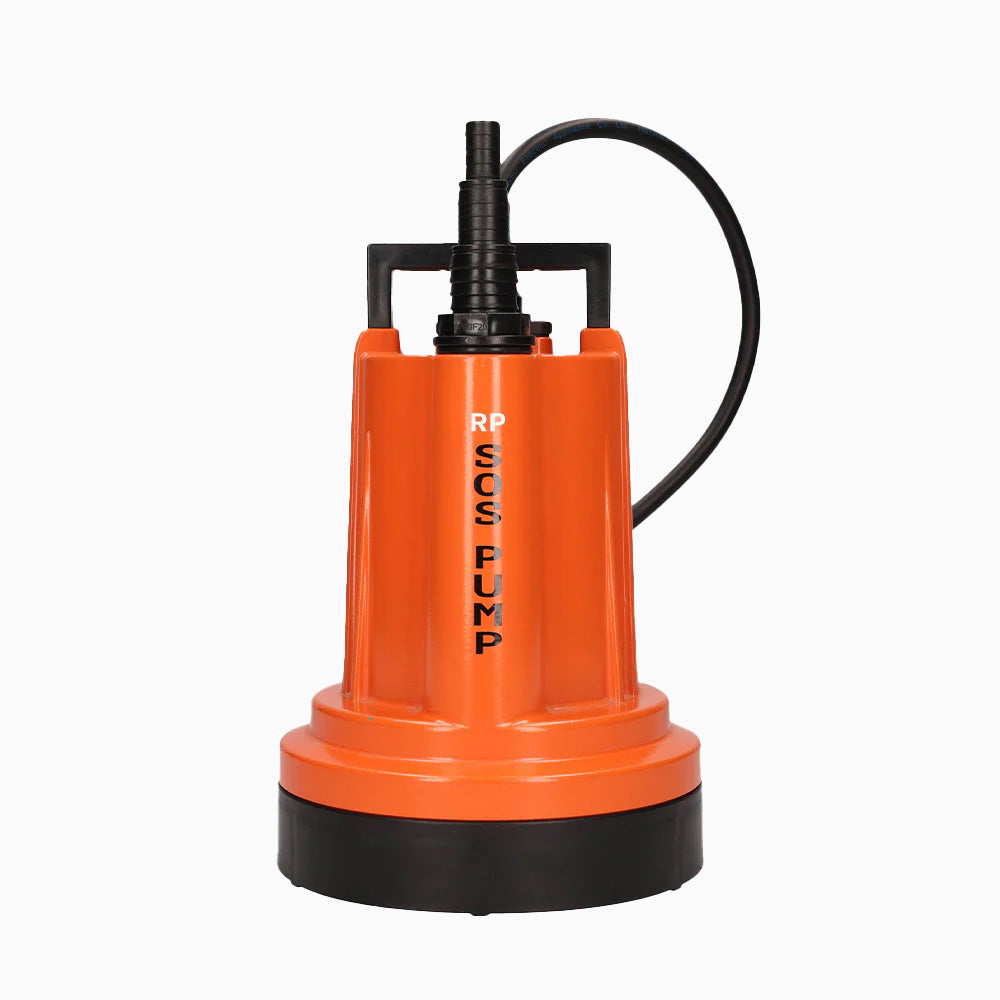
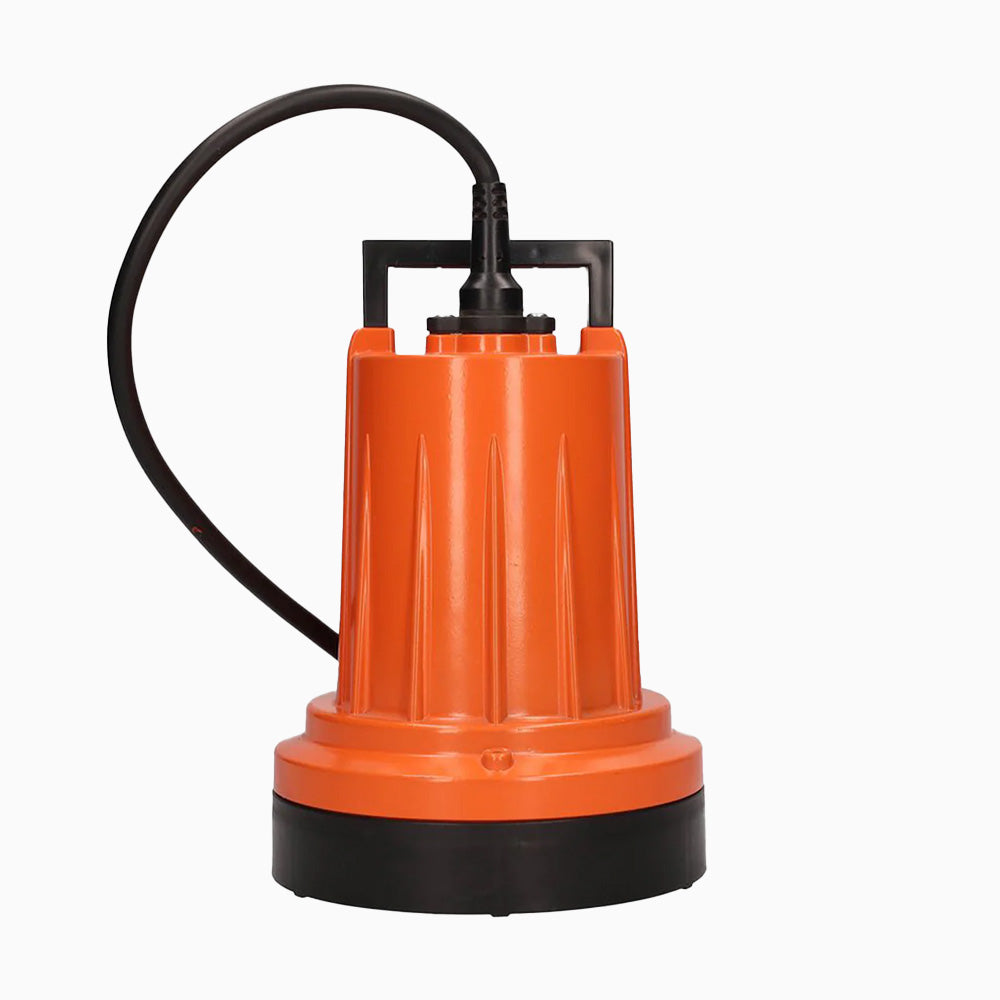
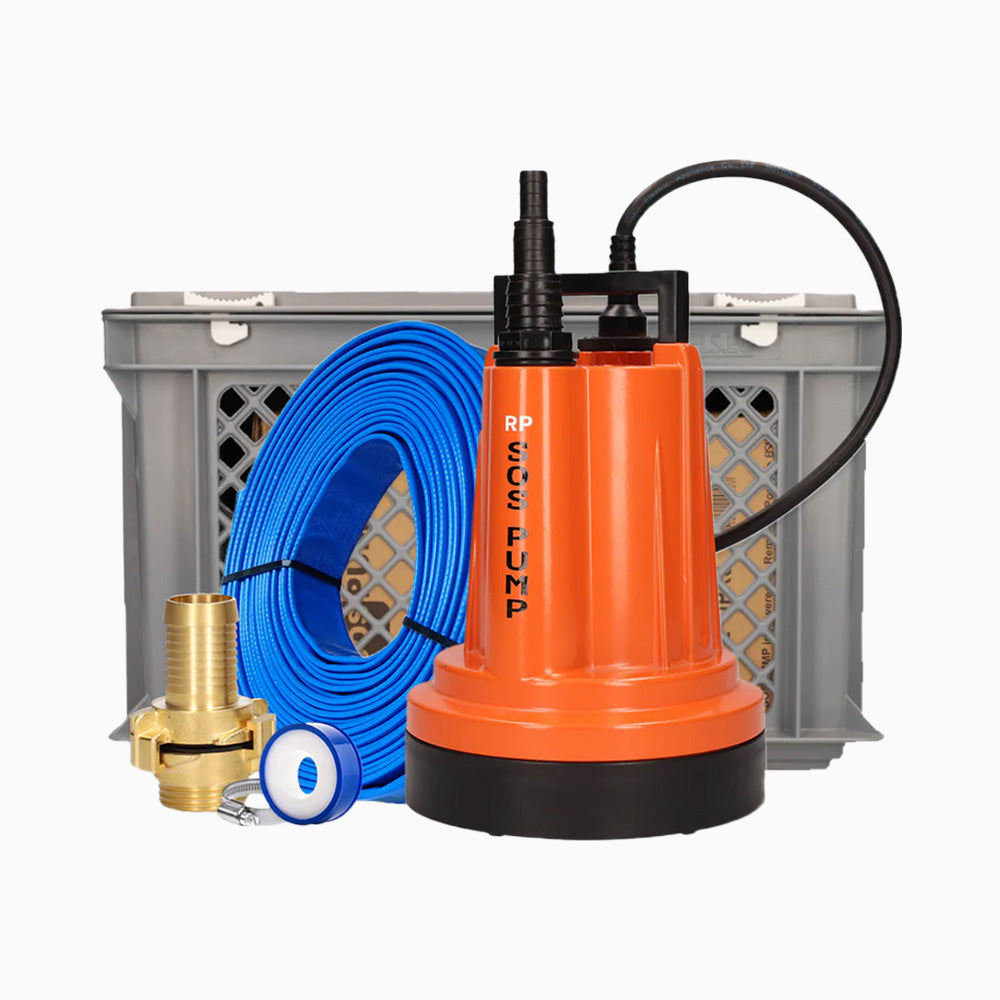
Flat suction submersible pump
Remember that a pump that's too light will have to run continuously at full capacity, which will shorten its lifespan. For maintenance tips, see "Submersible Pump Maintenance: How to Prevent Limescale and Clogs ."
Frequently asked questions about pump capacity
What happens if I buy a submersible pump that is too powerful?
An overpowered pump is rarely a problem, as long as the drain can handle the water flow. The water simply drains faster. However, be careful not to switch the pump on and off too often in quick succession.
Does the length of the drain hose affect the m3/hour?
Yes, every meter of horizontal hose creates additional friction. For hoses 20 meters or longer, it's recommended to choose a larger diameter to minimize capacity loss.
How do I know if my pump can handle the head?
Check the pump curve in the manual. This shows exactly how many liters the pump can deliver at a specific height. If the maximum delivery head is 7 meters, no water will come out of the hose at 7 meters.
Share:
Submersible pump not starting: Causes and solutions
Buying a Submersible Pump? The Ultimate Guide for 2026