

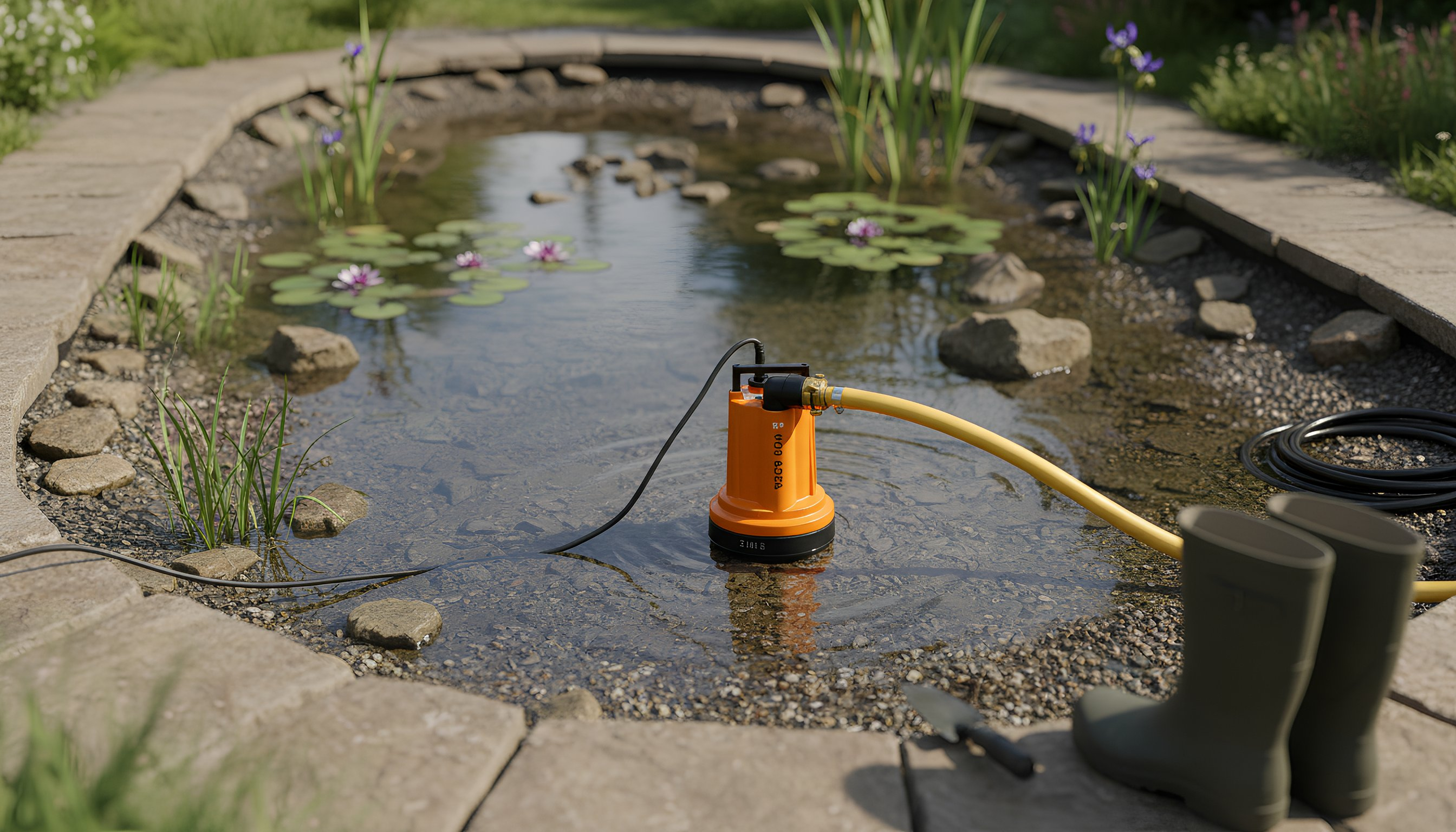
A submersible pump is an indispensable tool for flooding or emptying reservoirs, but its lifespan depends heavily on proper installation and regular maintenance. This article will help you keep your pump in top condition and easily prevent common malfunctions.
The basis of a successful submersible pump installation
Installing a submersible pump seems simple at first glance: you place the pump in the water and plug it in. However, there's more to it if you want the machine to last for years. Proper preparation starts with the foundation. Ideally, place a submersible pump on a flat, stable surface. If you place the pump in a well or on soft ground, you run the risk of it sucking in mud or sand, which can damage the impeller.
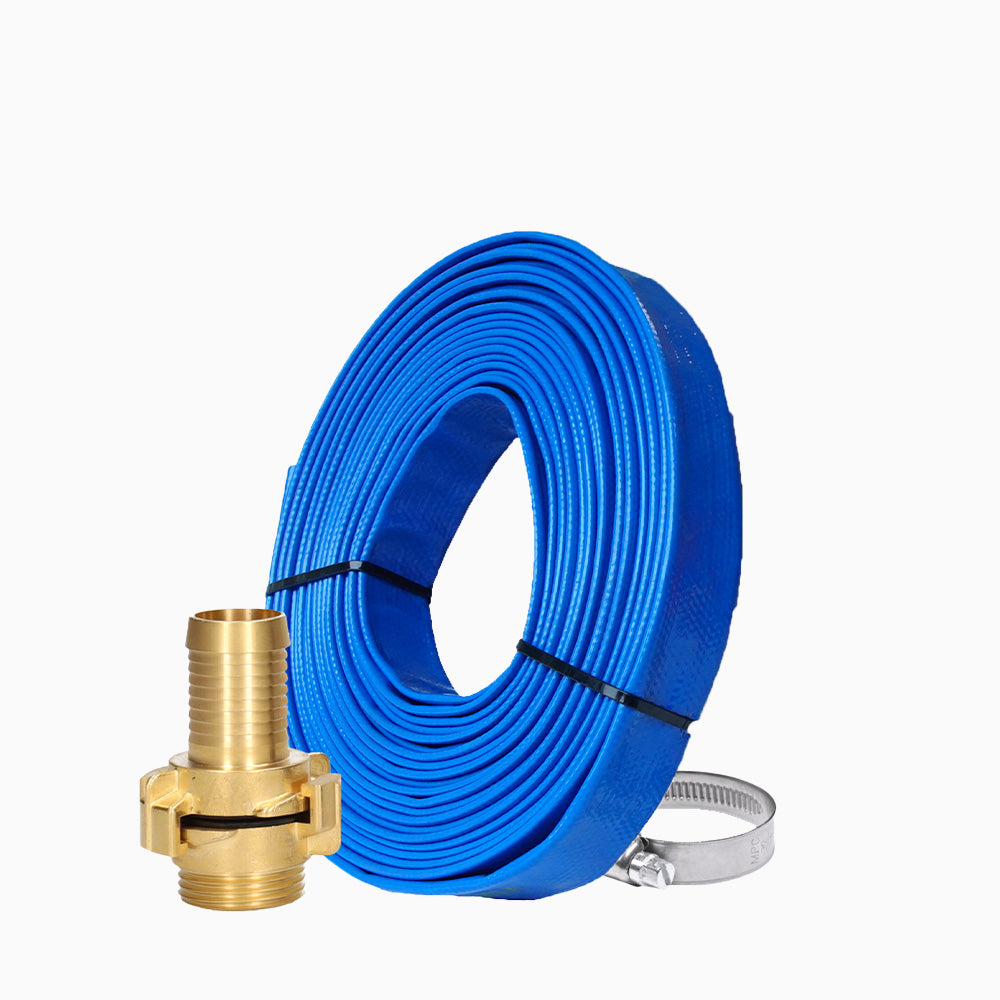
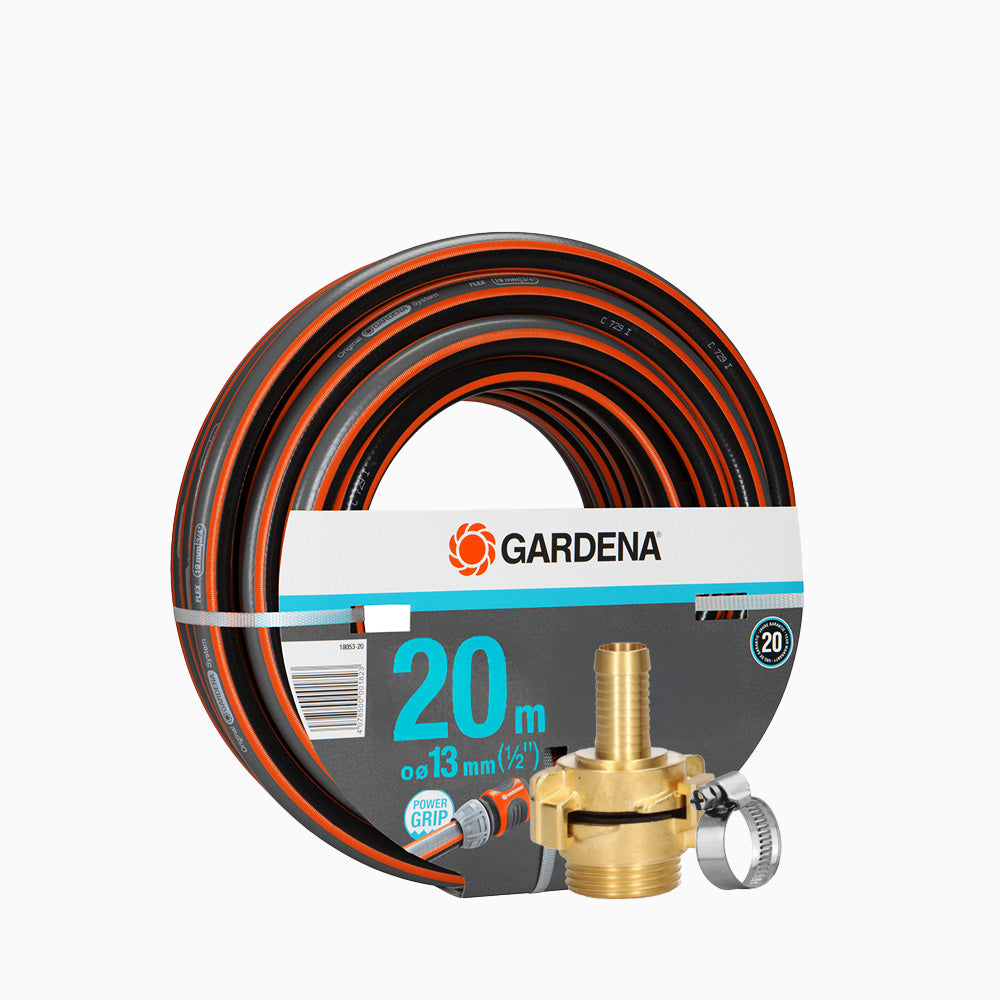
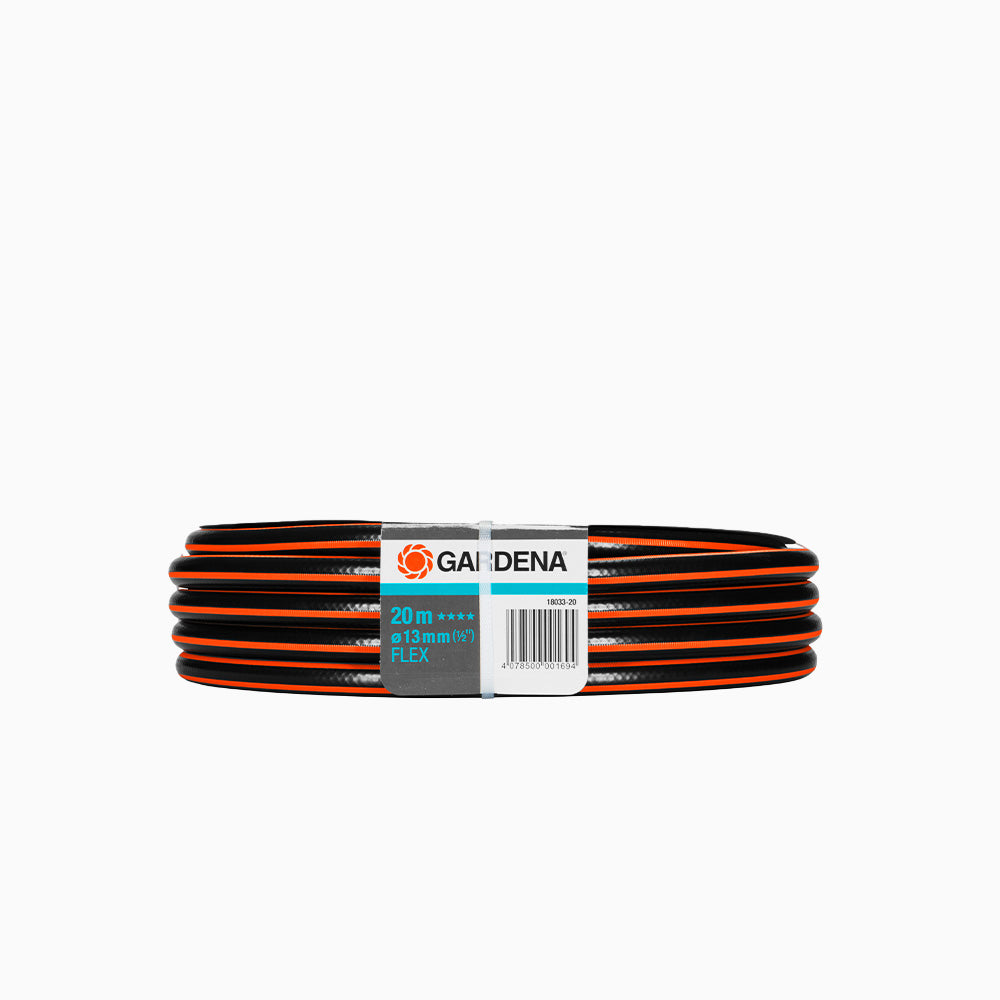
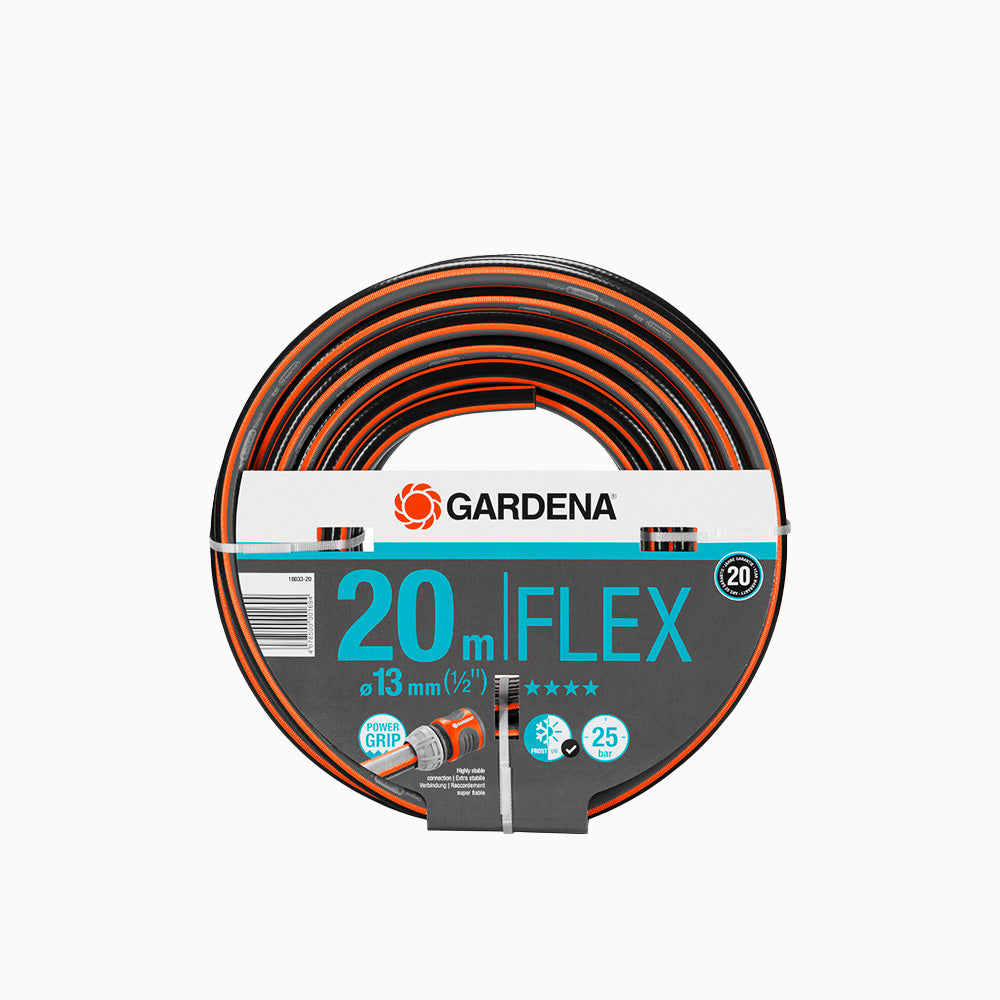
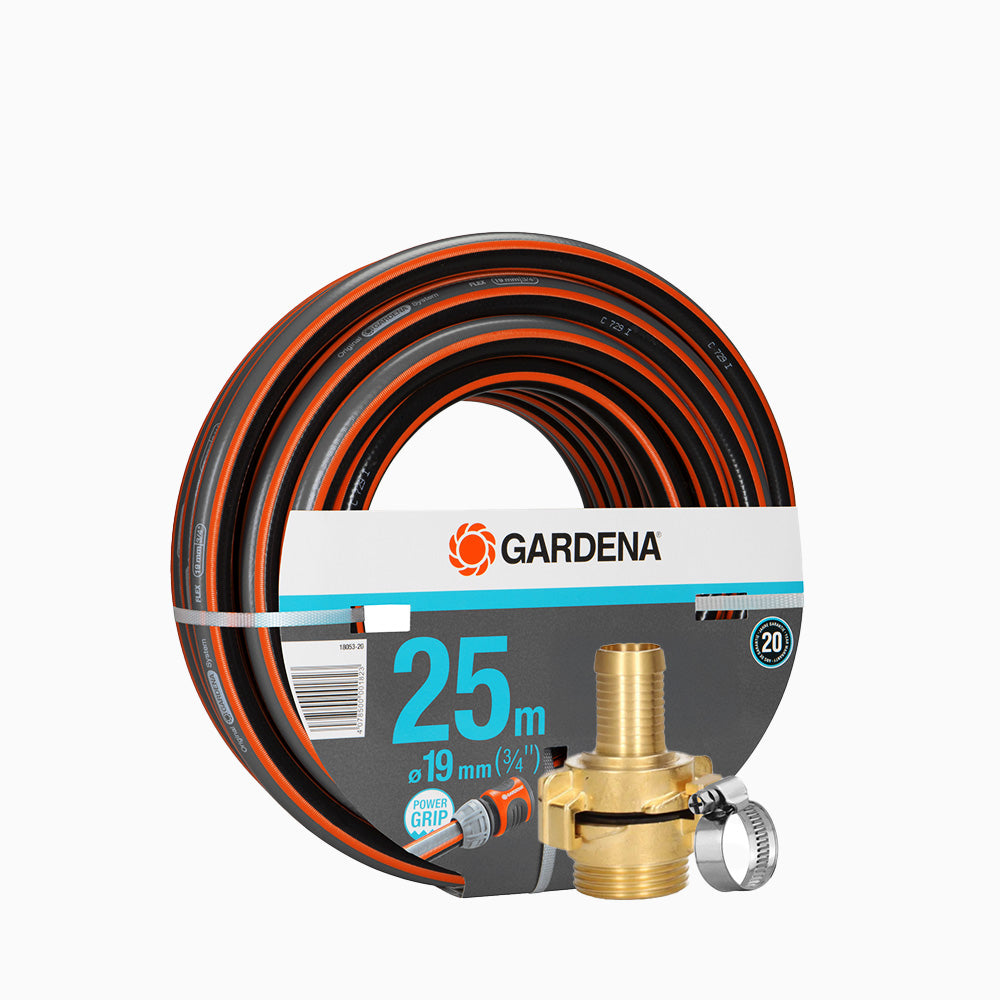
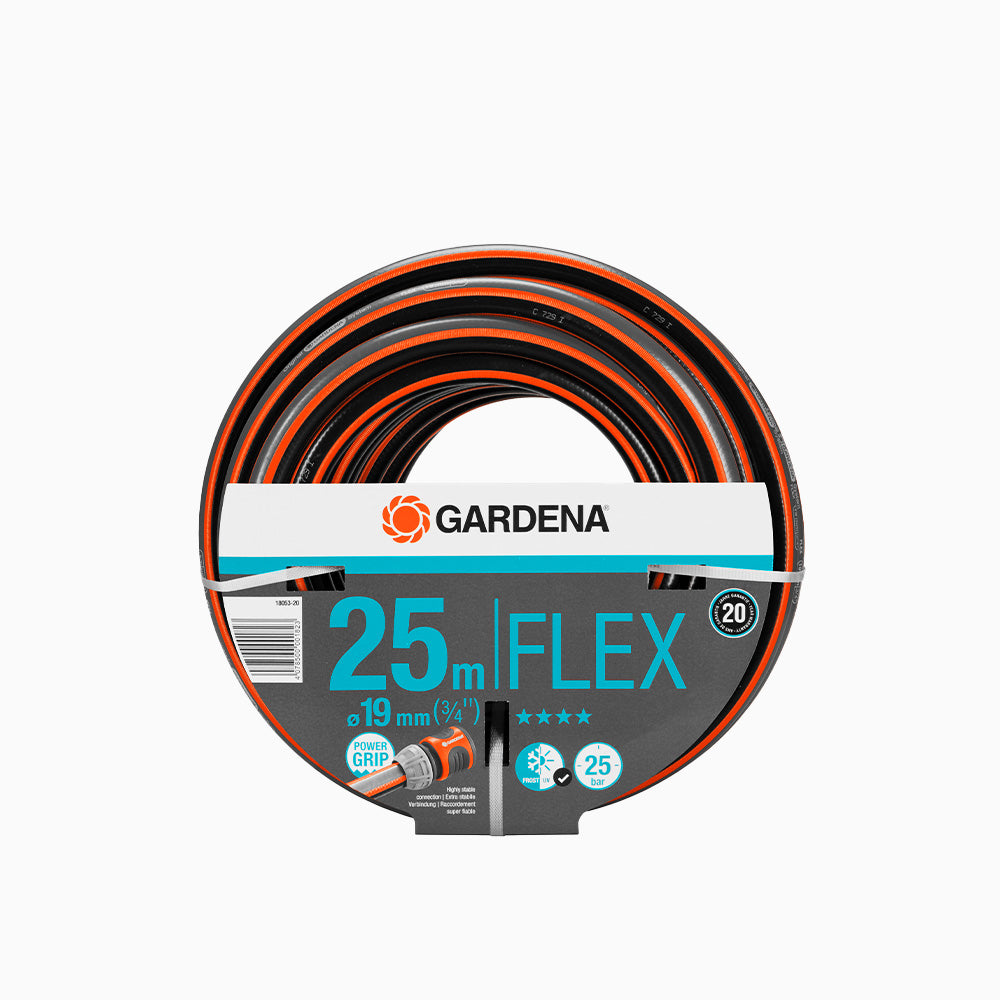
The choice of the discharge hose is also crucial. A hose that is too narrow creates extra resistance, forcing the motor to work harder and overheating more quickly. For optimal flow, we always recommend a hose with a diameter that matches the pump's outlet. You can read exactly how to do this in our Step-by-Step Guide: Connecting a Submersible Pump to a Discharge Hose .
The importance of the float switch
Most pumps are equipped with a float switch that automatically switches the pump on and off. It's essential that this float has enough room to move freely. If the float gets stuck against a wall, the pump will either run continuously (with the risk of burning out) or it won't start at all. You can read more about this in "How does a submersible pump with a float switch work?" and for specific problems, you can consult "Submersible pump not starting: Causes and solutions ."

Submersible pump with water sensor 3mm
Periodic maintenance: Prevention is better than cure
Even the best submersible pump requires maintenance, especially if it comes into contact with dirty or hard water. Limescale can block the moving parts, while accumulated dirt in the suction strainer drastically reduces capacity. We discuss this in more detail in our article "Submersible Pump Maintenance: How to Prevent Limescale and Clogs ," but the basic rules are simple: always rinse the pump with clean water after use.
Check the suction strainer and impeller
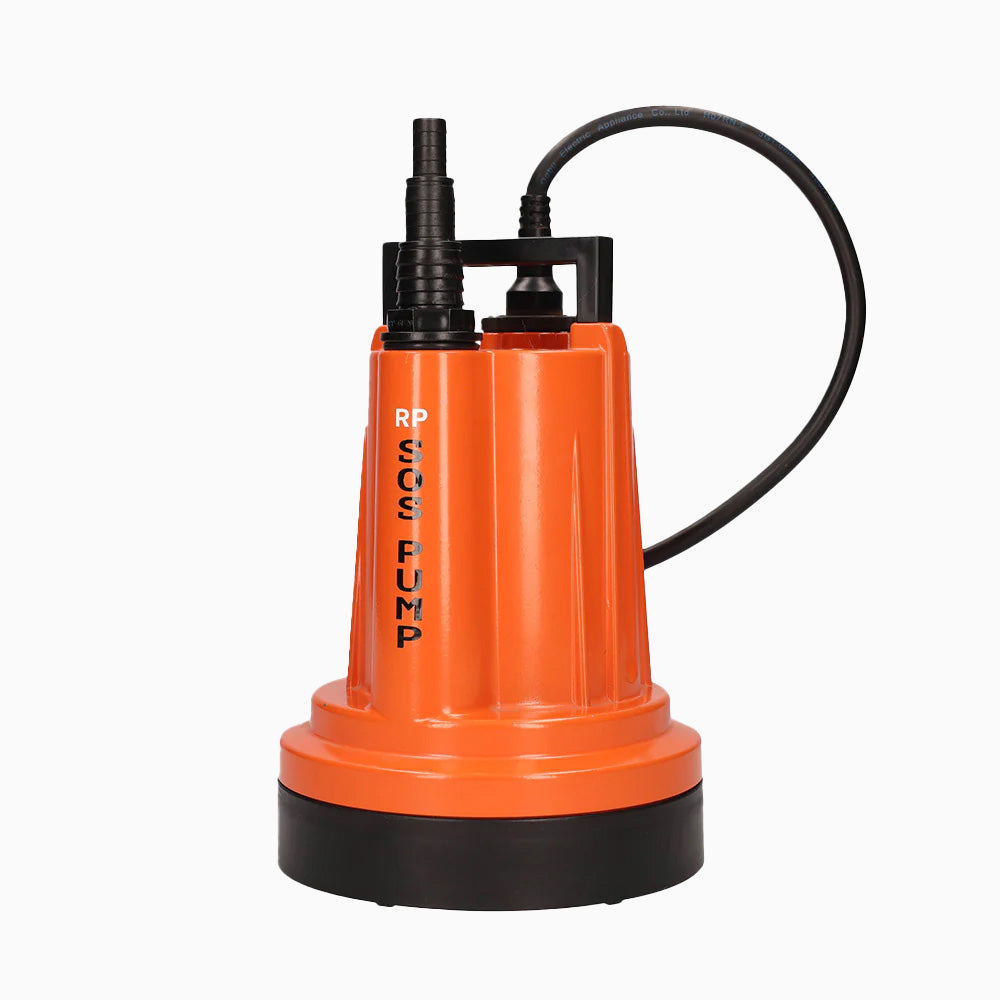
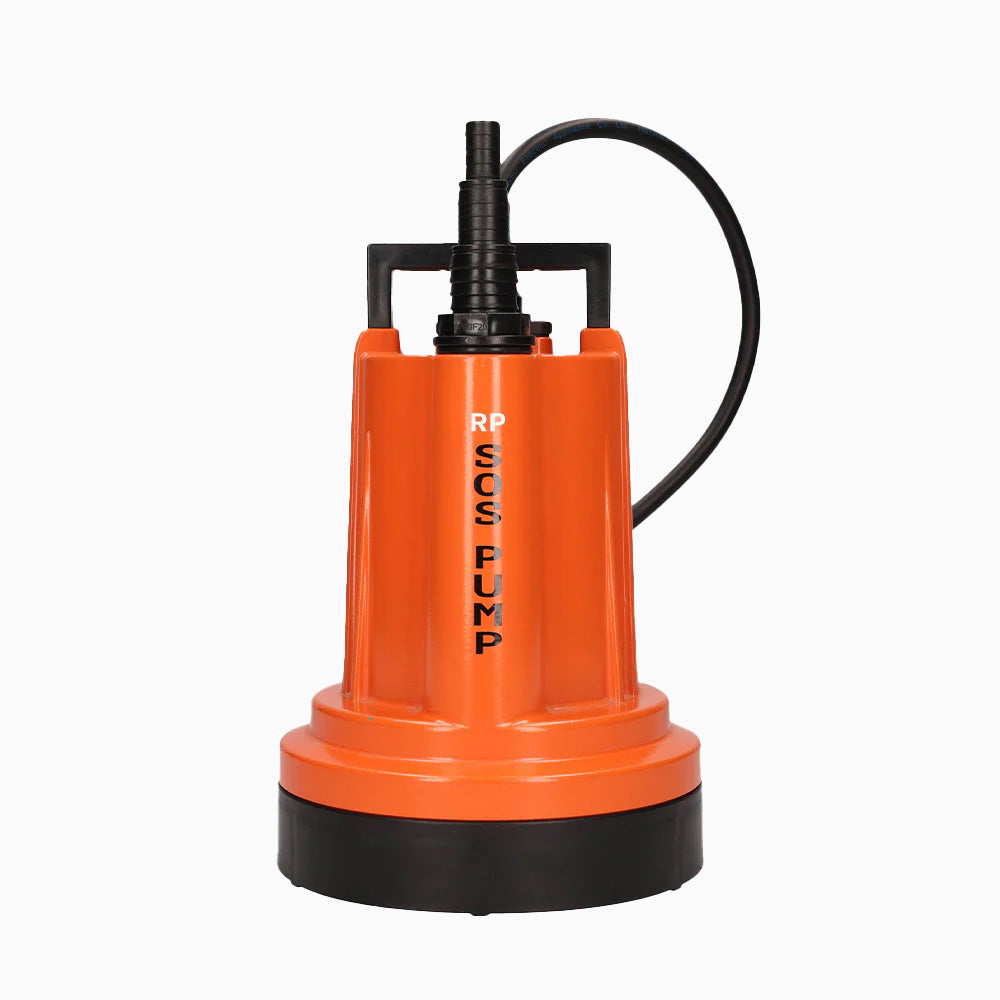
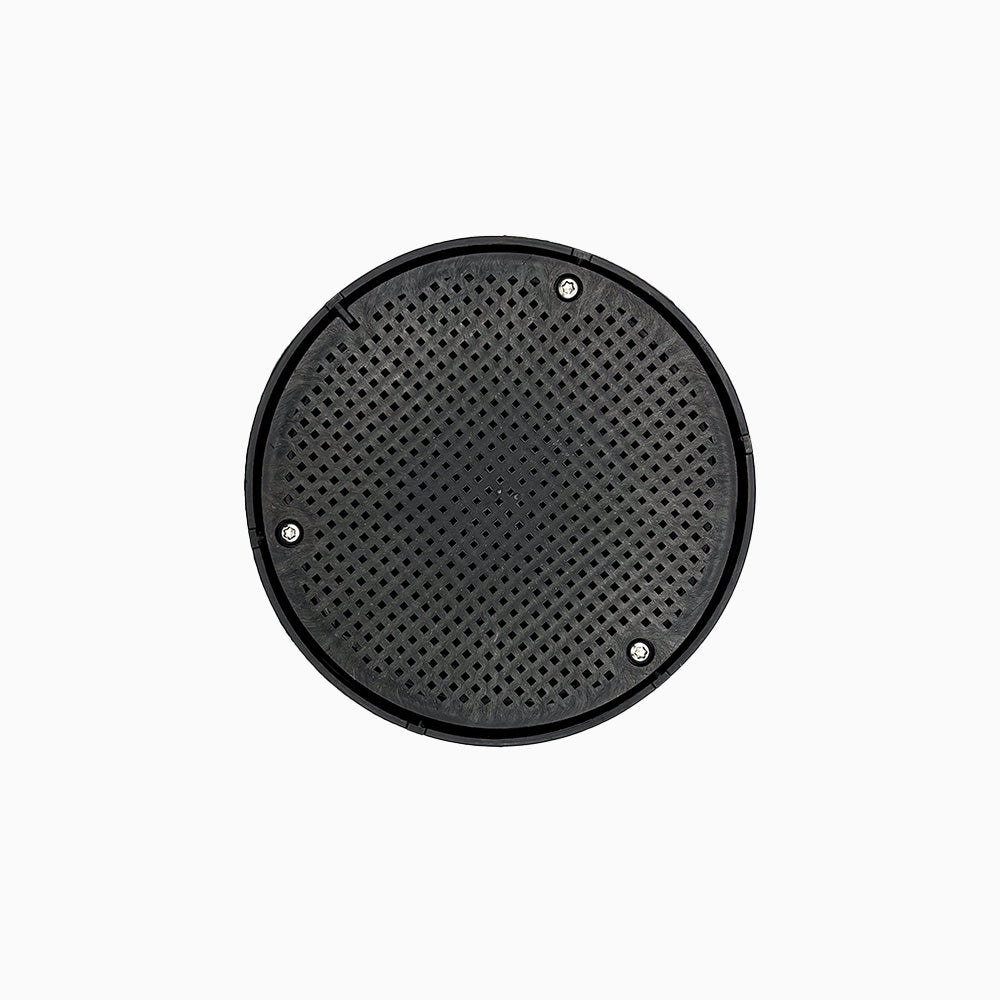
The bottom of the pump, the suction strainer, acts as a filter. Check it regularly for leaves, twigs, or fabric debris. If the strainer is damaged, larger particles can reach the impeller (the rotating part inside) and block the motor. If the bottom is worn, it's often possible to replace it separately instead of purchasing a completely new pump.
Safety and electrical connection
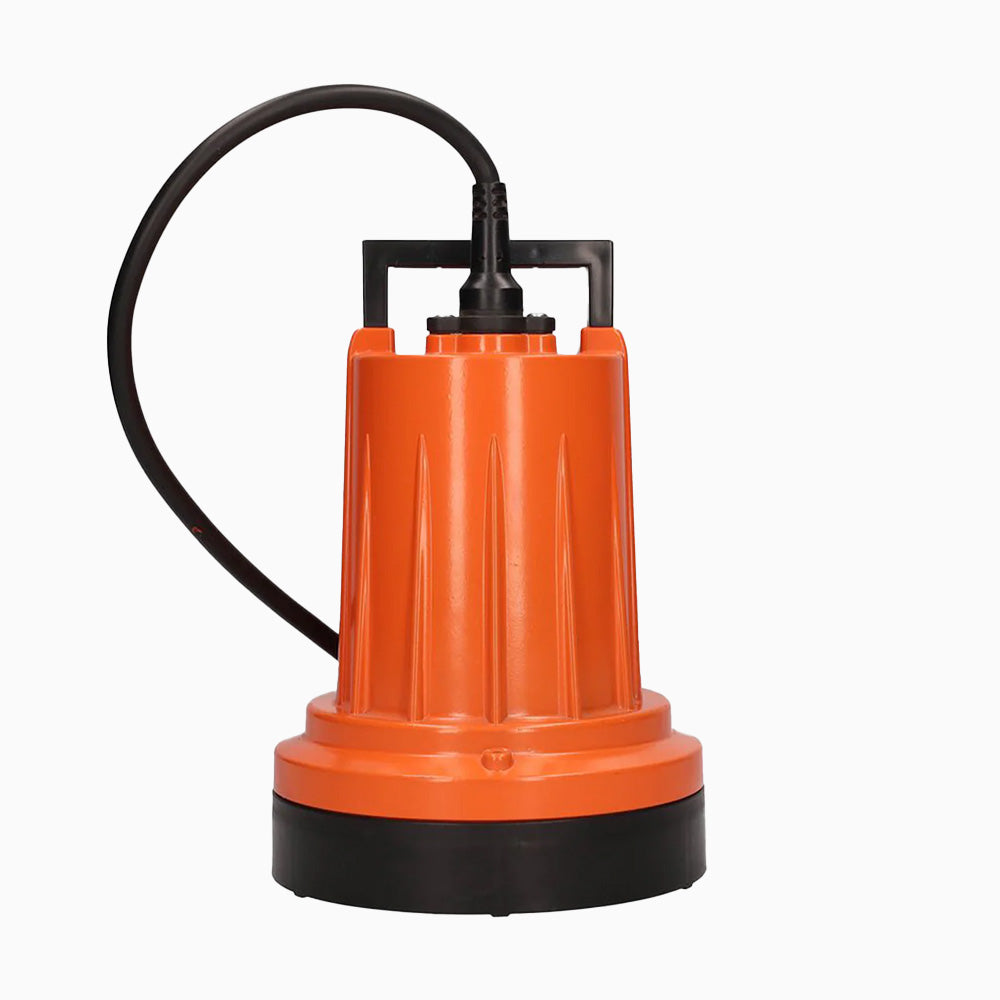
Because a submersible pump is fully submerged in water, electrical safety is the number one priority. Check the power cord for cracks or kinks before each use. A damaged cord in water is extremely dangerous. For detailed instructions, consult our Safety Tips for Using an Electric Water Pump .
If you notice the pump is no longer functioning properly, first consult Troubleshooting and Safety with Your Submersible Pump before attempting any repairs yourself. Sometimes, simply cleaning the sensors is enough to revive the pump.

Non-return valve 25mm
When is it time for a new pump?
Despite proper maintenance, every pump has a natural lifespan. If the motor makes a humming noise but no longer runs, or if the housing shows signs of corrosion that compromises its watertightness, replacement is often the safest option. For help with your next purchase, see Buying a Submersible Pump? The Ultimate Guide for 2026 or, specifically for basements, see The Best Submersible Pumps for a Flooded Basement .
Frequently asked questions about maintenance and installation
How often should I clean my submersible pump?
If the pump is permanently installed in a well, we recommend checking and cleaning it at least twice a year. For occasional use, it's wise to rinse the pump with clean water after each job.
Can a submersible pump run dry?
No, most submersible pumps are cooled by the water they pump. Dry running can lead to overheating and irreparable damage to the motor seals.
What should I do if the pump has limescale deposits?
You can gently clean the pump with a mild descaling solution or vinegar. Be sure to rinse the pump thoroughly with clean water afterward before storing or reinstalling it.
Share:
Submersible pump not starting: Causes and solutions
Buying a Submersible Pump? The Ultimate Guide for 2026