

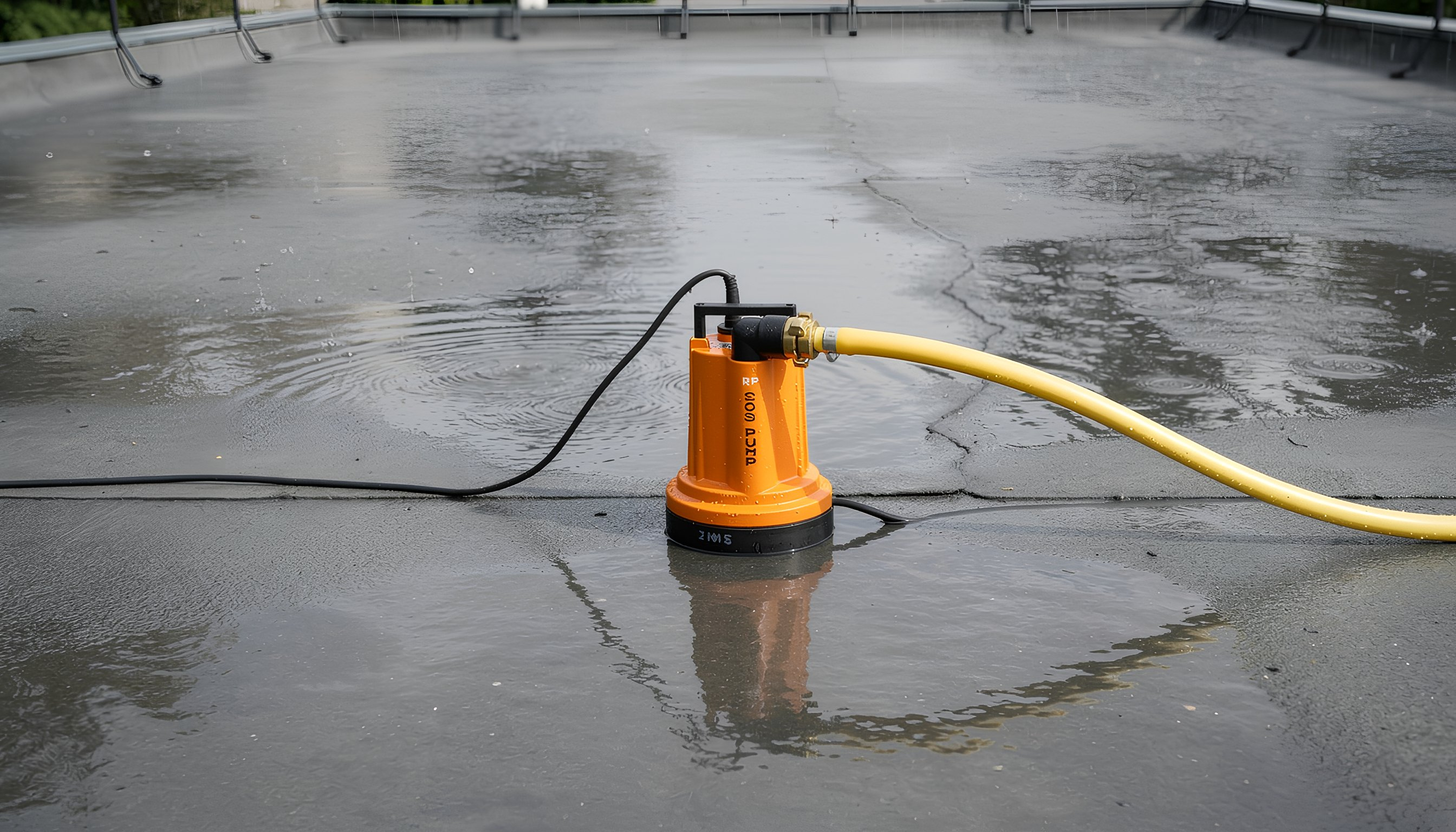
Is there a large puddle of water left on your flat roof after a heavy rain shower, and are you worried about the structure? In this article, we discuss the most effective technical solutions and drainage systems to permanently resolve flooding.
The need for good drainage
In practice, a flat roof is rarely completely horizontal. A minimum slope is always required to guide rainwater to the drainage points. When this drainage system isn't functioning optimally, stagnation occurs. This phenomenon, also known as water accumulation, can lead to serious damage to the roof covering and, in the worst case, even a risk of collapse due to the enormous weight of the water.
To prevent this, a combination of structural measures and mechanical aids is essential. In the guide "Water on a Flat Roof: The Complete Guide to Causes, Risks, and Solutions," we delve deeper into why water stagnates, but here we focus on the technical aspects of drainage.
Constructive solutions for rainwater drainage
The foundation of a dry roof lies in the rainwater drainage system (HWA). Several components work together to guide water in a controlled manner from the roof to the sewer or an infiltration system.
City outlets and pebble pits
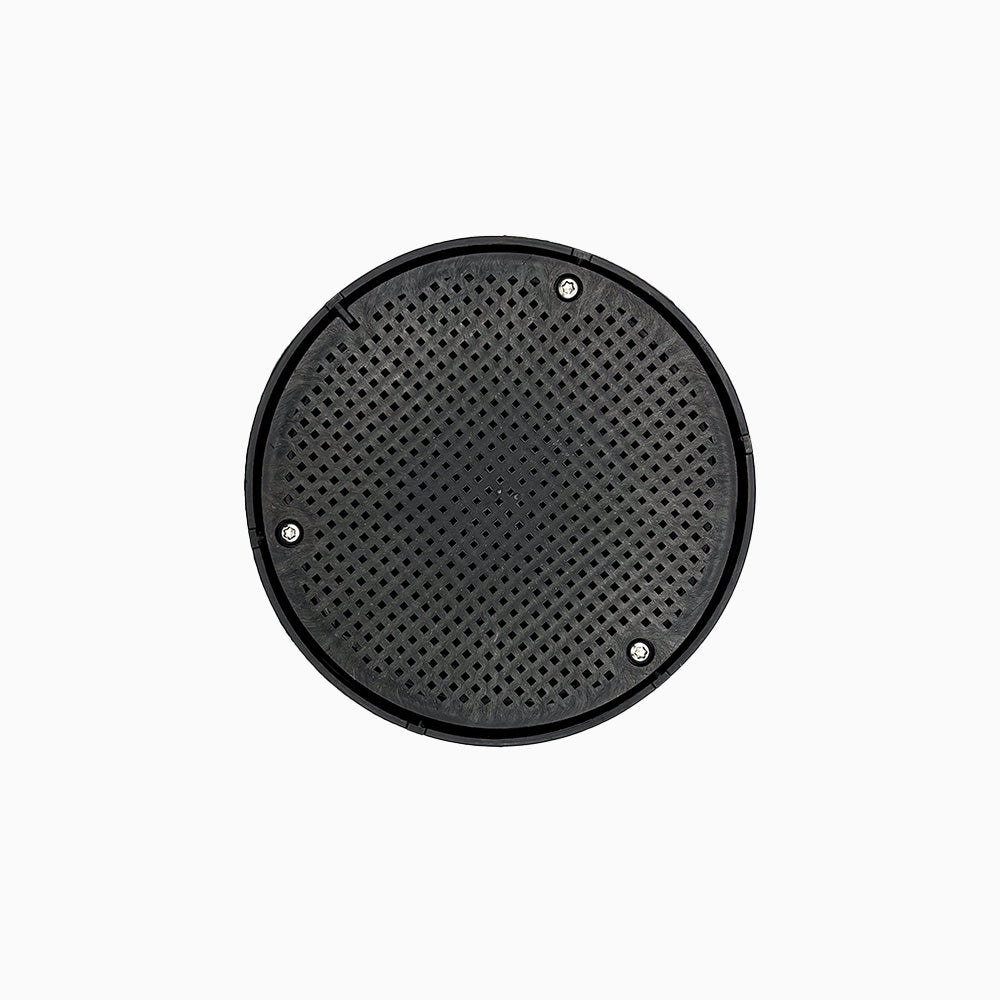
A city outlet is the connection between the roof covering and the downspout on the outside of the facade. It's a critical point where leaks often occur if the connection isn't watertight. A gravel trap prevents gravel (ballast) from entering the drain. When choosing between different systems, it's advisable to consider the best protection against blockages by choosing between a city outlet and a leaf trap .
Emergency overflows: The safety valve of your roof
When primary drains become clogged by leaves or debris, the water needs somewhere to go. Emergency overflows are openings in the roof edge, positioned slightly higher than the regular drain. They only activate when the water level reaches a dangerously high level. Read more about their crucial function in The Role of Emergency Overflows in Extreme Rainfall .
Mechanical Solutions: When Gravity Isn't Enough
Sometimes a roof's construction is such that, despite proper drainage, holes still form where water can remain. This can be caused by subsidence of the insulation or errors during construction. In such cases, a mechanical solution in the form of a submersible pump is the most effective method for drying the roof.
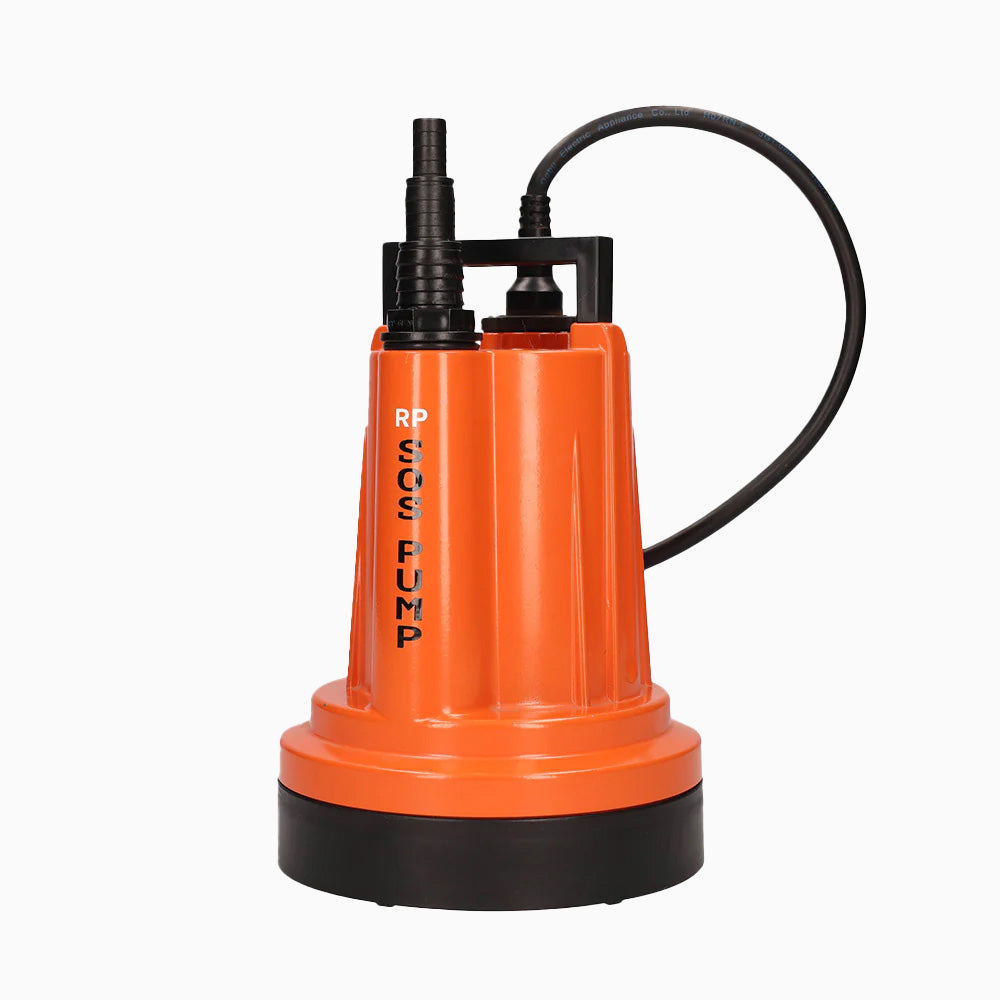
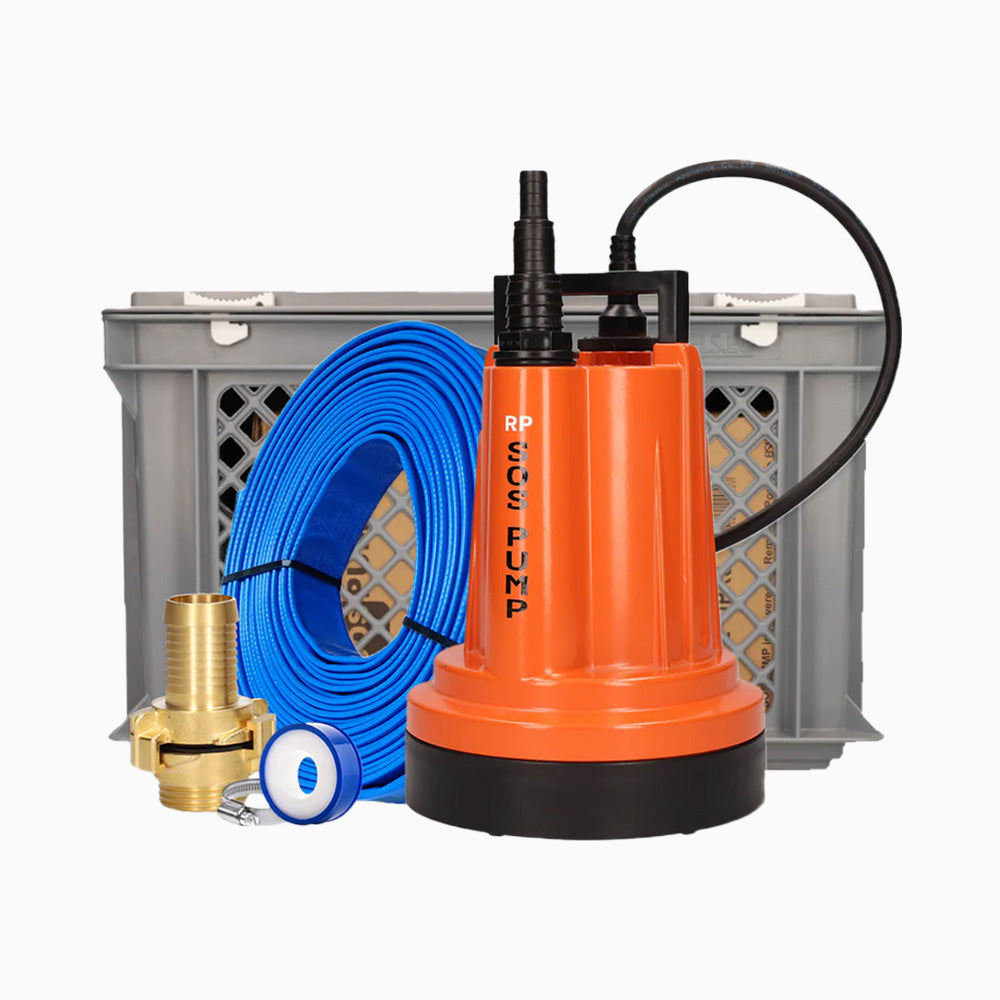
Roofs require a specific type of pump: the flat suction pump. While a standard submersible pump often leaves several centimeters of water, a flat suction pump can remove water down to a residual level of just 1 to 2 millimeters. This is essential to prevent the formation of a breeding ground for algae and moss.

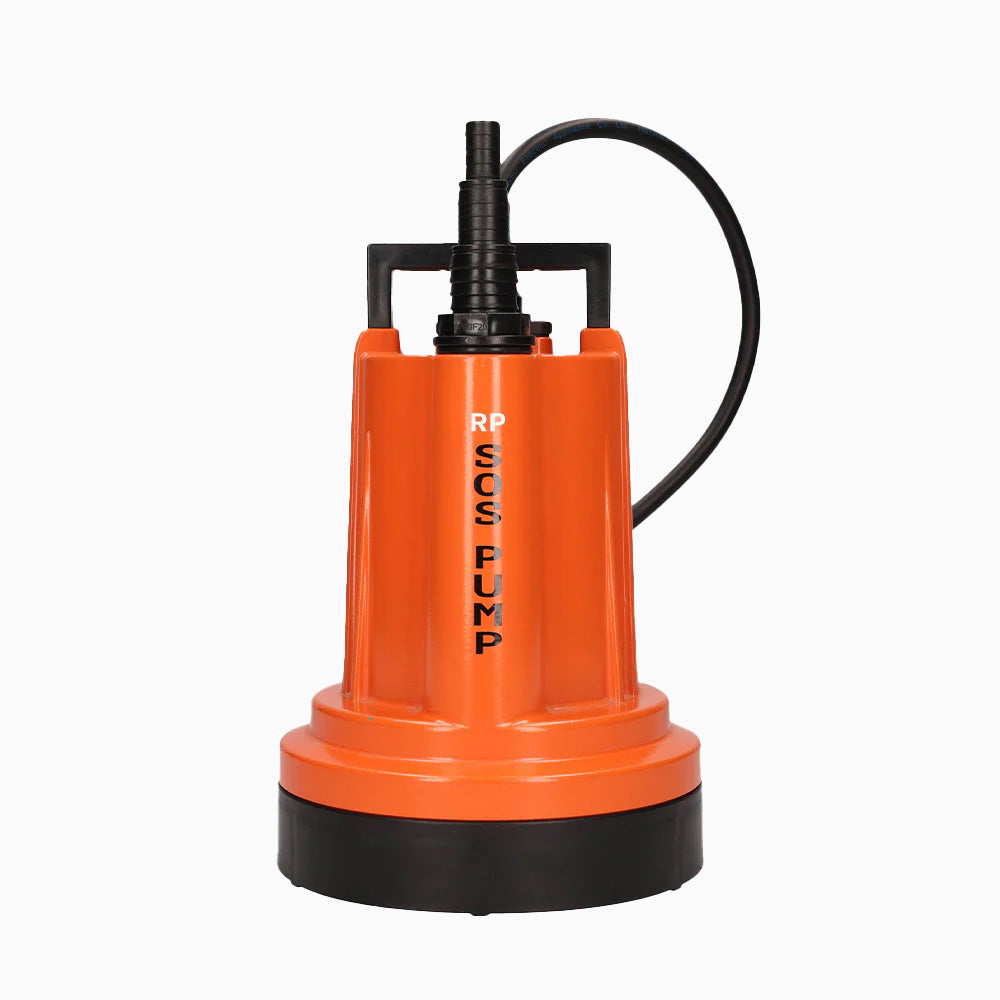
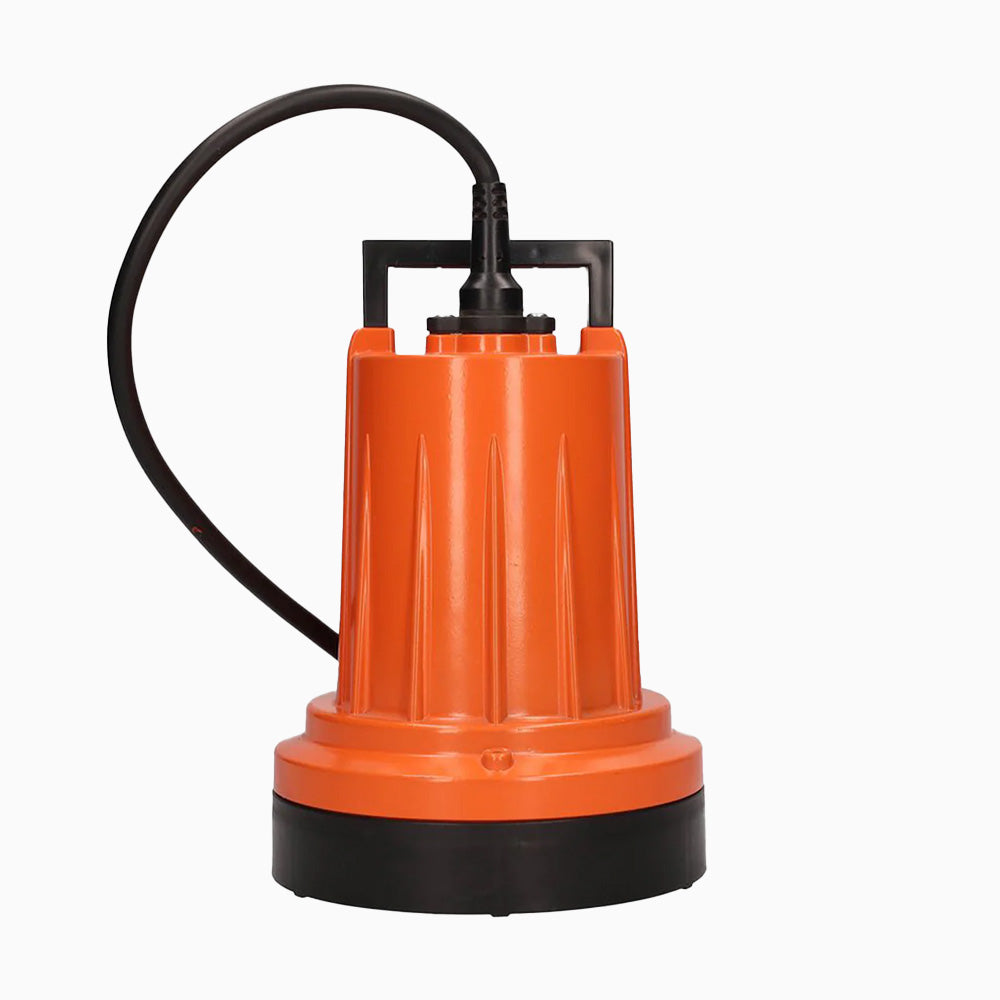
Flat suction submersible pump
Automation of water drainage
Manually activating a pump isn't always practical, especially if you're away from home during a rain shower. Modern technology makes this process fully automated. By using external sensors, a pump can start immediately as soon as a few millimeters of water are detected.
Water sensors and level switches
Traditional floats often require a lot of space to move, which isn't ideal on a flat roof. Electronic sensors or electrode switches offer a solution. These respond to contact with water and control the pump without any moving parts that can get caught in debris.

Crab Float Water Sensor 3mm
Maintenance and prevention
No technical solution is maintenance-free. An annual inspection is essential to ensure the longevity of your roof covering. This includes checking not only the pump but also the condition of the seams and drains. Use our handy "Roof Inspection Checklist for Fall" for this.
If you notice structural problems, for example, due to an incorrect slope, it's advisable to investigate whether there are construction errors. More information can be found in "Recognizing Construction Errors in a Sloped Flat Roof ." Sometimes a small adjustment to the structure, combined with a good pump, is the only way to prevent further damage.
Frequently asked questions about drainage on flat roofs
How much water can remain on a flat roof?
In principle, a small layer of water (up to 5 mm) immediately after a rain shower isn't immediately harmful, provided it evaporates or drains away within 24 hours. For more details on the limits, see How much water can remain on a flat roof?
What is the best pump for a flat roof?
The best choice is a submersible pump with a flat suction. These pumps are specially designed to extract water from the bottom, leaving the roof virtually dry.
Can I install a drainage system myself?
You can easily clean drains and install a submersible pump yourself. For structural changes to the rainwater drainage system, it's often wise to consult an expert. See also Step-by-step plan: Cleaning your gutters and drains yourself .
Share:
How much water can remain on a flat roof?
Water on a flat roof: The complete guide to causes, risks and solutions