

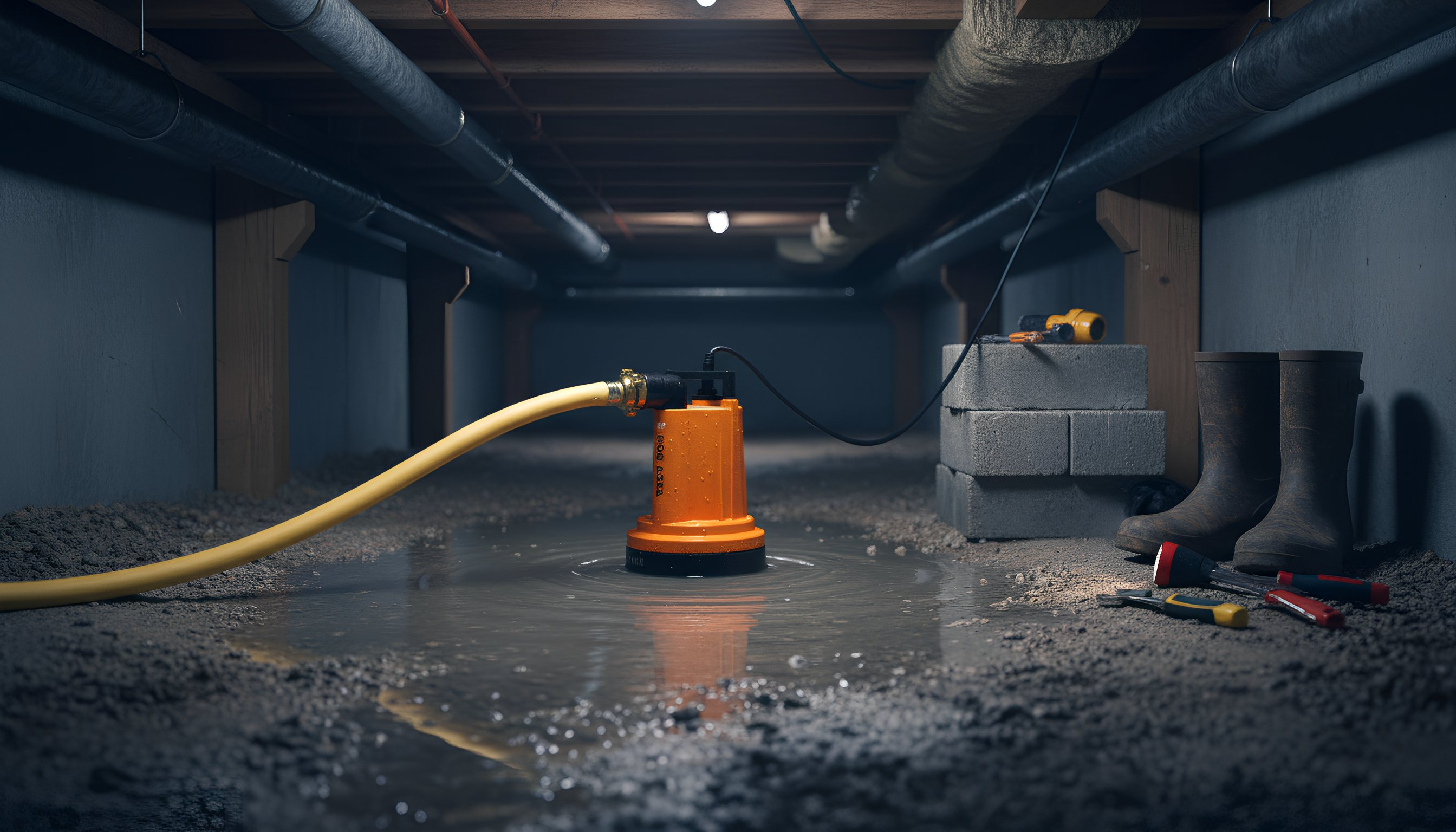
Did a heavy downpour cause an unwanted swimming pool under your home? Flooding in the crawl space after heavy rainfall is a common problem that requires quick action to prevent damage to your foundation and living environment.
Why does water damage occur in the crawl space after rain?
When a large amount of rainfall falls in a short period, the soil can't always absorb the water immediately. This leads to a rising water table. Because the crawl space is often the lowest point in the house, it acts as a natural reservoir. In the article " Causes and Consequences of a Wet Crawl Space ," we delve deeper into the risks, such as mold growth, wood rot, and a musty odor in the home.
Besides a rising groundwater level, poor drainage around the house can also be the culprit. If downspouts don't drain properly or the paving slopes towards the facade, water will seek the path of least resistance: into your crawl space.
Immediate action points for a flooded crawl space
As soon as you notice water under the floor, it's important to act systematically. Follow these steps to get the situation under control:
1. Safety first
Always check that there are no electrical connections or cables in the water before entering the crawl space. If in doubt, switch off the relevant circuits in the meter box.
2. Remove the water
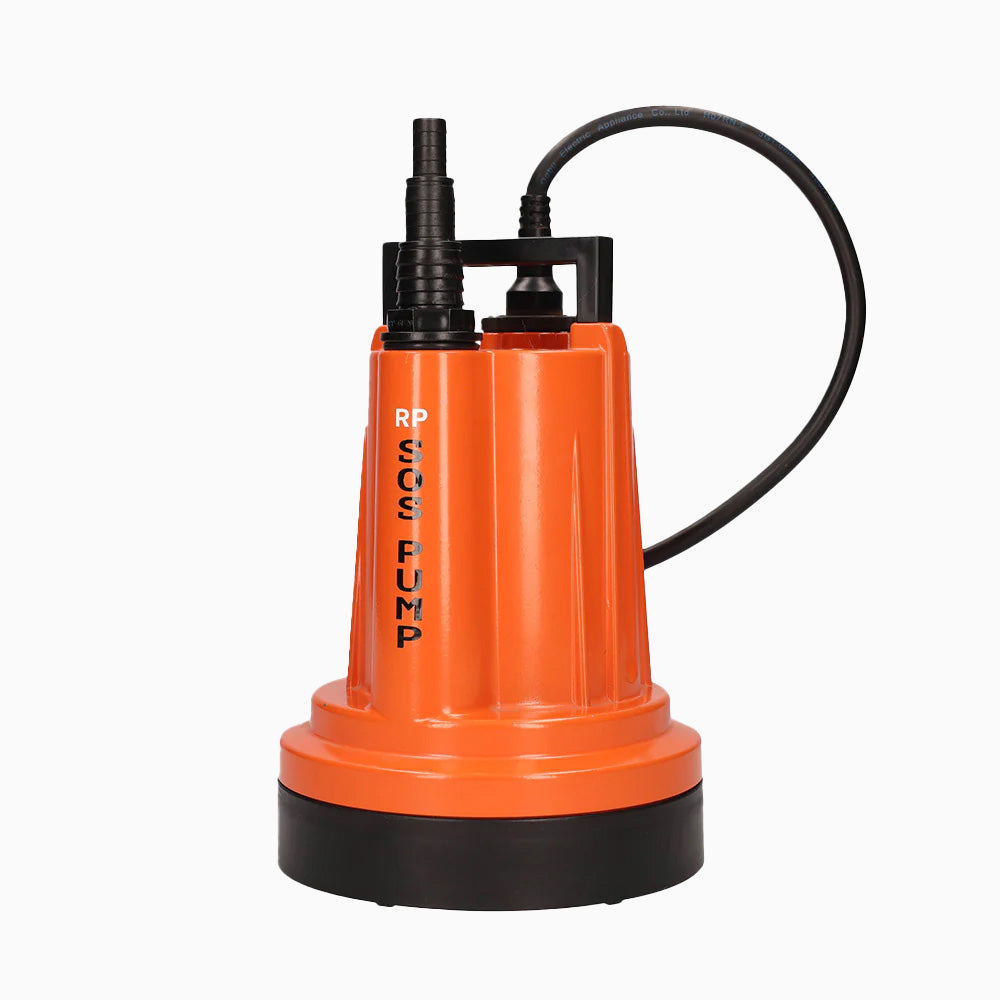
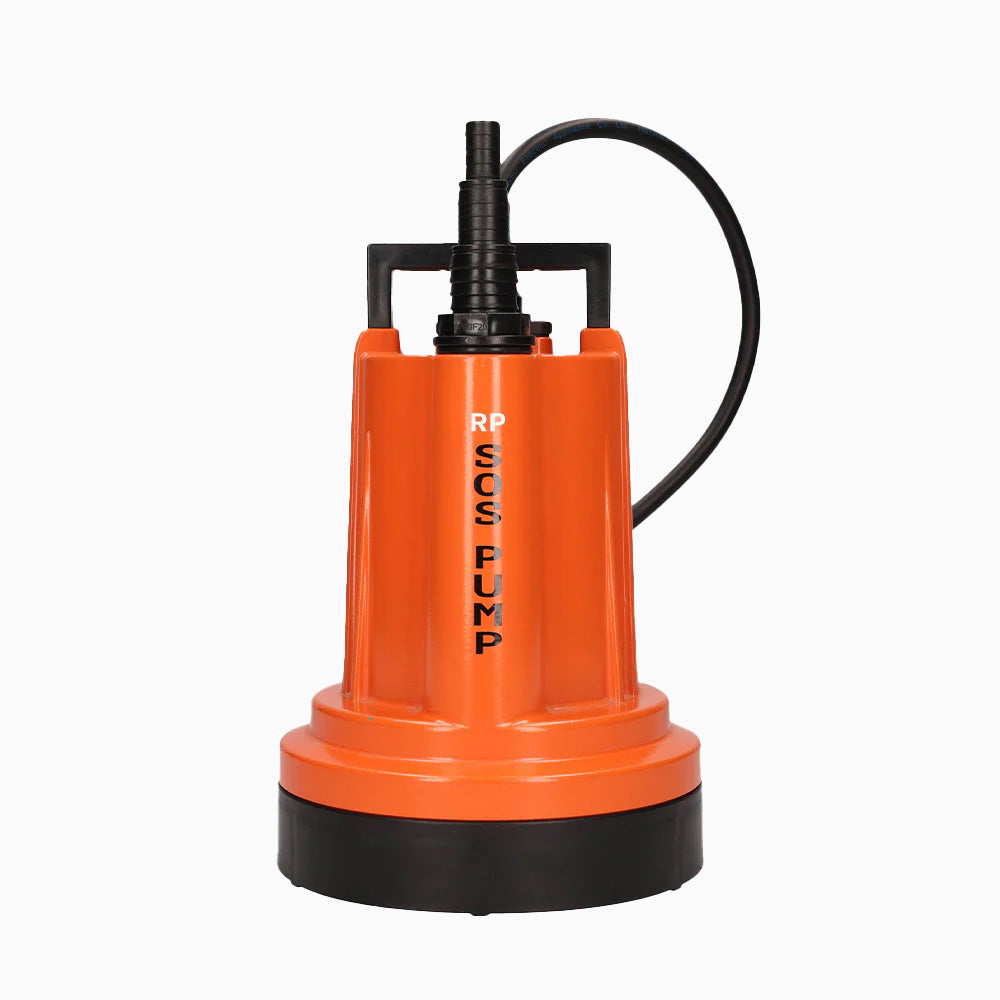
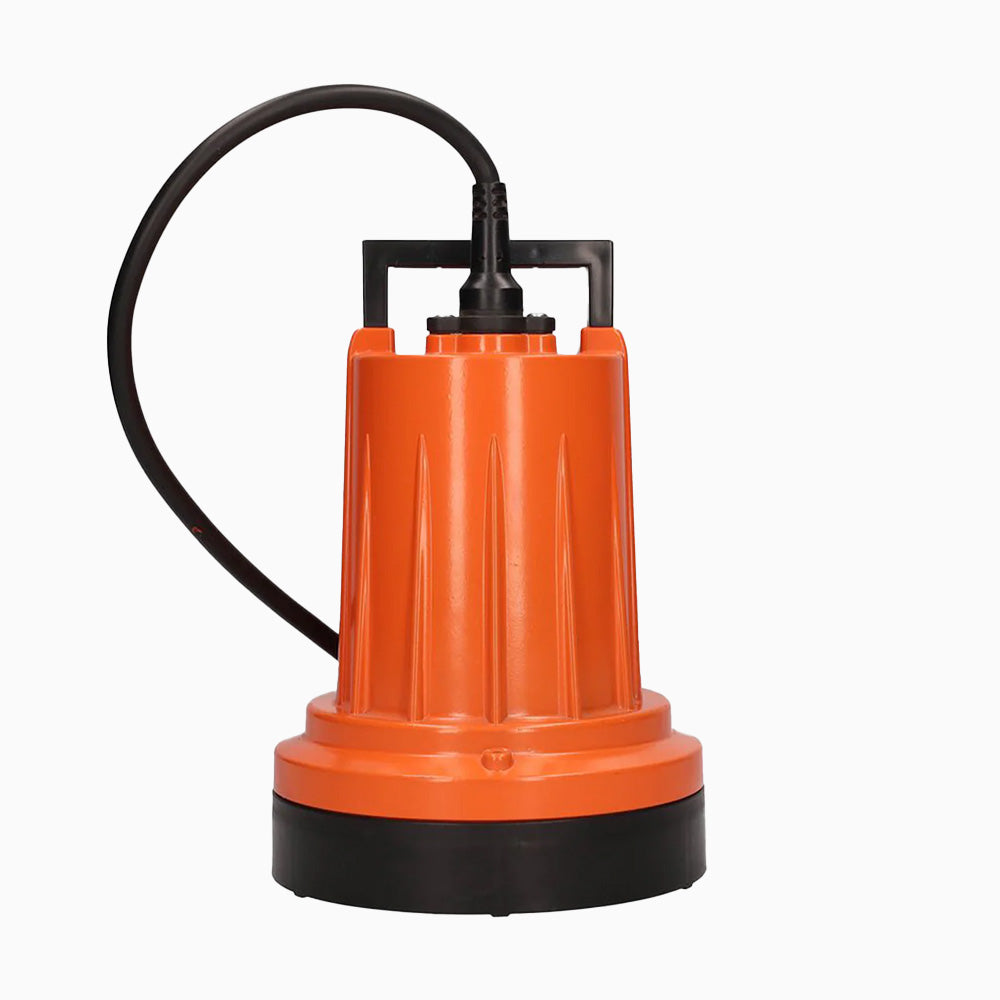
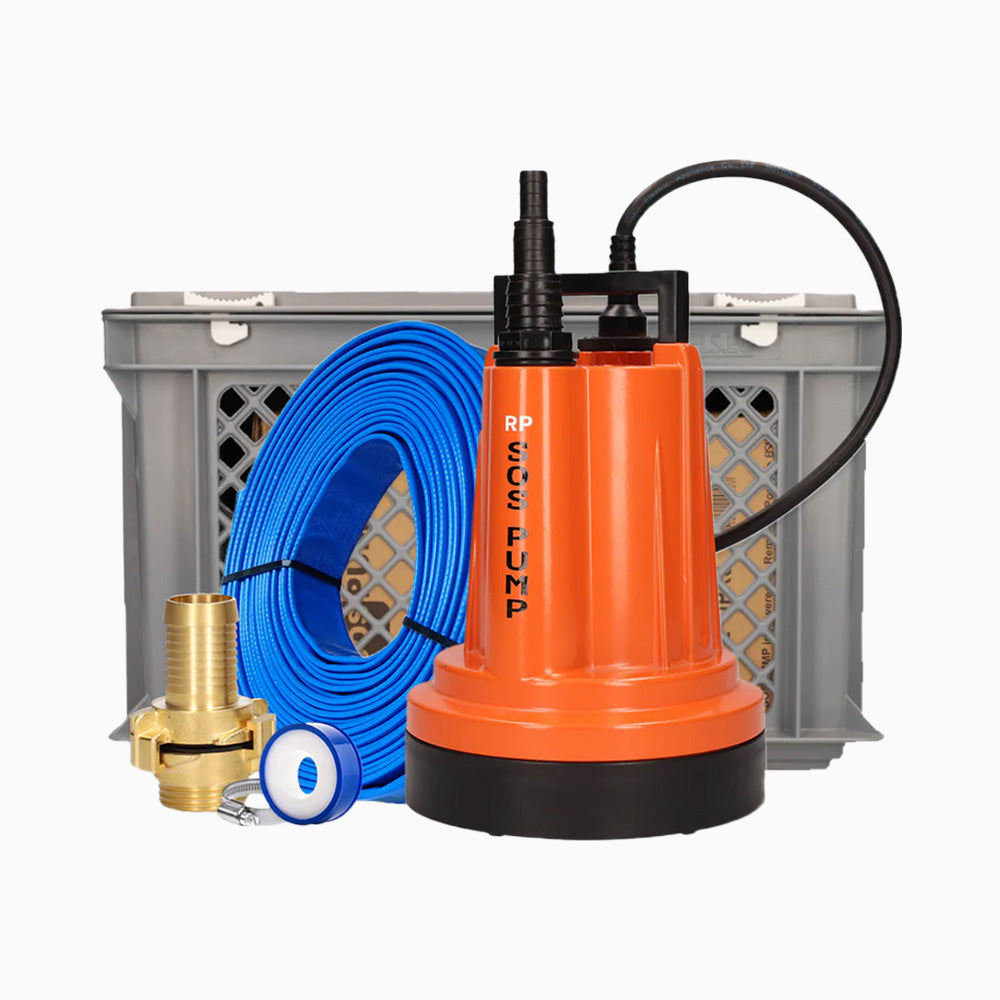
Waiting for the water to drain away on its own is often not an option, especially with clay soil where infiltration is slow. The most effective method is to use a submersible pump with a shallow suction. This pumps the water away until only a minimal film remains.

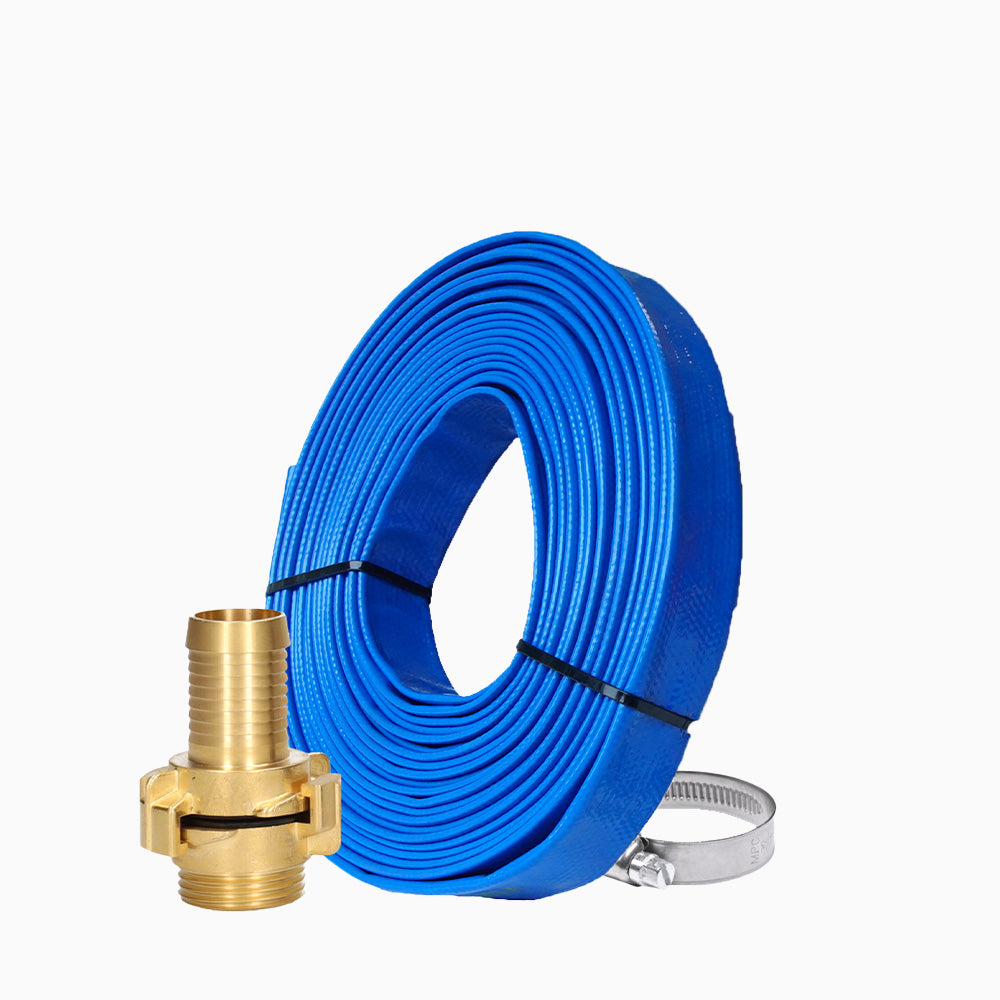
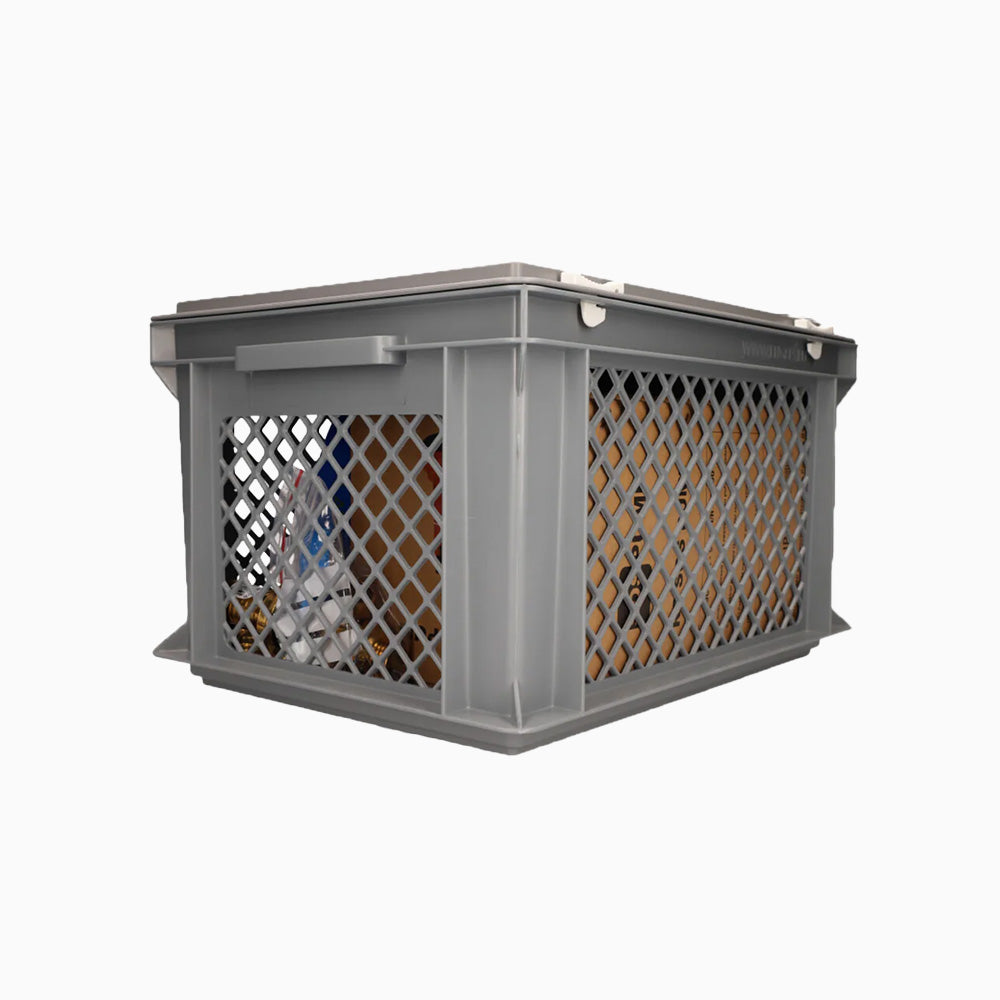
Plug & Play Submersible Pump Set
3. Maximize ventilation
Once the standing water is gone, the remaining moisture should evaporate. Make sure the crawl space vents are clear of dirt and leaves. Good airflow is essential to prevent mold in your home due to a wet crawl space .
Structural solutions for the future
A one-time pumping will solve the symptom, but not the cause. To prevent a recurrence during the next storm, you can consider permanent drainage solutions. For a comparison of systems, read the article " Edge Drainage vs. Floor Drainage: Which System Do I Need? "
Another effective method is to install an automatic pump system in a collection pit. The pump switches on automatically when the water reaches a certain level. This provides peace of mind during vacations or nighttime downpours.

Submersible pump with water sensor 3mm
When should you call a professional?
If the water continues to flow back immediately despite pumping, there may be extremely high groundwater pressure or a leaky pipe. In that case, it's advisable to consult a specialist for " Effective methods for crawl space drainage and water disposal ." For questions about liability in rental properties, we also refer you to " Who is responsible for groundwater in the crawl space? (Tenant vs. Landlord) ."
How quickly should I remove water from the crawl space?
It's advisable to take action within 24 to 48 hours. The longer the water remains, the greater the risk of rising damp in the walls and damage to the floor structure.
Can I use a regular submersible pump for the crawl space?
Yes, but a submersible pump with a flat suction is preferred. A standard submersible pump often leaves 2 to 5 centimeters of water, while a submersible pump can pump the area completely dry (up to 2 mm).
Does insulation help against flooding?
Insulation such as EPS beads helps prevent moisture evaporation, but doesn't stop groundwater ingress. To determine the best option for your situation, see " Insulation chips or EPS beads for a wet crawl space: Which is better? "
Share:
Who is responsible for groundwater in the crawl space? (Tenant vs. Landlord)
Crawlspace flooding: The complete guide to solutions and prevention