

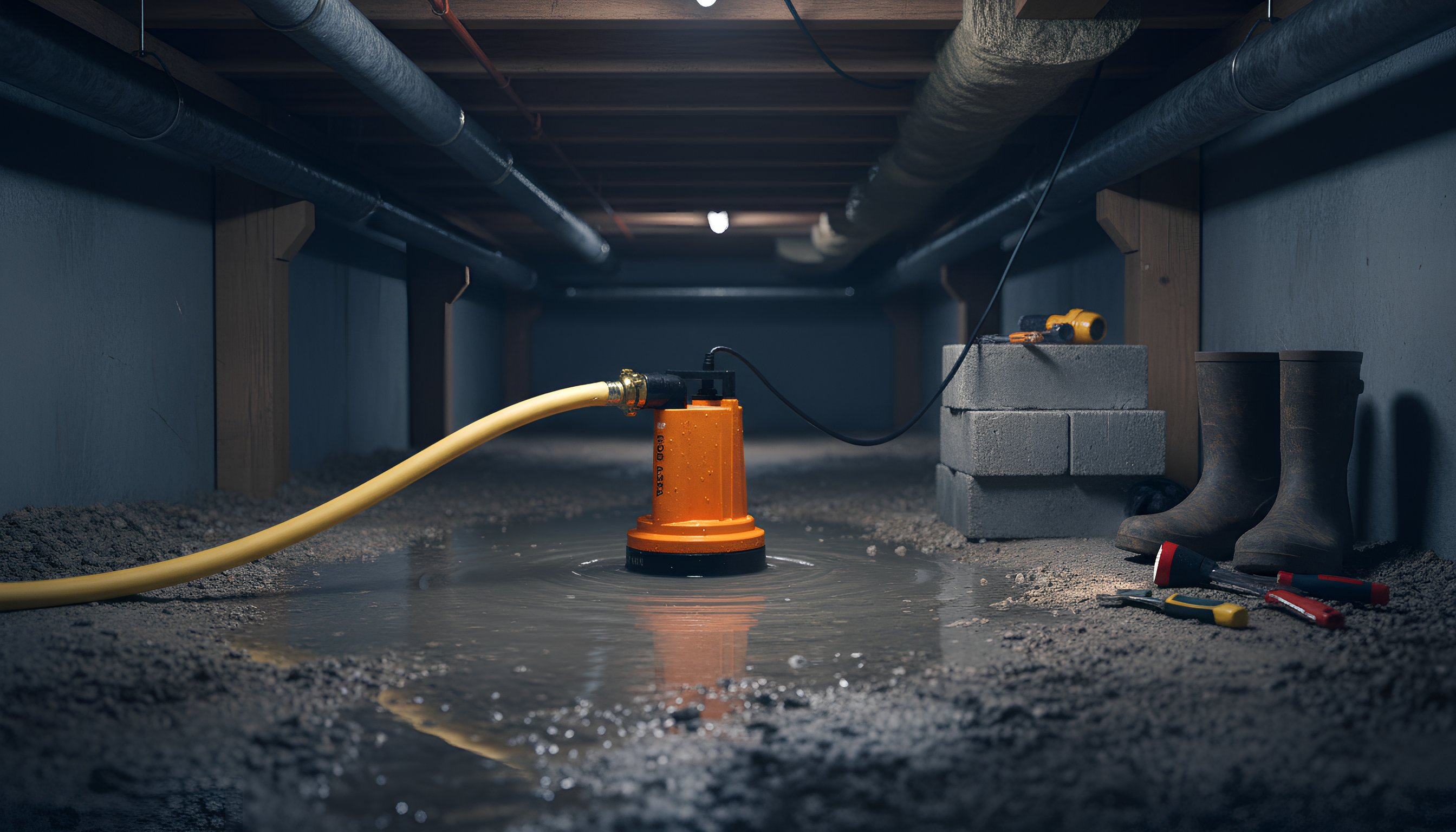
Are you experiencing a wet crawl space and wondering who should cover the costs? In this article, we delve into the legal and practical aspects of crawl space flooding in rental properties.
The landlord's duty of care
When we discuss water damage in the crawl space , the first question is often: is this a defect in the property? Dutch law requires a landlord to provide a property free of defects that significantly impair the enjoyment of the property. Structural groundwater in the crawl space, leading to mold, odor nuisance, or an unhealthy indoor climate, is generally considered a defect.
The landlord is responsible for the structural condition of the property. If water ingress occurs due to a poor foundation, rising damp, or defective drainage, the owner is responsible for repairs. For more context, please also read our article " Causes and Consequences of a Wet Crawlspace " to understand how these problems arise.
When is the tenant responsible?
Not all water problems are the landlord's responsibility. Tenants have a duty to report them. As soon as you notice any water damage, you must report it immediately. If you fail to do so and it causes consequential damage (such as wood rot in your own furniture), you may be responsible for the damage. Furthermore, minor repairs and daily maintenance are the tenant's responsibility. However, this rarely includes the regular pumping of groundwater or the installation of drainage.
Practical solutions for flooding
While the legal dispute is ongoing, you naturally want to get rid of the water as quickly as possible. An effective method is to install an automatic pump system. This prevents the water level from rising to the floor joists. For a permanent solution, see " Installing a Crawlspace Pump: Automatic Submersible Pump Tips ."
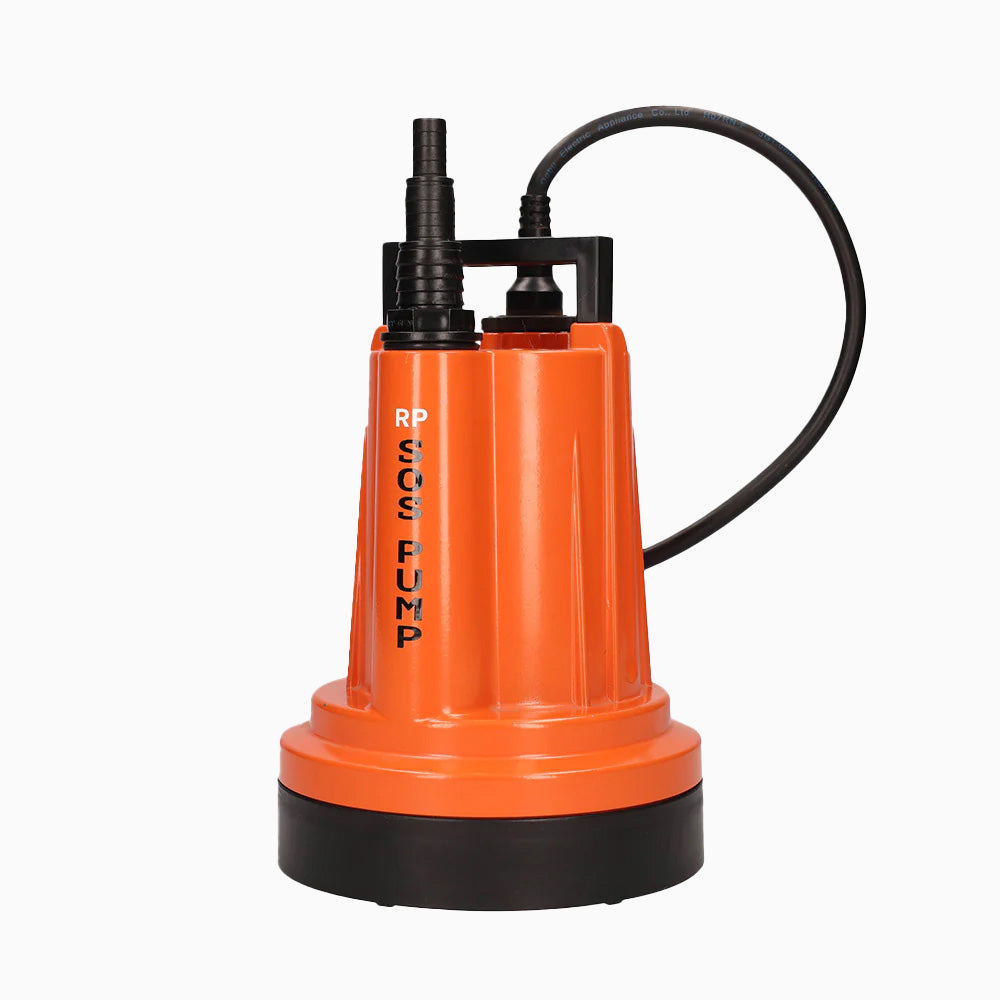
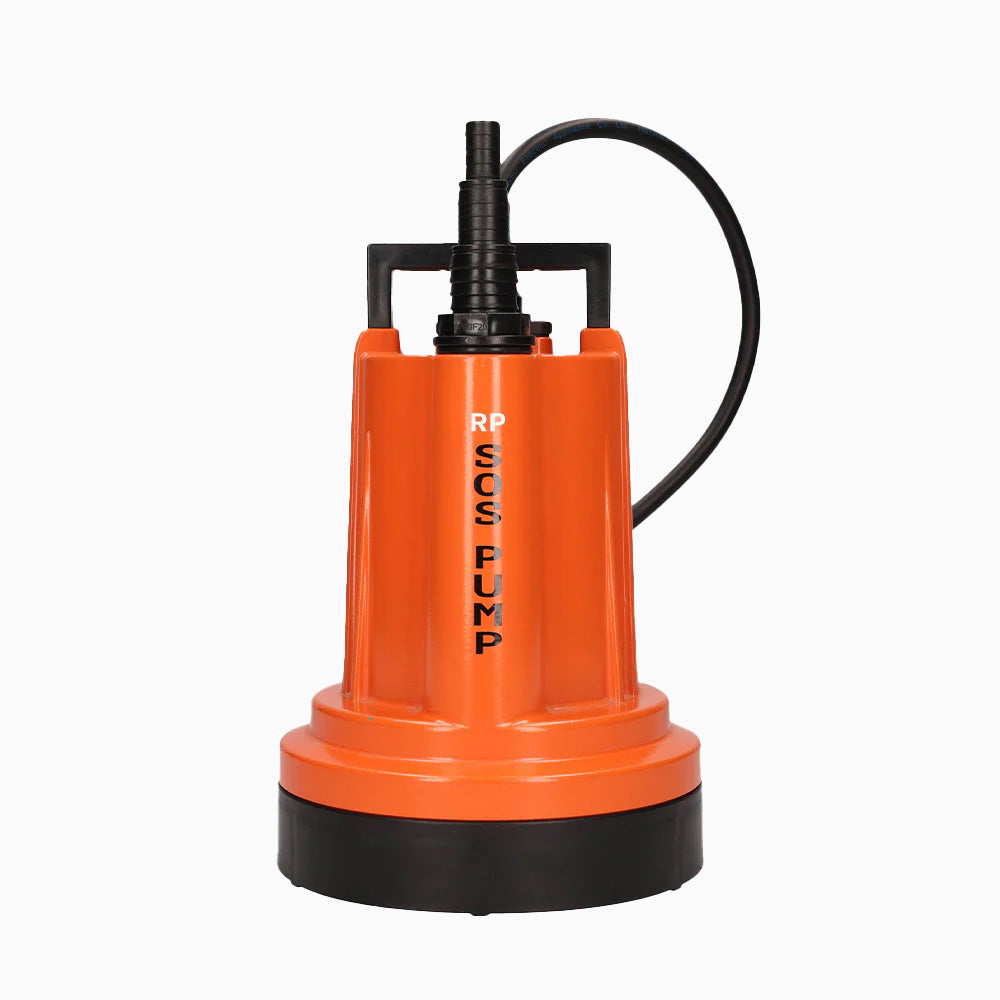
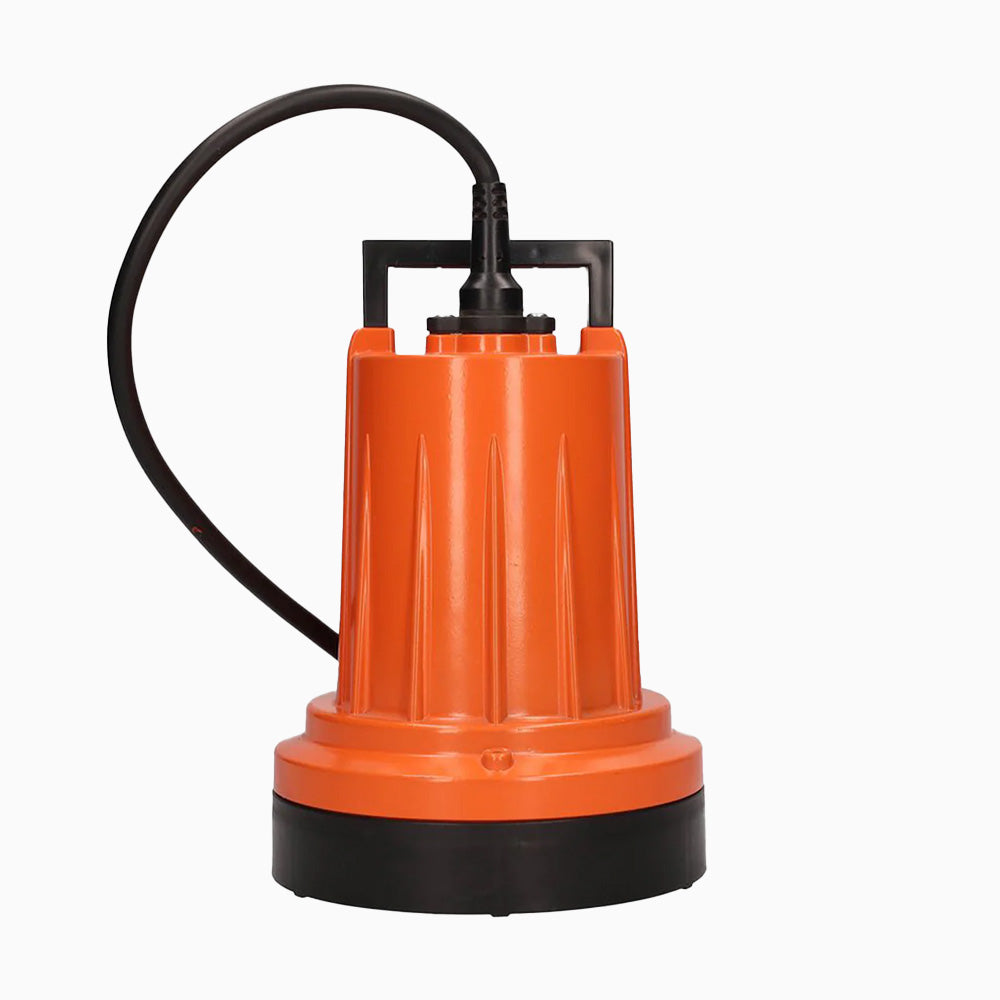
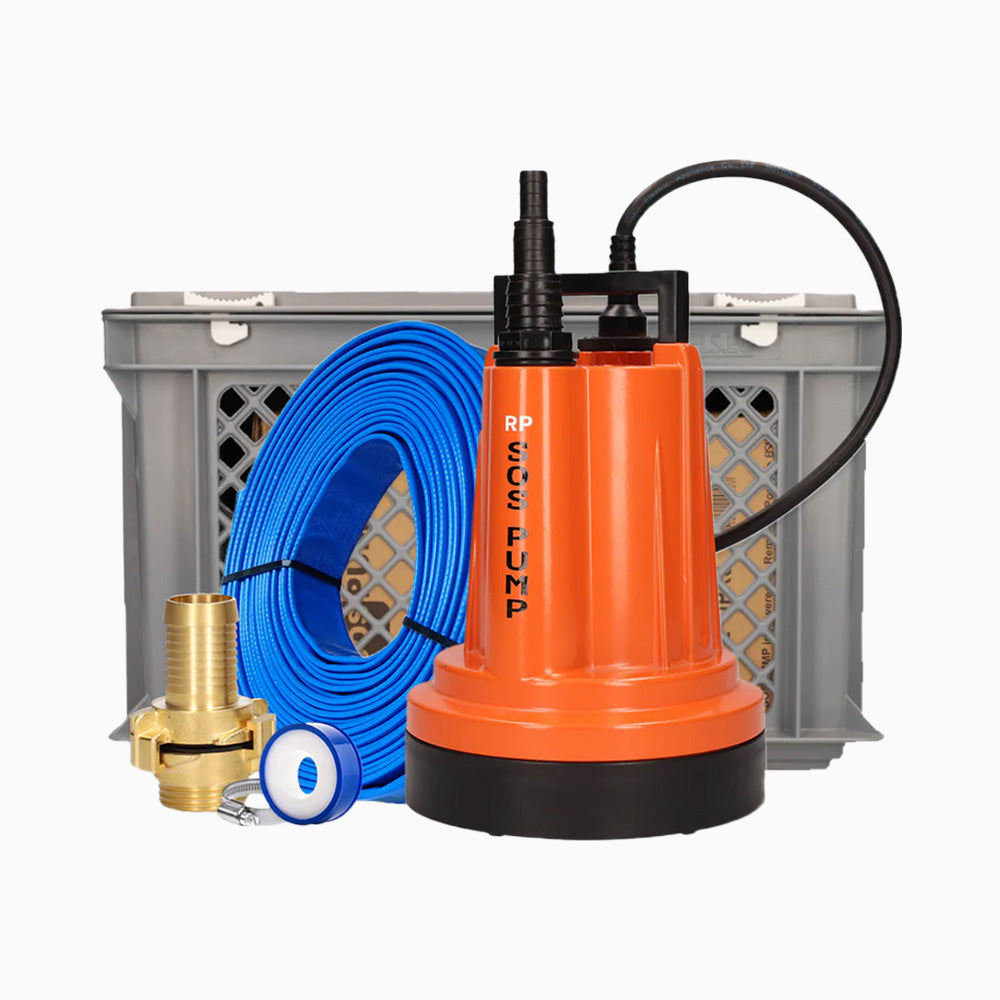
For situations where you need to take immediate action to limit damage, a powerful flat vacuum is essential:

Flat suction submersible pump
This pump is ideal because it sucks away water to a minimal residual layer, leaving the crawl space virtually dry.
Structural measures and drainage
If the landlord acknowledges a problem, structural improvements can be implemented. These include " Effective methods for crawl space drainage and water drainage " or installing a ground seal. In many cases, a combination of a good pump and a float system is the most cost-effective solution.
To prevent the pump from constantly switching on and off with small fluctuations, or to ensure very precise switching, an external sensor is recommended:

Electrode Level Switch 1mm
With this sensor, you can fully automate the process, which is essential for a duty of care where the home must be kept dry without the tenant having to worry about it on a daily basis.
Legal action in case of negligence
If the landlord refuses to take action against the water damage in the crawl space, you can contact the Rent Assessment Committee or seek legal advice. A damp crawl space can lead to health problems. You can read more about this in " Recognizing Mold in the House Due to a Wet Crawl Space ."
Frequently asked questions about flooding in the crawl space
Can I install a pump myself in a rental property?
Yes, you are often allowed to install a standalone submersible pump for emergency situations. However, for permanent installations or drilling into the foundation, you need written permission from the landlord.
Is groundwater in the crawl space always a defect?
Not always. A thin layer of water that quickly drains away after a heavy downpour is sometimes considered acceptable, provided it doesn't cause damage or create an odor.
Who pays the electricity costs of a submersible pump?
If the landlord installs the pump due to a structural defect, the tenant can sometimes request compensation for the additional electricity costs, although in practice this often falls under 'service charges' or own consumption.
Share:
Combating rising damp from the crawl space
Crawlspace flooding: The complete guide to solutions and prevention