

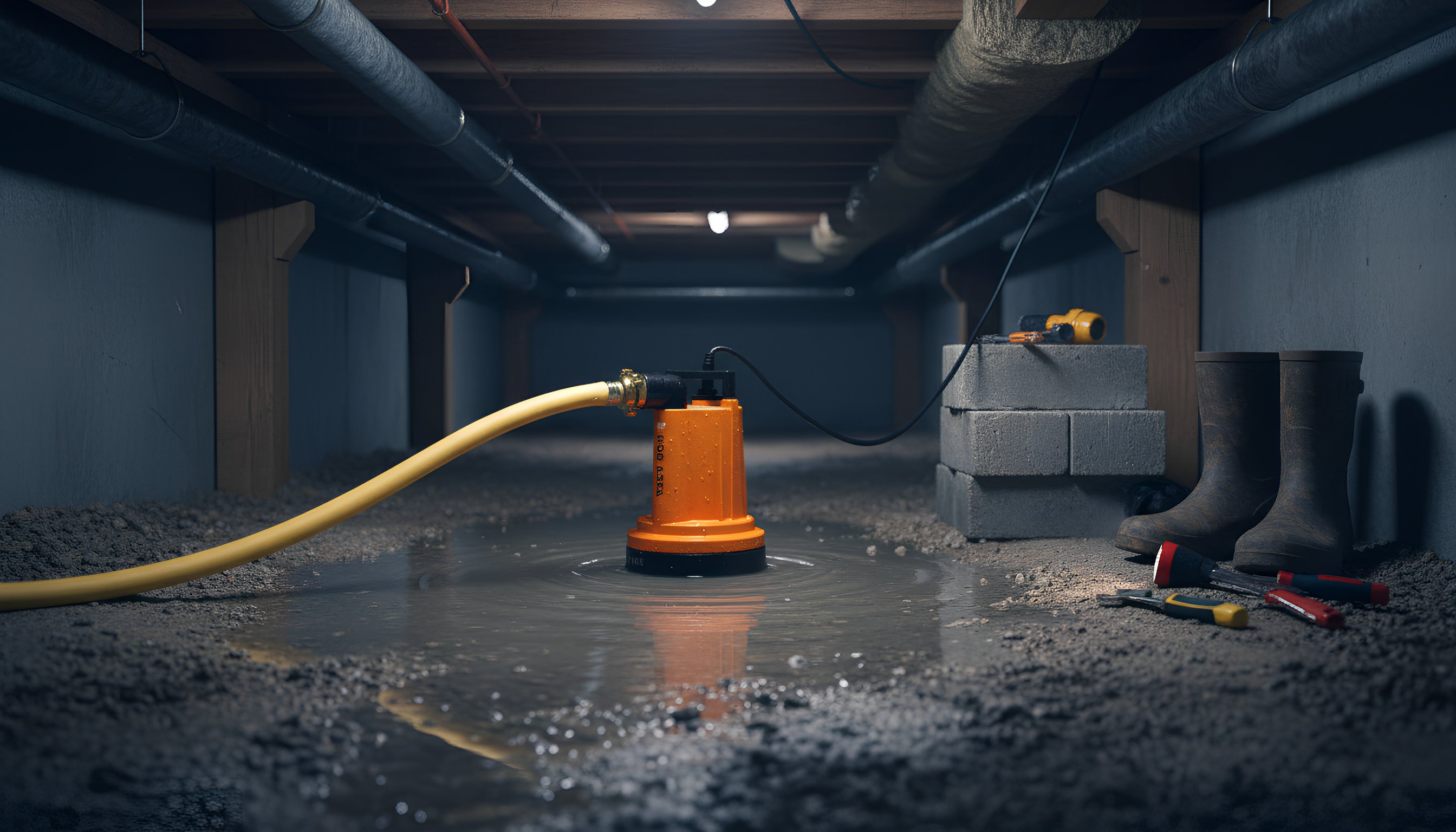
Are you experiencing water under your home and want to address it systematically? In this article, we delve into the most effective methods for crawl space drainage and water drainage to protect your foundation.
Why flooding in the crawl space requires immediate action
Crawlspace flooding is a familiar problem for many homeowners in the Netherlands. Due to the country's low-lying terrain and increasingly heavy rainfall, the groundwater level regularly rises above the crawlspace floor level. While a little moisture isn't immediately disastrous, ongoing flooding can lead to serious damage to the home, an unhealthy indoor climate, and sky-high energy bills.
When there's constant standing water, this moisture evaporates and seeps into the walls and floors of the living spaces above. This phenomenon is also known as combating rising damp from the crawl space . Moreover, the moisture damages wooden beams and can accelerate concrete rot. To prevent these problems, an active approach to water drainage is essential.
Active water drainage: The role of the submersible pump
The most direct and effective way to address water damage in the crawl space is to install an automatic pump system. While passive methods like insulation chips often only address the symptom (evaporation), a pump addresses the cause by physically removing the water.
Flat suction pumps for a mop-dry result
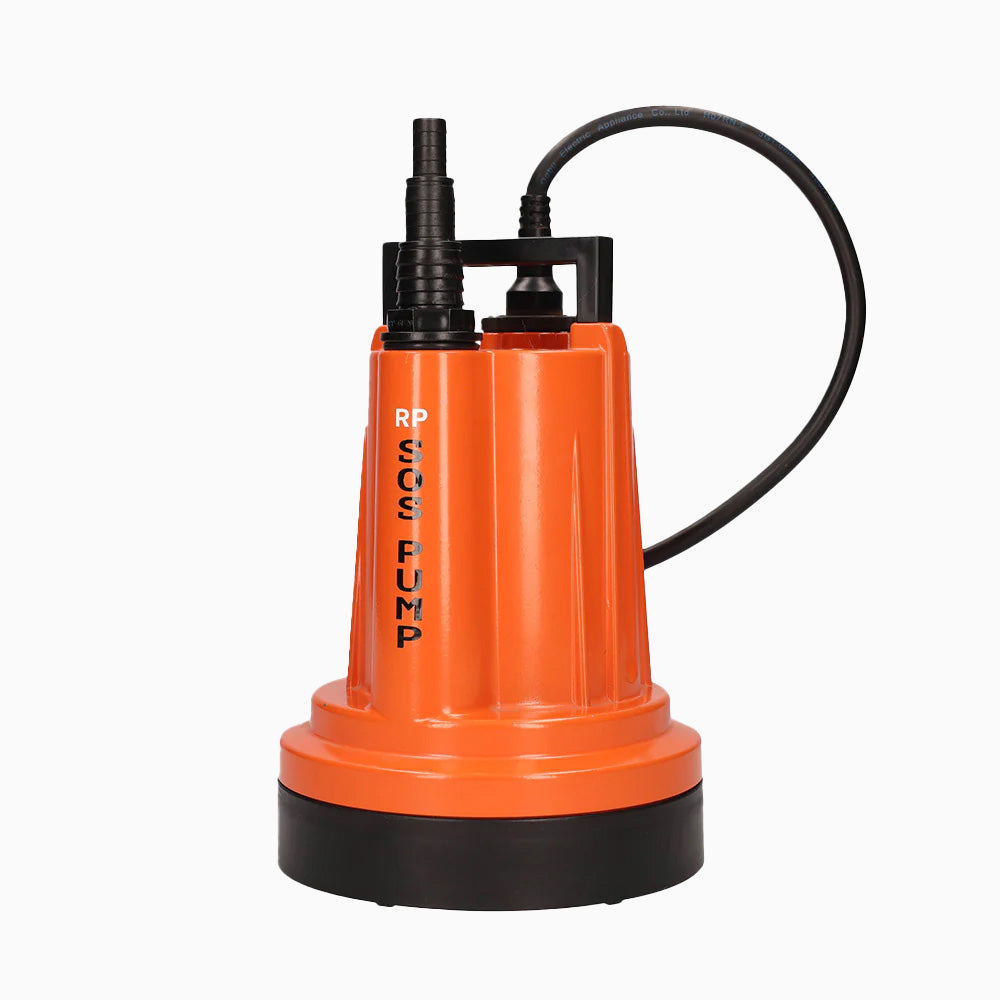
In a crawl space, it's often not possible to dig a deep well. Therefore, a shallow-suction submersible pump is usually chosen. These pumps are specially designed to pump water to within a few millimeters of the ground. This is crucial, because every centimeter of water left behind continues to cause high humidity.
For trouble-free operation, a system with an automatic sensor is recommended. As soon as the water level rises, the pump activates and discharges the water into the sewer or a rainwater drain. Before installation, also read : Installing a crawl space pump: Tips for installing an automatic submersible pump .

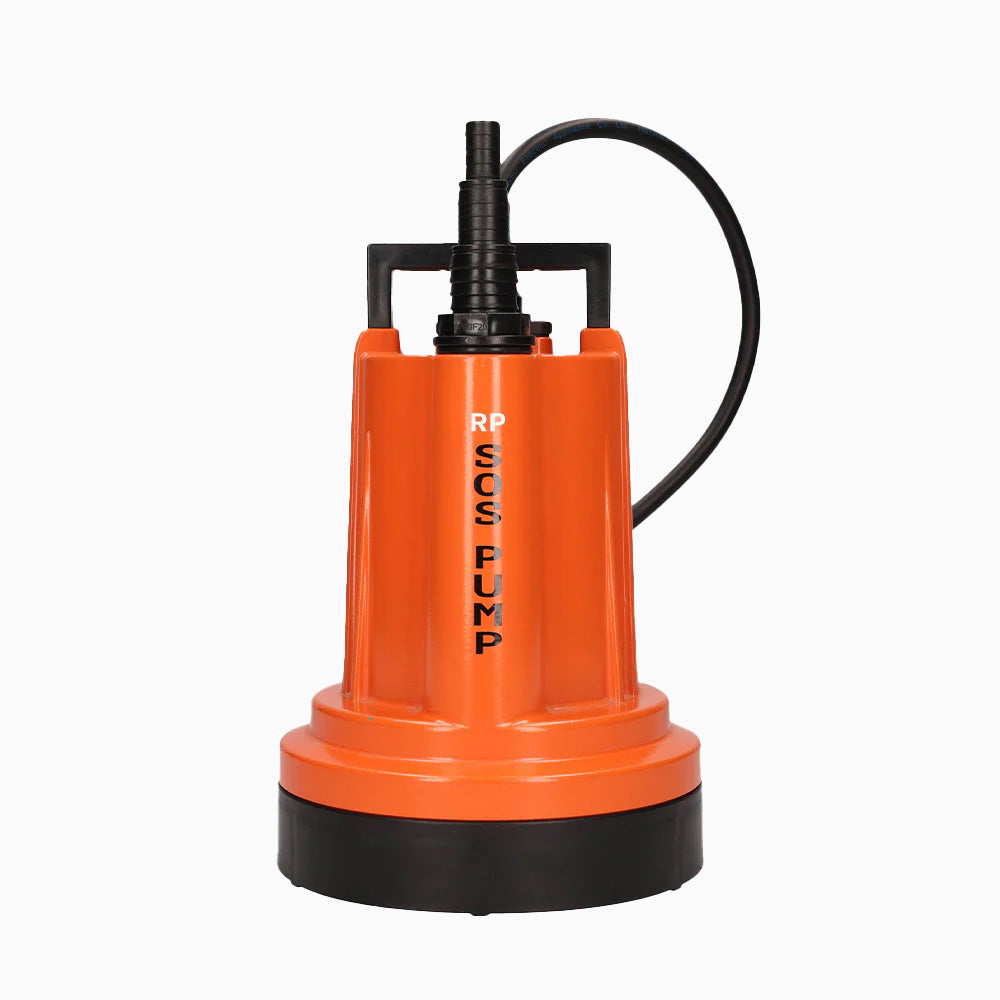
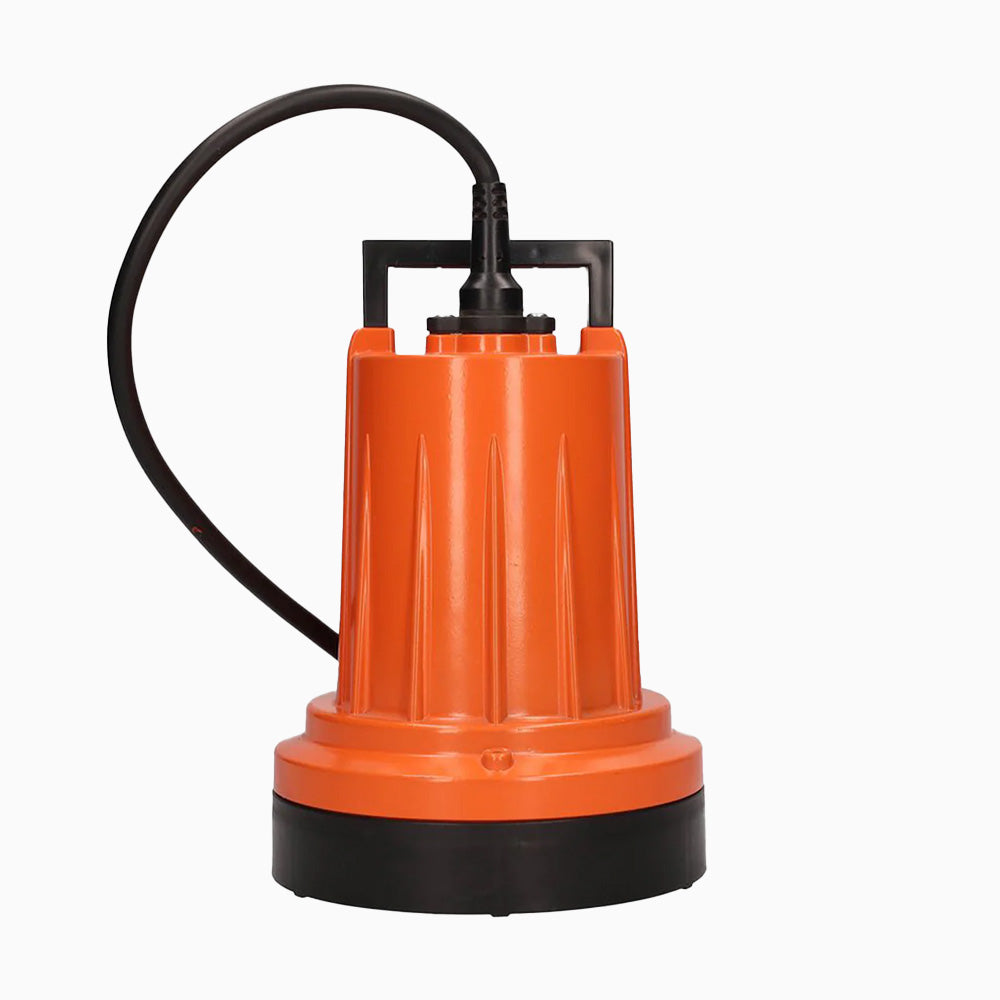
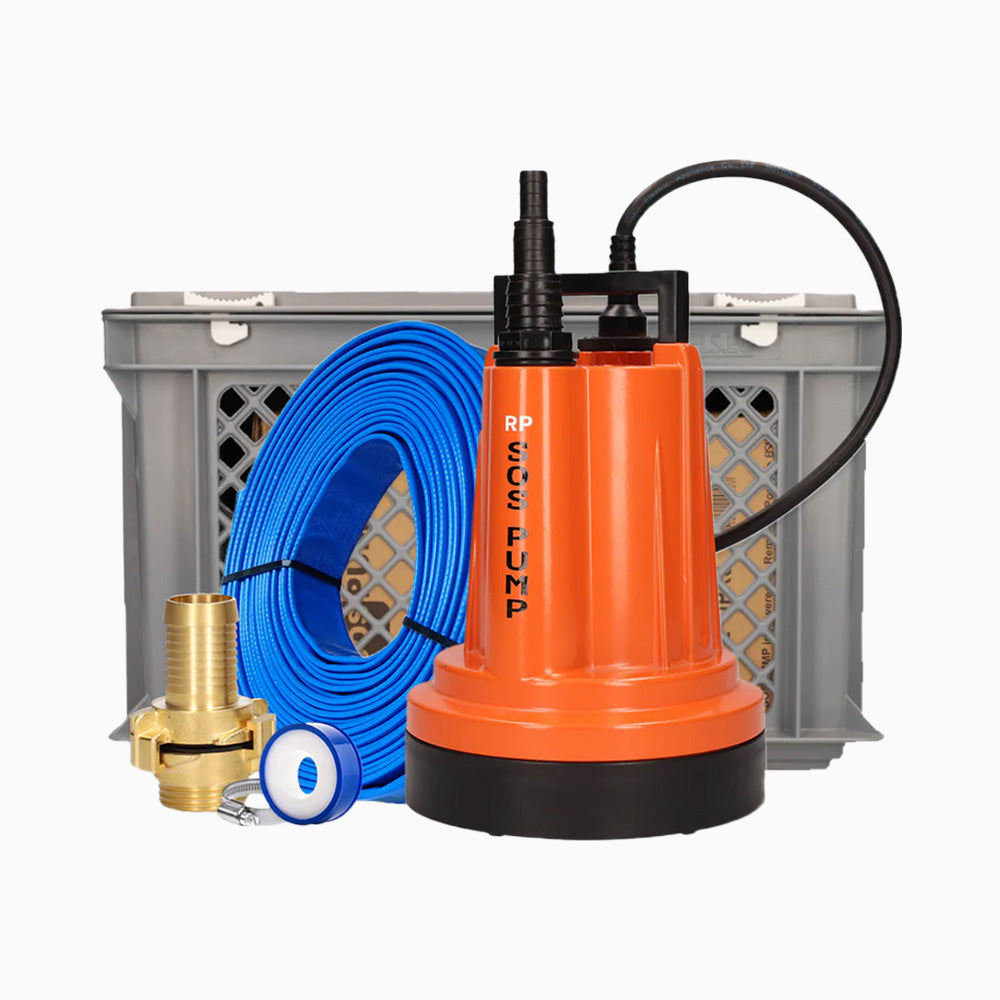
Submersible pump with water sensor 3mm
Different drainage systems explained
Besides pumping water away directly, a drainage system can help direct it to a central point. There are generally two types of crawl space drainage: perimeter drainage and floor drainage.
Edge drainage
Edge drainage involves installing a perforated pipe along the interior walls of the crawl space. This is particularly effective when water seeps in through the walls or the connection between the floor and the wall (the ridge). The water is collected in the pipe and drained to a collection pit where a pump is installed.
Floor drainage
If water rises throughout the soil due to a high groundwater level, underfloor drainage is a better option. This involves laying multiple drainage pipes in loops across the soil, often covered with a layer of shells or gravel to prevent silting. You can read more about the choice between these systems in Edge Drainage vs. Underfloor Drainage: Which System Do I Need?.
The importance of good drainage and backflow prevention
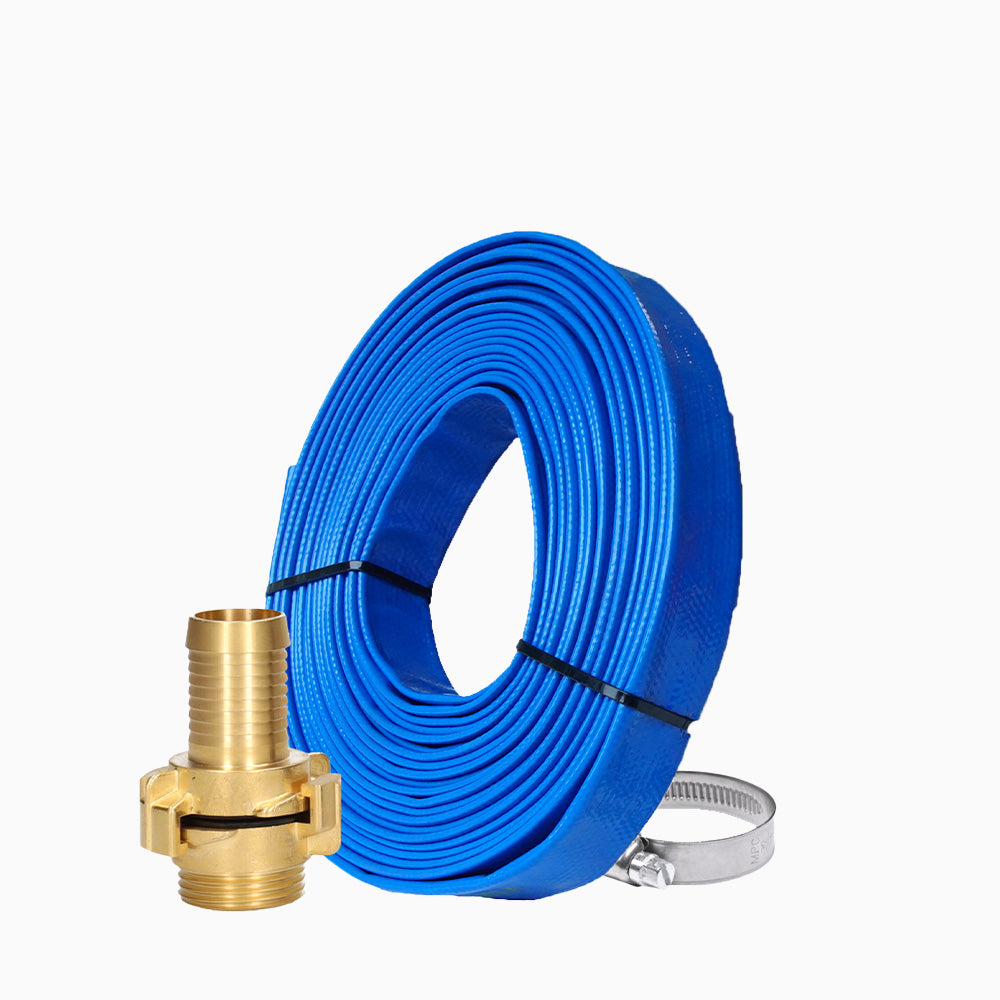
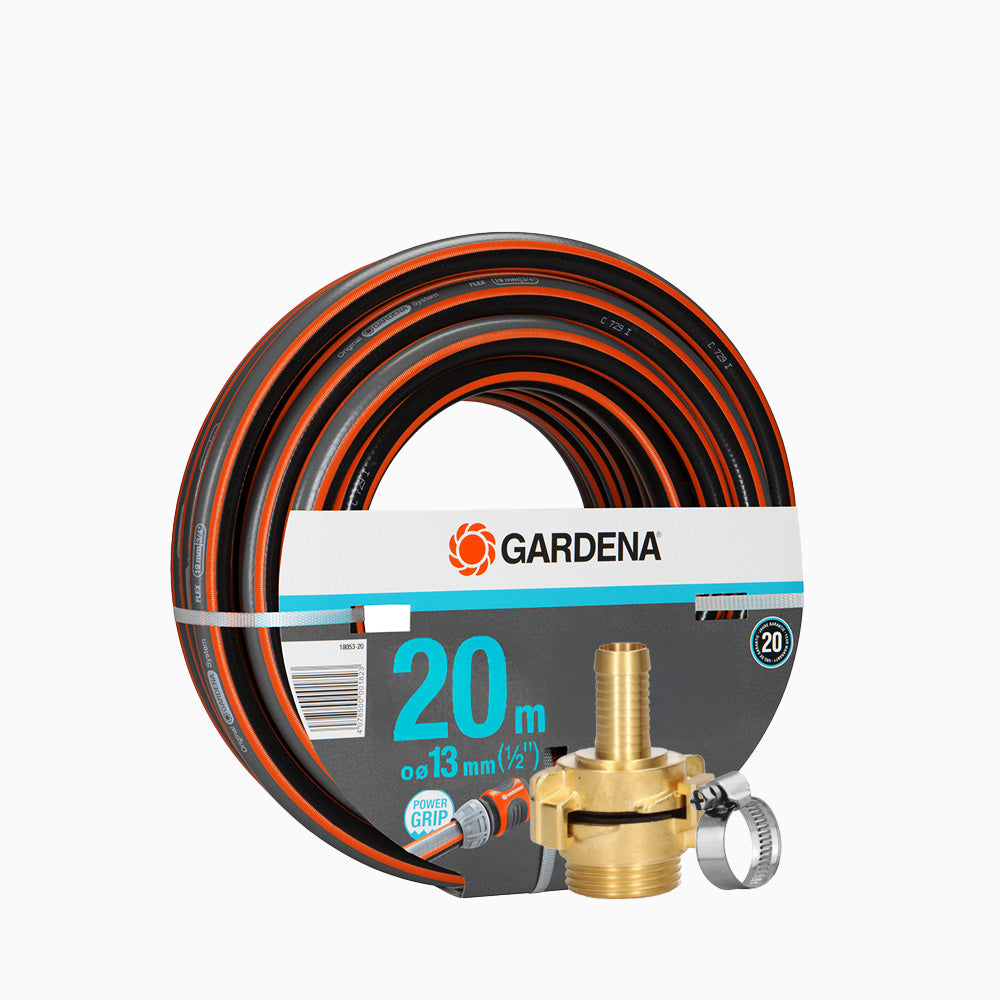
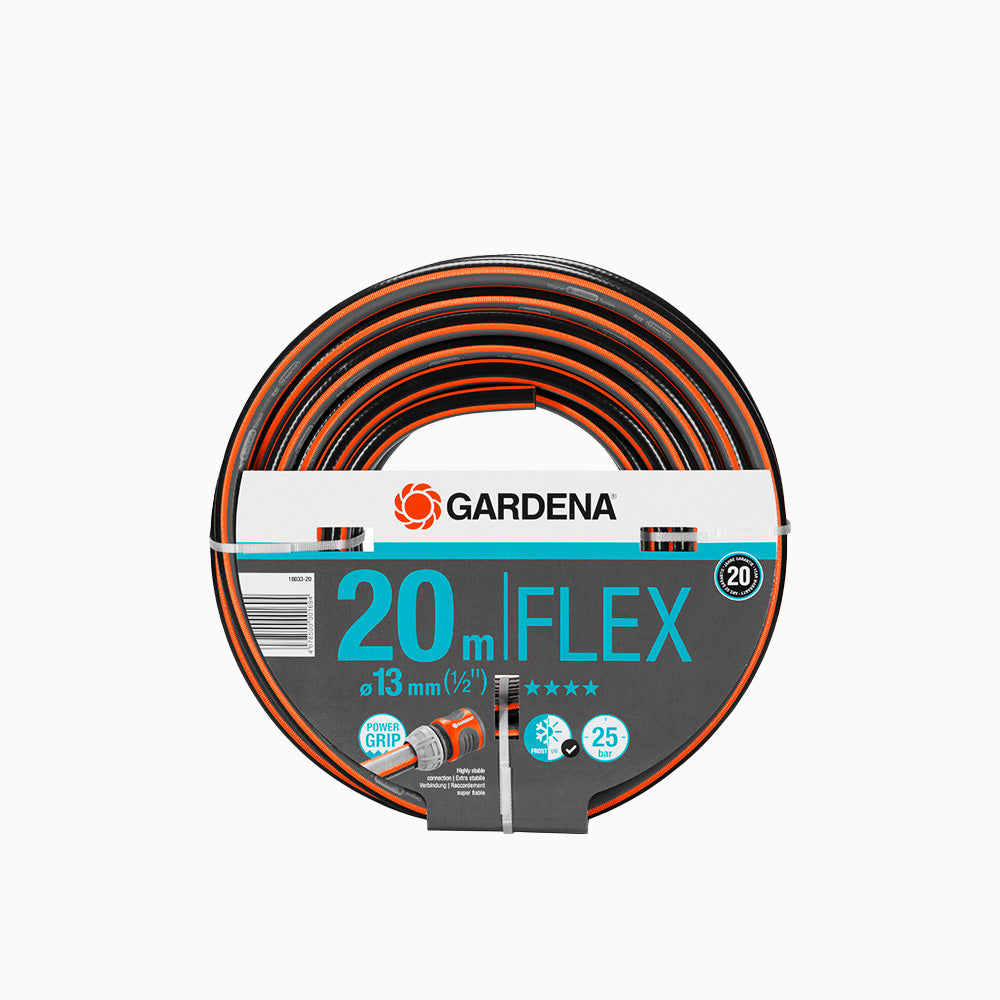
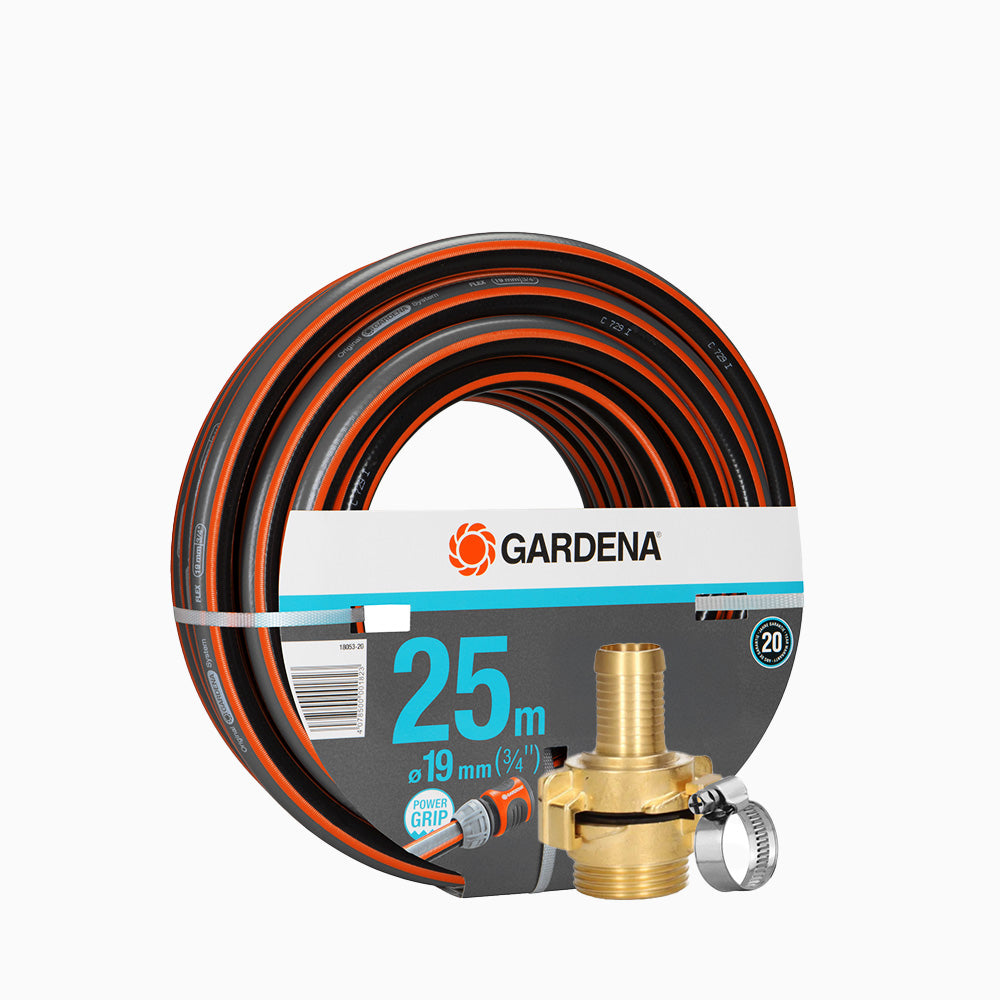
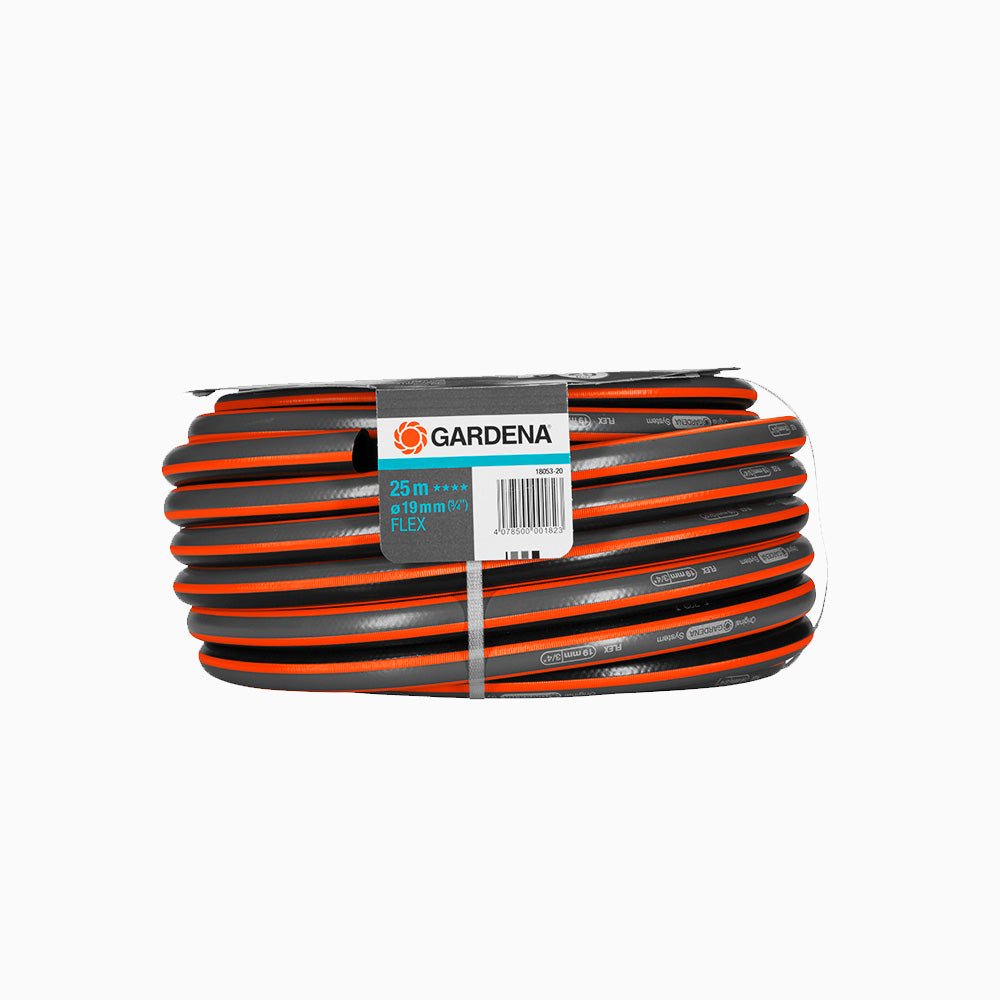
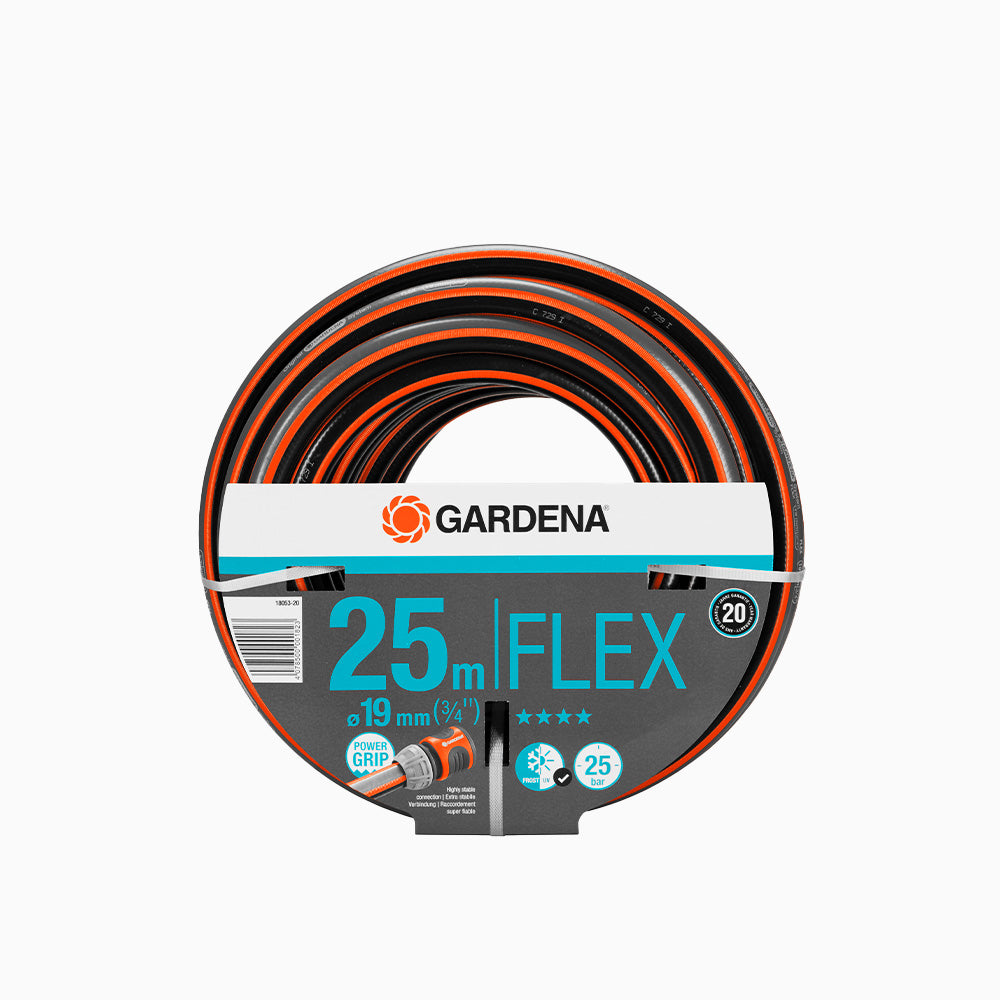
A pump is only as good as the drainage system connected to it. When flooding occurs in a crawl space, the water often needs to be moved over a certain distance and height. Using a sturdy, kink-free hose is essential. A hose that is too thin creates a lot of resistance, reducing the pump's capacity and leading to faster wear.
Another crucial component is the check valve. When the pump stops, any water remaining in the discharge hose will tend to drain back into the crawl space under gravity. This can cause the pump to restart immediately, leading to unnecessary cycling and wear. A check valve prevents this by blocking the path back.

Non-return valve 25mm
Preventive measures and soil closure
While active drainage and pumping are the most effective methods for direct water drainage, it's wise to combine this with preventative measures. Consider, for example , applying crawlspace liner: Step-by-step plan for dry ground . A sturdy liner prevents residual moisture in the ground from evaporating, which drastically reduces the humidity in the rest of the house.
In situations with extreme water in the crawl space after heavy rainfall, immediate action points sometimes require inspecting the exterior of the house as well. Are the downspouts properly connected? Does the patio slope away from the house? Sometimes the cause of a wet crawl space is simply poor drainage around the facade.
Frequently asked questions about crawl space drainage
How deep should a drainage pipe be in the crawl space?
Typically, a depth of 20 to 30 centimeters is maintained. It's important that the pipe is placed in a bed of drainage material such as gravel or drainage sand to prevent the holes in the pipe from becoming clogged with mud.
Can I leave a submersible pump in the crawl space permanently?
Yes, provided you choose a pump suitable for automatic operation. Pumps with a float switch or an electronic sensor switch on automatically when needed. However, ensure periodic maintenance is performed to ensure the suction strainer is not clogged.
Is drainage enough to stop mold in the house?
Drainage removes the liquid water, which is the first step. To completely stop mold growth, it's often also necessary to improve ventilation and, if necessary, install underfloor insulation. See also: Recognizing mold in the house due to a wet crawl space .
Share:
Who is responsible for groundwater in the crawl space? (Tenant vs. Landlord)
Crawlspace flooding: The complete guide to solutions and prevention