

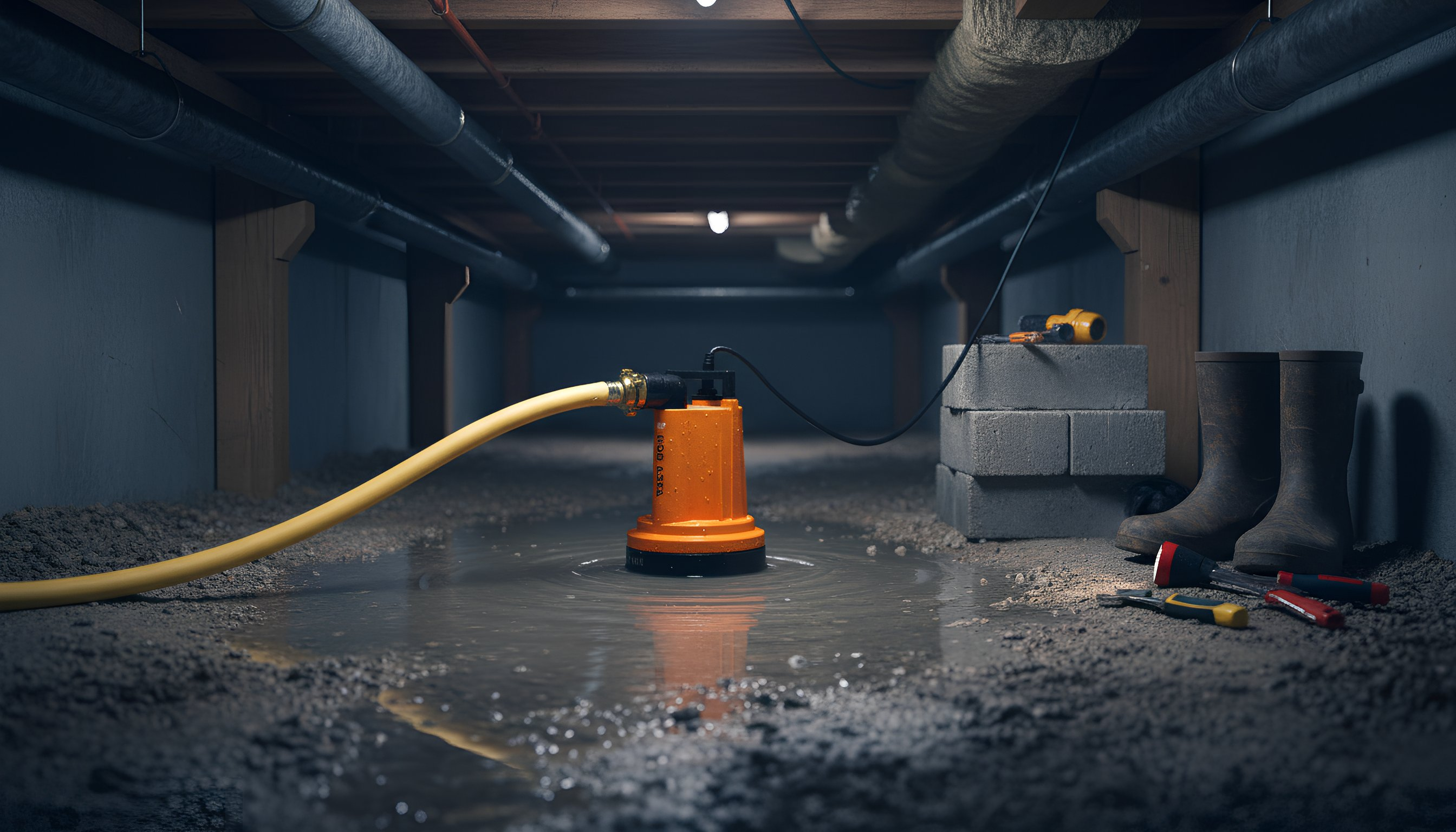
Do you suffer from dampness in your home or is there often a layer of water under your floor? In this guide, we compare insulation chips and EPS beads as solutions for water problems in crawl spaces.
The challenge of flooding in the crawl space
A damp crawl space is a common problem in the Netherlands, especially in areas with high groundwater levels. If you're experiencing structural waterlogging in your crawl space , underfloor insulation is often the first step toward a healthier indoor climate. The major advantage of materials like insulation chips and EPS beads is that they float. This maintains their insulating effect, even as the water level rises.
While insulation helps prevent evaporation and cold, it doesn't address the water itself. For a more comprehensive approach, we also recommend looking at "Flooding in the Crawlspace: The Complete Guide to Solutions and Prevention ."
Insulation chips: The robust choice
Insulation chips (often called PIF chips or Drowa) are larger, C-shaped polystyrene elements. They form a thick, loose layer on the floor of the crawl space. Because they are relatively large, there is plenty of space between the chips, which ensures excellent ventilation of the floor.
- Advantages: Very high buoyancy, easy to apply yourself and relatively inexpensive.
- Disadvantages: Due to their size, they are less suitable for very low crawl spaces where work still needs to be done on pipes.
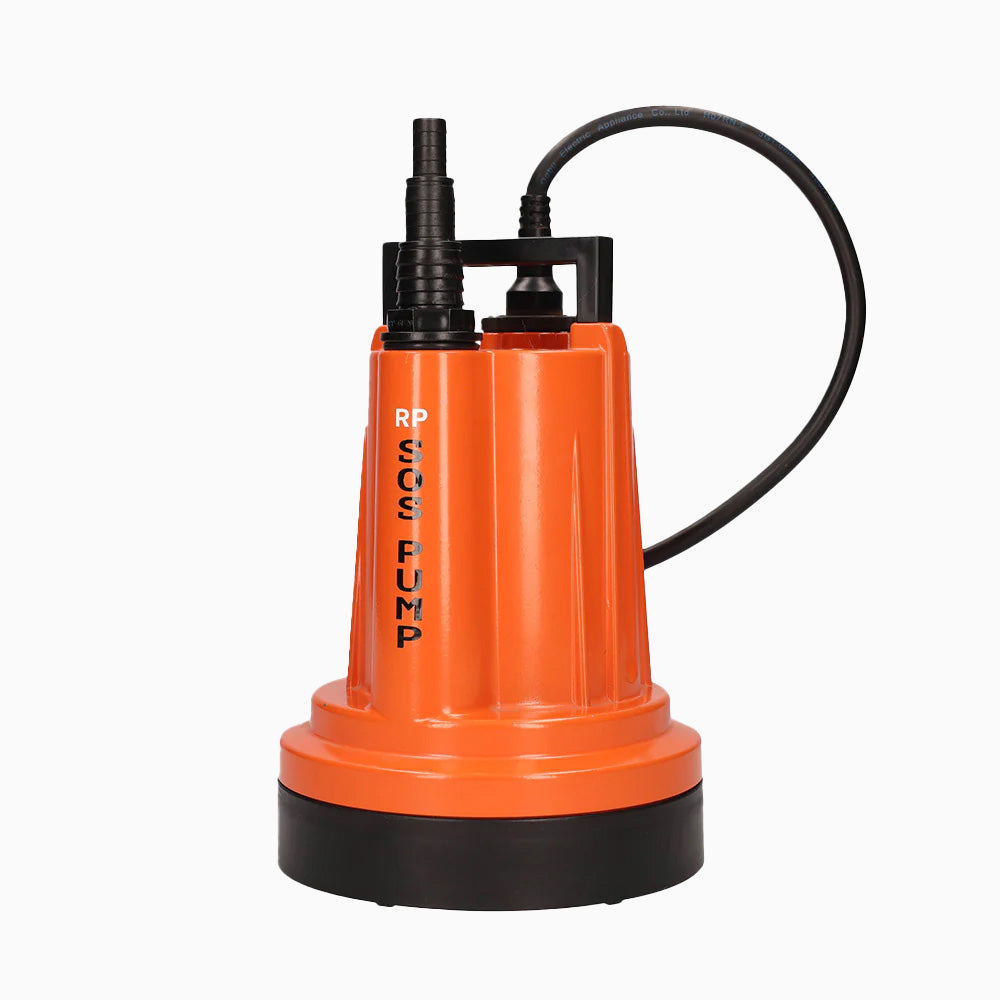
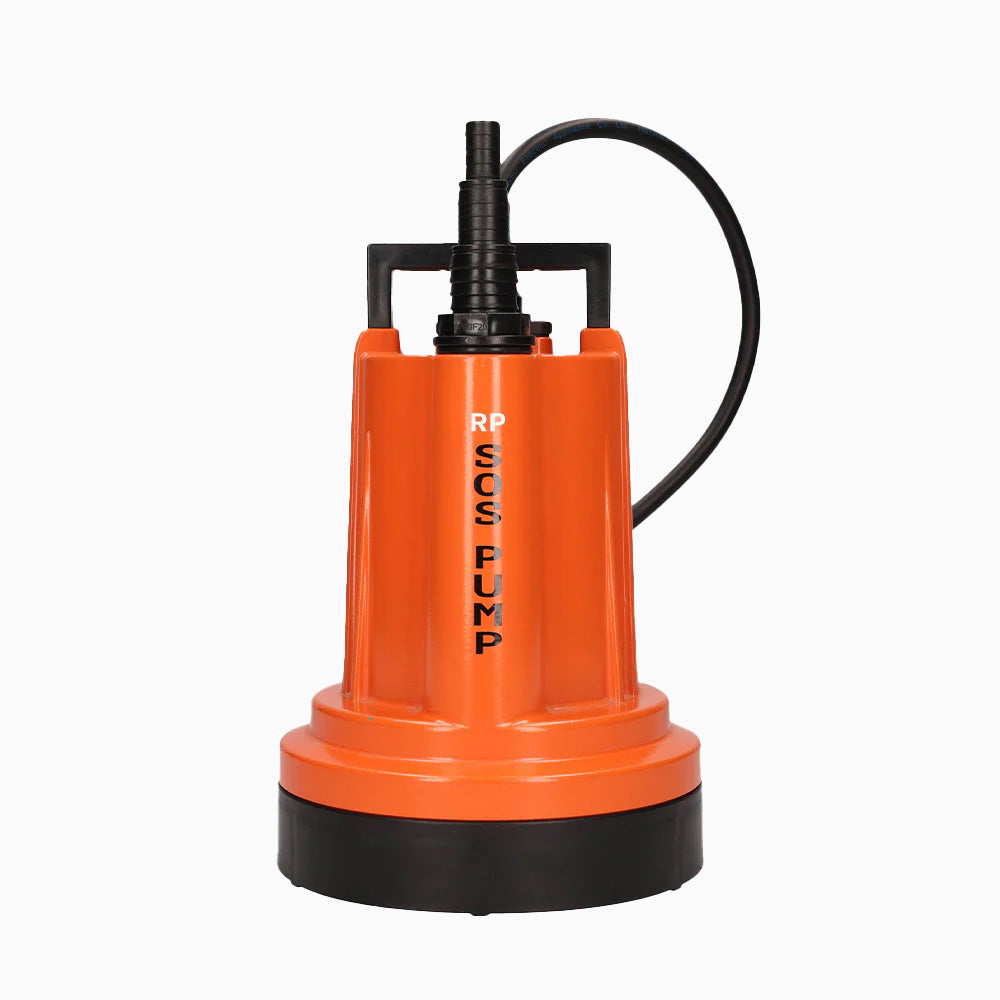
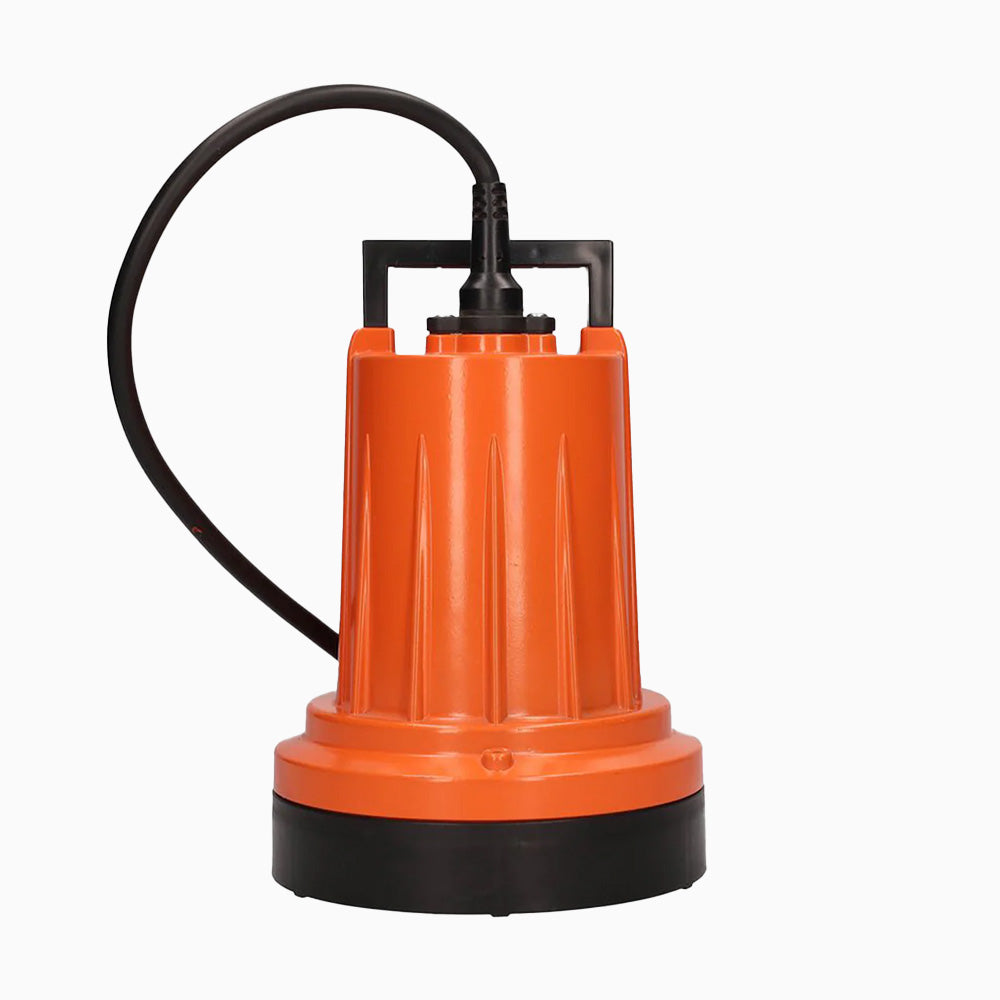
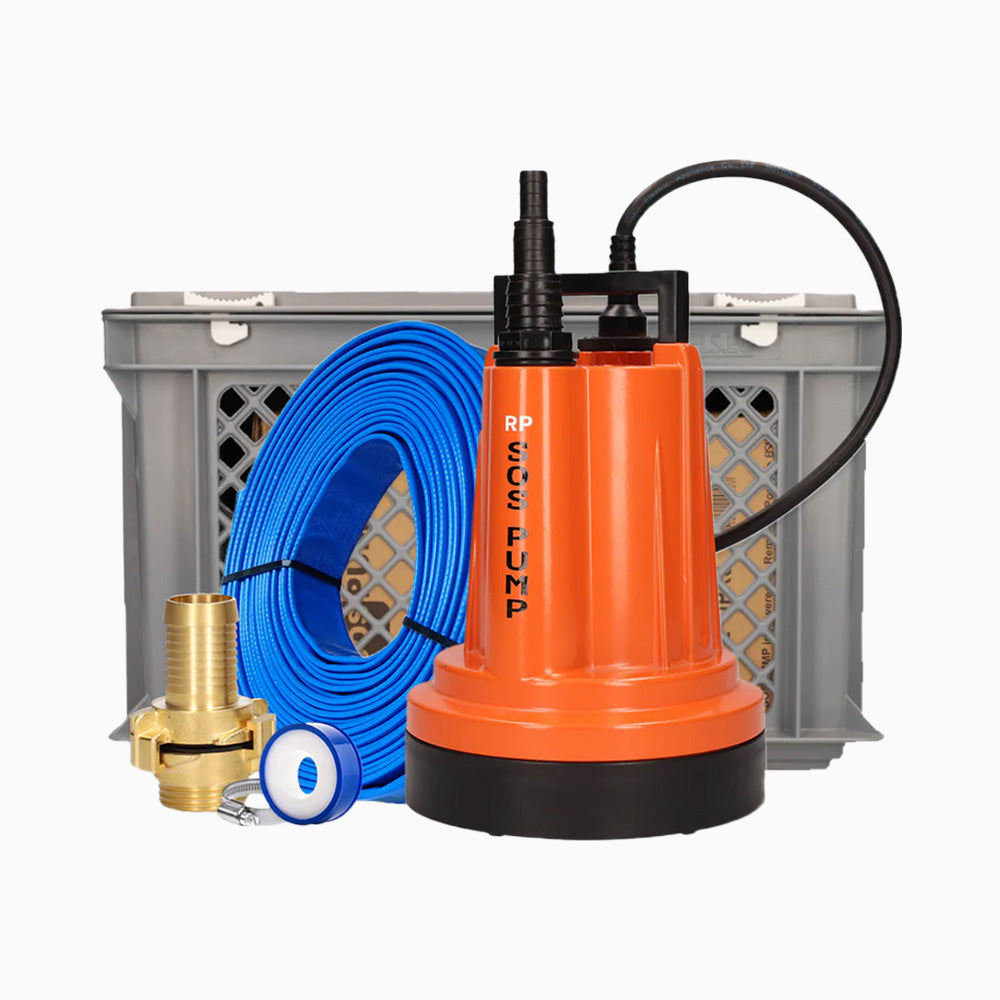
However, if there's so much water that the chips are floating on the floor, it's essential to lower the water level first. A

Flat suction submersible pump
EPS beads: Optimal filling
EPS beads are small, round granules of polystyrene foam. Their small size allows them to fill every crack and crevice in the crawl space. This makes them highly effective at preventing rising damp and evaporation.
- Advantages: Fit seamlessly, ideal for low crawl spaces and have a high insulation value per centimeter.
- Disadvantages: They can blow away in strong drafts and are more difficult to move if you need to access the sewer.
You can read more about the financial side in The costs of crawl space insulation per m2 in 2026 .
What is the best choice when there is a lot of water?
For occasional crawl space flooding, both materials are suitable. However, if there is consistently more than 10 centimeters of water, experts often recommend insulation chips because they clump less and float better than a separate pack.
To automatically keep the ground beneath the insulation dry, you can install a

Submersible pump with water sensor 3mm
Conclusion and action plan
The choice between chips and beads depends on the height of your crawl space and the severity of the moisture problem. Remember that insulation only works if the foundation is sound. For a complete step-by-step guide, also read "Installing crawl space membrane: Step-by-step plan for a dry floor ."
Frequently asked questions about flooding and insulation
Do insulation chips float in a flood?
Yes, insulation chips are made of polystyrene and have a closed cell structure, which means they float and retain their insulation value even if the crawl space floods.
Can I apply EPS beads myself in case of flooding?
It's possible, but in a wet crawl space, it's recommended to pump out the water first. EPS beads are very light and can stick to the walls when they're wet.
How deep should the insulation layer be?
For effective protection against moisture and cold, a layer of at least 20 to 30 centimeters is usually recommended.
Share:
Who is responsible for groundwater in the crawl space? (Tenant vs. Landlord)
Crawlspace flooding: The complete guide to solutions and prevention