

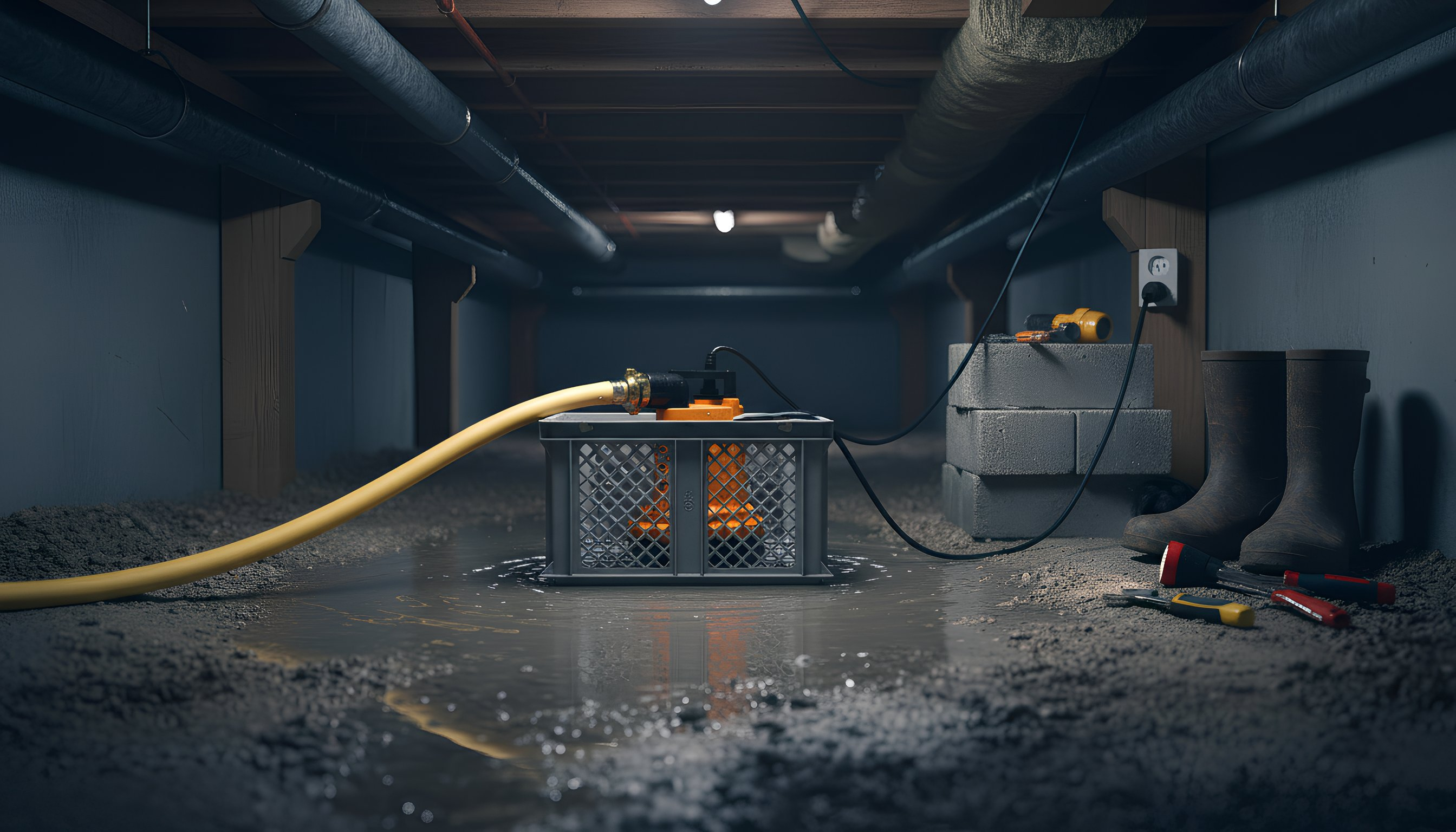
Are you faced with the choice between a robust stainless steel submersible pump or a lightweight plastic version for your dirty water? The choice of material determines not only the price but also, and more importantly, the pump's lifespan under intensive use.
The Basics: Why the Material of a Submersible Dirty Water Pump is Crucial
When pumping dirty water, a pump has to deal with more than just the fluid. Sand, pebbles, and chemicals corrode the housing and internals. A submersible dirty water pump must therefore be resistant to corrosion and mechanical wear. Plastic pumps are often more affordable and lighter, making them ideal for occasional use, such as emptying a rain barrel or temporary flooding.
Stainless steel, on the other hand, is the standard for tough conditions. The material dissipates heat better, making the motor less likely to overheat during prolonged use. For those looking for a durable solution that will last for years, a metal housing is often the better investment.

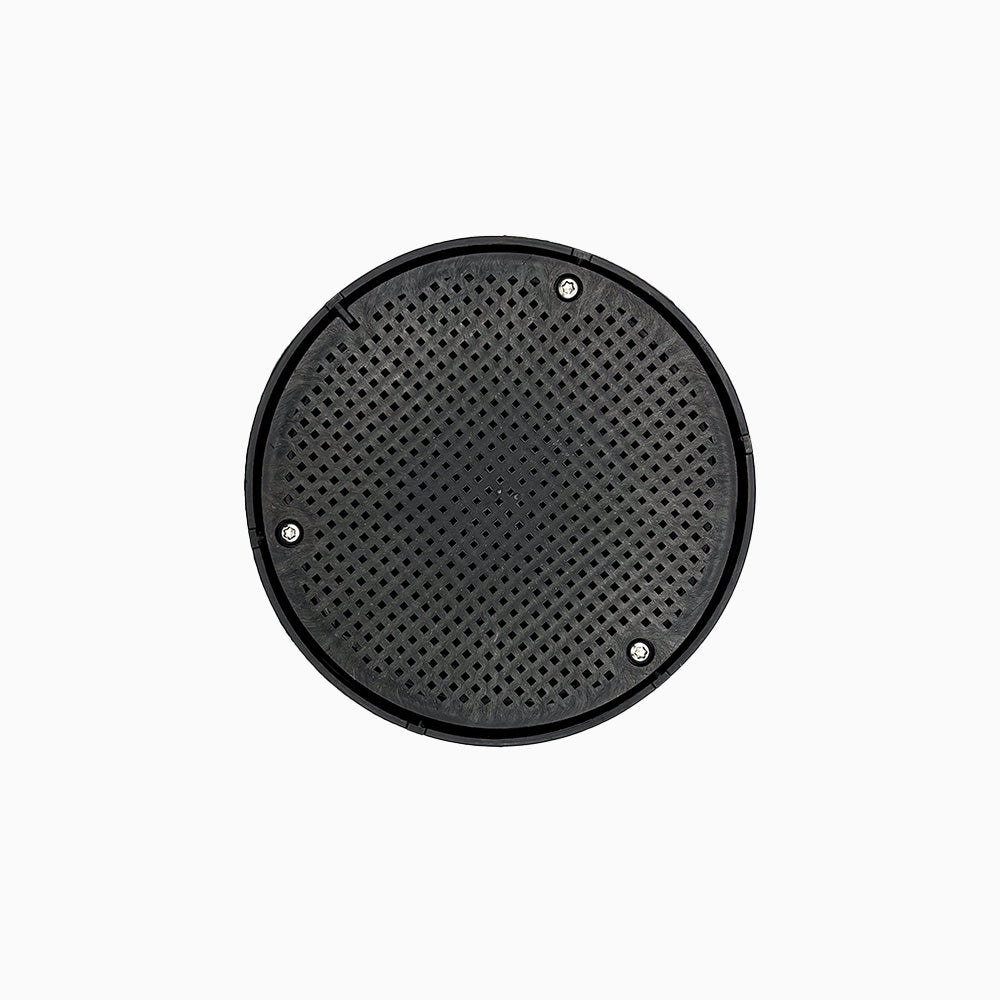
Flat suction submersible pump
Acidity and chemical resistance
An often-overlooked factor when choosing a submersible pump for wastewater is the acidity (pH value) of the water. In basements or construction pits, the water can be contaminated with substances that react aggressively with certain materials. Plastic is naturally highly resistant to corrosion by acids, but can become brittle when exposed to certain chemicals or extreme temperatures.
High-quality stainless steel offers excellent protection, but even this material can be affected by very salty water or specific acids. Therefore, it's essential to know exactly what you're pumping. For more context, also read The Ultimate Guide to Submersible Wastewater Pumps: Everything You Need to Know .
Temperature and heat dissipation
When a submersible pump has to run dirty water for extended periods, the motor generates heat. Stainless steel housings act as a heat sink, efficiently dissipating heat to the surrounding water. Plastic, on the other hand, insulates, causing the internal components to heat up. This is why professional pumps designed for continuous use are almost always made of metal.
If you're using the pump in a small space where temperatures rise quickly, a model with a good float control is recommended to prevent dry running and overheating. You can read more about this in Submersible pump with float vs. without float: The differences .

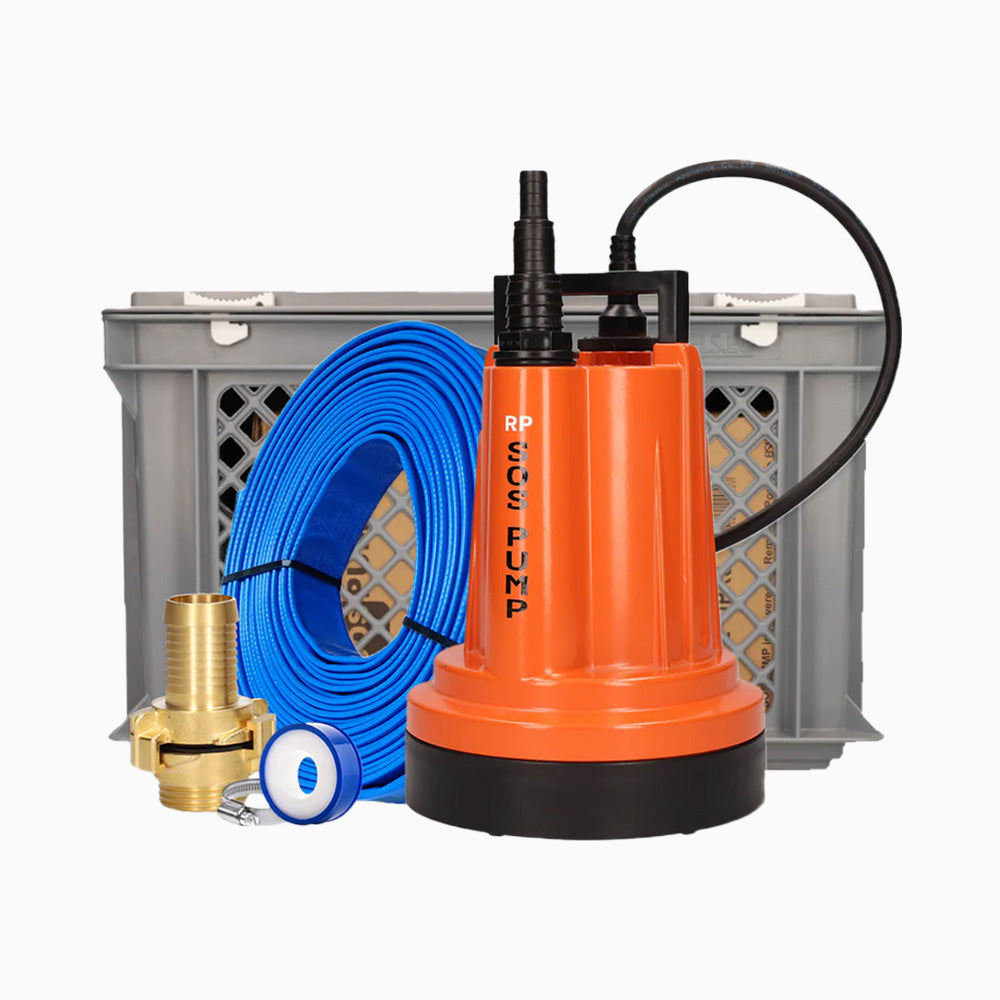
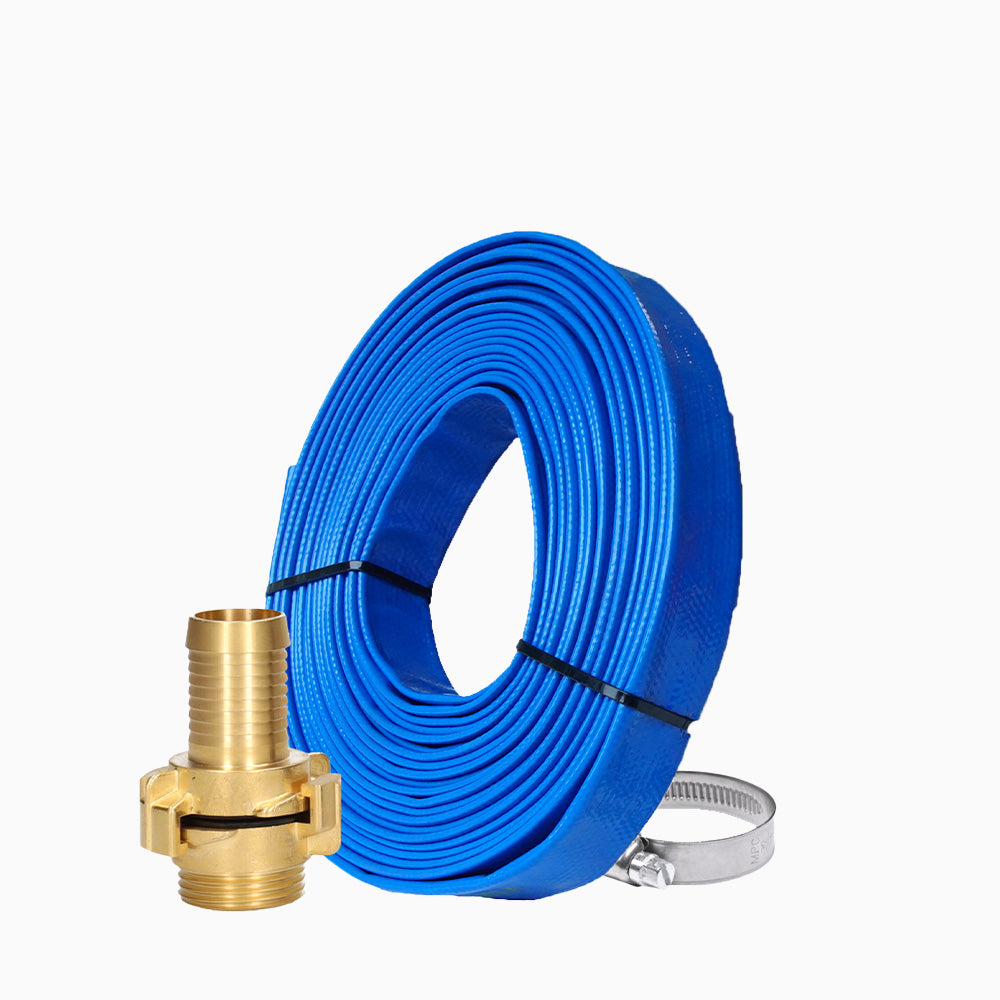
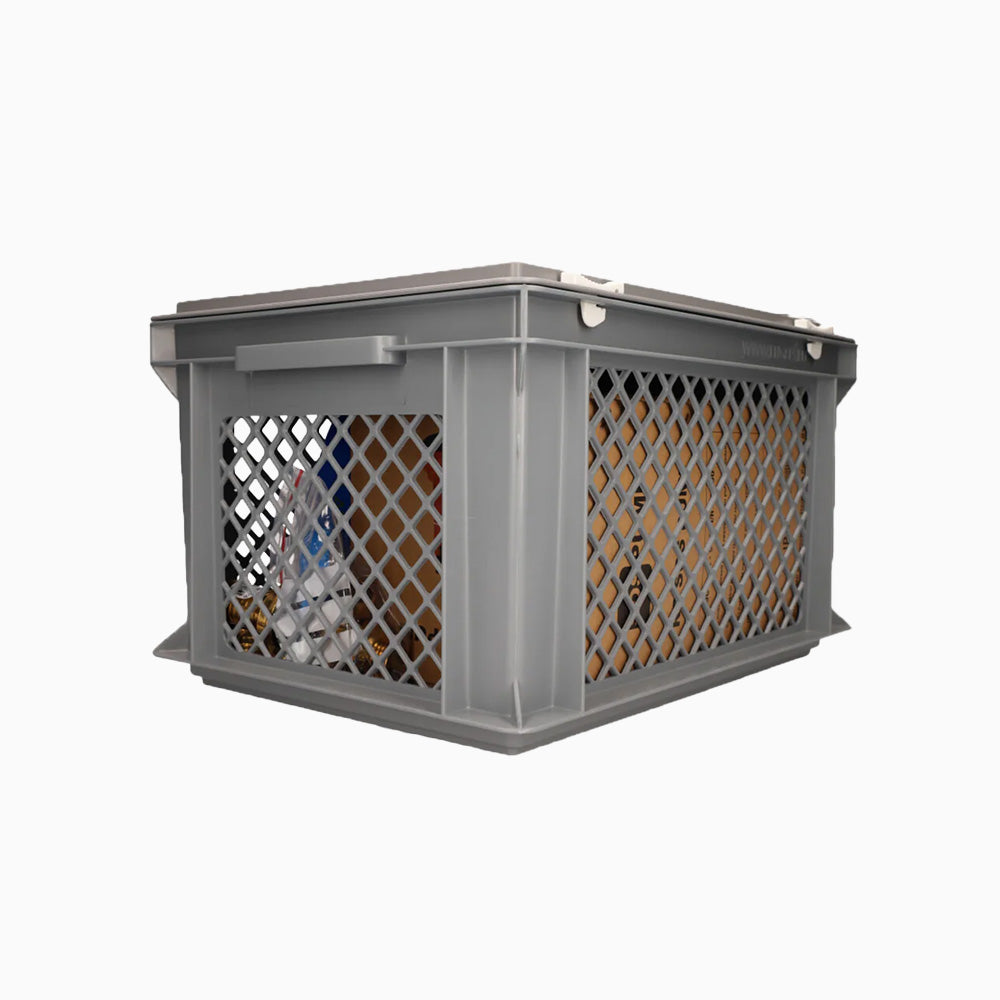
Plug & Play Submersible Pump Set
Wear due to solid components
Dirty water often contains solid particles. These particles have a significant impact on the housing and impeller (the rotating part that moves the water). Stainless steel is harder than most plastics and is less likely to scratch or wear due to the abrasive action of sand. Want to know exactly what size of dirt your pump can handle? Then read the article "What is particle size in a submersible pump and why is it important?"
Frequently asked questions about materials
Is a stainless steel submersible pump always better than plastic?
Not necessarily. For occasional use and slightly contaminated water, plastic is more cost-effective and easier to handle. For professional or permanent use, stainless steel is preferred for its heat dissipation properties.
Can plastic rust?
No, plastic cannot rust. This makes it a safe material for stagnant water. However, the internal motor components of a cheap plastic pump can be sensitive to moisture if the seals are of inferior quality.
What material is best for a construction pit?
For a construction pit, we recommend a robust pump with an aluminum or stainless steel housing, as abrasive sand and stones are often present. See also "Pumping out a construction pit: Which heavy-duty submersible pump do you need?" for specific advice.
Share:
How do you clean a wastewater submersible pump after use?
The Ultimate Guide to the Submersible Dirty Water Pump: Everything You Need to Know