


Are you standing with your feet in water in your basement or struggling with a giant puddle on your flat roof after a heavy downpour? This comprehensive guide will help you discover the best flat vacuum cleaner of 2026, so you can effectively prevent water damage and pump out every last millimeter of water.
What is a flat suction dredger and why do you need one in 2026?
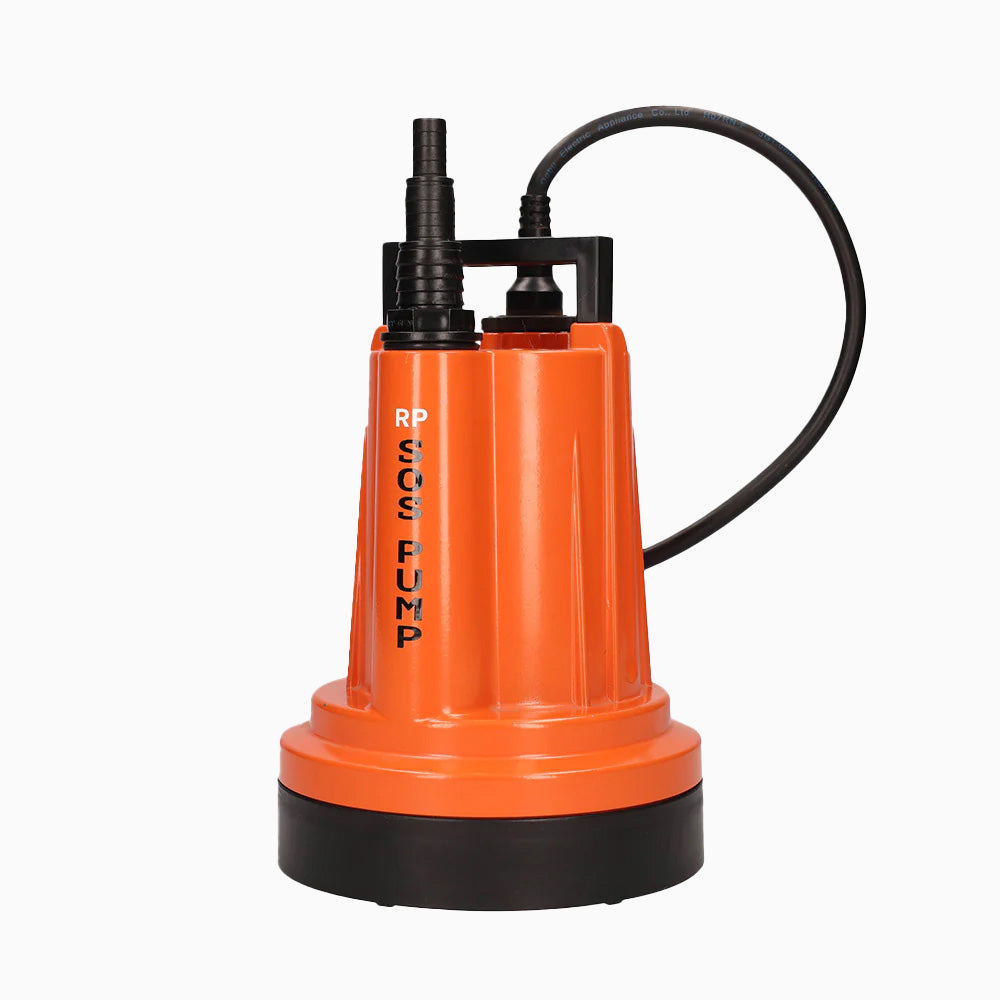
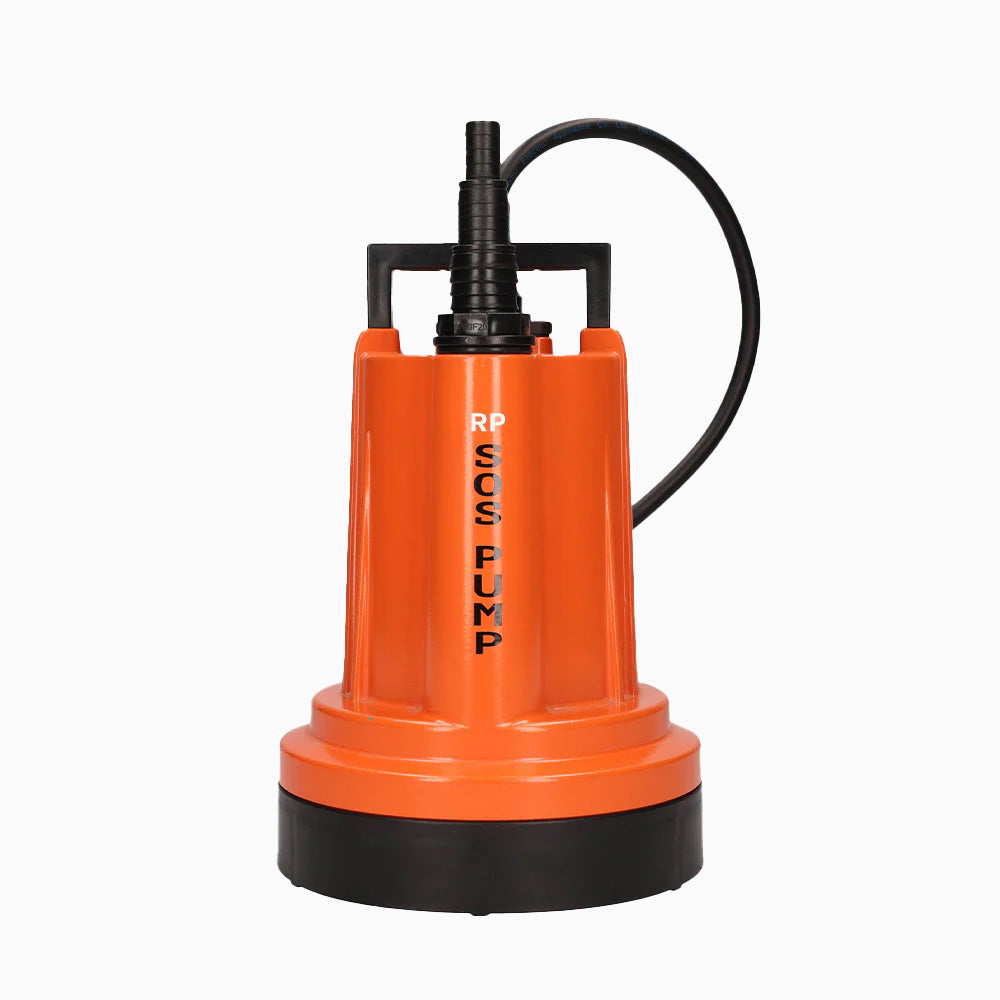
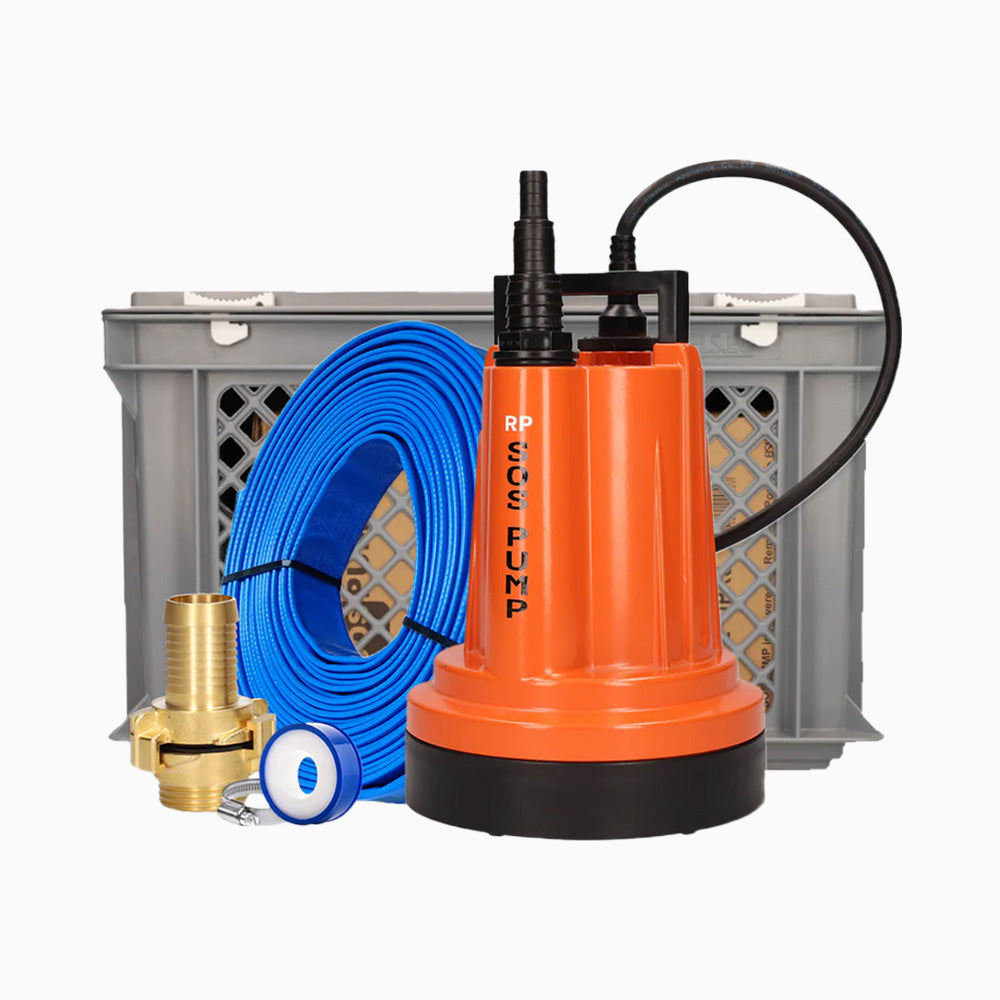
A vacuum cleaner, also known as a mop pump, is a special type of submersible pump designed to pump water down to a very low level. While a standard submersible pump often stops at a water level of 2 or 3 centimeters, a vacuum cleaner continues until only 1 millimeter of water remains. The result? A floor that is practically dry as a mop.
In 2026, we'll see extreme weather events become more common. Heavy downpours will cause flooded basements and overloaded flat roofs. A good vacuum cleaner is therefore no longer a luxury, but an essential part of your emergency kit for home and garden. The difference between a standard pump and a vacuum cleaner is crucial: the latter prevents residual water from building up, which can still cause mold growth or damage foundations.
How do you choose the best flat vacuum cleaner for your situation?
Not every pump is suitable for every job. Choosing the right machine depends on the location where you want to use it and the amount of water you need to move. For an in-depth analysis of the options, we also recommend reading: How to choose the right submersible pump?
Capacity and head
The two most important technical specifications are the pump capacity (how many liters per hour) and the head (how high the pump can lift the water). For a flat roof on the second floor, you need a higher head than for a basement just below ground level. Want to know exactly what you need? Then check out our article : Calculating capacity: How many liters per hour should my flat suction dredger pump?
Float Switches: Internal vs. External
A vacuum cleaner needs to know when to turn on and off. In 2026, sensors will be more accurate than ever. An internal float is ideal for narrow spaces like manholes, while an external float is often more robust for open spaces. You can read more about this in What is a float switch and do you need an internal or external one?

Submersible pump with switch 1mm
Applications: From basement to flat roof
The best vacuum cleaner of 2026 is versatile, but some models excel in specific scenarios. We distinguish between three main categories, which we also discuss in detail in "Vacuum Cleaners for Specific Situations": Basement, Roof, and Swimming Pool .
Flooding in the basement
In a basement, every millimeter counts. Because basements often have smooth floors, a floor pump capable of suctioning up to 1 mm is the best choice. It's essential that the pump starts automatically as soon as the water level rises. For practical tips, also read "Flooding in the basement? How to use a floor vacuum effectively ."
Flat roofs and rainfall
On a flat roof, weight is a factor. You want a pump that's lightweight yet powerful enough to direct the water through a hose to the downspout or garden. Prevent structural damage to your roof by taking action in time. See also: The best flat roof vacuum for a flat roof: Prevent leaks during heavy rain .
Emptying swimming pools
At the end of the season, you'll want to winterize your pool. A vacuum is ideal for this because it allows you to almost completely dry the pool floor, making cleaning much easier. However, be sure to check the pump's chlorine resistance. More information can be found in "Emptying a Pool with a Vacuum: What to Consider?" .
Mop pump vs. submersible pump: The differences explained
Although the terms are often used interchangeably, there's a significant difference. A standard submersible pump is often intended for heavy-duty work and can handle larger dirt particles. A mop pump, or surface-suction pump, is a precision instrument for clean to slightly contaminated water. For a detailed comparison, see Mop pump vs. submersible pump: What are the key differences?.

Non-return valve 25mm
Maintenance and safety
A vacuum cleaner is an investment that should last for years. Because the pump is in direct contact with water and electricity, safety is the number one priority. Always ensure a grounded connection and regularly check the cable for damage. Read more in Safety and electricity: Using vacuum cleaners in a wet environment .
After use, it's important to thoroughly rinse the pump with clean water, especially if you've pumped water with soap residue (swimming pool) or light sand (basement). A step-by-step guide can be found in "Step-by-step: How to clean a vacuum cleaner after use? " For general tips on its lifespan, please refer to "Maintenance and installation of your vacuum cleaner."
Solving problems yourself
Is the pump not starting or losing suction? This is often due to an airlock (an air bubble in the pump) or a clogged suction strainer. Many pumps are self-priming in 2026, but it can still happen. If you have any problems, consult our guide: Common problems with flat suction pumps and how to solve them yourself .
Frequently asked questions about flat suction cups
Can a flat suction dredger also pump dirty water?
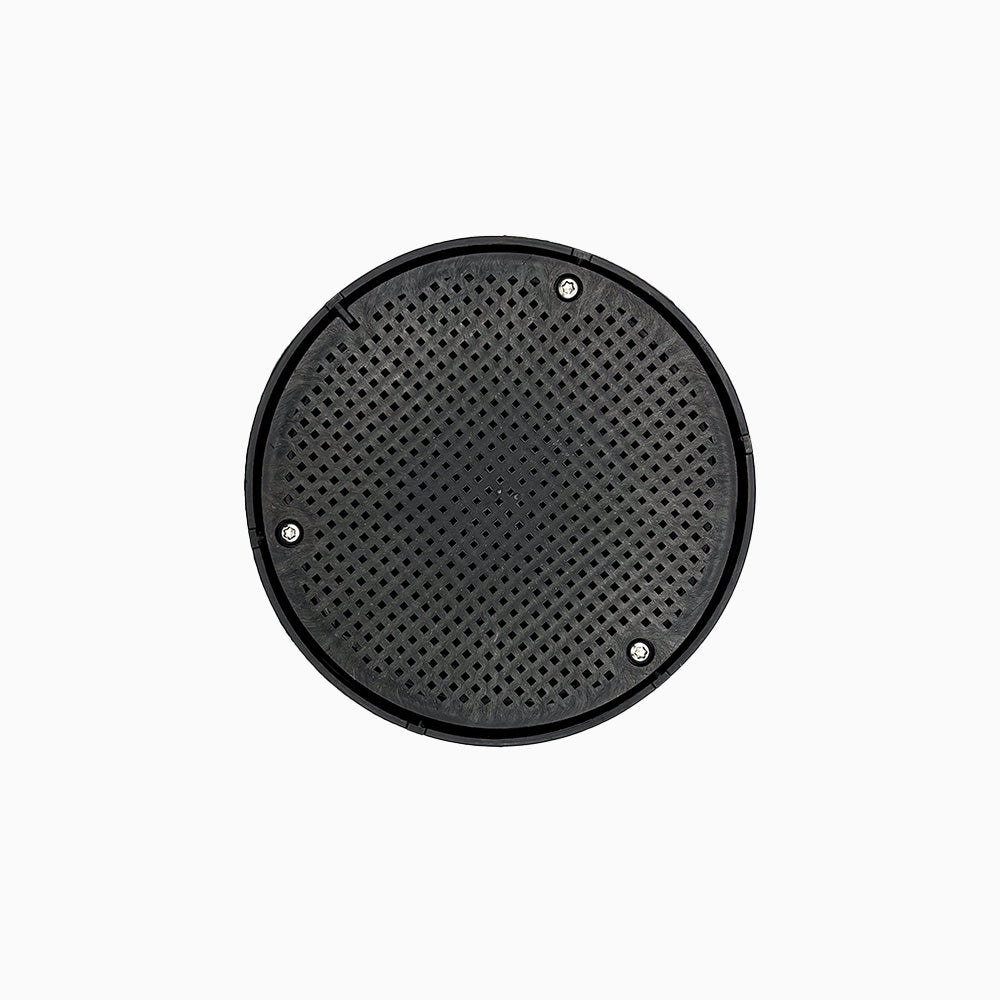
Most flat vacuums are designed for clean to slightly dirty water (particles up to 5mm). For really dirty water with mud or stones, you'll need a submersible dirty water pump, but these don't pump mop-dry water.
How low can the best flat vacuum of 2026 pump out water?
The top models from 2026 can extract water down to a residual level of just 1 millimeter. This means you only need to mop the floor afterwards.
Does a flat suction dredger need to be completely submerged to operate?
No, a flat suction dredger is designed to start at very low water levels. However, many models require a minimum water level of a few centimeters to be able to make the initial suction.
Share:
Emptying a swimming pool with a flat vacuum: What should you pay attention to?
How do you choose the right flat suction submersible pump?