


Are you standing in water in your basement or do you want to protect a flat roof from leaks? Choosing the right pump is crucial for preventing water damage and working efficiently.
The essence of the best flat vacuum cleaner 2026
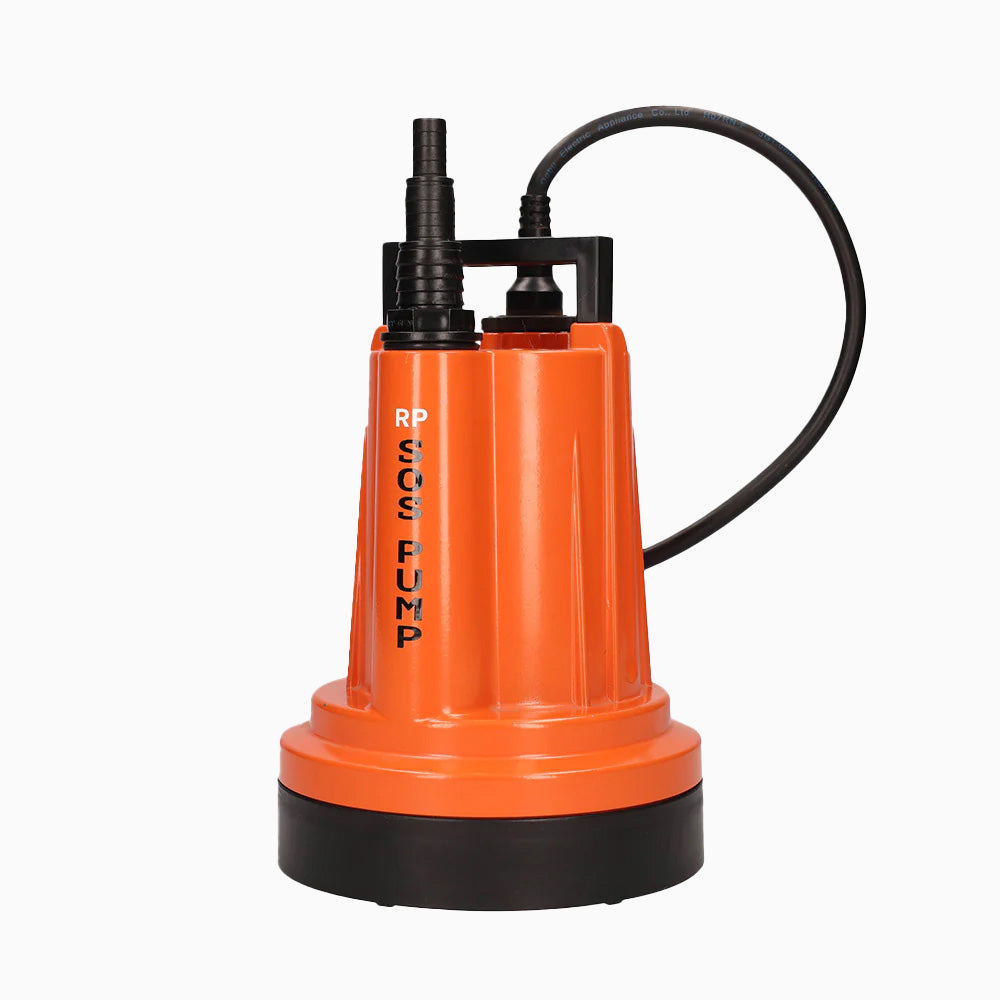
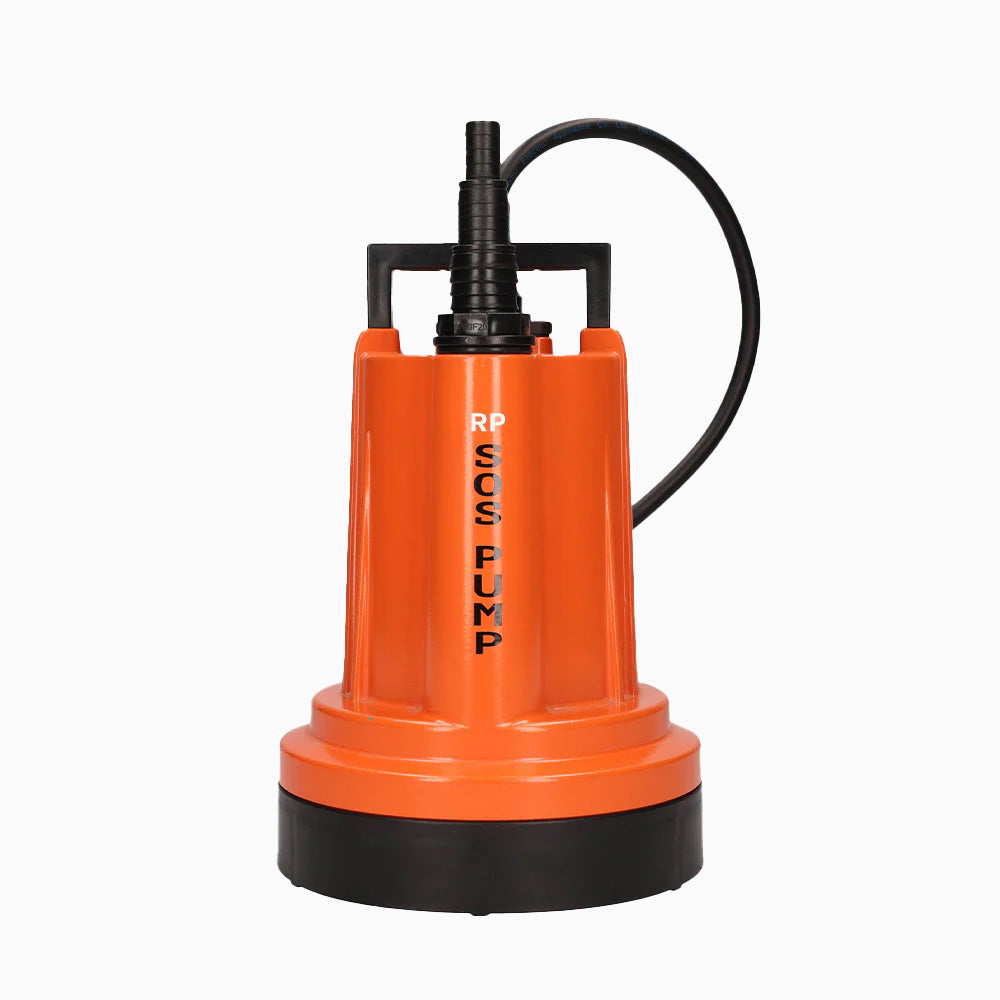
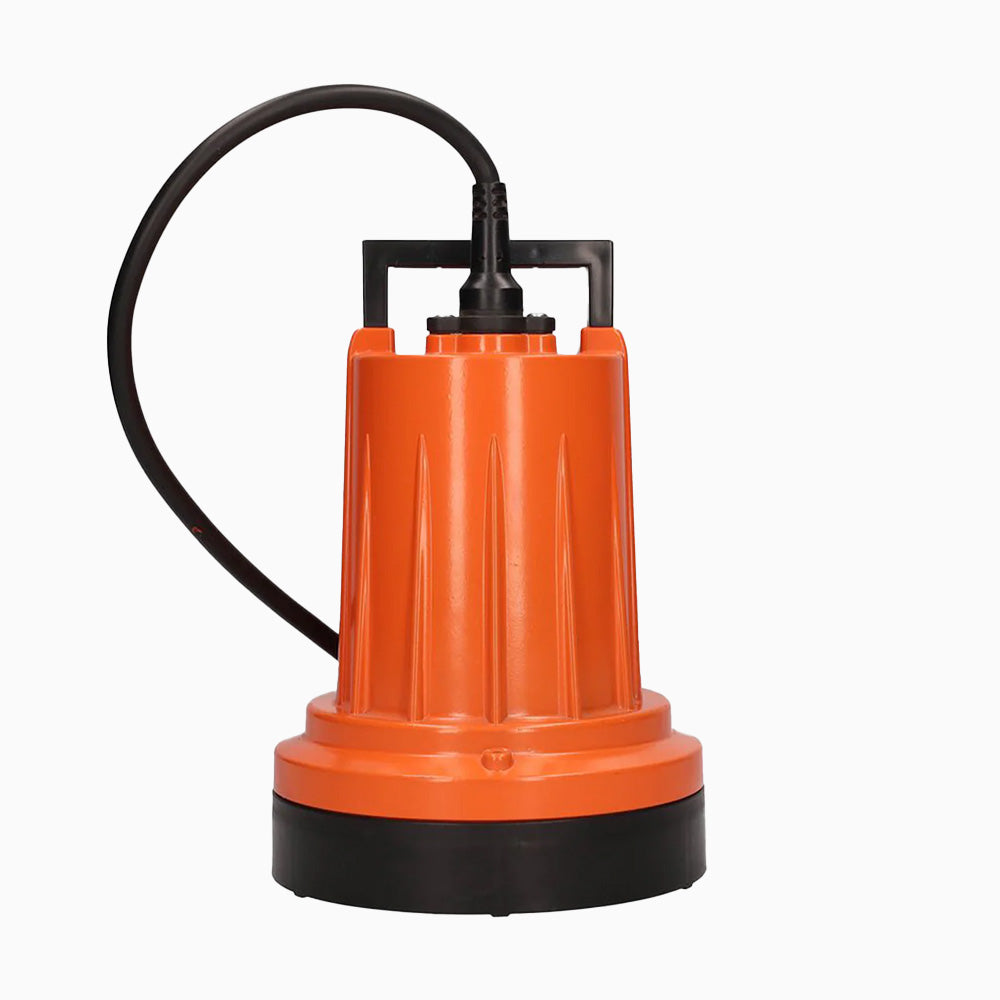
A floor vacuum, also commonly called a mop pump, is a specific variant of the submersible pump. While a standard submersible pump often leaves several centimeters of water, the best floor vacuum 2026 is designed to pump away water to a wafer-thin layer. This makes them indispensable for situations where the floor must be left almost dry, such as in basements, garages, or on flat roofs.
When making a choice, three technical pillars determine whether a pump is suitable for your project: the flow capacity, the minimum residual water level, and the type of switching mechanism. In this article, we delve deeply into these specifications to help you make the right investment.
Capacity: How many liters per hour do you really need?
A pump's flow rate is expressed in liters per hour (l/h). While it's tempting to immediately opt for the most powerful motor, the ideal capacity depends heavily on the application. For a small leak in a basement, a pump rated at 5,000 to 7,000 liters per hour is sufficient. However, if you need to drain a large swimming pool or dewater a large flat roof during a downpour, you're more likely to look for models that handle 10,000 liters or more.
Keep in mind that the stated capacity is often the maximum value at a head of zero meters. The higher the water needs to be pumped, the lower the actual output. You can read more about this in our article " Calculating capacity: How many liters per hour should my suction dredger pump?. "

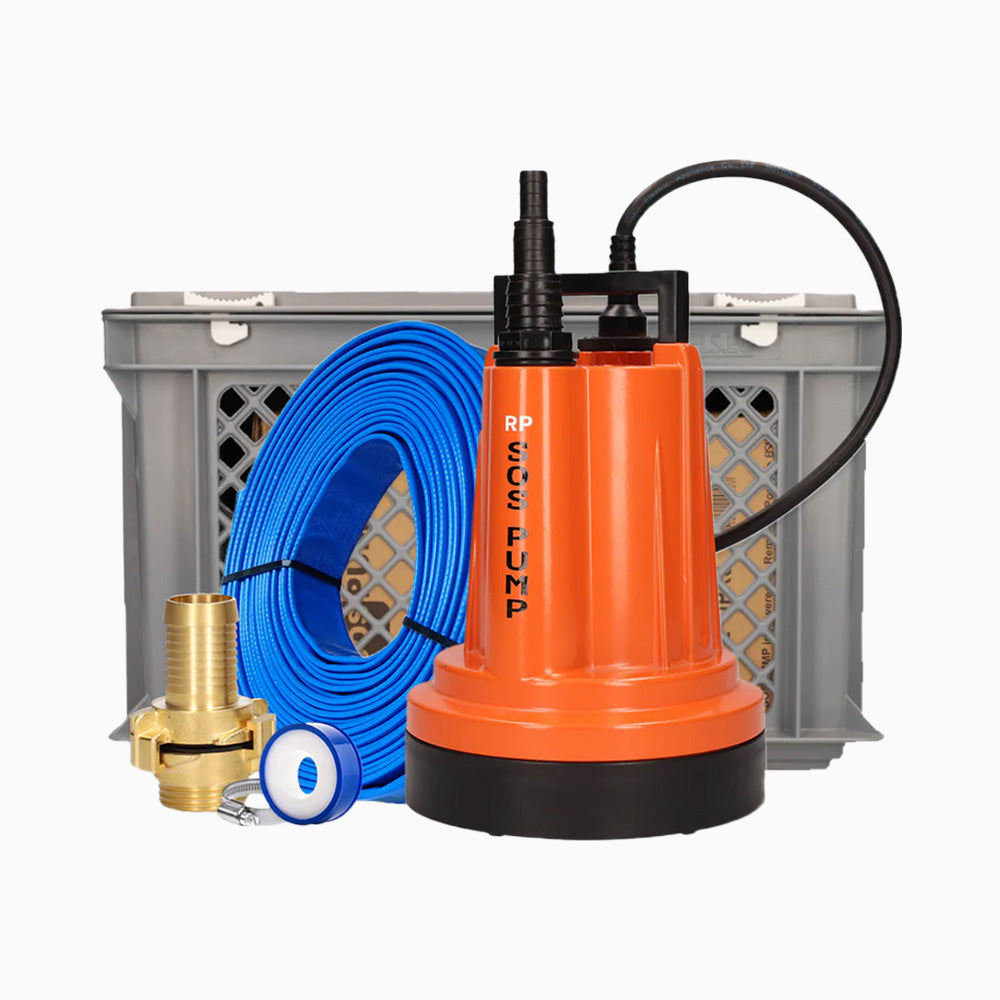
Flat suction submersible pump
Residual water level: The definition of 'mop dry'
The unique selling point of a vacuum cleaner is its residual water level. This is the level of water that remains on the floor once the pump can no longer draw in water. For most users, a level of 1 to 3 millimeters is ideal. This residual water can then be easily removed with a mop or squeegee.
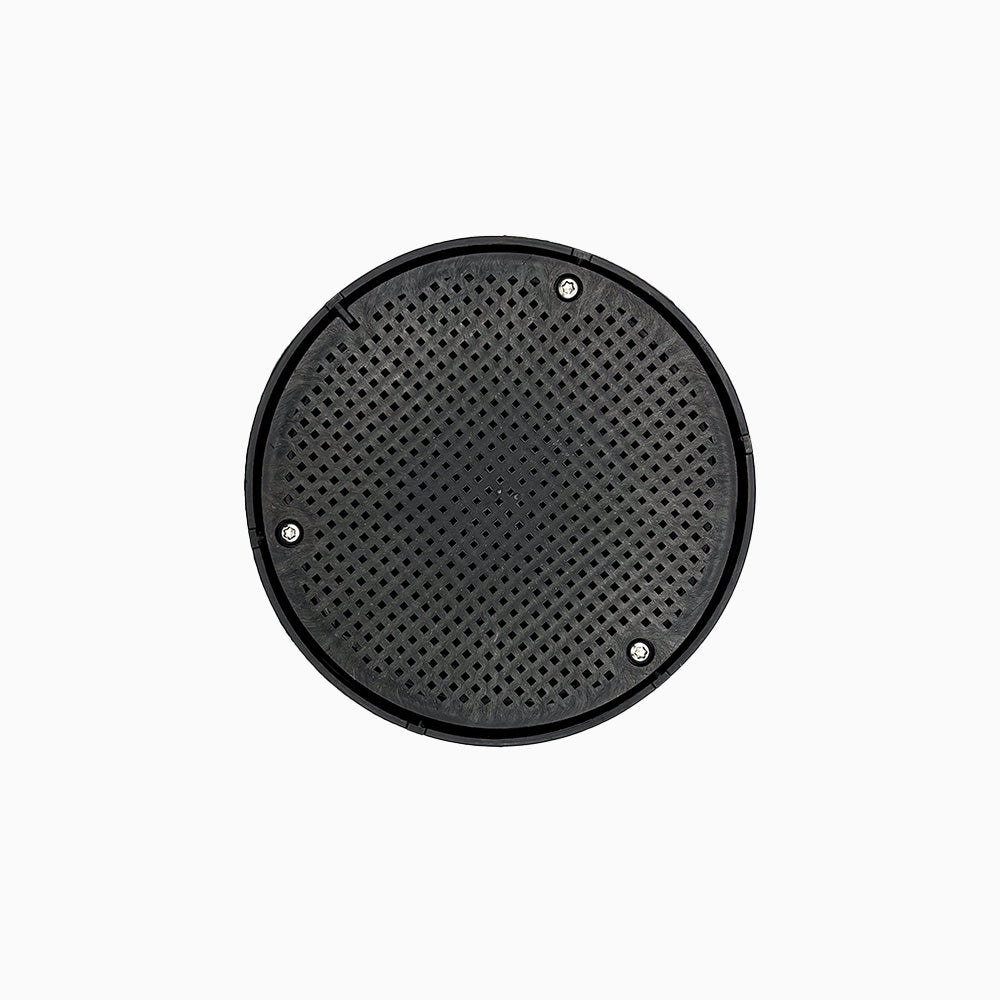
When purchasing, pay close attention to the bottom of the pump. The best 2026 flat vacuum has a specially designed base with small suction ports that sit very low to the ground. This is the biggest difference compared to other pump types. For a more in-depth comparison, we recommend the article "Mop Pump vs. Submersible Pump: What are the Key Differences?"
The float switch: Automatic or manual?
One of the most overlooked components of a flat suction dredger is the float switch. This determines when the pump switches on and off. With flat suction dredgers, this is particularly complex because the pump often has to react to a water layer of just a few millimeters.
Internal vs. external floats
An external float (a small ball on a cable) often needs space to float. This often doesn't work optimally in a narrow well or on a flat floor. Therefore, an internal float or an electronic sensor is often chosen for flat vacuums. These sensors can detect water from a very low level, which is essential for automatic basement monitoring.
Want to know exactly which type of switch is right for your situation? Then read "What is a float switch and do you need an internal or external one?" for a detailed explanation of sensor technology.

Submersible pump with water sensor 3mm
Practical applications
Not every vacuum cleaner is suitable for every environment. The chemical composition of the water and the presence of dirt particles play a major role. Most vacuum cleaners are only suitable for clean to slightly cloudy water. If there are stones or leaves in the water, the pump's impeller can become blocked.
We've written separate guides for specific scenarios. Think of The best vacuum for a flat roof: Prevent leaks during heavy rain or Flooding in the basement? How to use a vacuum effectively . These articles will help you optimize the pump for your specific problem.
Maintenance for a long lifespan
Once you've purchased the best 2026 flat vacuum, you naturally want it to last for years. Because flat vacuums often sit idle for long periods and then suddenly need to work at full capacity, maintenance is essential. Limescale and dried dirt are the biggest enemies of the internal float and impeller. Always rinse the pump with clean water after use. For a complete step-by-step guide, see "Step-by-step: How to clean a flat vacuum after use? " and "Maintenance and installation of your flat vacuum."
Frequently asked questions about flat suction cups
Can a flat suction dredger also pump dirty water?
Most flat vacuums are designed for clean water. Small grains of sand are often not a problem, but larger dirt particles can damage the pump. For heavy-duty jobs involving mud or stones, a dirty water pump is more suitable, although they leave more residual water.
How low can a flat suction dredger really pump away water?
The best models in 2026 can pump water down to a level of 1 millimeter. This is often referred to as "mop dry."
Do I have to operate a flat vacuum manually?
That depends on the model. Models with an electronic sensor or internal float can automatically turn on at a certain water level. Models without a float must be switched on and off manually to prevent dry running.
Share:
Emptying a swimming pool with a flat vacuum: What should you pay attention to?
Best Flat Vacuum Cleaner 2026: The Ultimate Buyer's Guide for Basements and Flat Roofs