


A flooded basement is every homeowner's worst nightmare, but with the right equipment, the damage can be quickly mitigated. In this article, we explain how to optimally use a vacuum cleaner to get your basement completely dry.
Why a flat vacuum is the best choice for basements
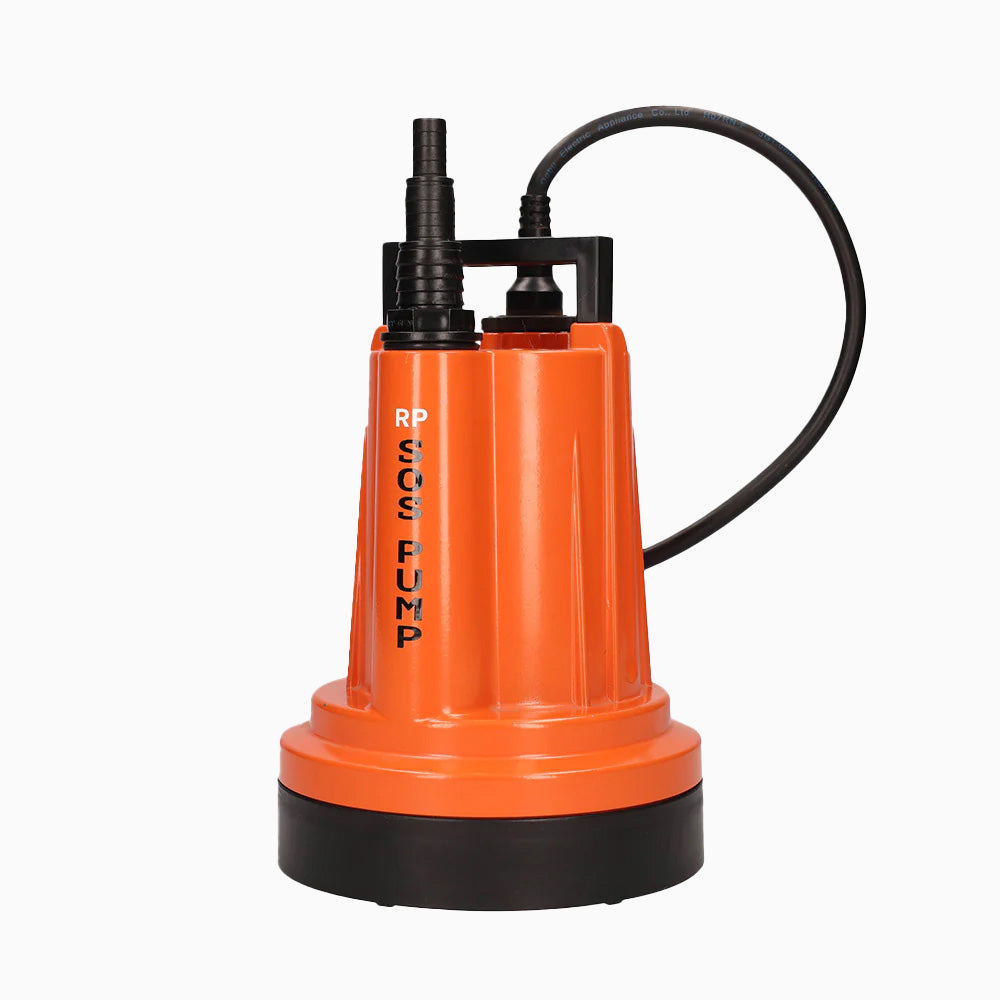
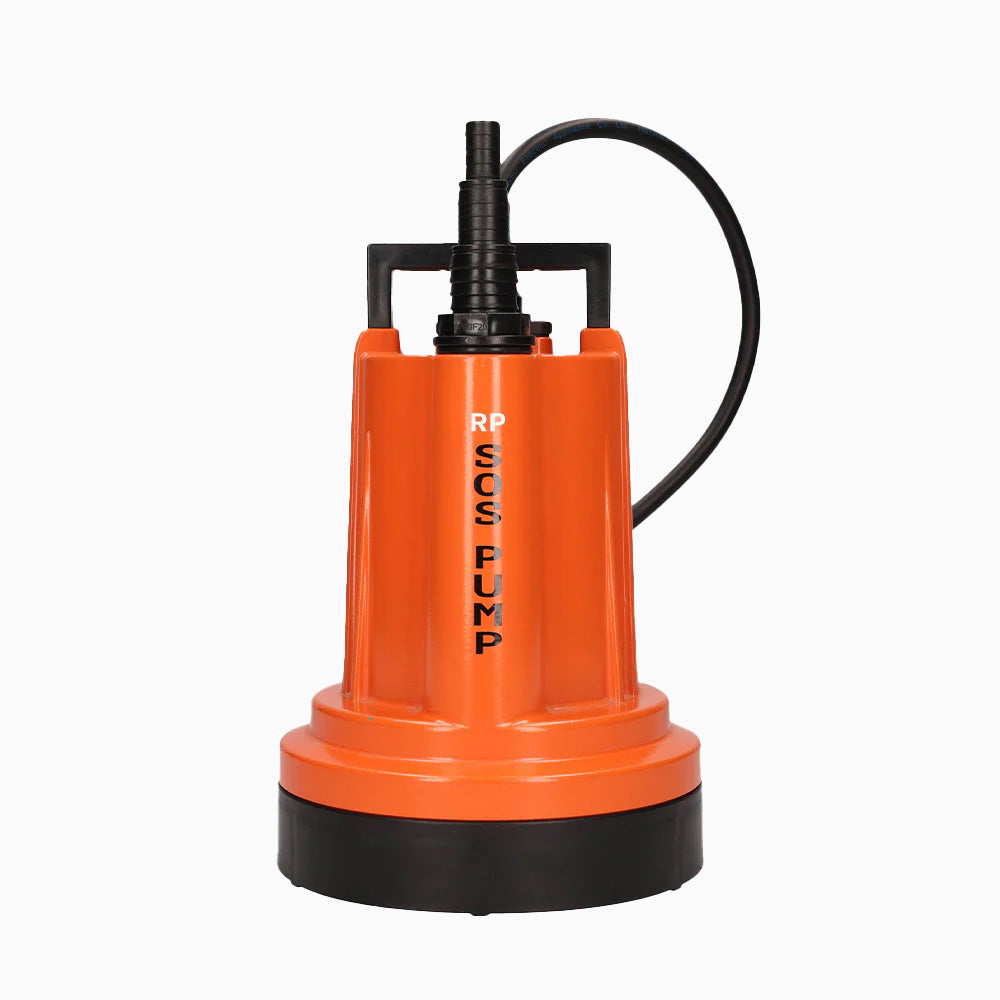
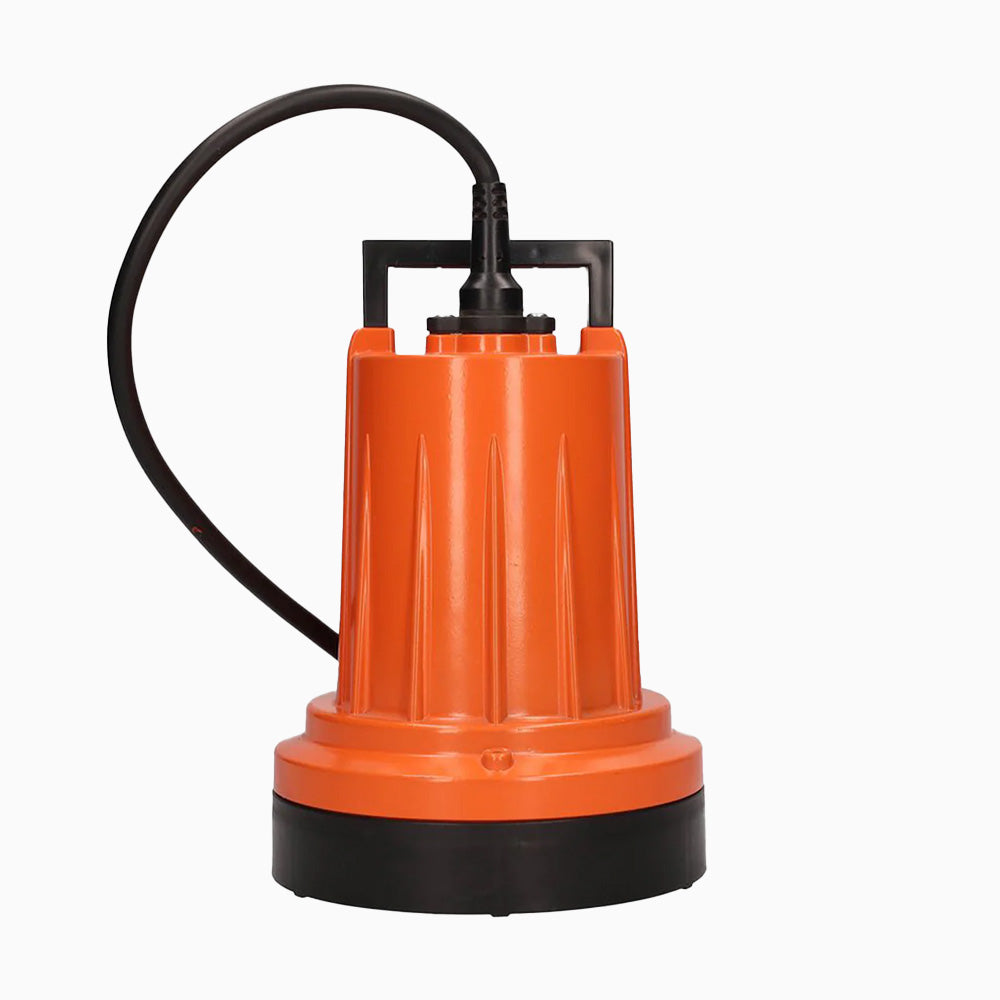
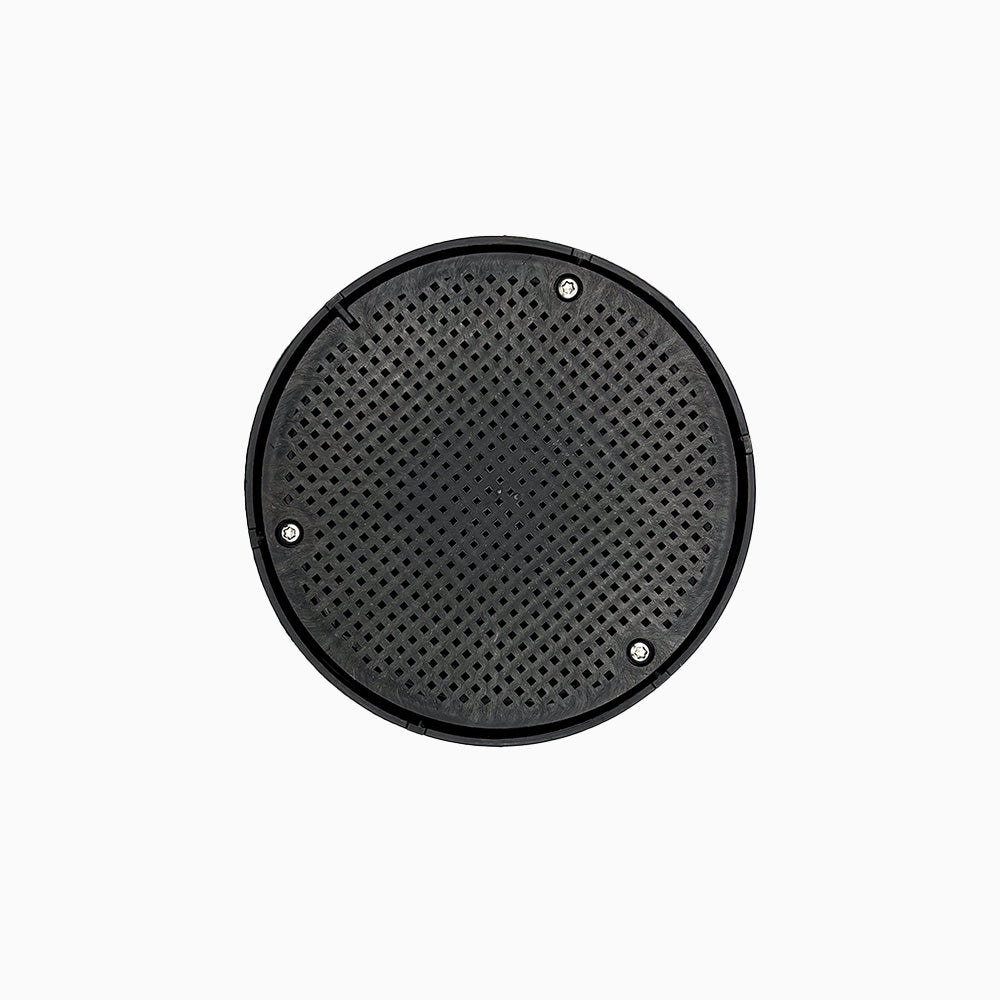
When there's a layer of water in the basement, a standard submersible pump often isn't enough. A regular pump often stops when there are only a few centimeters of water left. For a result that leaves the floor virtually dry, you need the best 2026 floor vacuum . These pumps, also called floor pumps, are specially designed to remove water from a height of just 1 millimeter.
Understanding the difference between various pumps is crucial for a successful project. For a deeper dive into the technology, also read our article "Mop Pump vs. Submersible Pump: What are the Key Differences? "
Step-by-step plan: Pumping your cellar dry
1. Preparation and safety
Before you begin, it's essential to turn off the power in the basement if the water level approaches the electrical outlets. Safety is paramount when working with electricity in a wet environment. If in doubt, consult Safety and Electricity: Using Vacuum Cleaners in a Wet Environment .
2. Installing the correct pump
Place the vacuum cleaner at the lowest point in the basement. For automatic operation at very low water levels, a model with an electronic sensor is ideal.

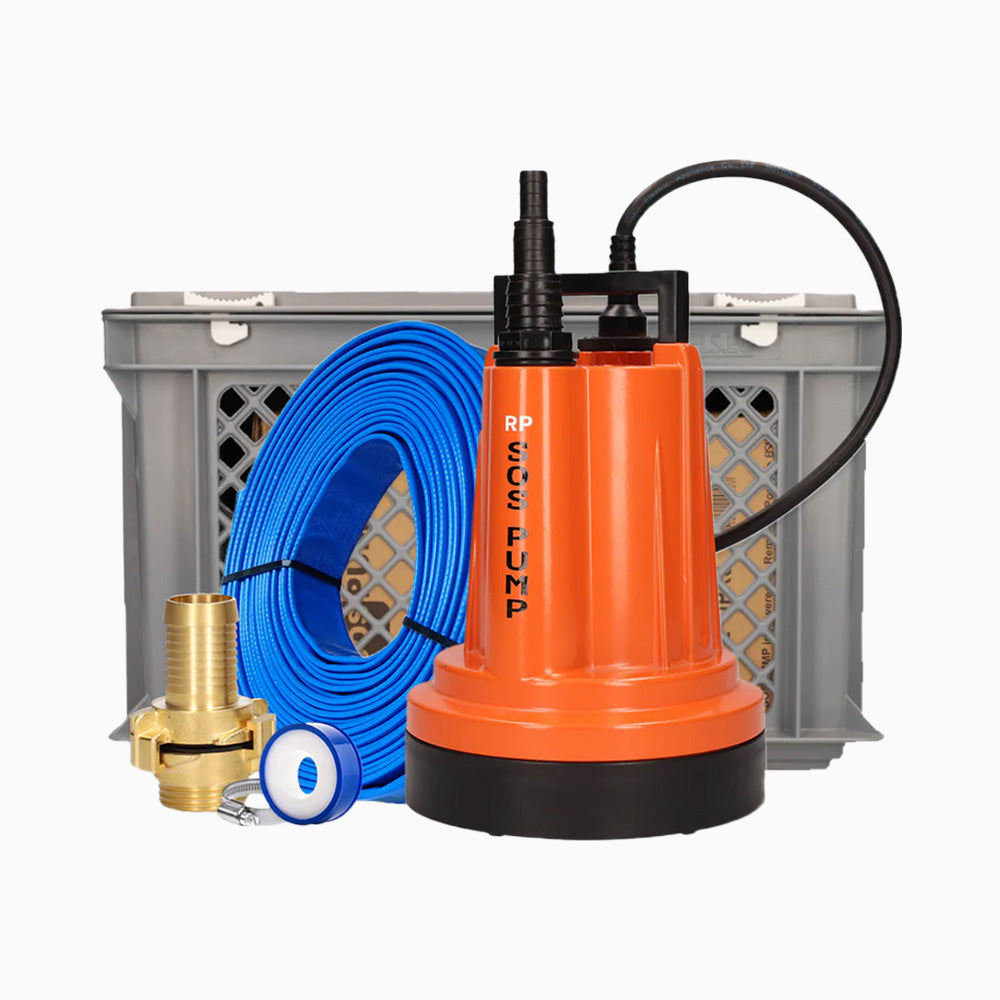
Submersible pump with switch 1mm
3. Connect the drain hose
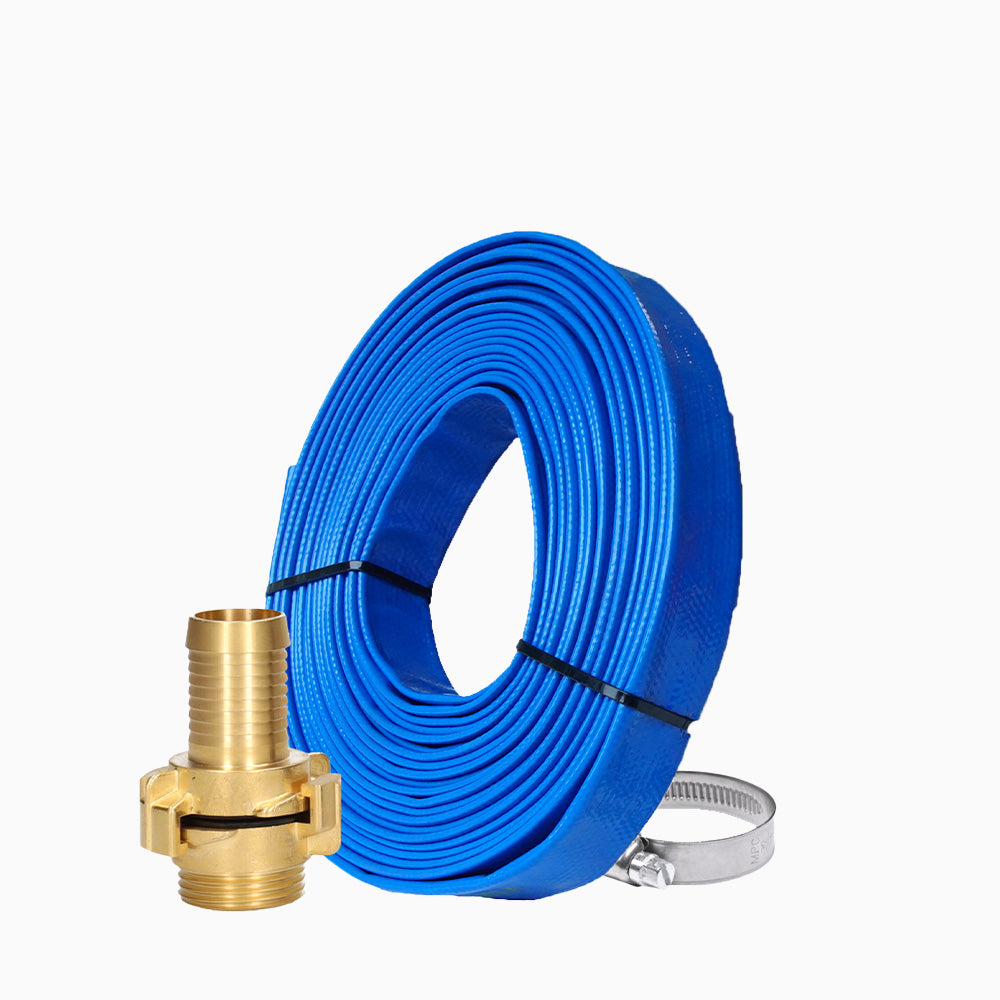
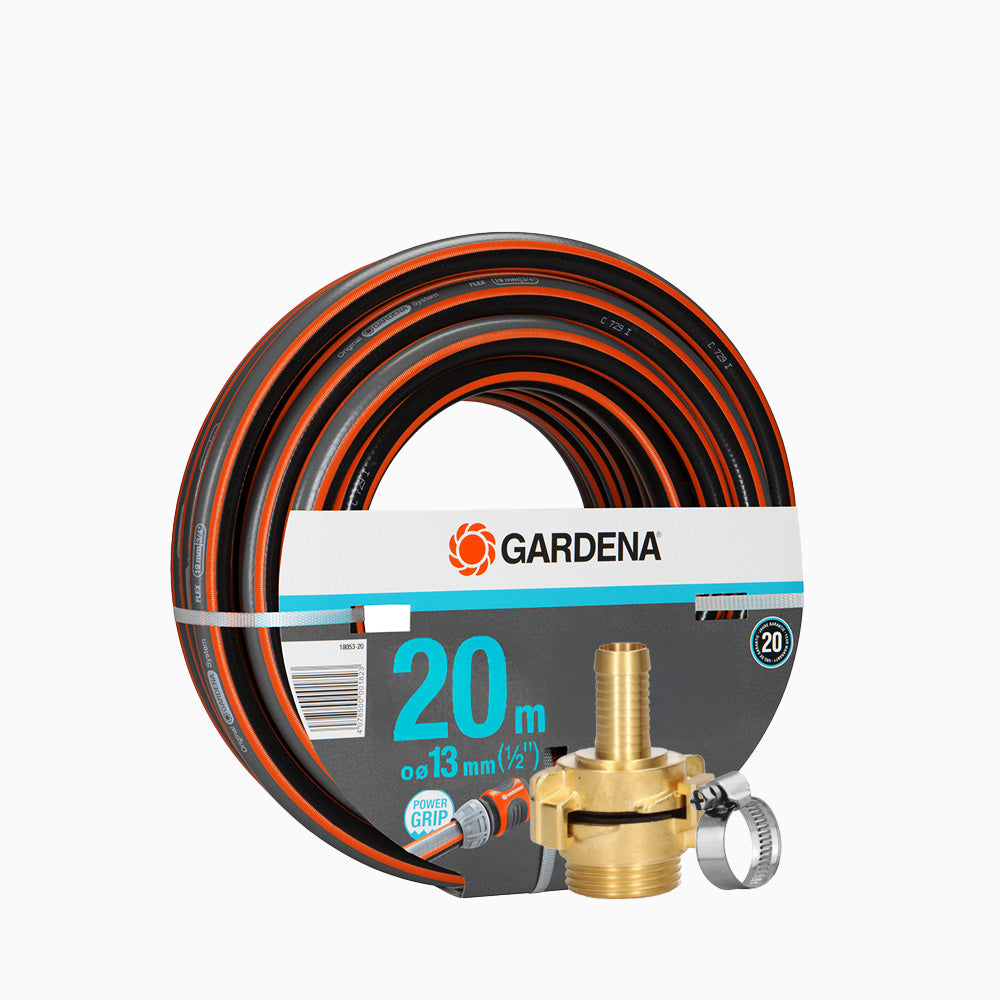
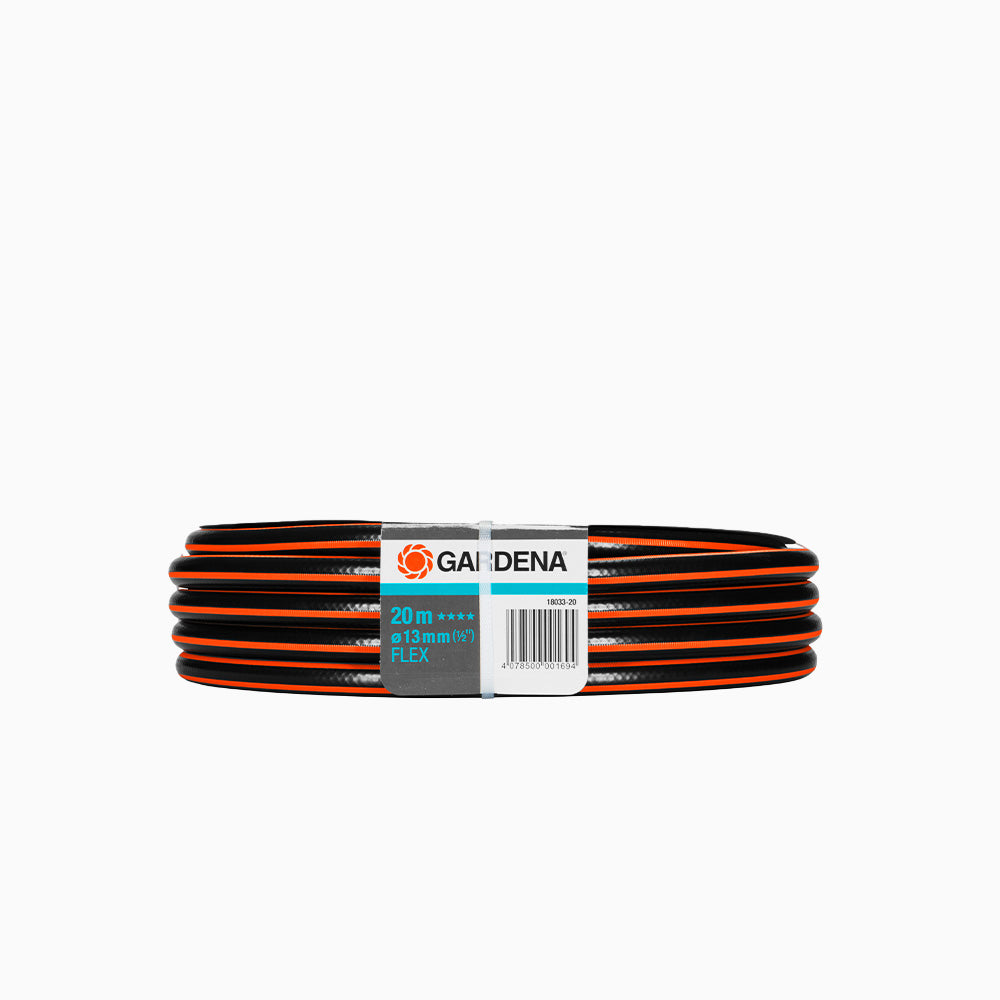
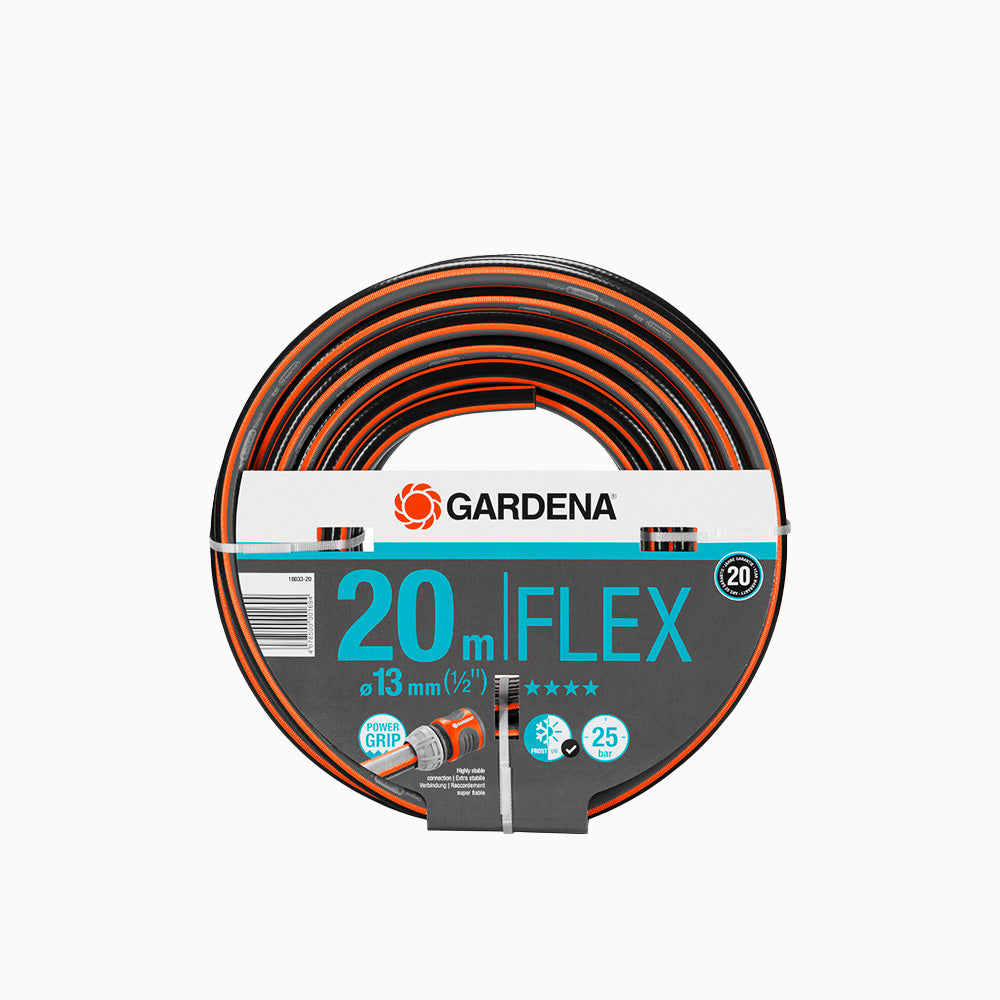
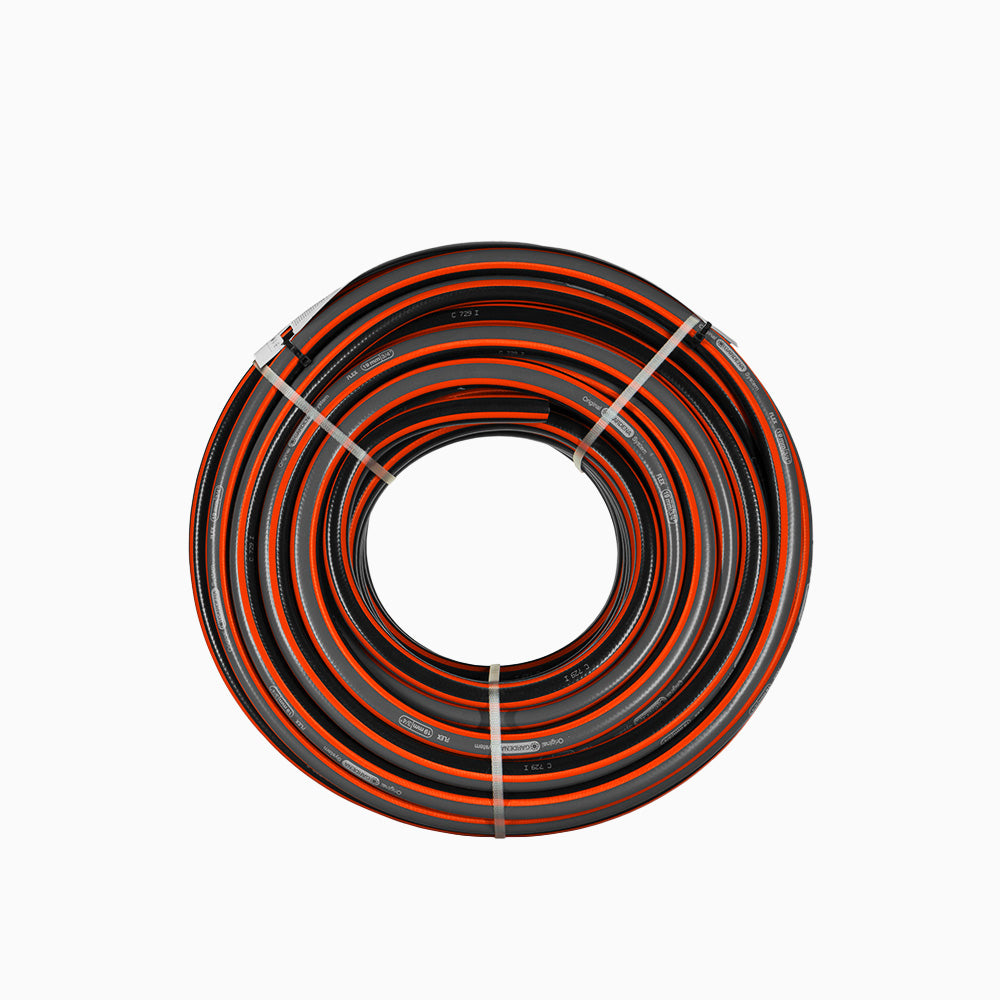
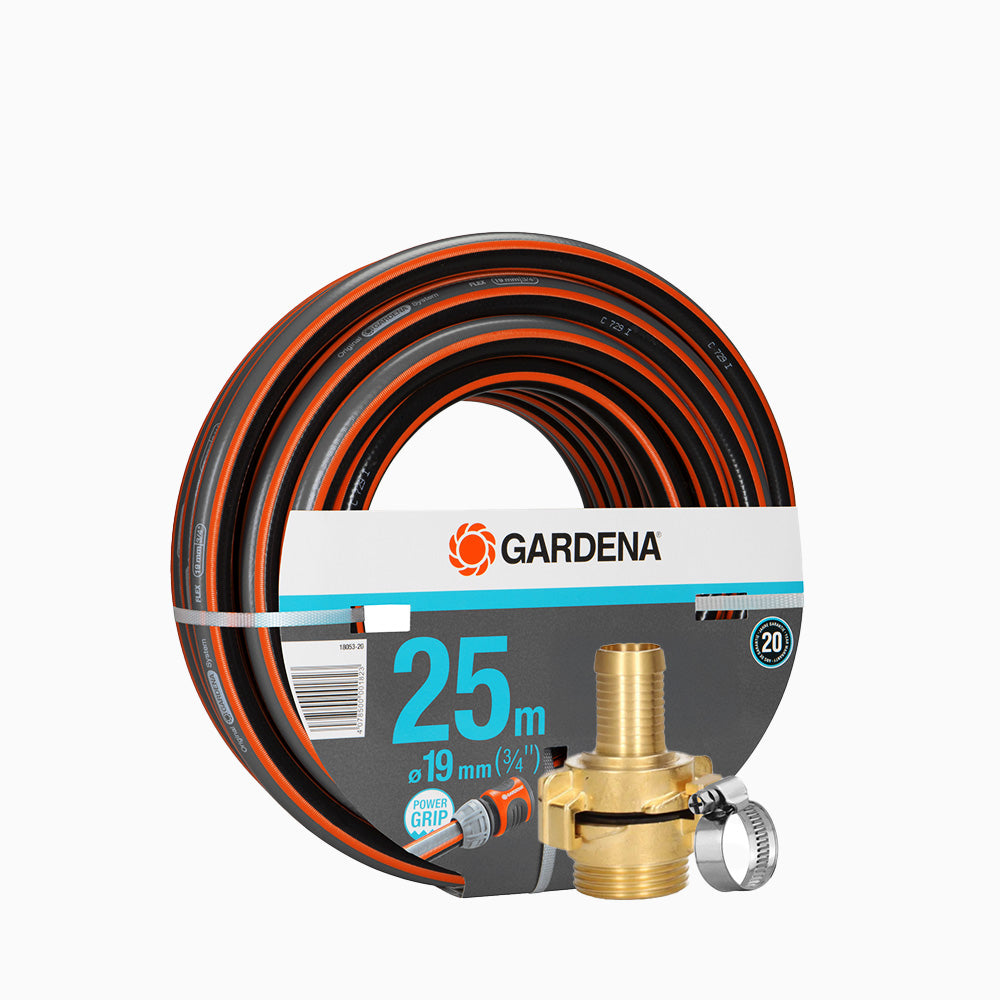
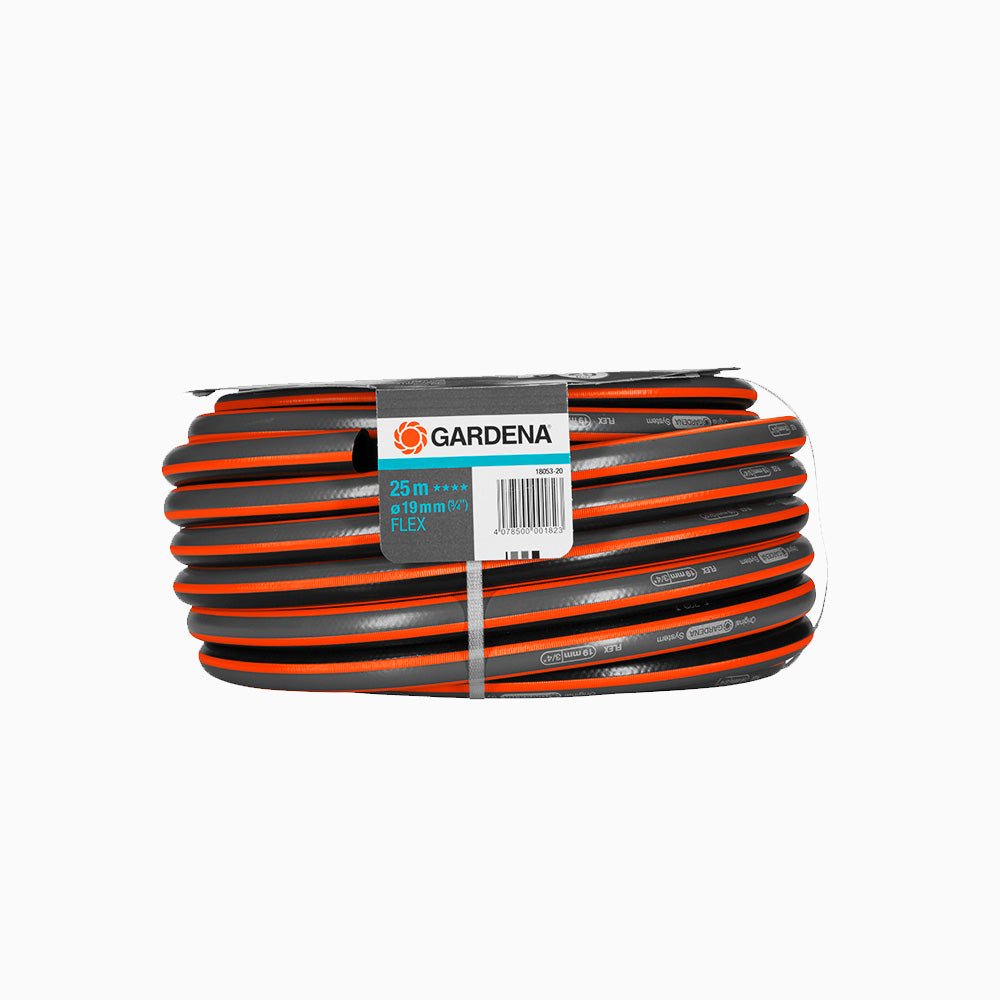
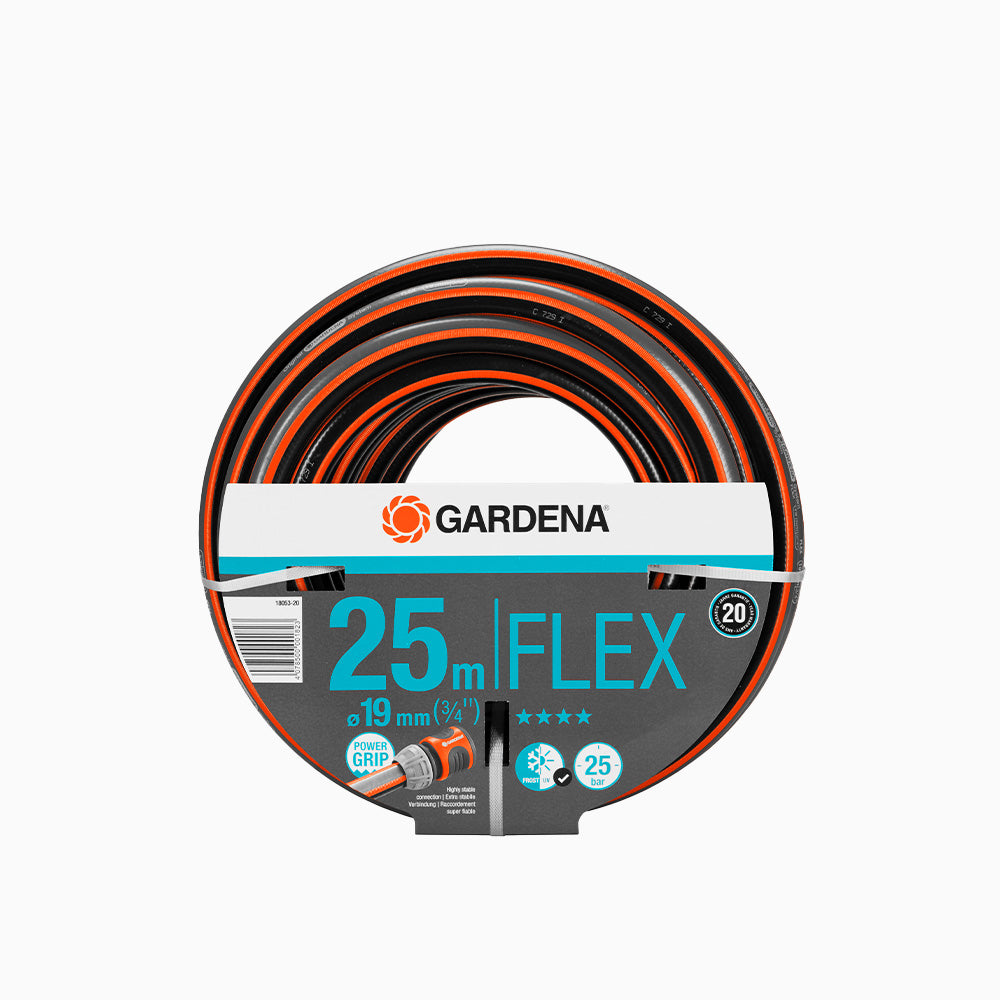
Make sure you have a hose with a sufficient diameter to minimize resistance. The larger the diameter, the faster the cellar will drain. Use a sturdy hose set like the

Gardena Garden Hose 20m 13mm
Tips for optimal results
To prevent the pump from sucking in air (the so-called "airlock" effect), it's best to tilt the pump slightly in the water first to allow all the air to escape from the pump housing. Once the pump is running, you can place it flat on the floor.
Want to learn more about the specific features of these devices? Then check out the Best Flat Vacuum Cleaner 2026: The Ultimate Buyer's Guide for Basements and Flat Roofs .
Frequently asked questions about flat suction cups
How deep can a suction dredger pump water?
The best 2026 flat vacuum models can extract water down to a residual level of 1 millimeter, resulting in a mop-dry floor.
Can a flat vacuum also handle dirty water?
Most flat vacuums are designed for clean to slightly cloudy water. For coarse dirt or sand, you're better off looking for a dedicated wastewater pump, although these leave more residual water.
Do I need to turn off the pump manually?
That depends on the float. Models with an internal electronic sensor can operate automatically, while simpler models must be operated manually to prevent dry running.
Share:
Emptying a swimming pool with a flat vacuum: What should you pay attention to?
Best Flat Vacuum Cleaner 2026: The Ultimate Buyer's Guide for Basements and Flat Roofs