


Nothing's more frustrating than discovering a flooded basement and finding your pump isn't working. In this guide, we discuss the most common malfunctions and how to get your best 2026 vacuum back up and running quickly.
Why doesn't my flat vacuum cleaner suck in water?
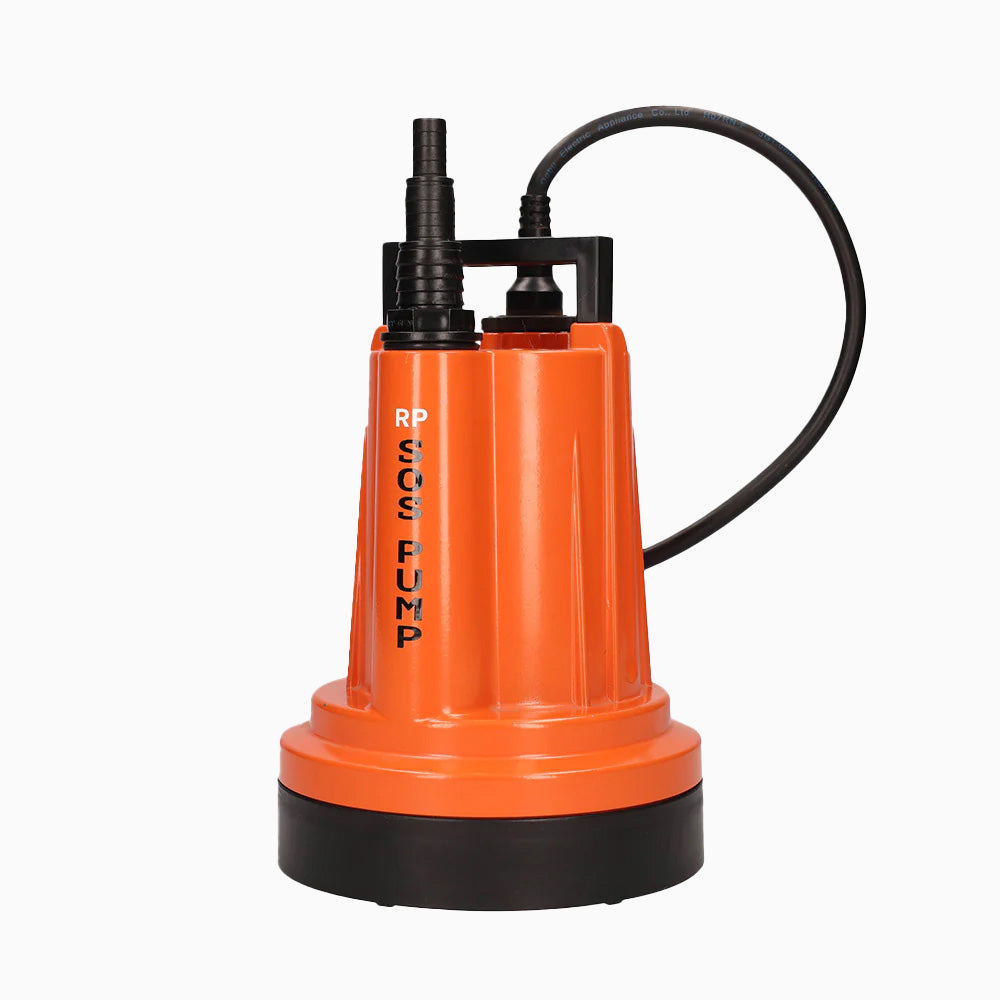
The most common problem with flat suction pumps is that the motor runs, but no water comes out of the hose. This is often caused by an airlock (an air bubble) in the pump housing. Because a flat suction pump is designed to pump with millimeter precision, its tolerance for air is very small. You can often solve this by tilting the pump slightly while it's submerged in water, allowing the air bubble to escape.
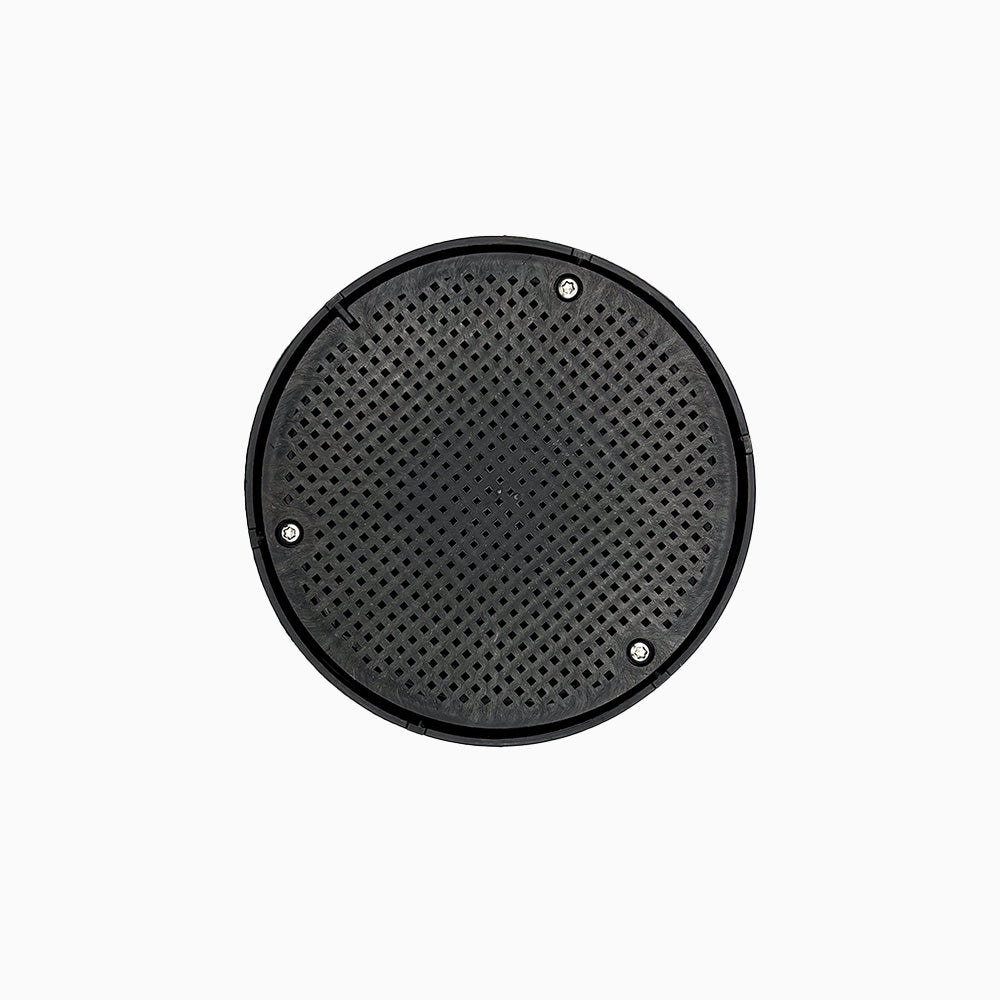
Another cause could be a dirty suction strainer. Even with the best 2026 flat vacuum, small debris can block the fine mesh. Always check that the underside is free of sludge or leaves. For more information about the differences between pump types, read our article "Mop Pump vs. Submersible Pump: What are the Key Differences?" .

Submersible pump with switch 1mm
Problems with the float switch or sensor
If the pump doesn't turn on automatically or doesn't stop pumping, the problem usually lies with the level control. With traditional float switches, the float arm may be stuck against a wall. With modern sensors, limescale or grease can be the culprit. In the article "What is a float switch and do you need an internal or external one?" we delve deeper into the technology behind it.
If you notice the sensor isn't responding, gently clean it with a damp cloth. For situations where you want to pump down to the last millimeter, a model with an electronic sensor is often the best choice.

Non-return valve 25mm
The pump keeps stopping (thermal protection)
Most high-quality vacuum cleaners are equipped with thermal protection. If the pump gets too hot, it shuts itself off to prevent burnout. This often happens when the pump runs dry for too long or when the fluid is too thick (for example, mud instead of clean water). In "Flooding in the basement? How to use a vacuum cleaner effectively," we explain how to prevent this by choosing the right setup.
Maintenance for a longer lifespan
Prevention is better than cure. Rinse the pump thoroughly with clean tap water after each use, especially if you've used it for a chlorinated pool or a slightly contaminated basement. You can read how to do this thoroughly in the Step-by-Step Guide: How to Clean a Flat Vacuum After Use .
Frequently asked questions about flat suction problems
My flat suction dredger is making a bubbling noise but isn't pumping, what should I do?
This usually indicates air in the pump housing. Tilt the pump underwater to release the air and check that the suction ports are completely submerged.
How deep should the water be before a flat suction dredger starts?
This varies by model, but most flat vacuums require a starting level of a few centimeters. Once started, they can continue until there is 1 to 2 millimeters of residual water.
Can I connect a garden hose to my flat vacuum cleaner?
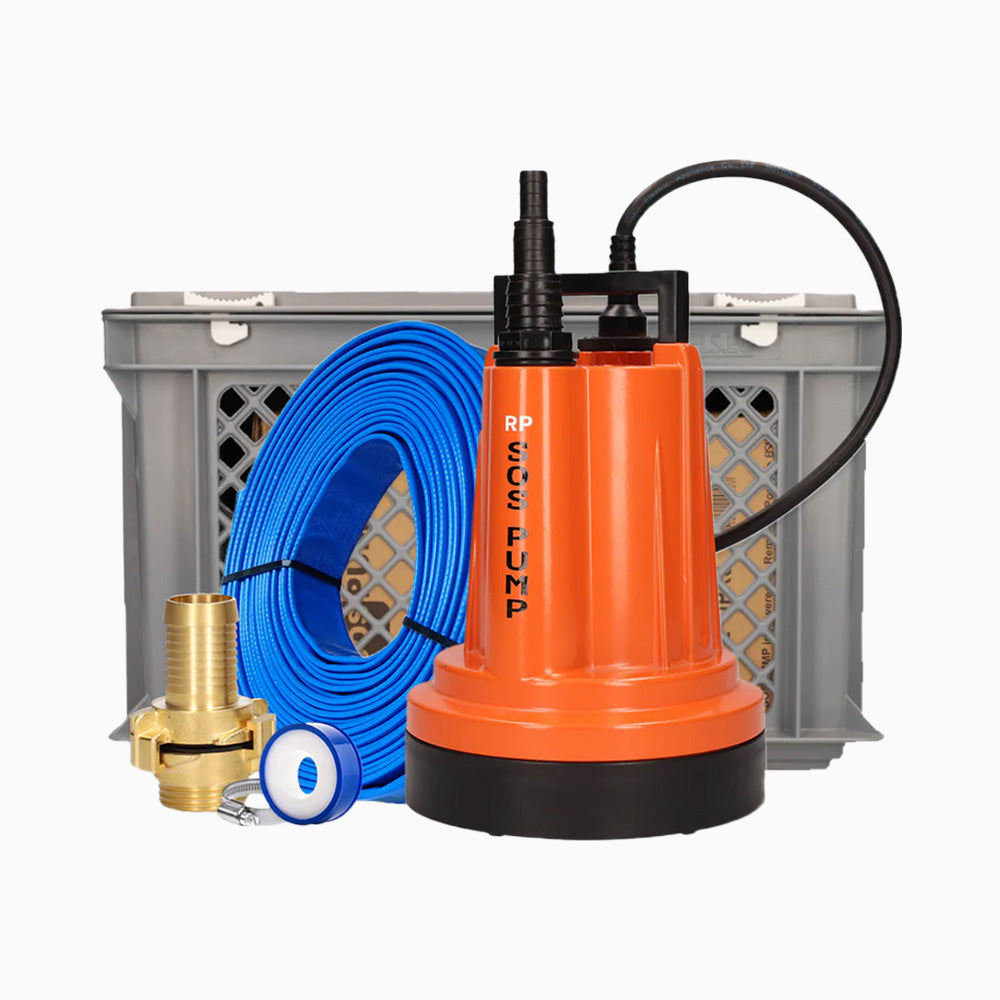
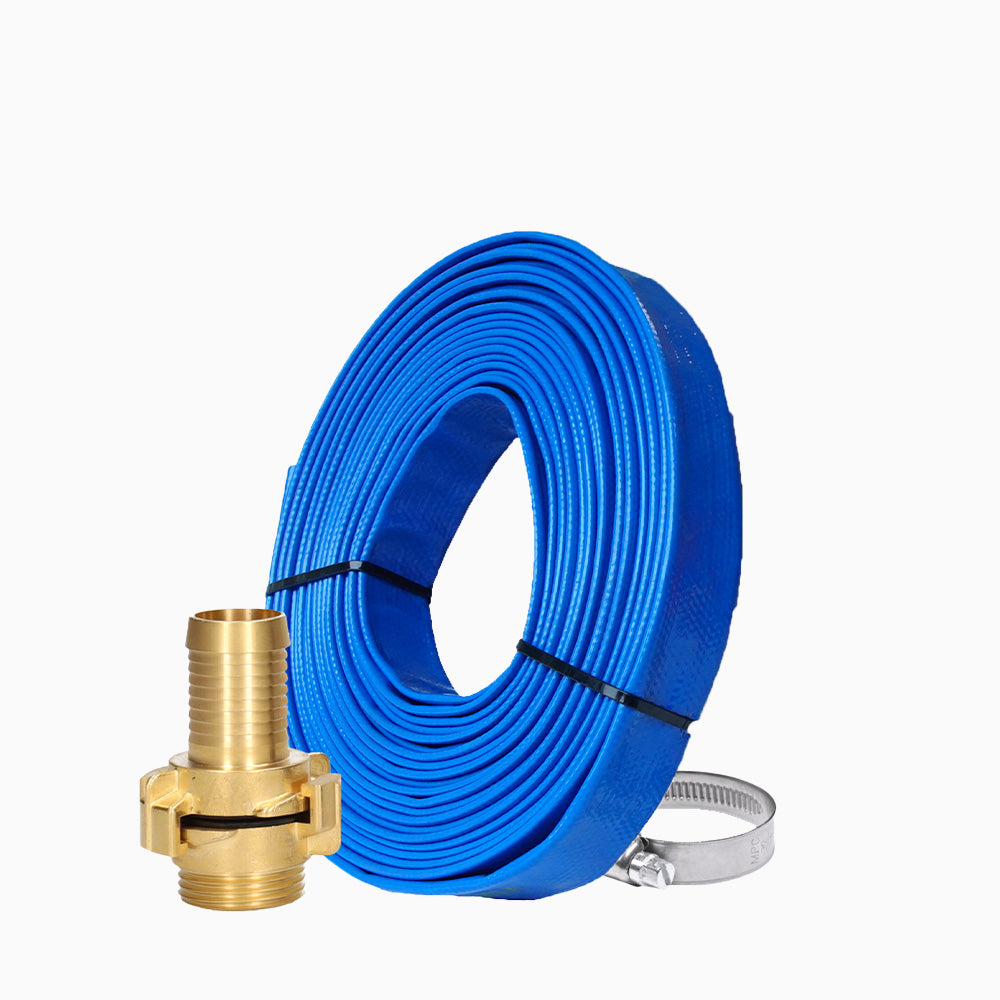
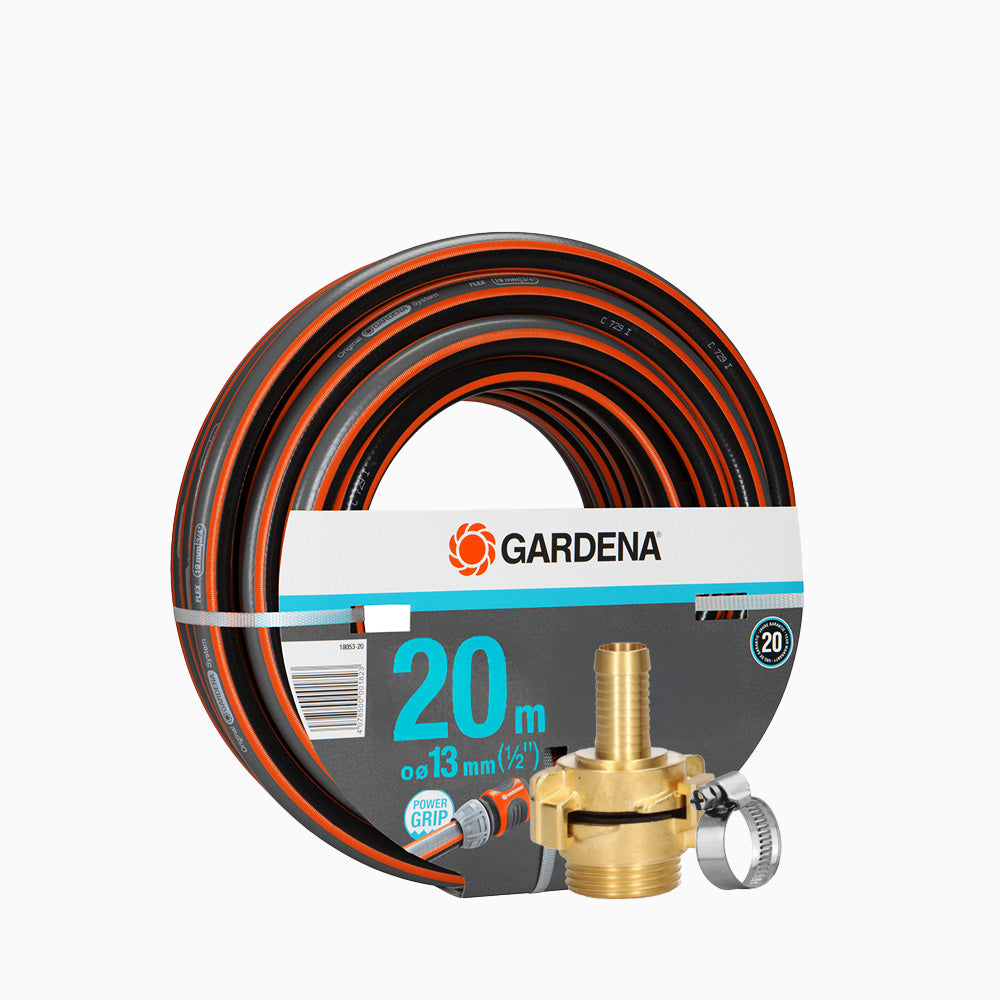
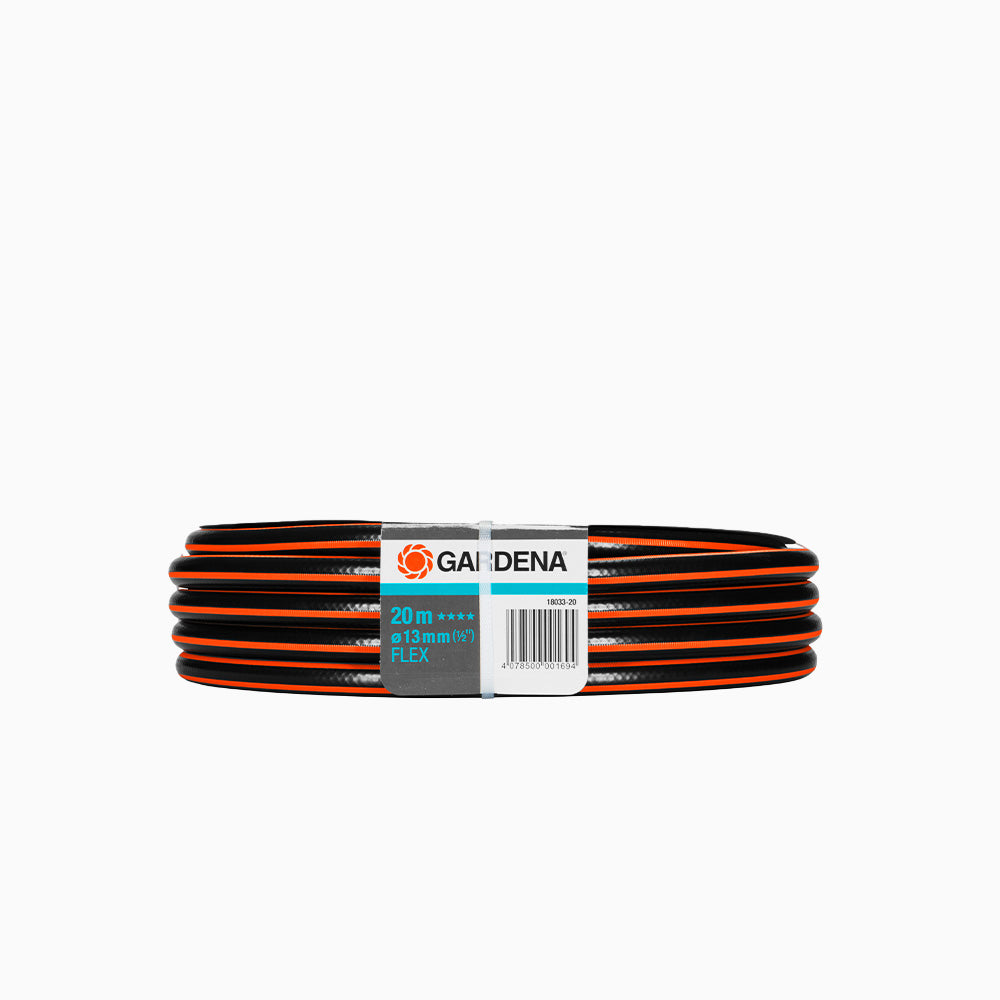
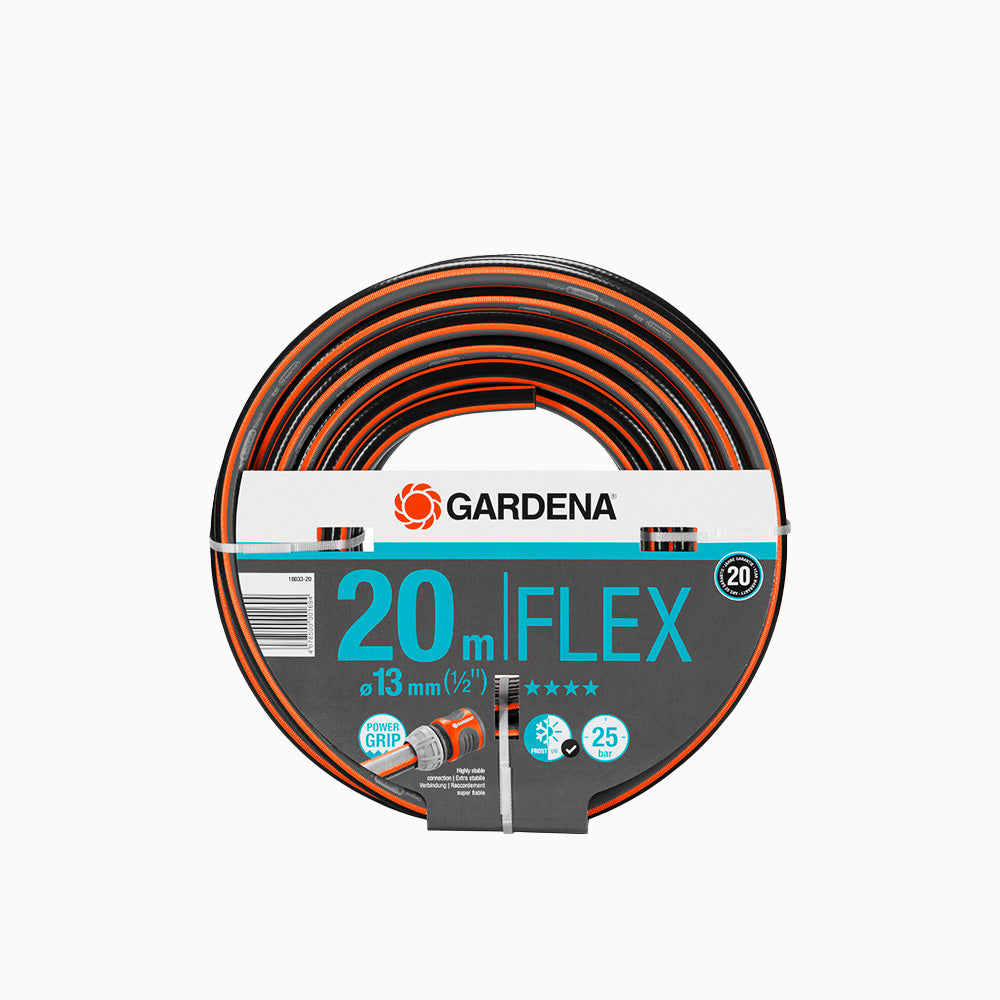
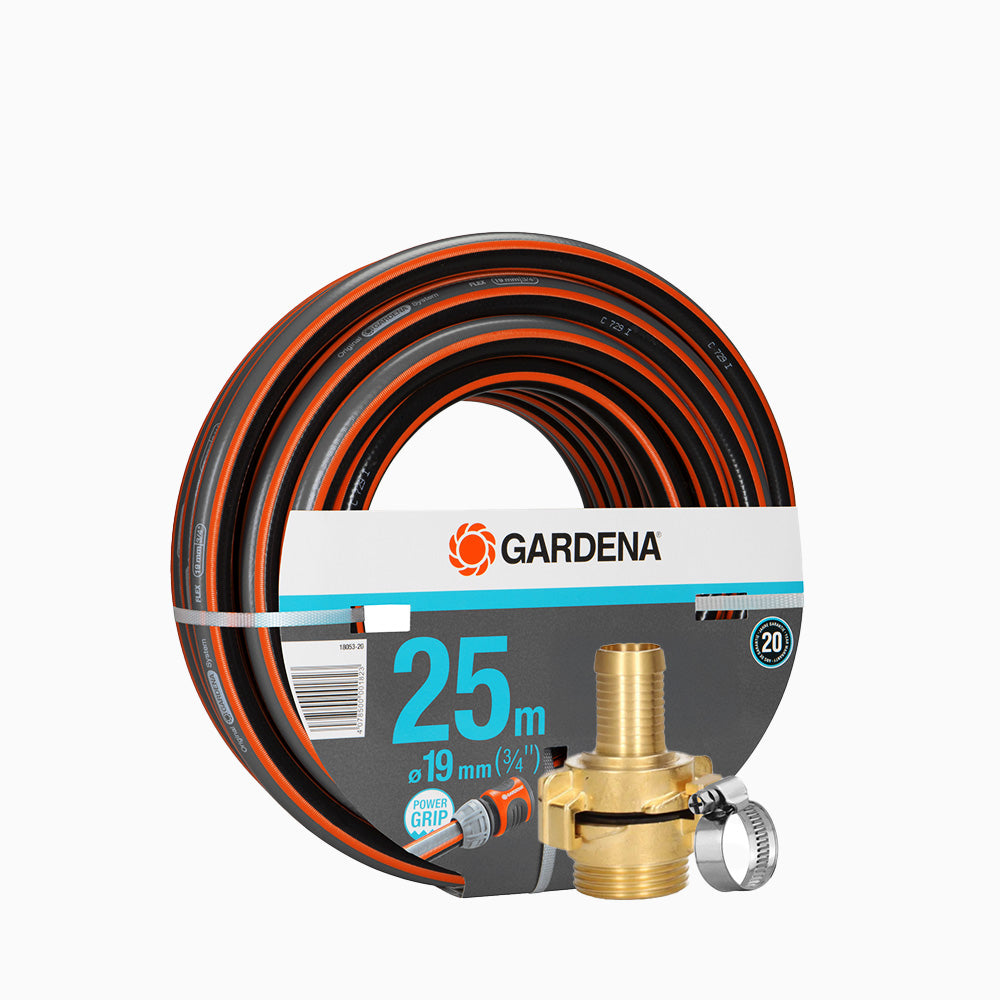
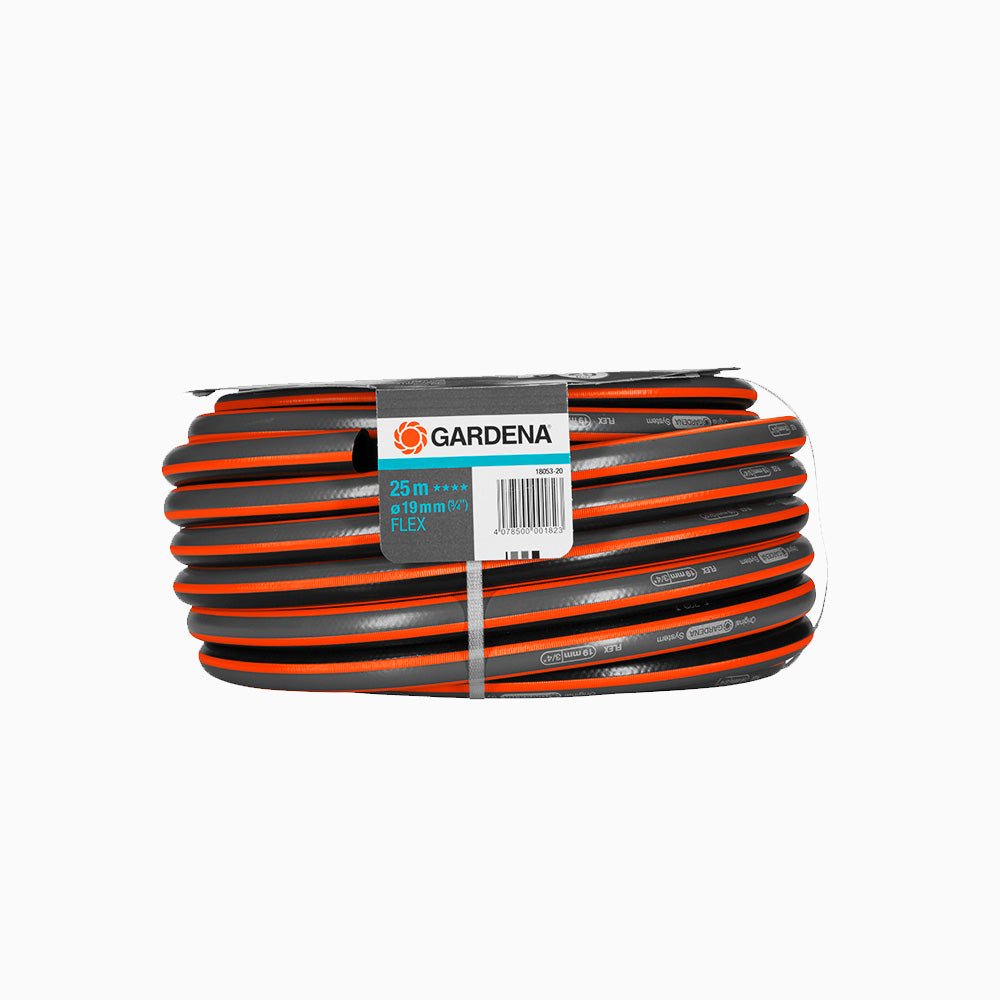
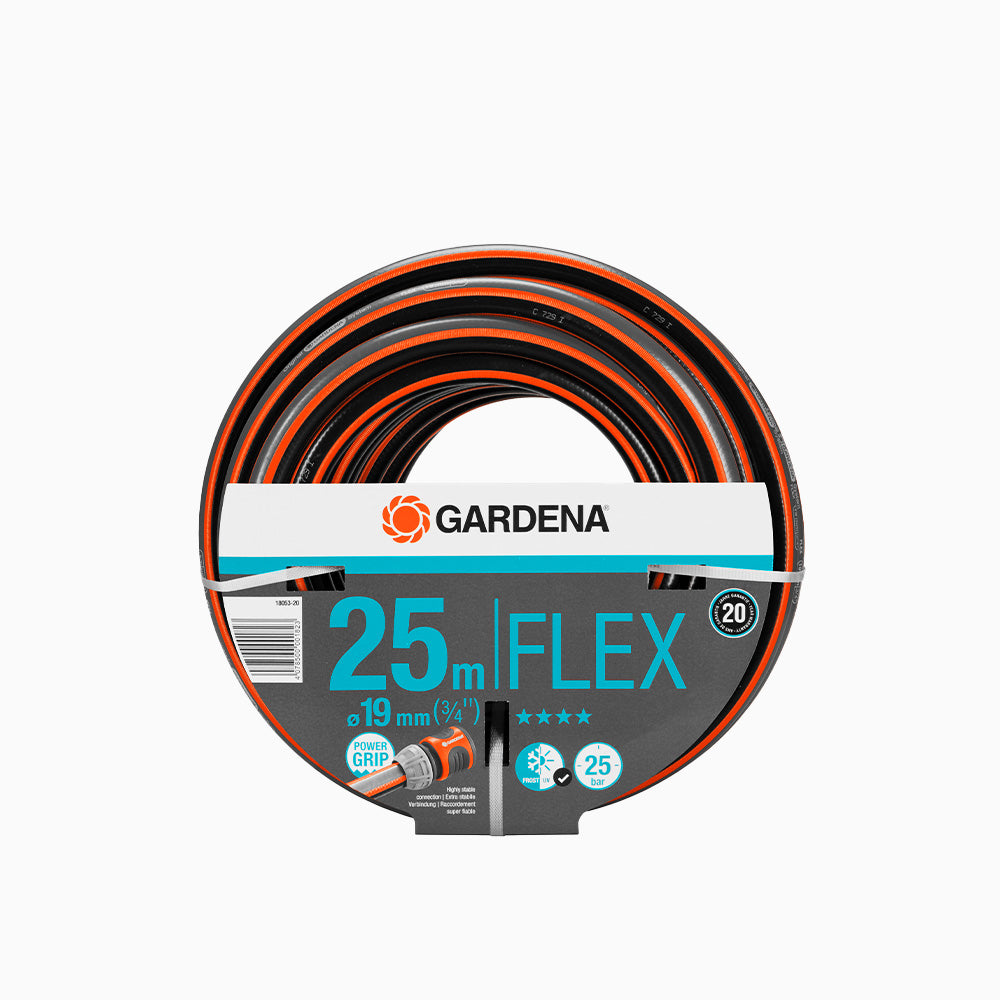
Yes, with the right fittings, but keep in mind that a thin garden hose will significantly limit the capacity (liters per hour). For fast drainage, a thicker hose is recommended.
Share:
Safety and electricity: Using flat vacuum cleaners in a wet environment
Step by step: How do you clean a flat vacuum cleaner after use?